
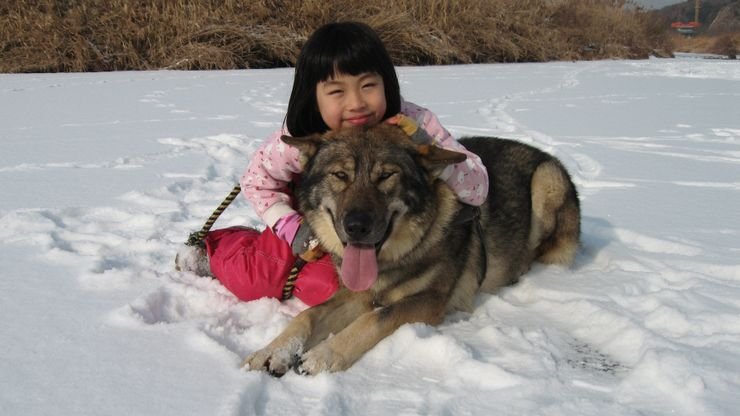
You walk through your front door after the worst day of your life. You haven’t said a word. Your dog takes one look at you, pads over quietly, and rests their head on your knee. No fanfare. No fuss. Just steady, unwavering presence. Most of us have experienced something like this, and most of us have probably brushed it off as a coincidence or a trained response to our routine. Here’s the thing though – it is anything but random.
Science is now confirming what dog lovers have felt for centuries. Our dogs are not simply reacting to us. They are reading us, processing us, and responding to us on a level of emotional sophistication that most people simply never give them credit for. If you’ve ever wondered just how deep that understanding really goes, buckle up. What you’re about to discover might genuinely change the way you see your dog forever. Let’s dive in.
Your Dog Is Reading Your Face Right Now

A landmark study conducted by Eötvös Loránd University in Hungary demonstrated that dogs can distinguish between happy and angry human faces. Think about that for a moment. Your dog isn’t just responding to your tone or your body language. They are looking at your actual face and drawing conclusions. That is a remarkable cognitive feat.
Research published in Current Biology determined that dogs can recognize emotions in humans by combining information from different senses, with scientists presenting domestic dogs with pairings of images and vocal sounds conveying different emotional expressions. The dogs spent significantly longer looking at the facial expressions that matched the emotional state of the vocalization. In other words, your dog cross-references what they see with what they hear to form a complete picture of how you feel. Honestly, that is more emotionally tuned-in than plenty of people I know.
The Nose Knows More Than You Think
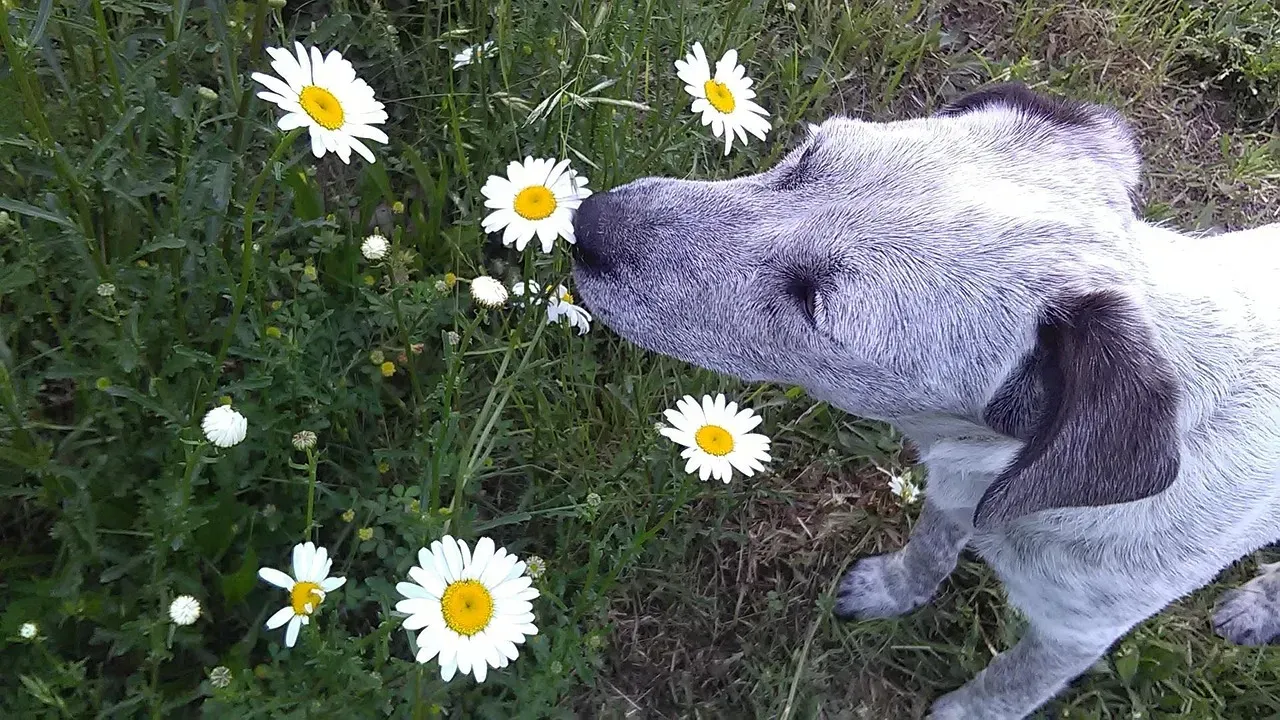
With around 300 million olfactory receptors, compared to just 6 million in humans, dogs can sense even the most subtle shifts in scent, including those caused by hormonal changes. This is why your dog sometimes seems to know you are stressed before you even realize it yourself. They are literally smelling the chemistry of your mood shift.
A 2022 study published in PLOS One found that dogs can identify human stress by detecting shifts in breath and sweat scents. The study, conducted by researchers at Queen’s University Belfast, trained four dogs to sniff out stress-related chemical changes in humans. Amazingly, the dogs correctly identified the stressed sample an overwhelming majority of the time, confirming that stress produces a detectable change in human odor. Think of your dog’s nose as a built-in emotional scanner. When your cortisol spikes after a hard conversation or a close call in traffic, your dog has already picked up on it. That’s not magic. It’s biology at its most breathtaking.
Learning the Language Your Dog Is Already Speaking

Here’s where most dog owners hit a wall. We want our dogs to understand us, but we forget that the relationship flows both ways. Dogs communicate constantly through their posture, facial expressions, and movement, and learning to understand your dog’s body language helps you build trust, prevent stress, and support their emotional well-being. Reading your dog is every bit as important as them reading you.
Calming signals can be seen in stressful situations and in exciting situations, as good and bad stress affect your dog the same way. The top three calming signals owners should be on the lookout for are lip licking, yawning, and shaking off. A dog yawning in the middle of a greeting or during a busy household argument is not tired. They are telling you, as clearly as they possibly can, that they feel overwhelmed. A study on tail-wagging showed that dogs tend to wag their tails more to the right when they’re feeling positive about something, such as interacting with their owner, while tails wagged more to the left when dogs faced something negative. Yes, even the direction of a wag means something.
The Chemistry of Connection: Oxytocin and the Bond You Share
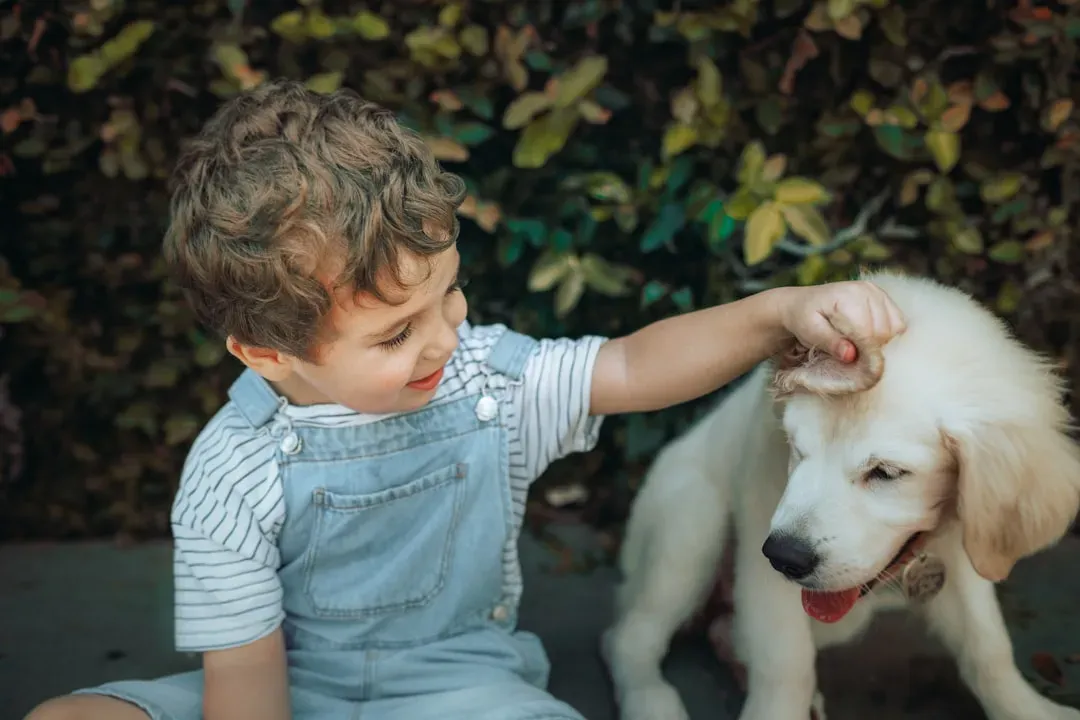
A number of studies have shown that when dogs and humans interact with each other in a positive way, such as cuddling, both partners exhibit a surge in oxytocin, a hormone which has been linked to positive emotional states. This is not just a feel-good story. It is a measurable, physiological response happening in both you and your dog simultaneously. The bond you feel is real, and it is chemical.
Research found that mutual gazing increased oxytocin levels, and sniffing oxytocin increased gazing in dogs, an effect that transferred to their owners. So that long, soft eye contact your dog gives you across the room? It is not them being weird or needy. It is them actively deepening your bond, triggering a hormonal loop of trust and affection. It appears as if owners and dogs can mutually sense the other’s emotional state based on an increased ability to read the other’s behavioral cues. The relationship truly does flow both ways, at a level most people never stop to appreciate.
How Your Emotional State Directly Shapes Your Dog’s World
Results from research show that dogs indeed perceive differences in human emotion and behave differently depending on their owner’s emotional state. Dogs gazed and jumped less often and were less compliant with commands when learning a new task from a sad owner. By contrast, dogs with happy owners performed better at the new task than dogs with sad or neutral owners. Let that sink in. Your mood is not just felt by your dog. It literally changes their ability to learn and thrive.
If you are anxious during thunderstorms, your dog may become more fearful, too. Dogs respond best to calm, confident energy, and yelling or frustration can create confusion rather than clarity. This is not about blaming yourself on hard days. It is about understanding that your dog is emotionally intertwined with you in a very real sense. Puppies who are emotionally attuned tend to be more adaptable, less reactive, and easier to train. Emotional intelligence is also key for forming strong human-animal bonds and avoiding behavioral issues that can emerge when a dog feels anxious, misunderstood, or overstimulated. Creating emotional safety for your dog starts with you taking care of your own emotional world, too. It’s a partnership, and it always has been.
Conclusion: See Your Dog Fully, and Love Them Better for It
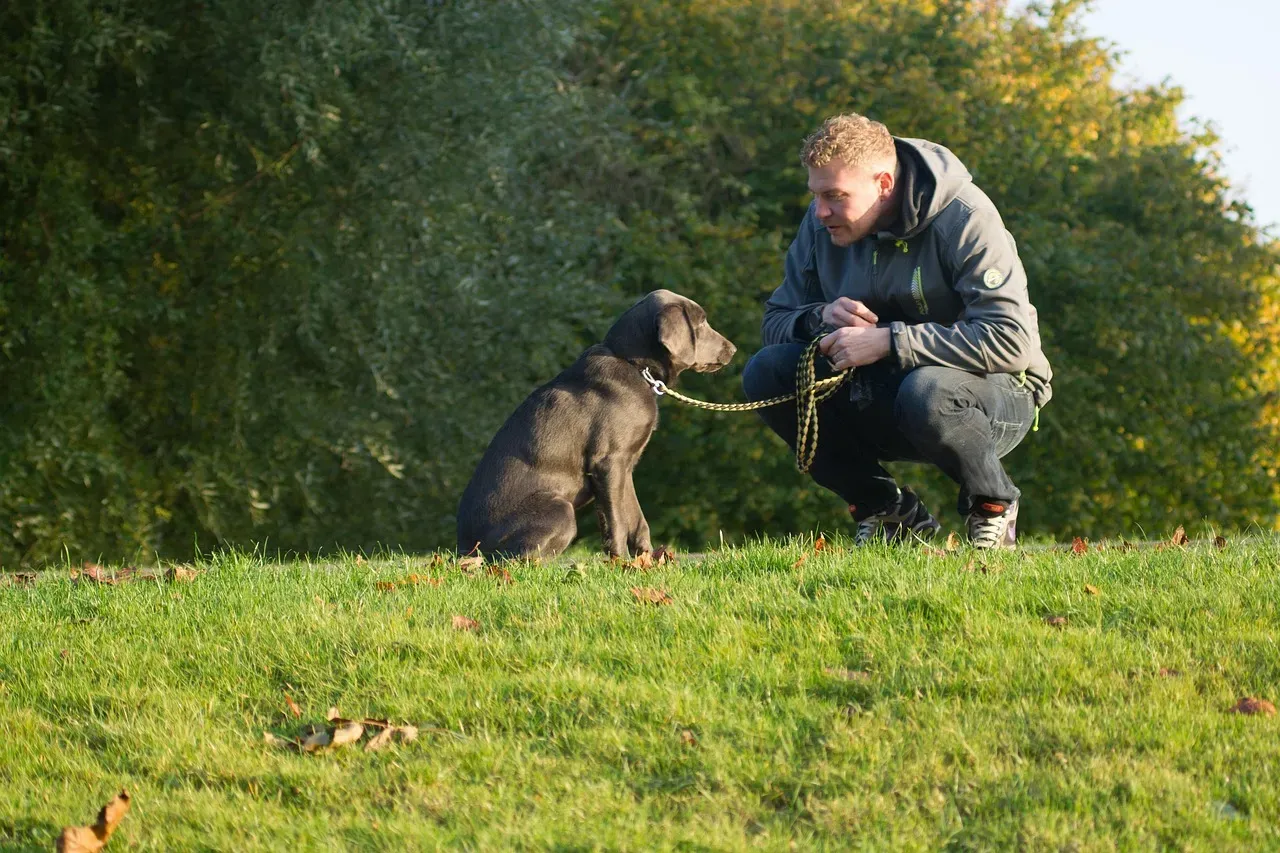
The more science digs into the canine mind, the more it confirms what you already felt every time your dog pressed against you on a rough day. Dogs are sociable creatures that form strong ties with humans, and the emotional intelligence of dogs is a significant factor in the dynamics of the interaction between humans and dogs. They are not just pets filling space in your home. They are emotionally intelligent beings actively engaged in understanding you.
When you start seeing your dog’s yawns as words, their gaze as a gesture of love, and their calm presence as a deliberate act of support, everything shifts. You become a better communicator. A better caretaker. A better companion to an animal that has, quite literally, evolved to love and understand you. Your dog is talking to you all the time. If you learn what your dog is saying, you will develop a deeper bond of trust and respect, and your understanding of your dog’s emotional state can help you predict their behavior and prevent problems before they arise.
The real question is not how emotionally intelligent your dog is. It’s how emotionally present are you willing to be in return? What do you think – has your dog ever sensed something about you before you even knew it yourself? Share your story in the comments.


