
You love your dog with everything you’ve got. You buy them the good treats, the fancy bed, the squeaky toys they destroy in thirty seconds flat. Yet somehow, without realizing it, you might be doing things every single day that leave your pup scratching their head, tensing up, or quietly wishing you’d just stop.
Here’s the thing – dogs aren’t dramatic. They’re incredibly patient with us. But dogs don’t silently put up with our weird human habits. They’re collecting data, dropping hints, and sometimes they’re communicating “please don’t do that” in subtle dog language while we naively interpret their silence as approval. That gap between what we mean and what they experience? It matters more than most of us realize.
So if you’ve ever wondered why your dog looks vaguely uneasy during what you thought was a sweet bonding moment, you’re about to get some real answers. Let’s dive in.
1. Hugging Them Like a Teddy Bear
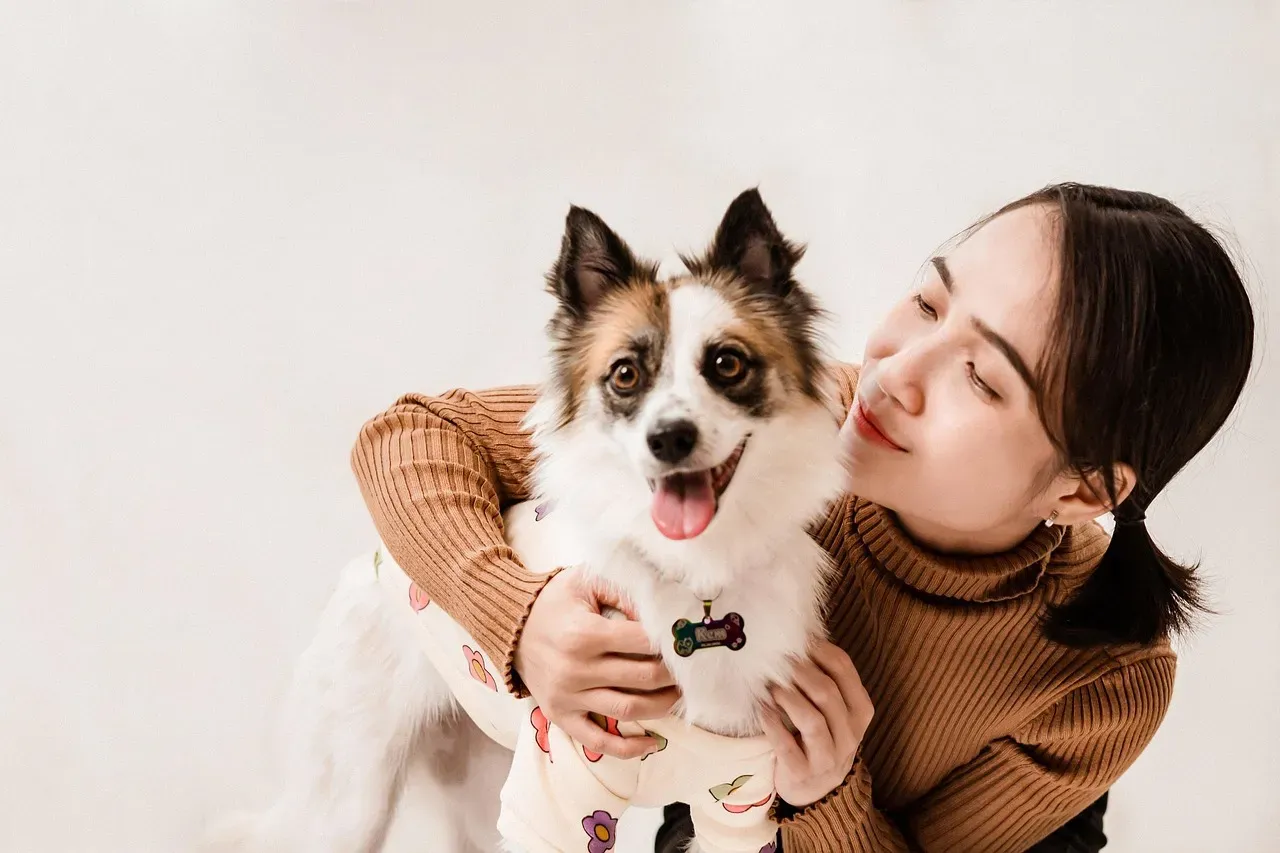
Hugging may seem like the ultimate declaration of affection to us humans, but to dogs, it’s actually the height of stress. Canines didn’t evolve the same way we did. They don’t have arms, and they certainly don’t hug. Think about it from their perspective. What feels like warmth to you registers as something very different in their world.
Dogs grasp each other loosely when play-wrestling, and also when mating and fighting. Being pinned by another dog hinders a quick escape. So how are they supposed to know what a hug from a human means, when that same behavior from another dog might be threatening? If you notice your dog going stiff, turning their head away, or licking their lips during a hug, those are clear stress signals. Try gentle side-by-side snuggles instead.
2. Staring Directly Into Their Eyes
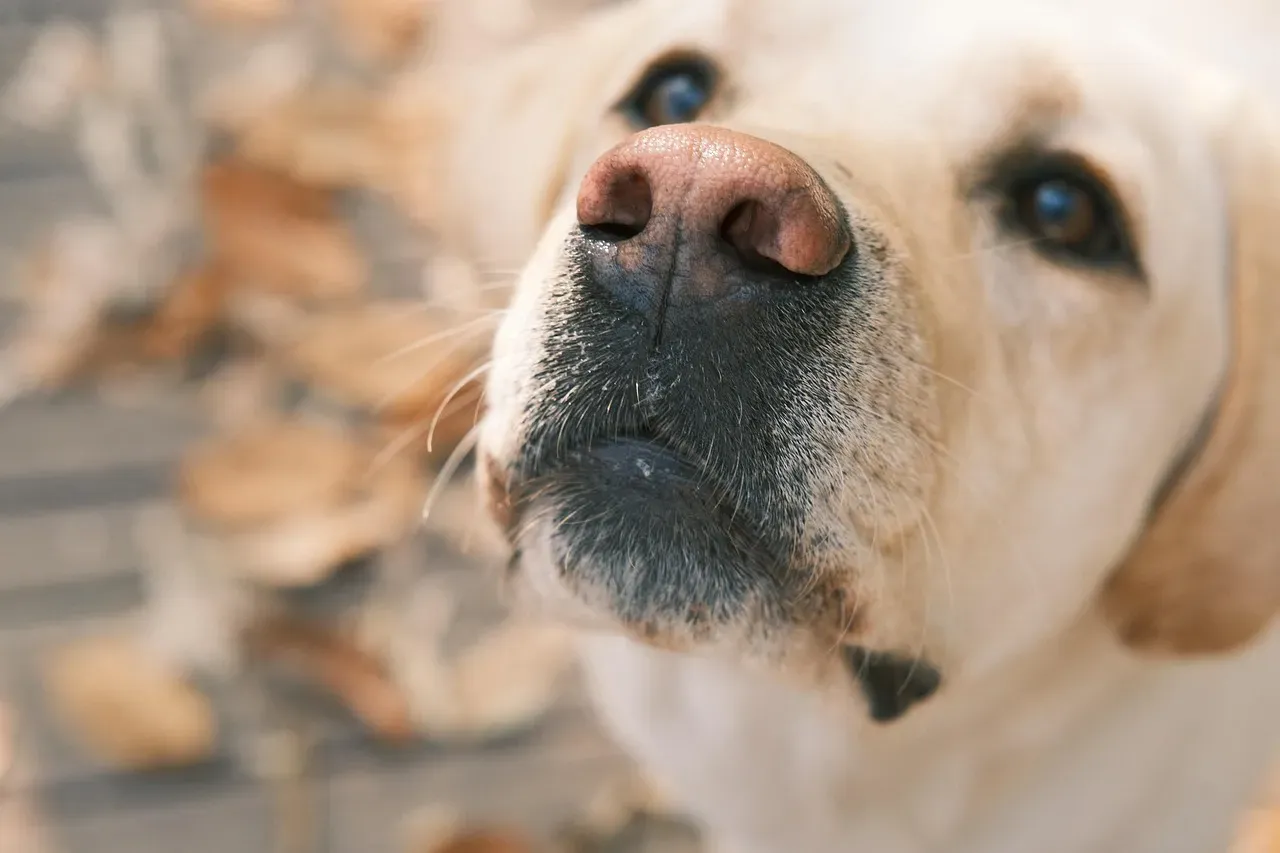
We’ve all gazed lovingly into our dog’s big brown eyes. It feels romantic and bonding. For them, though? Not quite the same experience. Extended eye contact or staring is actually one of the quickest ways to annoy dogs. To them, staring means you’re challenging them. It’s particularly bad practice when approaching a strange dog.
One example of this type of thinking is staring into a dog’s eyes to “let the dog know you are boss,” which is quite intimidating and can make a dog very uneasy. Soft, gentle eye contact is absolutely fine with your own bonded dog. Hard, prolonged staring, though, is a different story. Just as a hard stare can be a precursor to aggression, looking away is meant to calm a situation. When dogs feel stressed, they’ll pointedly look away and avoid eye contact. People often interpret this as their dog ignoring them or being stubborn, but the dog is actually expressing discomfort.
3. Using an Inconsistent Rule Book
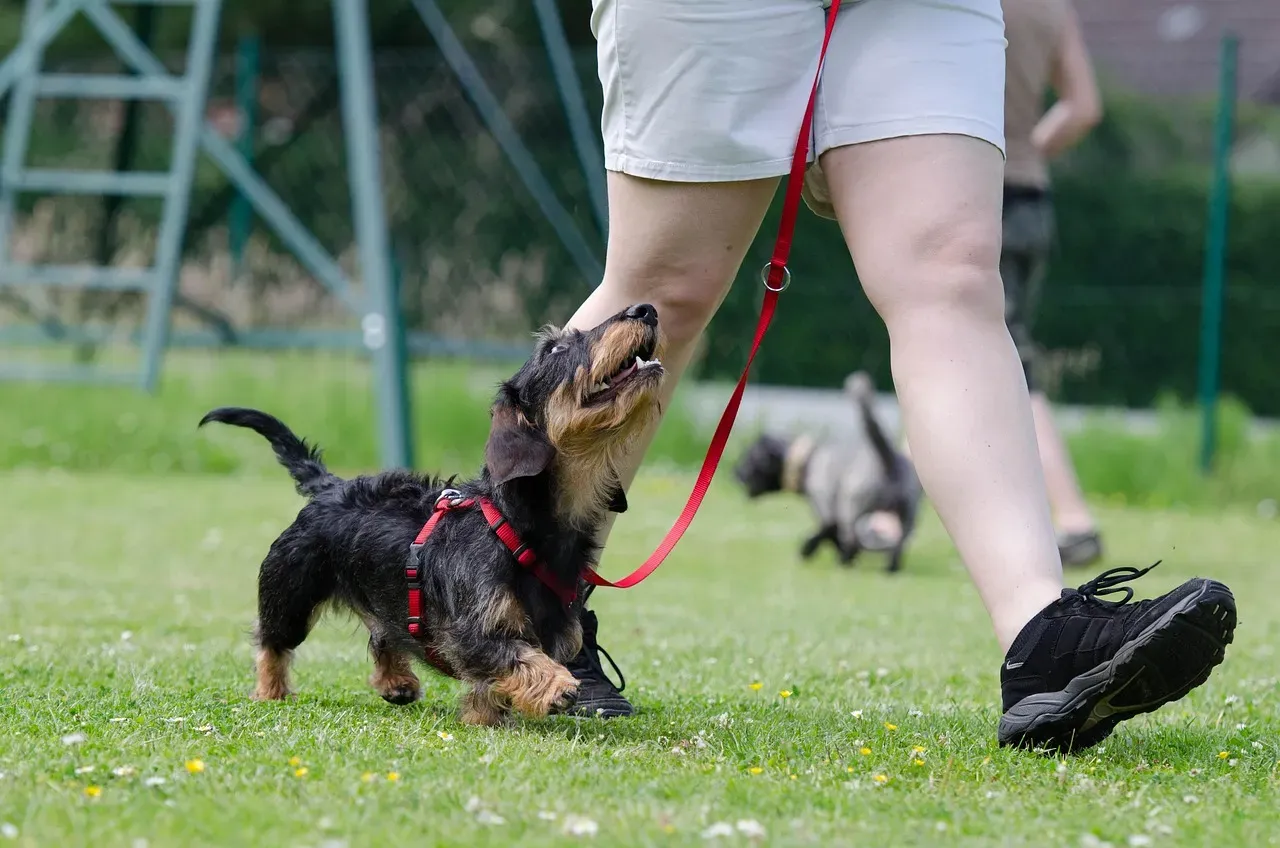
This one is honestly a little embarrassing when you see it clearly. Imagine being told the rules change depending on who’s watching. You often invite your Golden Retriever to jump up on you when you get home from work, but when your mother comes over to visit, you chastise the dog for doing the exact same thing to her. This discrepancy confuses dogs, who can’t figure out what you want them to do.
Dogs thrive when they have clear boundaries and expectations. This is why well-trained dogs are often the happiest dogs. They have clear rules they’re expected to follow, and they love your approval for doing the right thing. The fix here is wonderfully simple. Dogs have a hard time understanding what we want from them, and when a guardian or an entire household is inconsistent, this makes it much harder for a dog to figure us out. If you have a dog, make sure everyone involved with the dog is on the same page about hand signals, voice cues, and how the dog can live in your home.
4. Yelling When They Misbehave
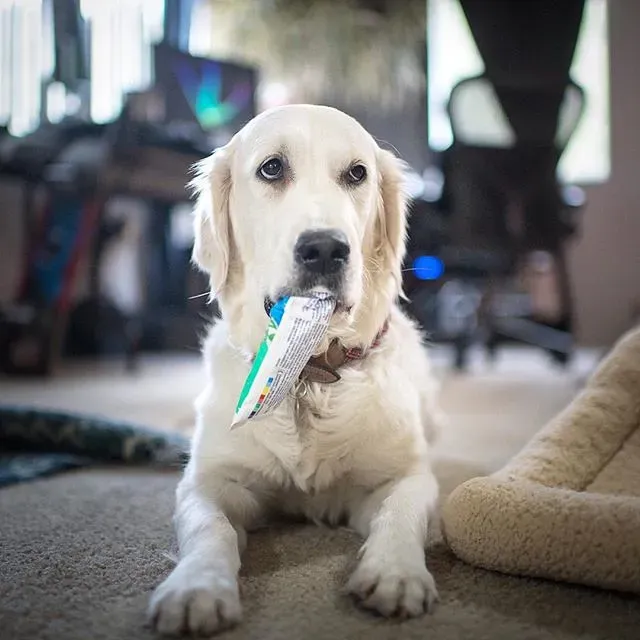
It’s a natural impulse when your dog has just demolished a sofa cushion. You raise your voice. You vent. Totally understandable. However, your dog is processing that very differently from how you intend it. Yelling is interpreted by your dog as angry barking, which to them means trouble. As a training technique, it works poorly to shut down bad behaviors and only serves to scare, confuse, or agitate.
Being yelled at is never fun, but it can be even worse for your dog who often doesn’t understand what’s upset you. As a training technique, it does very little and can actively inhibit your dog’s learning. Instead, the best way to discourage unwanted behaviors is by redirecting your dog towards a positive behavior. This is called reward-based training, and it not only works better than yelling but also keeps your dog from becoming scared, confused, or agitated.
5. Changing Their Daily Routine Without Warning
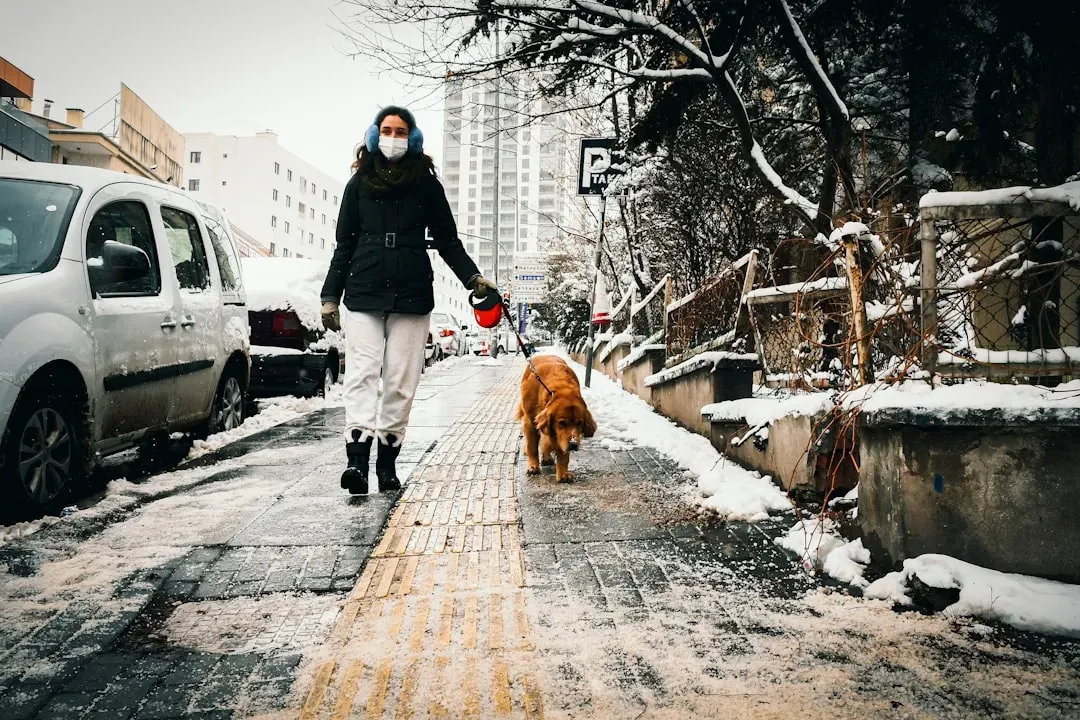
Dogs are creatures of rhythm. Their internal clocks are shockingly precise, honestly more precise than most of us give them credit for. When we casually shift mealtimes, skip a walk, or suddenly change the morning schedule, it registers as a genuine disruption. Just like you may get frustrated if you have to work through lunch, your dog may get annoyed if you come home late and delay their dinner.
If a pet is conditioned to regularly scheduled walks of a specific duration and time, and that schedule changes, you may see a negative impact on your dog. They’ll make it clear that they’re eager to get out and about if you miss one day’s jog. Routine is not just comfort for dogs, it’s actually security. Keeping mealtimes, walks, and bedtime consistent goes a surprisingly long way toward a calmer, happier dog.
6. Blowing in Their Face
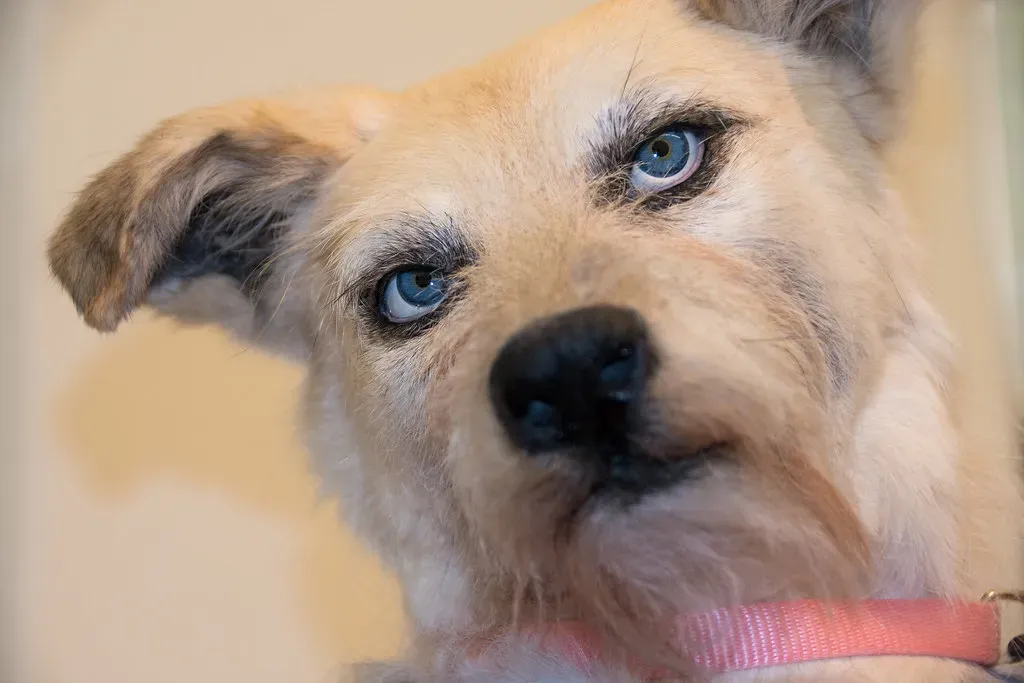
Let’s be real, most of us have done this at some point, usually to get a reaction or because it looked funny. Your dog’s reaction probably wasn’t amusement. Blowing in a dog’s face can be categorized as one of those human habits that dogs almost universally despise. The sensation is sudden, invasive, and completely out of their control.
The tricky irony here is that dogs seem perfectly happy with wind when they stick their heads out of a moving car window. The difference is context and consent. In that car scenario, they choose it. When you blow in their face unexpectedly, there’s no warning and nowhere to retreat. Watch for the immediate head turn, squinting eyes, or lip lick that often follows. Those are your dog telling you, politely but clearly, to please stop that.
7. Greeting Them Head-On and Too Intensely
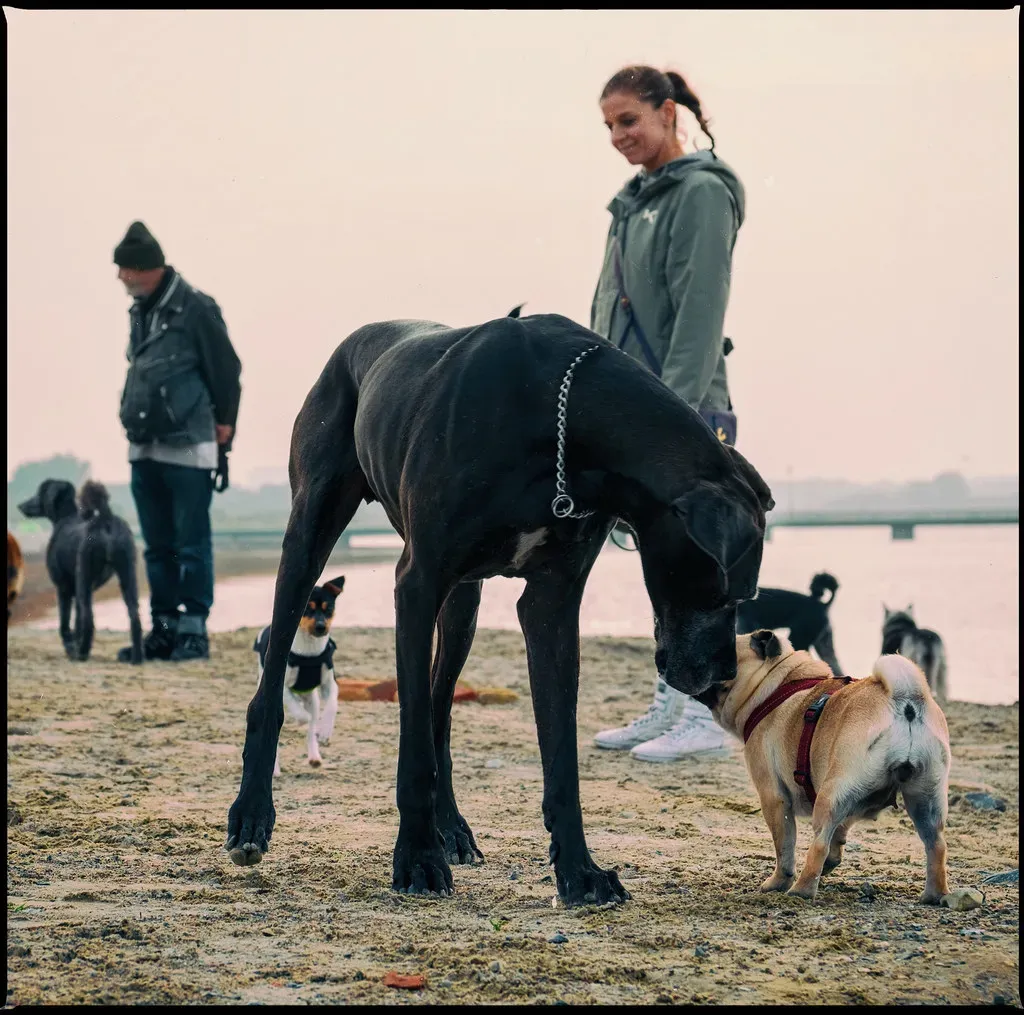
Think about how most people approach a dog they’ve just met. They lean in, reach for the head, and make direct eye contact all at once. From a human social standpoint, this seems warm and friendly. From a dog’s perspective, it’s genuinely overwhelming. Humans tend to greet dogs head-on, reach to pet them, make direct eye contact, and immediately assume that they want to be pet. But just like you probably wouldn’t appreciate this kind of greeting, neither does your dog.
If you want to greet a new dog in a way that’s comfortable for everyone, approach them with your body angled so your shoulders aren’t squared forward. Ensure your eyes are slightly averted and not looking them in the eyes. Speaking in a calm, gentle voice will also help tell them that you mean them no harm. It’s a small adjustment that makes an enormous difference, especially for shy or rescue dogs who need extra patience.
8. Dressing Them Up in Costumes and Clothes
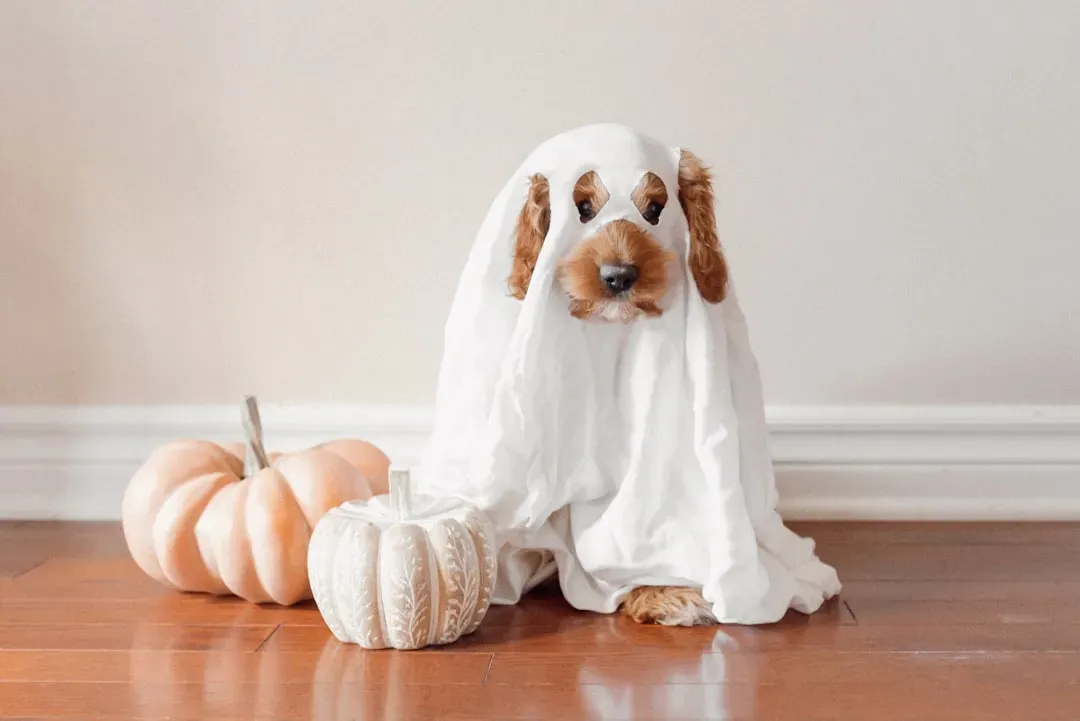
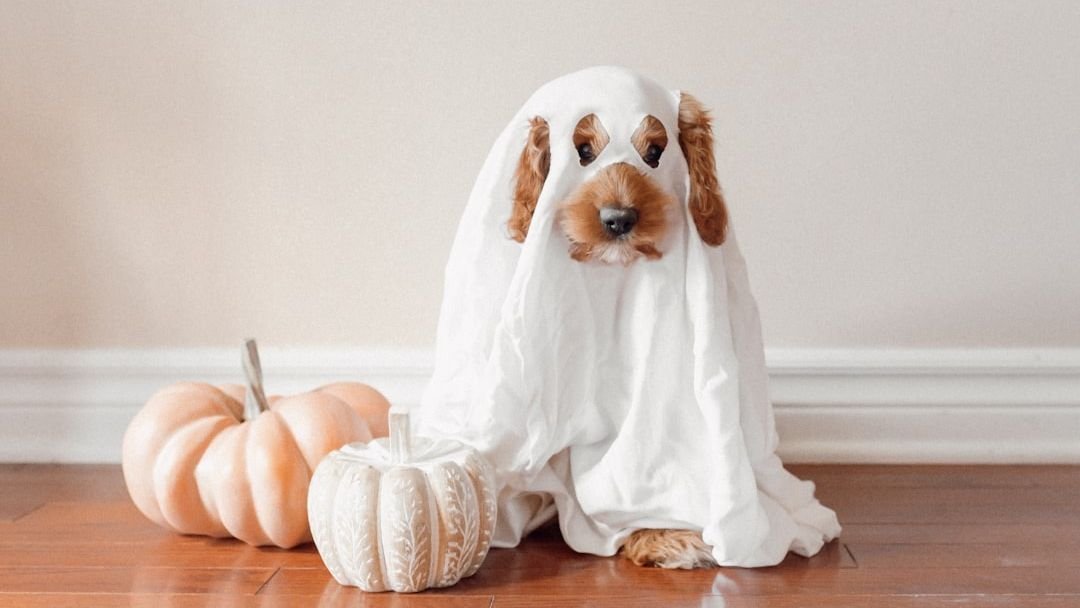
Okay, I know, the Halloween dog costume photos are absolutely delightful. I’m not immune to them either. However, your dog’s opinion of the whole thing is likely very different from yours. Shoes, coats, wallets, and bags carry countless smells that dogs already find confusing after we take them into shops and workplaces. Cleaning products, soaps, and shampoos also change the scents our dogs are used to. Towels, hats, and bags change our shape when we’re using them. And when we’re pulling on jumpers and coats, they alter our visual outline and may catch dogs unaware.
Now layer a full hot dog costume on top of that. Humans are visually driven, but dogs may find dress-ups genuinely confusing. If you do love dressing your dog, look for loose-fitting, comfortable pieces, introduce them gradually with treats, and always check for signs of stress like a tucked tail, flattened ears, or sudden stillness. Their comfort has to come first.
9. Forcing Them to Interact With Too Many Dogs at Once
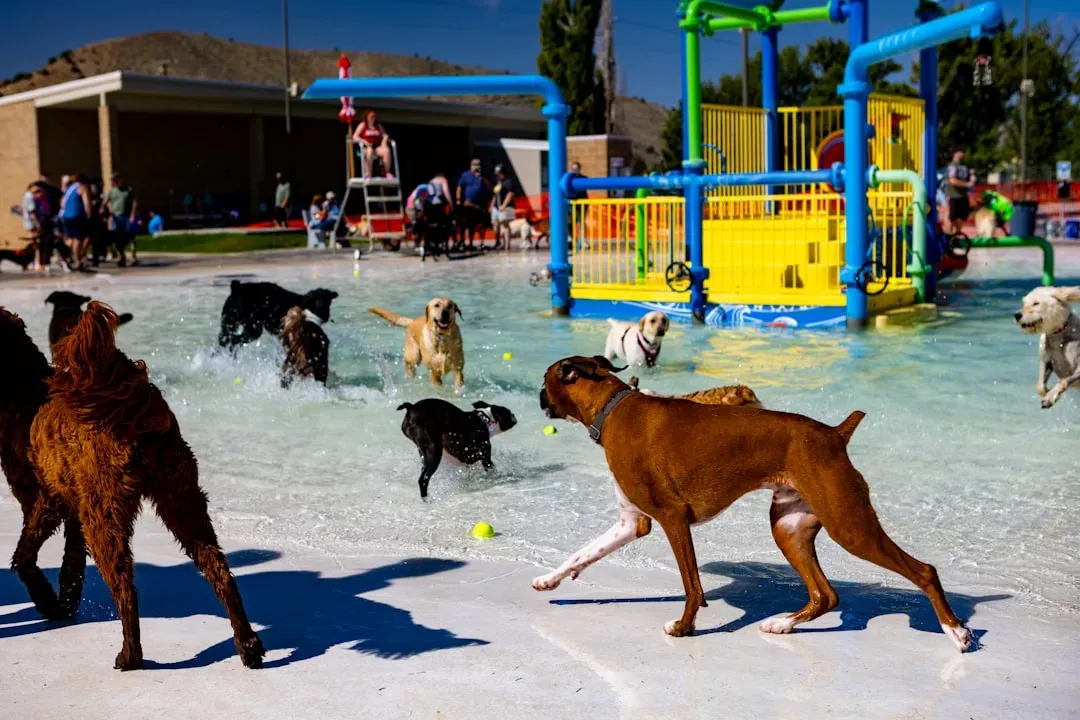
Dog parks look like pure joy. Lots of running, play bowing, and tail wags. However, for many dogs, especially those who are a little shy or sensitive, being thrown into a crowd of unfamiliar dogs is closer to sensory overload than a fun playdate. Many dogs get annoyed or defensive when thrown into a park filled with too many strange dogs. Think about suddenly being thrown into an elevator with twenty clowns and you’ll get the idea.
Increase the numbers or reduce the space and you’ll almost certainly see stress like pinned back ears, low tail carriage, yawning, avoidance, and even the occasional fight. The better approach? If your dog is shy, opt for socializing them with a few dogs they already know or dogs who are gentle and laid-back. Avoid parks or daycares with high densities of frenzied dogs.
10. Teasing Them With Food or Fake Throws
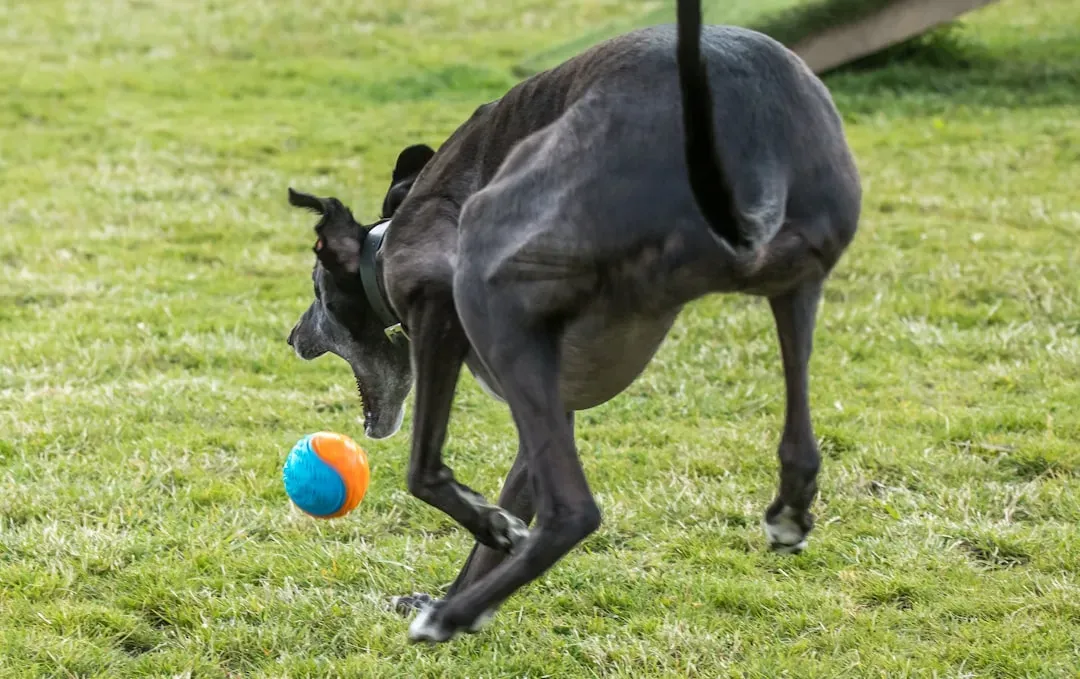
It seems harmless, even playful. You pretend to throw the ball, or you hold the treat just out of reach to watch them work for it. Your dog, though, is not in on the joke. Perhaps you’re holding a treat just out of reach, pretending to throw the ball, or maybe you’re even barking at them. These behaviors are annoying, confusing, and frustrating.
Dogs operate on trust. When you consistently make promises with your body language that you don’t deliver on, you slowly chip away at that trust, even if only a little at a time. Think of it like a colleague who keeps saying they’ll cover for you and then doesn’t show up. The frustration builds. Keep play honest, keep throws real, and let your dog feel the genuine reward of getting the thing they were promised.
11. Bathing Them Without Preparation
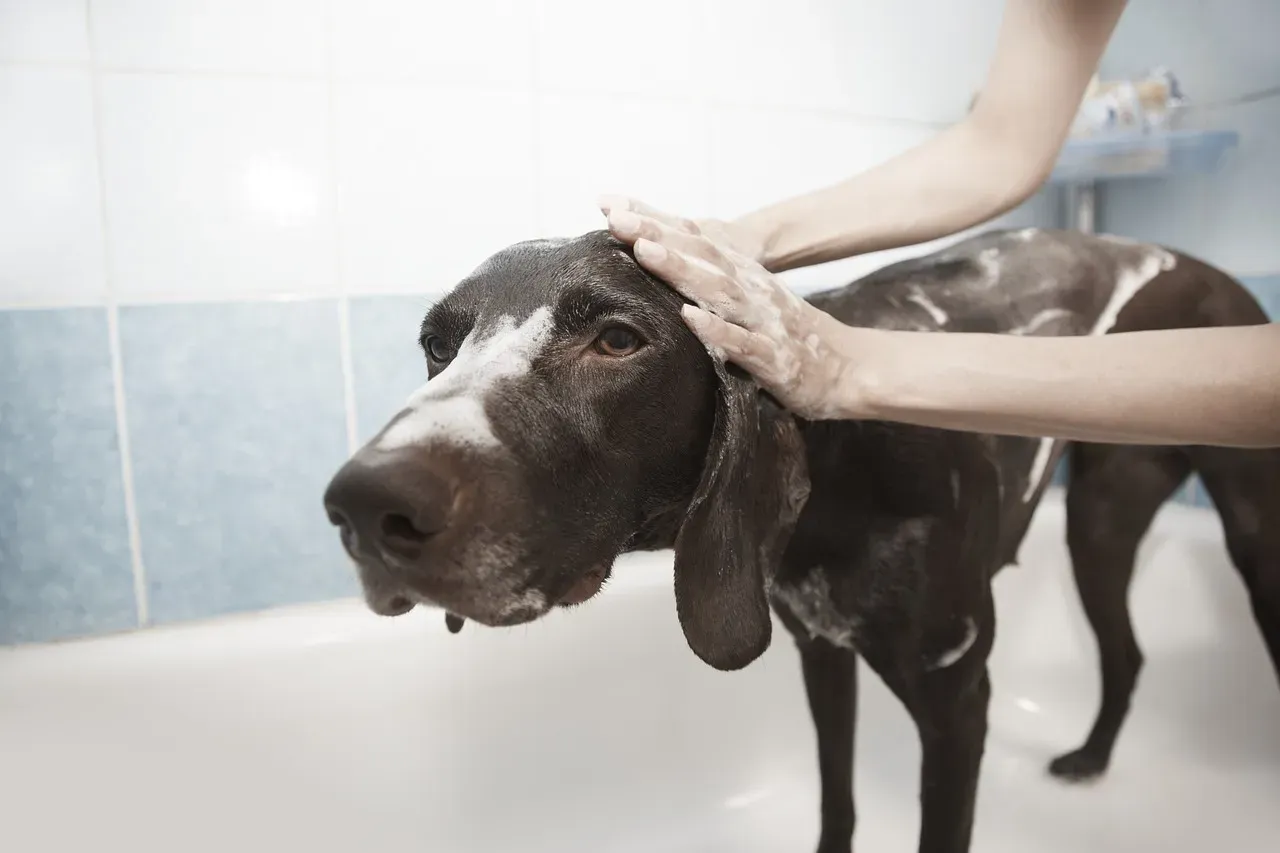
Bath time. Two words that send many dogs sprinting to the farthest corner of the house. Both bathing and nail trims involve awkward handling, slippery surfaces, odd sensations, and, worst of all, zero consent. Depending on the dog, baths and nail trims could range from annoying to bordering on distressing if we’re not careful.
Your dog’s post-bath behavior could have several explanations, including them simply being uncomfortable being wet. A more interesting explanation could be that they’re trying to get their scent back. That frantic rolling and zooming after a bath? It’s not ingratitude. It’s your dog trying to restore their olfactory identity. It’s important to work with dogs, particularly as puppies, to get them to enjoy handling and to make vet and grooming visits more pleasant in the future. Introduce bath time slowly, use non-slip mats, and keep treats flowing throughout.
12. Ignoring Their Stress Signals Altogether
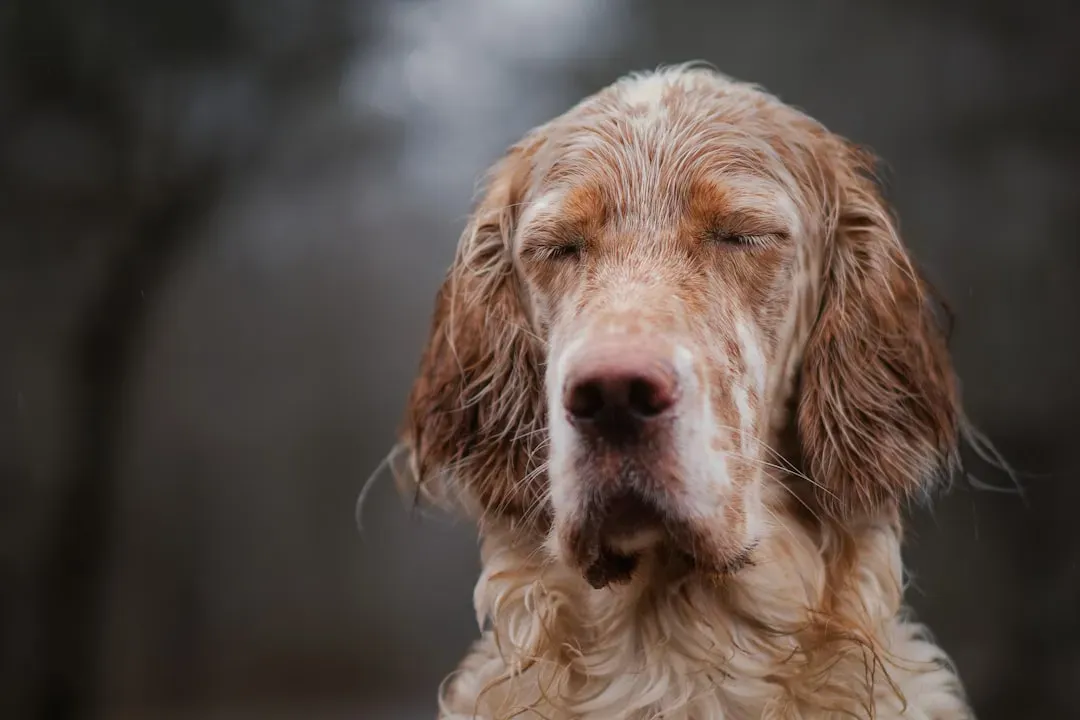
This might be the most important habit on the entire list. Everything else ties back to this. Dogs are constantly communicating with us, but most of the time, we’re simply not tuned in to what they’re saying. There are entire books written on dog body language and calming signals. Norwegian dog trainer Turid Rugaas realized that dogs have more than 30 ways to avoid stressful situations and try to calm themselves. When dogs exhibit these behaviors, they’re trying to diffuse the situation or tell you or another dog that they aren’t a threat.
Stress signs to look for include whale eye (when dogs reveal the whites of their eyes), tucked ears or tail, raised hackles, lip-licking, yawning, and panting. Learning to read these signals is not difficult, it just requires a little attention. When you listen to your dog’s signals, you build trust. Your dog learns that their person pays attention and keeps them safe. That trust? It’s the foundation of everything.
A Final Thought for Every Dog Lover
None of us set out to confuse or frustrate our dogs. We’re doing the best we can, and honestly, so are they. Dogs are remarkably forgiving, flexible, and patient. On the whole, dogs show a remarkable ability to adapt to the puzzles we throw at them. Their behavioral flexibility offers us lessons in resilience and how to live simply and socially.
The beautiful thing is that understanding them better doesn’t require a degree in animal behavior. It just requires a shift in awareness. Watch their body language. Stay consistent. Respect their space. Meet them where they are, not where you imagine them to be.
Your dog is not asking for perfection. They’re asking to be understood. And honestly, isn’t that what we all want?
What habit surprised you the most? Drop your thoughts in the comments, we’d love to hear from fellow dog lovers!


