

Picture this: your dog has been acting a little off lately. Maybe they’re snapping at the other dog in the house, bouncing off walls after dinner, or just lying there looking glum. You’ve tried more walks, more cuddles, more toys. Still nothing. Here’s something that might genuinely surprise you – the culprit could be sitting right there in their food bowl.
Research is making it increasingly clear that what a dog eats can significantly influence their mood, cognitive function, and temperament. Most of us never connect the dots between a grumpy pup and their kibble. We should. Let’s dive into the five fascinating, science-backed ways your dog’s diet shapes who they are, how they feel, and how they behave every single day.
1. Protein Powers the Brain – But Balance Is Everything

Think of protein as the chief engineer of your dog’s emotional world. Protein is essential not just for muscle development and repair, but for brain function too – the amino acids found in protein are necessary for producing neurotransmitters like serotonin and dopamine, which help regulate mood and behavior. That’s basically your dog’s happiness chemistry, built from their dinner bowl.
A diet low in high-quality protein can result in insufficient production of these neurotransmitters, leading to anxiety or aggression. On the flip side, too much of the wrong type of protein isn’t the answer either. For pet dogs, too much high-energy protein like red meat can sometimes lead to excessive excitability or even aggressive tendencies.
The sweet spot? A well-balanced protein source, including fish or poultry, is often a better option for calmer behaviour. If your dog seems anxious or reactive, it’s genuinely worth looking at the protein source and quality in their food before anything else.
2. Blood Sugar Crashes Are Real – and They Make Dogs Moody

You know that mid-afternoon slump you feel after a sugary lunch? Your dog experiences something very similar. Diets high in processed grains and artificial fillers can cause spikes and crashes in blood sugar, leading to sudden bursts of hyperactivity followed by lethargy or moodiness. It’s like watching a toddler after a birthday party – wired one minute, melted on the floor the next.
Depressive behaviour can result from diets high in carbohydrates like wheat, rice and potatoes. High glycaemic index foods like these can cause blood sugar spikes followed by crashes in energy and mood. This is something so many dog owners overlook when they’re buying the cheapest bag of kibble on the shelf.
A protein-rich diet with slow-digesting carbohydrates like sweet potatoes or pumpkin can help stabilize energy levels. Stable energy means a stable mood. It really is that connected. Watch your dog after switching to a lower-GI food – the difference can be almost immediate.
3. The Gut-Brain Connection Is Your Dog’s Secret Mood Switch
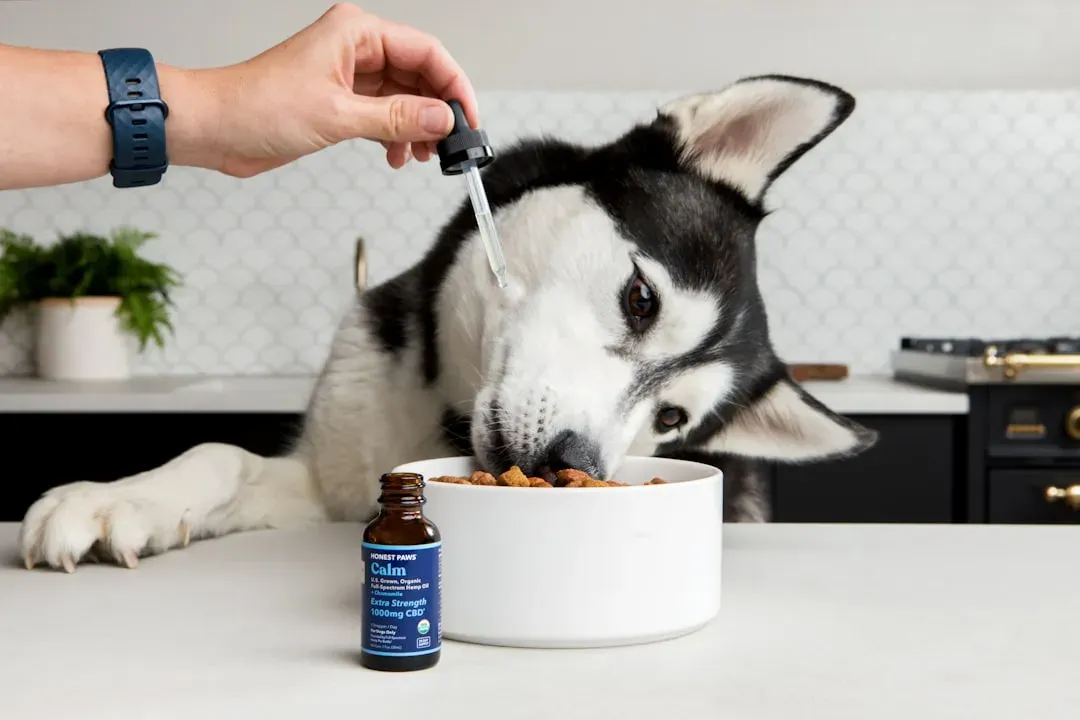
Honestly, this one blew my mind when I first learned about it. The gut-brain axis is a bidirectional communication network involving neural pathways, hormonal signals, and immune system messaging that enables the foods dogs consume to influence their emotional states, stress responses, and overall mental wellbeing. In simple terms, a happy gut means a happier dog.
Like humans, dogs have neurotransmitters in their brains that regulate emotions, one of the most important being serotonin. This “feel-good” chemical is largely produced in the gut, meaning that a healthy gut can promote a more balanced and happier mood. So when your dog’s gut bacteria are out of whack, their whole emotional system feels it.
Feeding fresher, minimally processed foods creates a wider variety of beneficial bacteria. Better beneficial bacteria can positively affect mood, stability, stress coping, lessening aggression, and more. Adding probiotic-friendly foods like plain yogurt or even bone broth to your dog’s routine is a small change with genuinely meaningful results.
4. Nutritional Deficiencies Can Trigger Anxiety and Aggression
Let’s be real – most people assume aggression in dogs is purely a training issue. Sometimes it is. But here’s the thing: a lack of essential fatty acids, B vitamins, or magnesium can make dogs more prone to anxiety, nervousness, and even aggression. Omega-3 fatty acids, found in fish and flaxseed, are particularly important for reducing anxiety and promoting a calm, focused mind.
B vitamins are essential for emotional balance and energy metabolism. Dogs deficient in these vitamins may experience aggression or fatigue. Including foods rich in B vitamins, like liver or eggs, can support your dog’s emotional well-being. It’s a surprisingly simple fix that gets overlooked time and time again.
A controlled Purina study showed that feeding anxious dogs a diet with increased levels of fish oil significantly reduced day-to-day anxious behaviors. When fed this diet, dogs were also less reactive and in a more positive state in response to anxiety-provoking stimuli. That’s not just hopeful anecdote – that’s real science with real results for real dogs.
5. Artificial Additives and Poor-Quality Ingredients Mess With Behavior

Flip over your dog’s food bag and read the ingredient list. If you see names that sound more like chemistry homework than actual food, pay attention. Artificial colors and flavors have been linked to hyperactivity and food sensitivities. Excess sugars and refined carbohydrates cause energy spikes and crashes. Low-quality by-products and fillers can lead to poor digestion and mood instability.
The quality of the ingredients is just as important as the nutrients themselves. Only the best, high-quality ingredients should be included in your dog’s diet, with no food coloring, by-products, or preservatives. Think of it like this: feeding your dog processed junk is like expecting a race car to run smoothly on dirty fuel. It simply won’t.
Health issues that stem from feeding a poorly balanced diet can lead to a whole host of behavioral issues. For example, a dog suffering from a urinary tract disorder brought on by diet may be unusually irritable and stressed from the pain and discomfort. Sometimes what looks like a “behavior problem” is your dog’s way of telling you something hurts, and the food is to blame.
Final Thoughts: Feed the Dog You Want to See
Here’s the takeaway – your dog cannot tell you they feel irritable, foggy, or anxious. They show you through their behavior. Any sudden mood change in your pet may indicate an underlying nutritional, behavioral, or health issue that must be addressed. You are always their first line of defense, and their bowl is a more powerful tool than most people realize.
The good news is that you don’t have to overhaul everything overnight. Start small. Mix a small portion of new food with their current food and gradually increase the amount over seven to ten days. Take note of any positive changes in energy levels, anxiety, or focus. Small, consistent changes lead to the biggest transformations.
I think the most empowering thing you can do as a dog parent is understand that your everyday choices, from the food brand you pick to the quality of the protein in the bowl, shape your dog’s inner world in profound ways. They trust you completely. What will you put in that bowl tomorrow?
What changes have you noticed in your dog’s mood after switching their food? Share your experience in the comments – your story might be exactly what another dog parent needs to hear.


