
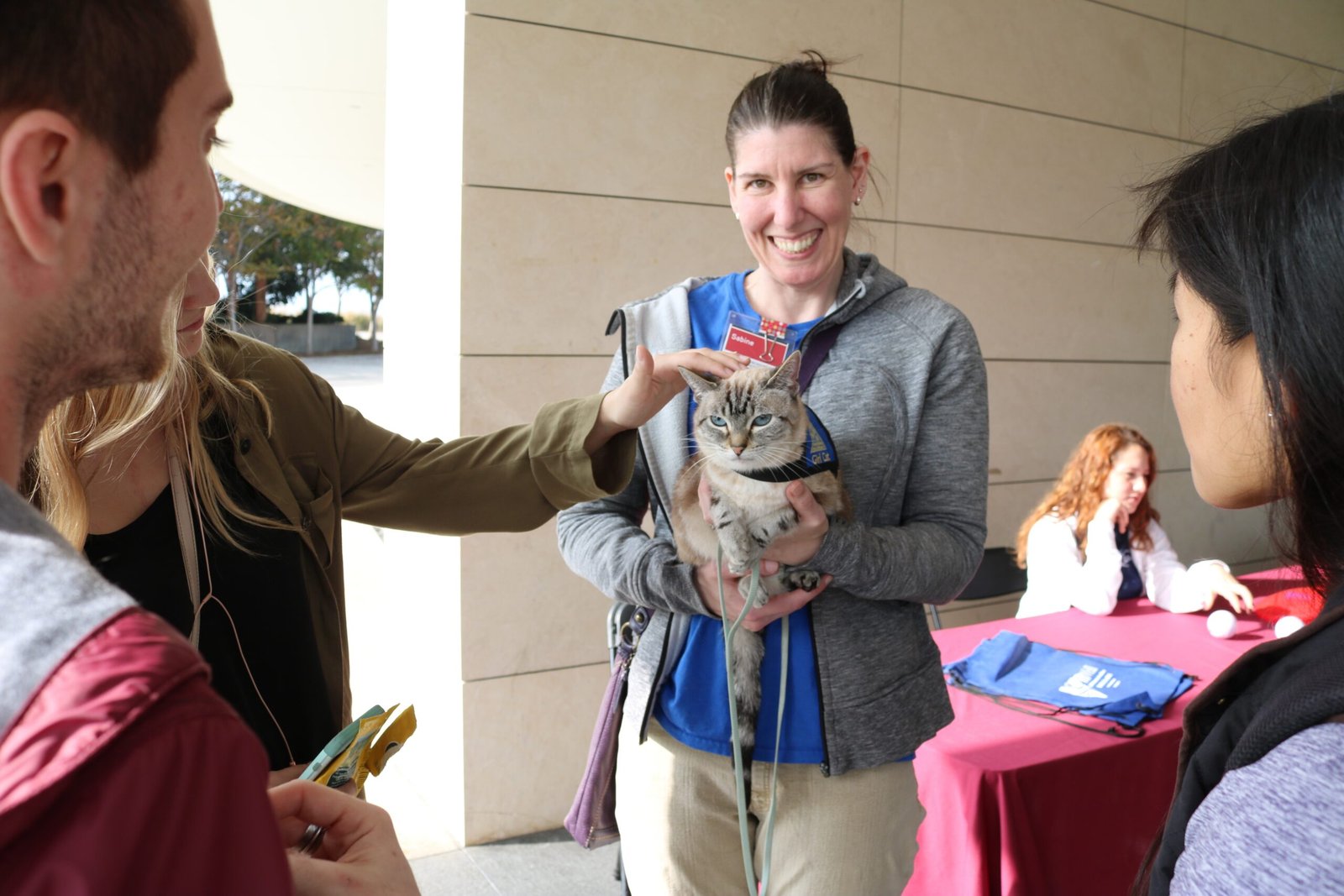
Absolutely, cats can be emotional support animals—and many people already rely on their feline companions for comfort and calm. While they may not show affection as obviously as dogs, cats often provide a steady, soothing presence that helps reduce anxiety, depression, and loneliness. Experts agree that a cat’s quiet companionship can offer real mental health benefits, especially when paired with a strong human-animal bond. Unlike service animals, emotional support cats don’t need special training, just a nurturing environment and your love. If your kitty makes your world feel a little lighter, they might just be the purr-fect emotional support partner.
Understanding Emotional Support Animals: More Than Just Pets
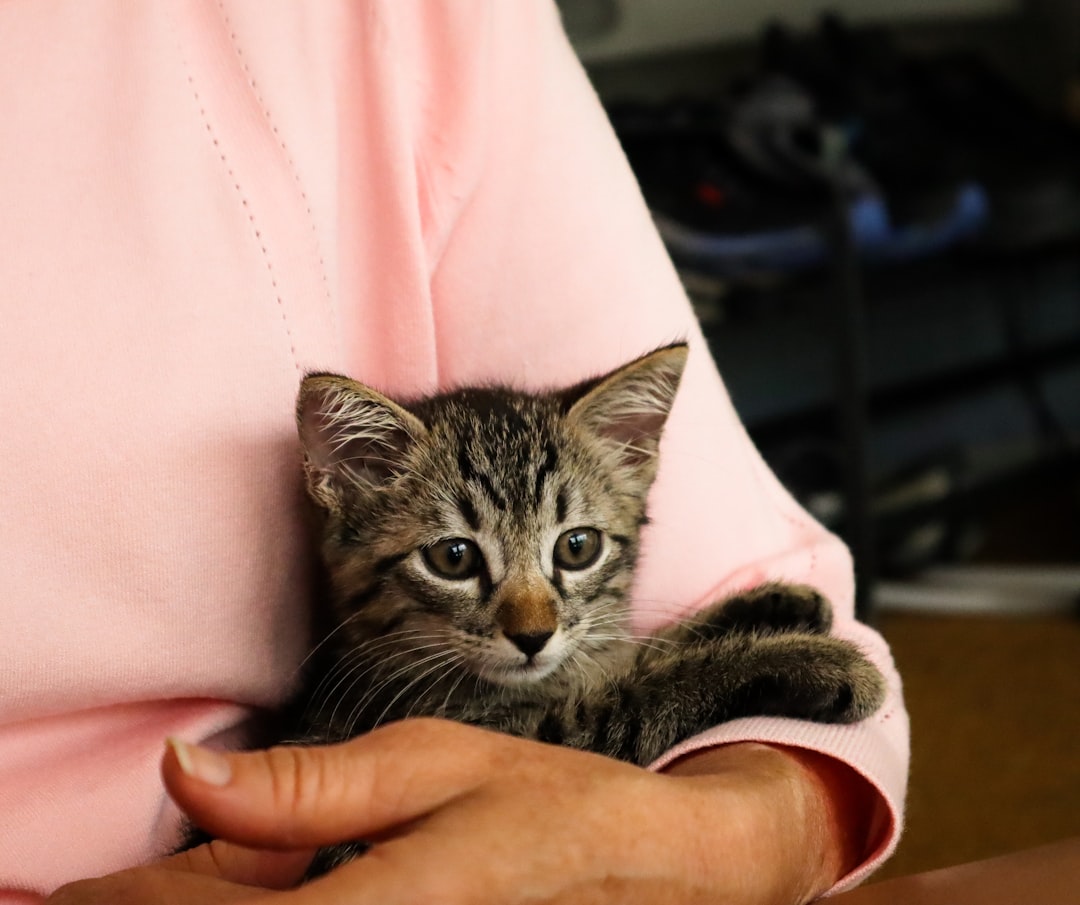
Emotional support animals (ESAs) aren’t just beloved companions; they’re recognized helpers for people struggling with mental health challenges. The key difference between ESAs and regular pets lies in the specific emotional relief they provide. While any pet can bring joy, an ESA is prescribed by a mental health professional to help with conditions like anxiety, depression, or PTSD. Unlike service animals, which need specialized training, ESAs simply need to offer comfort through their presence. Cats, with their calming purrs and gentle nuzzles, fit right into this unique role for many people seeking support.
Why Cats? The Secret Powers of Feline Companionship

Cats possess a quiet magic that’s hard to explain until you’ve experienced it yourself. Their soft fur, rhythmic purring, and gentle kneading can create a sense of calm that melts away stress. Studies have shown that simply petting a cat can lower blood pressure and reduce feelings of loneliness. For some, the act of caring for a cat provides routine and purpose, which is incredibly grounding when life feels overwhelming. It’s this ability to comfort without words that makes cats ideal candidates as emotional support animals.
Expert Insights: What Mental Health Professionals Say

Mental health experts often acknowledge the unique bond between people and their cats. According to psychologists, the nonjudgmental presence of a cat can be a lifeline for individuals battling anxiety or depression. One therapist shared, “Cats offer unconditional companionship. Their steady presence can help regulate emotions and provide a sense of security.” Many professionals have observed that patients with ESAs—cats included—show improved moods, better coping skills, and a greater sense of well-being. It’s not just anecdotal; the mental health community increasingly recognizes the healing potential of feline friends.
The Science Behind the Purr: How Cats Affect Our Brains
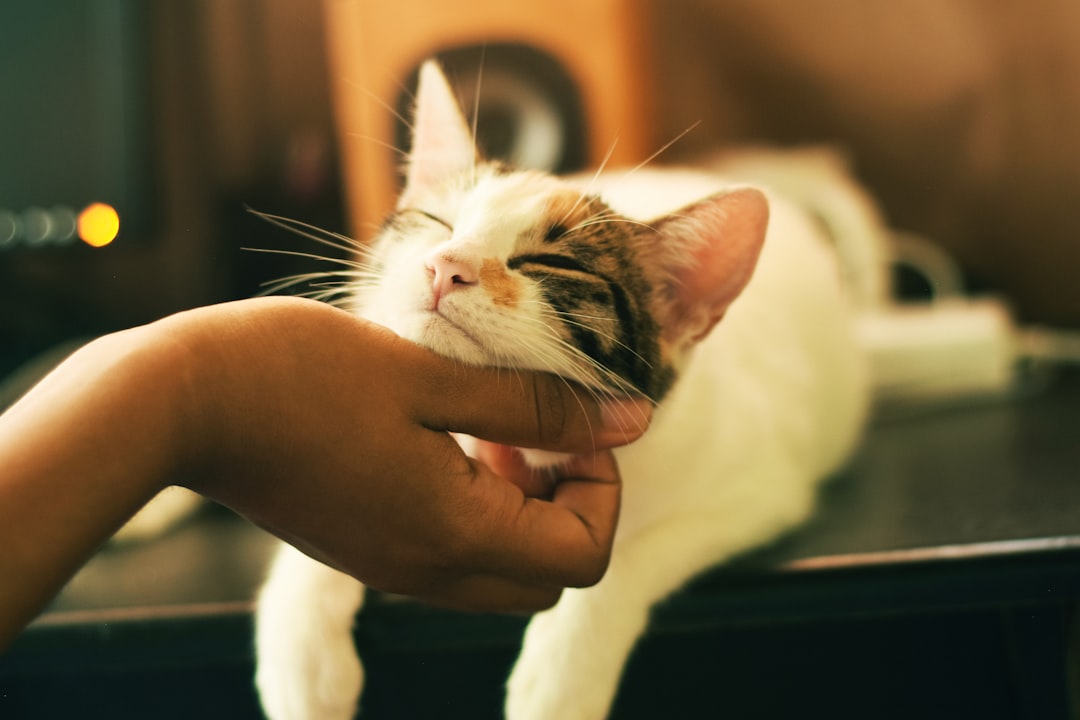
There’s a fascinating reason why the sound of a cat purring feels so comforting. Scientists have discovered that a cat’s purr vibrates at frequencies known to promote healing and relaxation. These vibrations can lower stress hormones like cortisol and increase the production of serotonin, the brain’s “happy chemical.” Some researchers even suggest that the act of stroking a cat triggers the release of oxytocin, often called the “love hormone,” which deepens the bond between human and animal. This unique combination of physical and emotional effects explains why many people turn to their cats in times of distress.
Legal Status: Can Your Cat Officially Be an ESA?

The law treats emotional support animals differently from service animals. In many countries, including the United States, a licensed mental health professional must write a letter stating the need for an ESA. If you have such documentation, your cat can be considered an ESA under certain circumstances. However, ESAs do not have the same public access rights as service animals. For example, airlines and landlords may have specific rules about cats, and policies can vary widely. It’s important to check current regulations before assuming your cat will automatically qualify for all privileges.
How to Qualify Your Cat as an Emotional Support Animal
If you believe your cat could help you as an ESA, the first step is to talk with your doctor or therapist. They’ll assess whether an emotional support animal would benefit your mental health. If so, you’ll receive an official letter, which is the only legal documentation you need. There isn’t a central registry for ESAs, so beware of online scams promising “certification” for a fee. Remember, it’s the letter from a licensed professional that counts. Once you have it, you can present it to housing providers or airlines as needed, though rules may change frequently.
Real-Life Stories: When Cats Changed Lives

Many cat owners have moving stories about how their feline friends have made a difference during tough times. One woman described how her shy tabby helped her through panic attacks by quietly lying on her chest, grounding her with warmth and gentle purrs. Another person shared how their playful kitten inspired them to get out of bed on dark days, simply by needing food and attention. These heartfelt stories echo what experts say: cats can offer a kind of support that’s both powerful and deeply personal.
Challenges and Considerations for Cat ESAs

While cats have huge potential as emotional support animals, it’s important to consider their unique personalities. Some cats are naturally affectionate and thrive on human connection, while others prefer solitude. It’s essential to respect your cat’s boundaries and ensure their well-being, too. Also, not everyone is a “cat person”—allergies, fear of cats, or strict pet policies can pose challenges. For those who fit with feline companionship, the rewards can be tremendous, but it’s crucial to make sure both human and cat are happy and healthy in the arrangement.
Tips for Making the Most of Your Cat ESA Relationship

Building a strong bond with your emotional support cat involves more than just sharing space. Spend quality time together with play, petting, or simply sitting in the same room. Pay attention to your cat’s needs, offering safe hiding spots and regular routines. Creating a peaceful environment benefits both of you. If your cat is shy, use treats and gentle encouragement. The more you nurture your relationship, the more comfort and healing your cat will naturally provide.
The Future of Feline Emotional Support

As awareness grows about mental health and the value of emotional support animals, more people are turning to cats for comfort. With ongoing research and changing laws, the role of cats as ESAs is likely to become even more recognized in years to come. For now, the loving presence of a cat continues to offer a soft place to land for those in need of emotional healing.
In the end, whether they’re curling up beside you during a tough day or simply purring away in the background, cats can be powerful emotional allies. While they may not fetch your slippers, their calming presence and intuitive nature speak volumes. If you find peace and comfort in your cat’s company, that connection is valid—and incredibly valuable. Emotional support comes in many forms, and sometimes, it just happens to have whiskers and a tail.


