
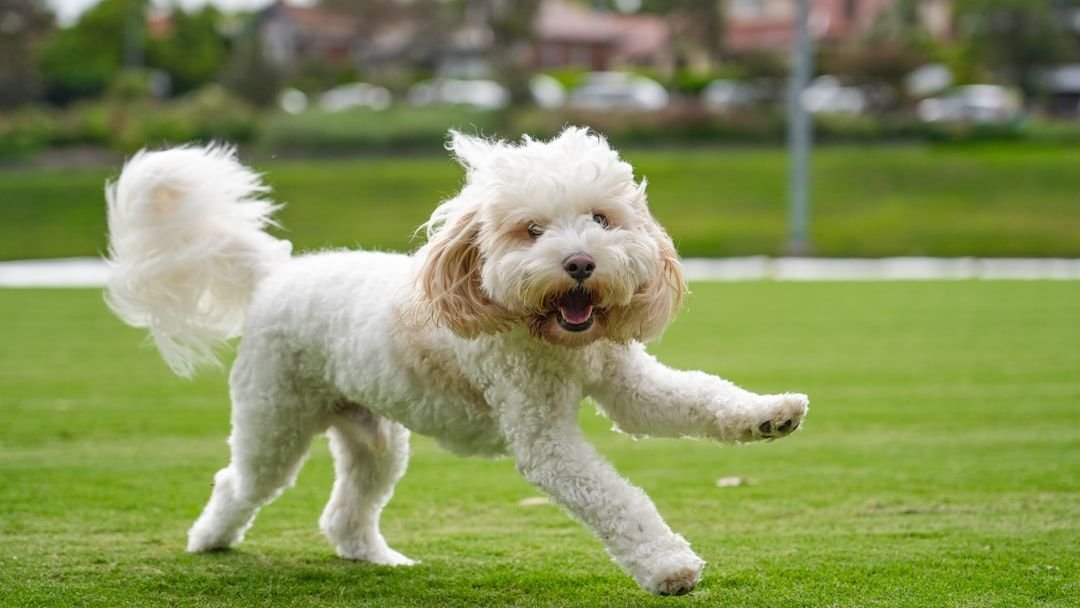
Picture this: your new pup chews the couch, ignores your calls, and turns every walk into a wrestling match. hip hits hard if you’re winging it without a clue. Yet countless folks dive in, loving the chaos but struggling with the basics.
Here’s the good news. Simple shifts can transform you from novice to confident pack leader. Let’s dive into these 10 expert tips that pack real punch.
1. Learn Your Dog’s Breed Traits
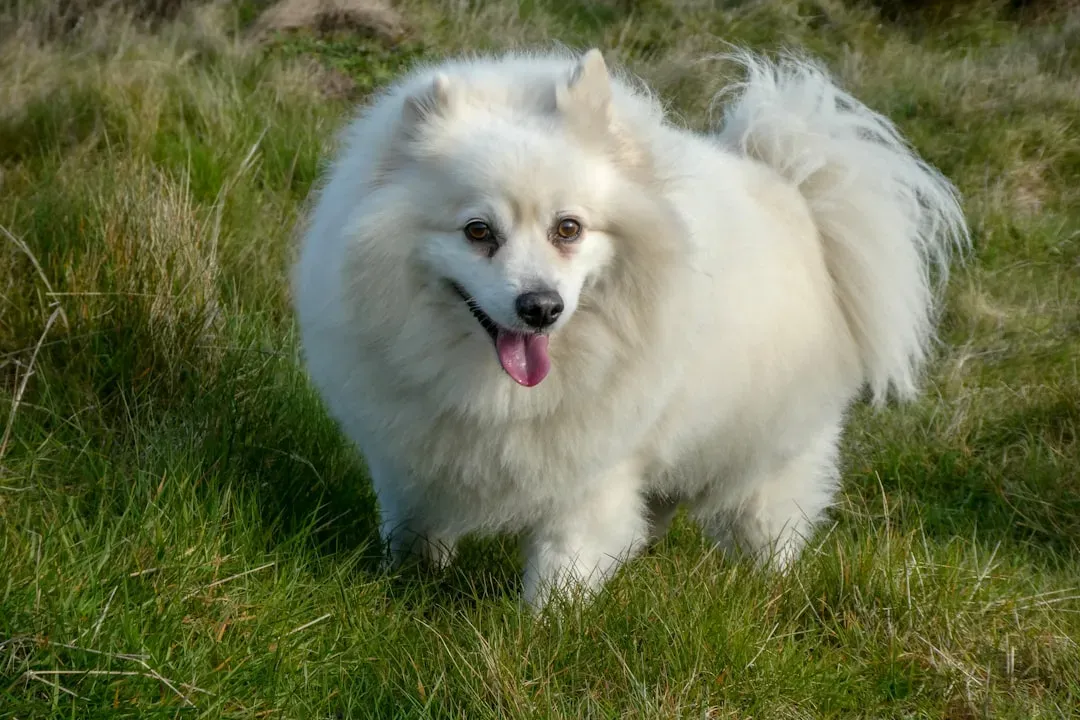
Dogs aren’t one size fits all. Each breed brings unique energy levels, smarts, and quirks to the table. A high energy Border Collie craves jobs, while a Bulldog prefers naps. Ignoring this leads to frustration fast.
Research your pup’s lineage online or chat with breeders. Tailor play, food, and training to fit. You’ll build a stronger bond quicker. Trust me, it feels like unlocking a secret code.
2. Stick to a Daily Routine

Pups thrive on predictability. Set fixed times for meals, walks, and bedtime right away. Chaos breeds anxiety, and anxious dogs act out. Consistency turns wild puppies into calm companions.
Start small. Wake up, feed, potty, play, repeat. Adjust as they grow, but keep the core steady. Owners swear by this for fewer accidents and happier vibes around the house.
3. Use Positive Reinforcement Only
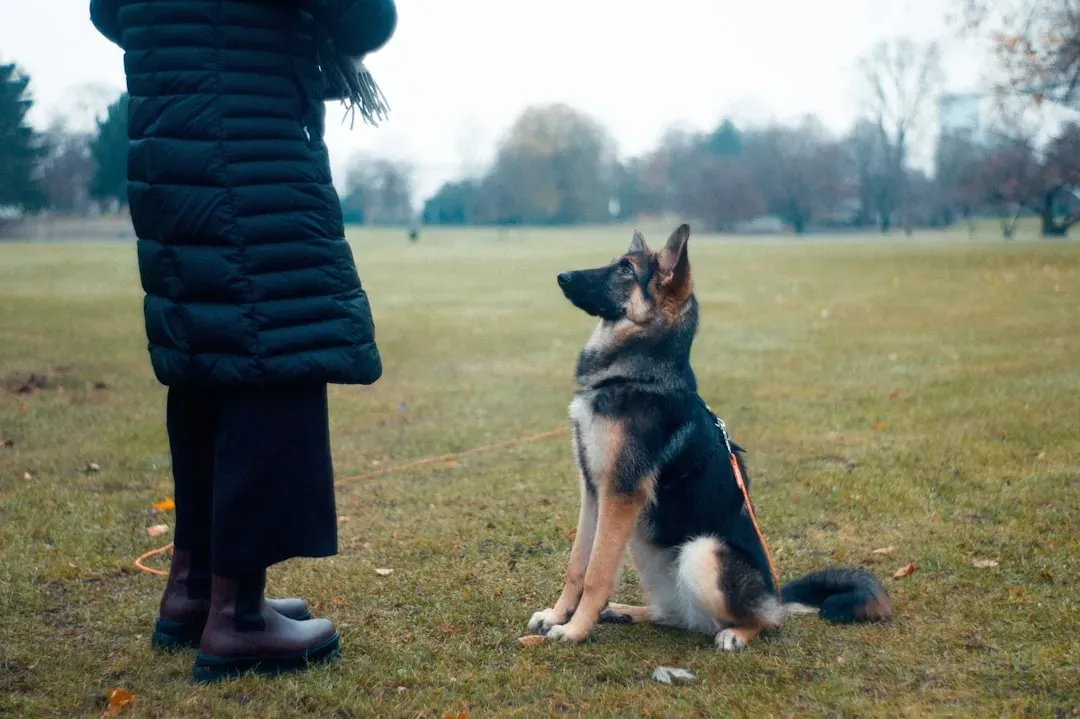
Yelling or swatting backfires big time. Reward good behavior with treats, praise, or toys instead. Dogs link actions to joy, repeating what works. Punishment confuses them and erodes trust.
Carry treats during training sessions. Say “sit,” lure with a treat, then praise wildly when they nail it. Patience pays off. I know it sounds basic, but it revolutionizes obedience.
4. Feed the Right Diet
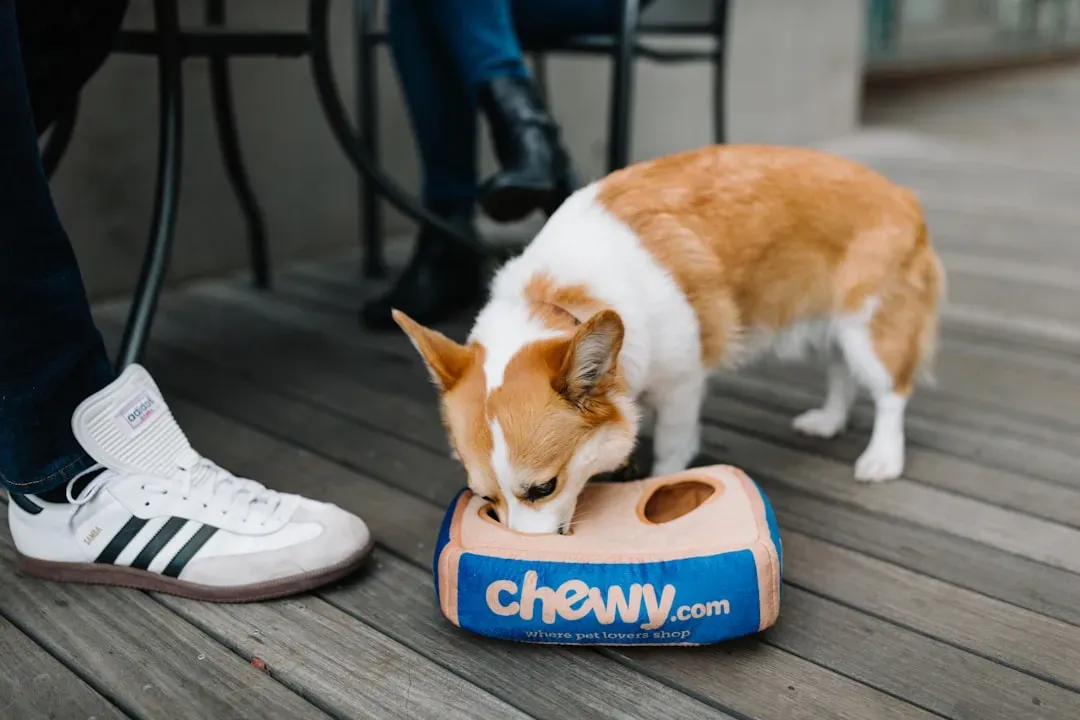
Cheap kibble often skimps on nutrition. Pick age appropriate, breed specific food with real meat as the star. Overfeeding packs on pounds, sparking health woes later. Read labels like a detective.
Measure portions daily and skip table scraps. Wet food mixes add variety for picky eaters. Watch for shiny coats and steady energy as proof you’re on track. Your vet can fine tune this.
5. Prioritize Daily Exercise
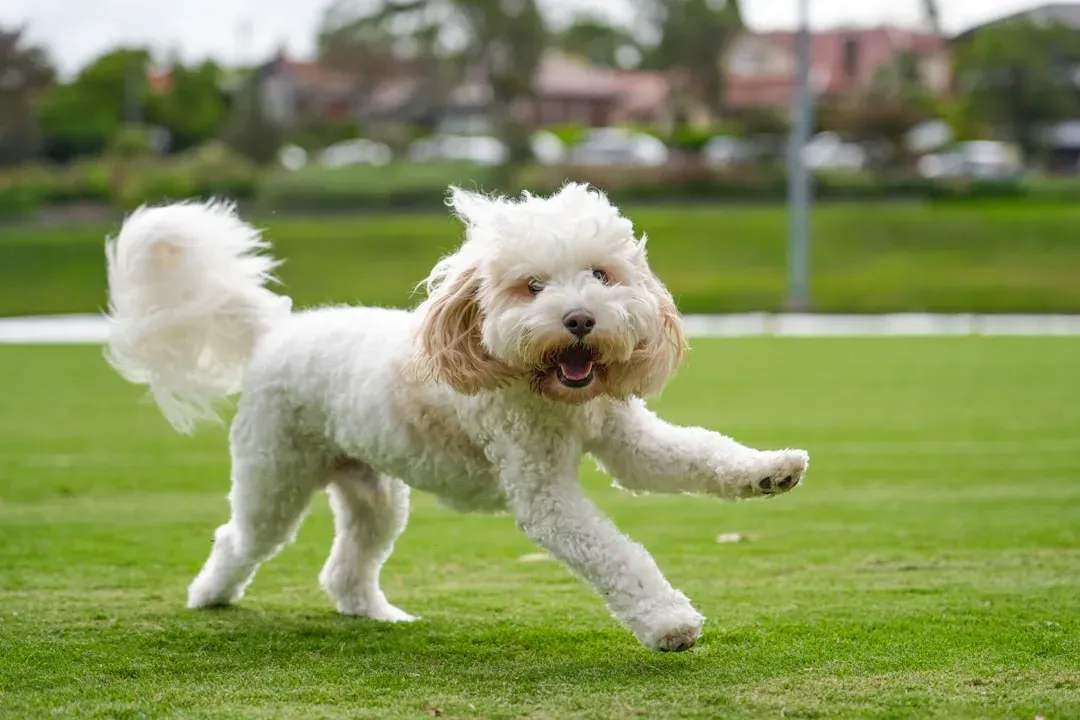
Bored dogs dig, bark, and destroy. Aim for at least 30 minutes of walks or fetch twice a day. Mental games like puzzle toys count too. Tired pups equal chill homes.
Mix it up with hikes or dog parks. Weather bad? Indoor tug or training drills work wonders. Short bursts beat marathon sessions for most breeds. You’ll notice calmer evenings right away.
6. Socialize Early and Often
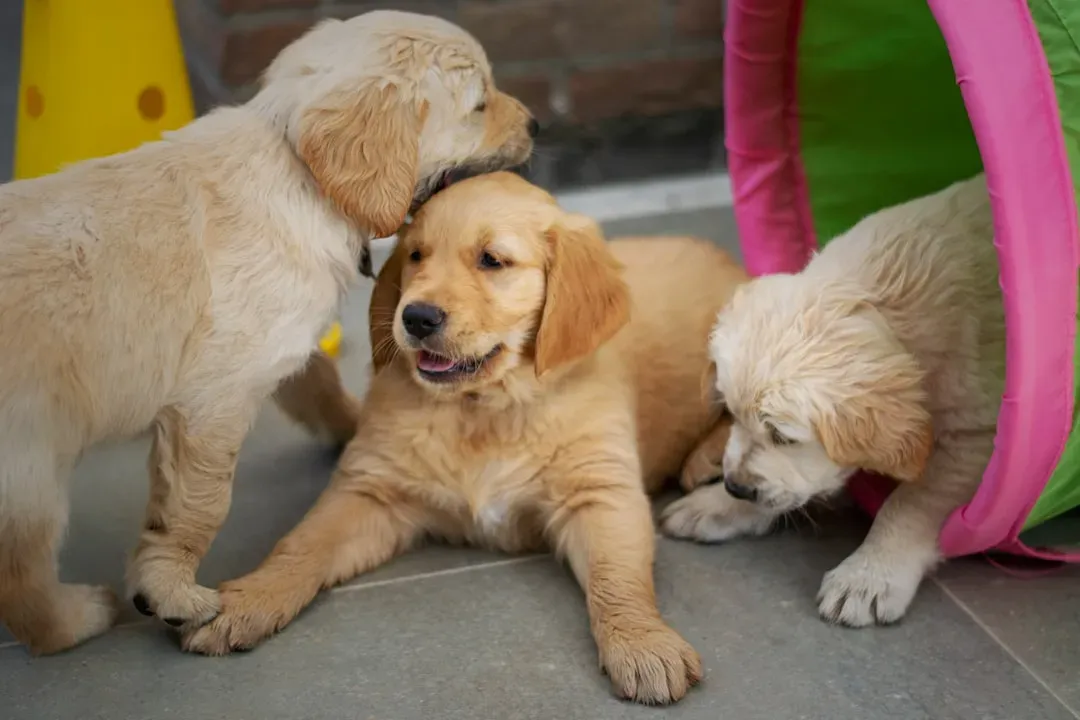
Expose your dog to new sights, sounds, and strangers young. Puppy classes shine here. Shy adults stem from missed windows. Confident dogs greet the world tail wagging.
Keep meetings positive, short, and rewarding. Avoid forcing interactions. Gradually build up to busy streets or kids. This tip alone prevents countless behavior headaches down the line.
7. Master Reading Body Language
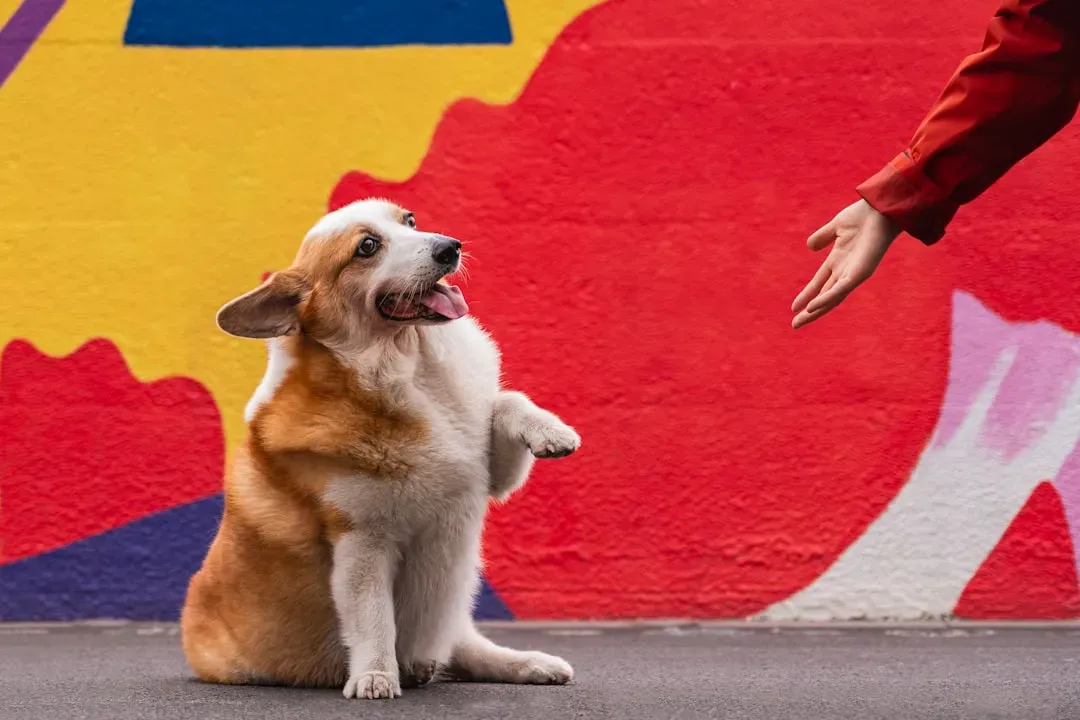
Tail wags don’t always mean happy. Ears back, yawning, or stiff posture scream stress. Spot these cues to intervene early. Misreading leads to bites or fights.
Study charts or videos daily at first. Practice on your dog during play. It deepens empathy and safety. Honestly, this skill makes you feel like a dog whisperer.
8. Crate Train with Kindness
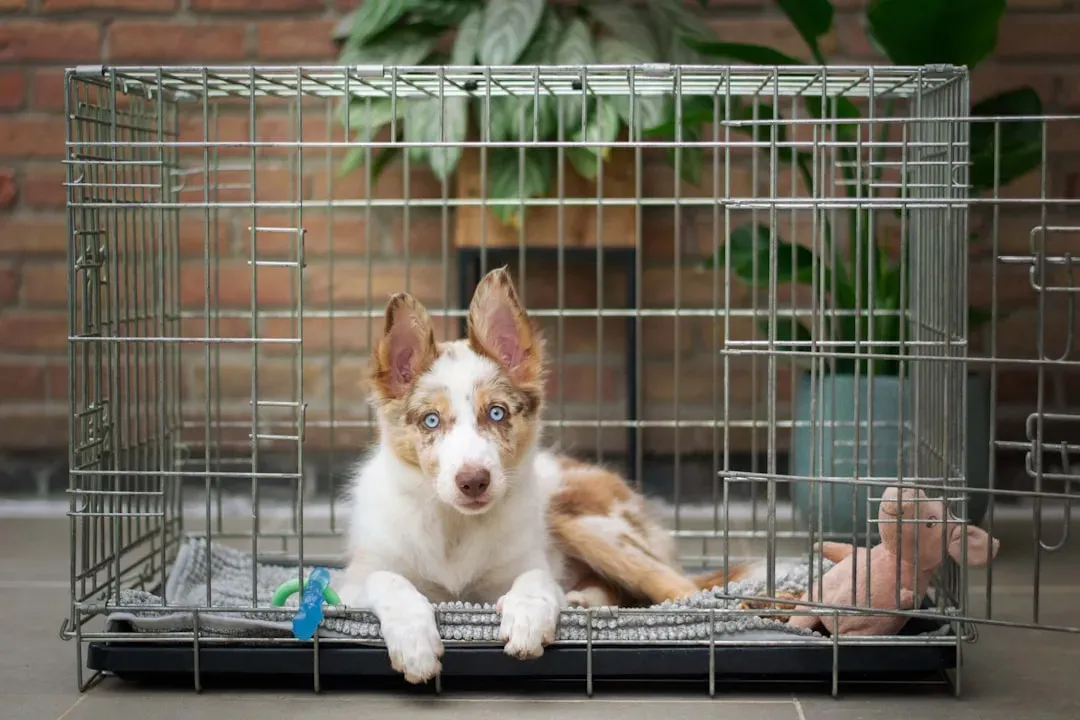
Crate as a safe den, not punishment. Start with short, fun sessions tossing treats inside. Builds comfort for travel or alone time. No crate means separation anxiety nightmares.
Size it right, cover three sides, add a bed. Never drag them in forcefully. Gradual nights build independence. Many owners sleep better knowing their pup chills out solo.
9. Schedule Regular Vet Checkups
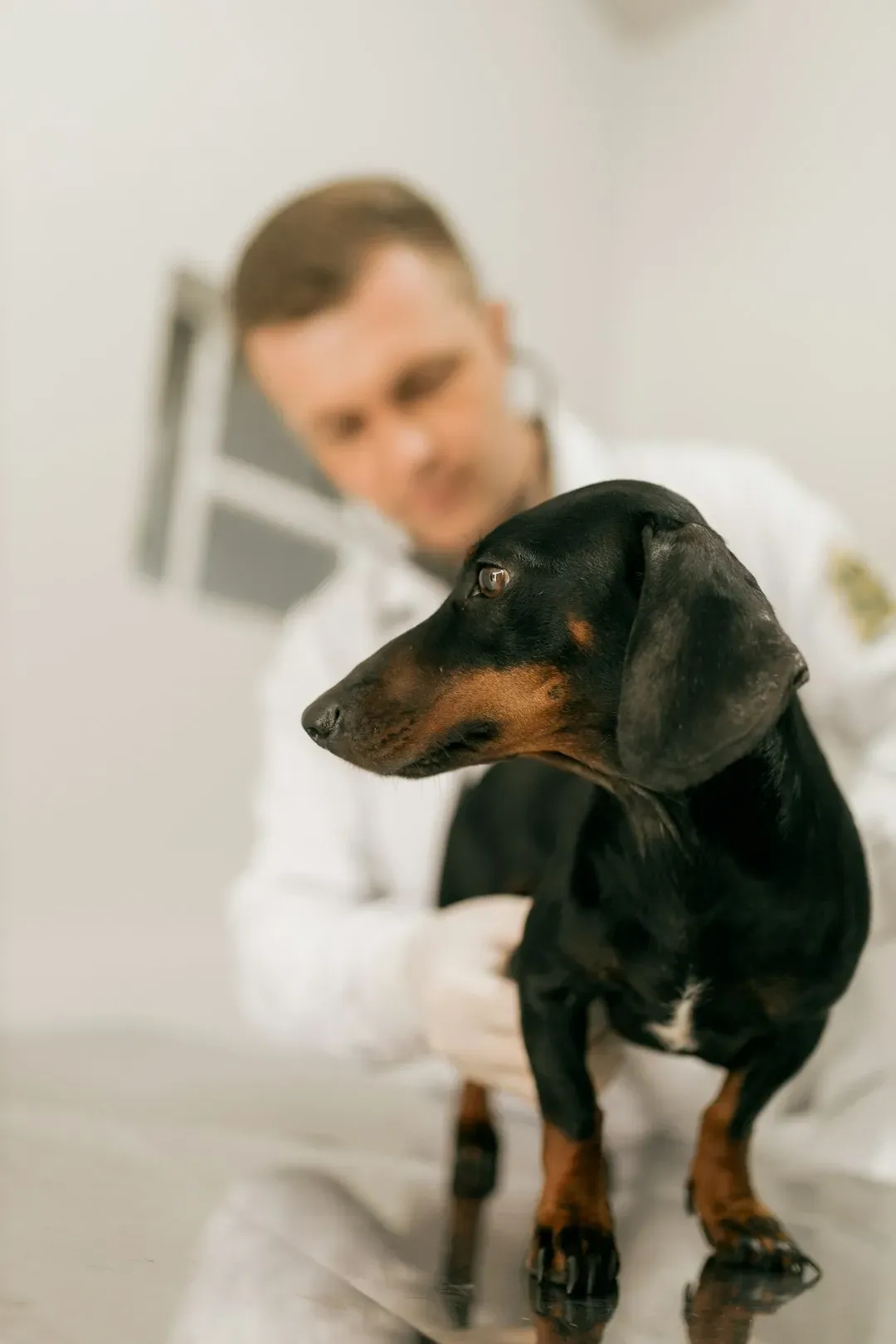
Vaccines, flea meds, and dental care prevent big bills. Annual exams catch issues early. Spay or neuter cuts risks too. Skip this, and small problems explode.
Build a relationship with one trusted vet. Track shots on an app. Heartworm tests save lives yearly. Proactive care extends those joyful years together.
10. Groom Regularly and Inspect
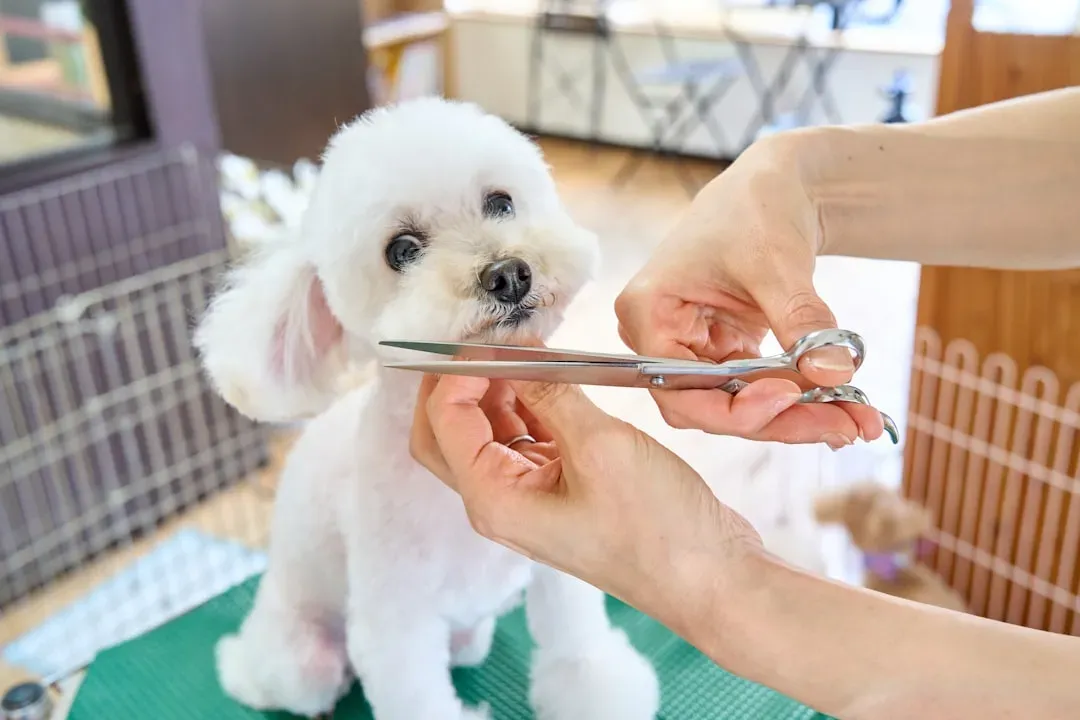
Brushing cuts shedding and spots skin issues. Bath monthly, nails trimmed biweekly, ears cleaned weekly. Neglect invites infections or pain. Routine grooms build trust through touch.
Make it playtime with treats. Check paws, teeth, and coat each session. Early lumps or limps get vet attention fast. Your dog stays comfy, you stay alert.
These tips turn rookie mistakes into pro habits. Stick with them, and your dog rewards you tenfold with loyalty and love. What’s your biggest dog challenge? Share in the comments.


