
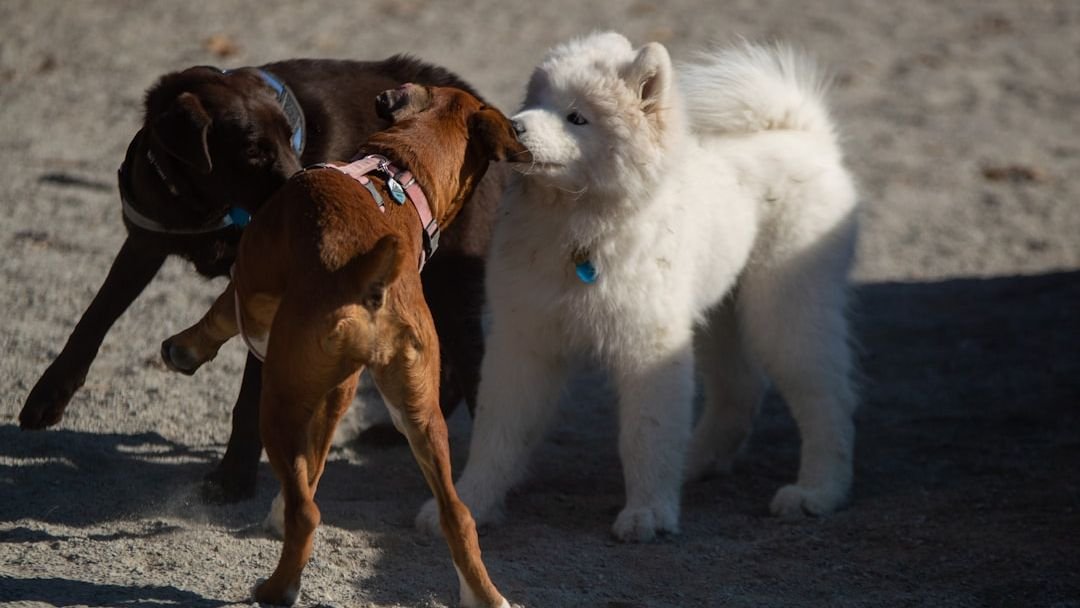
Have you ever watched your dog at the park and thought, “Why does he do that?” Maybe he’s the one racing full speed at every dog he meets. Or maybe he hangs back near your ankles, watching the chaos from a safe distance. Either way, your dog is telling you something important, and it’s written right there in the way they play.
Play is one of the most revealing windows into a dog’s inner world. It’s not random silliness. It’s communication, history, personality, and emotion all rolled into one glorious, tail-wagging package. If you know what to look for, a single afternoon at the dog park can teach you more about your dog than a month of obedience classes. Curious? Let’s dive in.
Play Is Never “Just Play”: What Science Actually Says
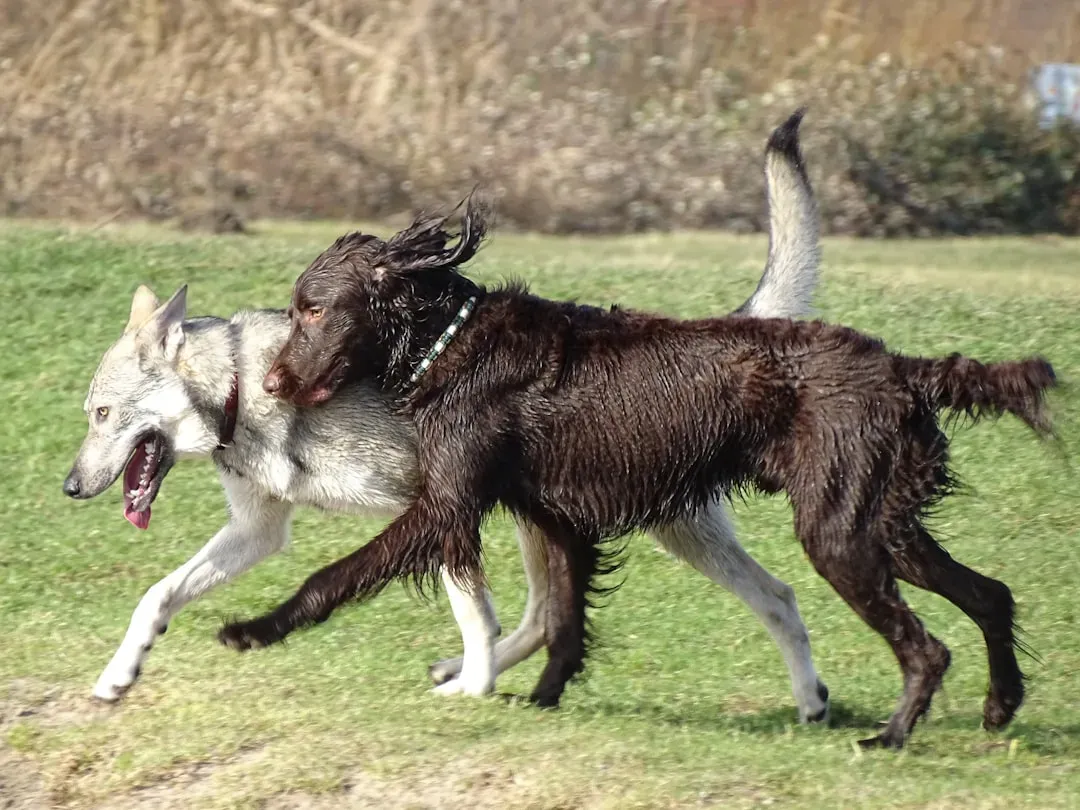
Here’s the thing most people don’t realize: when your dog drops into a silly game of chase, something deeply meaningful is happening beneath the surface. Research shows that play helps dogs develop motor skills and build social cohesion, and it can actively improve their overall welfare through positive experiences and social bonding. That’s a lot of weight for a game of fetch to carry, honestly.
Dog play helps with physical exercise, builds social bonds, and provides mental stimulation, and observing how your dog interacts with toys, people, and other dogs is one of the best ways to learn what makes them tick. Think of play as your dog’s diary. Every game is an entry.
Scientists have explored play through four main theories: developing motor skills, training for the unexpected, social cohesion, and play as a by-product of biological processes. So the next time your dog leaps, rolls, and body-slams a buddy, know that ancient instincts and social intelligence are all at work. It’s wild, in the best possible way.
The Play Bow: Your Dog’s Most Honest Sentence
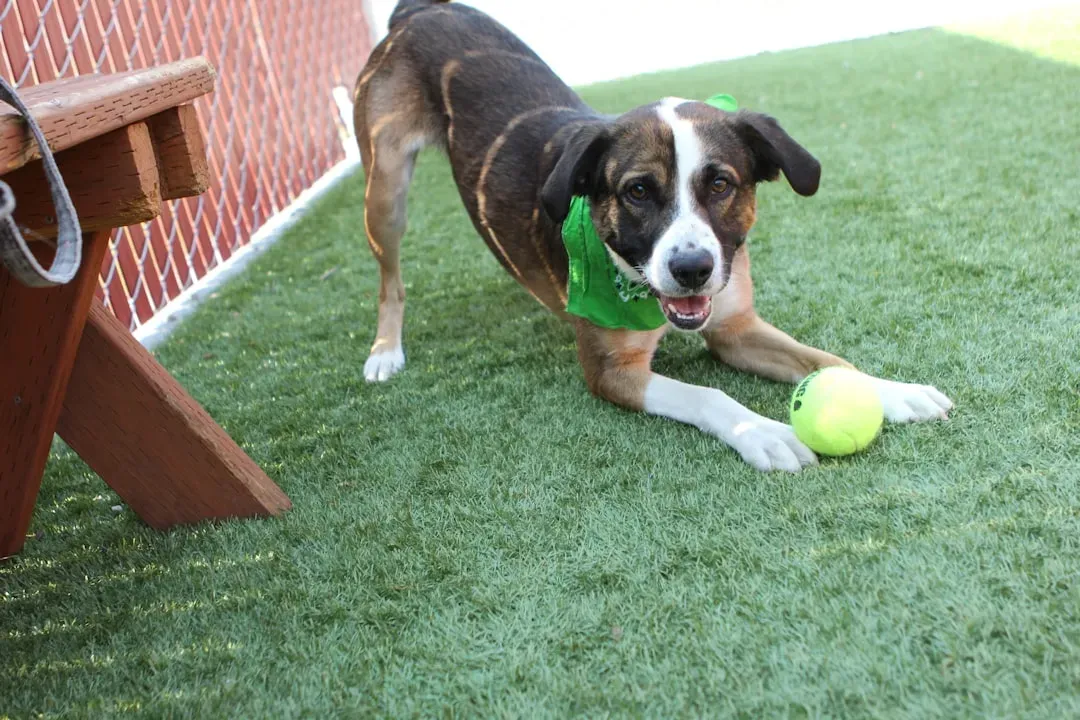
If dogs could speak, the play bow would be their most frequently used phrase. Play bows are honest signals and a sign of trust. Even when a dog follows a play bow with seemingly aggressive actions such as baring teeth or growling, their companions demonstrate submission or avoidance only a small fraction of the time, which suggests they trust the bow’s message that whatever follows is meant in fun. It’s essentially the canine version of saying, “I promise, no hard feelings.”
The play bow functions as an invitation to friendly activity, and dogs also use it to signal “I didn’t mean to play too rough, let’s keep going” after accidental roughness during play. I find that genuinely touching. They’re apologizing and making amends, right there in real time. Dogs who lack proper socialization may not know how to respond to another dog’s play-bow invitation, and they may feel threatened and growl in fear. That tells us so much about the role of early experience in shaping play.
What Your Dog’s Play Style Reveals About Their Temperament
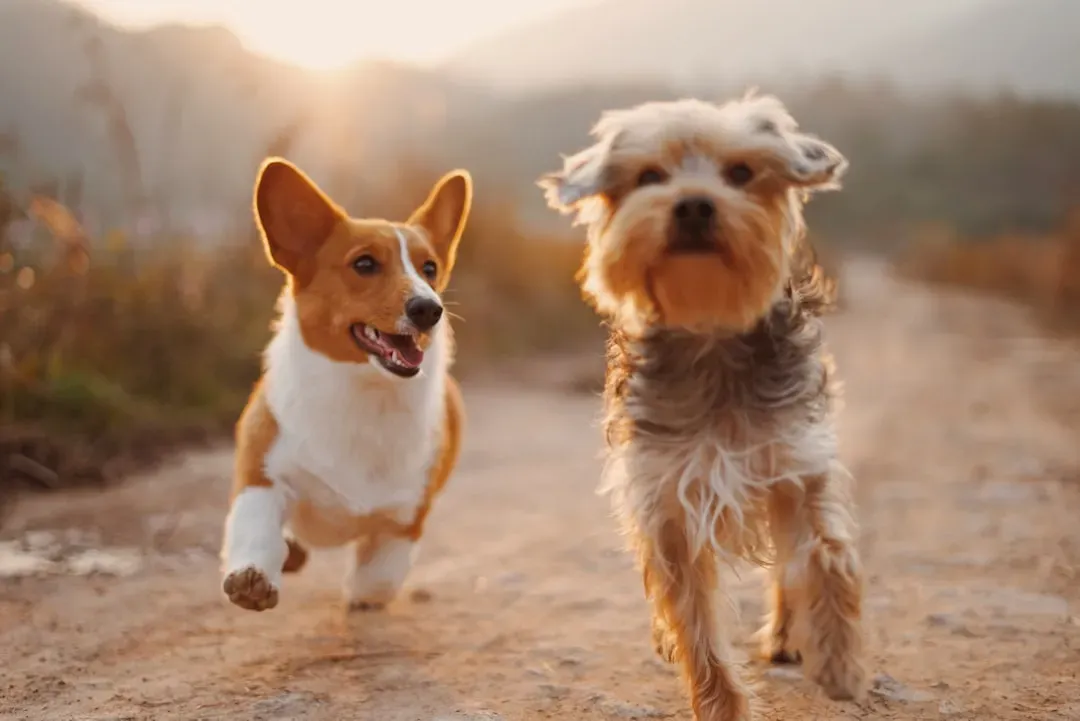
Play style can tell you a lot about your dog’s temperament. Chasers, for example, often have high energy and may need extra daily exercise, while wrestlers tend to be confident and social but need supervision to ensure play doesn’t escalate. Honestly, it’s almost like reading a personality quiz, except your dog is doing all the talking.
Some dogs are self-confident with exceptional coping skills, don’t look for trouble, enjoy interacting and happily play with other dogs, and are also content to find non-destructive ways to amuse themselves when they don’t have a play companion. These are the relaxed, “balanced” dogs that most owners dream of. Calmer dogs tend to prefer exploring on their own or receiving attention from handlers, while active dogs typically have higher energy and play harder, and balanced dogs combine both traits, taking turns chasing and playing and adjusting their style to others in the group.
Depending on the dog’s individual bias toward possessive or object-sharing behaviors, some dogs might participate more eagerly in tug-of-war while others would prefer to play with a ball. Watch closely the next time you offer your dog both options. Their choice is a small but surprisingly clear reflection of who they are.
How Past Experiences Shape the Way Dogs Play
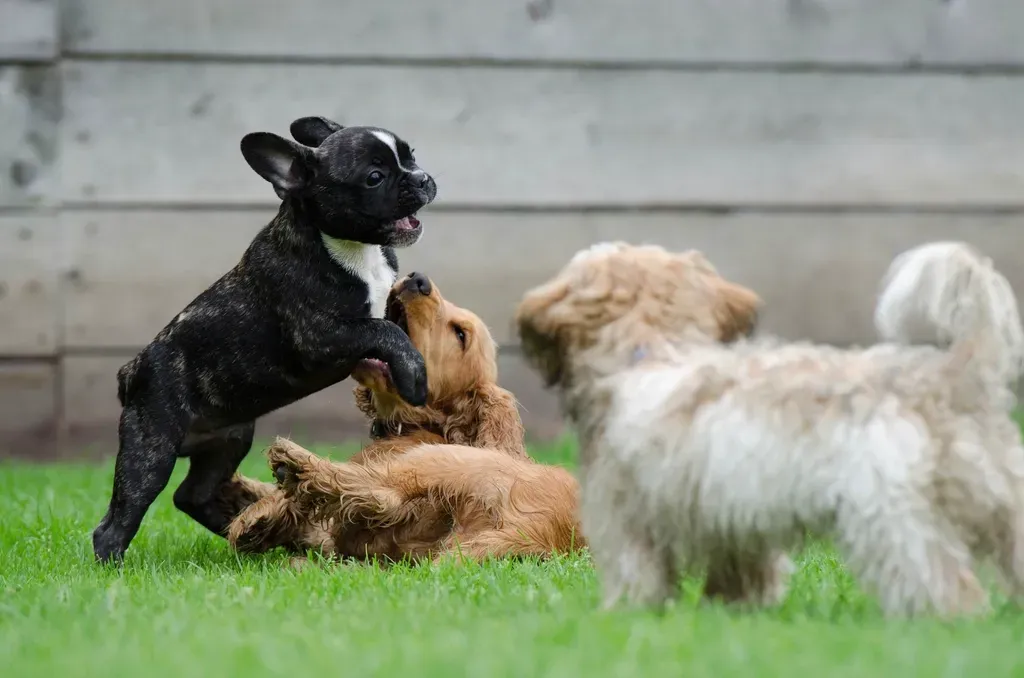
This is where things get really emotional, and where I think dog owners need a little extra grace and understanding. A dog’s history leaves footprints all over their play behavior. Dogs that are appropriately socialized as puppies are less likely to exhibit behavioral problems as adults, including aggression and fearfulness, and they are more likely to engage in positive social behaviors with humans and can learn how to play games with humans better than dogs without proper socialization.
Imagine adopting a rescue dog who flinches at a tug toy or refuses to chase a ball. That’s not stubbornness. That’s a story you haven’t heard yet. Research has shown that willingness to play with a ball as a puppy negatively correlated with adult fearfulness, which means a dog who doesn’t want to play fetch might be carrying more anxiety than you realize. Early exposure to other dogs and opportunities for appropriate play can help prevent fear and anxiety later in life.
A dog’s sociability changes with age, which is normal and expected. Some dogs decide that the only dogs they are fully comfortable with are those they met and liked when they were a puppy, and they may have no interest in meeting new dogs at all, and that’s okay. So if your dog seems pickier about playmates as they age, don’t panic. They’re just becoming more themselves.
Red Flags and Green Flags: Reading Play Like a Pro
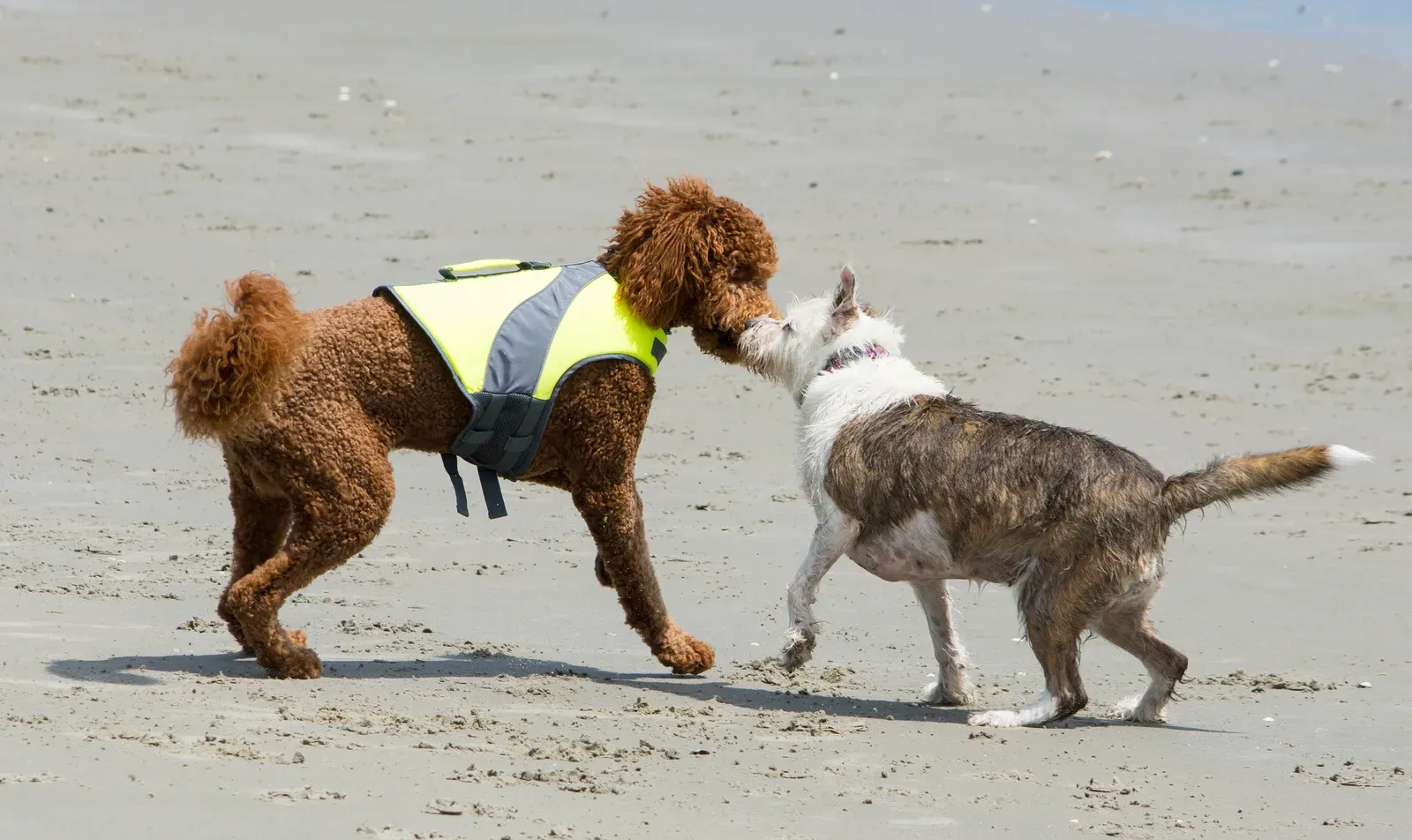
Knowing the difference between joyful chaos and genuine stress during play is one of the most practical skills any dog owner can develop. Healthy dog play often includes exaggerated, bouncy movements, play bows, loose body language, and wagging tails, with a gently wagging tail held at mid-level showing a dog’s relaxed state of mind. Those are your green lights. Keep going, enjoy the show.
Red behaviors include a stiff posture, “whale eyes” or hard stares, raised hackles, and a high, tight tail. These behaviors typically indicate stress or discomfort but don’t necessarily mean a dog will be reactive. They are just warning signals. Think of them as your dog whispering “I’m not comfortable” before they have to shout. Signs of overstimulation include frantic play that lacks normal communication patterns, inability to settle or calm down, excessive panting or drooling, and difficulty focusing on handlers. When you spot any of these, a calm timeout is your best friend.
Using Play to Build a Deeper Bond and a Better Life for Your Dog
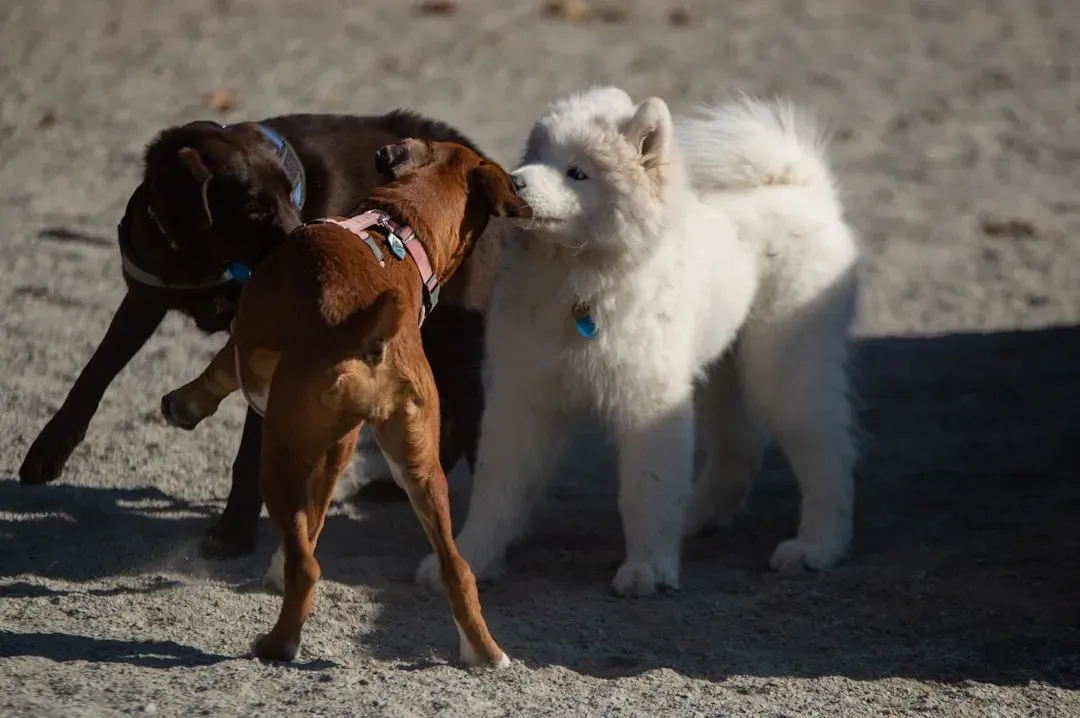
Here’s the beautiful part of all this. Understanding how your dog plays isn’t just interesting trivia. It’s a genuine roadmap for caring for them better. Play is also a powerful training tool. Incorporating fetch or tug-of-war into training sessions keeps dogs motivated and engaged, and rewarding good behavior with playtime can be more effective than treats alone, especially for energetic breeds.
Playfulness is a personality trait that stands out among dogs who are exceptional learners, though it’s not entirely clear whether it’s the playfulness that helps them learn more, or whether the extra playful ones simply end up with more opportunities to learn, because gifted dogs tend to learn words for objects when their owners are playing with them. That means play isn’t just downtime. It’s study time.
For dogs that are more reserved, incorporating socialization into their training regimen is crucial for their development. Exposing them to different people, animals, sounds, and environments helps boost their confidence, starting small in controlled settings and gradually increasing the level of difficulty as they become more comfortable. It’s a slow process, but every small win is a big deal. Celebrate it.
Conclusion: Your Dog Is Already Talking. Are You Listening?
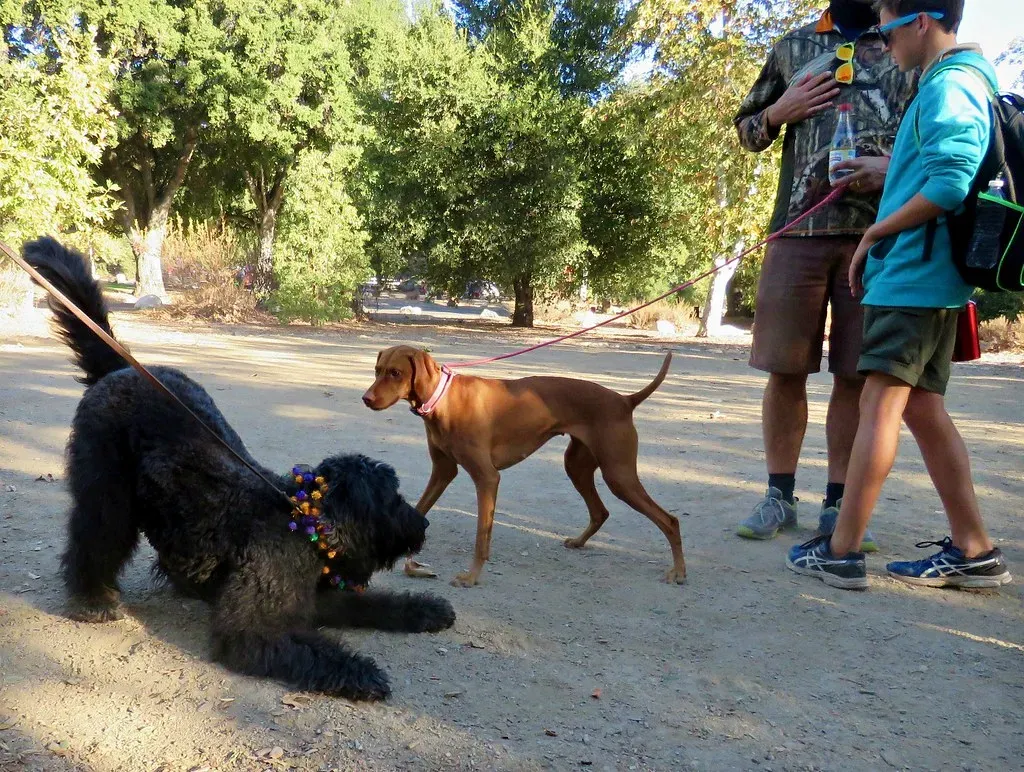
Play is one of the purest forms of communication your dog has. It’s how they tell you they feel safe, how they show you old wounds, and how they reach out to say, “I trust you.” Every play bow, every chase, every gentle tug on a rope is a sentence in a story they’re always telling you. The question is whether you’re paying close enough attention to hear it.
The more you understand your dog’s play patterns, the better equipped you are to support their emotional health, help them heal from difficult pasts, and strengthen the bond between you. There are no perfect dogs. There are only dogs who need someone patient enough to learn their language.
So next time your pup drops into a play bow and looks up at you with those wide, hopeful eyes, what do you think they’re really saying? Drop your thoughts in the comments. We’d love to hear your dog’s story.


