
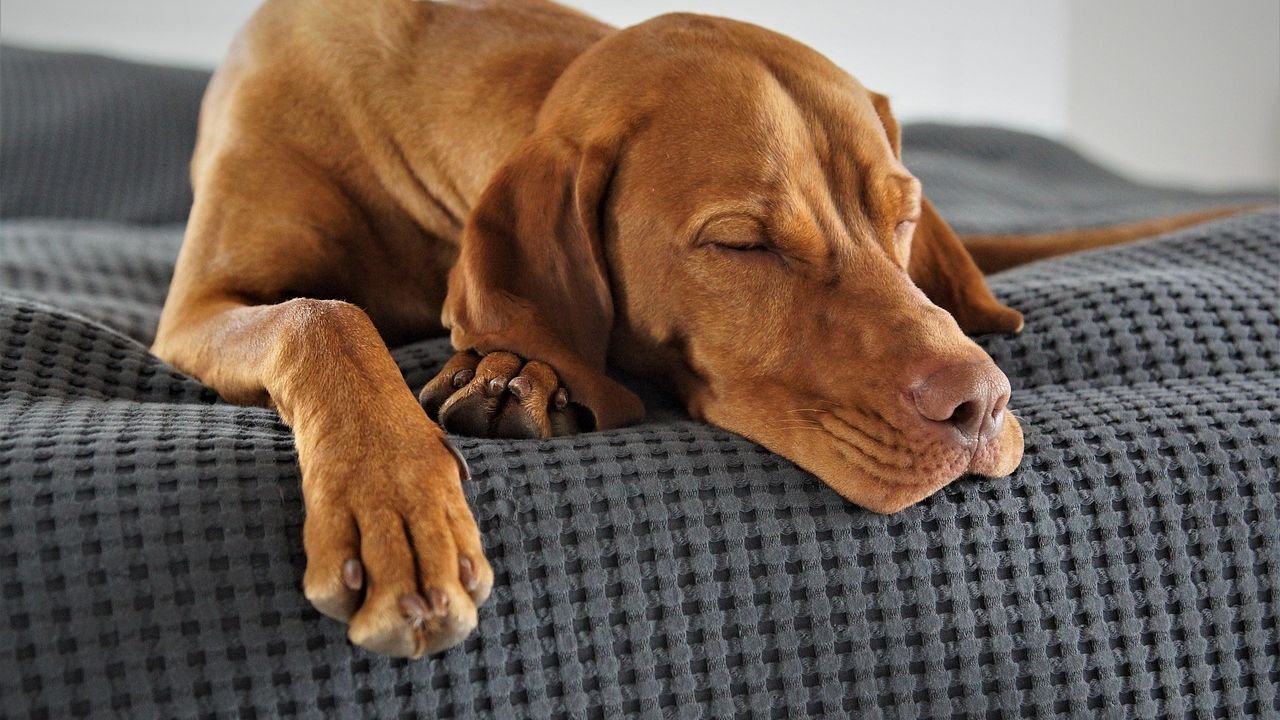
Picture this: your dog is deep in a nap, legs paddling furiously, tiny whimpers escaping their lips. You lean in close, smile, and wonder – where on earth have they gone? It’s one of those quietly magical moments that makes dog ownership so completely, unexpectedly moving.
Here’s the thing though. What’s happening behind those fluttering eyelids isn’t random. Your dog’s sleep world is complex, purposeful, and honestly, pretty fascinating. There’s real science behind those twitches, those sighs, and yes, those adorable little dream-runs on the living room floor.
Whether you’re a new dog parent or a lifelong devotee of four-legged companions, understanding your dog’s sleep habits can transform the way you care for them. So let’s dive in.
Your Dog Is Basically a Champion Napper – and That’s Completely Normal
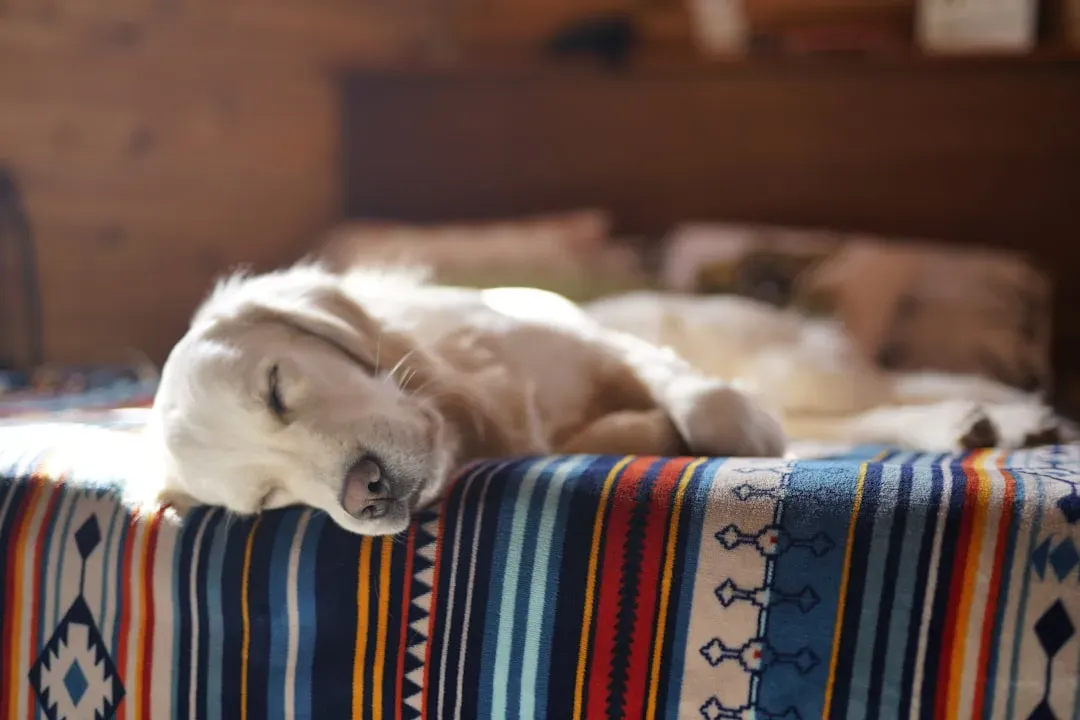
If it feels like your dog sleeps more than any living creature should, you’re not imagining it. On average, dogs sleep around 12 to 14 hours per day. That’s roughly half their entire life spent snoozing. I know it sounds wild, but compare that to our eight hours and suddenly your dog looks like a professional sleep athlete.
Age plays a huge role in how much rest your dog truly needs. Puppies need around 18 to 20 hours of sleep per day for proper development, while senior dogs sleep between 18 to 20 hours per day, much like they did as a puppy. It’s a beautiful full-circle kind of thing – they arrive needing loads of rest, and they leave needing the same.
Breed and size matter too. Labradors, Golden Retrievers, and German Shepherds often require significant downtime, especially after vigorous activity, as their larger bodies work harder during exercise, so they recharge with longer sleep sessions. Meanwhile, dogs tend to spend as much as half of their days asleep, 30% awake but relaxing, and just 20% being active. Honestly, some days I envy them.
The Science of the Snooze: How Your Dog Actually Sleeps
Your dog doesn’t just crash and wake up refreshed. Their sleep, much like yours, follows a structured cycle. Dogs follow a structured sleep cycle that mirrors that of humans but with shorter durations, with each cycle including stages of light sleep, deep sleep, and REM sleep. Think of it like a playlist that repeats throughout the night.
Canines have shorter, 15-minute cycles and often experience up to 20 per night, compared to humans who cycle through sleep roughly four or five times. That’s a lot of processing happening in a single night’s rest. In deep sleep, your dog’s body repairs tissues, builds muscle, and strengthens the immune system, breathing slows, heart rate stabilizes, and physical movement decreases – and while dreams are less likely during this stage, deep sleep is vital for your pet’s physical health.
Scientists believe that sleep plays a big role in memory consolidation, helping retain information about what’s significant in life and storing that as long-term memories. So when your pup sleeps after learning a new trick, something genuinely important is happening inside that beautiful brain of theirs.
Yes, Your Dog Absolutely Dreams – Here’s What the Research Shows
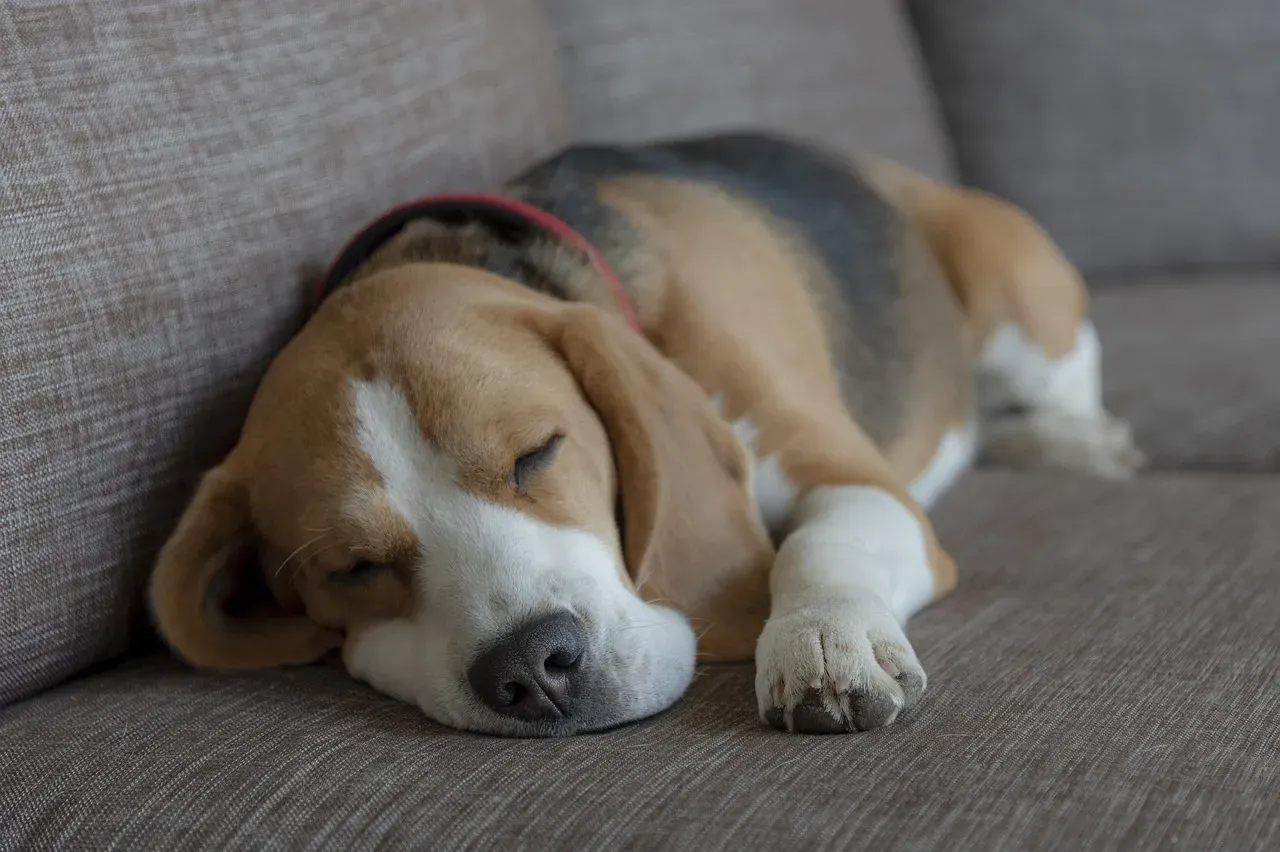
This is the part that gets me every time. Your dog is not just running system maintenance during their nap. They are genuinely dreaming. We know that humans dream, and since the sleeping brains of dogs and people go through similar stages of electrical activity, it is safe to assume that dogs dream, too – and scientific research demonstrates comparable brain wave patterns in humans and dogs, which validates this assumption.
Researchers at MIT studied brain activity in animals and found something remarkable. One landmark study from MIT explored how animals dream by monitoring the brain activity of rats during both waking and sleeping hours – when rats ran through mazes during the day, their brain patterns matched up almost perfectly with patterns recorded during REM sleep, leading scientists to conclude that rats, and by extension dogs, likely dream about their daily activities.
So what exactly is your dog dreaming about? They most likely dream about what they see in real life – including a favorite walking route, a bird or squirrel they wanted to chase, or even a favorite human. Dogs spend about 10% of their sleep time in this dreaming phase. It’s brief, it’s vivid, and it’s deeply connected to the life you share with them.
Size, Age, and Breed Change the Dream Game
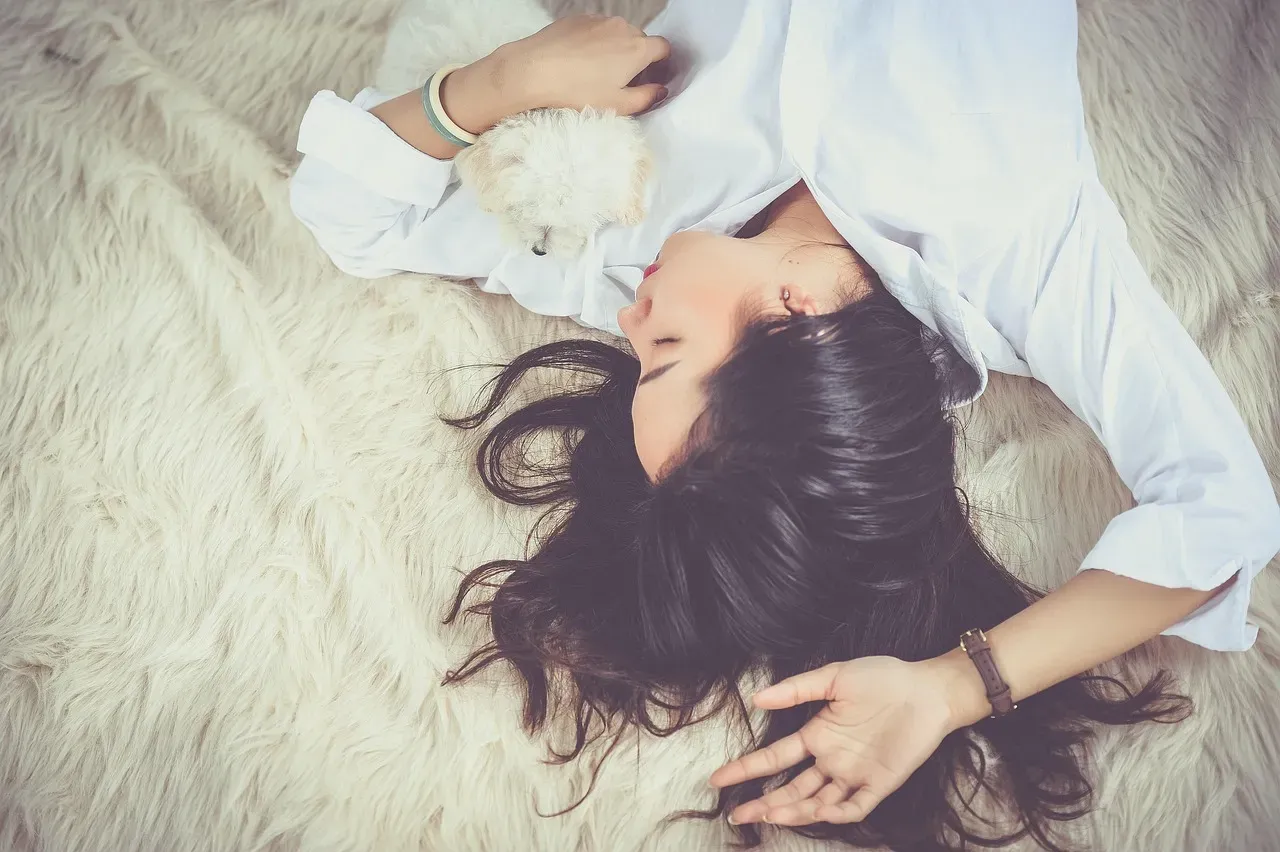
Not all dogs dream the same way, and I find this detail surprisingly endearing. Research suggests that the length and frequency of dreams may be related to the animal’s size – a toy poodle may dream every 10 minutes, while a Labrador Retriever may only dream once every 60 to 90 minutes, though the poodle’s dreams may last only a minute, while the Labrador’s dreams may be 5 to 10 minutes long.
Puppies are especially active dreamers. Young puppies spend more time in REM sleep than adult dogs, and their brains are rapidly developing – dreams help them make sense of the new world around them. Think of it like a tiny computer running a hundred updates at once. Younger dogs have an underdeveloped pons and senior dogs have a pons that may not work as efficiently, which contributes to less control of muscle paralysis during sleep – which is why puppies and senior dogs are often more “active” while sleeping.
Senior dogs may experience changes in their sleep cycles, sleeping more during the day or having shorter REM periods at night – while dreaming may still occur, the patterns can shift, and if you notice significant changes in your dog’s sleep behavior, it’s worth bringing up during your next vet visit. Age changes the rhythm, but it doesn’t take the dream away.
What Your Dog’s Sleep Position Is Actually Telling You
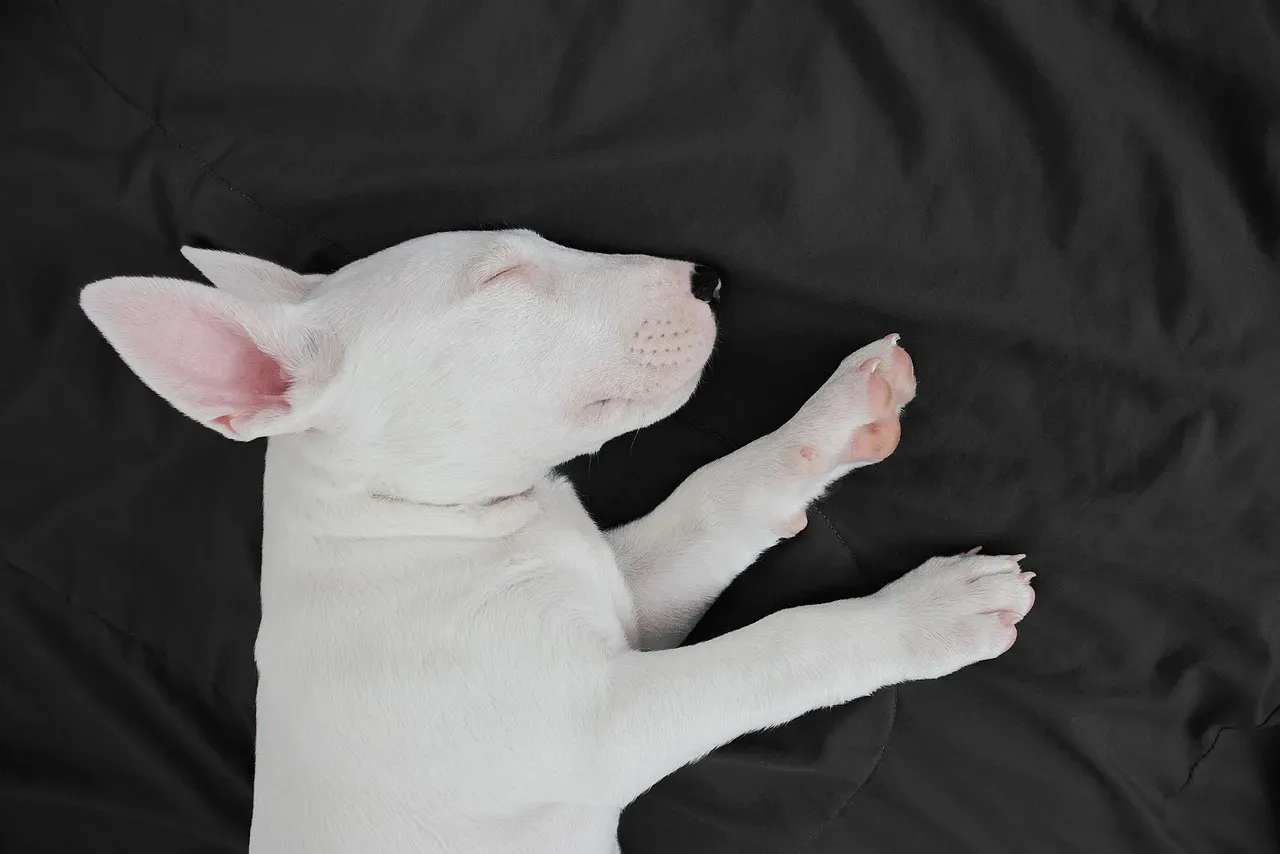
This one surprises a lot of dog owners. The way your dog curls up, sprawls, or tucks in is not random. It’s a little window into their emotional and physical state. A dog’s sleeping position can indicate comfort, health, or their emotional state. Pay attention and you’ll start reading your dog in a whole new way.
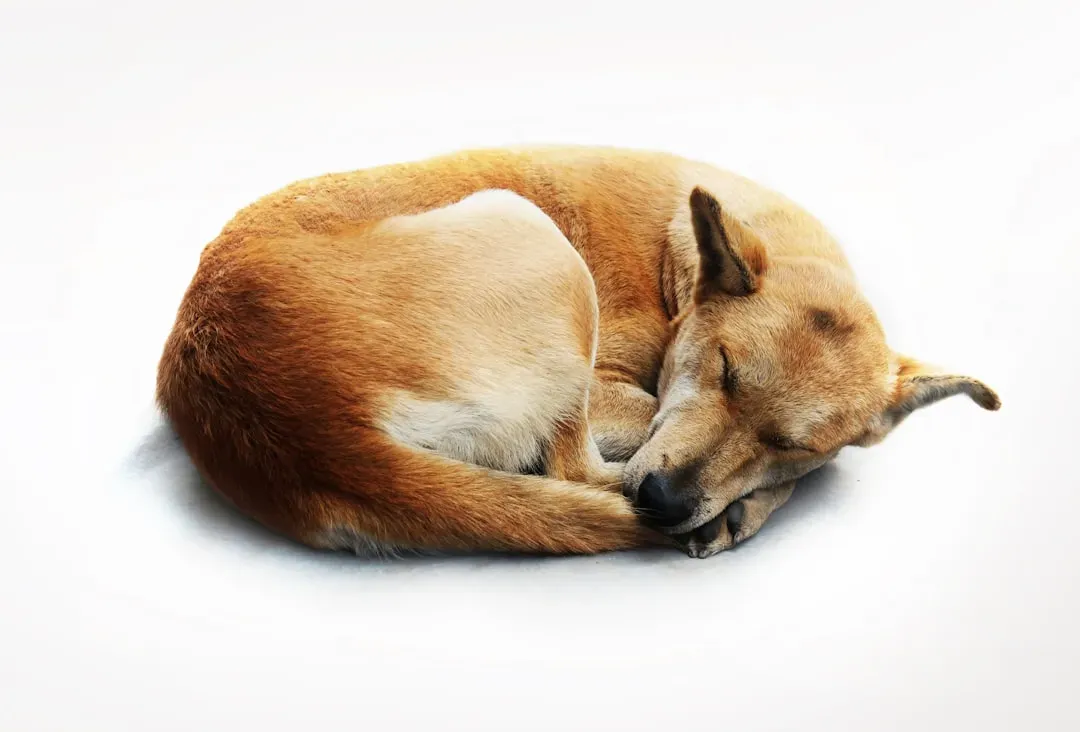
A dog resting on its side signals comfort and trust, as muscles relax fully in this pose, which allows deep sleep and dreaming – this posture often appears when a dog feels safe. On the flip side, tucking into a tight curl reflects an instinctive need for warmth and protection, as dogs conserve heat and guard vital organs by tucking in this way. It’s basically the canine version of pulling a blanket over your head on a cold morning.
A sudden change in sleeping habits can point to underlying issues – dogs with arthritis may avoid positions that put pressure on their joints, and a dog in pain may choose more protective or guarded positions, like curling up. If your dog has always been a belly-up sprawler and suddenly starts sleeping curled tight, that shift is worth noticing. Your dog’s body is always communicating.
Sleep Troubles: When to Worry and What to Watch For
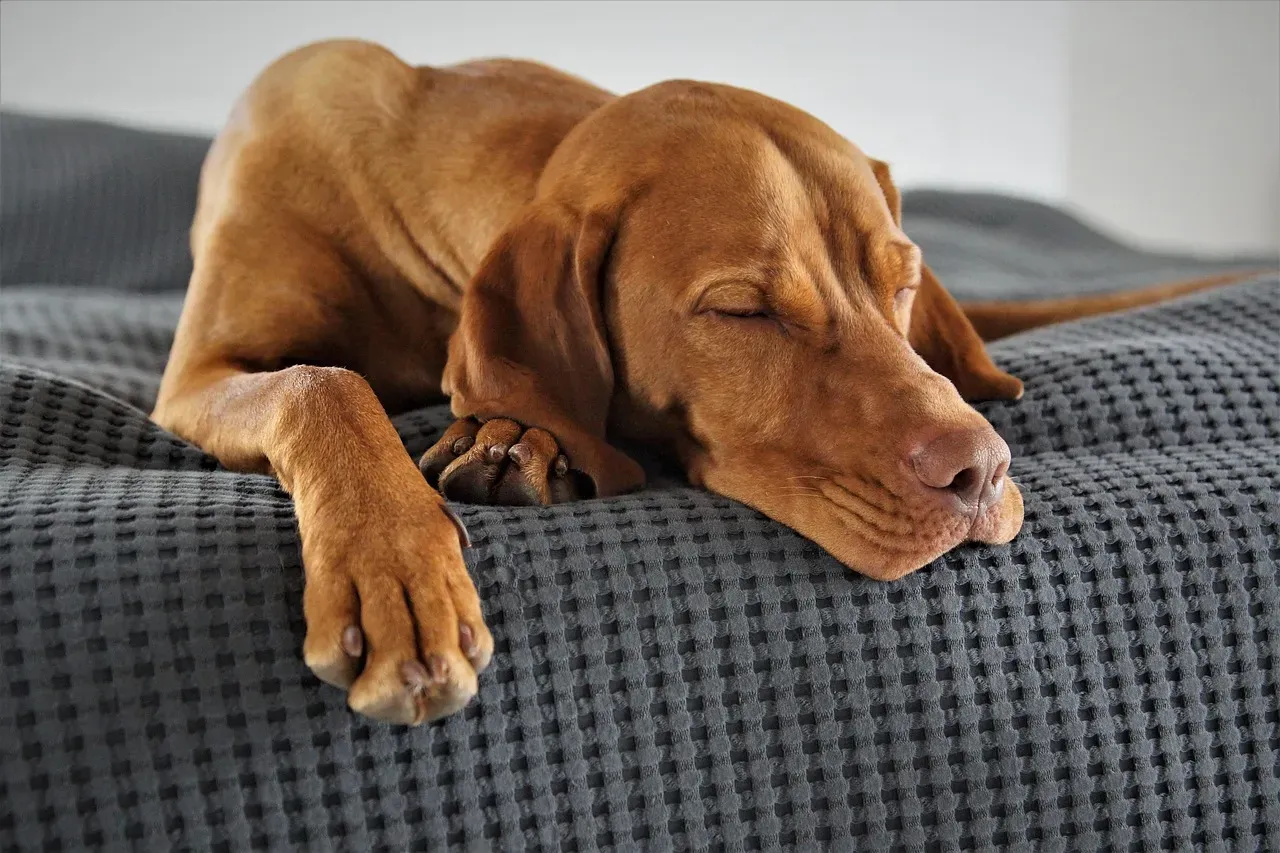
Most of the time, twitching and whimpering during sleep is perfectly healthy and normal. It’s just your dog deep in their dream world. However, there are genuine sleep disorders that can affect dogs, and knowing the signs matters. Disorders known to affect dogs include insomnia, sleep apnea, narcolepsy, and REM sleep behavior disorder.
Insomnia in dogs usually has an underlying behavioral or medical cause, with common causes including canine cognitive dysfunction, anxiety or stress, pain, and excessive itchiness – dogs with insomnia will often pace, whine, bark, or act confused at night. Sleep apnea is more likely to affect obese dogs and dogs with flat faces, such as Boston Terriers, Pugs, and English Bulldogs. If your flat-faced pup snores dramatically every single night, it’s worth a vet conversation, not just a funny video.
If your pet suddenly starts sleeping much more than usual or exhibits signs of lethargy when awake, it’s worth looking into – additional warning signs include changes in appetite, unexplained weight loss or gain, difficulty walking, or disinterest in activities they used to enjoy. Your gut instinct as a dog owner is powerful. If you notice any signs persisting for more than a few days, it is important to consult your veterinarian, as early intervention can prevent sleep issues from becoming chronic problems.
How to Give Your Dog the Best Sleep of Their Life
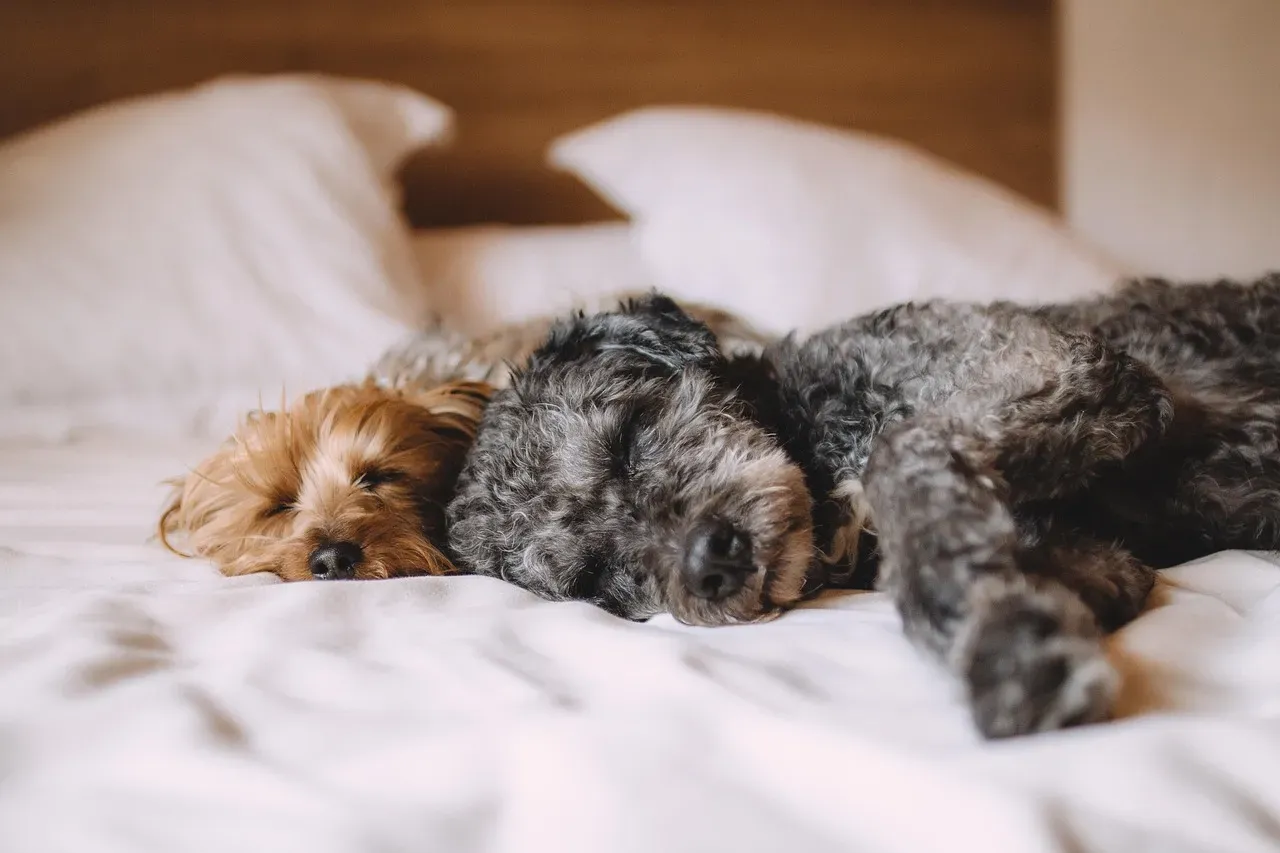
Here’s where you actually get to do something wonderful. Creating a proper sleep environment for your dog is one of the simplest, most loving things you can do. Setting up a quiet and comfortable bed helps your dog feel secure when they sleep, meaning they’re more likely to reach the REM stage of sleep that’s essential for dreams. It doesn’t need to be fancy – it just needs to feel safe.
Lack of physical exercise and mental enrichment can lead to your dog feeling more restless at night and during the day, so a good walk before bedtime is genuinely more than just a bathroom break. It’s setting the stage for quality sleep. Dogs love knowing what to expect, and having set times for walks, playtime, meals, and bed helps them stay calm and can improve their sleep – when dogs know what’s happening next, they can relax more easily into their sleep schedule.
A quiet dog crate or comfortable dog bed can certainly help with sleep, but routinely waking your sleeping dog could hinder their ability to learn – and make them grumpy. There’s also a safety reason to honor. Like some people, dogs can react aggressively toward the person waking them, and this can be dangerous, especially for children. So truly, let sleeping dogs lie.
Conclusion: Their Dreams Are Woven Into the Life You Give Them
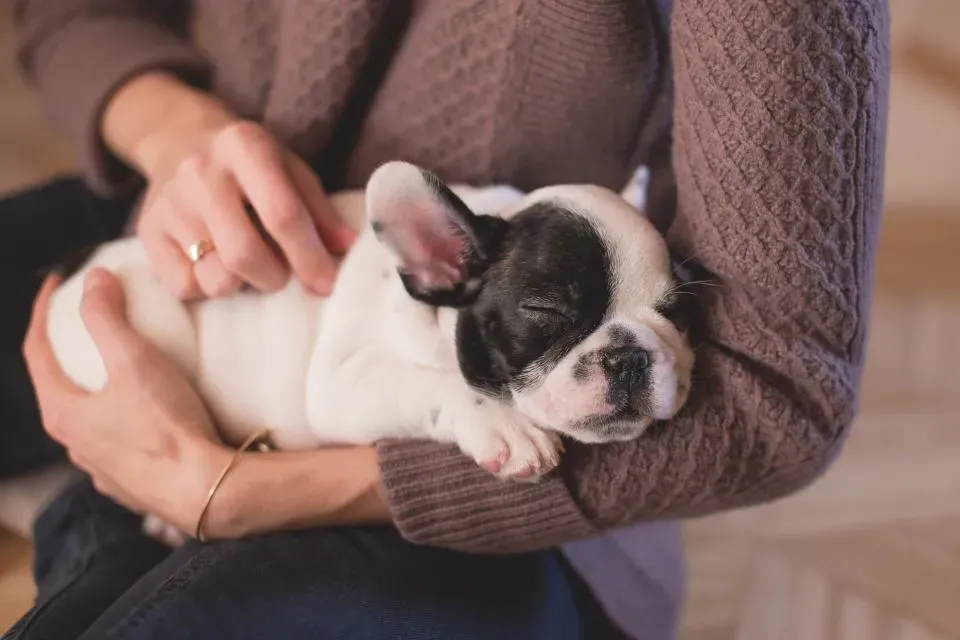
It’s easy to walk past a snoozing dog and think nothing much is happening. Turns out, everything is happening. Their brain is filing memories, replaying joyful moments, and processing the world you’ve built together. Every good walk, every belly rub, every afternoon in the garden – it all lives on inside those sleeping hours.
Understanding your dog’s sleep is not just about knowledge. It’s about connection. When you recognize what their curled body or twitching paw is telling you, you show up as the caregiver they deserve. You notice the changes before they become problems. You protect the rest that makes them whole.
Think about the last time your dog had a great dream and woke up tail-wagging and bright-eyed. That joy was real, and you helped create it. So what will you change tonight to make sure they dream even better? We’d love to hear your thoughts – drop them in the comments below.


