
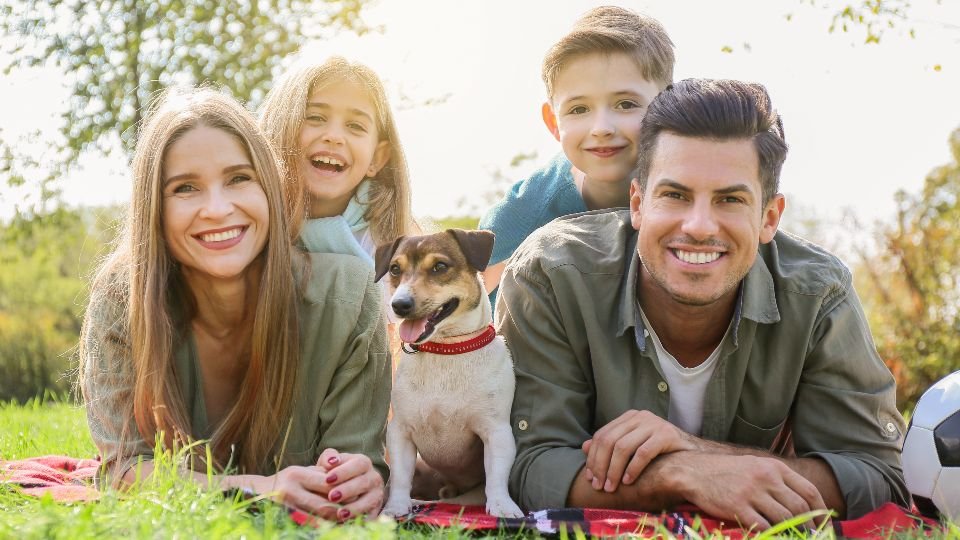
You’ve just welcomed a baby into your home, and now you’re dreaming about adding a furry best friend to complete the picture. The family photo with the golden retriever in the backyard. The toddler and the dog growing up together. It’s one of the most beautiful things imaginable. Honestly, few bonds are more magical than the one between a child and a dog.
Here’s the thing, though. Not every dog is built for that chaos. The cheerful screaming, the unpredictable running, the tiny hands that pull at tails without warning. Some breeds absolutely thrive in that kind of messy, joyful environment. Others? They struggle in ways that can become genuinely dangerous. Getting the match wrong isn’t just stressful – it can be heartbreaking for everyone involved, including the dog.
So before you fall for a pair of floppy ears at the shelter, let’s talk honestly about which breeds can make life harder for new parents, and which ones are practically born to love your kids. Let’s dive in.
Why Breed Choice Matters More Than You Think
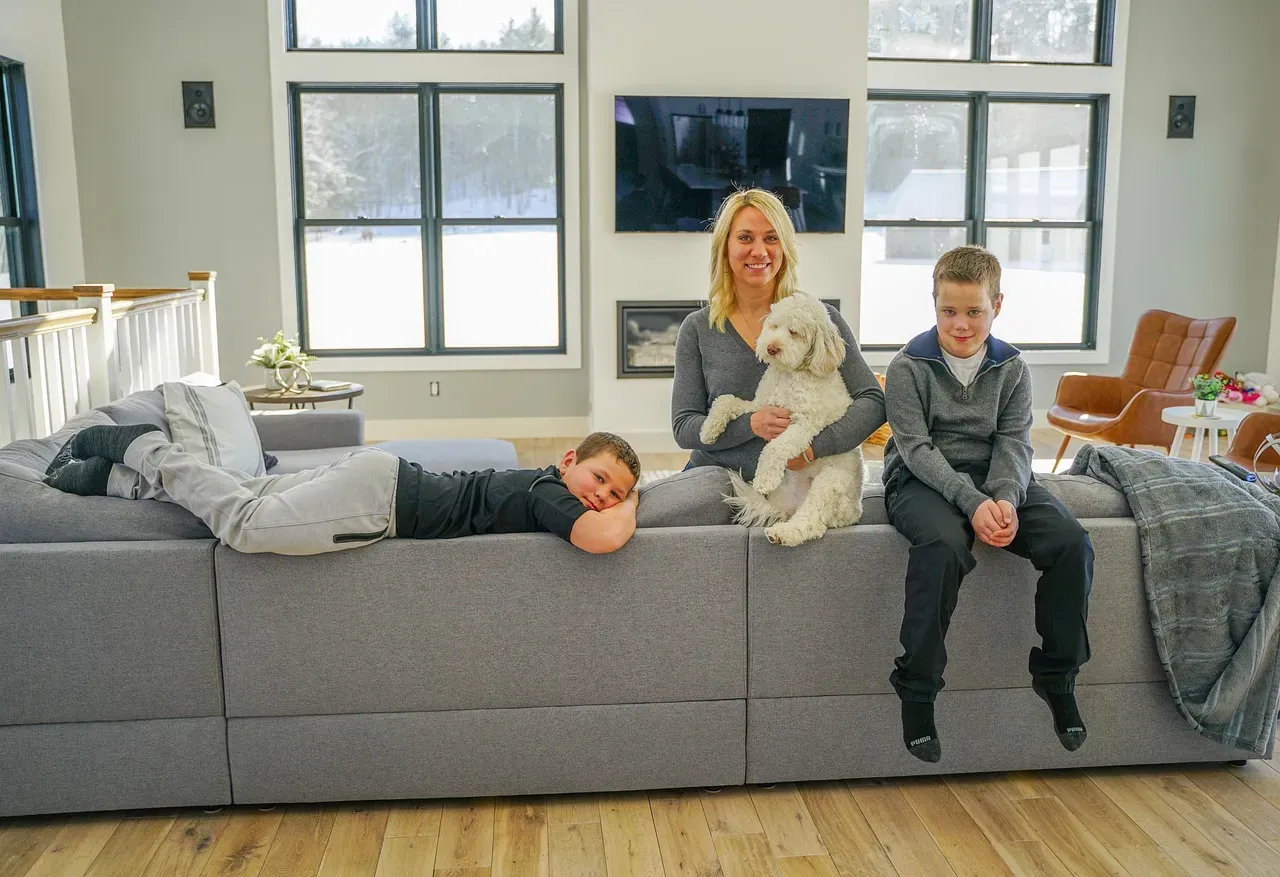
When you bring a puppy home for the first time, the cuteness is almost blinding. It’s easy to assume that if we get a dog from puppyhood, they will acclimate to our lives and bond with everyone in the family. That is generally quite true, but it will also greatly depend on the dog’s character, early socialization, consistent training, and previous experiences, with some breeds being more suitable for kids and families than others.
Think of it this way: choosing a breed without thinking about your children is like buying a sports car when you need a minivan. It might look great, but it’s not going to work for your life. While dogs can be wonderful companions and members of the family, it’s important to remember that not all breeds are created equal, especially when it comes to interacting with children. Certain factors like size, temperament, and energy levels can make some breeds a better fit for certain lifestyles than others.
Studies show that children who grow up with dogs are healthier, more active, more socially adept, and even happier than kids growing up in dog-less homes. The goal isn’t to scare you away from getting a dog. The goal is to help you get it right the first time.
The Akita: A Loyal Guard Dog That Doesn’t Do Well With Playdates
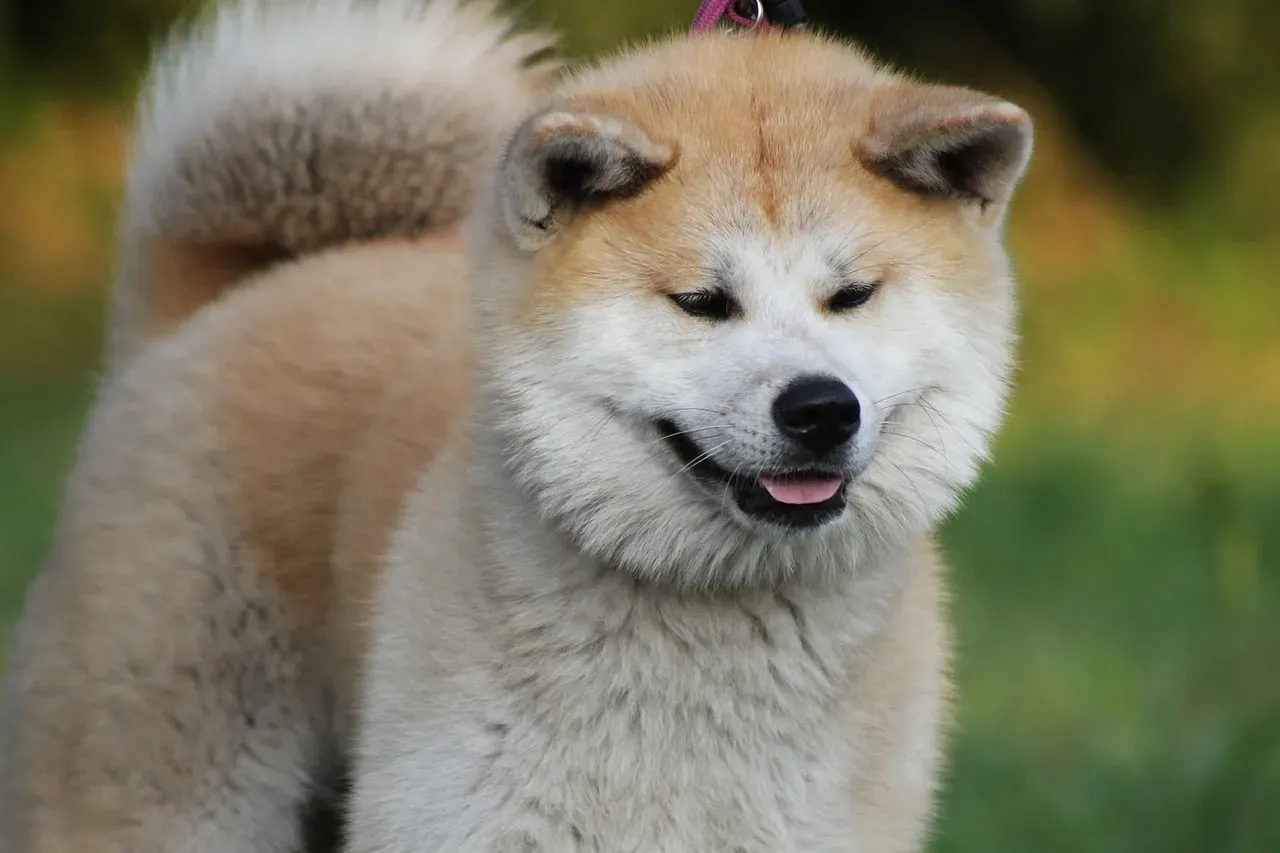
Akitas are fearsome protectors, guarding their families at every turn. They’re always on the lookout, having your back. However, the serious Akita might not make the best playmate for your kids, because Akitas are stern and somber and don’t tolerate silliness or teasing very well.
Here’s where it gets tricky for new parents specifically. The problem arises when your kids have friends over. If they start roughhousing, your Akita may take it as a sign that their family is in danger, and they can respond viciously. That scenario plays out more often than people expect. Once a child is old enough to fully respect a dog’s boundaries, an Akita might work in your home. Until then, proceed with extreme caution.
The Chow Chow: Stunning Looks, Complicated Heart
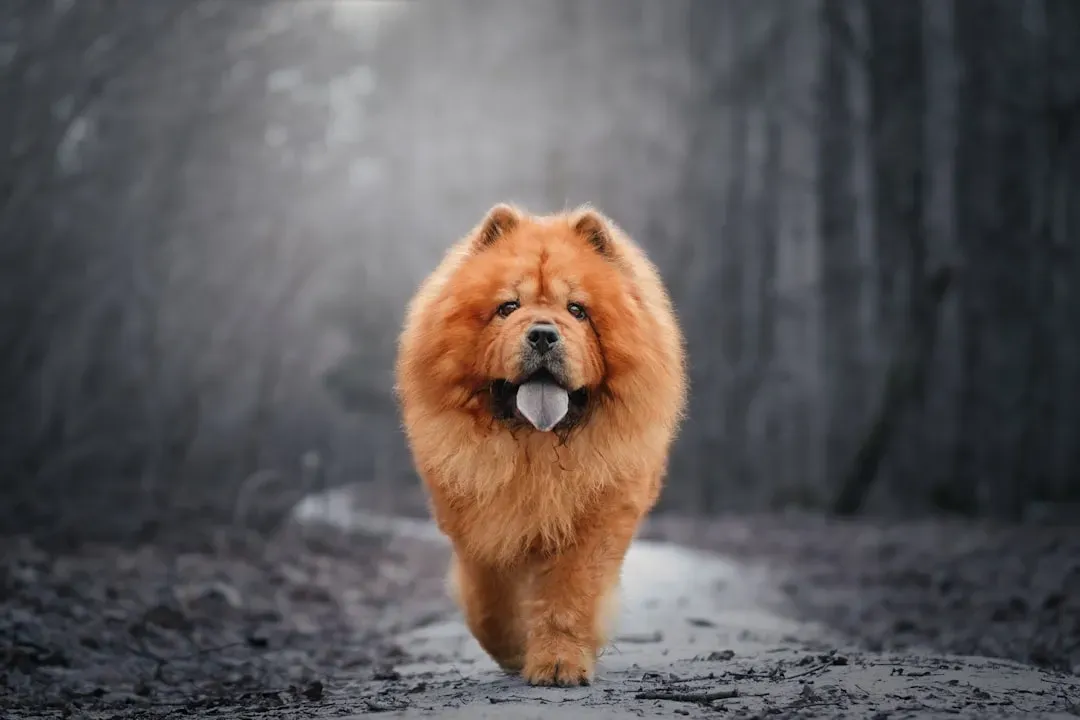
Walk past a Chow Chow puppy and try not to fall in love. It’s nearly impossible. Chow Chows are misunderstood creatures. They’re not necessarily violent, but they’re completely dedicated to their families – and that leaves little room in their hearts for outsiders. Like Akitas, Chow Chows should be safe around the kids who live in their household, but guests should be careful around them.
In addition to being overly protective, they’re also dominant and stubborn, which isn’t a great combination for a dog that you’ll have around small children. While they aren’t the aggressors, they aren’t huge fans of loud playing. Surprisingly, they are not very playful and have little patience. For a home full of excited, noisy children, that combination is a recipe for daily stress.
The Chihuahua: Small Dog, Big Risk Around Tiny Humans
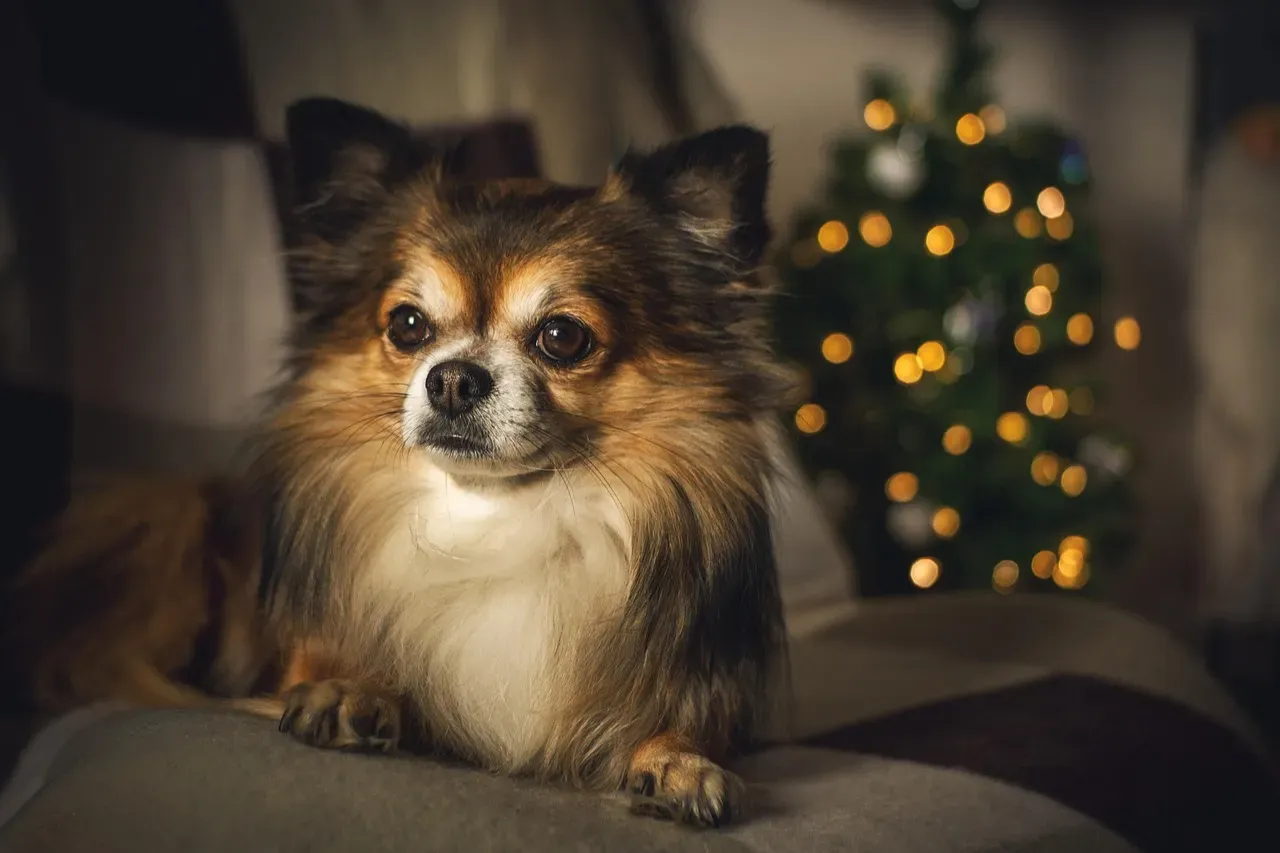
Don’t let the size fool you. Chihuahuas are definitely not good dogs for families with small kids. In many cases, Chihuahuas can be aggressive and, if they feel threatened, will bite. With small kids, this may mean a lot of biting, a wailing child, and at worst, a child who ends up seriously injuring a fragile-bodied puppy due to a bite.
There’s a dual danger here that parents often overlook. The dog can hurt the child, but the child can also easily hurt the dog. A tiny Maltese or Chihuahua is too frail for rough-and-tumble play. Chihuahuas are also known for having loud, yowling wails – and that bodes poorly for families that have newborns. If you just got a baby to sleep, the last thing you need is a high-pitched alarm system with legs.
The Siberian Husky: Beautiful, Energetic, and Wildly Unpredictable
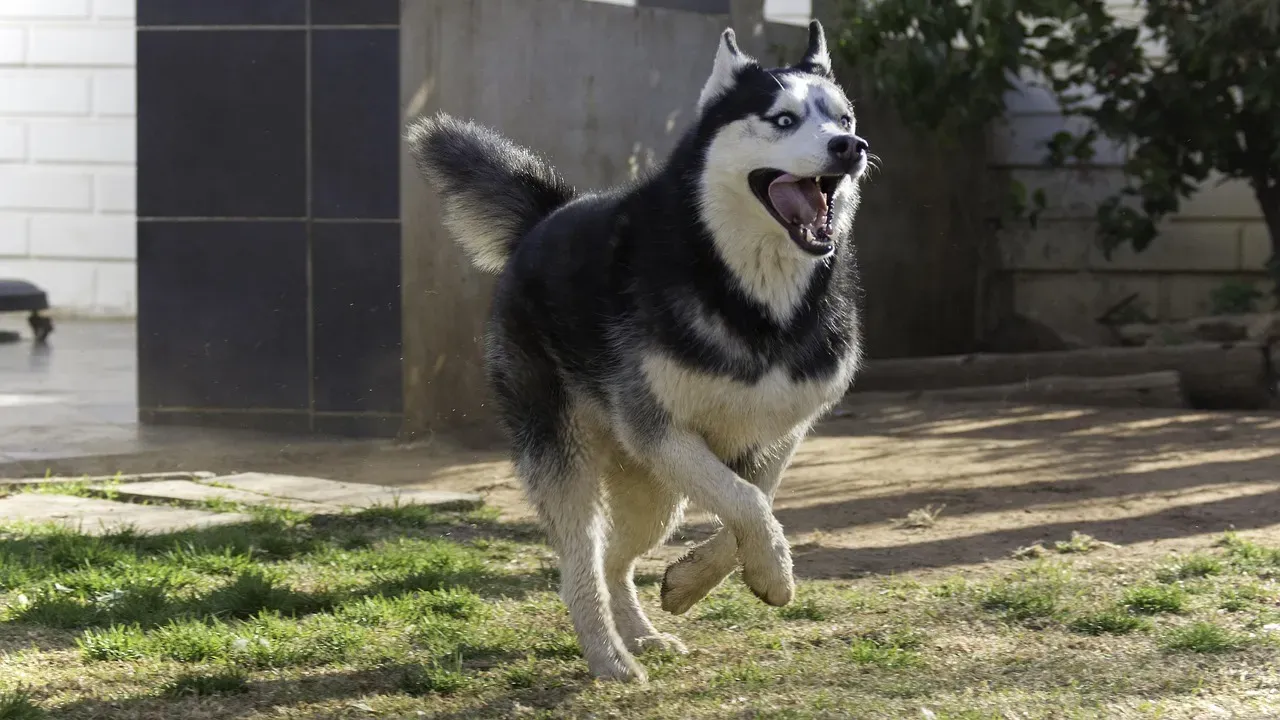
Siberian Huskies may be smaller than their Malamute brothers, but in most cases, their traits are almost identical. They are sled dogs that love to run, but they are exceedingly difficult for new dog owners to train. I know it sounds crazy, but a lot of families adopt Huskies based purely on how stunning they look in photos, without understanding the commitment involved.
These dogs are extremely energetic and don’t always know how to play appropriately with small children. That could lead to rough play that quickly gets out of hand. Even worse, these dogs are independent and hard to train, so you’ll have a hard time convincing them to play the way that you want them to. However, if you have older kids, then a Husky could be the rough-and-tumble playmate that they’ve always wanted. Timing matters enormously here.
The Alaskan Malamute: Powerful, Loyal, and a Lot to Handle
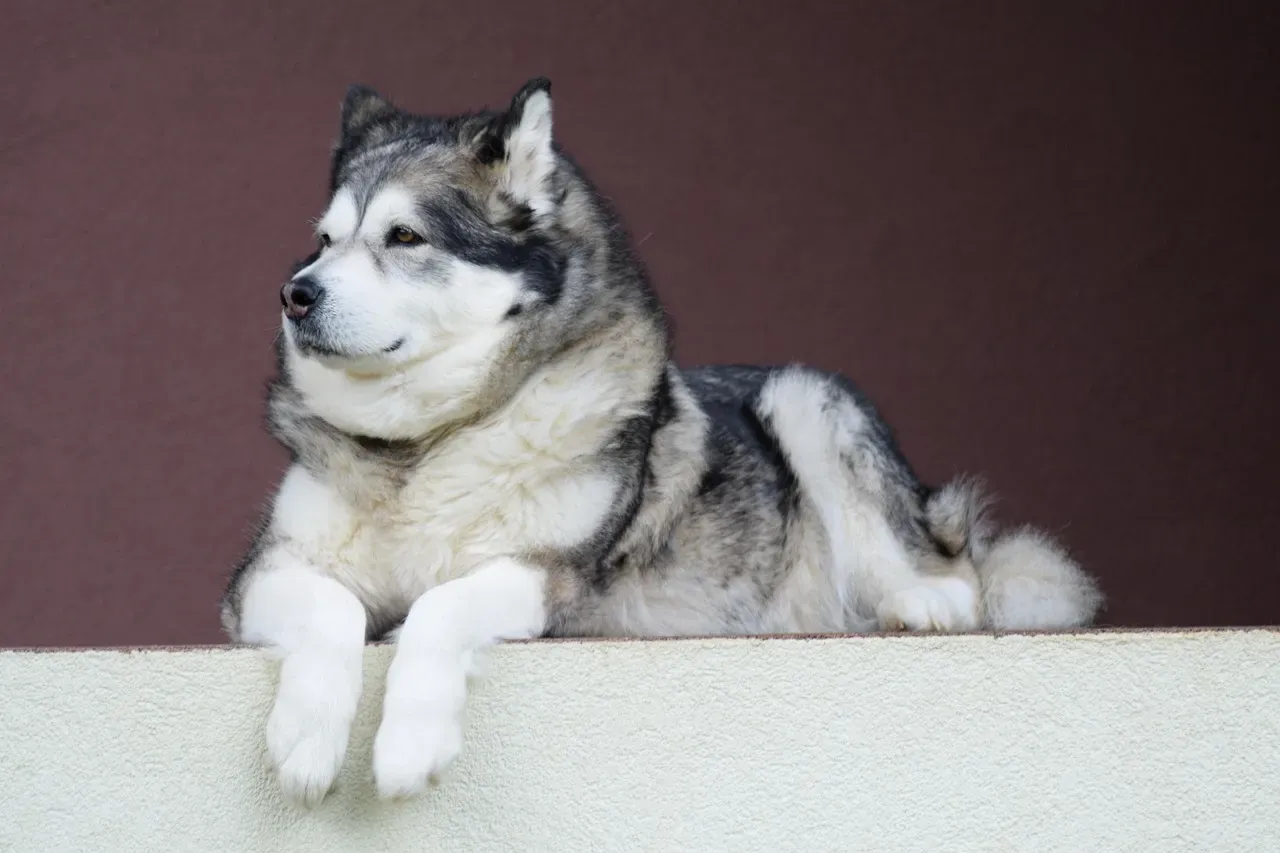
Think of the Alaskan Malamute as a Husky turned up to eleven. These dogs are like bigger, bulkier versions of Siberian Huskies, and they have many of the same shortcomings. Alaskan Malamutes have actually been linked to multiple fatal attacks, especially in Canada, but they don’t get much publicity because the breed isn’t as well-known as other supposedly vicious breeds.
They’re also extremely energetic and difficult to train, and they can be nightmares to walk. All of this adds up to a dog that shouldn’t be adopted until your kids are teenagers at least. Some Malamutes are known to be more reserved and unaccepting of change, which might be tricky if you’re thinking about adopting an adult. You should wait until children are a bit older before bringing one home.
The Shar-Pei: Dignified but Dangerously Intolerant of Rough Handling
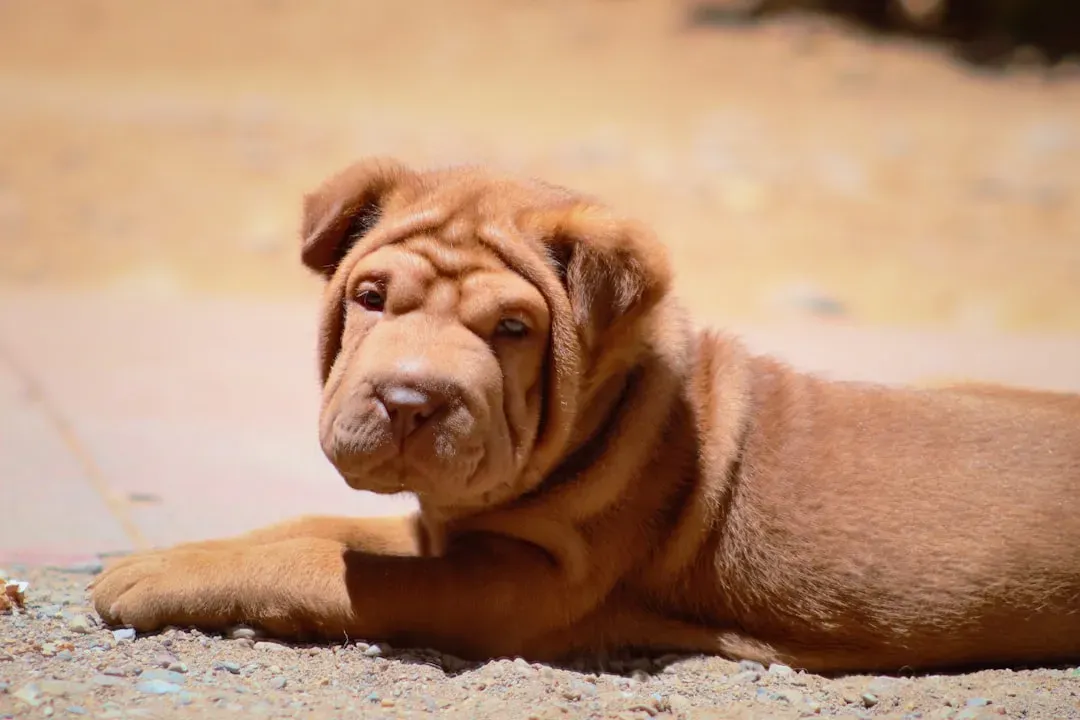
Those wrinkles are absolutely irresistible, right? Shar-Peis are difficult to train and may stubbornly resist even the most basic training. If they aren’t socialized properly, they also can get somewhat mean with strangers. For parents who are already sleep-deprived and overwhelmed, adding a stubborn, poorly socialized dog to the mix is a seriously tough ask.
They don’t take abuse and cruelty well – even if the abuse is not intentional, such as the child pulling a dog’s ear or slapping it. Because they may attack a small child that tugs its tail too hard, these dogs are one of the worst dog breeds for families with toddlers. They’re gorgeous and wrinkly with irresistibly squishy faces, but this breed can be bad tempered. In fact, most Shar-Peis are happiest when kept as only pets.
The Jack Russell Terrier: A Tiny Tornado That Views Babies as Prey
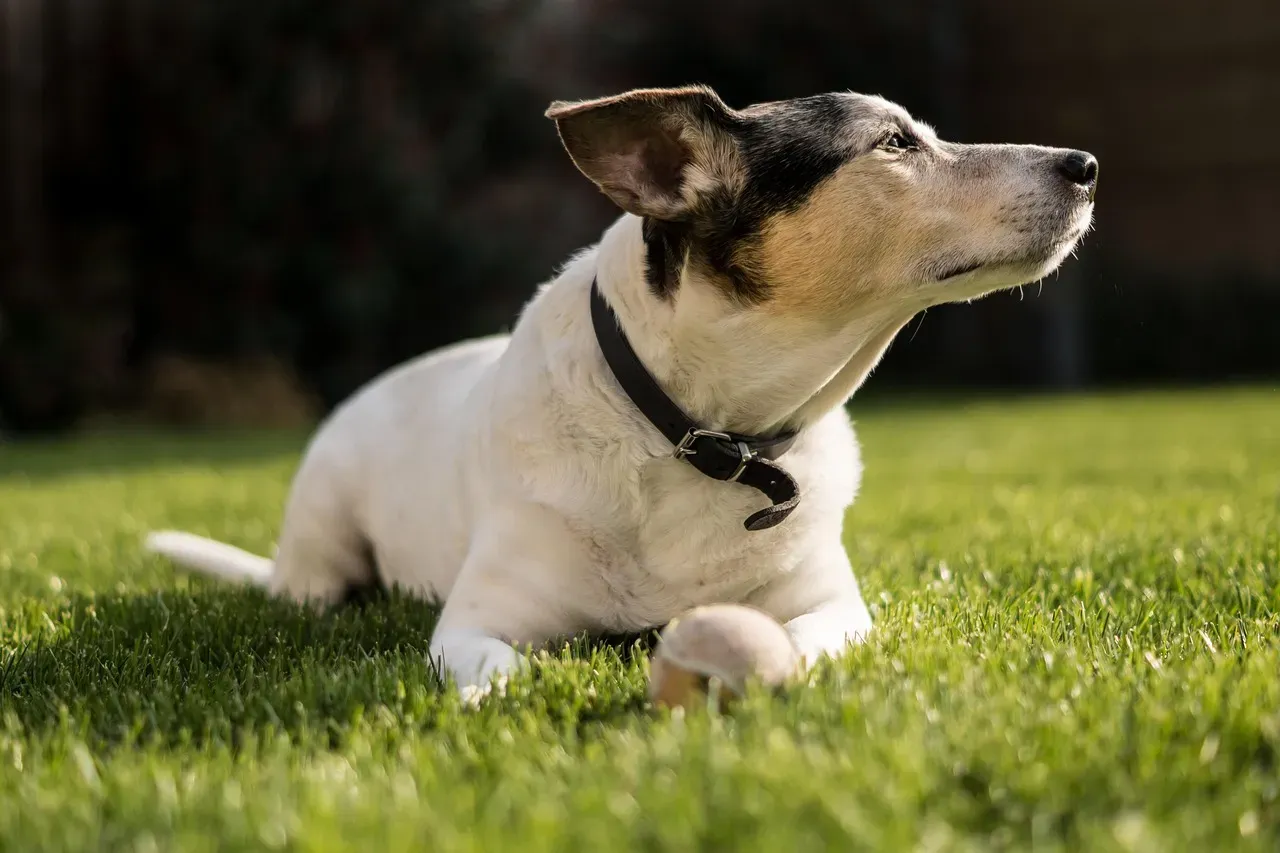
Let’s be real, Jack Russells look absolutely adorable. But don’t be deceived by those compact little bodies. Jack Russell Terriers are hunting dogs packed into a small and deceptive body. They are known for their feistiness and have zero tolerance for ear pulling or tail grabbing. This breed is high energy and will dig or bark excessively if not exercised thoroughly.
Here’s the part that genuinely shocks most parents. They often view small animals and sometimes crawling babies as prey to be chased. Their intense personality makes them better suited for active adults rather than families looking for a cuddly pet. A crawling infant on the floor can trigger a Jack Russell’s prey drive in seconds. That’s not a risk most new parents should be willing to take.
The Rottweiler: Misunderstood but Still High-Risk for Beginners
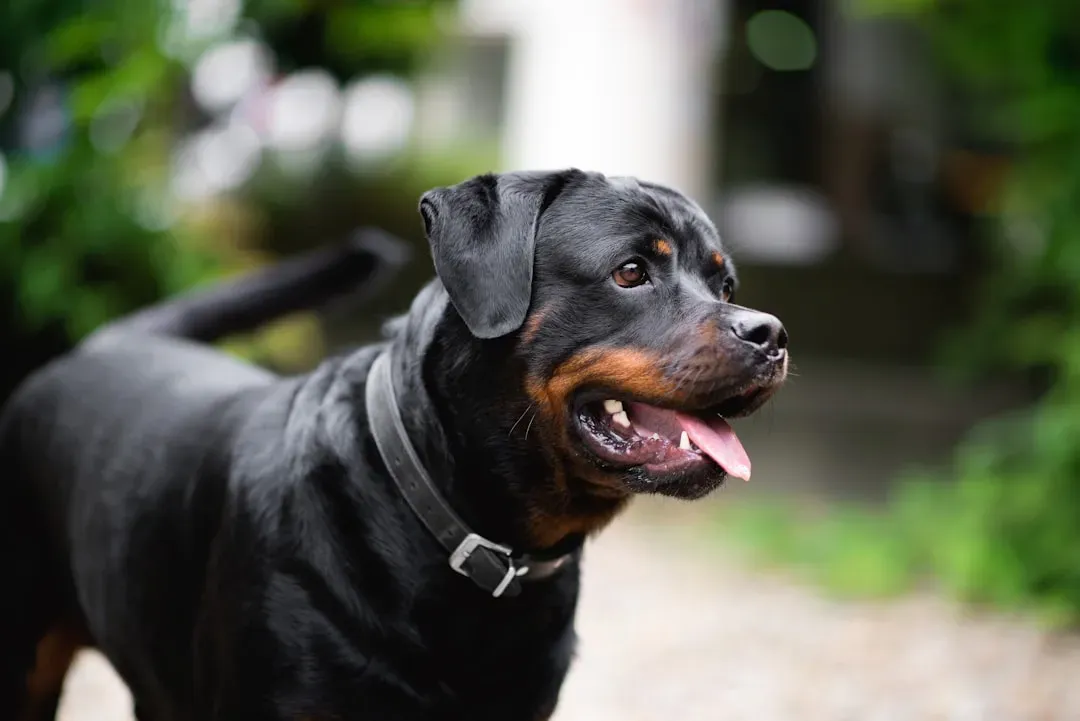
Rottweilers have devoted fans who will argue passionately that they are gentle giants. There’s truth in that, with the right owner. While Rottweilers are a loyal and loving breed, they can be overly protective of their humans. They may view a visiting child, or even your own child, who is screaming or throwing a tantrum as a threat to their family or chosen person. Their size alone is often enough to put potential owners with young families off this breed.
Rottweilers are big and strong dogs. They were bred as warriors. The problem is, sometimes they fight even when we don’t want them to. These canines can act super loving toward their families, but that does not make them ideal for first-timers since they tend to show rudeness to folks and dogs they do not like. For experienced dog owners? Possibly manageable. For exhausted new parents still figuring out diapers? Honestly, probably not.
The Bullmastiff: A Clumsy Giant Around Your Wobbly Toddler
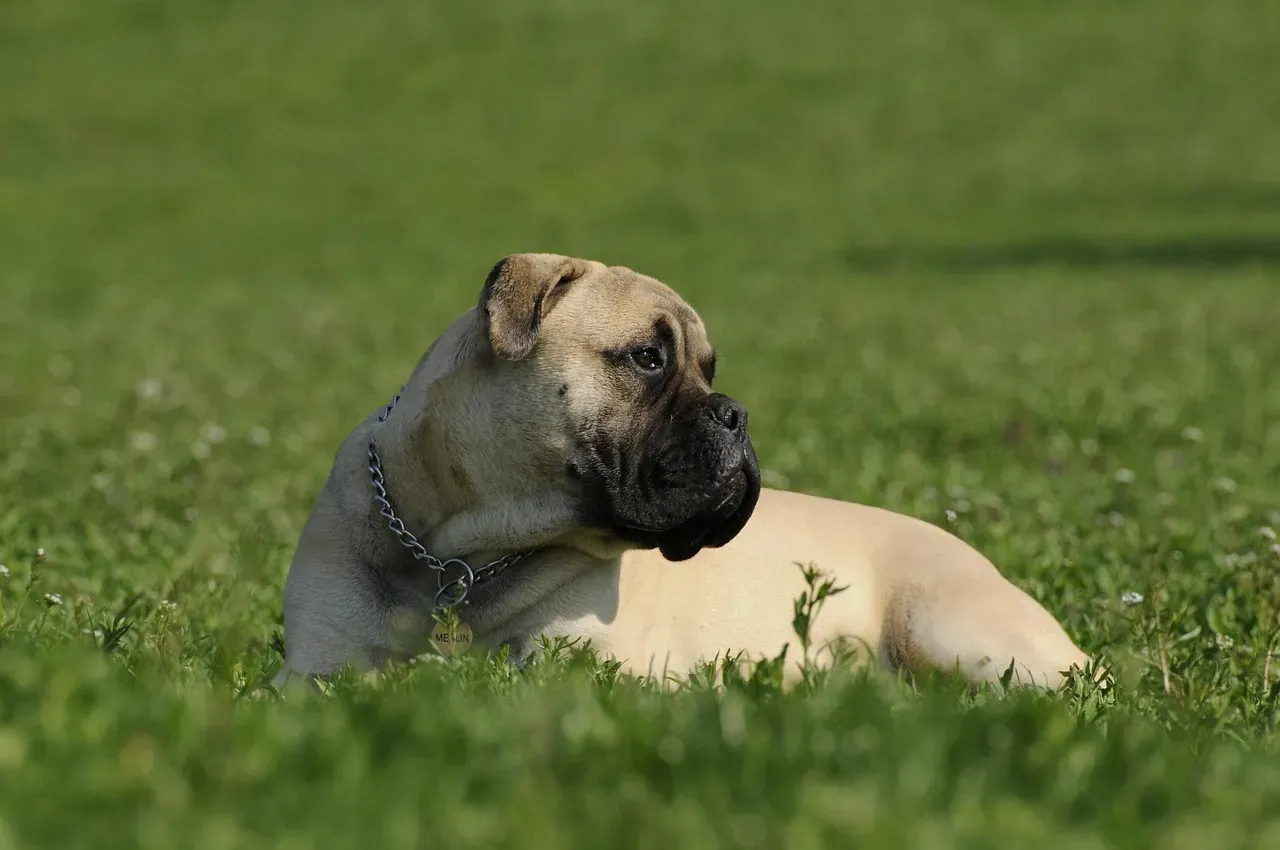
The Bullmastiff is a giant guardian breed that is fiercely loyal but physically overwhelming. A young Bullmastiff is essentially a clumsy giant that can unintentionally crush or knock over a small child. Picture your toddler just finding their footing and a hundred-plus pound dog bounding around the room. It’s not a safe combination, no matter how gentle the dog’s intentions.
They can be territorial and may not react well to the presence of your child’s friends entering the home. Their drooling is excessive and creates a sanitary challenge for parents trying to keep a clean home for crawling babies. While they are not inherently vicious, their size alone makes them a hazard for families with unstable walkers. A dog doesn’t need bad intentions to cause harm. Sometimes sheer size is enough.
So Which Breeds Actually Thrive With Growing Families?
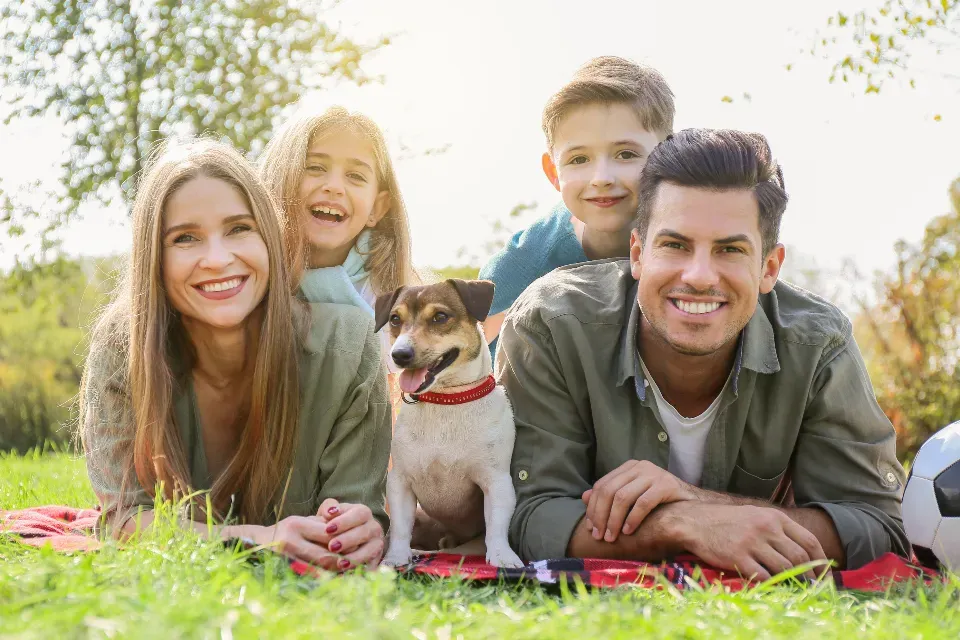
Here’s where things get genuinely exciting. Because the world of family-friendly dogs is full of wonderful options. Golden Retrievers consistently rank as top family dogs due to their gentle mouths, patient temperaments, and natural love of children. They’re large enough to handle enthusiastic kids but gentle enough for toddlers. They’re not just a cliche. They really are that good.
The Labrador ranks first on the AKC popularity list for a very good reason, with a remarkable child-tolerance score and the lowest bite risk of any breed over fifty pounds according to 2024 Banfield data. Playful but patient, Labs forgive the occasional accidental tail pull, and they love nothing more than being in the pack. Add to that list the Cavalier King Charles Spaniel, widely regarded as one of the gentlest companion breeds, known for being tolerant and patient with children, and typically friendly, calm, and rarely showing aggression.
Beagles are an excellent choice if you’re looking for a smaller breed with a big personality. With their curious and friendly nature, Beagles are wonderful playmates for kids. Their manageable size also makes them suitable for families with limited living space. Beagles love being part of family activities, and their cheerful personalities often make children feel like they have a furry best friend.
Conclusion: The Right Dog Changes Everything
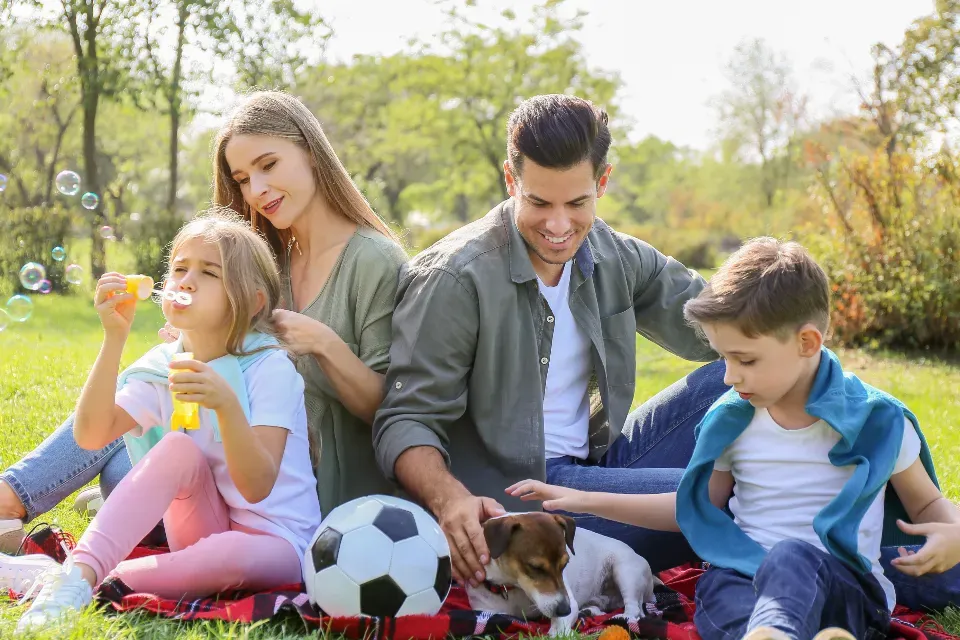
Choosing a dog when you have young children isn’t about finding the most impressive breed or the most Instagram-worthy one. It’s about finding a temperament, an energy level, and a disposition that genuinely fits your family’s daily reality. While it’s important to train and socialize your dog, it’s equally important to teach kids how to behave around them. The vast majority of bites and attacks could have been prevented, so instructing your children on the proper way to treat a dog will go a long way toward keeping them safe.
Dogs can be great for kids: not only are they a source of unconditional love, but they can help teach responsibility and cooperation. When choosing a dog for your family, consider your lifestyle and the ages of your children. Some breeds have infinite patience, others can play endlessly, and still others are naturally protective of children. The perfect dog for your family is out there. It just takes a little research, a lot of honesty about your lifestyle, and the willingness to choose with your head as much as your heart.
The right dog won’t just survive family life. It will love every chaotic, beautiful, loud, sticky-fingered second of it. What kind of four-legged family member are you hoping to bring home? We’d love to hear in the comments.


