
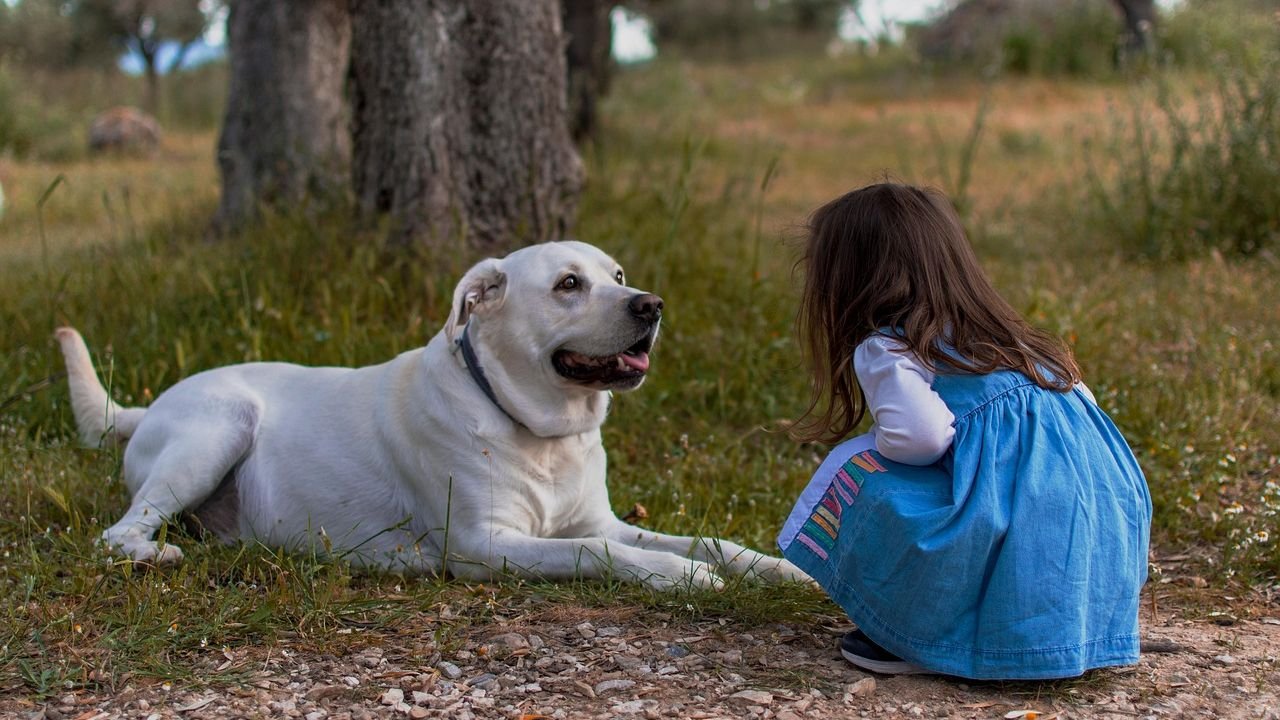
Picture this: you walk into a shelter, spot a golden retriever, and immediately think, “Perfect family dog, gentle, loves everyone.” Then across the room, you notice a stocky brindle dog with a broad head and you take a small step back, heart rate ticking up just a little. Sound familiar? Honestly, most of us have been there. We carry these mental blueprints of what certain breeds are “supposed” to be, almost like a personality catalog we can flip through before ever meeting the actual dog.
Here’s the thing, though. Science is now telling us something that seasoned dog people have suspected for decades: that catalog is mostly fiction. The dog standing in front of you, tail mid-wag, eyes searching yours, is far more complex, more individual, and more surprising than any breed description could ever capture. Let’s dive in.
What the Science Actually Says About Breed and Behavior
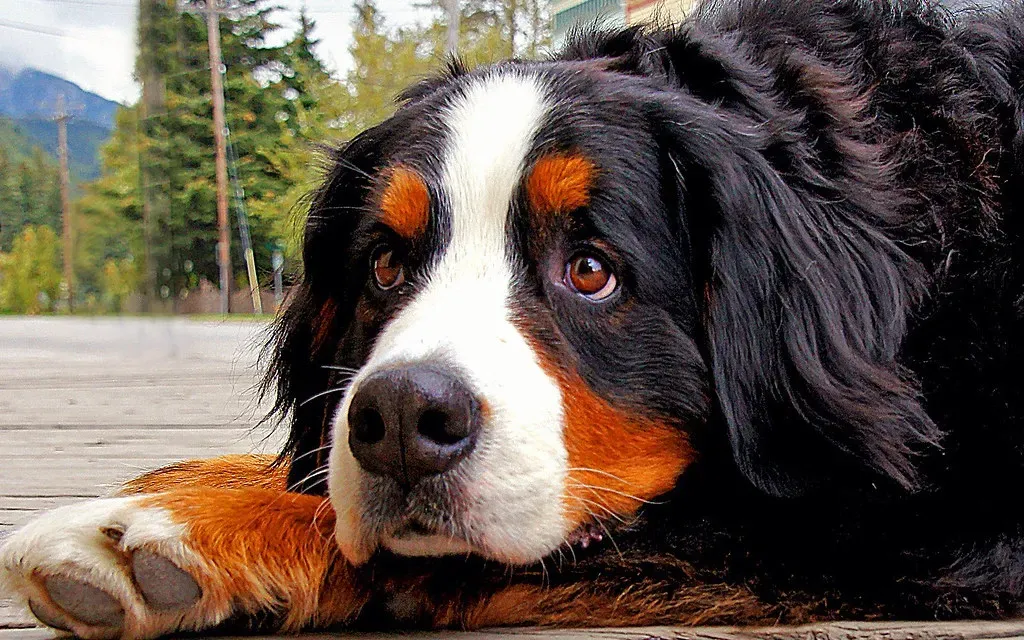
Most people assume that picking a breed is like choosing a personality template. You want energetic and athletic? Get a border collie. Calm couch companion? Basset hound, obviously. It feels logical. Modern breeds are commonly ascribed characteristic temperaments and behavioral proclivities based on their purported ancestral function, and by extension, the breed ancestry of an individual dog is assumed to be predictive of temperament and behavior. Totally understandable, right? We see these traits described everywhere, from kennel club websites to dog breed apps.
The trouble is, the actual data tells a very different story. Breed type explains just 9 percent of variation in behavior of dogs, according to a study that looked at the DNA of more than 2,000 dogs. Think about that for a moment. Roughly nine out of every hundred behavioral differences between dogs can be linked to breed. The other ninety-one percent? That belongs to the individual. Studies found that within-breed behavioral variation approaches levels similar to the variation between breeds, suggesting that such predictions are error prone even in purebred dogs.
Researchers even found golden retrievers that don’t retrieve. If that doesn’t make you chuckle and rethink everything, I don’t know what will. The science is clear: your dog didn’t read the breed description, and they’re not obligated to follow it.
Genetics Are a Nudge, Not a Destiny
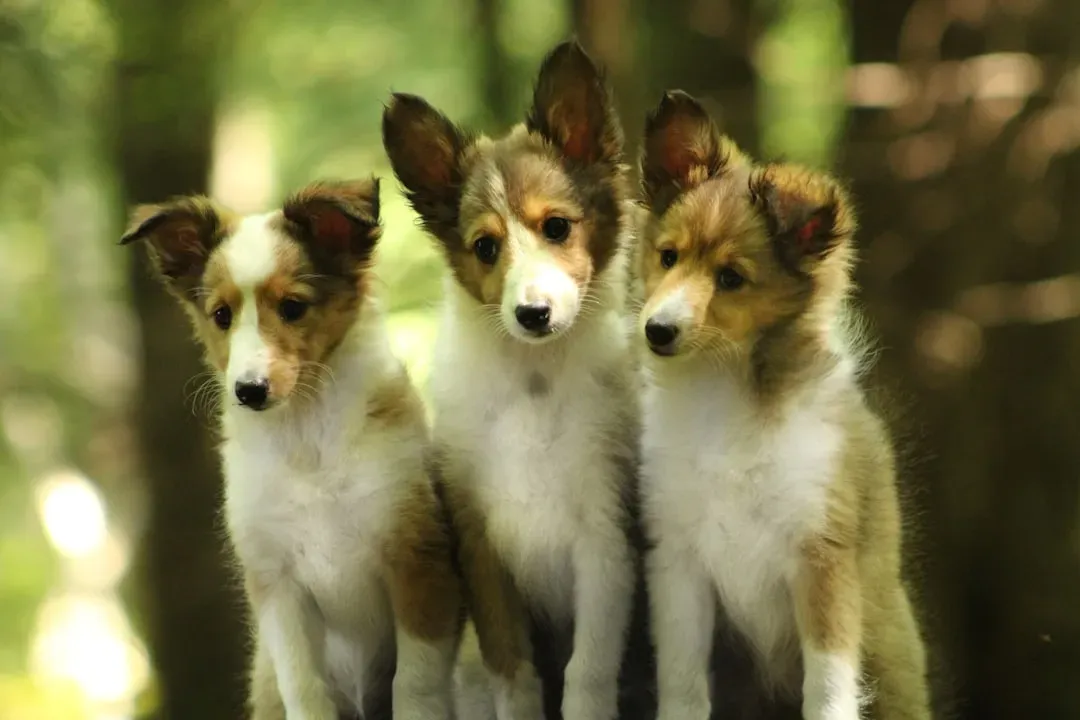
So if breed isn’t calling all the behavioral shots, what is? The answer is delightfully complicated, which I think is part of what makes dogs so endlessly fascinating. A large study identified 11 locations along the canine genome that were strongly associated with behavior, none of which were specific for breed, suggesting that these personality traits predate modern canine breeding by humans. In other words, the genetic building blocks of behavior are ancient, shared across many breeds, and not exclusively owned by any one of them.
As one researcher put it, “Genetics matter, but genetics are a nudge in a given direction. They’re not a destiny,” noting that the same principle applies to dogs as it does to humans in behavioral studies. Think of it like height in people. Genetics give you a range of possibilities, but nutrition, environment, and a hundred other factors determine where in that range you actually land.
Overall, researchers found that behavioral characteristics were influenced by multiple factors, including environment and individual genetics, but that modern breed classification played a modest role in the outcome. Your dog’s personality is an ongoing, living conversation between their genes and their world. That’s both humbling and exciting.
Early Life Experiences Shape Who Your Dog Becomes

If genetics is only nudging the steering wheel, then environment is the driver. And the earliest experiences carry the most weight. In dogs, experiences between 3 and 12 weeks of age, known as the socialization period, are known to play a vital role in shaping adult behavioral development. This window is genuinely critical. It’s when a puppy’s brain is most open, most plastic, most ready to absorb the world.
Dogs that are appropriately socialized as puppies are less likely to exhibit behavioral problems as adults, including aggression and fearfulness. They are more likely to engage in positive social behaviors with humans, and can learn how to play games with humans better than dogs without proper socialization. That’s a huge difference in life outcome, all based on what those early weeks looked like.
Early experiences, whether positive or negative, can profoundly affect behaviour later in life. This is why two puppies from the same litter can grow into surprisingly different adults. One lived in a busy home full of children, visitors, and new sounds. The other spent its early months in a quiet kennel with minimal stimulation. Same genes, very different dogs. As one animal behaviorist noted, breed can predispose a dog to certain types of behaviors, but whether or not you see those behaviors in the adult dog depends on many factors, with the environment playing a huge role.
The Real Cost of Breed Stereotypes: Shelter Dogs Pay the Price
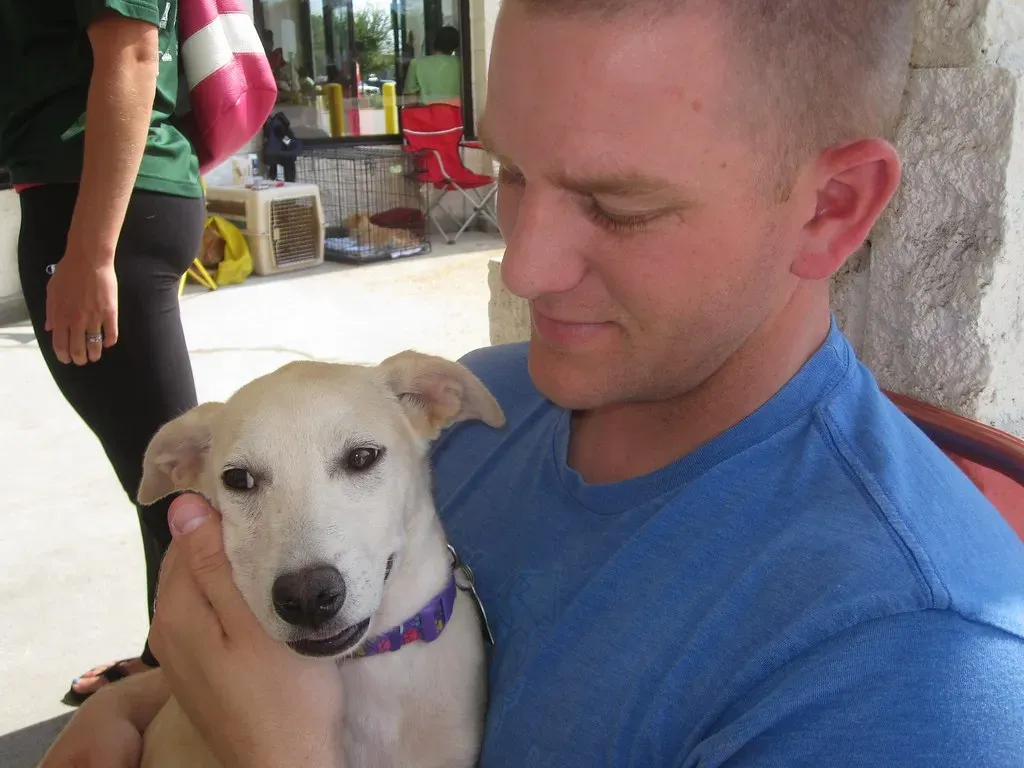
Let’s be real: breed stereotypes are not just an abstract philosophical problem. For millions of dogs sitting in shelters right now, those stereotypes are literally life and death. Research has found that dogs labeled as pit bull type stay in the shelter more than three times longer than similar-looking dogs labeled as another breed, and the negative perceptions of these breeds make them more frequent candidates for euthanasia. Three times longer. Because of a label.
It is extremely difficult to determine a dog’s breed or breed mix simply by looking at it, and a study showed that even people very familiar with dog breeds cannot reliably determine the primary breed of a mixed-breed dog, meaning dogs are often incorrectly classified as pit bulls. So a dog can suffer an extended shelter stay, or worse, based on a misidentification. That is genuinely heartbreaking. There is no evidence that breed-specific laws make communities safer for people or companion animals.
Pit bulls, for example, were not found to be more aggressive than other dogs, despite their reputation in some quarters as dangerous. Yet the consequences of the stereotype persist. Every time we walk past a dog at a shelter because of how it looks, we’re choosing a label over an individual.
How to Actually Get to Know the Dog in Front of You
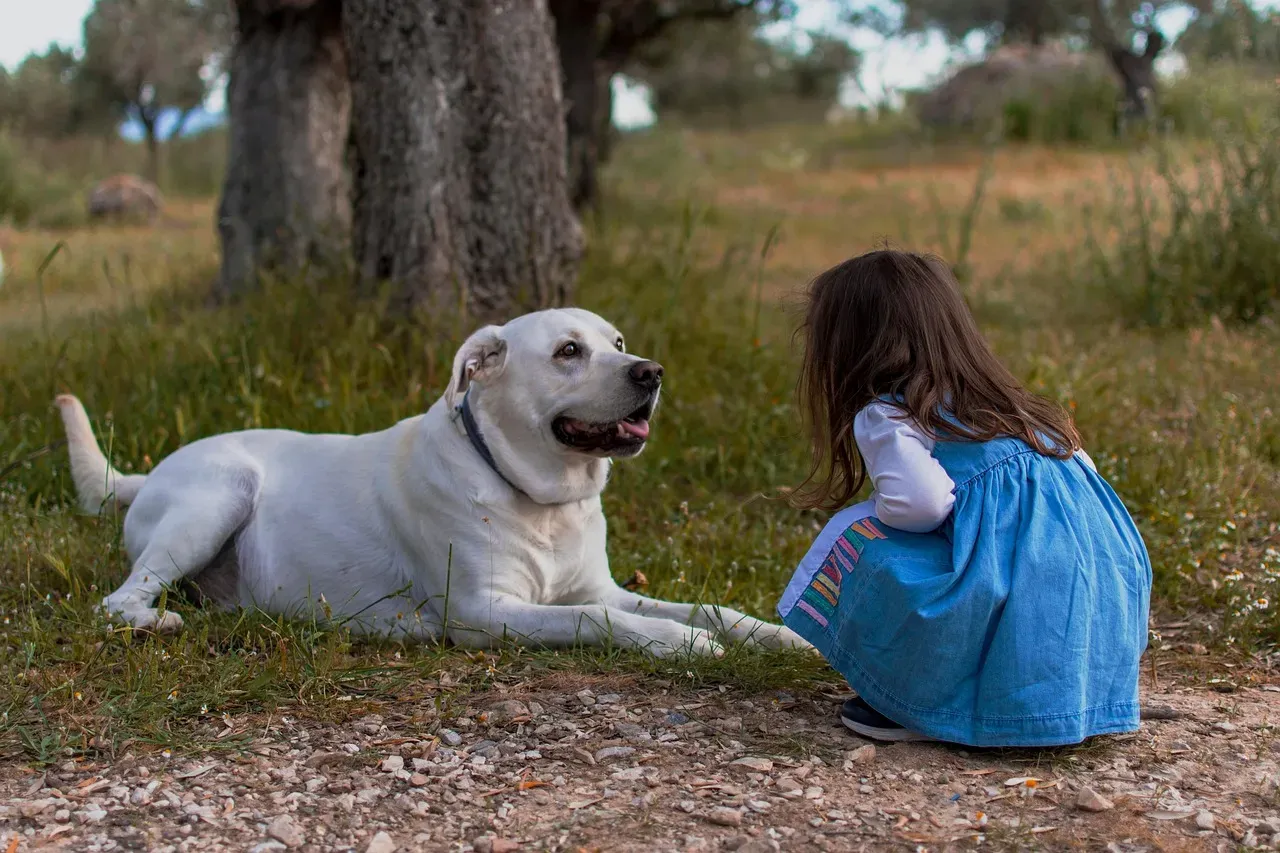
So what does this all mean for you as a dog lover, adopter, or current dog parent? It means you get to do the most rewarding thing imaginable: actually get to know your dog. Not the breed. The dog. Considering each dog as an individual can improve our relationship with dogs overall, especially when selecting a pet.
Watch your dog’s body language. Do they approach new people with confidence or hang back and observe first? Do they bounce back quickly from a startling noise, or do they need extra time to settle? These are the real clues to who they are. A dog’s personality isn’t tied to their breed, and it also isn’t fixed. Dogs, like people, can change over time. That fearful rescue pup can genuinely blossom with patience, consistency, and the right environment.
A dog’s breed is not a predictor of its personality, but the probability of showing certain personality traits does differ between breeds. So yes, there might be tendencies worth knowing about when you’re thinking about training or lifestyle compatibility. But tendencies are not guarantees. The goal of training should be to establish good communication, build life skills, and reinforce good choices. Training that focuses on teaching dogs what to do and setting up the environment to prevent failure promotes the development of trust, confidence, and joyful obedience. Meet your dog where they are, not where the breed chart says they should be.
Conclusion: See the Dog, Not the Label
There’s something quietly revolutionary about looking at a dog and deciding to actually see them. Not their breed, not their reputation, not the baggage the internet has assigned them. Just the particular, unrepeatable individual wagging in front of you.
Science has made it beautifully clear: any good dog trainer will tell you those breed stereotypes are a disaster. Breeds don’t have personalities. Individuals do. That truth should change how we adopt, how we train, how we talk about dogs with our neighbors, and how we advocate for them in our communities.
Every dog deserves to be known on their own terms. They ask so little of us, honestly. A little patience, a little observation, and a willingness to be surprised. You might just discover that your dog is nothing like their breed description, and absolutely everything you never expected to love.
So here’s a question worth sitting with: if you let go of everything you thought you knew about your dog’s breed, what might you finally notice about who they actually are?


