
You fell in love with those big eyes at the shelter. Or maybe you watched a video of a Border Collie doing backflips on Instagram and thought, “That’s the one.” And then the dog came home, and suddenly your couch is in pieces, your shoes are hostages, and your morning coffee has gone cold again because someone needs a third walk before 8 am.
Sound familiar? Here’s the thing – you’re not a bad owner. You might just have a mismatched energy level with your dog. High energy dogs are breeds that were traditionally bred for jobs like herding, hunting, and guarding. They were built for a purpose, and when that purpose isn’t met, the consequences can feel overwhelming. This article breaks down the 12 most overactive breeds that frequently exhaust even the most dedicated owners, and for every single one, we’ll introduce you to a wonderfully relaxed alternative. Let’s dive in.
1. Border Collie: The Genius That Never Clocks Out
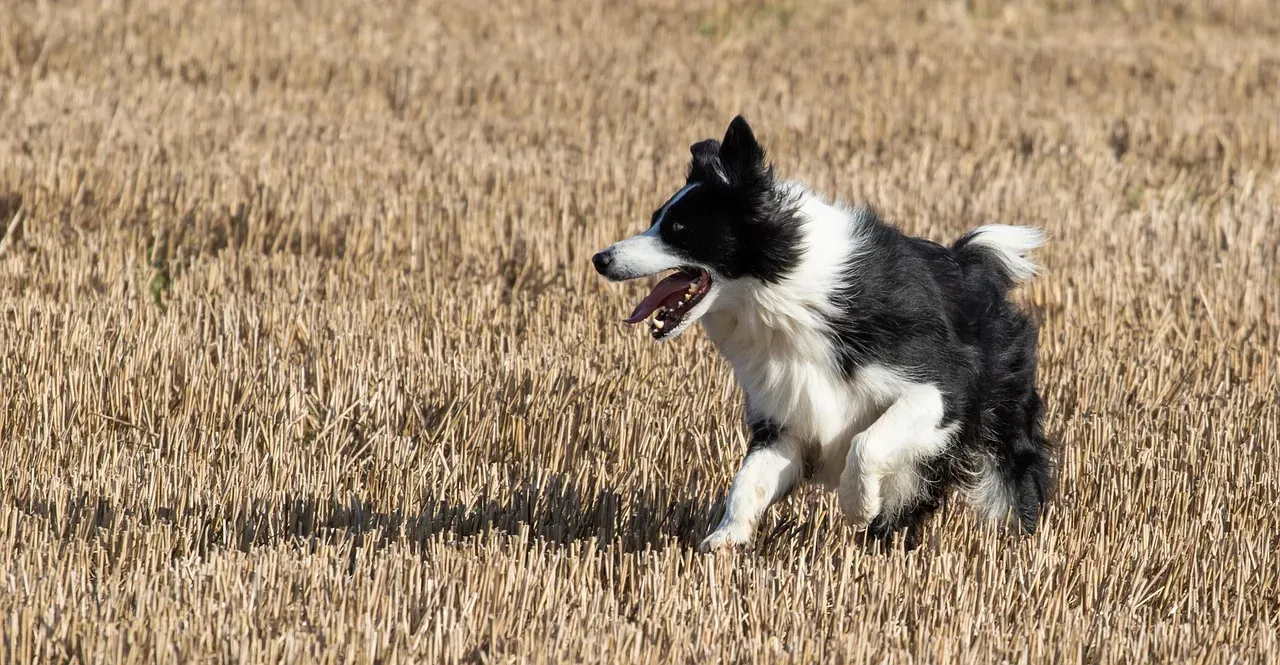
Border Collies are the epitome of canine energy, with a seemingly inexhaustible drive that can leave even the most active owners breathless. Picture owning a dog that’s essentially running a mental marathon from the moment the sun rises. That’s a Border Collie.
This breed requires both mental and physical exercise to stay happy and healthy. As a responsible Border Collie owner, it’s your due diligence to ensure that they get the training time and exercise they need to thrive. Without it, expect destructive behavior, obsessive staring, and enough restless pacing to make you dizzy.
Honestly, Border Collies are extraordinary dogs. They’re just not for everyone. If you want devotion without the daily athletic commitment, consider the Basset Hound instead.
The Basset Hound is the ultimate low-energy companion, famously embodying a relaxed and leisurely approach to life. Built for endurance tracking rather than speed, this breed is perfectly content to trade vigorous activity for long, luxurious naps. Sweet, loyal, and wonderfully drama-free.
2. Australian Shepherd: The Herder That Will Herd You
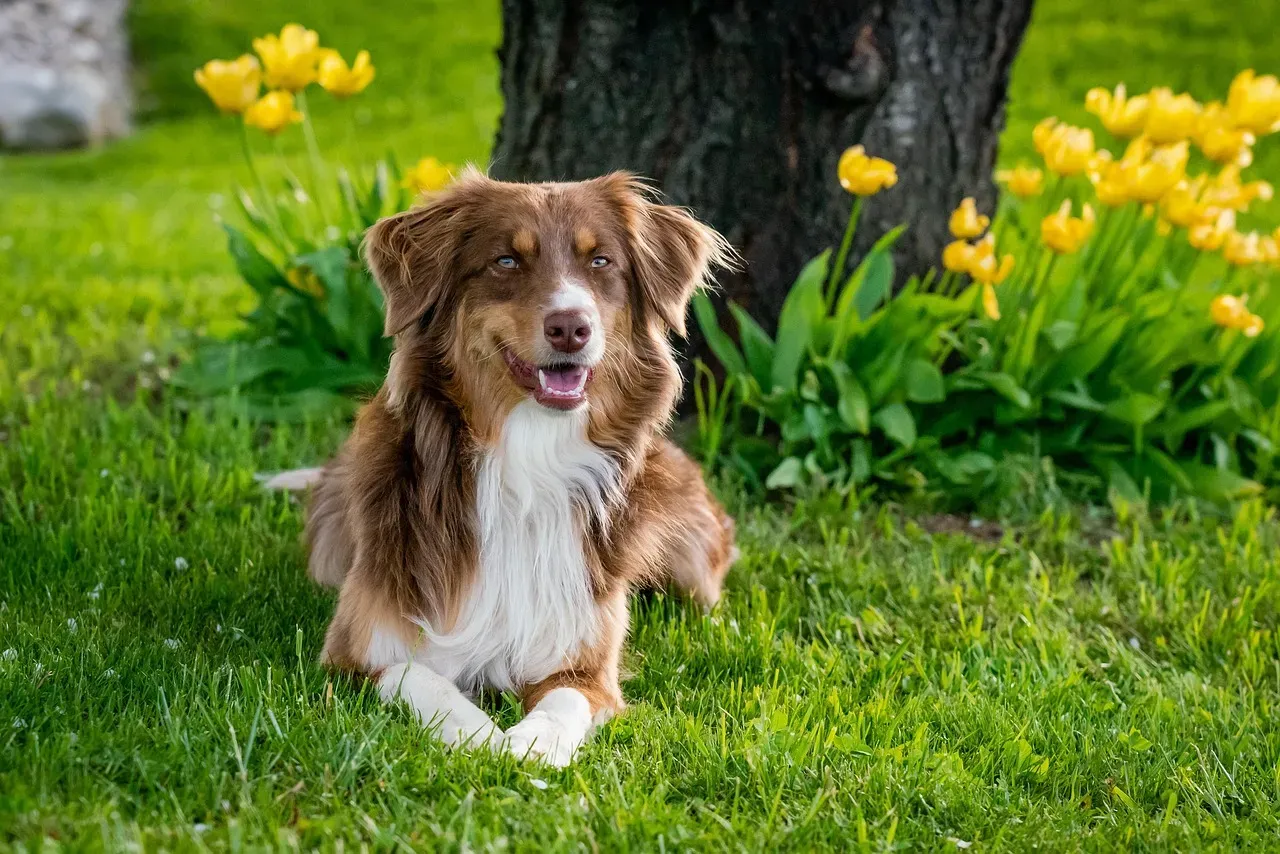
The Australian Shepherd is a medium-sized herding dog known for its intelligence, agility, and versatility. Originating in the United States, this breed gained popularity due to its exceptional herding skills. They will channel those skills directly onto your children, your cats, and frankly, your houseguests.
This herding breed always needs a job to do to ensure boredom is kept at bay. Whether you enroll them in an agility course or doggie daycare, it’s important to keep your Australian Shepherd busy. The moment their mind goes idle, your garden is at serious risk.
A calmer soul that still has loads of personality? Try the Cavalier King Charles Spaniel. Cavalier King Charles Spaniels are affectionate and eager to please, with a calm and friendly nature. They enjoy short walks and indoor play but are equally happy to curl up on the couch with their owners. Utterly adorable and infinitely more chill.
3. Belgian Malinois: The Dog That Works 24/7
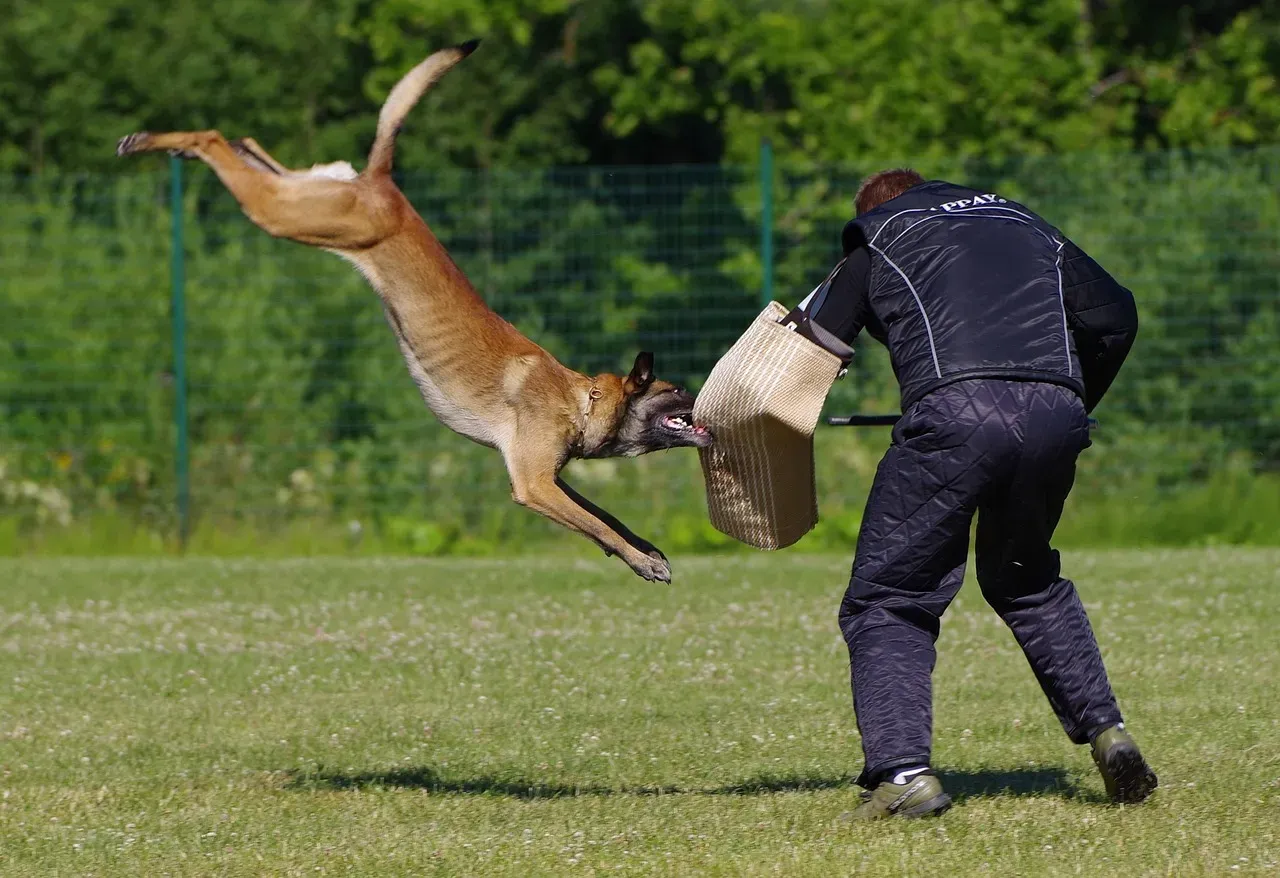
Often mistaken for the German Shepherd, the Belgian Malinois is a high-intensity breed with an incredible work ethic. They’re favored for police and military work thanks to their intelligence and loyalty. That tells you everything you need to know.
The Malinois is a rocket with opinions, often mislabeled as hyper when it is simply under-directed. This breed thrives on purposeful work, not random fetch marathons. Give clear jobs like obedience, detection-style scent games, or controlled tug sessions, and watch focus replace frenzy. Skip this breed unless you are genuinely prepared to invest hours every single day.
For those who want a devoted, slightly easier companion, meet the Greyhound. Bred for speed, the Greyhound might seem like a surprise as a low-energy dog breed, but the reality is that these large dogs are quite lazy at home and are often referred to as couch potatoes. Yes, really. A surprisingly serene dog in a sprinter’s body.
4. Siberian Husky: The Escape Artist with a Howl
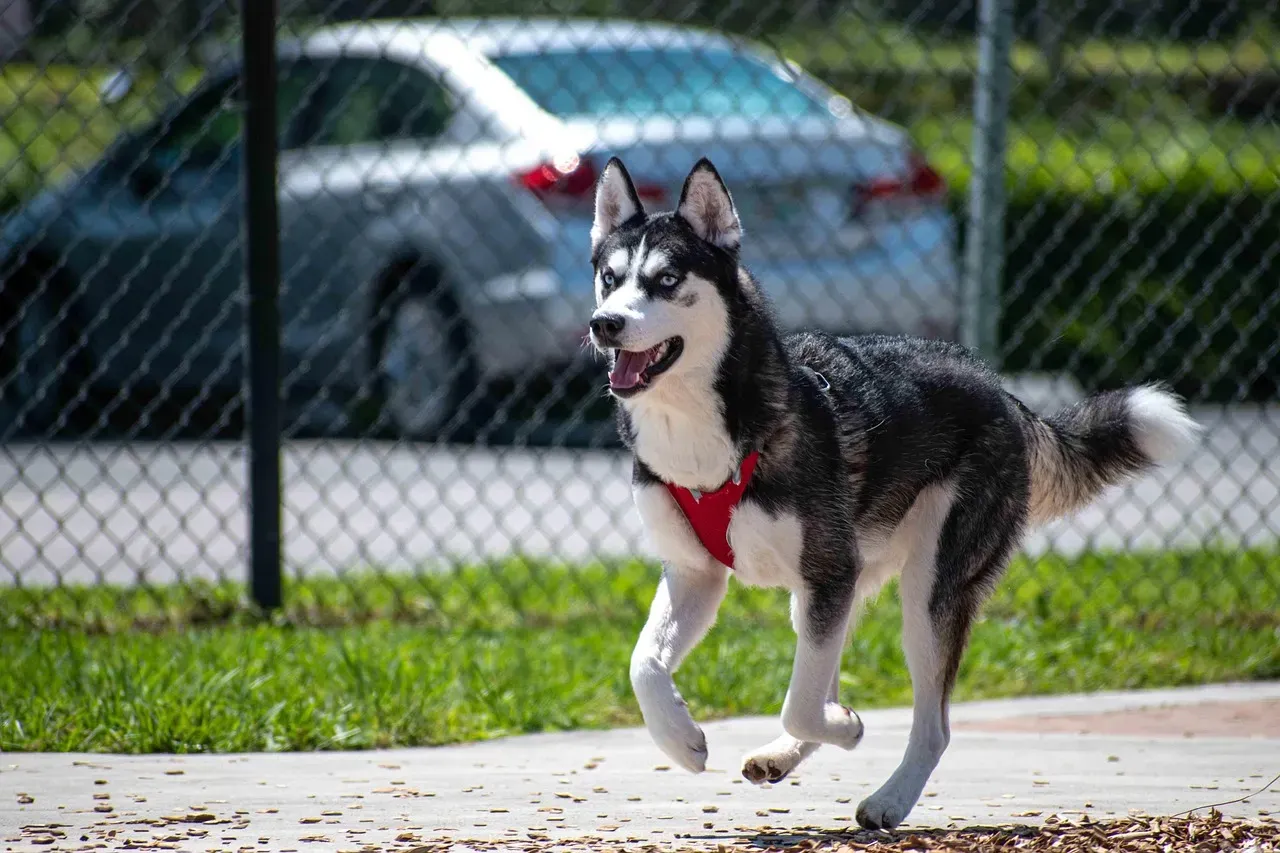
Siberian Huskies were bred to pull sledges across arctic terrain for hours at a time. Their biology is unique in how they use their energy stores, allowing them to run constantly with little recovery time needed. Think about that for a second. This dog can run through Arctic conditions without breaking a sweat.
Any prospective Husky owner needs to be able to offer these high-energy dogs at least 80 minutes of exercise each day to keep them in tip-top shape. They’re also vocal, stubborn, and skilled escape artists. If there’s a gap in your fence, they’ve already found it.
Looking for a low-maintenance big-dog energy? The Great Dane is your match. Great Danes, true to their ‘gentle giant’ nickname, are known for their surprisingly low-energy nature. Despite their imposing size, they are affectionate and love lounging around the home. Their friendly and patient demeanor makes them excellent family pets.
5. Jack Russell Terrier: Small Dog, Enormous Chaos
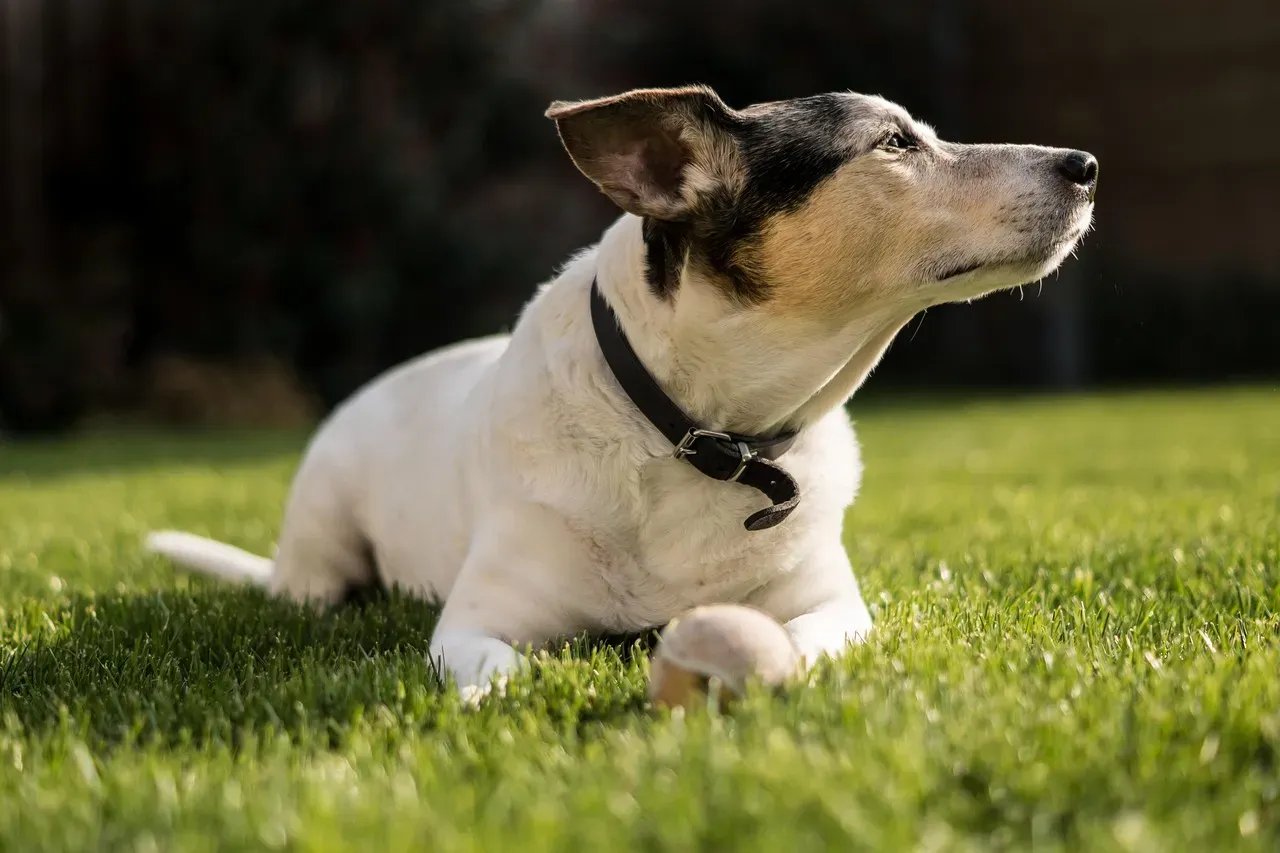
Jack Russell Terriers are a small dog breed from Britain known for their playfulness, curiosity, and athleticism. Don’t let that small frame fool you. This dog has the energy of three large dogs stacked in a tiny body, wearing a tuxedo of mischief.
The humble Jack Russell may be small in size, but they can easily keep up with the bigger dogs on this list. A working dog through and through, they were bred to flush foxes from their dens back when fox hunting was a popular sport in the UK. These days they are more commonly seen as beloved companions, and with the right amount of exercise, they make fantastic pets. The key phrase there is “the right amount of exercise.”
If you want small and sweet without the chaos, look at the Shih Tzu. Shih Tzus are small, affectionate dogs that thrive on companionship. While they enjoy playtime, they’re not overly energetic and are happiest when they’re curled up next to their owner. They were literally bred to be lap dogs for Chinese royalty. Lucky them.
6. Weimaraner: The “Gray Ghost” That Haunts Your Couch
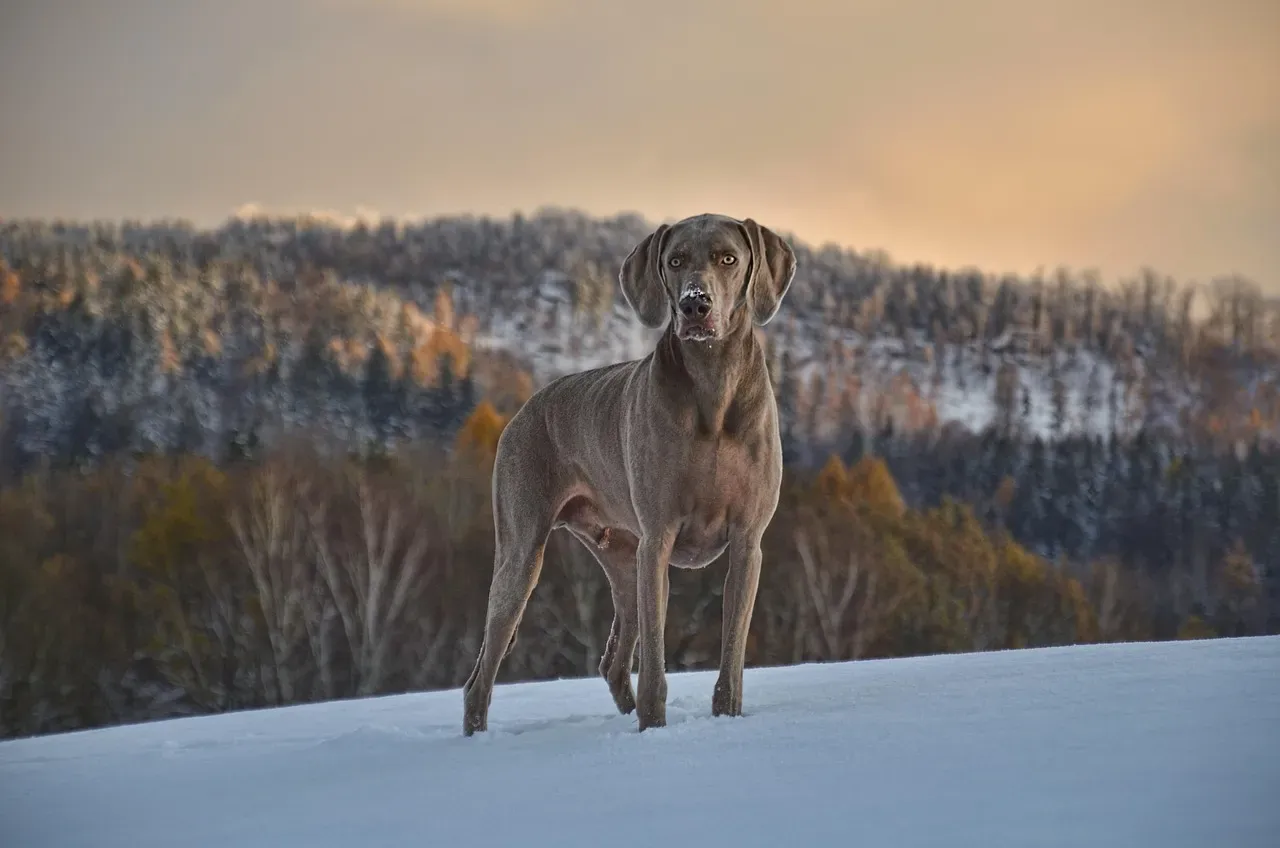
Weimaraners were bred to be hunting dogs, and were chosen for their speed, dedication, and intelligence. Short-haired and sleek, these pups don’t get over-heated quickly and have energy that will last them hours when they are playing. They are stunning, truly. But living with one unprepared is like adopting a marathon runner who also has separation anxiety.
Nicknamed the “Gray Ghost,” the Weimaraner is an elegant, athletic breed that’s full of energy. They excel at hunting and love being part of an active household. With their affectionate nature and need for activity, they make great companions for energetic owners. The word “energetic” there is doing a lot of heavy lifting.
For a more relaxed but still regal companion, consider the Irish Wolfhound. Irish Wolfhounds are majestic and serene giants, known as the gentle kings of the canine world. Despite their impressive size and history as hunters, they possess a remarkably calm and sweet-natured temperament indoors. With their rough coat and towering height, they enjoy moderate daily walks and space to stretch their legs, but they are ultimately happiest relaxing by their owner’s side.
7. German Shepherd: The Workaholic Family Dog
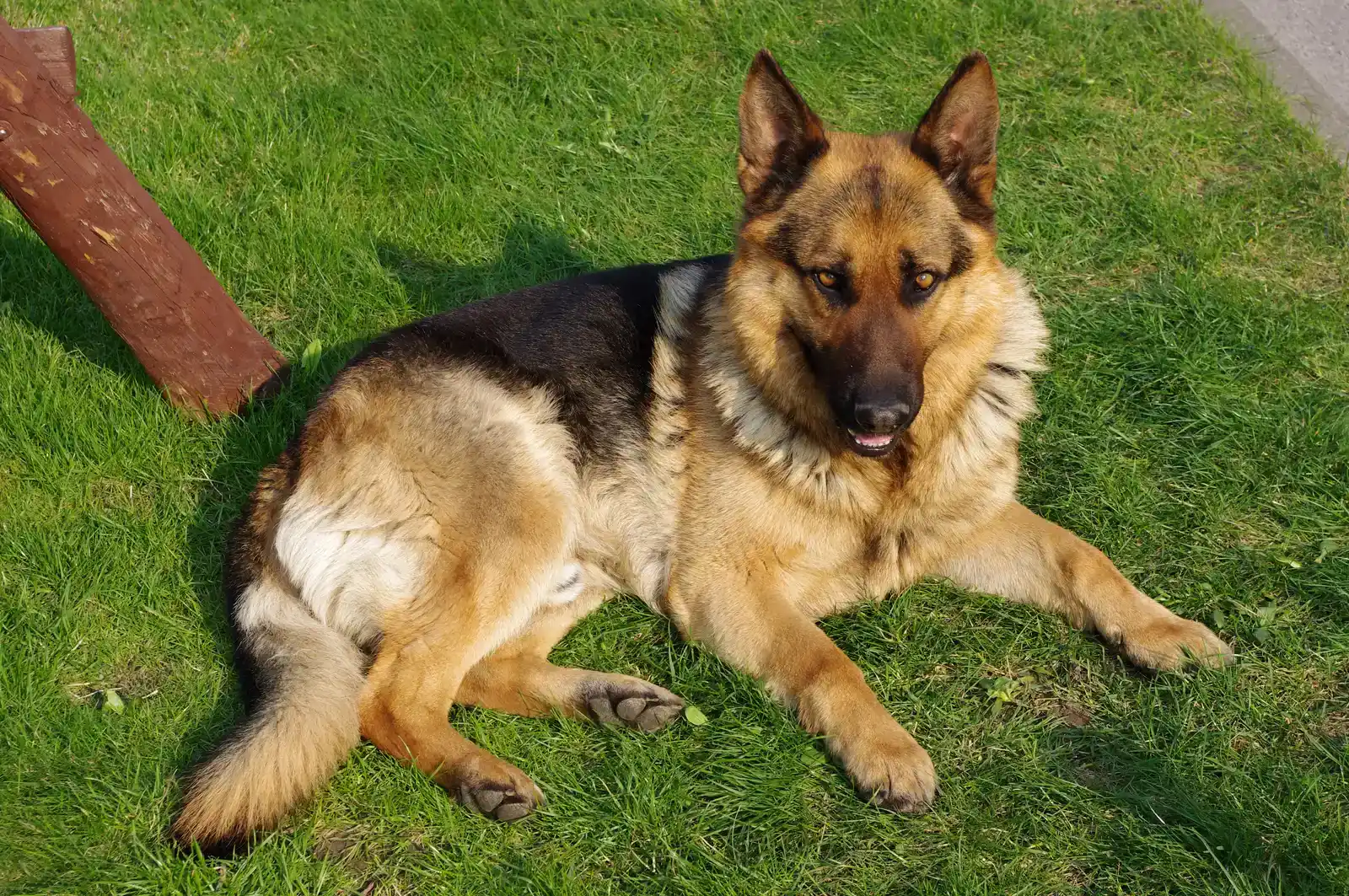
Few breeds are as iconic or as hardworking as the German Shepherd. Originally developed in Germany to herd and guard livestock, this breed is celebrated today for its intelligence, loyalty, and drive. One of the easiest breeds to train, German Shepherds are often seen working alongside police officers and search and rescue teams. But beneath all that discipline is a deeply devoted family dog who thrives on mental and physical activity.
German Shepherds are not just one of the highest energy dog breeds but among the breeds that prove to be perfect family companions. Their shiny coat, elegant look, and friendly behavior make them truly adorable. With a German Shepherd, the only thing you have to be careful about is draining their excess energy. That’s the catch, of course. “Draining excess energy” for a GSD is basically a part-time job.
Want devotion without the workout plan? The Bernese Mountain Dog offers a gentler pace. These gentle giants may be large, but they are calm, affectionate, and surprisingly low-energy indoors. Bernese Mountain Dogs are known for their loving and loyal nature, making them excellent companions for families and individuals alike. A couple of short walks and some relaxed outdoor time are usually enough to keep them happy.
8. Dalmatian: The Spotted Sprinter Who Never Stops
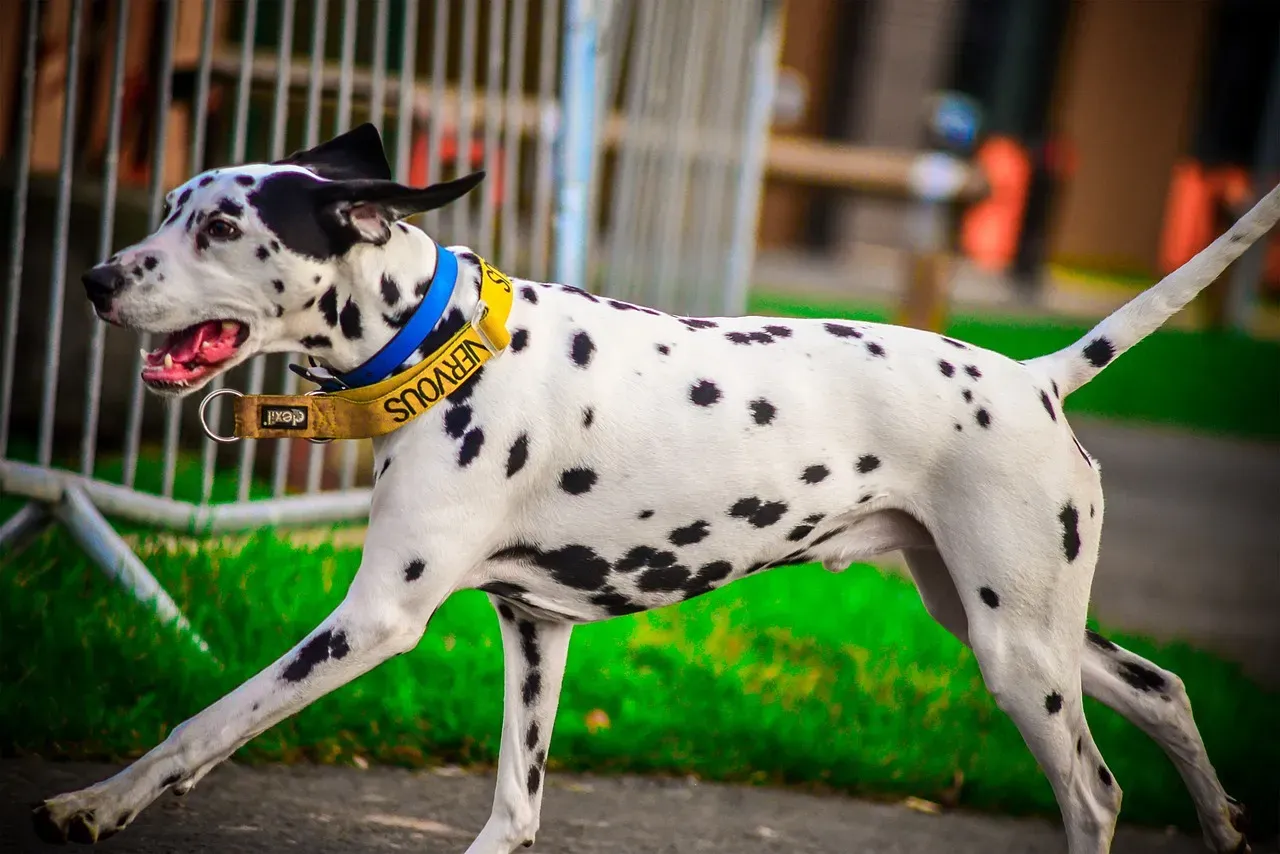
Dalmatians are the original canine marathon runners, with a seemingly endless reservoir of energy that can leave their owners struggling to keep up. Those iconic spots are charming in movies. The reality of living with an under-exercised Dalmatian is considerably less cinematic.
These spotted dynamos were bred to run alongside horse-drawn carriages for miles on end, and they’ve maintained that stamina and exuberance to this day, requiring ample exercise and mental stimulation to prevent them from turning your home into their personal racetrack. That image is darkly accurate.
If you love a striking, calm dog instead, consider the Whippet. Whippets are fast, but that energy doesn’t last long. If you give them space to expend short bursts of energy exercising, they’re content to lounge around the rest of the time. These sensitive pups love a calm, quiet home as much as you do. Fast when needed, delightfully peaceful the rest of the time.
9. Vizsla: The Velcro Dog That Won’t Let You Breathe

The Vizsla, known as the “Velcro Dog,” is a Hungarian breed that loves sticking close to its owner. These sleek, energetic dogs are fantastic hunters and family companions. With their affectionate nature and endless stamina, they’ll keep you on your toes in the best way. Sweet, yes. Exhausting, also yes.
If you’re an outdoor enthusiast, then a Vizsla is the right breed for you. Not only will these pups keep up with you no matter what your outside activity is, but they can also stay active consistently for at least an hour and a half, and will often outlast you. If a dog outlasting you on a hike sounds like your nightmare, keep reading.
The Cavalier King Charles Spaniel offers a similar loving temperament without the marathon demands. The Cavalier King Charles Spaniel has been a favorite lap dog of British royalty for generations, and the breed’s affinity for laps remains true today. Their sweet, gentle temperament makes these calm, small dogs great for families with kids and other pets, and they are easy to train.
10. Australian Cattle Dog: The Herder That Will Nip Your Heels
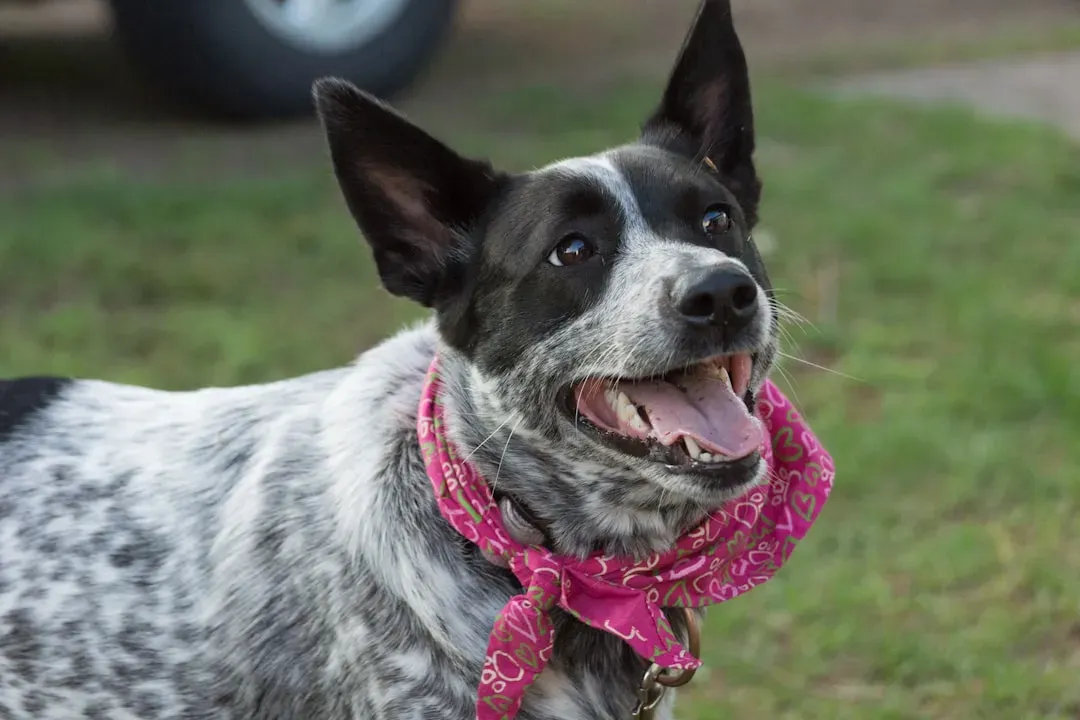
Australian Cattle Dogs are problem-solvers bred to control motion. If you do not give them a job, they create one, often nipping heels or policing other pets. They are brilliant, tenacious dogs. I think of them like a collie who also took a self-defense course.
If you’re on the lookout for a marathon training buddy, look no further than the Australian Cattle Dog. These medium-sized dogs are smart, athletic, and known for being excellent running partners. Like other high-energy and intelligent dogs, they may become bored or destructive if left alone for too long. Boredom in an Aussie Cattle Dog is genuinely costly, as your furniture will confirm.
For a mellow, equally devoted companion, consider the Basset Hound. The Basset Hound is a calm, gentle dog breed that’s adaptable to new surroundings and content with moderate exercise. A world apart in temperament, and a wonderful fit for calmer households.
11. Irish Setter: The Runway Model Who Runs Everywhere

If you want one of the high energy dog breeds to accompany you on your jogging and hiking sessions, then an Irish Setter can be the best possible choice. They are full of energy and can be the perfect companions for an active family. Their flowing chestnut coat is absolutely gorgeous. Their energy levels, however, are equally dramatic.
An Irish Setter needs to run a lot. Introduce training and exercising that requires a lot of movement, tugging, fetching, etc. Absence of such activities can affect your dog to the extent of turning them anxious or making them engage in negative behaviors. Anxious Irish Setters who haven’t run their energy out are genuinely a handful.
For something that walks the fine line between playful and peaceful, consider the Havanese. Adjectives like “playful” and “alert” might not seem to fit into the “calm dog breeds” category, but the Havanese bestows a healthy balance of mellow and playful. This happy and delightful toy breed is so outgoing and affectionate that they are often used as therapy dogs.
12. Beagle: The Nose That Rules the House

Originally bred for hunting in packs, Beagles have incredible stamina, sharp noses, and curious minds that need plenty of stimulation. They love to follow their noses, and sometimes that means they’ll follow it right out the door if you’re not careful. Let’s be real: a Beagle’s nose is basically a separate personality that makes all the decisions.
Beagles are scent-driven scholars. Under-controlled, they seem restless and stubborn because the nose writes the schedule. Couple that with their legendary vocal talent, and you’ll be fielding noise complaints from neighbors you haven’t even met yet.
For a similarly sociable but much quieter companion, explore the Bichon Frise. While every dog needs regular exercise, mental stimulation, and playtime, a Bichon Frise is content to lounge around after these needs have been met. Though they do tend to bark, plenty of positive reinforcement training can help your Bichon learn more desirable behaviors. Bichons tend to be super social and love people. Fluffy, gentle, and far less likely to howl at 6 am.
Understanding Why These Breeds Burn Owners Out
High energy dogs are often highly intelligent, requiring both mental and physical exercise to stay happy and avoid boredom. Without enough exercise and mental stimulation, these dogs tend to channel their energy into destructive behaviors like chewing or excessive barking. It’s not the dog’s fault. It really isn’t. They’re doing exactly what their DNA designed them to do.
The real problem is a mismatch between what the breed needs and what the owner can realistically provide. If you work long hours or aren’t that active, you should consider getting a low-energy dog breed. Hyperactive breeds can succumb easily to boredom and may channel all of their pent-up energy in destructive ways, such as endlessly barking or chewing up your sofa.
The Role of Diet in Your Dog’s Energy Level
Here’s something most people don’t think about. What you feed your dog can genuinely affect how bouncy they are. The hyperactivity of some of the high energy dog breeds can also be the result of higher levels of sugar in their food. Cheap dog foods often contain excessive sugar-based ingredients, so you should check the label and stay away from them. You can also reconsider your dog’s entire diet plan and eliminate all those fillers, sugar, colorants, and byproducts.
Think of it like giving a child a bag of candy before bedtime. The biology isn’t all that different. Always read ingredient labels carefully and consult your vet about food choices that support a calm, balanced energy level for your specific breed.
Mental Stimulation: The Secret Weapon for Hyper Dogs

It is not just the physical workouts that will keep high energy dog breeds in check. They need to be mentally active and stimulated too. You can introduce some fun exercises like hide-and-seek or treat-dispensing puzzle games to keep your dog mentally active and alert, thereby draining quite a lot of energy.
Think of mental exercise as the equivalent of a really hard exam for humans. Exhausting in the best possible way. A 20-minute puzzle session for a Border Collie can tire them out more effectively than a basic 40-minute walk. Work smarter, not harder.
Why Low-Energy Dogs Are Underrated
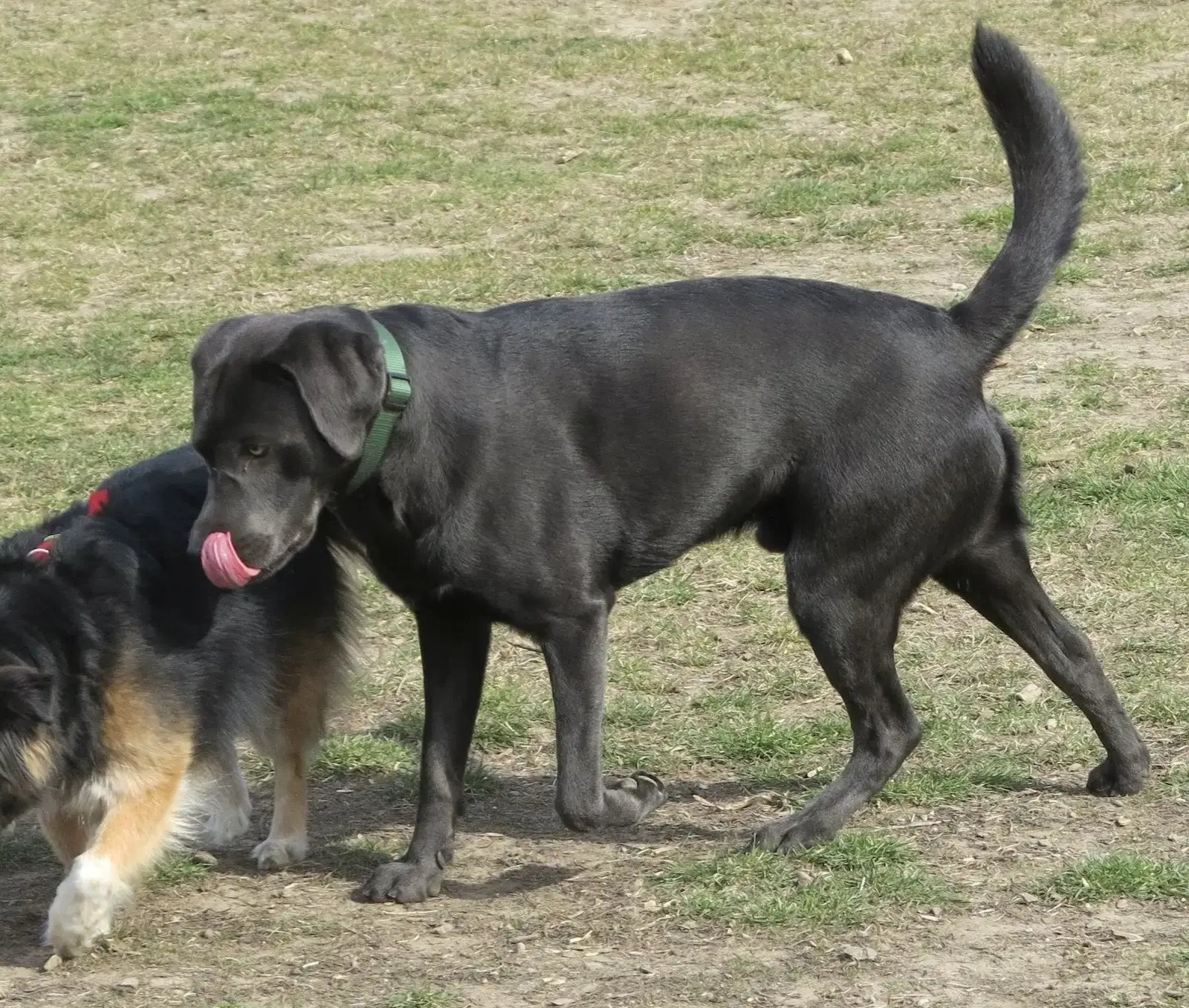
Let’s be real for a moment. Low-energy dogs don’t get enough love. They’re not glamorous on social media. They don’t do parkour over obstacles or sprint across beaches. But they offer something equally profound: peace. Low-energy dogs have a reputation for being content to spend the day snoozing or watching activity unfold around them, rather than running around and looking for a job to do. These breeds can be a great fit for households that want the companionship of a dog without the commitment of spending several hours each day to expend a pet’s energy.
Low-energy dogs are known for their relaxed temperament, preferring lounging over running, minimal exercise needs that suit calmer households, and gentle companionship, as they are often affectionate and enjoy staying close to their owners without being overly active. Sometimes that quiet closeness is worth everything.
How to Honestly Assess Your Own Energy Level Before Choosing a Breed
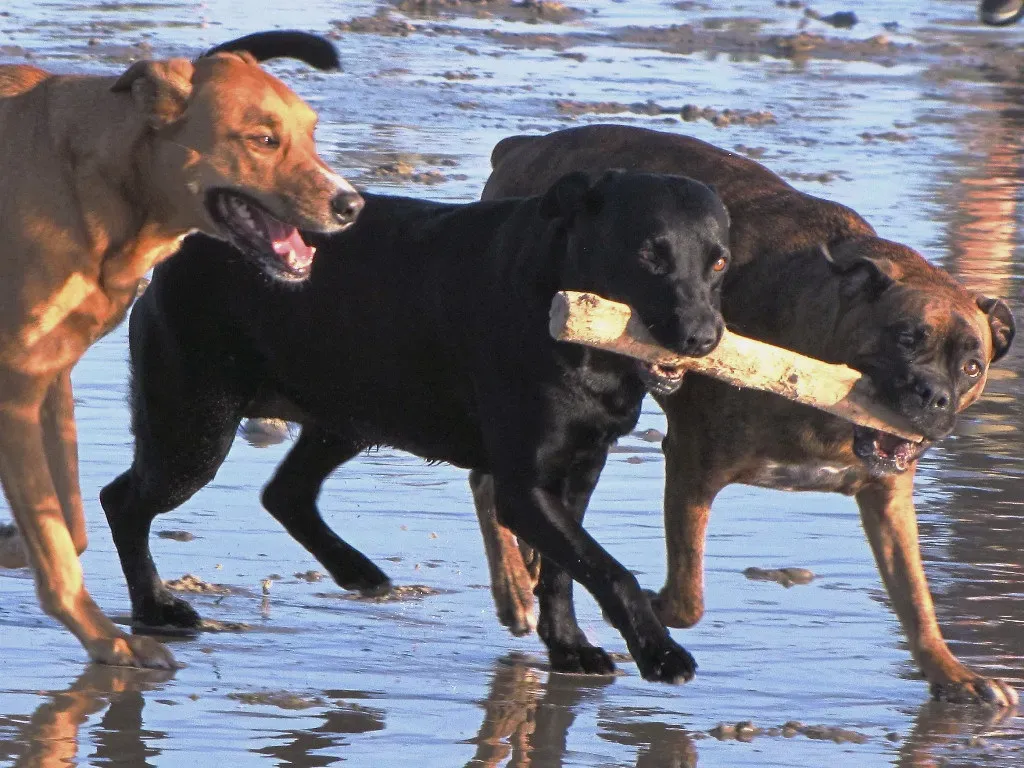
The simplest way of deciding if a hyper dog is the right breed for you is to examine your own daily activity level. Do you enjoy jogging or hiking? Can you provide your energetic pooch with the right amount of physical and mental stimulation each day? These are honest questions that deserve honest answers.
There’s zero shame in admitting you’re a homebody who works long hours. That’s actually incredibly useful self-knowledge when choosing a dog. By selecting a breed that aligns with your lifestyle, you can enjoy a fulfilling relationship without the pressure of intensive play sessions. A happy owner almost always equals a happier dog.
Setting Your High-Energy Dog Up for Success
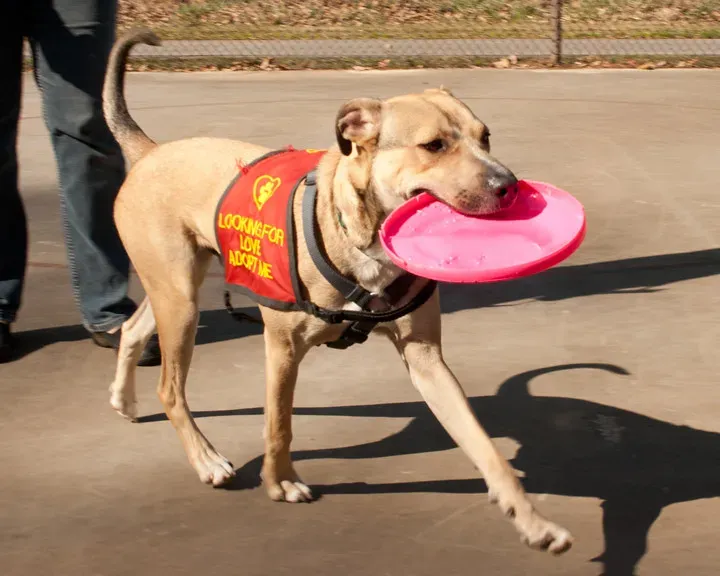
If you already have one of these overactive breeds and you’re feeling worn down, take a breath. With the right outlets, structure, and training, even the zippiest breeds can settle and shine. It takes time, consistency, and a bit of creative thinking. You’re not failing. You’re still figuring it out.
High-energy breeds thrive on consistency, so plan regular play and exercise times. Create a job for them. Whether it’s fetching the paper or learning tricks, giving them a purpose helps channel their energy and prevents destructive behavior. Structure is the single most powerful tool in your toolkit. Use it generously.
Conclusion: Finding Your Perfect Match
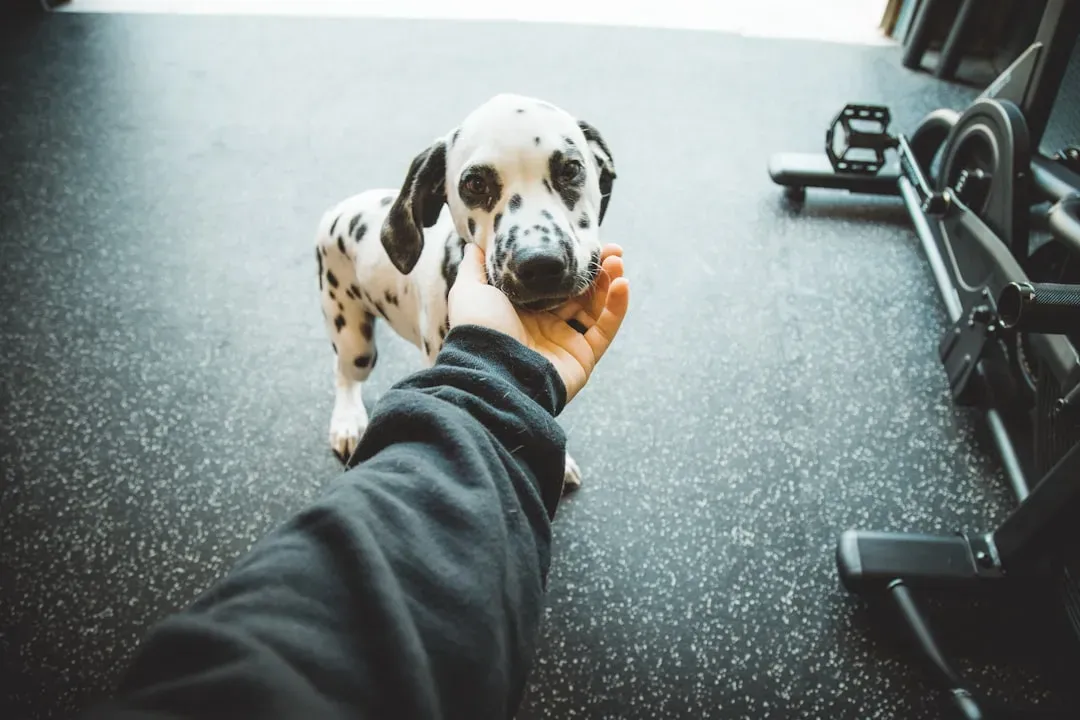
Here’s the truth. No breed is bad. Every single dog on this list, from the spinning Border Collie to the nose-driven Beagle, is a magnificent, loving creature. The challenge is simply matching the right dog to the right human. Low-energy breeds are ideal for individuals or families seeking calm companions who can adapt to laid-back environments. Meanwhile, high-energy breeds are extraordinary for those who genuinely love an active, engaged partnership with their dog.
The dogs in your life deserve a version of you that’s not burned out and frustrated. And you deserve a version of dog ownership that feels joyful, not depleting. Before you bring home your next dog, or if you’re reassessing the one curled up at your feet right now, ask yourself honestly: “Does this dog’s world match mine?” Because when it does, the whole beautiful relationship just clicks into place. What kind of dog owner are you, really? Tell us in the comments.


