
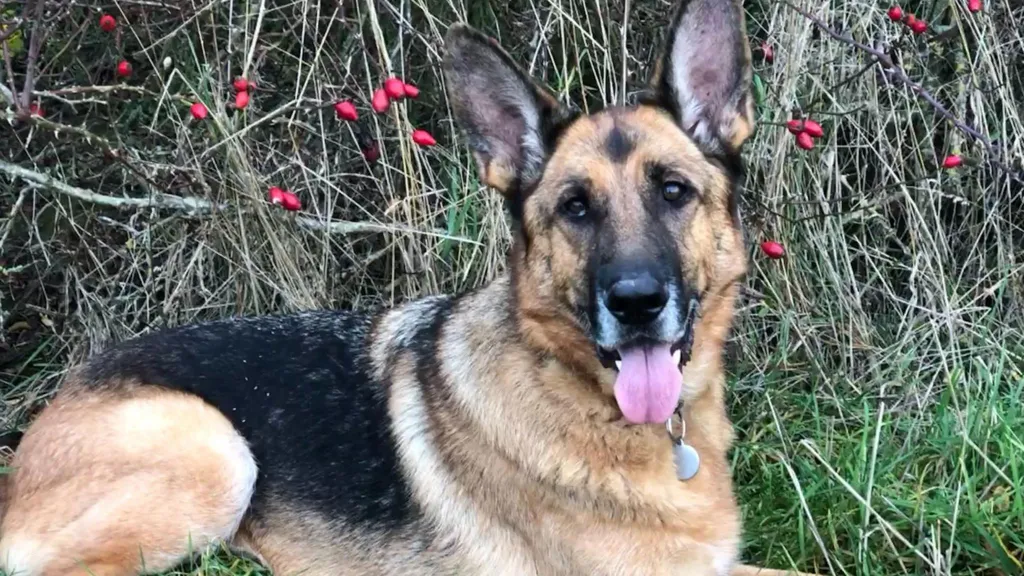
Headcorn, Kent – A devoted German Shepherd named Inca alerted its owner to a hidden threat, leading to the early detection of stage-one lung cancer that doctors deemed nearly impossible to catch without symptoms.
Inca’s Unsettling Behavior Sparks Concern
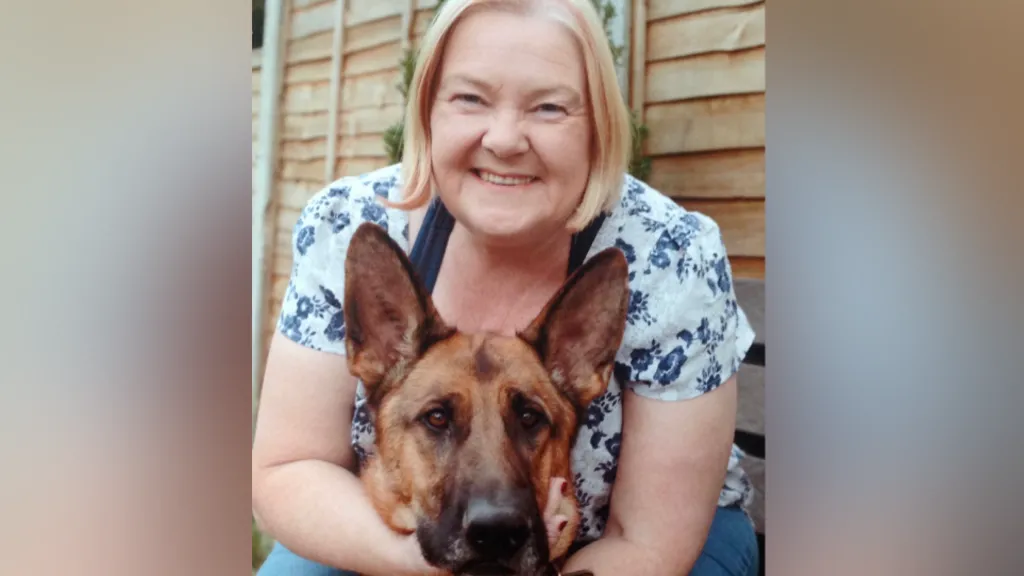
Colleen Ferguson, a 70-year-old former veterinary nurse, first noticed something unusual during obedience training sessions with her two-year-old dog in 2015.[1]
Inca repeatedly attempted to sniff Ferguson’s mouth and breath, displaying an unusual level of concern that Ferguson could not ignore. The dog’s fixation persisted, culminating one afternoon when Ferguson awoke from a nap to find Inca’s nose just a millimeter from her face. This persistent behavior prompted Ferguson to confide in her husband about pursuing medical tests. Despite her lack of obvious symptoms beyond occasional tiredness, Inca’s actions felt like an urgent signal. Ferguson later reflected on the moment as the turning point that saved her life.
Navigating Tests and an Unexpected Diagnosis
Routine blood work returned clear results, offering no immediate cause for alarm. Yet Ferguson trusted her dog’s instincts enough to pay privately for a comprehensive full-body scan. The scan revealed a golf ball-sized lump in her left lung, later confirmed as stage-one cancer through biopsy.[1]
A non-smoker with no family history of the disease, Ferguson expressed shock at the findings. Medical professionals emphasized the rarity of detecting cancer at such an early juncture without prior scans or telltale signs. Inca’s intervention bridged that gap, turning suspicion into swift action. The diagnosis underscored how subtle cues from pets can prompt life-preserving decisions.
Surgery Delivers Victory, Doctor Credits the Dog
Surgeons at a London hospital successfully removed the tumor and a portion of Ferguson’s lung in a precise operation. No radiotherapy or chemotherapy followed, thanks to the cancer’s contained state. The lead surgeon directly attributed her survival to Inca, stating, “That dog saved you, now go live your life.”[1]
Staff marveled at the timing, noting it was virtually impossible to identify the disease so prematurely otherwise. Ferguson underwent the procedure and recovered steadily at home. This outcome highlighted the potential precision of canine senses in human health scenarios. Inca’s role even found its way into medical notes, cementing the dog’s status as a quiet hero.
Gratitude Shapes a Fulfilling Future
Today, Ferguson honors Inca daily with extra treats and heartfelt praise. The ordeal inspired her to pursue creative writing studies, leading to self-published works that share her journey. Their bond has deepened, a testament to mutual loyalty forged in crisis.[1]
Ferguson often recounts Inca’s initial signals:
- Intense sniffing during training sessions.
- Concerned gaze fixed on her breath.
- Close proximity after her nap, nose nearly touching her face.
- Refusal to be pushed away despite commands.
These actions not only detected the cancer but also empowered Ferguson to advocate for her health.
Key Takeaways
- Dogs’ superior sense of smell can identify subtle changes in human scent linked to illness.
- Early-stage lung cancer detection dramatically improves outcomes, often avoiding aggressive treatments.
- Trusting pet behavior alongside medical checks can lead to timely interventions.
Colleen Ferguson’s story serves as a powerful reminder of the extraordinary instincts pets possess and the profound impact they wield in our lives. Inca’s vigilance transformed a routine concern into a lifesaving discovery, allowing Ferguson to embrace new chapters unburdened by illness. What experiences have you had with pets sensing health issues? Share your thoughts in the comments.


