
You glance over your shoulder and there they are again, those big warm eyes staring up at you from two inches away. You walk to the kitchen, they walk to the kitchen. You go to the bathroom, somehow they are already on the other side of the door. If you have ever wondered whether your dog has secretly been hired to shadow your every move, you are definitely not alone.
This four-legged loyalty is one of the most endearing quirks of dog ownership, and honestly, most of us secretly love it. Still, it raises real questions. Is it pure affection? A sign of something deeper? A habit you accidentally created? The answer is layered, fascinating, and might just change how you see your furry sidekick forever. Let’s dive in.
It’s in Their DNA: The Pack Animal Instinct
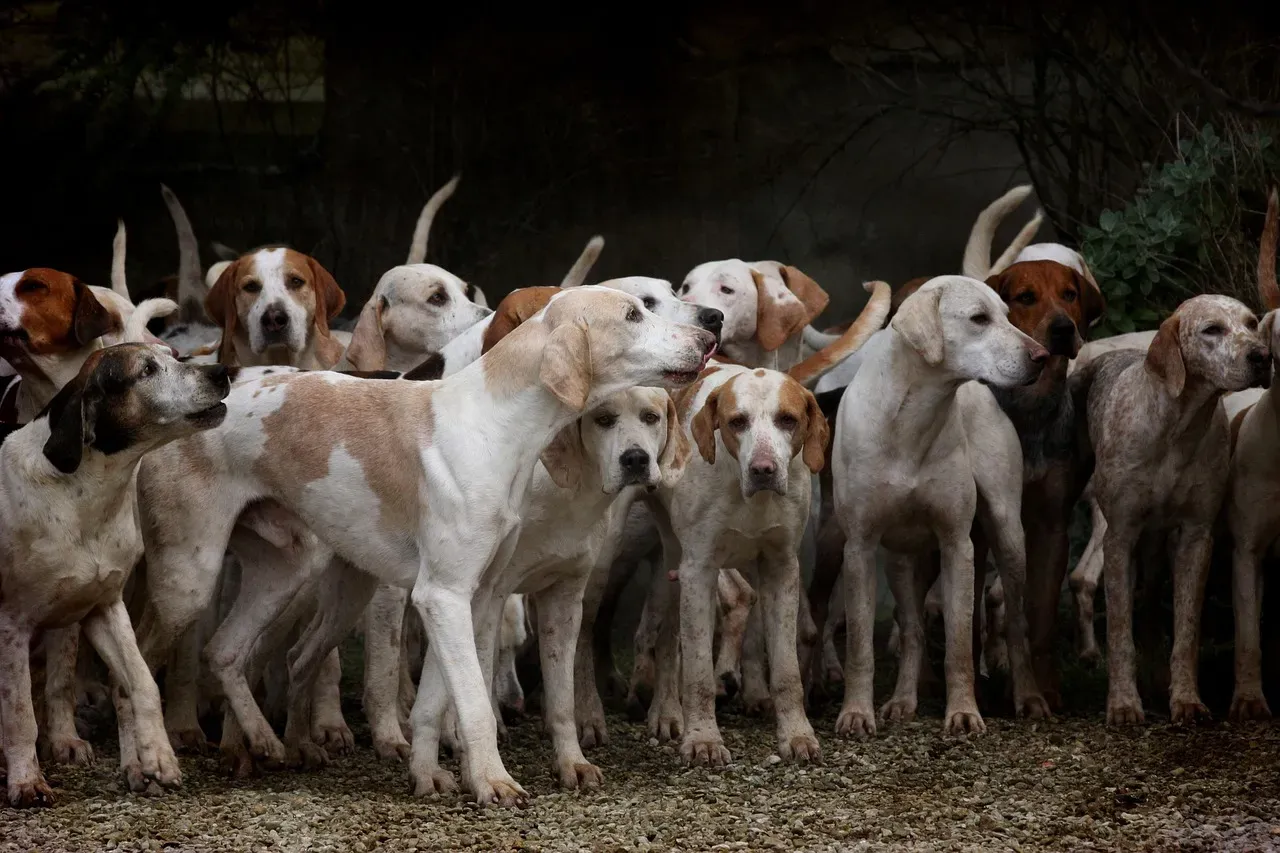
Dogs share a common ancestor with grey wolves, animals that thrive in structured, social groups. You simply cannot be a pack animal without a degree of sociability, which is exactly why your dog wants to roam with you from room to room. It is in their genes. Think of it like this: for your dog, your home is the wilderness, and you are the pack leader worth sticking close to.
At home, your family becomes your pup’s pack. Staying close to you is a way for your dog to feel connected to their group and to participate in daily activities. Following you from room to room is instinctive, whether you’re cooking, working, or relaxing. Your pup simply wants to be where their pack is.
Following you everywhere is a part of your dog’s natural social behaviour, to watch and follow what you are doing to help maintain a good relationship with you. This is called allelomimetic behaviour and serves a number of purposes. It is a way of creating and sustaining social bonds, and it is also a self-preservation behaviour, because being with someone you trust is a good place to be. Pretty smart, when you think about it.
The Love Chemical: What Oxytocin Has to Do With It
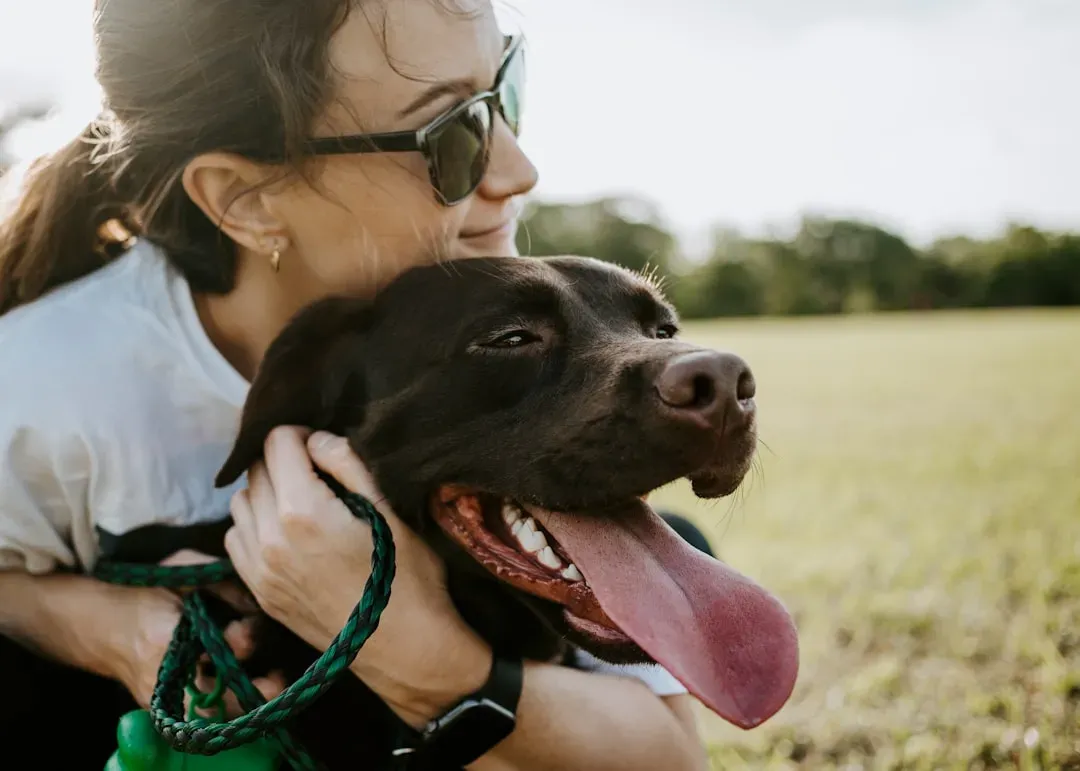
If your dog follows you everywhere, it’s most likely a sign that they love and adore you. When dogs interact with someone they like, the hormone oxytocin is released. Oxytocin is often referred to as the ‘love hormone’ and makes you feel that warm glow when you’re around someone you like. Yes, your dog literally gets a rush of feel-good chemistry just from being near you. No wonder they are glued to your side.
Dogs are incredibly social animals and love to spend time with their owners. You are your dog’s whole world and being with you is a big part of their life. You make them feel happy, secure, and safe, and they enjoy spending time with their best friend. Honestly, when you put it that way, it is one of the most touching things about sharing your life with a dog.
According to fear-free certified dog trainer Kim Wegel, dogs derive security from being around their owners, not just because we offer good things, but because we provide cues about what to do and how to respond. You are not just their favorite person. You are essentially their GPS for navigating the entire world.
When Following Becomes a Habit: The Role of Reinforcement
Dogs are quick learners, so if being near you leads to treats, affection, or praise, they’ll repeat the behavior. We may reinforce the habit of following by providing little extras when they do, like giving our dog a bite of cheese when we go to the refrigerator. Let’s be real, most of us are guilty of this without even realizing it.
We often unconsciously reward this cute behavior by providing food or treats. Just beware that this can be a double-edged sword, as it makes your dog more likely to repeat the behavior, which might not be something you want. It is a bit like giving a toddler candy every time they tap your arm. Eventually, they never stop tapping.
If your pet could earn the rating of super-duper-extra-clingy, it’s time to evaluate your frequency of positive reinforcement. You may be doting on the pet too much and unknowingly training them to follow you around given that they get a reward at every turn, such as gushing attention, back rubs, or tasty treats. The fix is simpler than you think, and it starts with being more intentional about when and why you reward closeness.
When It’s More Than Love: Anxiety, Health, and Red Flags
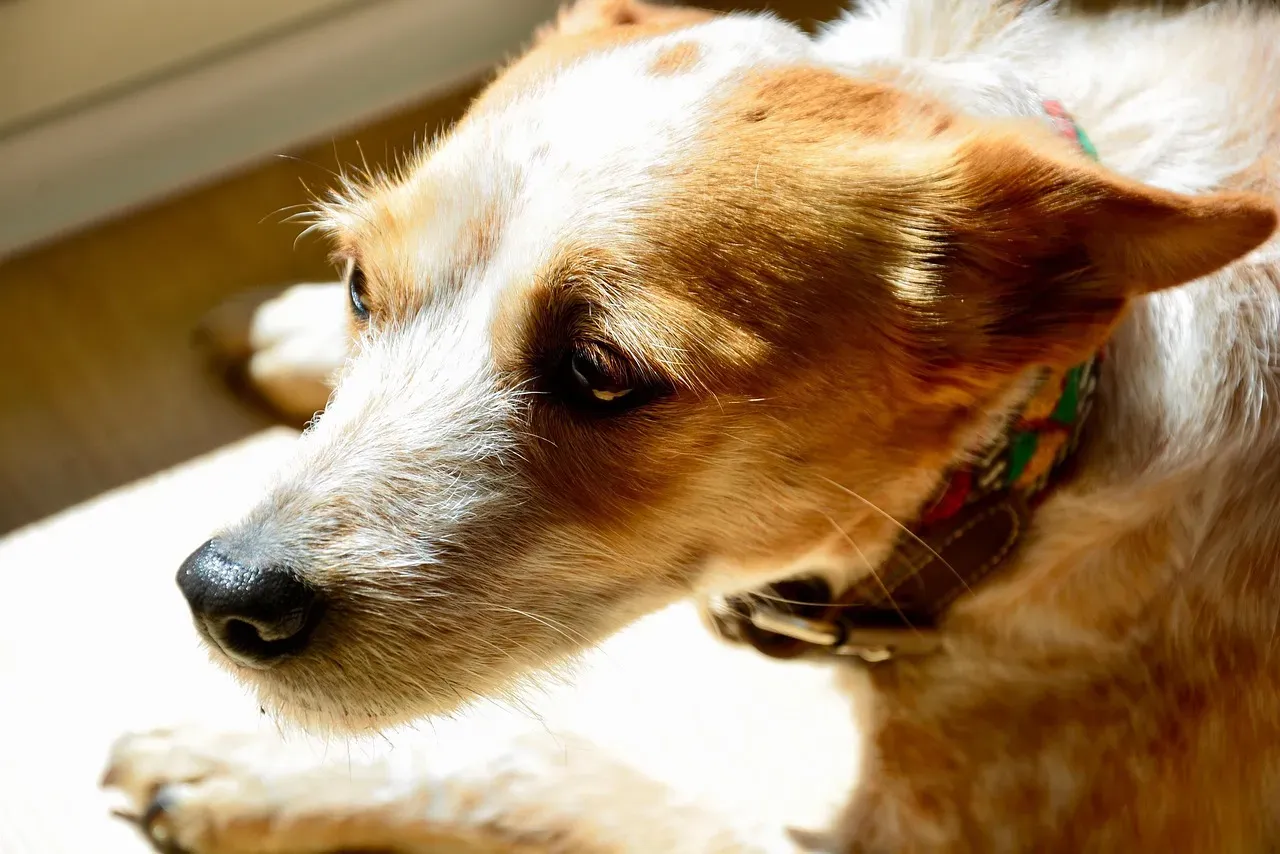
Many people enjoy when their dog follows them everywhere because they see it as proof of their dog’s affection, but sometimes it’s a sign your dog is struggling with an emotional issue like anxiety. Anxiety and the need to feel supported by their owner is considered by some experts to be the number one reason dogs follow their humans. Your dog may be staying close to you as a coping mechanism to ease their nerves.
If your dog has always been a confident, independent dog and has suddenly become clingy, there’s a good chance they are trying to tell you something. Often, this may mean something is wrong, that they aren’t feeling well or something in their body has changed and is making them less confident, like a loss of sight or hearing. Any time a dog’s behavior changes markedly and suddenly, it is time to schedule a checkup.
Following behavior in senior dogs that seems to have popped out of nowhere may be cause for concern. Some senior dogs may suffer from Cognitive Dysfunction, which can cause them to appear confused, disoriented, or restless, and make them want to be with you as a result. Watch for these signs in older dogs especially, and do not brush them off as just getting older.
How to Encourage Healthy Independence Without Breaking the Bond
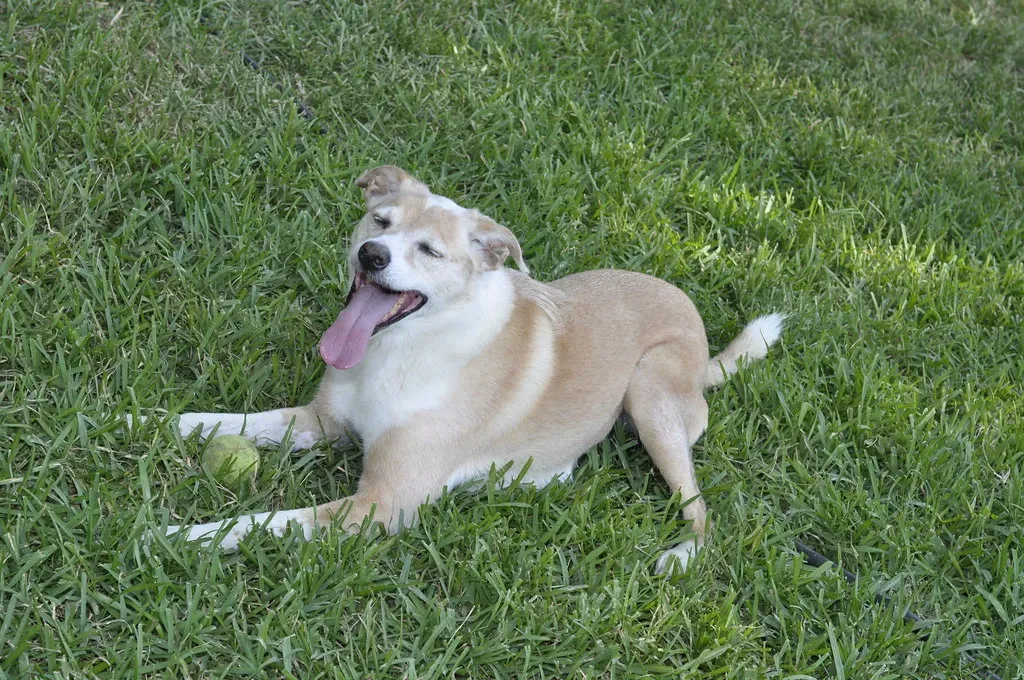
Velcro dogs may be more inclined to develop separation anxiety, but it doesn’t automatically mean they will. However, you might wish to address the behavior before it reaches the point where your dog can’t function without you. What is best is a dog who loves your attention and being close to you but is fine when you’re not around for a period of time. The goal is connection, not codependency.
By fostering confidence, you can help your dog feel more comfortable navigating the world on their own. Confidence-building exercises like teaching new skills or engaging in enrichment activities such as puzzle toys and snuffle mats can help your dog learn to problem-solve and develop independence. Think of it as giving your dog their own hobbies, their own little life outside of yours.
If your dog is bored, provide plenty of food puzzles, toys, and activities near their dog bed to encourage them to spend some alone time there. If you switch your expectations and totally ignore your dog while they are following you and only pay attention or give treats once your dog has settled in another area, you will start to break the habit of trailing you to get something. Small, consistent changes add up to big behavioral shifts over time.
Conclusion: Your Shadow Has a Story Worth Listening To
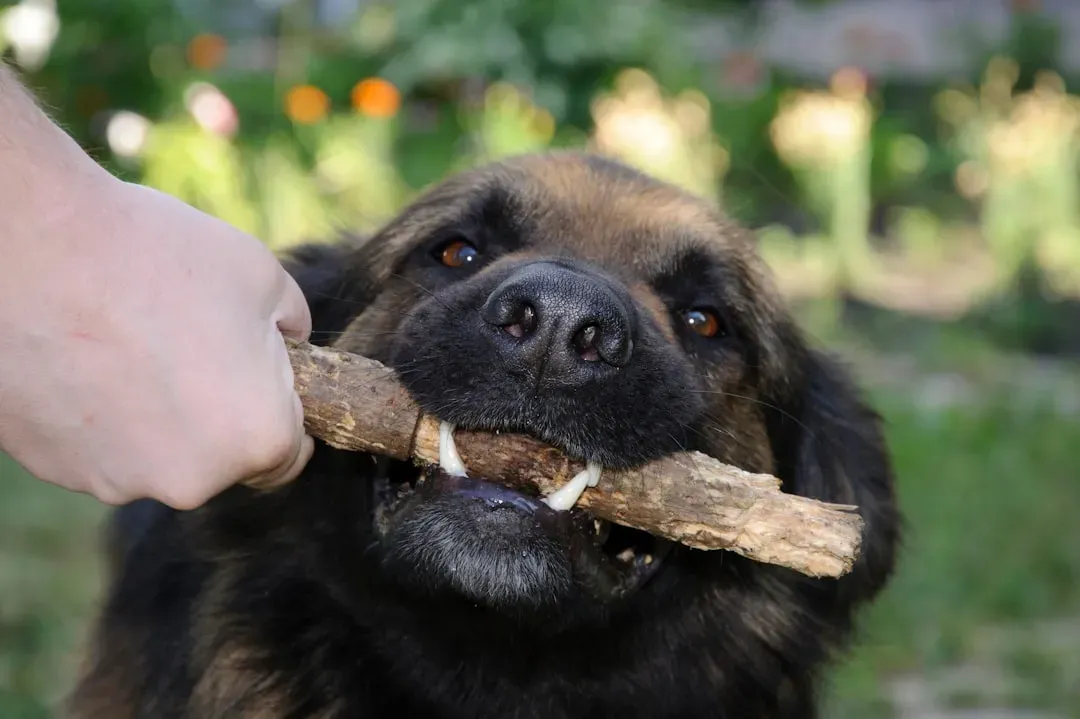
Here’s the beautiful truth: when your dog follows you everywhere, they are speaking a language that predates words. They are saying you are my safe place, my pack, my whole world. Most of the time, that is simply love in its purest, furriest form.
Still, being a good dog parent means listening beyond the flattery. Watch for sudden changes in behavior. Notice if their shadowing looks tense rather than relaxed. Check in with your vet if something feels off. The difference between love and distress can be subtle, and your dog is counting on you to notice.
So the next time you turn around and nearly trip over that devoted little face, take a breath and appreciate it. You are someone’s entire universe. Not many of us can say that. What does your dog’s following behavior tell you about the bond you two have built together? Tell us in the comments below.


