
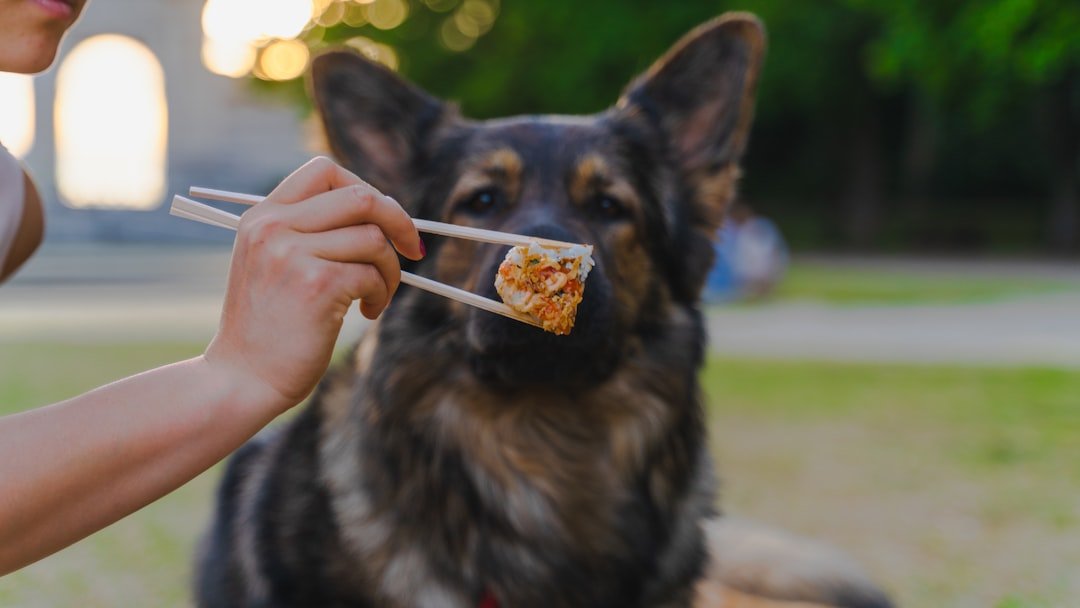
Picture this. You set down your dog’s bowl – the same food they’ve been eagerly devouring for months – and they just… sniff it, walk away, and stare at you like you’ve personally offended them. Sound familiar? It’s one of those moments that sits somewhere between baffling and a little heartbreaking. You start wondering if you did something wrong, or if they’re just throwing a tantrum for better snacks.
Here’s the thing: sudden mealtime pickiness in dogs is far more common than most owners realize, but it’s also way more important than most of them treat it. Sometimes it’s harmless. Sometimes it’s a red flag you really don’t want to miss. Let’s dig into what’s actually going on – and what you should do about it. Let’s dive in.
It’s Not Always About Being Fussy: When Pickiness Signals a Health Problem

Most of us, honestly, are guilty of chalking up a skipped meal to stubbornness. But the truth is a little more sobering. Changes in appetite could signal a greater health problem that should be addressed right away, particularly in young puppies, senior dogs, or pets with known underlying health conditions. That’s not something to brush off.
Being off their food can be one of the first signs that your dog is ill, especially if it’s sudden. There are many illnesses that can make your dog not want to eat, varying from tooth pain, stomach bugs, or more serious illnesses like pancreatitis or cancer. Think of it like this: when you’re running a fever, the last thing you want is a big plate of food. Your dog is no different.
If your dog suddenly becomes finicky with no previous signs of this behavior, a medical disorder could be the issue. Observe your dog for vomiting, diarrhea, sluggishness, or loss of weight. These are your early warning signals, and catching them early can genuinely make all the difference.
Loss of appetite is one of the most common signs of illness, so if your dog hasn’t eaten for 24 hours, it’s best to call your vet, especially if there are any other troubling signs like diarrhea or lethargy. Don’t wait and see for too long. Act.
Hidden Mouth Pain: The Dental Connection Most Owners Miss
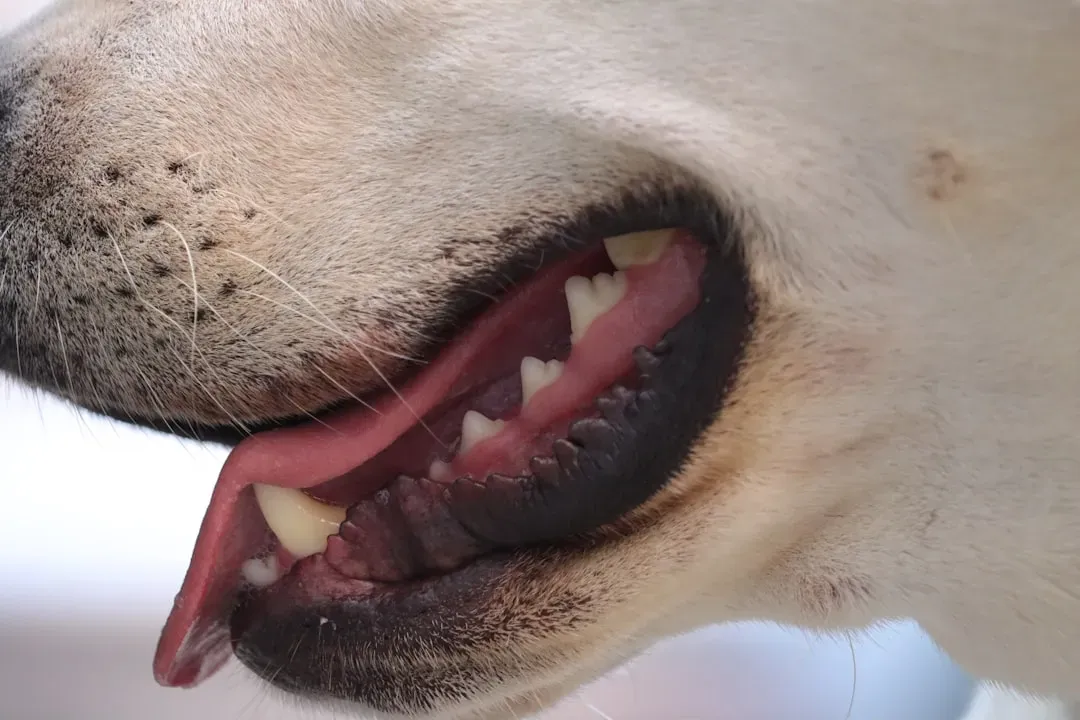
Honestly, I think dental pain is one of the most underestimated culprits behind sudden food refusal. Your dog can’t tell you their tooth hurts. They can only stop eating. Dental problems, with teeth or gums, can cause dogs to eat less and become picky eaters. Dogs with loose or missing teeth are likely to have more trouble chewing. Dogs with toothaches, fractured teeth, or infections are also going to be less inclined to eat, particularly dry dog food.
This condition can be painful and lead to a dog not wanting to eat. Dental disease can occur below the gums, which is not visible to our eyes. Even if your dog’s teeth look healthy, an oral exam is a good idea. So just because their smile looks fine on the surface doesn’t mean everything is okay underneath.
Dental problems can make eating regular food painful for your dog. Treats, especially soft ones, might be easier for them to chew, which is why they prefer them. If your pup is turning down kibble but happily accepts a soft treat, their teeth are worth a very close look.
If chewing food is painful for your dog, it may cause them to refuse food. If you notice broken or loose teeth, swelling, bleeding, or excessively bad breath, it may be that poor oral health is the cause of your dog’s lack of appetite. A vet dental exam here is not optional. It’s necessary.
Stress and Anxiety: Your Dog’s Emotional World Affects Their Bowl
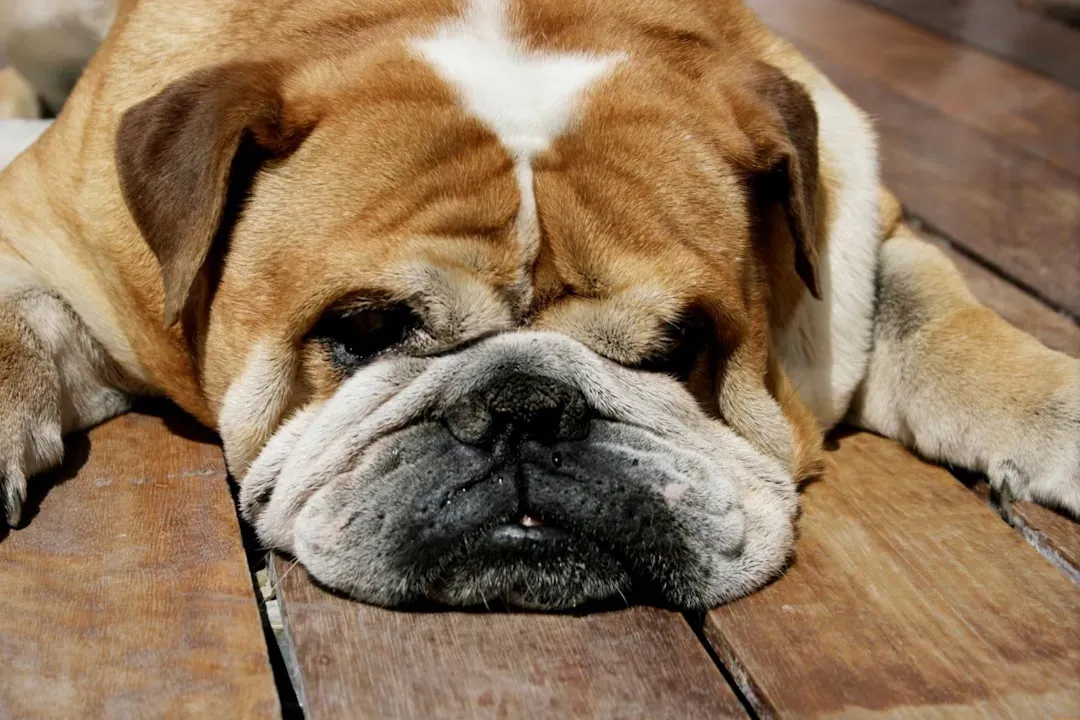
Dogs feel things deeply. More deeply than we sometimes give them credit for. Stress can play a role in your dog’s reluctance to eat. Sometimes, if a dog’s anxiety level is high enough, all other drives, including hunger, are deprioritized to make sure they are ready to react to a perceived threat. That’s actually a powerful biological response at work.
Stress, anxiety, or fear can cause your dog to lose their appetite. A change in their environment or routine, like new people or pets in the house, traveling, or loud noises such as thunder, fireworks, or construction, can trigger anxiety. I’ve seen this happen with a neighbor’s dog who completely stopped eating for three days after a new baby arrived home. Not illness. Pure stress.
Changes in the household, a new pet, loud noises, or even your absence can cause stress for your dog. When stressed, dogs may refuse to eat their regular food but might still eat treats because they’re seen as high-reward items. Look for signs of stress in your dog, such as panting, pacing, excessive licking, or hiding.
If your dog isn’t eating, first look to see if there’s anything that could be causing them undue stress, such as being left alone, a new member of the family, or a change in environment. Even something simple, like a new food bowl or routine, might be enough to put your dog off their food. Yep, even a new bowl. Dogs are creatures of deep habit.
You Might Have Accidentally Created a Picky Eater
Let’s be real: this one stings a little, because most of us do it with the best of intentions. Frequently, the cause of a dog’s pickiness isn’t a result of its behavior. It’s usually the result of humans feeding table scraps or too many treats. Not only does this increase the risk of obesity, but it also can encourage picky eater behavior. Your dog avoids eating in hopes of getting more exciting food than what’s in the bowl.
It’s fine to reward your dog for good behavior, but too many treats can spoil their appetite at mealtime. And if you keep offering them to try to get them to eat, that can send the wrong message. You’re telling your dog they can hold out for something better. You’ve basically trained them to negotiate at the dinner table.
Their picky eating habits may suggest that they’re a very smart dog. By holding out long enough, your dog has realized that if they ignore their average daily meals, they’re more likely to get attention and, most importantly, more likely to be offered an alternative. Clever little creatures, honestly.
Be sure that your pup isn’t being fed too many treats, which includes human food, as they may hold out on their regular diet or be full by the time meals are given. As a rule, dog treats should make up no more than 10% of your pup’s calories. That’s a number worth keeping in your back pocket.
Practical Steps to Get Your Dog Eating Well Again
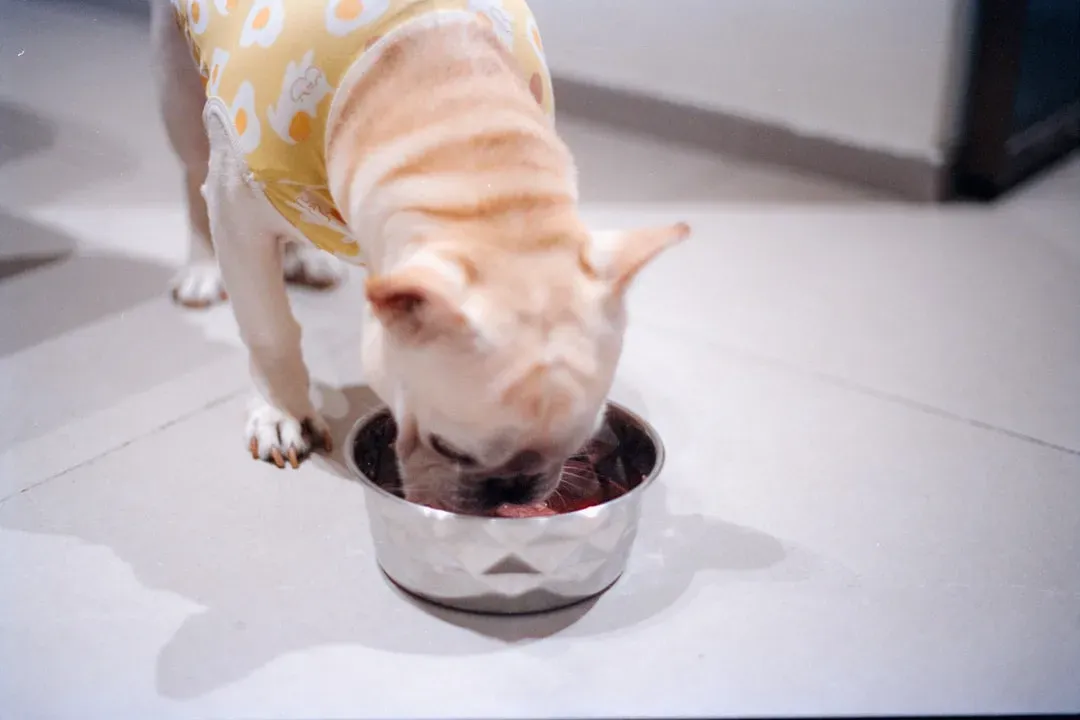
Okay, so now you’ve ruled out health problems and you’re pretty sure this is behavioral. Good news: you can fix this. It just takes a bit of patience and some structure. Like people, dogs can be creatures of habit. Offer a meal at the same time each day and give your pet a certain amount of time to eat it, say 15 or 20 minutes. If they don’t eat within that time, take the food away and try again at the next meal. The idea is to set a routine where they know that if they skip this meal, they can eat in a few hours.
Let your dog skip the occasional meal. Not all dogs are food motivated, and it is okay for healthy dogs to miss a meal occasionally. If they are in good health, maintaining a healthy body weight, having normal stools, and showing good energy, it is okay if they don’t eat every meal. Hard to hear, but skipping one meal for a healthy adult dog is not a crisis.
Make mealtime fun. Use puzzle feeders or treat toys to make eating more fun and stimulating. If your dog has to work harder for their meal, it can help combat food boredom. Think of it as turning the dinner table into a game show. Most dogs love the challenge.
A sudden change in food can cause gut problems for your dog, which could stop them from eating for even longer. It’s recommended to go slowly, mixing the new food with their current food, and taking about 10 days to fully transition. Slow and steady really does win this race.
Conclusion: Your Dog’s Bowl Is Trying to Tell You Something
Sudden mealtime pickiness is never just “a dog being dramatic.” It can be a whisper before a louder health signal, an emotional cry for comfort, or yes, sometimes, the result of a really effective negotiation strategy your clever pup has been running on you for months. The key is to pay attention.
Watch for the other signs. Check that mouth. Think about what might have changed in their world lately. Approach the situation with patience and an investigative mindset. Rule out underlying medical conditions first, as these are often the primary cause of sudden changes in appetite or eating behaviors. Once health issues are excluded, focus on behavioral and environmental factors.
Your dog cannot hand you a note saying “I have a sore tooth” or “the new neighbor’s dog scares me.” The bowl is their message. All you have to do is listen. What changes have you noticed at mealtimes lately? We’d love to hear your story in the comments.


