
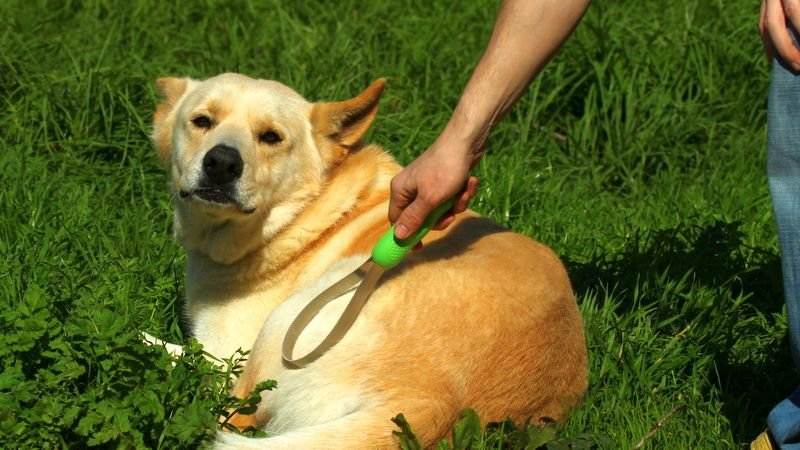
You run your fingers through your dog’s fur during a cuddle session, and something feels… off. Maybe it’s rougher than usual. Maybe there’s a patch near the shoulder that seems a little thin. You shake it off, assuming it’s just the season. But here’s the thing – your dog has been trying to tell you something all along.
Your dog’s coat is a window into their well-being, and any sign of change can give you great insight into other aspects of their health. Think of it like a silent report card, updated daily, right there under your fingertips. The shine, the texture, the smell – it all carries meaning. So before you dismiss that dull patch or that extra shedding on the sofa as “just a phase,” let’s talk about what your dog’s coat is really trying to communicate. Let’s dive in.
A Dull or Lifeless Coat Is Often a Nutrition SOS
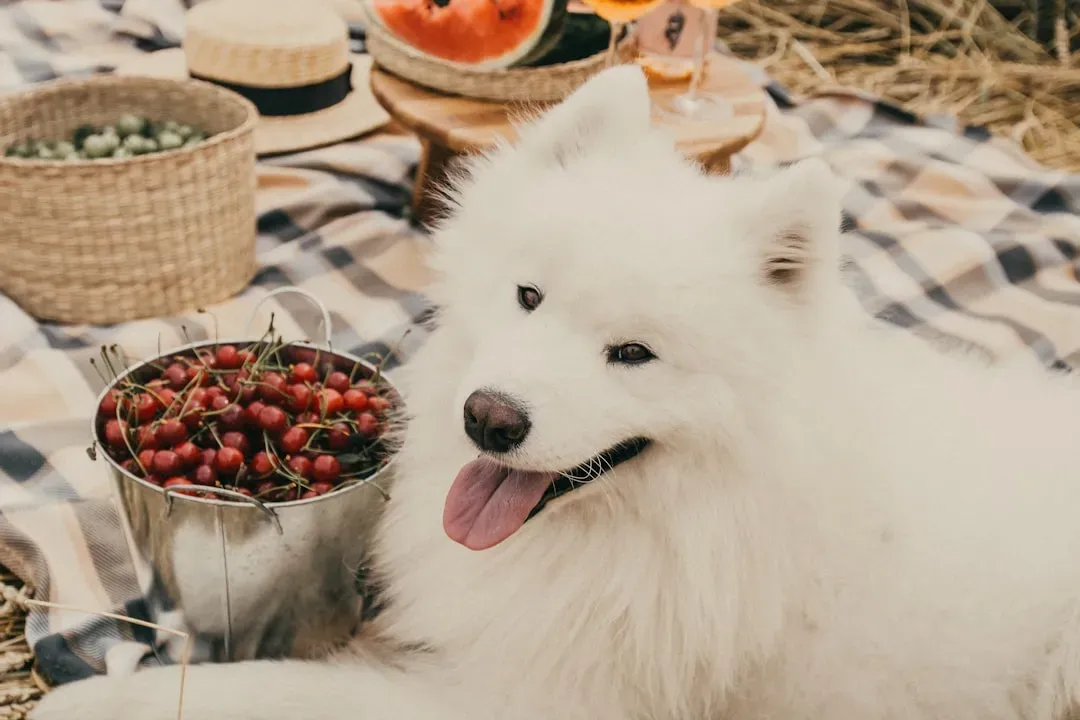
If there’s one thing I’ve learned from years around dogs, it’s that the coat tells the nutritional story first. A dull coat can be a general warning sign of health issues in dogs, but it’s most often a sign of poor nutrition. Just like us, a dog’s hair responds to the nutrients – or lack thereof – in their diet. It’s honestly that direct a connection.
In many cases, your dog needs more healthy fats in their diet, like Omega-3s from fish or supplements. Something as simple as adding a small tin of sardines to their meals a couple of times a week can make a visible difference within weeks. Nearly a third of your pet’s daily food intake is used to maintain their skin and coat – which puts into perspective just how hungry that fur is for good fuel.
The single most important factor in growing a gorgeous coat is good nutrition, or a diet rich in fatty acids and meat, poultry, or fish. This means that if you’re buying dog food, the label should list some kind of meat, poultry, or fish as the first and most dominant ingredient – not corn, wheat, barley, or rice. When in doubt, always check the label. Your dog can’t read it, but you can.
Excessive Shedding and Bald Patches – When to Worry
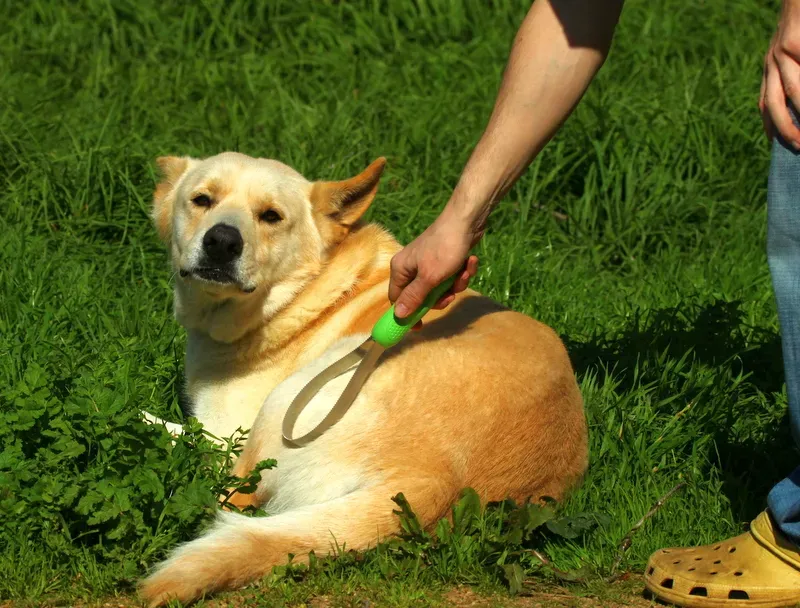
Let’s be real – every dog sheds. Fur on your sofa, your black trousers, your coffee. That part is normal life. Shedding isn’t necessarily a sign of a problem. Even if you can pluck out clumps of fur, as long as the coat is reasonably dense with no bald spots, your dog’s hair loss is probably normal. But there’s a line between normal and concerning.
Excessive shedding or thinning fur could be a sign of allergies, whether food or environmental. In some cases, excessive shedding can also be a sign of stress – triggered when your dog is new to a home, during periods of upheaval such as moving, or when they’re dealing with a traumatic experience. Sound familiar? Dogs feel life’s disruptions just like we do.
If your dog is having an allergic reaction, they’ll likely be scratching at parts of their fur. Excessive scratching, biting, or licking at sections of their coat could be a sign of parasites. Watch the behavior, not just the coat. The two together paint a much clearer picture than either one alone.
Hormonal Havoc – What Hair Loss Patterns Reveal About Internal Health
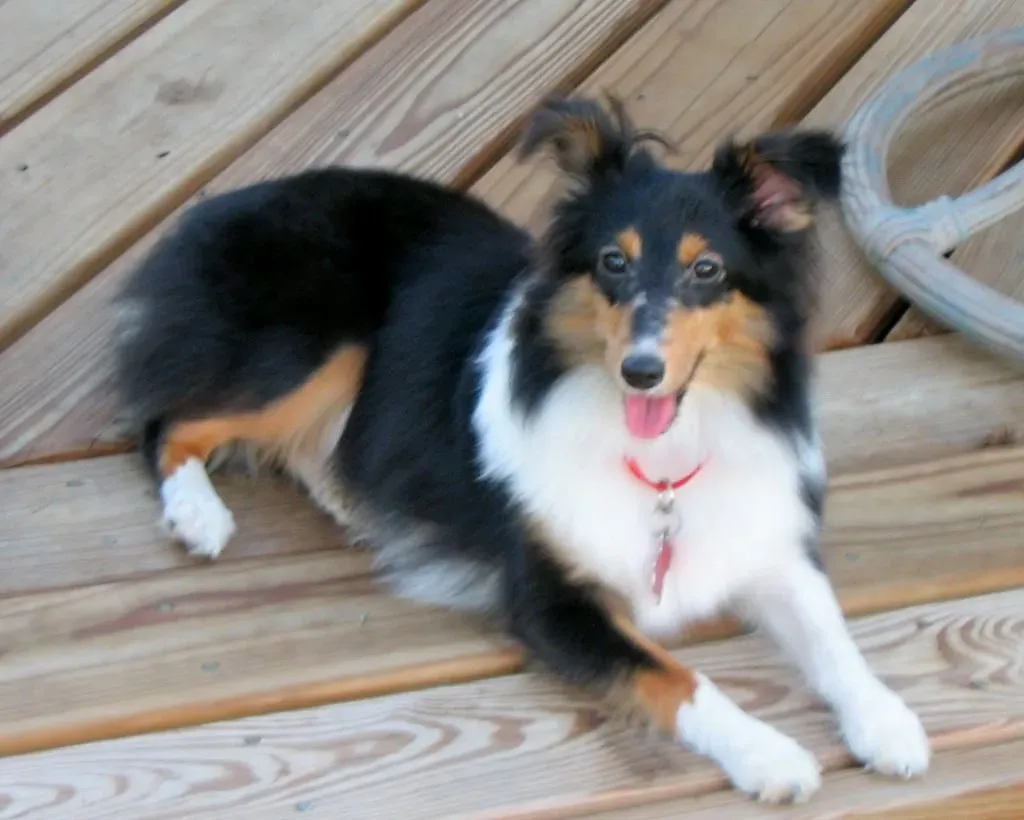
This one surprises a lot of dog owners. Hair loss isn’t always about what’s happening on the outside of your dog – sometimes it’s a flashing red signal about what’s going on deep inside. Internal hormone imbalances frequently cause gradual, symmetrical hair loss that typically is not itchy or painful. These changes may go unnoticed at first, but over time, coat texture and color can shift dramatically.
Hypothyroidism is common in medium and large-breed dogs as they age. With this condition, the thyroid gland doesn’t produce enough hormones, which can lead to thinning hair and other symptoms like weight gain and lethargy. If your dog seems sluggish and their coat has lost its former glory at the same time, that combination deserves a vet visit.
Cushing’s disease is another hormone-related condition that can cause hair loss. Dogs with this disease will typically experience symmetrical hair loss that only occurs on their midsection. That specific pattern is a real clue – it’s not random. Cushing’s is more common in dogs six years or older, and signs include eating, drinking, and urinating more. If those dots connect, call your vet sooner rather than later.
Dry, Flaky Skin and Odors – The Signals Most Owners Miss
I’ll be honest – most of us sniff our dogs and just assume that’s just “dog smell.” But there’s a difference between a dog who rolled in the garden and a dog whose coat carries an unusual, persistent odor. Contrary to popular belief, a dog’s skin should not smell. If you notice an unpleasant odor emanating from your dog’s skin, it could be an indication of an underlying issue.
Smelling the fur to identify a musky or foul odor is important. If that’s the case, it could be a bacterial infection, which means it’s time to pay a visit to the vet. Don’t mask it with dog perfume or extra baths. Address the root cause. Meanwhile, flaky skin is equally telling.
Dry, flaky skin is often an early indication of thyroid disease. Many pets with thyroid disease or Cushing’s disease tend to develop flaky skin, which looks a lot like dandruff in humans. This may also indicate potential issues in the liver or kidneys, as these conditions can impact all of your pet’s systems. It sounds dramatic, but catching it early makes all the difference.
Coat Color Changes and Texture Shifts – The Subtle Warning Signs

This is perhaps the most overlooked category of coat clues. A coat that gradually shifts in color, or develops patches of unusual texture, is worth paying real attention to. Don’t ignore dog fur changes and what they mean. While a coat can change slightly over time, drastic differences – especially in texture, thickness, or shine – can be early indicators of underlying health issues.
Some hair color changes can indicate a potential concern such as cancer, thyroid trouble, liver disease, or chronic emotional stress, especially later in life. That’s not meant to scare you – it’s meant to empower you. Noticing a shift early gives your vet something to work with before things progress. Think of yourself as a first responder.
A lack of essential vitamins, minerals, and amino acids can cause a dog’s fur to dull, become dry, and sometimes change color. Deficiencies in zinc, copper, or essential fatty acids can cause pigmentation loss. Regular grooming and skin care will also help keep your dog’s coat clean and free of tangles, no matter what type of hair coat they have – and importantly, it gives you regular eyes on any changes before they become serious.
Conclusion: Your Dog’s Coat Is Talking. Are You Listening?
Here’s the beautiful thing about your dog – they can’t tell you they’re unwell with words, but their body communicates constantly, and the coat is one of its loudest speakers. The general condition of your dog’s skin and coat are good indicators of their health. A healthy coat should be shiny and smooth, not brittle or coarse, and healthy skin should be supple and clear, not greasy, flaky, or bumpy. That’s your baseline. Know it well.
Run your hands through their fur a little more deliberately during your next snuggle. Feel for changes. Look for patterns. Trust your instincts because you know your dog better than anyone. If an underlying health issue causes your dog’s skin or coat problem, things often improve dramatically when the illness is brought under control through treatment, which may include dietary changes. That’s genuinely good news.
Your dog gives you everything – loyalty, joy, the best kind of chaos. Paying a little more attention to their coat is one of the simplest, most loving things you can give back. After all, the secret to a healthier, happier dog might just be hiding in plain sight, right there in their fur. Have you noticed any of these signs in your own dog? We’d love to hear about it in the comments.


