
Your garden is your happy place. Maybe it’s where you sip your morning coffee, where your dog charges around sniffing every corner, tail going like a helicopter. It feels safe. It feels peaceful. But here’s something that might genuinely surprise you: some of the prettiest, most popular plants growing right outside your door could send your dog to the emergency vet.
Whether you’re an avid gardener or simply have a few potted plants outside, many shrubs, trees, and flowers commonly found in gardens are dangerous if your dog eats them. Some cause discomfort, some will make your dog miserable, and some can even be fatal. The scary part? Most dog owners have no idea. Let’s change that. Let’s dive in.
1. Azalea: The Beautiful Deceiver
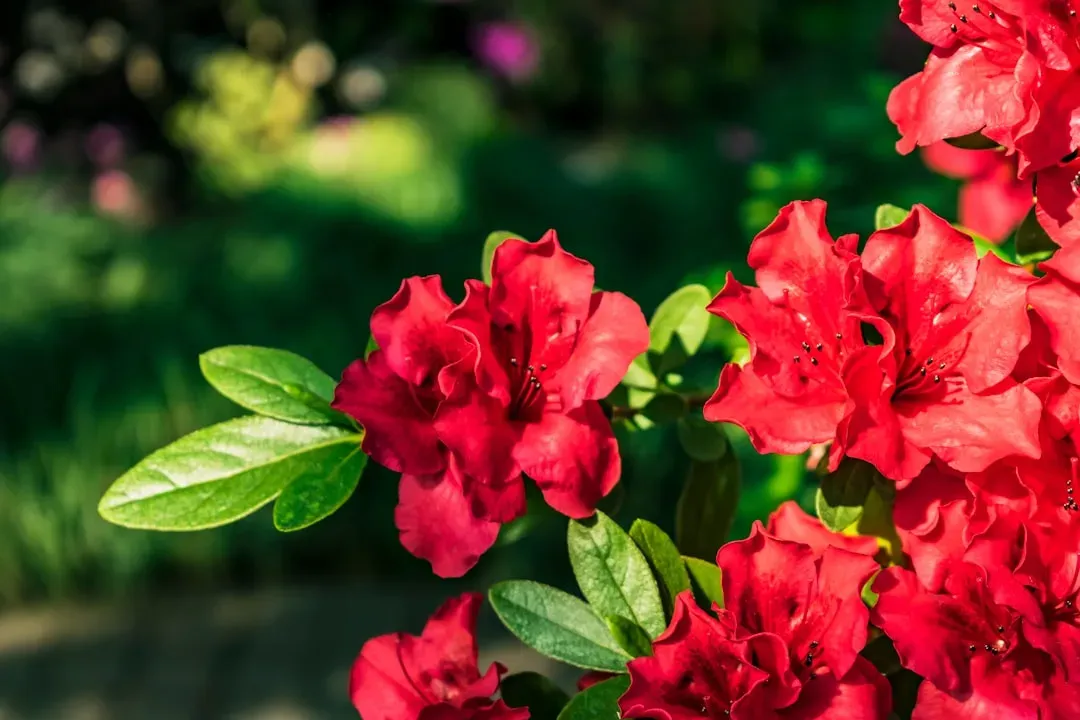
If your garden has those gorgeous clusters of pink or red blooms that light up spring, you might want to take a closer look. There are over 250 species of Azalea found throughout North America, and despite their beautiful showy flowers that can bloom anytime from spring through fall, azaleas are highly toxic to dogs.
The entire genus is extremely dangerous for dogs. Eating even a few leaves can cause serious issues, including vomiting, diarrhea, drooling, paralysis, shock, coma, and death. It’s one of those plants that looks absolutely harmless, which makes it all the more dangerous. If your dog has been nibbling near your azalea bush, don’t wait and see. Call your vet right away.
2. Sago Palm: Small Plant, Enormous Danger
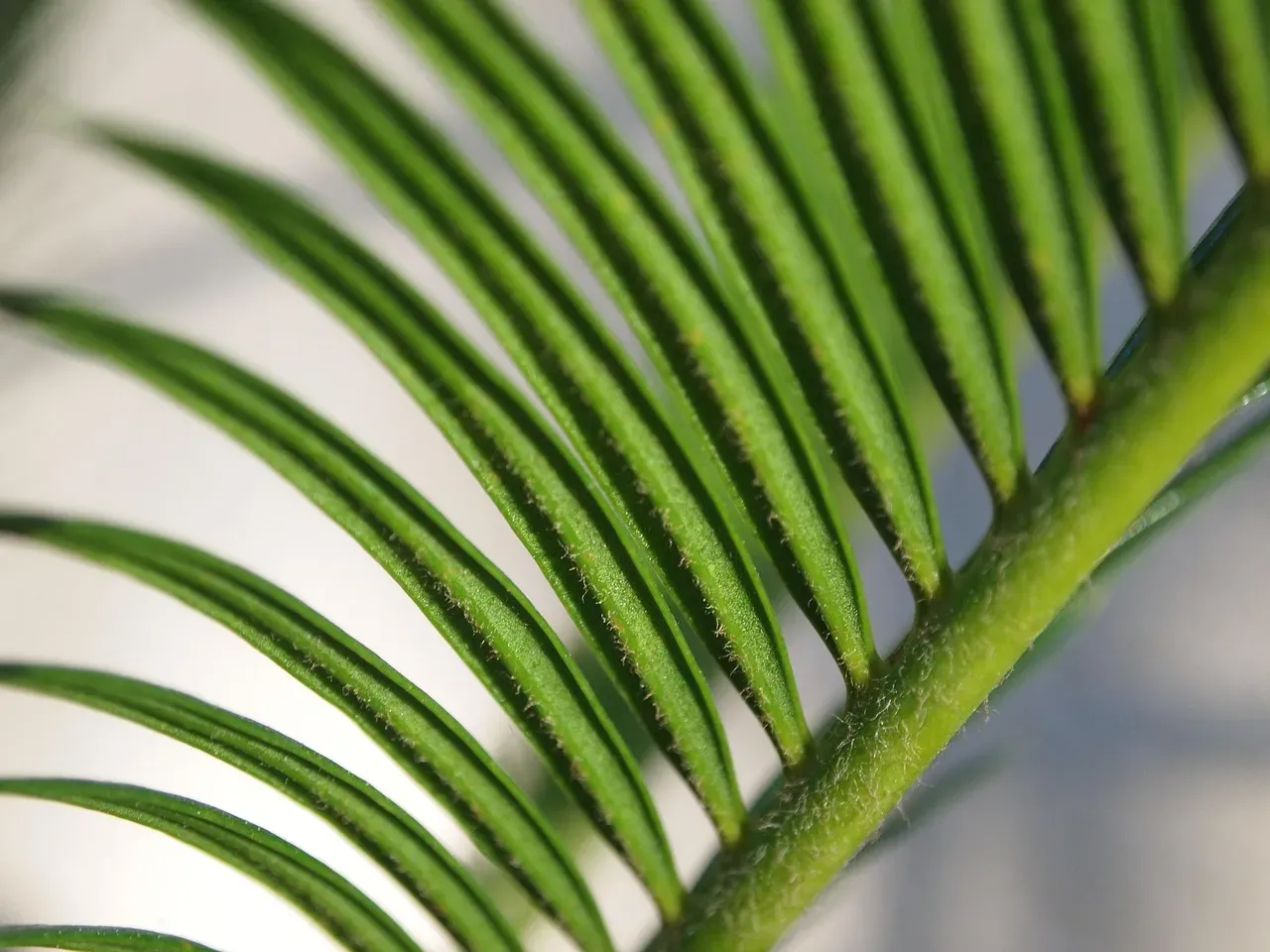
With its stiff fronds, the sago palm looks like a tiny palm tree and can live indoors or outdoors. It’s toxic to all pets. Honestly, I think this one is the most underestimated plant on this entire list. It’s sold at garden centers everywhere, and most people have absolutely no idea what it can do.
All parts of the plant, including the seeds, leaves, and roots, contain a toxin called cycasin that can cause vomiting, diarrhea, liver failure, and even death in dogs if ingested. Dogs can die after eating just one sago palm seed. That stat alone should make every dog parent stop and check their garden immediately.
3. Oleander: The Hedgerow Hiding a Heart Threat
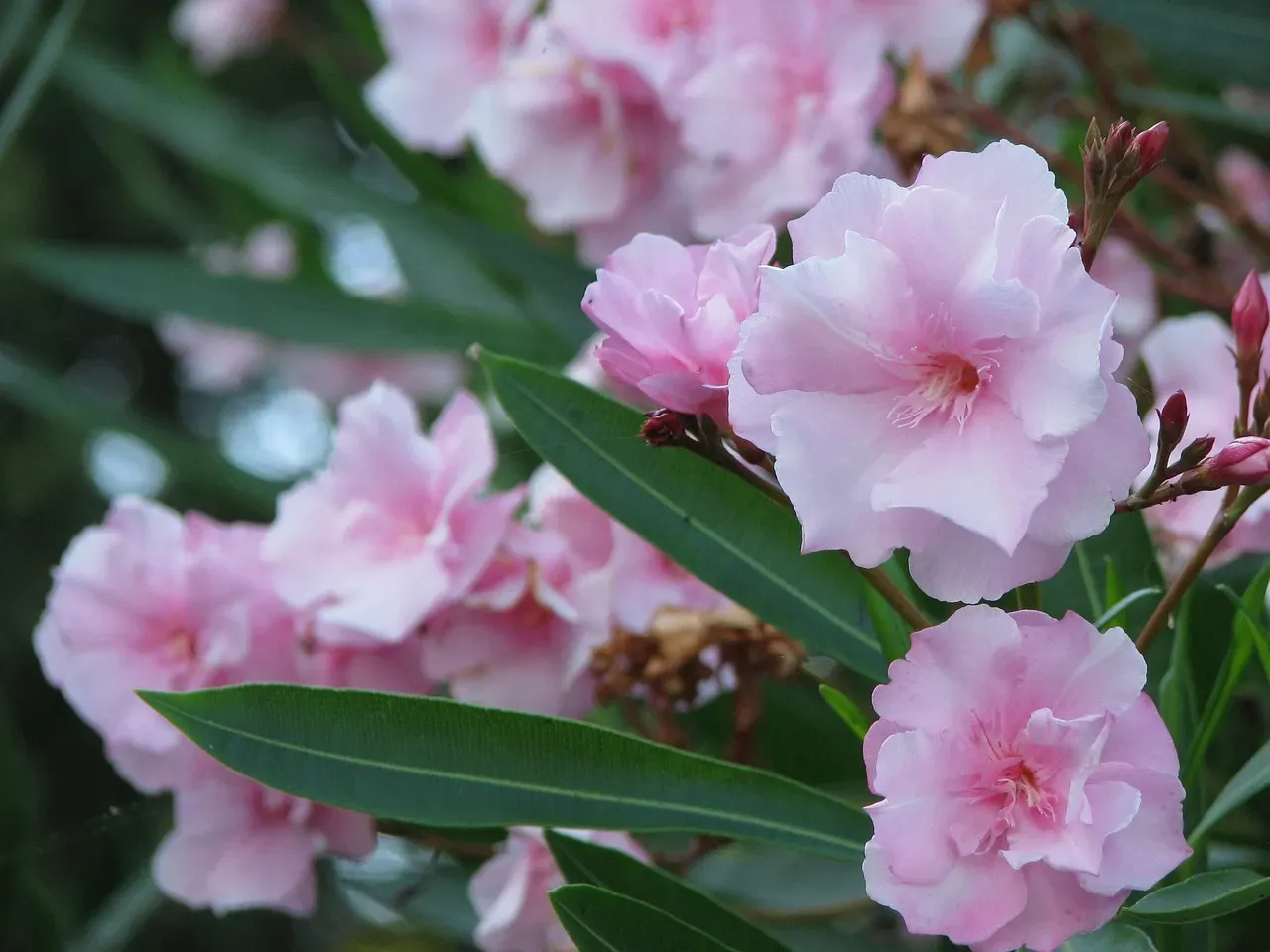
This bushy shrub can grow as high as 12 feet and is prized for its clusters of flowers in shades of yellow, white, pink, and red. Every inch of this plant is poisonous to dogs, from the flower petals to the pointy, long leaves. People plant oleander for privacy hedges all the time, completely unaware of the risk it poses to curious dogs.
Oleander is so poisonous to dogs because it contains oleandrin, a toxin that impacts the heart. Every part of the plant is toxic; even water in a vase that contains oleander is toxic. Other symptoms of oleander poisoning include drooling, diarrhea, and digestive tract abdominal pain. Severe oleander poisoning can be fatal. Trim it out, fence it off, or better yet, replace it entirely.
4. Autumn Crocus: The Delayed Danger
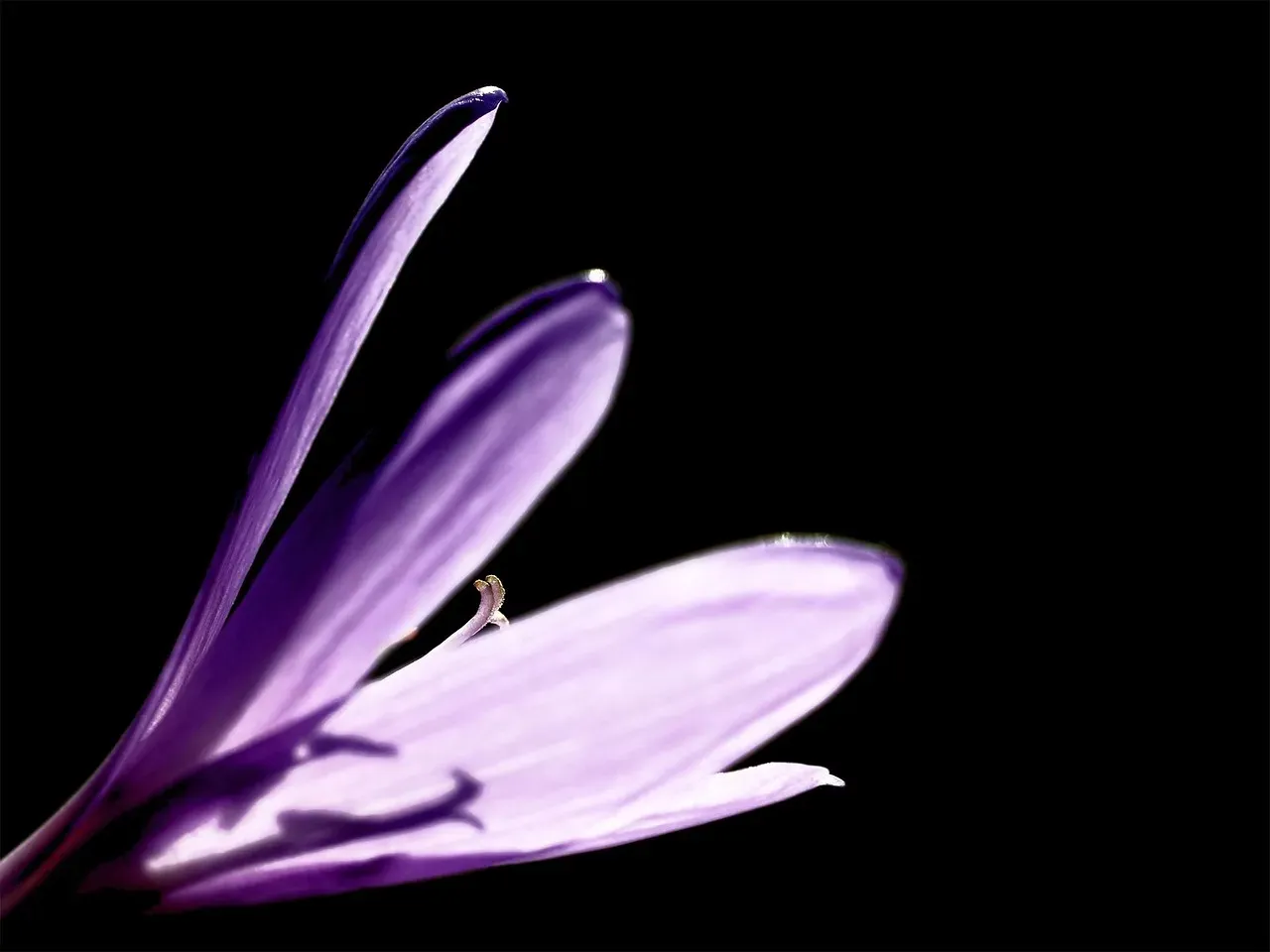
These fall-blooming plants contain colchicine, which is extremely toxic, causing gastrointestinal bleeding, severe vomiting, kidney and liver damage, and respiratory failure. What makes this plant particularly terrifying is how it plays tricks. The symptoms don’t always show up immediately, which can lull owners into a false sense of security.
Symptoms might be delayed for several days, so don’t wait to seek veterinary attention if your dog has ingested any part of this plant. Colchicine, the toxic agent in the plant, is highly toxic and can cause death when the dog eats as little as 0.8 milligrams per kilogram. Think of it as a slow-acting poison that fools you into thinking everything is fine. It is not.
5. Foxglove: The Garden Classic That Can Kill
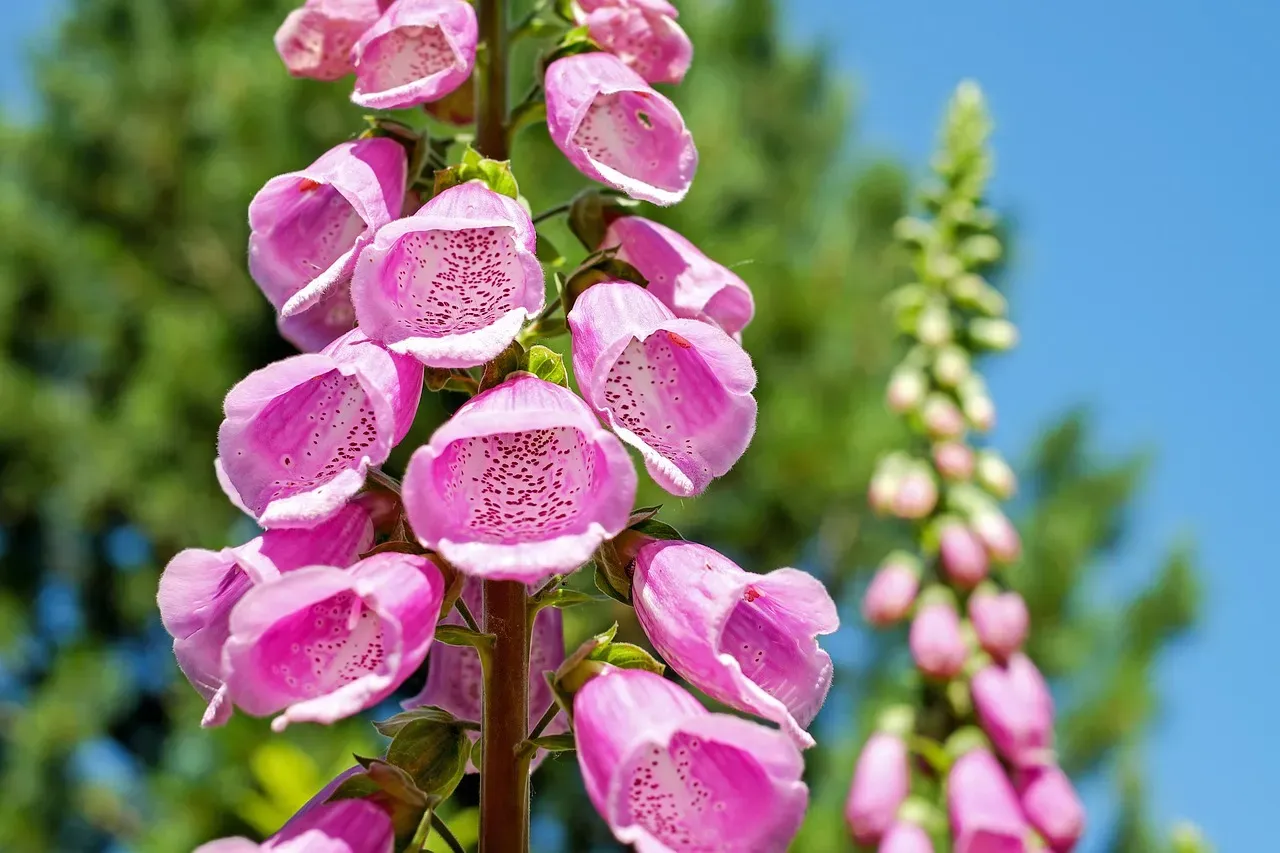
Tall, stately, and covered in those iconic bell-shaped blooms. Foxglove is one of those plants that looks like it belongs on a cottage garden postcard. Yet it carries a deadly secret. All parts of these tall beautiful flowers, from the seeds to the petals, are extremely toxic to dogs. Ingestion can cause cardiac failure and even death.
This plant can cause vomiting, hypersalivation, diarrhea, arrhythmia, convulsions, and low blood pressure. The cardiac effects are what make foxglove so particularly dangerous. It disrupts the heart’s rhythm in a way that can escalate alarmingly fast. If you love the look, there are dog-safe alternatives like snapdragons that give you a similar tall, colorful effect without the risk.
6. Lily of the Valley: Tiny Flowers, Massive Risk
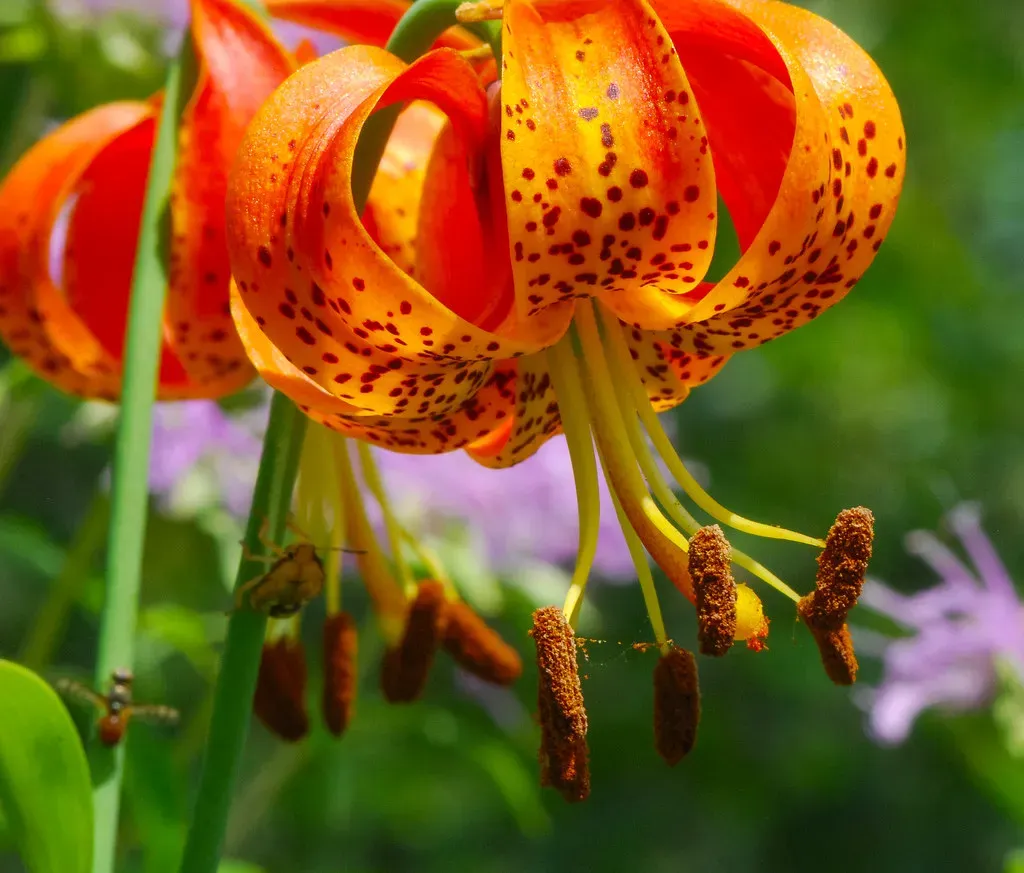
There are a ton of reasons why lilies of the valley are such popular garden plants: they are sweet-smelling, they have adorable little white bell-shaped flowers, and they can thrive in shady places. Though they may be pretty, lilies of the valley are poisonous to dogs. This is one of those plants that seems almost too delicate to be dangerous. Don’t be fooled.
Lily of the valley is one of the most poisonous plants to cats and dogs. The plant’s bulb, roots, stems, leaves, blooms, and berries are all poisonous. Symptoms of ingestion include diarrhea, vomiting, a drop in heart rate, and cardiac arrhythmia. Every part of this plant is a problem. Every single part.
7. Tulips and Hyacinths: Spring Bulbs With a Hidden Sting
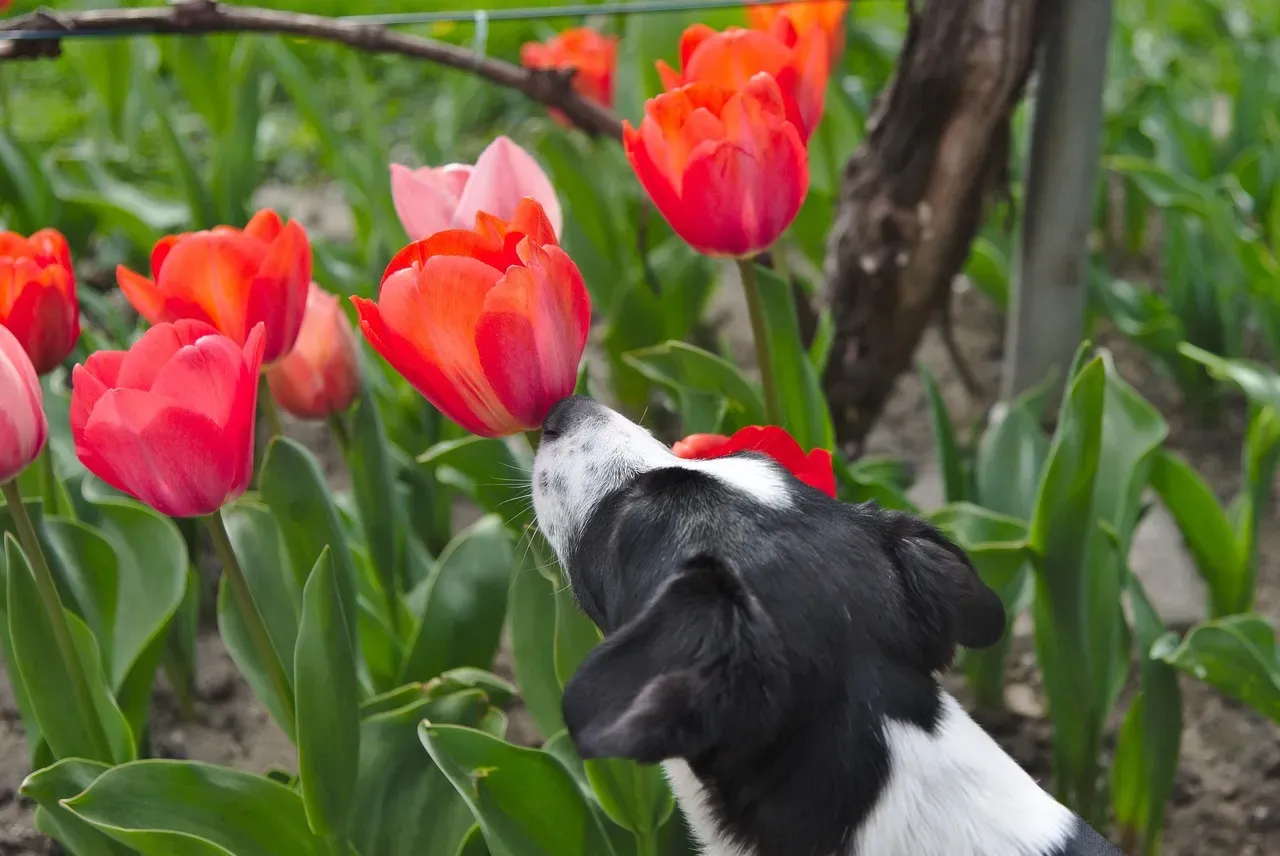
Few things feel as hopeful as planting spring bulbs in autumn. You tuck them into the soil, your dog watches with curiosity, and months later, color explodes from the earth. It’s wonderful. Except those bulbs are a real hazard. The bulb is the most toxic part, but any part of these early-blooming flowers can be harmful to dogs, causing irritation to the mouth and esophagus. Typical symptoms include excessive drooling and vomiting. If many bulbs are eaten, symptoms may include an increased heart rate and irregular breathing.
When spring comes around, while these beautiful seasonal flowers bloom beautifully in our gardens, if your dog goes digging, they may discover the tulip bulbs. The risk comes when your dog consumes the planted bulbs since they contain the highest levels of toxic chemicals. Dogs love to dig. If yours is a dedicated earth-mover, this is especially important to keep in mind.
8. Daffodils: Cheerful Colors, Concerning Chemistry
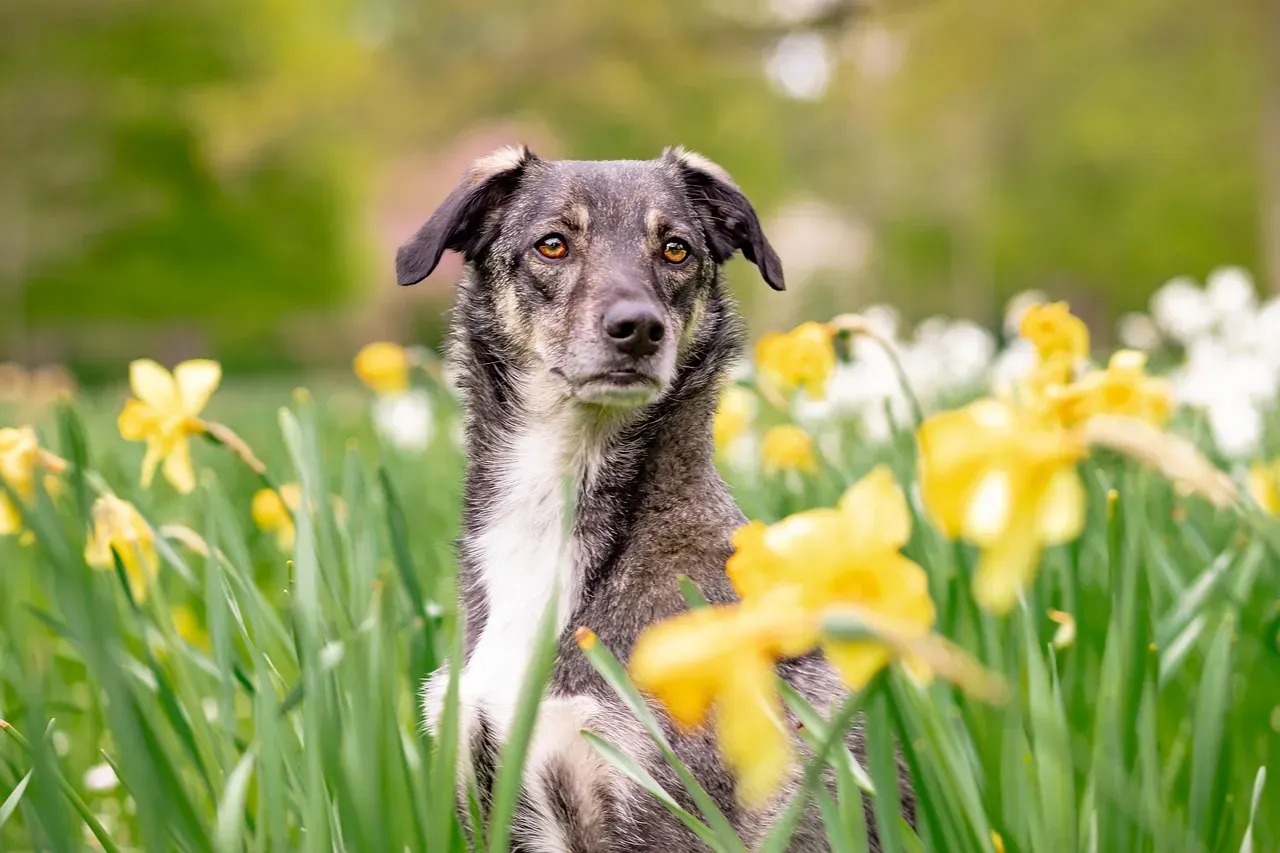
You see them everywhere in early spring, lining paths and garden borders in vivid yellow. Daffodils genuinely feel like the symbol of optimism. Here’s the thing though: daffodils are poisonous for dogs to eat, and signs of plant poisoning may include diarrhea, lethargy, drooling, trembling, abdominal pain, vomiting, and possibly death. A dog just brushing against them can also cause skin irritations. All parts of the daffodil plant are potentially toxic, containing a poisonous substance called lycorine, but the bulb is the most harmful.
Be aware that the toxin leaches into water in vases, so ensure that your dog doesn’t drink from vases. That detail surprises most people. It’s not just about eating the plant itself. The contaminated water is a hazard too. A dog helping themselves to a flower vase could unknowingly be sipping poison.
9. Hydrangea: The Garden Showstopper With a Toxic Side
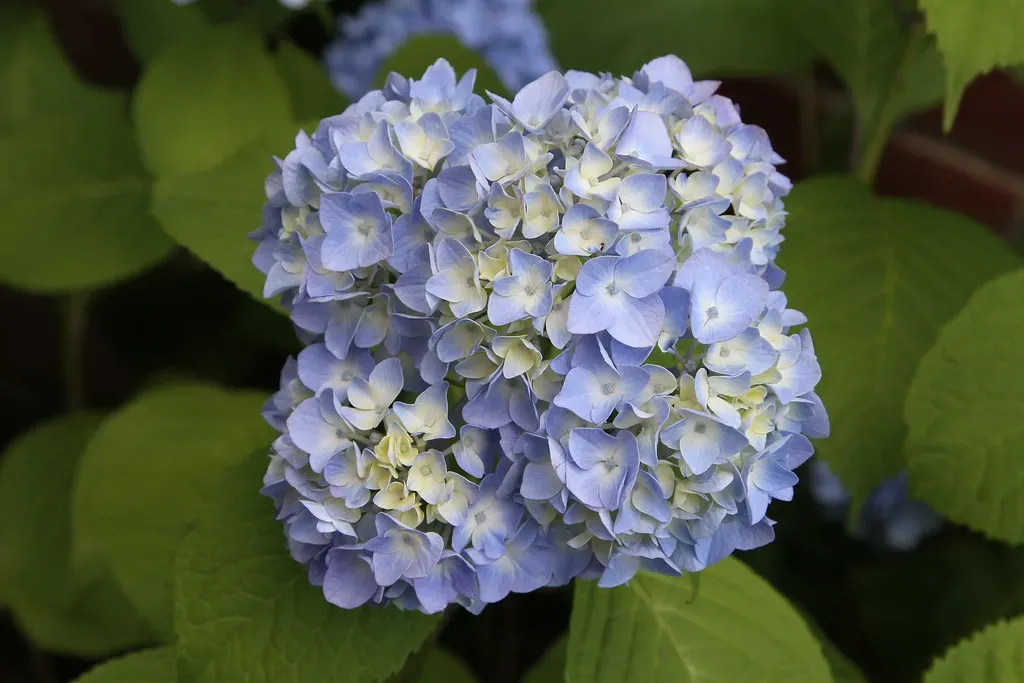
Hydrangeas are stunning. Big, lush, and dramatic, they anchor gardens and fill vases and appear in just about every summer photo. But their popularity does not make them safe. With high concentrations of toxic substances in the flowers and leaves, ingestion, especially of the leaves and flowers, can cause lethargy, diarrhea, vomiting, and other gastrointestinal upsets.
If you suspect your dog has ingested any part of a hydrangea plant, it’s crucial to contact your vet immediately. The earlier treatment is initiated, the better the chances of a full recovery. Early intervention can involve inducing vomiting, administering activated charcoal to absorb toxins, and providing supportive care to manage symptoms and prevent complications. Speed truly matters here. Don’t take a wait-and-see approach.
10. Yew: The Evergreen Killer in Plain Sight

Yew hedges are everywhere. They line driveways, frame formal gardens, and provide evergreen structure through winter. They look respectable, almost regal. Yet few garden plants are as quietly deadly as yew. There are many species of yew, but the most toxic to dogs are Japanese yew, English yew, and Chinese yew. They are a popular shrub for landscaping due to the fact that they are evergreen and tolerant to winter. The toxic agents, Taxine A and B, are toxic to the dog’s heart.
It only takes a small amount of exposure, such as a dog chewing on a yew branch, to cause signs of poisoning. Symptoms of yew poisoning include heart abnormalities, difficulty breathing, seizures, and sudden death. Sudden death. No gradual warning. That’s the terrifying reality with yew, and it’s one reason this unassuming hedge deserves serious attention from every dog owner.
What to Do If You Suspect Your Dog Has Been Poisoned

If you ever suspect your dog has eaten any of the plants above, act fast. If you think your dog may have eaten any poisonous plant, don’t wait. Contact your vet or your local emergency vet right away to describe what they’ve eaten and any symptoms they’re experiencing.
If you aren’t sure what your pet ate, call the ASPCA’s Animal Poison Control Hotline at 888-426-4435 or the Pet Poison Helpline at 855-764-7661. They’re available 24 hours a day, 365 days a year, and can tell you how toxic the plant is and whether you need to seek veterinary care. Save those numbers in your phone right now. Not later. Now.
How long it takes for symptoms to develop depends on the type of plant eaten and the amount your dog has ingested. It can also depend on factors like your dog’s overall health, their age, and their size. Symptoms can start to develop anywhere from 30 minutes to a number of days after ingestion. That variability is exactly why you should never assume your dog is fine just because they seem okay in the moment.
Conclusion: Your Garden Can Be Both Beautiful and Safe
Here’s the really good news: you don’t have to choose between loving your garden and loving your dog. You don’t have to cut all plants out of your life just because you have a dog. There are many dog-safe plants to choose from. A little awareness goes a long way.
Walk your garden today with fresh eyes. Look at it not just as a gardener, but as a dog parent. Keep house plants out of paws’ reach so they don’t try to eat or nibble on them when you’re away, and keep an eye on your dog when they’re in the garden or on walks to check they haven’t found a plant that could be a danger to them.
Your dog trusts you completely with every sniff, every wag, every moment they spend in that garden. That trust is everything. The ten plants on this list are common, they’re beautiful, and they’re potentially devastating. Now that you know, you have the power to protect the dog who depends on you most. What changes will you make in your garden first?


