

It’s one of those quiet, heart-melting moments. You’re on the couch, the house is still, and then you hear it. A soft, tiny whimper drifting from the corner of the room where your dog is curled up fast asleep. Your heart does a little flip. Are they scared? Are they hurting? Should you scoop them up right now?
Honestly, most dog parents have been there. That instinct to rush over and comfort them is so deeply human. Here’s the thing though – what you’re hearing is almost certainly not distress. It’s something far more beautiful. Your dog is dreaming, remembering, and processing their world. And sometimes, in that world, you’re the star of the show. Let’s dive in.
The Science Behind the Snooze: What Your Dog’s Brain Is Actually Doing
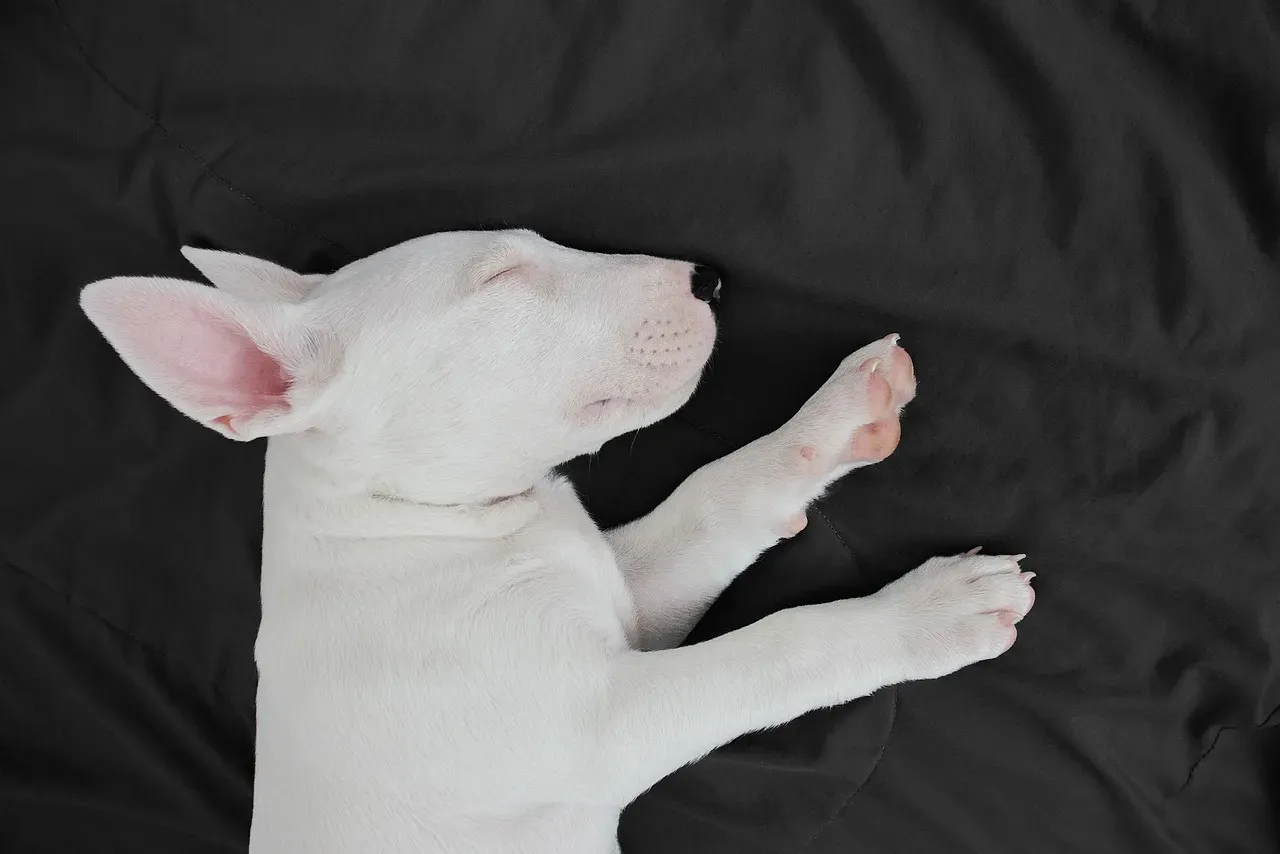
Dogs, like humans, experience cycles of rapid eye movement (REM) and non-rapid eye movement sleep, and it’s during REM sleep that dreams are most likely to occur. Think of it like your dog’s brain running a nightly highlights reel – processing, sorting, and filing away all the good stuff from the day.
Neuropsychological researcher Stanley Coren has studied dog sleep cycles and noted that at the structural level, the brains of dogs are similar to those of humans, and during sleep, the brain wave patterns of dogs go through the same stages of electrical activity observed in humans – all consistent with the idea that dogs are dreaming.
A single sleep cycle in dogs usually lasts around 20 minutes, most of which is spent in the drowsy and slow-wave sleep stages, but for about six of those 20 minutes, your dog will be in REM sleep, when most dreaming occurs. That’s a surprisingly short window – but a very busy one for that little brain.
Canines have shorter, 15-minute cycles and often experience 20 of them per night. Compare that to humans averaging only four or five cycles, and you start to realize your dog might actually be dreaming more than you are. Wild, right?
What Dogs Actually Dream About (Spoiler: It’s You)

Most sleep whimpering is associated with normal dream activity, and research suggests that dogs likely dream about their daily activities, such as playing, chasing squirrels, or interacting with their human family members. So yes, there’s a real scientific chance your face shows up in your dog’s dreams at night.
A landmark study from MIT explored how animals dream by monitoring the brain activity of rats during both waking and sleeping hours. When rats ran through mazes during the day, their brain patterns matched up almost perfectly with patterns recorded during REM sleep. Scientists concluded that rats, and by extension dogs, likely dream about their daily activities.
Research has shown that memory consolidation in canines is similar to sleep-dependent forces in humans. The whimpering you hear your dog making during sleep may be your pet rehearsing the new trick you taught them, for example. So that training session you did together this afternoon? Your dog might literally be practicing it in their sleep.
Dogs use sleep to process memories, manage stress, and reinforce learning. Just like in humans, quality sleep helps dogs stay mentally sharp and emotionally balanced. Every soft little whimper is basically your dog’s brain doing its homework.
Why Puppies and Senior Dogs Whimper More in Their Sleep

Young puppies spend more time in REM sleep than adult dogs, which explains all those little twitches and squeaks during nap time. Their brains are rapidly developing, and dreams help them make sense of the new world around them. Watching a puppy twitch and whimper in their sleep is essentially watching a tiny brain grow in real time. It’s extraordinary if you think about it that way.
Younger dogs have an underdeveloped pons and senior dogs have a pons that may not work as efficiently, contributing to less control of muscle paralysis during sleep, which is why puppies and senior dogs are often more “active” while sleeping. The pons is a part of the brainstem that acts like an “off switch” for big movements during dreams – kind of like a sleep safety mechanism.
Older dogs are more likely to vocalize at night. As they age, some dogs develop Canine Cognitive Dysfunction (CCD), which is similar to dementia in humans. Confusion, disorientation, and disrupted sleep patterns can lead to more howling, even while they’re asleep. If your senior dog has recently started whimpering more at night, that’s a conversation worth having with your vet.
When to Worry: Spotting the Difference Between Dreams and Distress

Let’s be real – not every sound from a sleeping dog is adorable dreaming. Sometimes, something else is going on. Occasional whimpering is normal, but frequent or intense crying could signal pain, anxiety, or a medical issue like seizures or cognitive decline. Knowing the difference is one of the most important things you can do as a pet parent.
All dogs dream, and some manifest dreaming with twitching, paddling, or kicks of their legs. These movements are often brief, lasting less than 30 seconds and intermittent. Seizing dogs’ limbs, on the other hand, tend to be rigid and stiffer, with more violent movement. If your dog’s movements look more like shaking than swimming, take note.
Some signs that your dog’s sleep crying may not be normal include: crying that becomes more frequent or intense over time, crying paired with violent twitching or rigid limbs, crying followed by confusion or disorientation upon waking, behavior changes during the day such as lethargy or appetite loss, or crying that begins suddenly in an adult or senior dog with no history of it.
Sometimes, whimpering during sleep can indicate underlying physical issues, especially in senior dogs. Conditions like arthritis, dental problems, or digestive discomfort might cause increased vocalization during rest. Pain doesn’t clock out just because your dog does. Trust your gut – you know your dog better than anyone.
How to Be a Better Sleep Guardian for Your Dog

Here’s something that surprises a lot of people: waking your dog up when they’re whimpering can actually do more harm than good. Disrupting a dog during REM sleep can result in serious consequences. Touching a dog when they’re dreaming may startle them and cause them to bite or scratch involuntarily. It’s not aggression – it’s pure, unfiltered reflex.
If you feel the need to wake a sleeping dog, it’s better to call their name loudly or make a noise, such as dropping an object on the floor. Then, you can gently reassure them if they’re startled. A soft voice from across the room is so much safer than a hand on the shoulder mid-dream.
Ensure your dog gets adequate exercise, maintain consistent routines, provide a comfortable sleeping environment, and address any anxiety issues through training or veterinary guidance. Think of it like building a bedtime ritual for a child – consistency is everything.
Calming pheromone sprays, lavender-scented bedding, or low-volume white noise can help reduce anxiety in sensitive dogs. If sleep crying is frequent, log the time, behavior, and any daytime events that might be contributing. Patterns often emerge. A simple notes app on your phone can become a genuinely useful health diary for your dog.
A Final Thought Worth Holding Onto

The next time your dog whimpers from their cozy corner, try to resist the urge to panic. What you’re witnessing is a living creature so mentally rich, so emotionally complex, that their brain keeps working even in sleep – replaying the fetch session, the long walk, the moment you came home and they lost their mind with joy.
Understanding what dogs dream about gives us more than just cute conversation material – it also sheds light on their emotional and cognitive health. Your dog isn’t suffering in those quiet nighttime sounds. They’re processing a life they love, and a person they adore.
Give them a safe, comfortable space to sleep undisturbed. Keep an eye on patterns that seem unusual. And on the perfectly normal nights when you hear that sleepy little whimper? Smile. Because somewhere in that dreaming mind, there’s a very good chance they’re dreaming about you.
What does your dog do in their sleep that makes your heart melt? Share it in the comments – we’d love to hear it.


