

You know that look your dog gives you – the one with the soft, slightly droopy eyes and the slow tail wag that feels more like a sigh than a greeting? If you’ve ever caught it and thought, “Is my dog okay?”, your instincts were probably right. Dogs are brilliant at masking discomfort, but the signs are always there if you know where to look.
Here’s the thing most pet parents don’t realize: a 2024 analysis concluded that over 99% of U.S. dogs demonstrate at least some behavior issues, many directly related to being . That’s a staggering number. So if your pup seems a little off lately, you are far from alone. Let’s dive into the ten most common reasons your dog might be , and more importantly, what you can actually do about it.
1. They’re Not Getting Enough Exercise
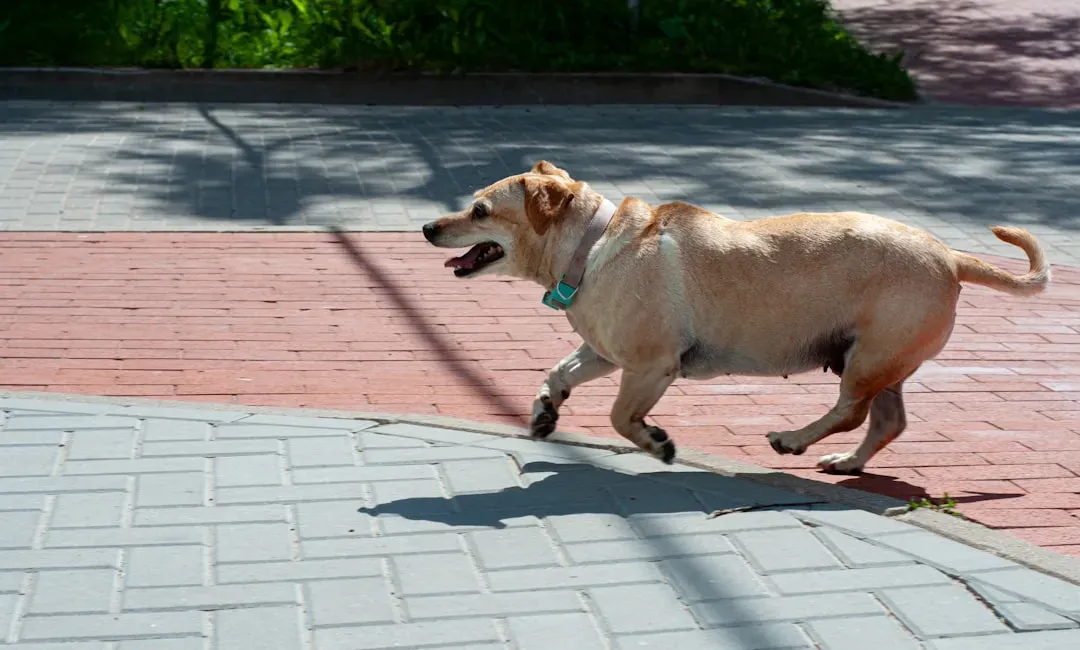
Imagine being full of energy with nowhere to put it. That’s your dog on a slow week with no walks, no play, no outlet. Dogs can become stressed or depressed if they are not given an outlet for normal dog behavior, such as running, retrieving, sniffing, and digging. It sounds simple, but it’s one of the most commonly overlooked causes of doggy unhappiness.
The fix doesn’t have to be complicated. Try adding variety with longer walks, time to explore off-leash, and new activities like fetch or agility to help burn energy and improve mood. Think of exercise as your dog’s daily emotional reset button. When that button doesn’t get pressed, everything else starts to unravel.
2. They’re Bored Out of Their Mind

Boredom in dogs is sneaky. It doesn’t always look like a dog lying still staring at the ceiling – sometimes it looks like a chewed sofa cushion or a garden that’s been fully excavated. Dogs who don’t receive enough mental stimulation throughout the day can become bored, which can lead to depression. Your dog’s brain needs a workout just as much as their body does.
Interactive toys and puzzles provide mental stimulation and help keep dogs engaged and entertained. These toys challenge their problem-solving skills and can alleviate boredom and stress. Even something as low-tech as hiding treats around the house can turn a listless afternoon into an adventure. Honestly, it takes about five minutes, and it genuinely transforms their day.
3. Separation Anxiety Is Eating Them Up

Separation anxiety describes dogs that are usually overly attached or dependent on family members. They become extremely anxious and show distress behaviors such as vocalization, destruction, or house soiling when separated from their owners. It’s not naughtiness. It’s genuine emotional distress – closer to a panic attack than a tantrum.
Triggers include life changes like a sudden switch in schedule, a move to a new house, or the sudden absence of a family member. The good news? Protective factors include ensuring a wide range of experiences outside the home and with other people, stable household routines and absences from the dog, and the avoidance of punishment. Building a calm, predictable routine is one of the kindest things you can do.
4. There’s an Underlying Health Problem

This one is important – maybe the most important of all. A major cause of depression is underlying disease. Dogs who feel unwell, especially those who have chronic health conditions like diabetes, may experience a general feeling of sadness. Pain and illness change everything. A dog who suddenly seems withdrawn or grumpy may simply be hurting.
Pain and illness can contribute to a wide range of behavioral responses, from aggression to anxiety and sadness. If your dog’s mood has changed noticeably and you can’t pinpoint an obvious reason, please don’t wait. Ensuring your dog receives regular veterinary care will identify health issues early so they can be treated before depression develops.
5. Their Routine Has Been Disrupted

Dogs are creatures of habit in a way that would honestly make most humans jealous. Dogs thrive on knowing what’s next. Routine isn’t boring for them; rather, it’s a safety blanket, as predictability restores the brain’s sense of safety. When that routine vanishes, even temporarily, dogs can feel genuinely lost.
Feelings of stress, depression, and sadness are often triggered by periods of change or inconsistency in a dog’s life. A move to a new house, the addition of a new family member, such as a baby or new pet, or the loss of an owner or companion can trigger feelings of anxiety and depression. If life has been chaotic lately, your dog felt every bit of it. Restoring simple rhythms – same walk time, same feeding time – can help enormously.
6. They’re Picking Up on Your Stress
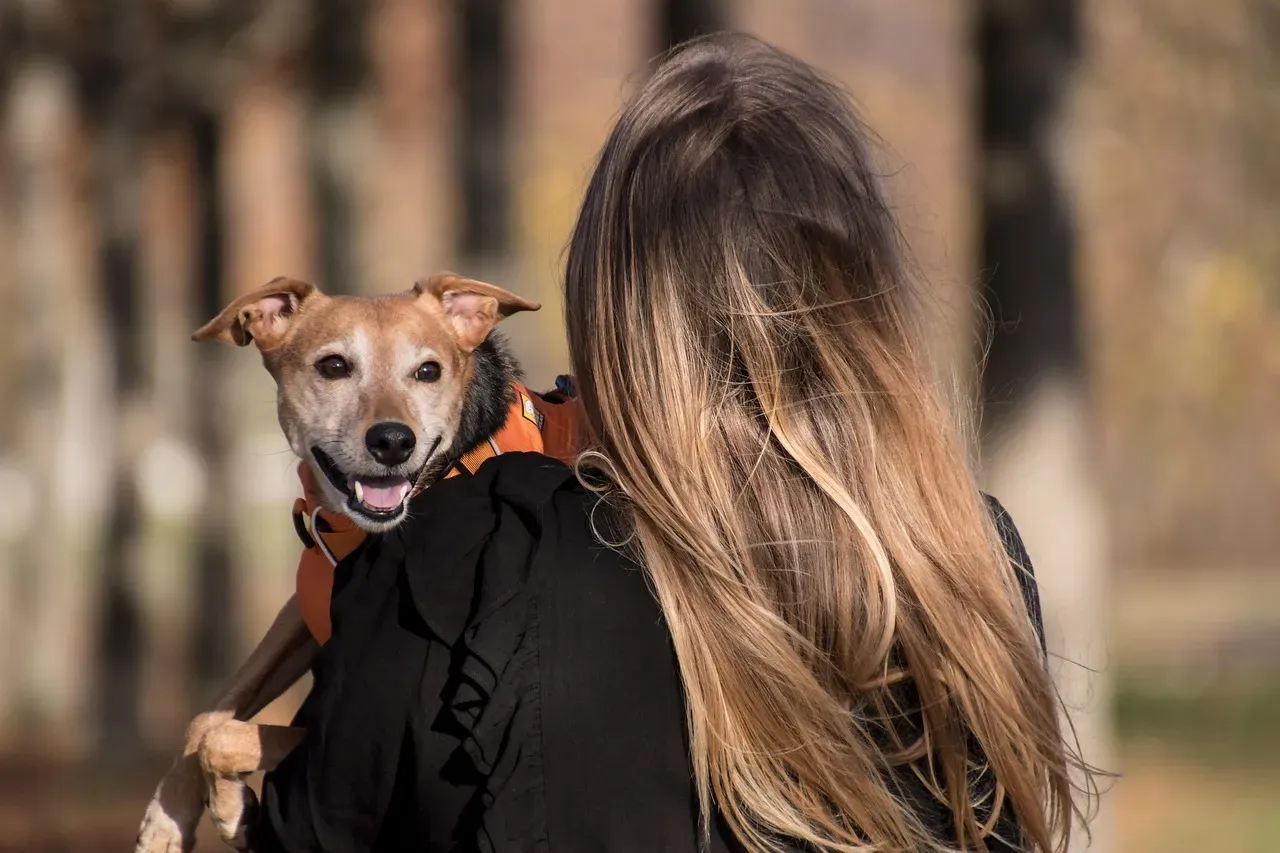
This one might feel a little uncomfortable, but it’s real. Your dog is likely very attuned to your emotions and behaviors. Research shows that our dogs can sense and even take on their owners’ stress and unhappiness. Your dog’s unhappiness, then, might simply be a reflection of your own. Think of it as emotional contagion – except your dog didn’t sign up for it.
Dogs are naturally responsive to body language and tone of voice. When you stay calm and use a gentle tone when communicating, even in stressful situations, it signals to your dog that they are safe. So as wild as it sounds, taking care of yourself really is taking care of your dog too. A calmer you often means a calmer, happier dog.
7. They’ve Experienced Loss or Social Change

Dogs grieve. Full stop. Dogs may become depressed due to an underlying health issue or because of a sudden change in their home, such as the loss of a family member. Whether it’s the passing of a beloved companion animal or a human moving out of the home, the emotional fallout for a dog can be deep and very real.
Sometimes, adding a new furry family member can leave the first pet feeling depressed. Even what seems like a positive change – a new puppy, a baby – can feel destabilizing to your existing dog. Give them extra reassurance, keep their routine steady, and don’t rush the process of adjustment. It takes time, and that’s okay.
8. They’re Not Getting Enough Social Connection

Dogs are wired for connection. Dogs are highly social animals, and extended periods of isolation indoors may result in undesirable behaviors or withdrawal. A dog who spends most of their day alone, without interaction or stimulation, is a dog who slowly starts to fade emotionally. It’s heartbreaking, but it’s also very fixable.
Socialization and positive reinforcement techniques play an important role in addressing a stressed or sad dog’s emotional wellbeing. Facilitating controlled and positive interactions with well-behaved dogs and friendly humans can help reduce anxiety and build social confidence. Even short, regular play dates or a visit to the dog park can make a profound difference to a lonely pup’s overall happiness.
9. Past Trauma Is Still Affecting Them

Some dogs carry wounds you can’t see. When dogs experience something scary or painful, they don’t just forget about it. Maybe they were in a loud, crowded shelter or lived with someone who wasn’t kind. Perhaps they were lost and had to fend for themselves. These experiences leave emotional scars.
When a dog goes through a traumatic event, they become more jumpy or scared of certain sounds or situations. They might shy away from people or other animals, refusing to play or explore like they used to. If your rescue dog seems perpetually on edge, don’t interpret it as stubbornness. The key to addressing your dog’s trauma is teaching them they’re safe. You can encourage your dog to feel more optimistic by working with a canine behaviorist, who can share training exercises like nosework or redirection to help improve your dog’s emotional responses.
10. Their Emotional Signals Are Being Misread

Let’s be real – most of us weren’t trained to read dog body language. Research suggests that dogs express sadness most clearly through their body language. The more familiar you are with dogs, and an individual dog in particular, the better you’ll likely be at reading their emotions. Missing those signals doesn’t make you a bad owner. It just means there’s room to learn.
Unusual body language like pinned-back ears often signals discomfort, fear, or unease. A dog that suddenly withdraws from cuddles or interaction may be upset or experiencing a medical issue. Prolonged periods of stress and anxiety can lead to compulsive behaviors that serve no purpose other than to help a dog cope with stressors. For example, a chronically stressed dog might repetitively lick at one or more of their limbs in an attempt to self-soothe. Learning your dog’s unique emotional vocabulary is one of the most powerful things you can do as a pet parent.
Conclusion: Your Dog Is Counting on You to Notice

Dogs can’t write you a note or send a text. They communicate through behaviour, body language, and those quiet, searching eyes. When a dog is stressed, depressed, or sad, their behaviour changes. As a dog owner, it’s important to be able to recognize these signs so that you may take action and help alleviate these negative feelings in your canine companion before they lead to serious issues.
The beautiful thing is that most of the causes of dog unhappiness are genuinely within your power to change. More movement, better routine, deeper connection, prompt vet care – these aren’t massive lifestyle overhauls. They’re small, consistent acts of love. Dogs are amazingly resilient. If there is a significant event associated with their depression, often some simple environmental and social changes can make a huge difference – things like spending some extra time with them, taking them on extra fun walks, or having a little grooming session.
Your dog doesn’t need perfection. They just need you to show up, pay attention, and keep trying. Honestly, that’s the whole job. What signs have you noticed in your own dog that made you stop and think? Share your experience in the comments – your story might just help another dog lover out there.


