
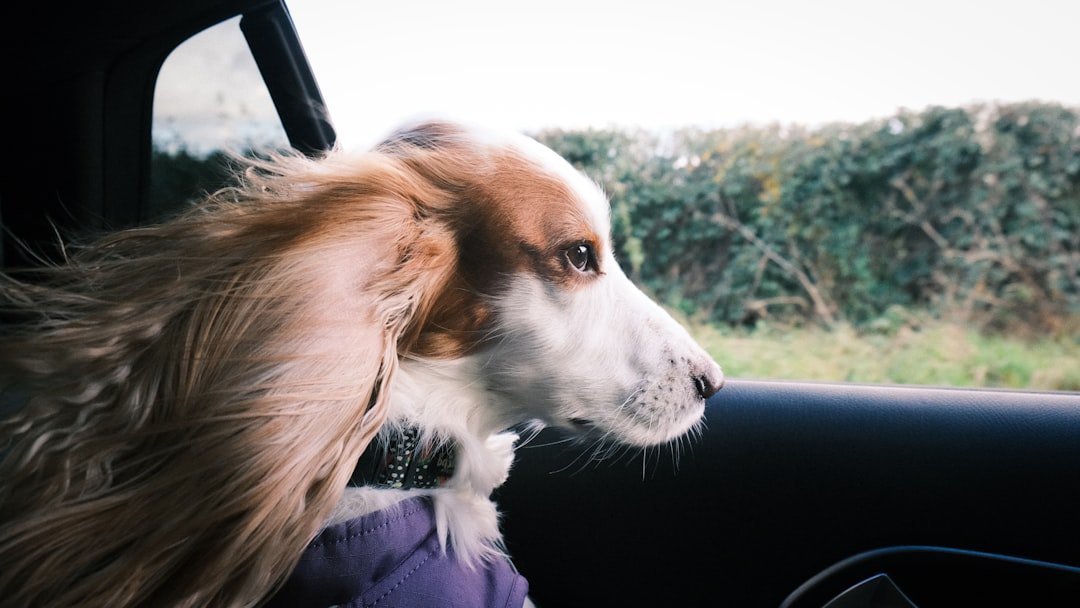
Picture this: you’re finally heading out on that long-awaited road trip, windows down, favorite playlist on. You look over and there’s your dog, tail wagging, nose twitching with excitement at every passing scent. Few things in life are this good.
But here’s the thing. That same joyful, tail-wagging companion you love so deeply can be in very real danger the moment something goes wrong on the road. And honestly, most dog parents don’t realize just how much planning goes into keeping their furry co-pilot truly safe. There are things you need to know before you pull out of that driveway. Let’s dive in.
1. Secure Your Dog Properly – Because Physics Doesn’t Care How Good a Boy He Is
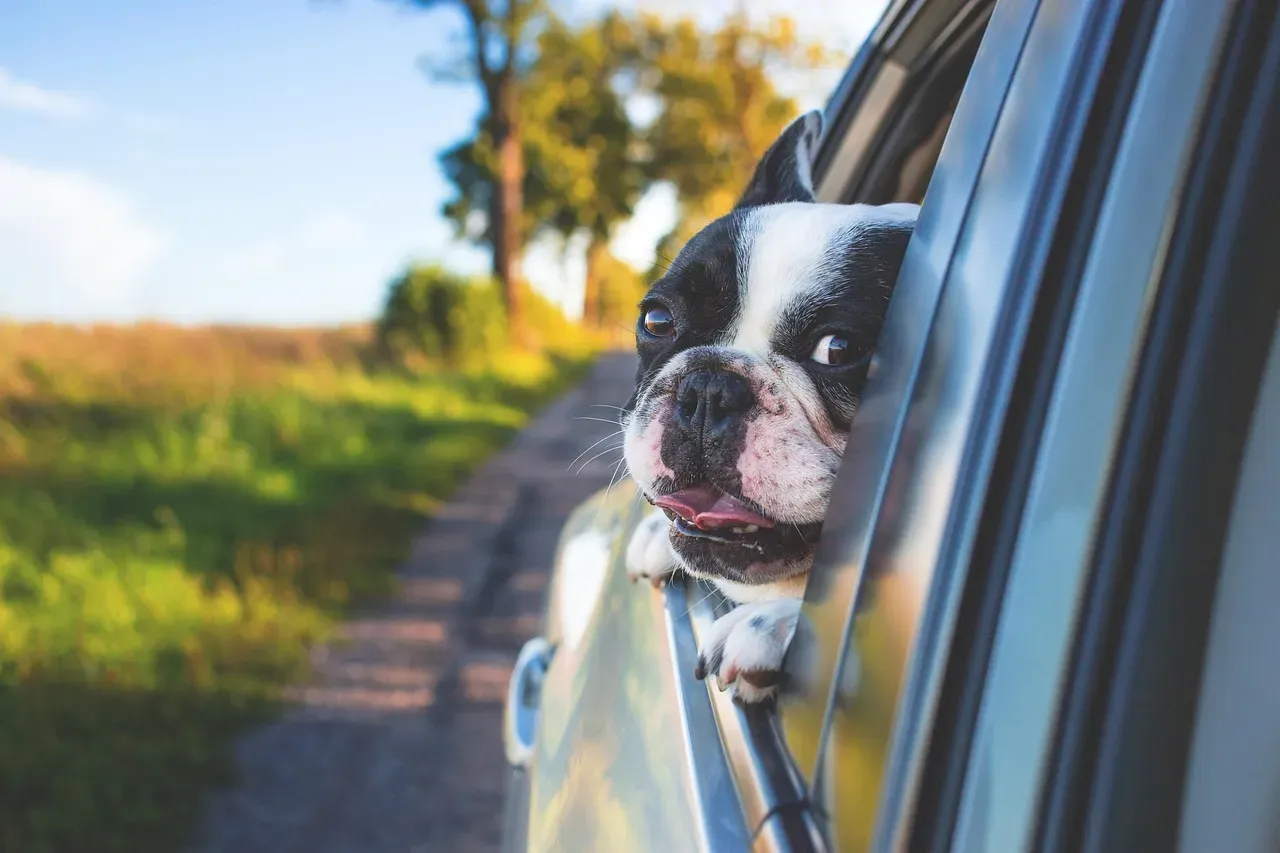
Let’s be real, this is the big one. Keeping your pet secure not only prevents injuries from an accident, but also protects everyone in the car – because at a speed of just 25mph, an unrestrained dog can be projected forward at a force equal to 40 times their body weight. That sweet 50-pound Labrador suddenly becomes a 2,000-pound projectile. It’s terrifying to think about.
Look for crash-tested harnesses that work with your vehicle’s seat belt and keep your dog sitting upright rather than lying down. Hard-sided carriers with ventilation holes that are secured to the vehicle are the safest option, and the crate should be large enough for your pet to stand or sit without touching the top, lie down, and turn around. Think of it like choosing a car seat for a toddler – size and certification really do matter.
2. Always Keep Your Dog in the Back Seat
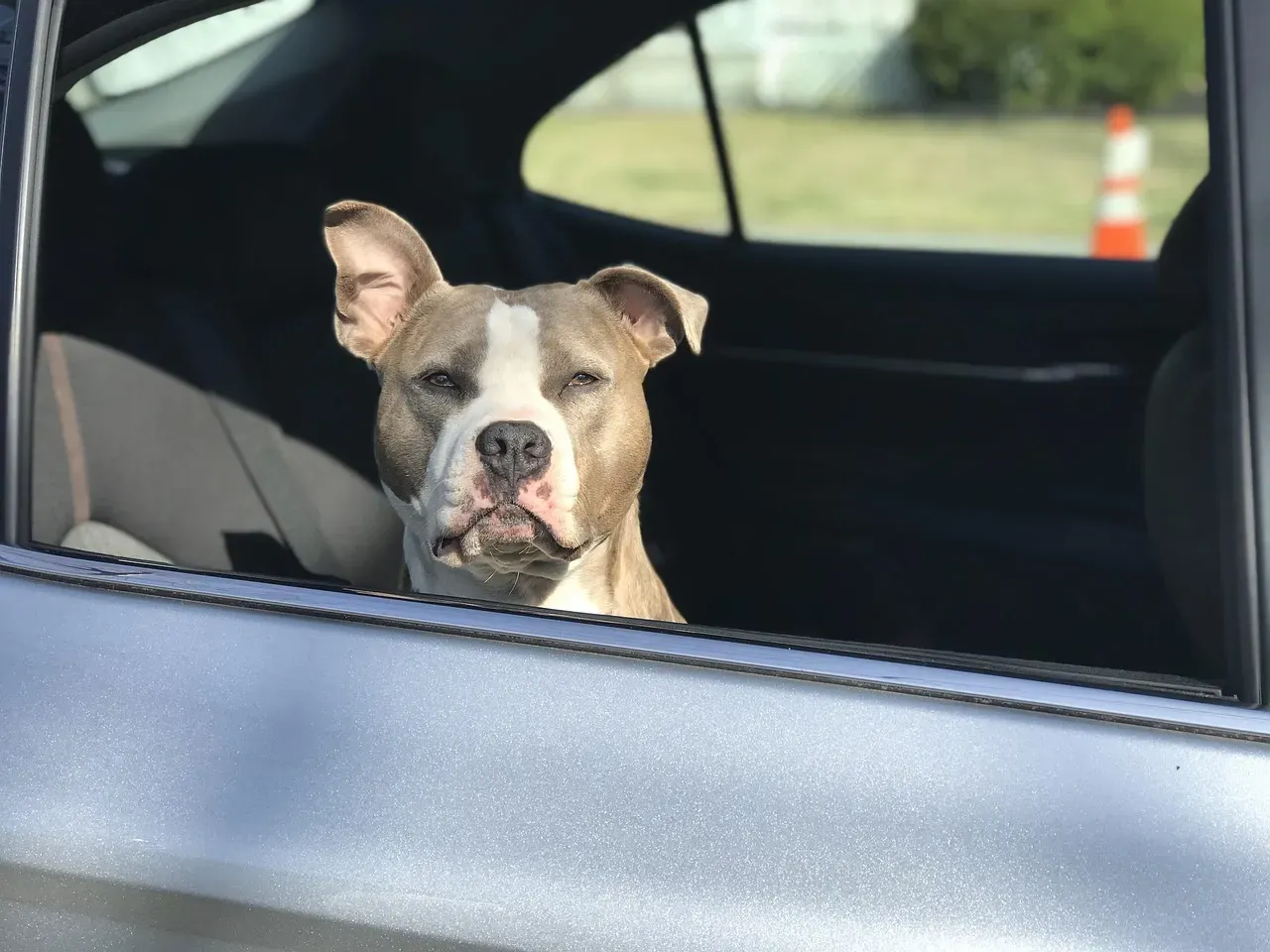
Airbags are great for you, but they can seriously harm or even kill your pet if you have an accident with them in the front seat. Because of this, pets should always be in the back seat. It sounds like a simple rule, but so many people overlook it every single day.
Airbags are simply not designed with pets in mind, and serious injury could occur if your pet is secured in the passenger seat during an accident. The main tip is to keep your dogs secured in the backseat, away from airbags. Keep that in mind even on short local drives – accidents don’t wait for long road trips to happen.
3. Never Leave Your Dog Alone in a Parked Car
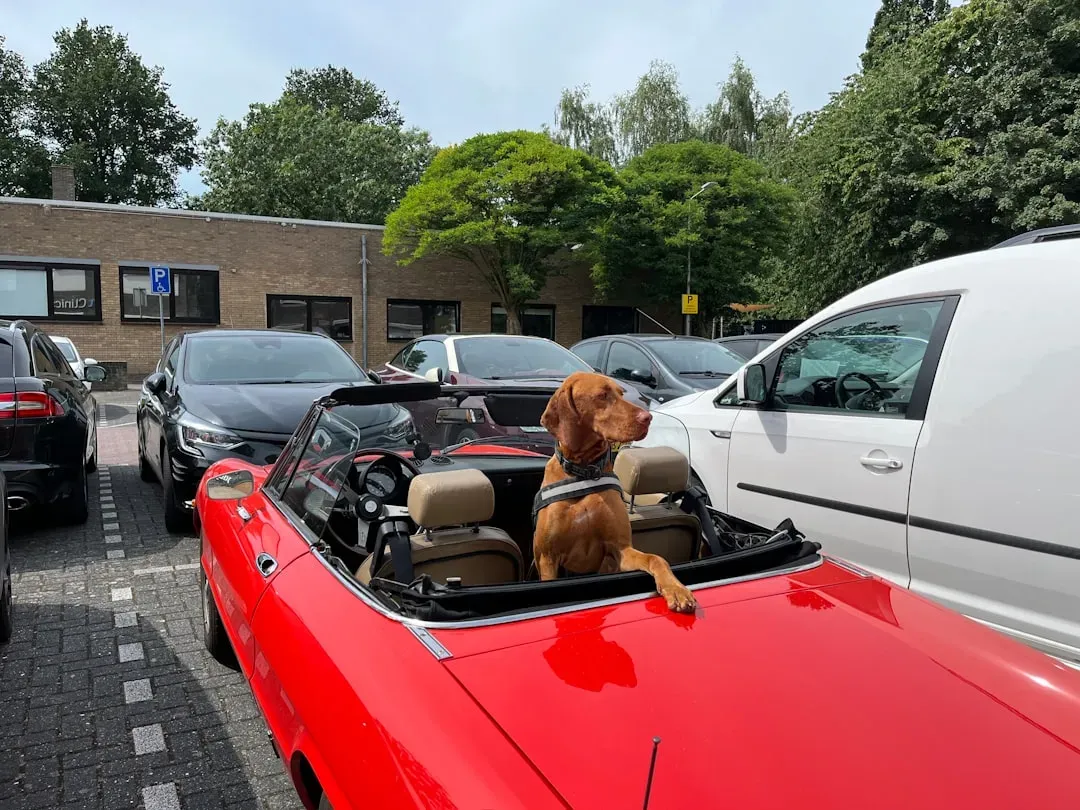
This one is non-negotiable, full stop. Temperature fluctuations can make it dangerous to leave your pet unattended in your car. Your vehicle can quickly reach a temperature that puts your pet at risk of serious illness or death – even on a day that doesn’t seem that hot, and even if the car is left in the shade. Cracking the windows makes no difference.
Research indicates that the temperature inside your vehicle can rise about 20 degrees Fahrenheit in just 10 minutes, and almost 30 degrees in 20 minutes. The longer you wait, the higher the temperature climbs. Dogs with short snouts like Pugs or French Bulldogs will succumb to heat exhaustion even faster than other breeds. If you need to stop, bring your dog with you. Every single time.
4. Visit Your Vet Before the Journey
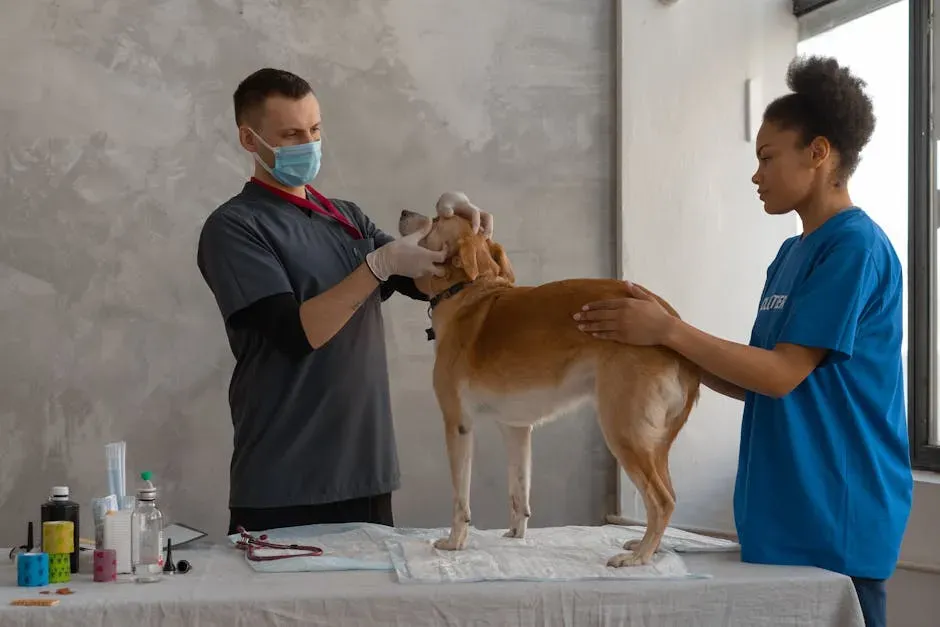
Think of this as your pre-flight safety check. If you’re going on an extended trip, be sure to schedule a vet visit to confirm your dog is healthy enough to travel. If your dog has a history of carsickness, your veterinarian can also provide guidance on any medications and supplements that may help ease their stomach.
If your dog has existing health issues, ask about how travel may affect them, and make sure your dog’s vaccines and flea and tick preventives are up-to-date. This is also an opportunity to ask your vet about anti-nausea or stress-reducing aids that may be useful during your drive. I think of the vet visit as a gift to your future self – it can save you from a stressful roadside emergency you never saw coming.
5. Watch for Motion Sickness – Know the Signs Early
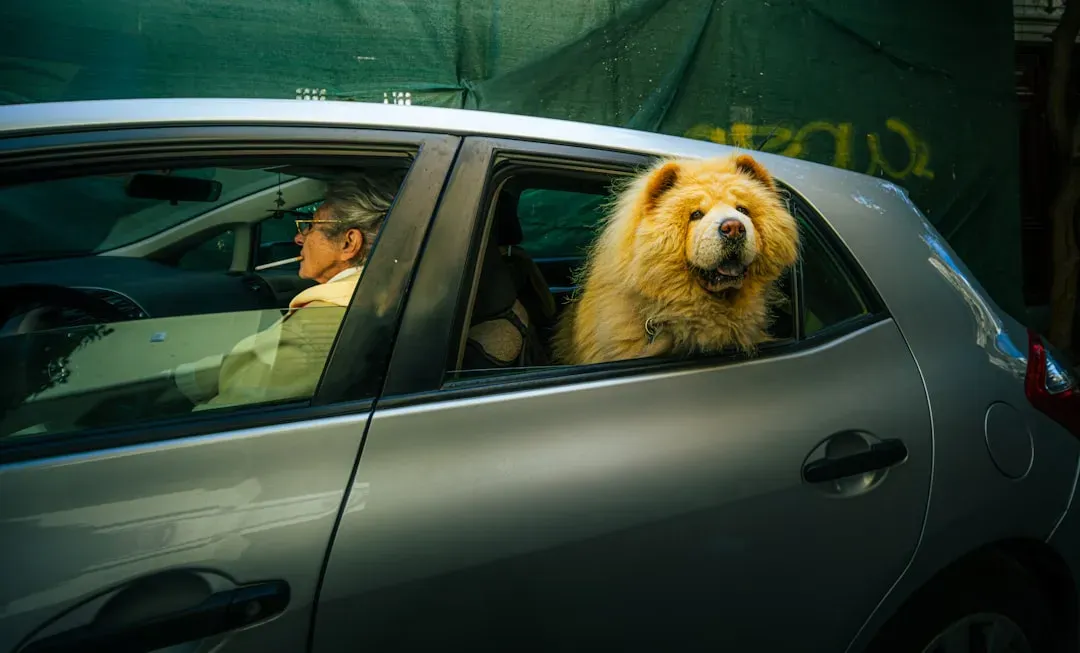
Monitor your dog for symptoms of motion sickness. Ideally, you’ll identify when your dog is feeling carsick before they physically vomit or experience diarrhea. Signs your dog might be feeling carsick include licking lips, drooling more than usual, whining, or being immobile. Catching these cues early gives you time to pull over calmly.
Ask your vet to prescribe anti-nausea medication or recommend a supplement. Never give your dog nausea medication intended for humans without veterinary approval. In some cases, if the carsickness is anxiety-related, your veterinarian will prescribe short-acting tranquilizers or supplements. Also, feed your pet a light meal three to four hours before you leave. While on the road, always stop to feed your dog and don’t feed them in a moving vehicle – this may help avoid pet carsickness.
6. Plan Regular Rest Breaks Along the Route

Would you drive eight hours without stopping once? Of course not. Your dog feels the same. Include regular breaks in your schedule at least once every two to three hours on long journeys, giving your dog plenty of opportunity to do their business, get some exercise and drink some fresh water. It’s genuinely one of the simplest and kindest things you can do.
Getting dogs some extra exercise before you leave may help them settle down and rest during the ride. Stick to their normal feeding and walking schedule as closely as possible, and offer frequent breaks to stretch, sniff, and hydrate during road trips. Even ten minutes of sniffing around a grassy rest stop can reset your dog’s mood completely – it’s like a mini vacation within the vacation.
7. Keep the Windows Closed (Mostly) – That Windswept Look Has a Price
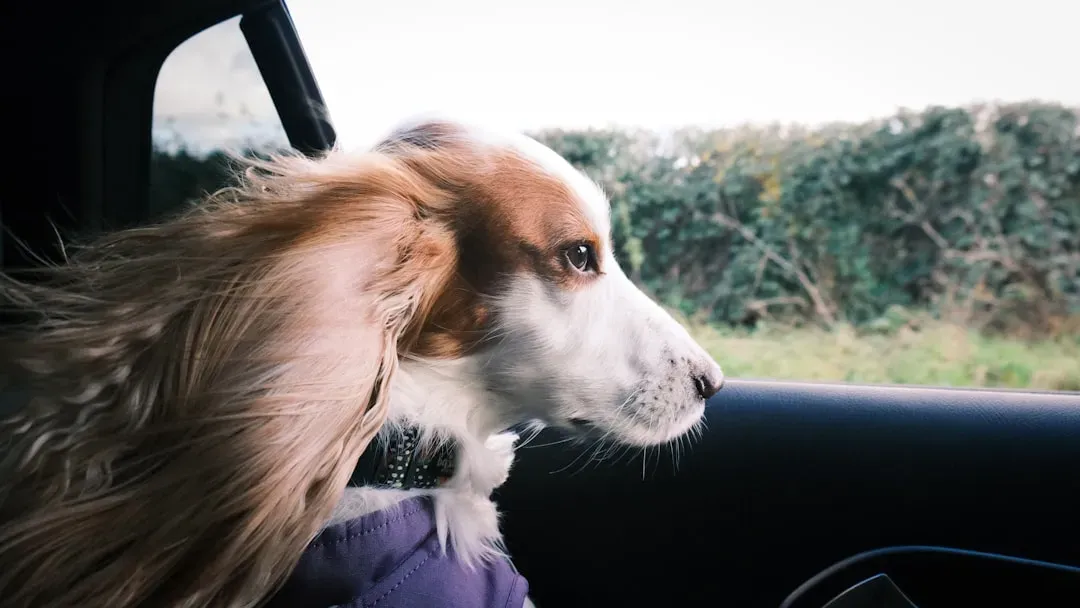
Honestly, watching your dog stick their head out the window is one of the most joyful things in the world. But it comes with real risks. Eye injuries from dirt, rocks, dust, and other debris are common when dogs have their heads outside of moving cars. Even a small amount of debris or a slight scratch to their cornea can cause serious damage resulting in time-consuming and expensive vet visits.
Ears flapping from high speeds can also result in lifelong problems for your pup. If you notice your dog’s ears are irritated or even swollen after a long car ride, you may want to think twice about lowering the windows the next time you hit the road. Crack the window just enough for fresh air to circulate. Cover the windows with sun blinds to make sure your dog doesn’t have to sit in blazing sunshine. Your dog gets the breeze, you keep their eyes and ears safe. Win-win.
8. Pack a Complete Travel Kit and Keep ID Up to Date
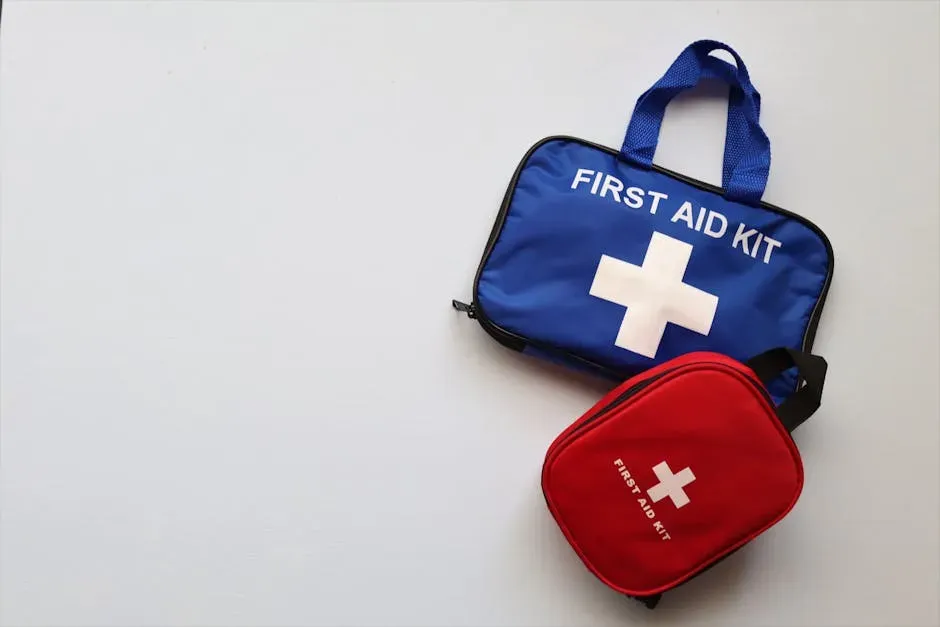
Here’s a scenario nobody wants: you’re miles from home, your dog cuts a paw at a rest stop, and you have nothing with you. Don’t be that person. Bring food, a bowl, leash, waste bags, grooming supplies, medication, a first-aid kit, your veterinarian’s contact information, and any travel documents your pet may need. Also pack a favorite toy, towel, or bedding to give your pet a sense of familiarity.
Ensure your pet is microchipped and has an ID tag with up-to-date contact information. Bring copies, digital or printed, of your dog’s medical records, including up-to-date vaccination records. Have contact information for veterinary clinics along your route in case of emergencies. For longer trips and vacations, get a temporary tag with the phone number of the destination where you’ll be staying in case your pet gets lost while you’re traveling. It takes five minutes to prepare and could honestly save your dog’s life.
A Final Thought Before You Hit the Road
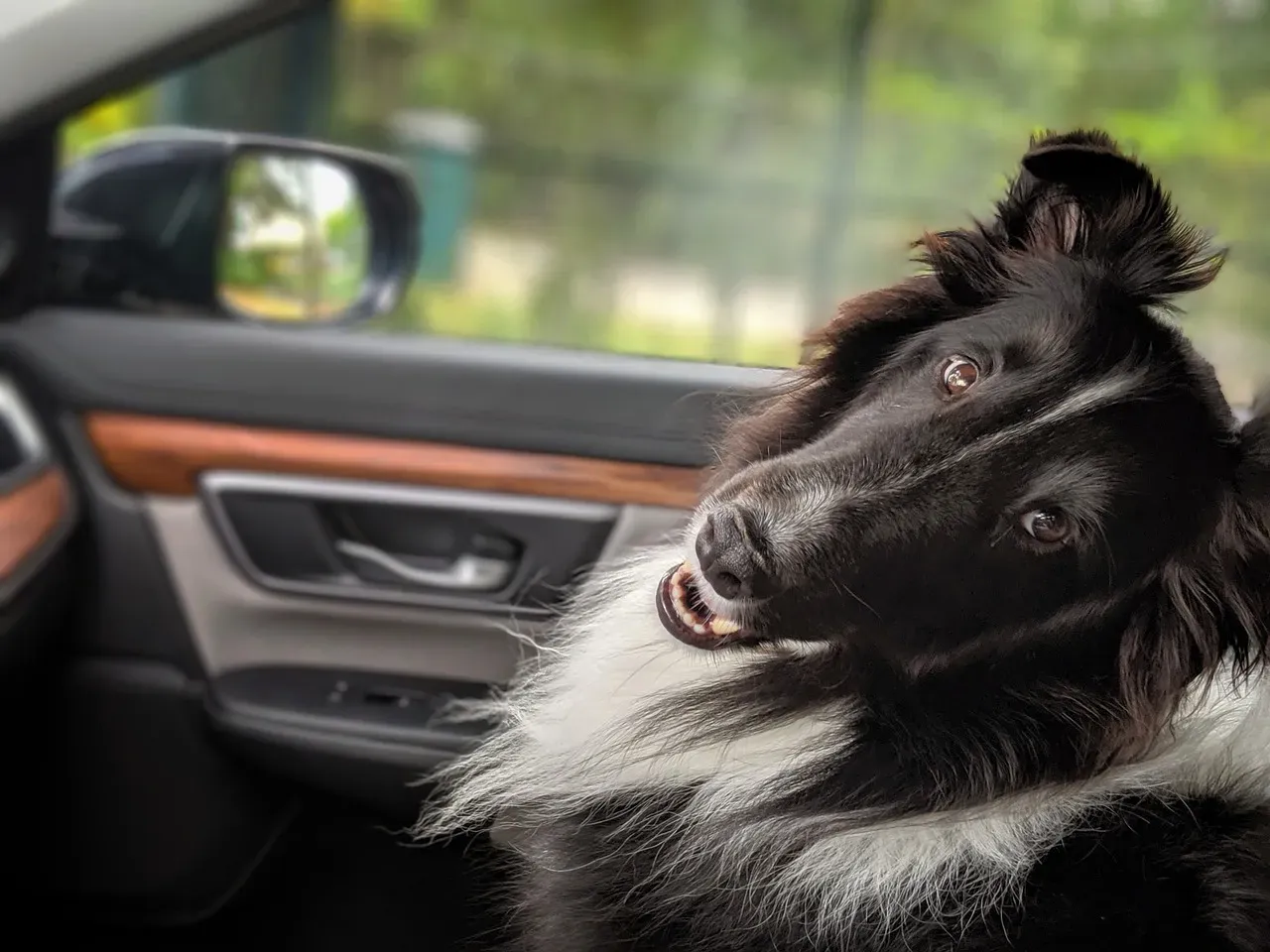
Road trips with your dog are one of the purest forms of joy there is. The wagging tail at a gas station, the sleepy head resting on your lap at a rest stop, the shared excitement of somewhere new. It’s irreplaceable. All it takes is a little preparation to make sure every single one of those memories stays exactly that – a happy memory.
Your dog trusts you completely with every mile of that journey. The good news is, with these eight tips in your pocket, you’re already ahead of the curve. Traveling or vacationing with your dog can be a fun and rewarding experience, and thoughtful preparation to ensure everything runs smoothly and keeps them safe and comfortable can make the difference between a fun and joyful trip and one that is stressful or even dangerous.
So double-check that harness, pack those documents, and hit the road with confidence. Your adventure awaits – and so does your dog’s tail-wagging approval. What’s your go-to trick for keeping your pup calm and happy on a long drive? Drop it in the comments below!


