

Picture this: you’re tossing a toy, your dog’s eyes light up, and suddenly those teeth sink into your arm a bit too hard. Ouch. It hurts, and you wonder why your furry friend hasn’t figured out gentle is better.
I’ve been there with countless pups over the years, and trust me, it’s frustrating. But here’s the good news. Understanding the root causes can turn things around. Let’s dive into the top eight reasons this happens, so you can help your dog become the soft-mouthed companion you deserve.[1]
1. Separated from Mom and Siblings Too Early
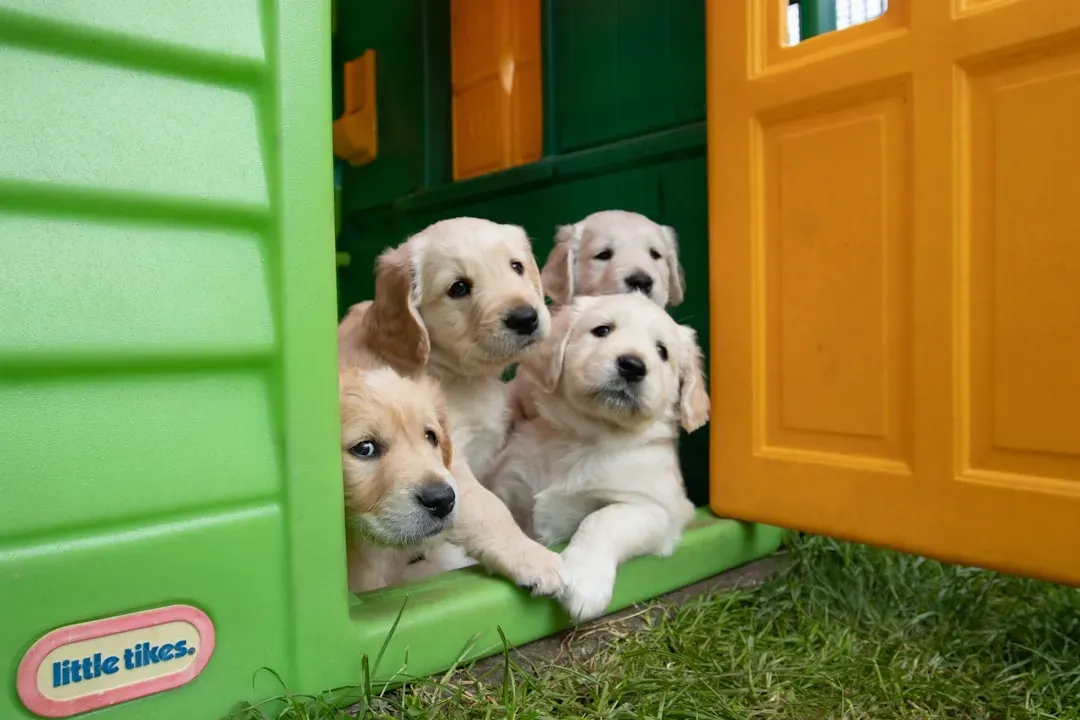
Puppies learn bite control the natural way through rough-and-tumble play with their littermates. When one nips too hard, the others yelp and stop playing, teaching instant feedback.[2]
If your dog left the litter before eight weeks, they missed those crucial lessons. You might notice hard mouthing during excitement. Start now by yelping sharply and withdrawing attention to mimic that puppy experience.
2. No Playtime with Other Puppies
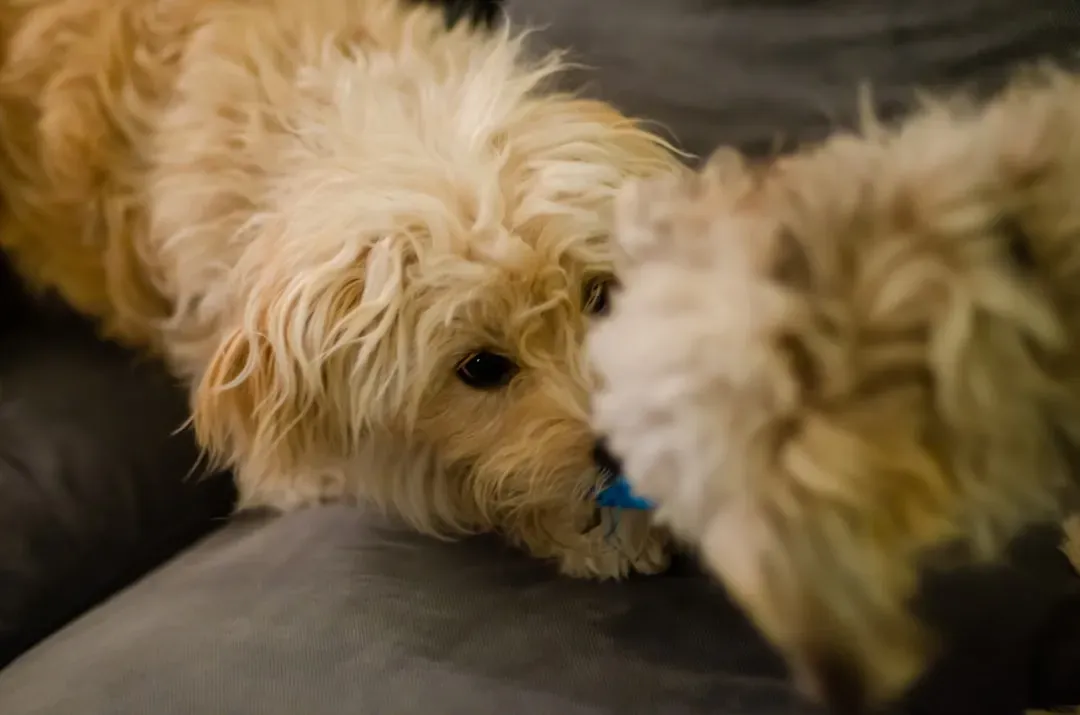
Dogs refine bite inhibition by playing with peers who communicate through body language and yelps. Without those doggy interactions, they don’t grasp how hard is too hard.[3]
Think of your solo pup at home, practicing only on human skin that’s way more sensitive. Arrange safe puppy playdates or classes soon. Watch for stiff tails or pinned ears as cues to intervene gently.
3. Harsh Punishments Over Gentle Guidance
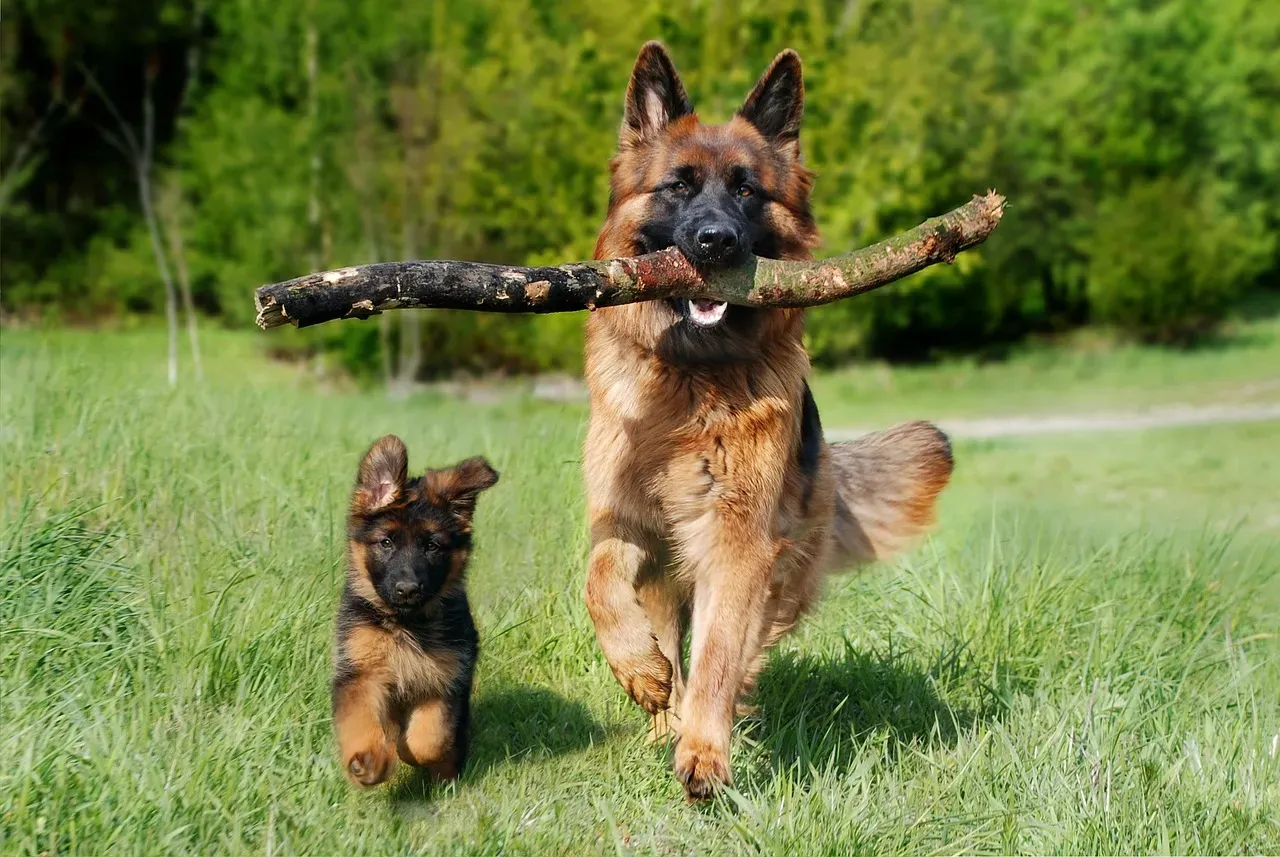
Yanking away or yelling might stop the bite momentarily, but it skips teaching control. Dogs need to learn through calm redirection, not fear.[4]
I’ve seen owners smack paws, only for biting to worsen in frustration. Instead, say “ouch” softly, freeze, and offer a toy. Consistency builds that soft mouth over time, making play fun again.
4. Genetic Factors at Play

Some dogs inherit a lower threshold for bite strength from their parents. It’s not aggression, just less innate gentleness in pressure.[5]
Breeds vary, and if parents lacked it, your pup starts behind. Observe during calm pets, if teeth graze too firmly. Extra training sessions reinforce learned control, proving nurture can boost nature.
5. Missing the Critical Puppy Window
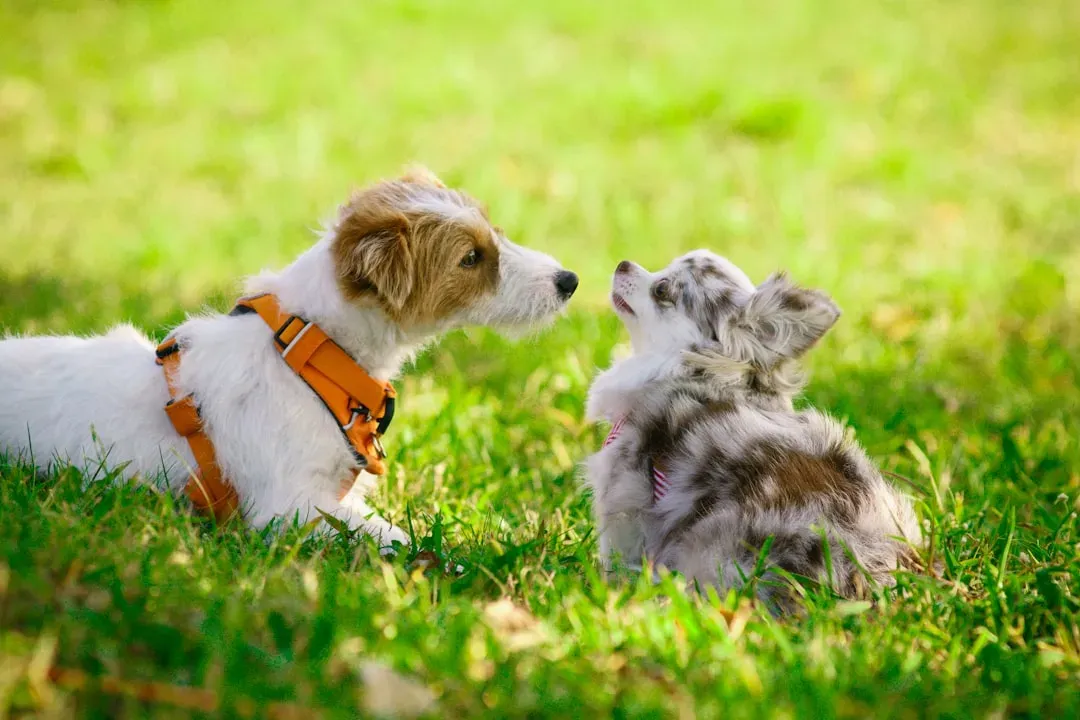
Between three and 14 weeks, puppies soak up social rules like sponges. Skip this, and bite learning lags permanently.[6]
Your adult dog chomping hands? Likely that window closed without enough exposure. Don’t despair, adults can improve with structured play. Enroll in obedience classes for simulated puppy interactions.
6. Roughhousing Becomes the Norm
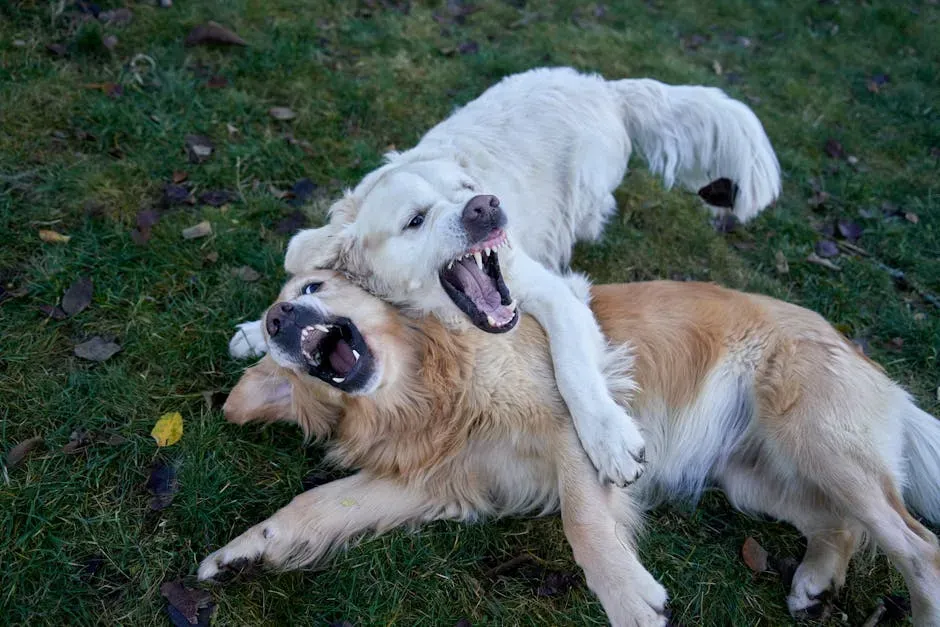
Wrestling or tug-of-war without rules teaches dogs that hard bites win the game. Excitement escalates, and control slips away.
Recall those family sessions where everyone laughs through the nips? It reinforces poor habits. Switch to fetch or gentle pats, praising soft mouths. Your dog will adapt, craving the positive vibes.
7. Inconsistent Family Responses
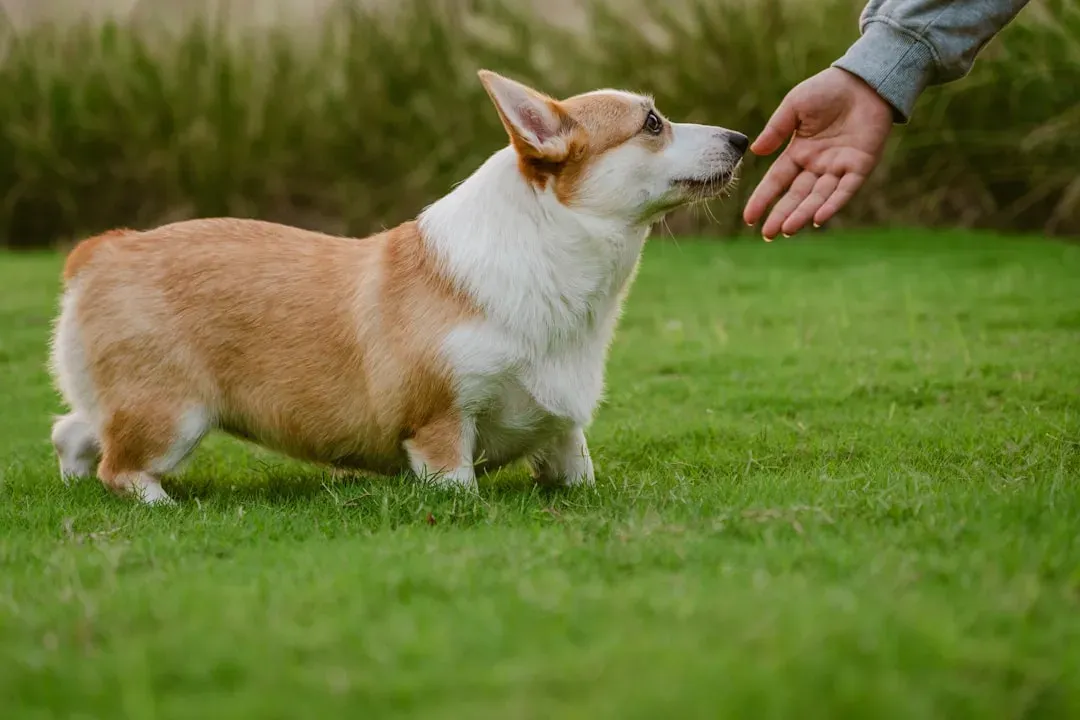
One person yelps and leaves, another giggles and keeps playing. Confusion reigns, and bite control never solidifies.
Get everyone on board with the same “ouch, game over” routine. Track progress in a journal, noting softer approaches. Soon, your pack feels united, and bites fade into gentle nudges.
8. Hidden Pain or Fear Triggers

A sore paw or scary vet visit can make even good biters snap without control. They bite to communicate discomfort.
Look for limps, whining, or avoidance of touch as signs. Vet check first, then desensitize with treats during handling. Relieved and confident, their natural gentleness shines through.
Wrapping It Up: Gentle Bites Start Today
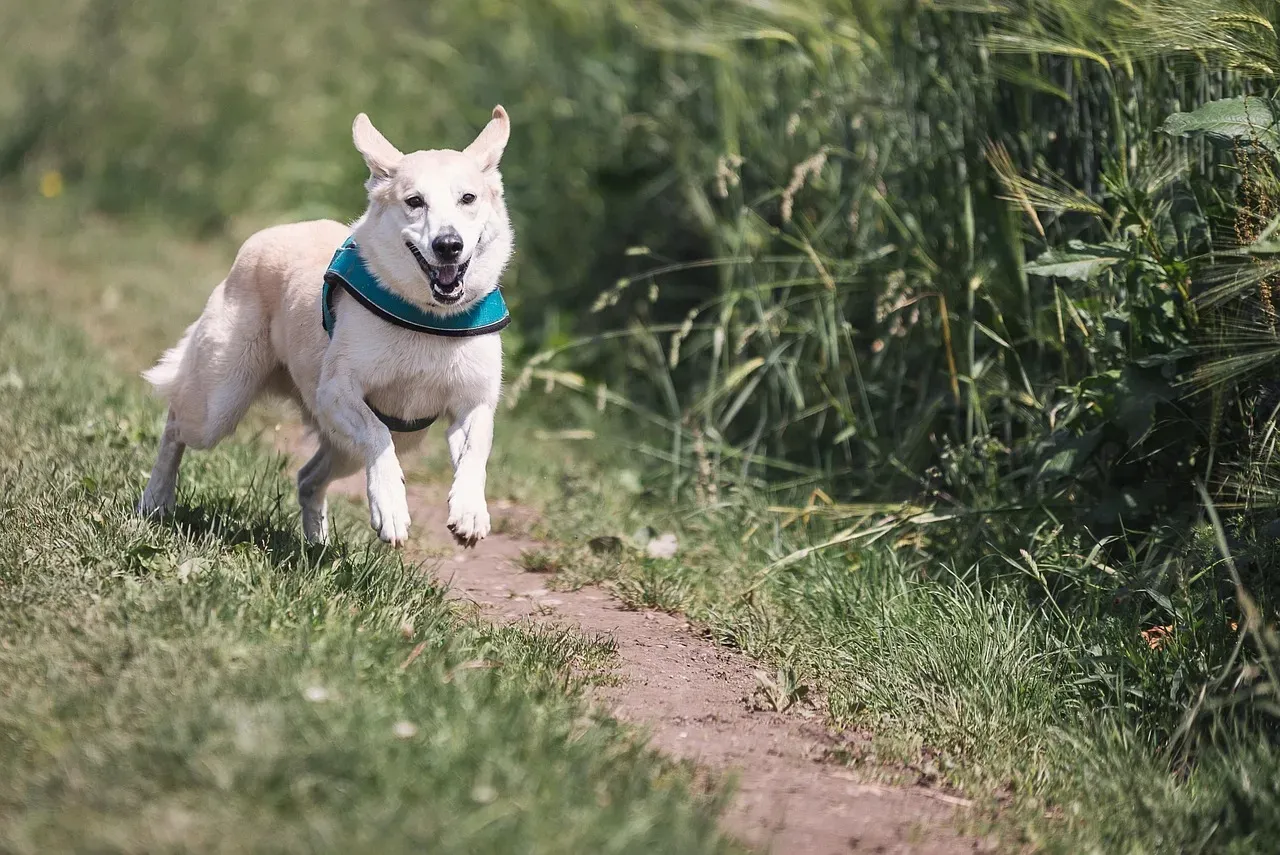
Your dog’s mouthy ways don’t define them, they’re just missing pieces of the puzzle. With patience and these tweaks, you’ll see softer play emerge.
You’re already a great owner for seeking answers. What’s one step you’ll try first? Share in the comments, fellow dog lovers, and let’s celebrate those progress wins together.


