
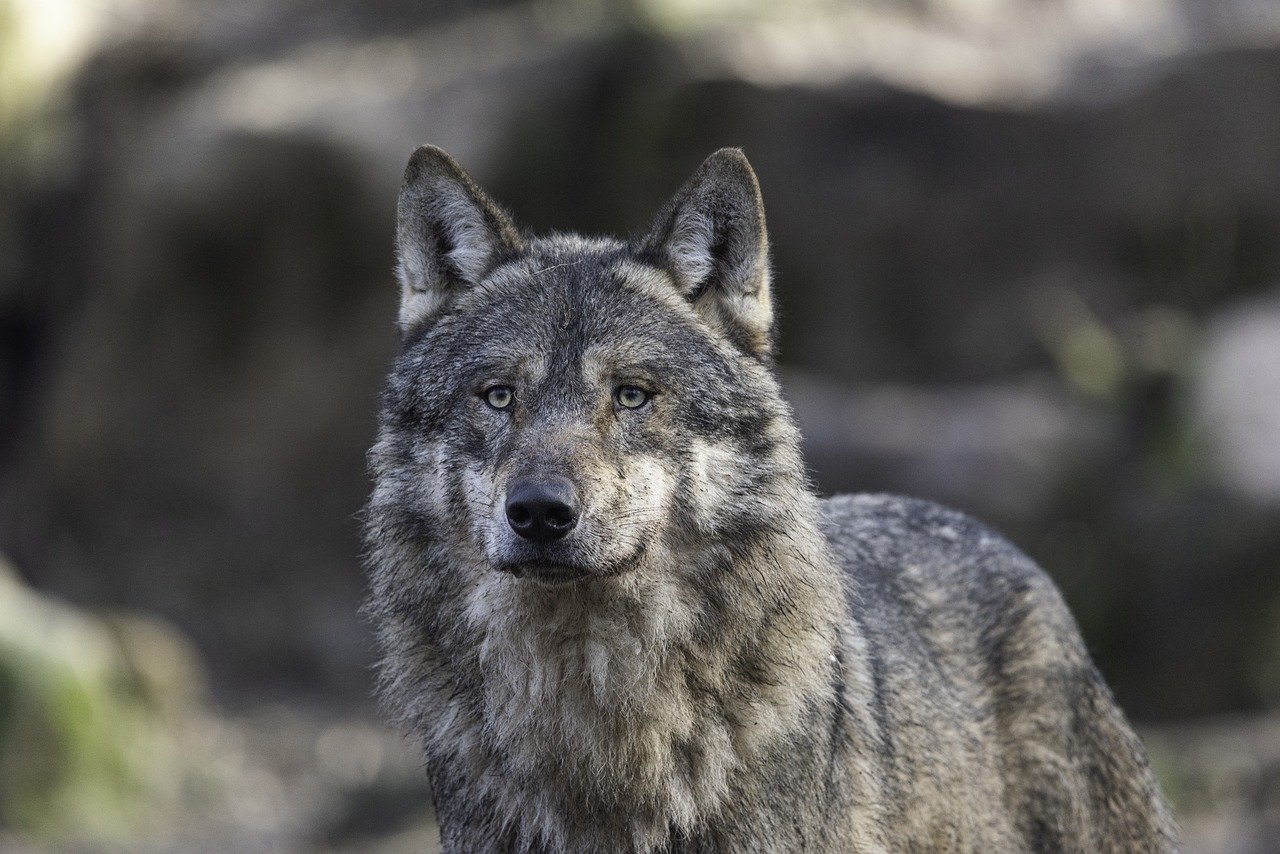
Arizona – Recent research illuminated how public sentiments toward gray wolves, including the controversial Mexican gray wolf, hinge on whether political identities enter the conversation.[1][2]
Broad Appeal Before the Political Lens
Scientists at the University of Montana conducted two experiments involving more than 2,200 participants from nine states with established wolf populations. Initial surveys revealed generally positive attitudes toward wolves across the political spectrum. These views showed only a weak connection to ideology at first glance.
The findings surprised observers amid heated debates over wolf management. Respondents expressed affinity for the animals without strong partisan leanings. This baseline suggested potential for consensus in conservation efforts.[1]
Priming Identities Sparks Polarization
Everything changed when researchers activated participants’ political identities. Democrats reported significantly stronger positive feelings toward wolves. Republicans, in contrast, saw their support drop markedly.
Alex Metcalf, an associate professor leading the work, explained the shift during a recent interview. “When we remind people of those political identities, they start to look at wolves and other issues through those lenses,” he said. “And we start to get the polarization that we think exists out there.”[1]
This effect mirrored broader patterns in wildlife debates. Metcalf noted that both parties adjusted views based on group cues. The study appeared in the journal Conservation Biology earlier this year.
Roots in Misunderstood Group Views
Polarization stemmed not from out-group hostility but from overestimated extremes within one’s own party. People assumed fellow partisans held more radical stances than they did. Correcting these perceptions with actual survey data moderated attitudes.
A brief 30-second intervention proved effective. It reminded participants of their group’s real positions, drawing opinions closer together. Metcalf highlighted this approach: “By providing people good information about their own group and about other groups that contradicts those extreme assumptions, we can actually start to bring people together.”[1]
- Initial attitudes: Positive and weakly ideological.
- Post-priming: Democrats more pro-wolf; Republicans less supportive.
- Intervention success: Modest convergence after showing true group data.
- Sample scope: Over 2,200 from nine wolf-populated states.
- Broader application: Extends to grizzly bears and similar issues.
Arizona’s Mexican Wolves in the Spotlight
The research arrived amid fierce contention over Mexican gray wolves in Arizona and neighboring areas. Republican Congressman Paul Gosar introduced legislation to remove the subspecies from Endangered Species Act protections. Meanwhile, the Center for Biological Diversity filed suit against the U.S. Fish and Wildlife Service for neglecting a national recovery plan.
These battles underscored the study’s relevance. Ranchers voiced concerns over livestock losses, while conservationists pushed for expanded habitats. Metcalf warned against narratives fueling assumed conflict. “The story that we are told through our media, by politicians… is a story of extreme conflict,” he observed.
Key Takeaways
- Consensus on wolves exists until politics activates, revealing hidden rifts.
- Accurate information about group views offers a path to bridge divides.
- Conservation strategies should emphasize unity over partisan framing.
Wildlife managers now face a clear message: subtle cues can unite or fracture support for species recovery. Bridging these gaps demands strategies that sidestep identity traps and highlight shared values. What are your thoughts on balancing politics and wolf conservation? Share in the comments below.


