

Imagine adopting a dog and expecting tail wags, sloppy kisses, and a new best friend – only to find a creature so quietly broken they flinch at your shadow. It stops you cold. You want to help, but you don’t know how. You’re not alone in this, and honestly, neither is your dog.
Dogs are a social species wired for connection, and trauma rewires them for protection. It removes their sense of safety, peace, security, and confidence. The road back can be long, but it is absolutely real. Every gentle step you take matters more than you know. Let’s walk it together.
1. Understand What Trauma Actually Does to a Dog

Before you can help, you need to understand what you’re dealing with. Trauma is not the actual event itself – it’s not the circumstance or the occurrence. Rather, trauma is how the event or circumstance is internalized. Think of it like this: two dogs can experience the same scary situation, and one walks away unbothered while the other carries invisible weight for years.
Whether they were neglected, abandoned, abused, or simply undersocialized, trauma affects each dog differently. Some may shut down completely, while others may display signs of fear-based aggression or extreme anxiety. Knowing this helps you stop asking “why won’t my dog just relax?” and start asking “what does my dog need right now?”
2. Learn to Read the Signals Your Dog Is Sending
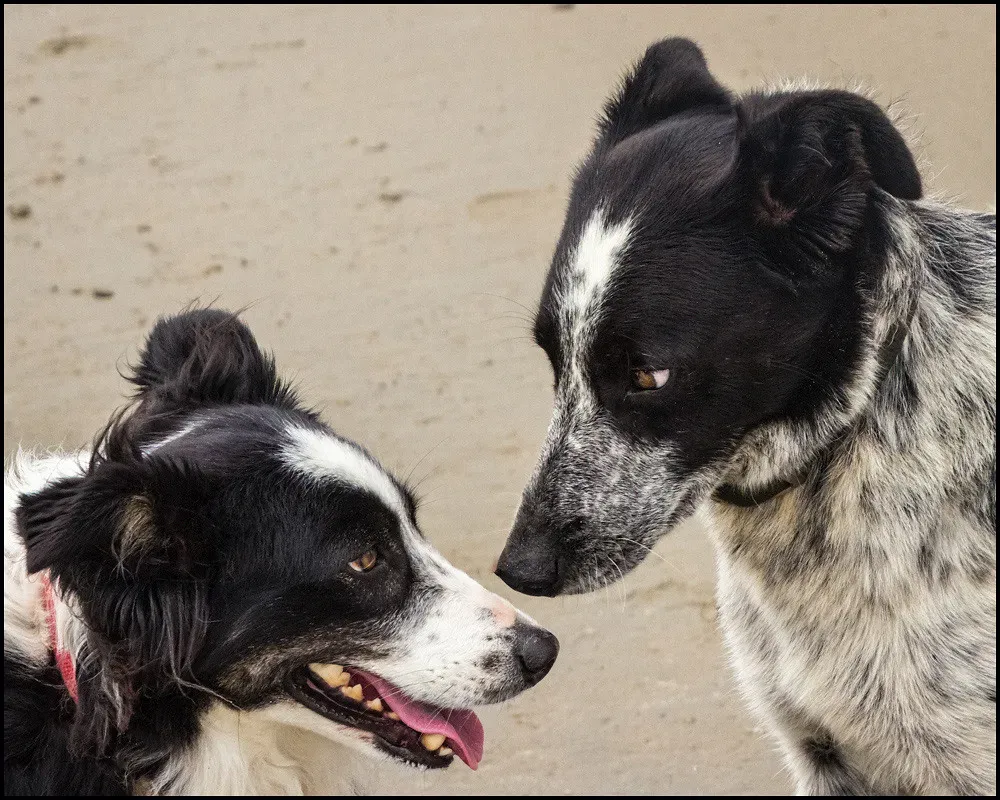
Dogs communicate primarily through body language. Recognizing signs of stress like tucked tails, lip licking, whale eyes, or yawning can help you understand when your dog is feeling overwhelmed. Equally important are signals of curiosity and comfort, like soft eyes or a relaxed posture. These are not random quirks – they’re your dog talking to you.
A dog that is fearful and anxious will have a tense body, hold their tail low or tucked, and may avoid eye contact, pant, or pace. Other signs include cowering, carrying ears low or flat, standing still and stiff, a curling lip, trembling, whining, yawning, or lip licking. The moment you learn to read these cues fluently, everything shifts. You stop accidentally pushing your dog past their limits, and trust quietly begins to grow.
3. Create a Safe, Dedicated Sanctuary Space
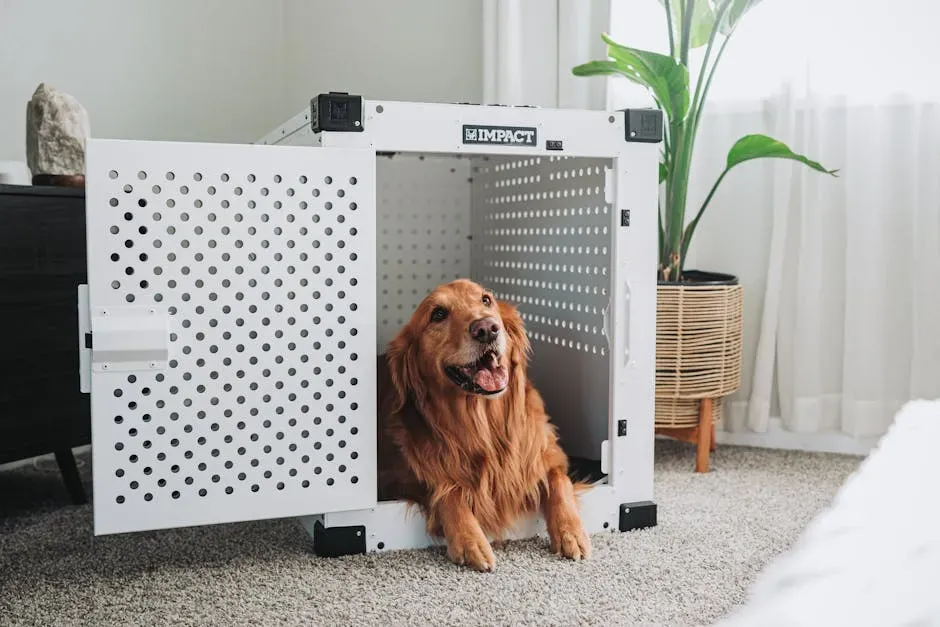
One of the best ways to help your dog is to let them retreat into a safe place when they feel the need to. Give your dog space, and if they take a step backward, let them back off to escape. Ensure you provide your dog with a quiet room they can call their own, complete with a calming dog bed, soft blankets, extra food and water, and even a few of their toys.
Before your dog even walks through the door, preparing your space can make all the difference. Create a calm, quiet decompression zone where they can retreat without pressure. A crate with soft bedding in a low-traffic area is ideal. Keep their environment consistent with daily routines and limited stimulation, and avoid overwhelming them with new people or experiences in the first week. Think of it as gifting them a room of their own – a place where nothing bad happens, ever.
4. Build a Rock-Solid Daily Routine
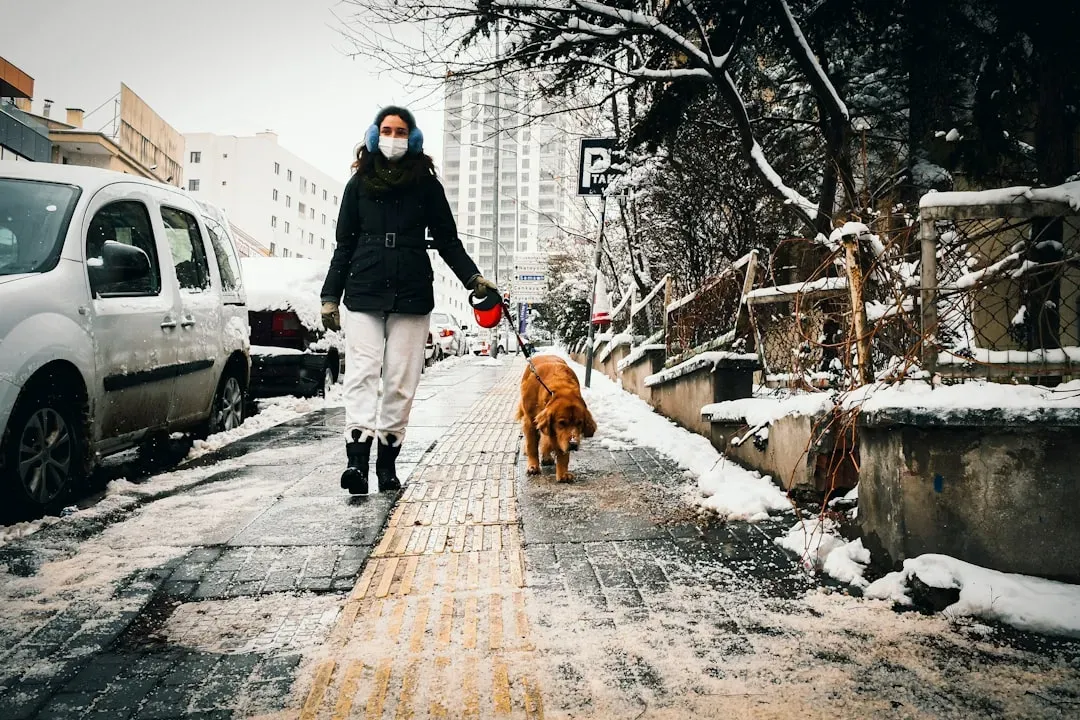
Canine trauma is complex and requires a patient, consistent, holistic behavioral approach that replenishes their sense of safety, trust, and confidence. It’s critical to maintain a consistent, structured routine to create a level of predictability and certainty – that includes sticking to routines around wake time, relief, feeding, structured walking, exercise, and sleep.
Establishing a routine of mealtimes, walks, and even training times can go a long way in building your dog’s trust and their sense of security in their new environment. Creating a daily routine develops your dog’s sense of security and increases their trust in you and your ability to take care of them. Predictability is basically a love language for traumatized dogs. When they know what comes next, they finally exhale.
5. Move Slowly and Make Yourself Less Threatening
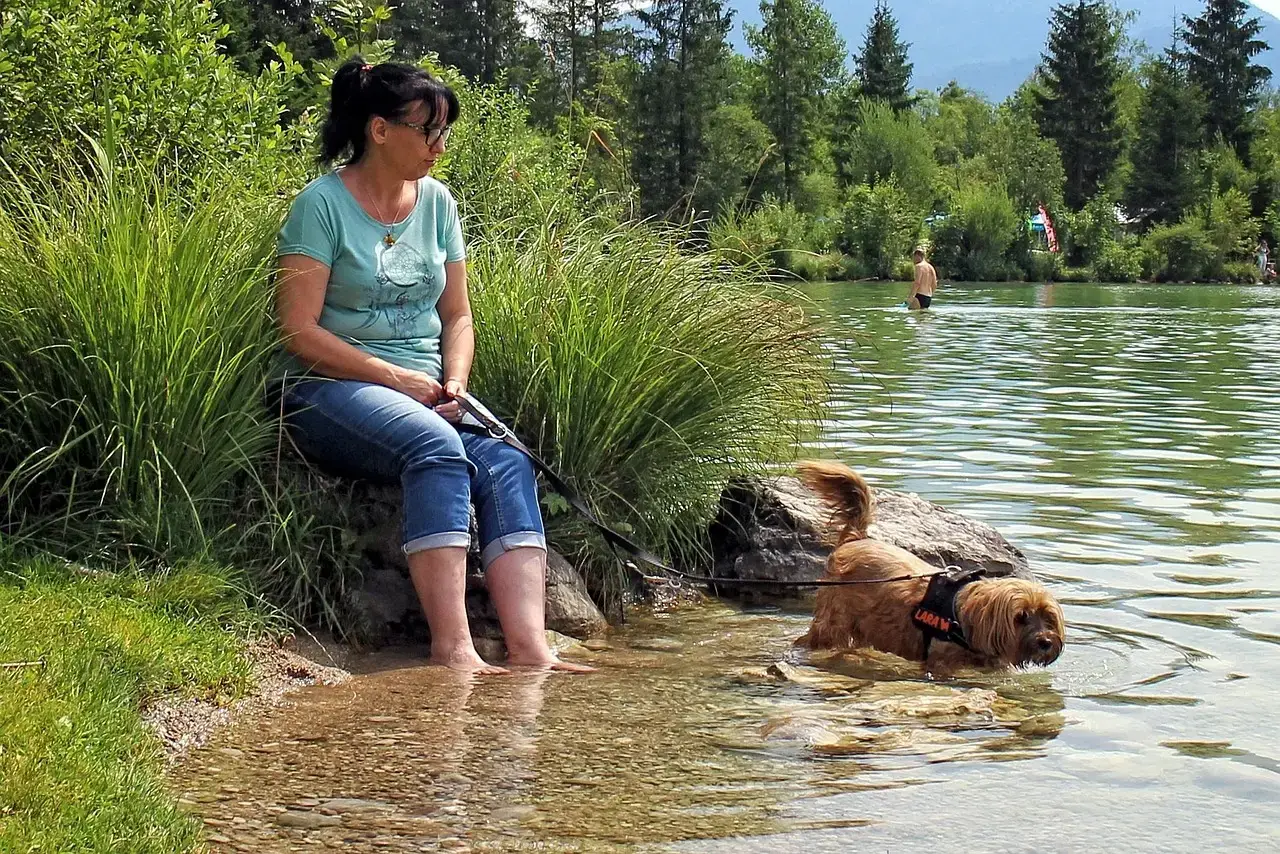
One of the biggest mistakes you can make around a dog struggling to rebuild trust is moving too fast. Unexpected, quick movements can startle dogs – not just those with an abusive past. Before you stand up, lift your arms, or make quick or sudden movements, try to get your dog’s attention subtly without alarming them. The key is to help your dog anticipate your movements so they don’t feel scared or startled.
When interacting with an anxious dog, making yourself appear smaller in size can go a long way in building trust. If you are standing up or looming over your dog, you can overwhelm them with your presence. Try to sit on the floor or lay down, as it makes you appear less threatening. Keep your motions small and slow as your dog gradually adjusts to your presence. I know it sounds a little odd – lounging on your kitchen floor like you live there – but to your dog, it’s an enormous act of kindness.
6. Use Positive Reinforcement, Never Punishment
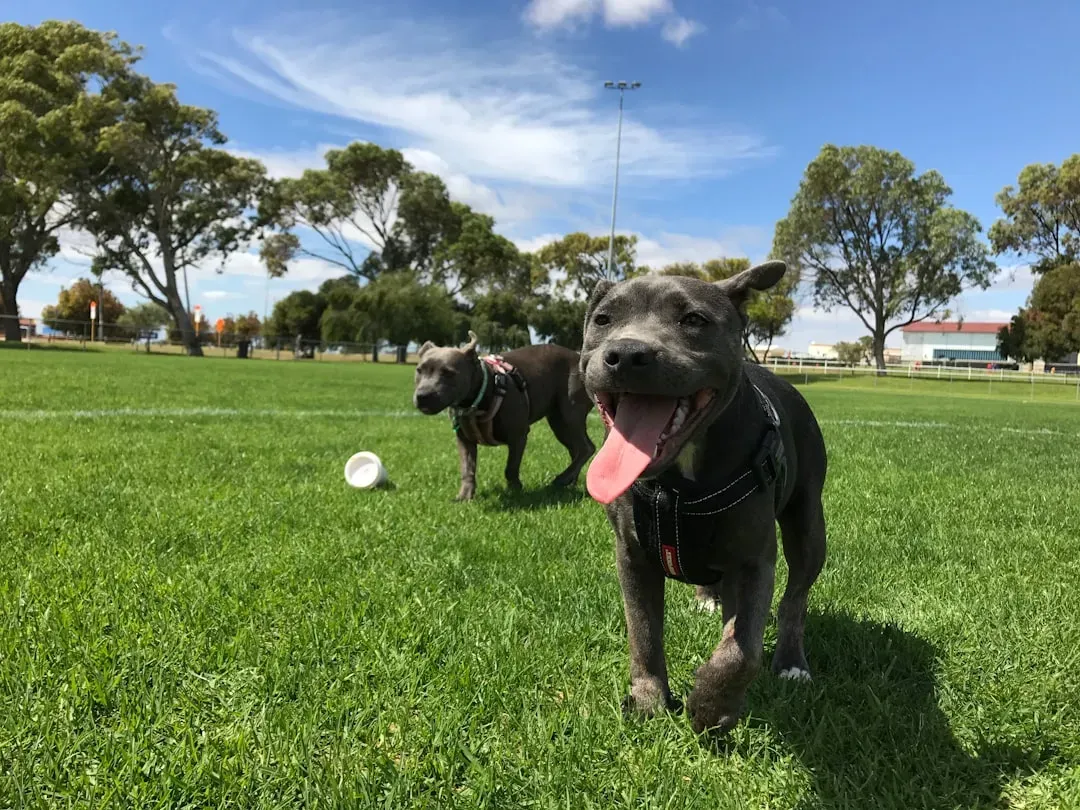
Rewarding desirable behavior with treats, praise, or affection helps them associate positivity with specific actions. Avoid punishments or harsh corrections, as these can worsen their fear and anxiety. This isn’t just good advice – for a traumatized dog, punishment can be genuinely devastating. It confirms every fear they already carry.
It is essential never to use punishment for behavioral issues. Punishment destroys trust and is more likely to cause problems. A rescue dog may respond negatively to harsh discipline, reinforcing fears instead of overcoming trauma. Positive reinforcement isn’t just a training technique here. It’s how you rewrite your dog’s entire story about what humans mean to them.
7. Give Your Dog a Sense of Choice and Control

Don’t force your dog to do things – let them enjoy a sense of control. A dog that was abused in the past never had the opportunity to feel in control of any situation. Offering choices empowers the dog and helps them gain confidence. Something as small as letting them choose which side of the yard to walk along can be quietly revolutionary for a dog that once had no say in anything.
Place a few beds so your dog can pick which one to sleep on, offer a safe amount of freedom during walks and play along by allowing them to turn in whichever direction they want, and if you want to brush their coat or trim their nails, let them offer themselves to you comfortably. Wherever possible, offer choices and reward the dog to encourage positive behaviors. Autonomy is deeply healing – for dogs and humans alike.
8. Let Your Dog Set the Pace for Connection
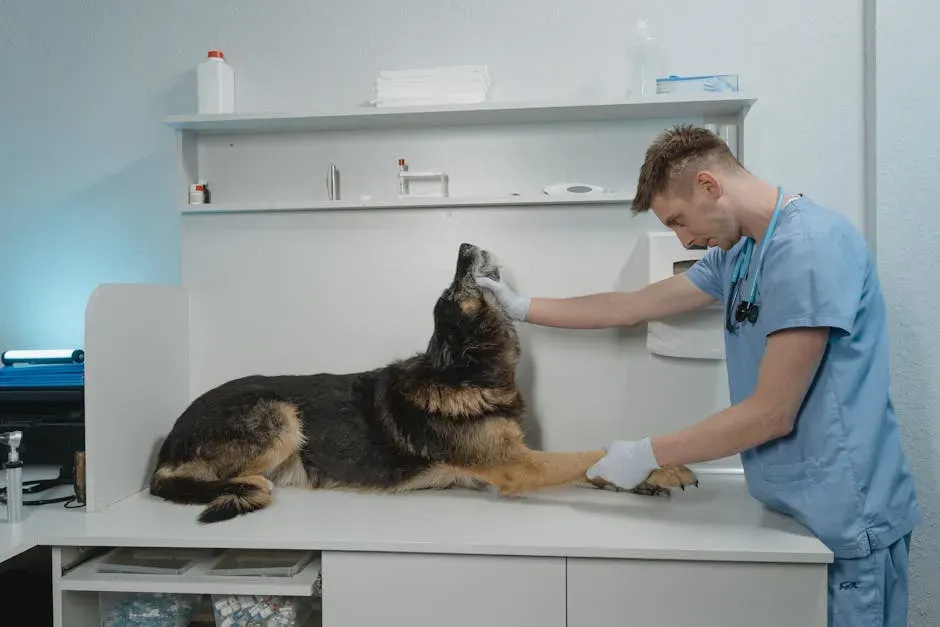
Be aware that healing takes time and not all dogs want to be touched right away. They may need extra time to get comfortable and trust a new human. When meeting a new dog, or when you have a new dog in your home, pay attention to their energy and body language. Sense if they are trying to communicate that they want and need space. If you feel the dog is asking for these things, you must respect it.
One of the most powerful things you can do for a fearful dog is give them space and let them set the pace. Don’t force cuddles or interactions. Instead, use soft tones, baby talk, and a calm presence to show you’re a source of safety. Sit quietly near them, offer treats from a distance, and reward any small act of bravery. When a scared dog chooses to approach you, it’s a beautiful and powerful moment of trust.
9. Use Enrichment Activities to Rebuild Confidence
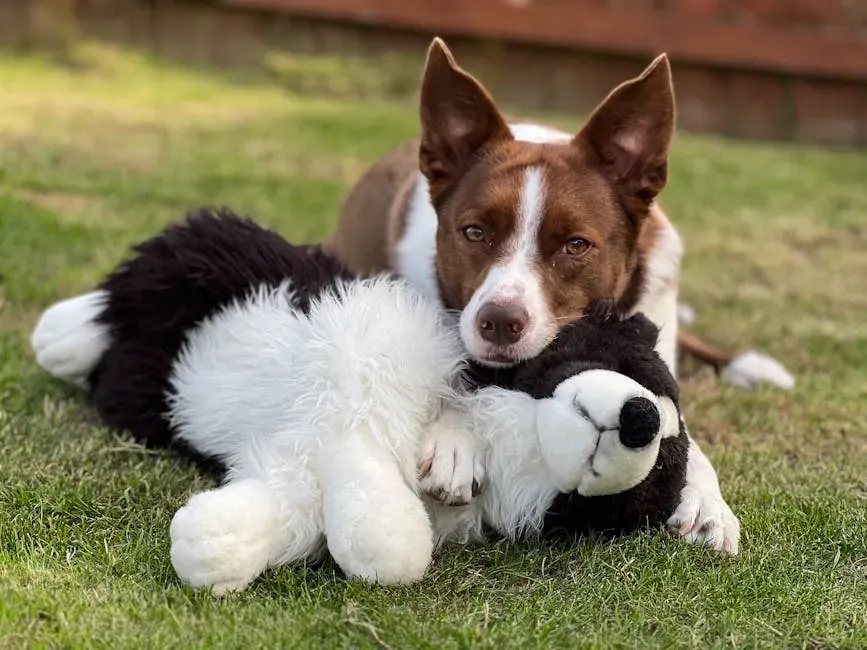
Mealtime is more than just nourishment – it’s a trust-building opportunity. Use enrichment tools like lick mats, puzzle feeders, and frozen Kongs to stimulate their brain and create positive experiences. Small victories like eating in your presence or engaging with toys help them build confidence. These activities also help release energy in a calm and constructive way.
Invite your dog into a mild game such as “find it,” searching for food or toys – using their nose is a wonderful stress-relieving tool. If your dog is more energetic, try some tug, shredding, digging, or other enrichment activity. Engaging in these activities can help your dog release tension and give them the chance to self-soothe. Think of enrichment like physical therapy for the anxious brain – small, joyful exercises that slowly restore what fear took away.
10. Know When to Call in a Professional
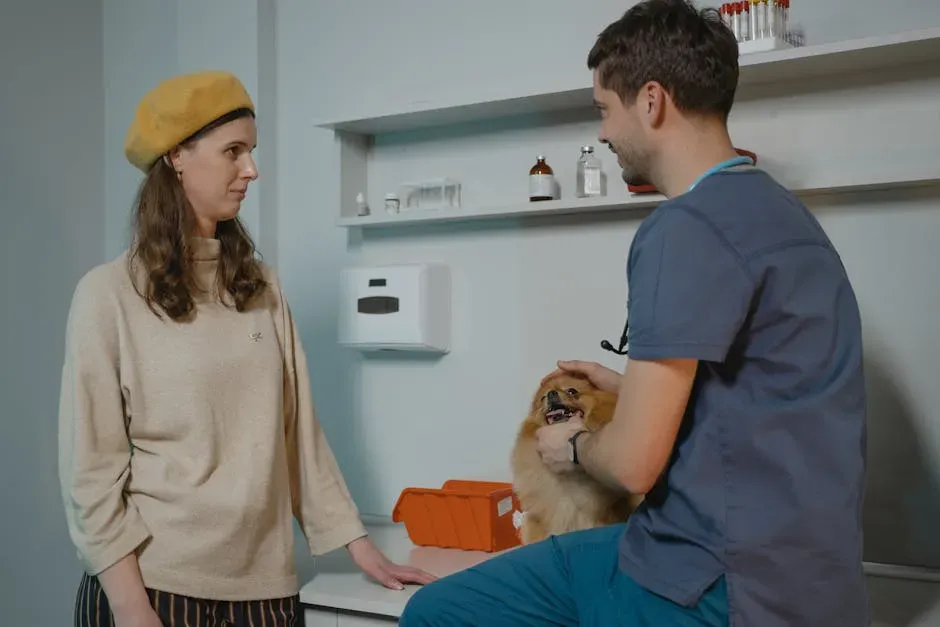
There may come a point where you need to seek professional support when helping your dog. Consulting with your vet or a behavior consultant and finding community support groups can provide guidance and encouragement to overcome challenges. You specifically want a vet or certified animal behaviorist that has dealt with traumatized dogs before.
Veterinarians, veterinary behaviorists, and certified dog behaviorists are experts trained to diagnose and develop treatment plans for behavior and psychological issues in dogs. They possess the knowledge and experience needed to assess and address a wide range of behavioral problems, including those arising from trauma or stress. Asking for help isn’t giving up – it’s giving your dog the very best chance. Sometimes that extra layer of professional guidance is what makes all the difference between a dog that survives their past and one that genuinely thrives.
A Final Thought: Love Is Patient, and So Is Healing

Here’s the thing nobody tells you when you bring home a traumatized dog: the healing isn’t linear. Some days feel like breakthroughs, and other days feel like starting all over again. That’s completely normal. It may take time to help your dog accept that their new home is a friendly and safe one, but if you embrace the journey, it will become an immensely rewarding experience that leaves a lasting impact on both you and your dog.
Dogs are very present. They aren’t thinking about that sad old story – they are in the moment, right now. They are ready to move forward as soon as you are. That’s honestly one of the most inspiring things about dogs. They don’t hold grudges. They’re not waiting for a perfect apology. They’re simply waiting for someone steady and safe to show up – and that someone can absolutely be you.
Every small act of patience, every treat offered without expectation, every time you sit quietly on the floor and just let your dog breathe near you – that’s love in action. And over time, that love has the power to rebuild a broken world. What kind of story will you and your dog write together?


