
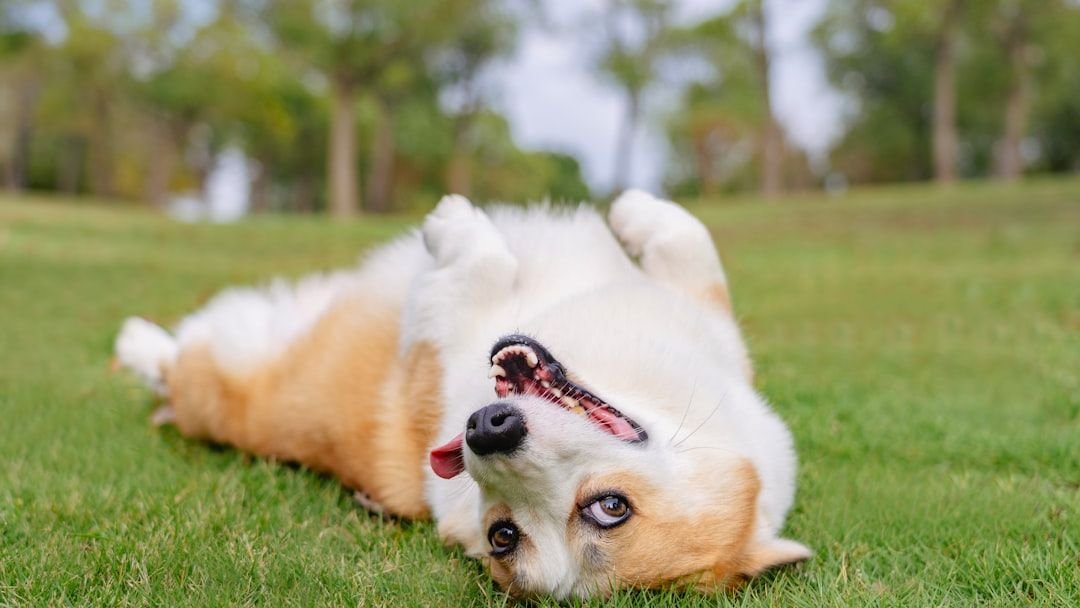
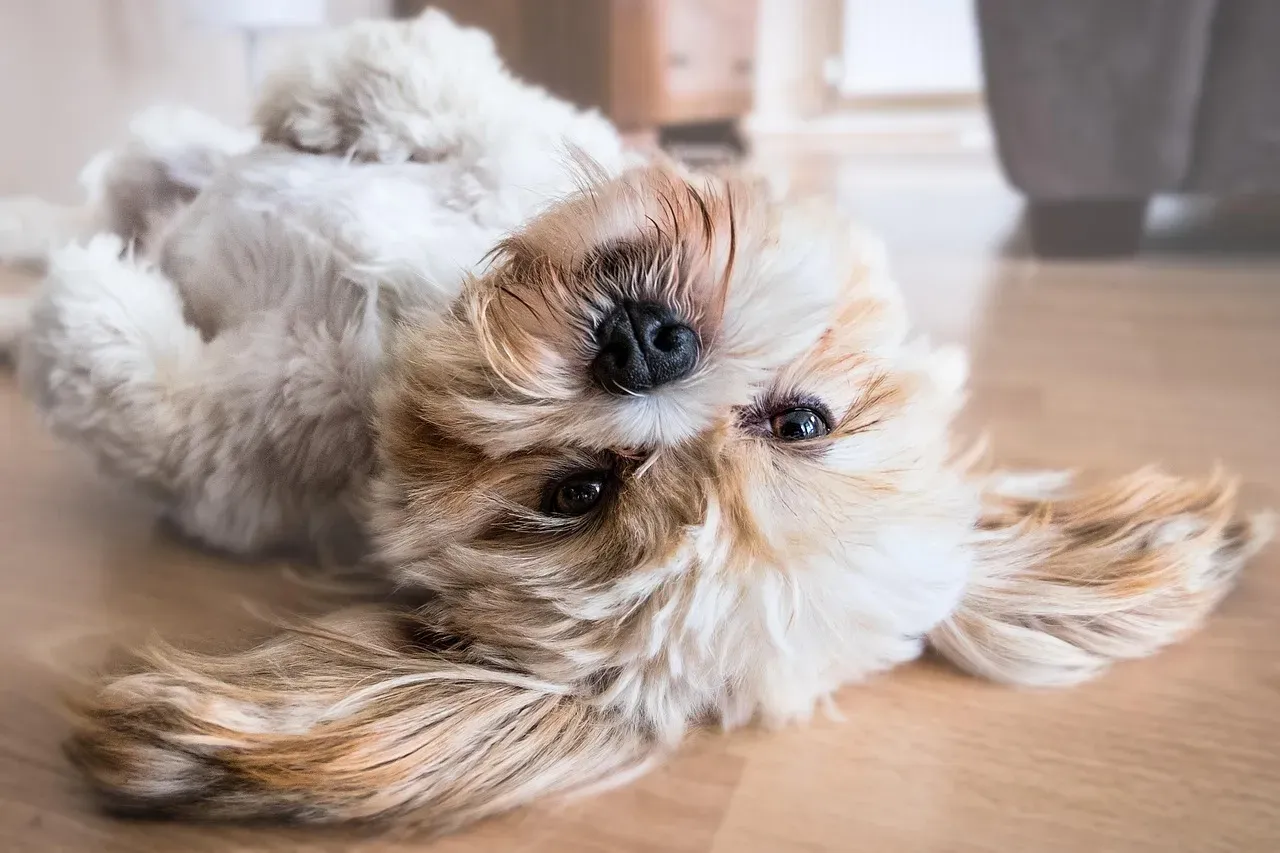
Picture this. You walk into the room, and your dog immediately flops onto their back, paws in the air, belly pointing straight at the ceiling. Your first instinct? Dive in for the rub. Honestly, who could blame you.
But here’s the thing – that soft, warm belly your dog is offering you is far more than an invitation for a tickle. It is one of the most layered, emotionally loaded gestures in the entire canine world. Miss what it truly means, and you miss a huge part of your dog’s inner life. Get it right, and you deepen a bond that is already pretty extraordinary.
There is so much more going on beneath the surface of that little upturned tummy. Let’s dive in.
The Belly is the Most Vulnerable Thing a Dog Can Offer You
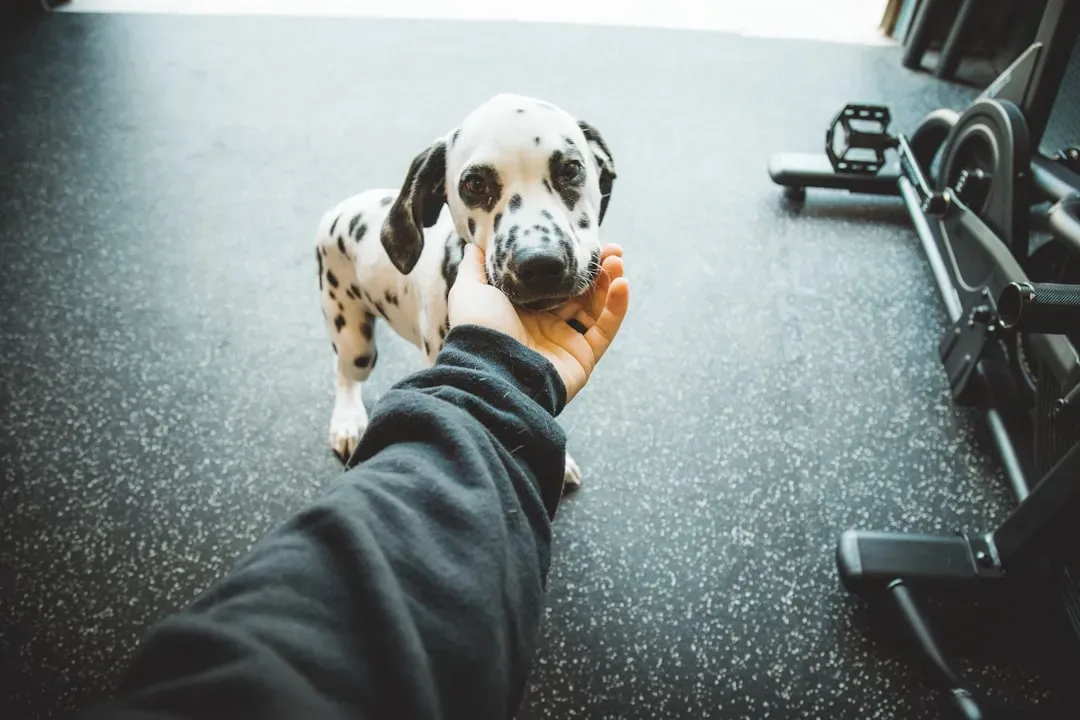
A dog’s belly contains vital organs with zero skeletal protection. Exposing it requires either extreme trust or extreme stress. Think about what that means for a second. That single flop onto their back is the canine equivalent of saying, “I have nothing to hide, and I believe you won’t hurt me.”
When your dog rolls onto their back and exposes their belly, they are showing an incredible level of trust. In the wild, this position would be risky, so choosing it around you means your dog feels safe, protected, and emotionally secure. It’s a bit like leaving your front door unlocked because you trust your neighborhood completely.
Leaving their bellies exposed would be a big risk if they were in danger, as it provides easy access to their vital organs. Dogs can’t leap out of that position very quickly either, which is another reason they only expose their bellies when they feel completely safe. So when your dog does it with you, take it seriously. It means the world.
Not Every Belly Flash Means “Come Pet Me” – Reading the Full Picture
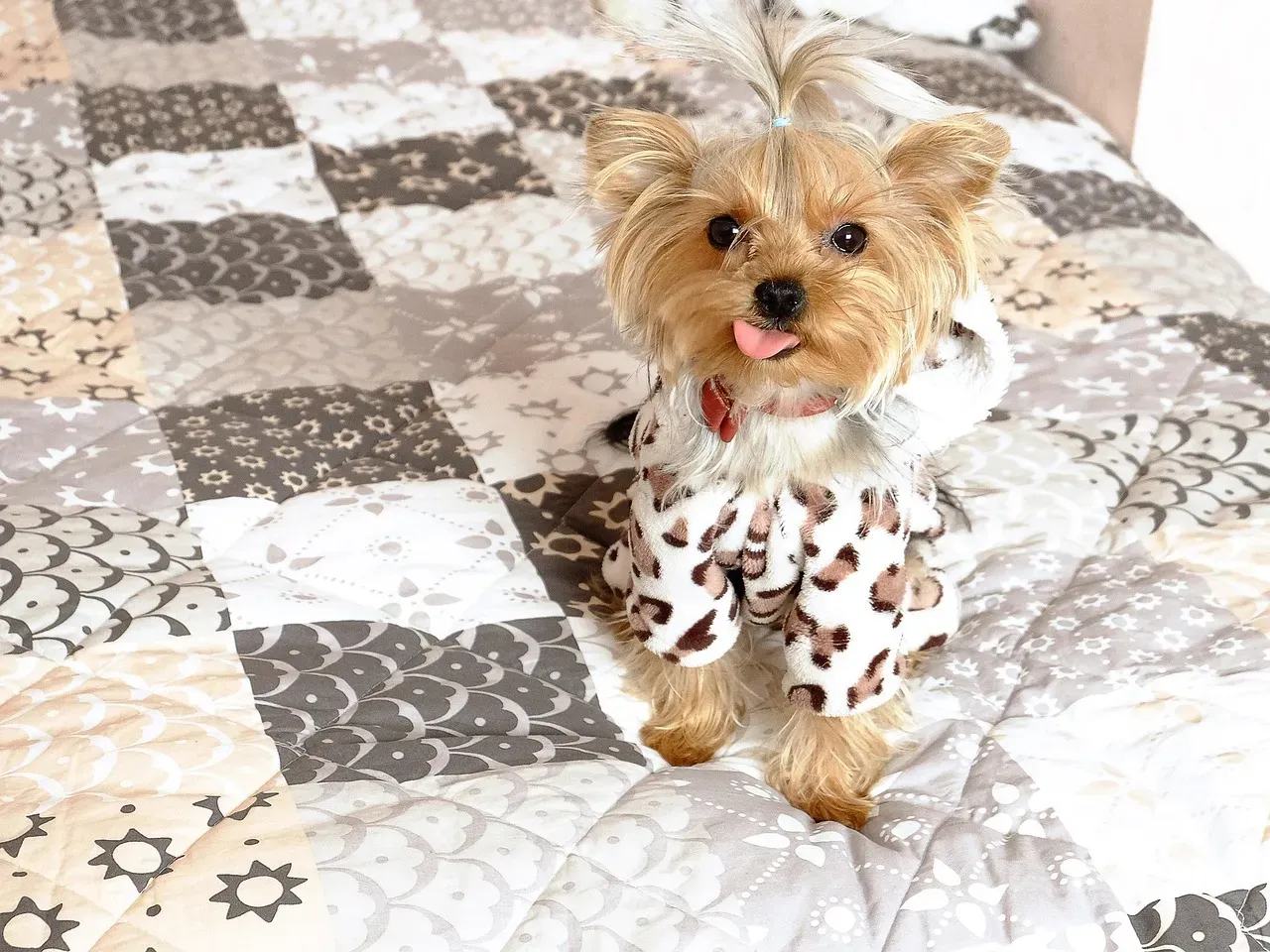
Belly exposure sometimes means a dog wants to be petted, but not always. Looking at the context of the back flop and your dog’s body language can help you decode the meaning behind an exposed belly. This is where so many well-meaning dog lovers get it wrong. We see the belly, we assume delight, and we reach in.
A relaxed dog who wants a belly rub will have loose, wiggly body language – tail wagging, eyes soft, mouth slightly open. A dog who’s showing submission or stress will look tense, with a stiff body, tight mouth, and possibly avoidant eyes. The key is to read the full picture, not just the pose.
An appeasement belly-up will often also have ears pulled back, lip licking, a tail tucked or hugging the body. The dog may also avert their gaze or turn their head. These are all signs the dog is not asking for a belly rub, but signaling they want distance and are nervous or unsure. Let’s be real – it takes practice to notice these things. Be patient with yourself.
When the Belly Means Pure Joy – The Happy Rollover Decoded
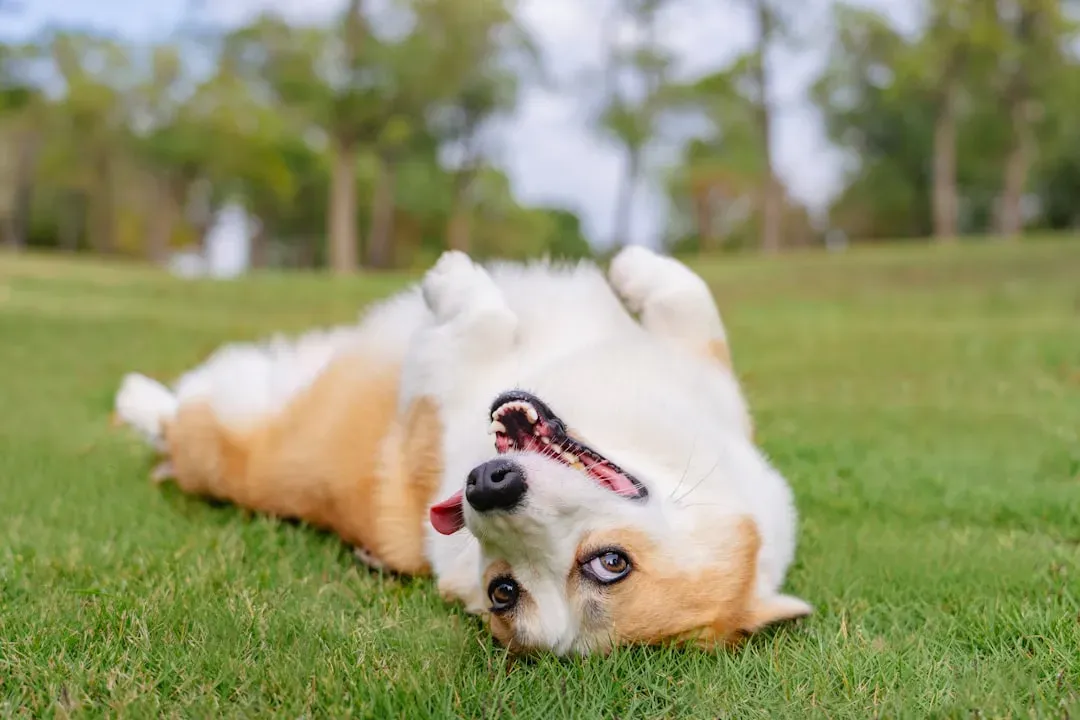
If a dog really is wanting belly rubs, their body language is going to be much different. A dog that’s truly soliciting belly rubs will have a relaxed, wiggly body, tail wagging, open mouth, and will be making eye contact with you. They might even paw at you or nudge you, and they’ll approach you and then flop over. You’ll know it when you see it. There’s no question.
Belly rubs trigger a release of oxytocin, often called the “love hormone,” in both dogs and humans. This same hormone is involved in bonding between parents and children. When you rub your dog’s belly, you are both experiencing a chemical boost that promotes closeness and relaxation. At the same time, belly rubs can lower cortisol levels, helping reduce stress. So yes, it is genuinely good for both of you.
The Submissive Rollover – When It’s Fear, Not Trust
Dogs may expose their bellies as a submissive gesture to show deference to more dominant individuals or other dogs. It’s a way of communicating that they come in peace and have no intention of challenging anyone’s authority. This might happen when your dog meets a new person or pet for the first time, or if you’re going for a walk in a strange environment. It is a peace offering, not a playful invitation.
Resist petting the belly of a fearful dog, as this action may unintentionally trigger a fear-bite response. Instead, speak to the fearful dog in an upbeat tone and reward them with a healthy treat or praise when they pop into the safer “sit” position. I know it sounds counterintuitive – but giving space in that moment is actually the kindest thing you can do. Your dog will thank you for listening.
Misreading these signals isn’t just awkward – it can be dangerous. Dogs who feel trapped or misunderstood might escalate their communication. What starts as a submissive belly display can quickly turn into a defensive snap if the dog feels their message isn’t being heard. Especially with children around, this is worth taking seriously.
What Your Dog’s Belly Behavior Is Really Telling You About Your Relationship

Studies found that dogs who have positive relationships with their owners are more likely to show their belly as a sign of trust and affection. Additionally, dogs who have been socialized with other dogs from a young age are more likely to show their belly to other dogs as a sign of submission. The same studies also found that dogs who show their belly may be more relaxed and less stressed overall. In other words, a happy belly is a report card – and it says you’re doing great.
This behavior also reflects the individual personalities and histories of our pets. A rescue dog who once lived on the streets may be more hesitant to expose their belly than a puppy raised in a loving home. So if your rescue hasn’t offered you their belly yet, don’t panic. It’s not rejection. It’s history.
If your dog never rolls over for a belly rub, don’t worry – it’s not a reflection of how much they love you. Some animals simply express trust in quieter ways, like choosing to sit beside you or gently resting their head in your lap. What matters most is learning to read their signals and honoring what they’re telling you.
Conclusion: The Language Beneath the Belly
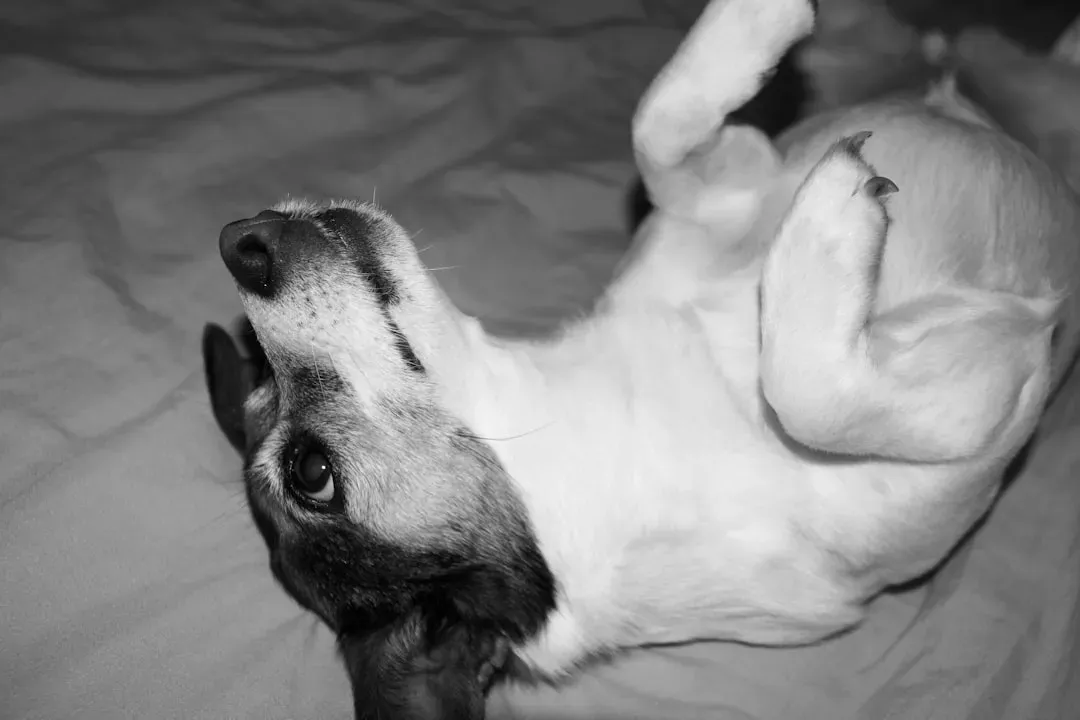
Your dog doesn’t have words. They never will. What they have instead is something arguably more honest – a body that speaks constantly, openly, and without agenda. That belly-up moment is one of the most profound things they can offer. Whether it’s a full joyful wiggle or a quiet, uncertain roll, it means they chose you to show it to.
The real gift isn’t the belly rub itself. It’s the conversation happening beneath it. Learn to listen, respond with patience, and your dog won’t just feel cared for – they’ll feel truly understood. And honestly, isn’t that what every dog lover is really after?
So next time your pup flips over, pause for just a second before you reach in. Look at their eyes. Feel the energy in the room. And then decide. What do you think – has your dog been telling you something you’ve been missing all along? Drop your thoughts in the comments below.


