
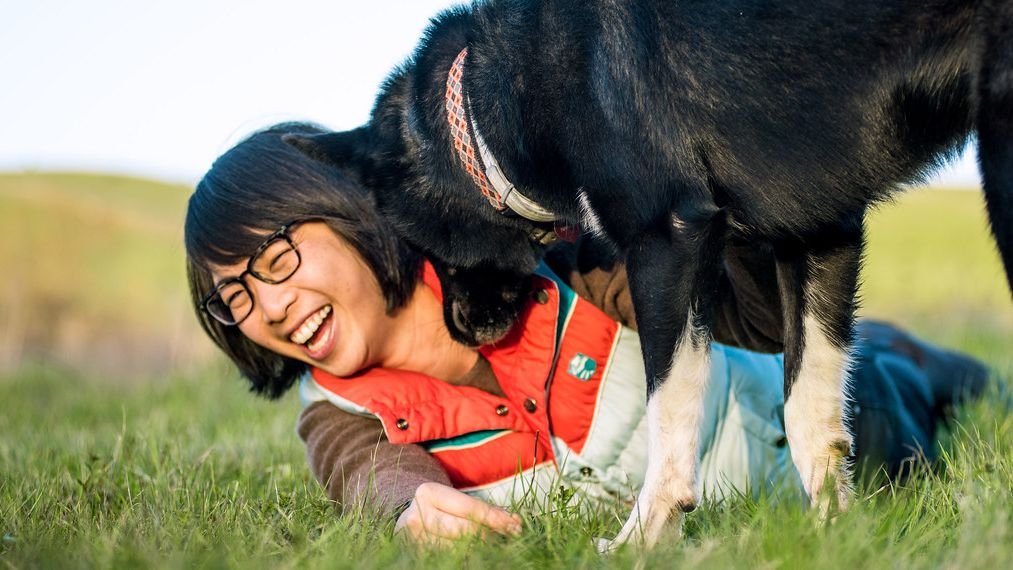
You love your dog more than most people love their morning coffee. You buy the good treats, remember their favorite toy, and feel genuinely guilty when you leave the house without them. So the idea that you might be quietly breaking your dog’s heart? Yeah, that stings a little. The truth is, most of us do it without even realizing. Not out of cruelty. Out of habit, or ignorance, or plain old busyness.
Dogs feel more than we often give them credit for. They can experience core emotions like fear, anger, disgust, joy, and sadness, and they can also feel more nuanced states like excitement, distress, contentment, anxiety, and even love. That’s a whole lot of emotional territory for a creature who can’t tell you when you’ve gone too far. Let’s dive in, because knowing is the first step to doing better.
1. Ignoring Them When They Need You Most

Here’s the thing about dogs: they don’t have text messages, social media, or friends they can call when they’re feeling low. They have you. You are your dog’s whole world, and they love you and want to earn your praise. When you consistently brush them off, that registers as rejection in a real, emotional way.
If you’re constantly pushing your dog away or ignoring them, you’re not only depriving them of affection but going against their nature. Dogs are social animals who need to be around their pack, and isolation from that pack will eventually result in depression. Watch for signs like excessive barking, withdrawal, or a sudden loss of that bouncy, happy energy. Those are their quiet cries for connection.
2. Using Punishment Instead of Positive Reinforcement
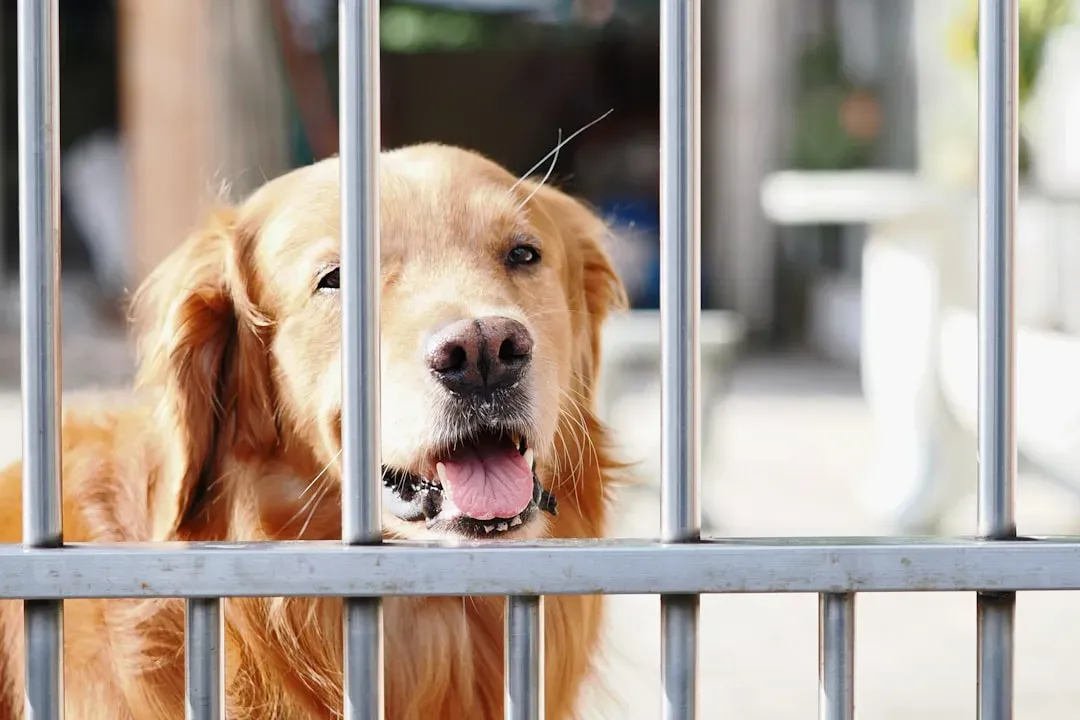
Honestly, punishment-based training is one of the most common ways we hurt our dogs while convincing ourselves we’re “teaching them a lesson.” Punishment-based training methods, including yelling at dogs, have serious long-term negative effects on their mental health. Think of it this way: if your boss screamed at you every time you made a mistake, would you improve, or just become anxious and afraid?
A study found that when an owner yells at their dog, their stress and cortisol levels increase. Anger is an emotion most dogs are unfamiliar with, and they’re unable to comprehend why they’re being treated differently by someone they love. Instead, lean into reward-based methods. Treats, praise, and consistency work wonders and preserve the trust your dog places in you every single day.
3. Leaving Them Alone for Too Long, Too Often

We’ve all had those long days at work, and yes, life happens. Still, regularly leaving your dog alone for extended stretches causes real emotional damage. Dogs are social creatures just like us, and leaving them alone for long stretches can lead to loneliness and isolation. It’s not drama. It’s their reality.
Separation anxiety in dogs manifests as destruction, excessive barking, and escape attempts that begin within minutes of the owner leaving. These behaviors reflect genuine panic rather than spite or boredom. If your schedule makes long absences unavoidable, consider doggy daycare, a trusted dog walker, or puzzle toys to keep their minds occupied until you get back.
4. Inconsistent Rules That Leave Them Confused

Imagine someone letting you sit on the couch on Monday, then scolding you for it on Thursday. Maddening, right? That’s exactly how your dog feels when the rules keep shifting. Dogs thrive on routine, so consistency with your rules is essential. Mixed signals don’t just frustrate them. They create genuine anxiety.
A dog’s feelings can be hurt when they feel socially rejected, ignored, or experience inconsistent or unpredictable punishment. Harsh handling, teasing, or unmet needs can further damage your dog’s emotional well-being. Set clear, fair rules for your household and make sure every family member follows them. Your dog isn’t being stubborn when they’re confused. They’re just lost without a reliable map.
5. Punishing Them for Accidents in the House

Let’s be real, finding a puddle on the carpet is frustrating. But rubbing their nose in it? That does absolutely nothing useful. Rubbing your dog’s nose in pee or poop when they’ve had an accident does not work. It’s an outdated idea, but unfortunately many people still practice it. While it won’t teach your dog not to go inside, it will teach your dog to fear you.
Once a dog is potty trained, accidents in the house can be a sign of distress, physical illness, or simply going too long without a break. Yelling or rubbing their nose in it will not teach your dog to go outside, but it will teach them to fear you and unnecessarily hurt their feelings. If accidents are happening regularly, look for the root cause first. A vet check, more frequent walks, or a closer look at their routine might solve the mystery entirely.
6. Rushing Them Through Their Walks

To you, a walk is exercise. To your dog, a walk is basically their version of reading the morning news, checking social media, and catching up with the neighborhood. Dogs love taking time to sniff around while on a walk, and hurrying them up when they’re exploring can be genuinely frustrating for them. All that sniffing isn’t stalling. It’s vital mental stimulation.
Think of it like being dragged through a museum at a full sprint. Technically you visited, but you got nothing from it. Walks are more than a bathroom break for dogs. They’re an excursion and the highlight of their day, so let them go at their own pace. Give your dog a few minutes to truly explore. It costs you almost nothing, and to them, it means everything.
7. Forcing Them Into Uncomfortable Situations
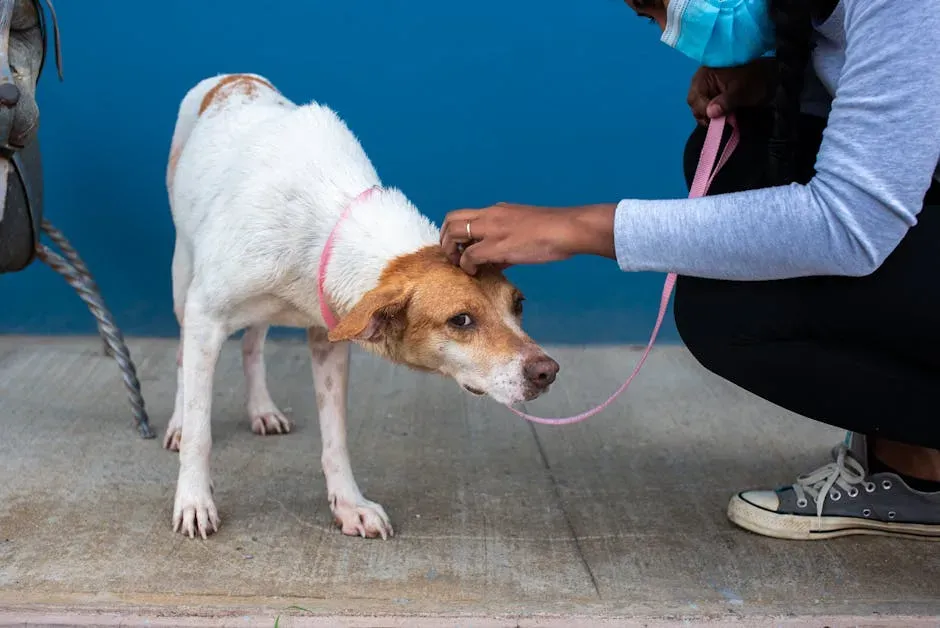
I know it comes from a good place, really. You want your dog to be social, brave, and friendly. But forcing a fearful dog into situations they’re not ready for isn’t toughening them up. It’s just terrifying them. Your pup might be afraid of thunders, fireworks, vacuum cleaners, or dominant dogs in dog parks, and the best thing you can do is read their body language and remove them from the uncomfortable event when needed.
Punishing fear-based behaviors will likely make matters worse and hurt your dog’s feelings. It can also increase the risk of aggression, with other long-lasting consequences. Watch for stress cues like a tucked tail, pinned-back ears, whale eye (when the whites of the eyes show), or excessive yawning. Stress signs to look for include whale eye, tucked ears or tail, raised hackles, lip-licking, yawning, and panting. These are real signals, not bad behavior.
8. Misusing the “Come” Command
This one trips up so many well-meaning dog owners. You call your dog over with enthusiasm, and then the thing waiting for them is a bath, nail clipping, or medicine. Over time, “come” stops being exciting and starts being a warning. If you use this command indiscriminately, sometimes for a reward and sometimes for something your dog dislikes, your dog will be confused and won’t consistently come to you.
The “come” command is one of the most important safety tools you have, and poisoning it with negative outcomes is a serious problem. Reserve it for genuinely positive moments and use neutral cues when you need them for less-welcome events. Protecting that command could one day protect your dog’s life at the dog park or near a road.
9. Misreading or Dismissing Their Emotional Signals
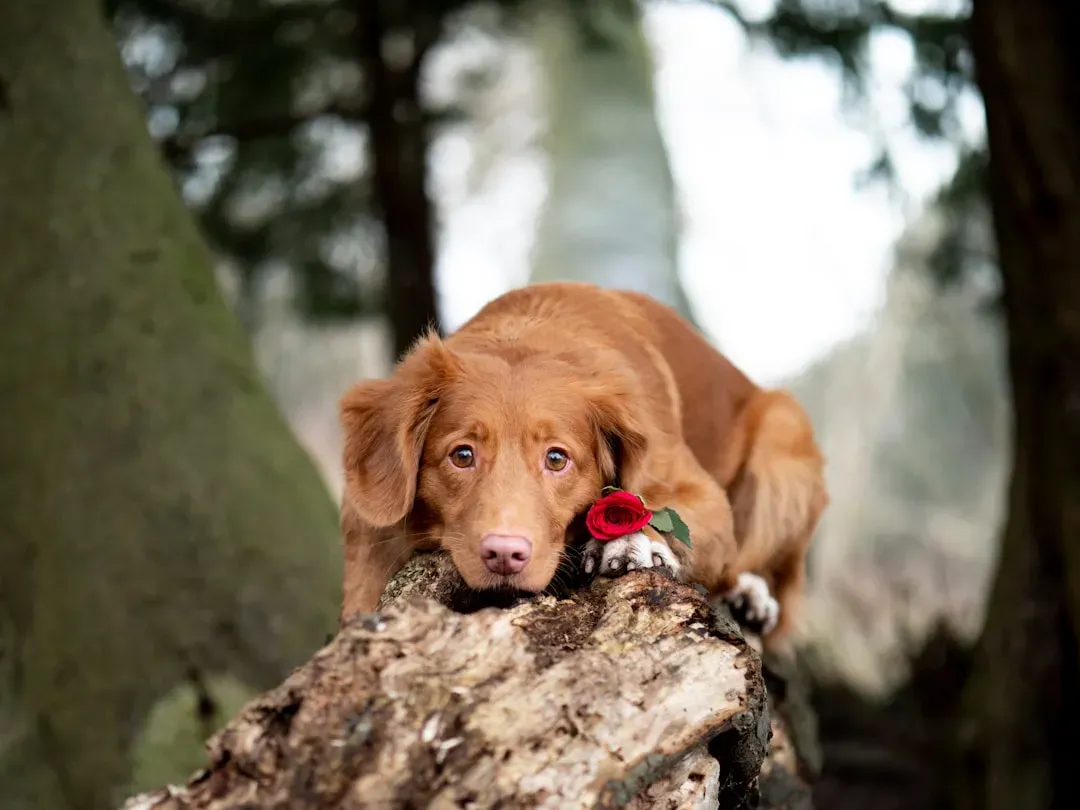
Dogs are communicating with us constantly. The problem is we’re often not listening. Unlike humans, pets cannot verbalize distress. Instead, they communicate through body language, vocalizations, and behavior changes that owners sometimes misinterpret as disobedience or stubbornness. What looks like a dog acting out might actually be a dog crying out.
If your dog begins to withdraw, avoid eye contact, or turn their head away when you speak to them, it may be a sign that their feelings are hurt or that they are experiencing stress or anxiety. Signs of emotional distress like excessive barking, destructive behavior, or withdrawal can indicate they’re feeling neglected. Learning to recognize these cues isn’t just kind. It’s the foundation of a real, trusting relationship with your dog.
10. Neglecting Their Health and Physical Needs
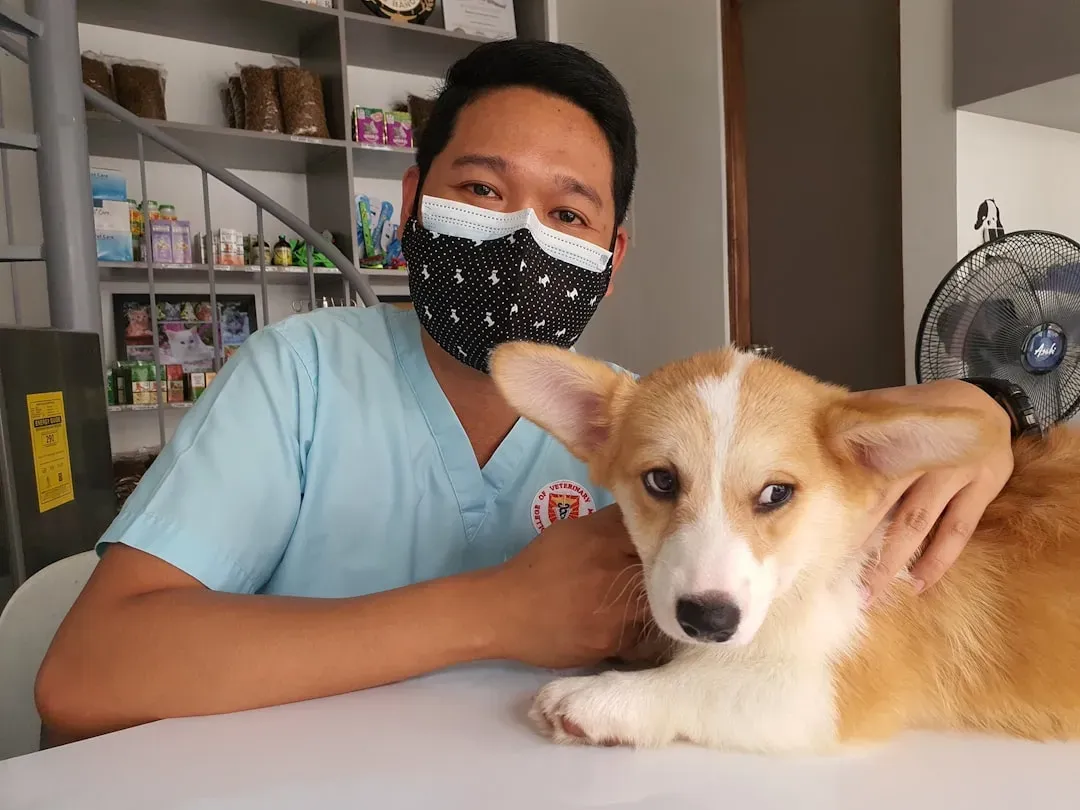
It’s hard to say for sure exactly when discomfort tips into emotional suffering for a dog, but there’s no doubt it does. Neglecting your dog’s healthcare needs hurts more than just their physical well-being. Regular vet visits, vaccinations, and preventive care ensure their overall happiness. Remember, your pup can’t speak up when in pain, so be proactive and promptly address any discomfort.
Chronic stress weakens immune function, disrupts sleep patterns, and can lead to destructive or self-harming behaviors. A dog in constant low-level pain or discomfort can’t thrive emotionally, no matter how much love surrounds them. Schedule those annual checkups, watch for subtle changes in their behavior or appetite, and trust your gut when something feels off. You know your dog better than anyone.
The Bottom Line: Love Them Like They Love You

Here’s what I want you to take away from all of this: your dog is not asking for perfection. They’re not keeping score. Dogs are quite forgiving creatures, so hurt feelings usually heal fast if you do the right things to regain their trust. That’s both humbling and beautiful.
The fact that you’re reading this at all says something wonderful about you as a dog owner. Every one of these ten points is fixable with a little awareness, a little patience, and a willingness to see the world from your dog’s perspective. The way to raise a happy, confident dog is with gentle handling, kindness, and dependability, so learn to read your dog’s body language.
Your dog wakes up every single morning and chooses you, unconditionally. The least we can do is show up for them the same way. What’s one thing you’ll change today to make your dog’s tail wag a little harder? Tell us in the comments.


