
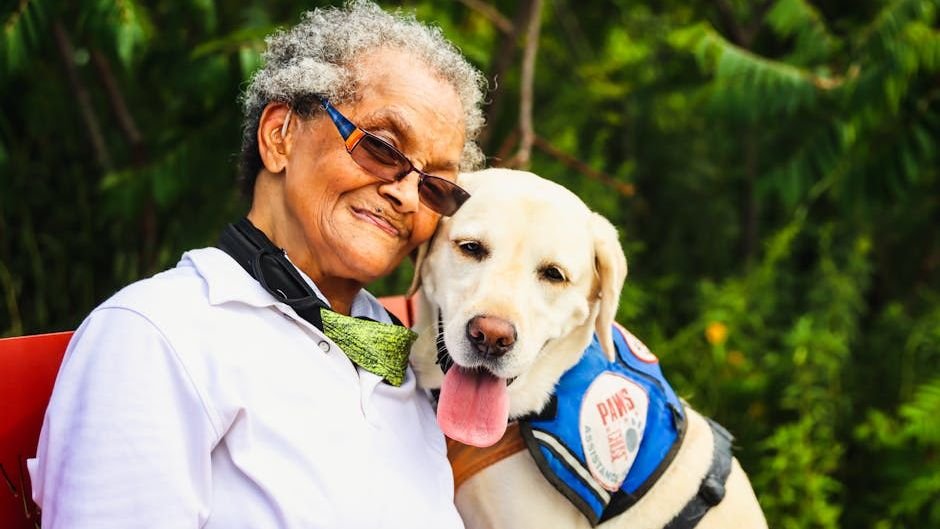
There’s something about a senior dog that puppies simply can’t compete with. It’s not the floppy ears or the clumsy zoomies. It’s something deeper, quieter, and honestly, far more moving. It’s the way an older dog looks at you when you bring them home for the first time, as if they already know you saved them, and they’re already deciding to love you back completely.
Most people walk straight past the senior dogs at the shelter. They head toward the wiggly puppies, and honestly, I get it. Puppies are irresistible. But here’s what they’re missing: older dogs carry something puppies haven’t earned yet. They carry wisdom, patience, and a gratitude so deep it can change how you feel about your entire day. So if you’re on the fence about adopting an older dog, let’s dive into ten reasons why it might just be the best decision you ever make.
They Come Ready-Made: Training Is Already Done
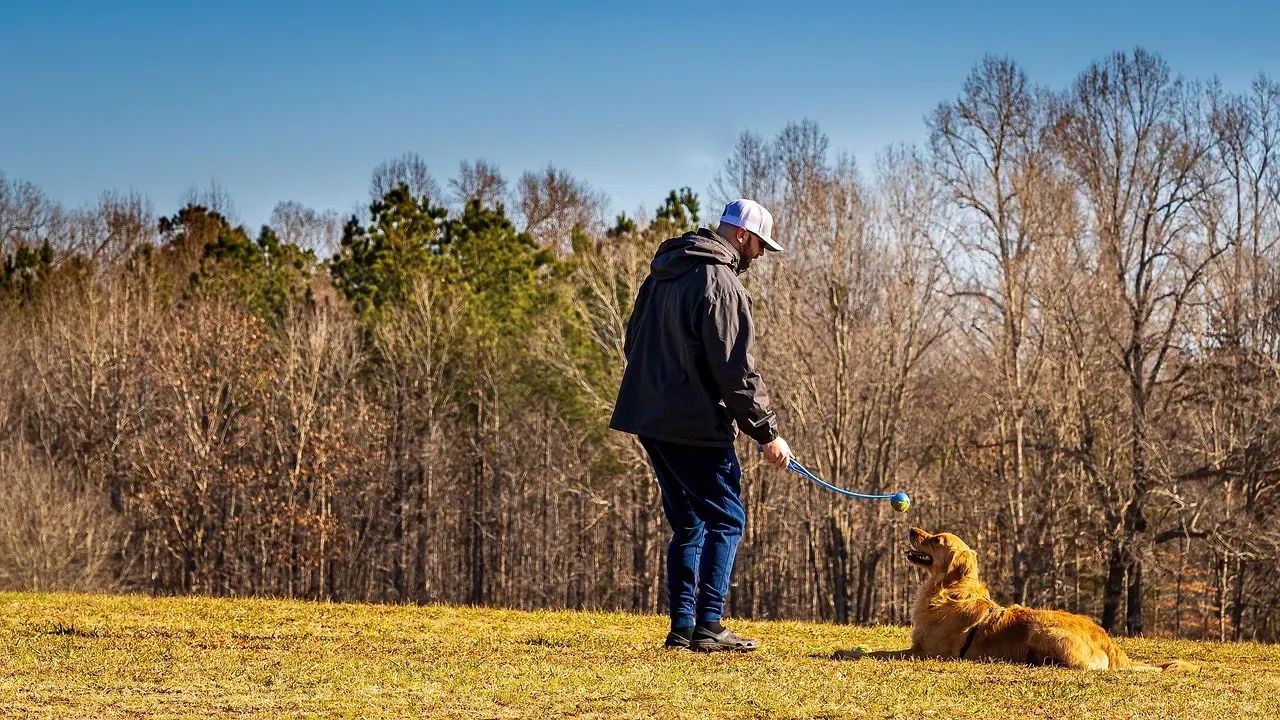
Let’s be real – the puppy training phase is exhausting. The 3 a.m. whining, the chewed-up sneakers, the accidents on your favorite rug. Many older dogs come with a lifetime of training already behind them. The vast majority are already housebroken, saving new owners from the intensive potty-training phase, and they often understand basic commands like sit, stay, and come, and may even be leash-trained.
Some of the biggest benefits to adopting an older dog include their knowledge of how to interact with humans – most older dogs already know how to walk on a leash, how to ride in a car, and understand potty training and basic cues. Think of it like adopting a colleague who already knows the office rules. You skip the orientation entirely.
What You See Is What You Get: Predictable Personality
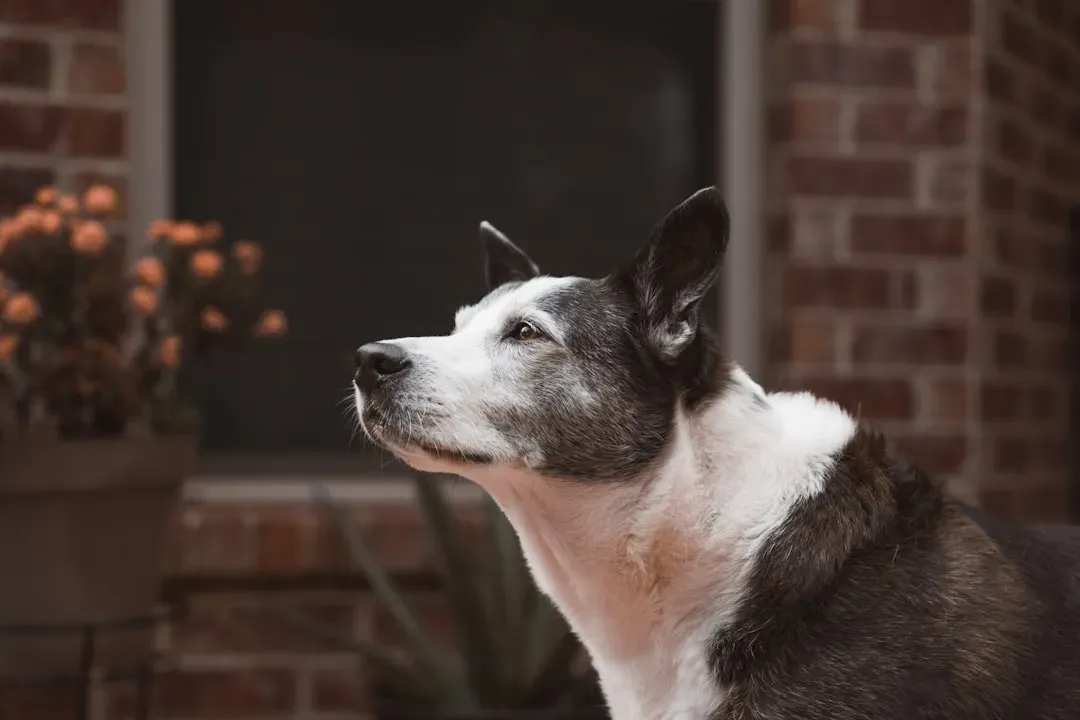
One of the most significant advantages of senior dog rescue is that their personalities are already fully developed. Unlike puppies, whose temperaments can be unpredictable, an older dog’s character, energy level, and social skills are usually well-established. Shelters and foster homes can provide detailed insights into their likes, dislikes, and compatibility with children, other pets, or specific lifestyles.
Senior pets often have well-defined personalities, so adopters know what they’re getting in terms of behavior, temperament, and habits. Since older pets have already reached full size and weight, it takes a lot of the guesswork out of choosing the right pet for your lifestyle and home. This predictability makes it easier to find the right match and ensures a smoother transition, with fewer surprises. It’s like choosing a sofa you’ve already sat on, rather than ordering one online and hoping for the best.
Calm and Steady: They Fit Right Into Your Life

Senior pets are typically much calmer than their younger counterparts. They’ve left behind the high-energy phases of puppyhood and settled into a steady, manageable rhythm. For adopters seeking a companion who’s more inclined to relax by their side than to race around the house, seniors are an ideal fit.
Senior dogs align well with quieter lifestyles and are often preferred by older adults or those with limited daily activity. They don’t demand constant attention or stimulation but are always available for cuddles and companionship. If your idea of a perfect evening is a good book on the couch with a warm dog beside you, honestly, a senior dog was made for you.
A Bond Unlike Any Other: The Gratitude Is Real
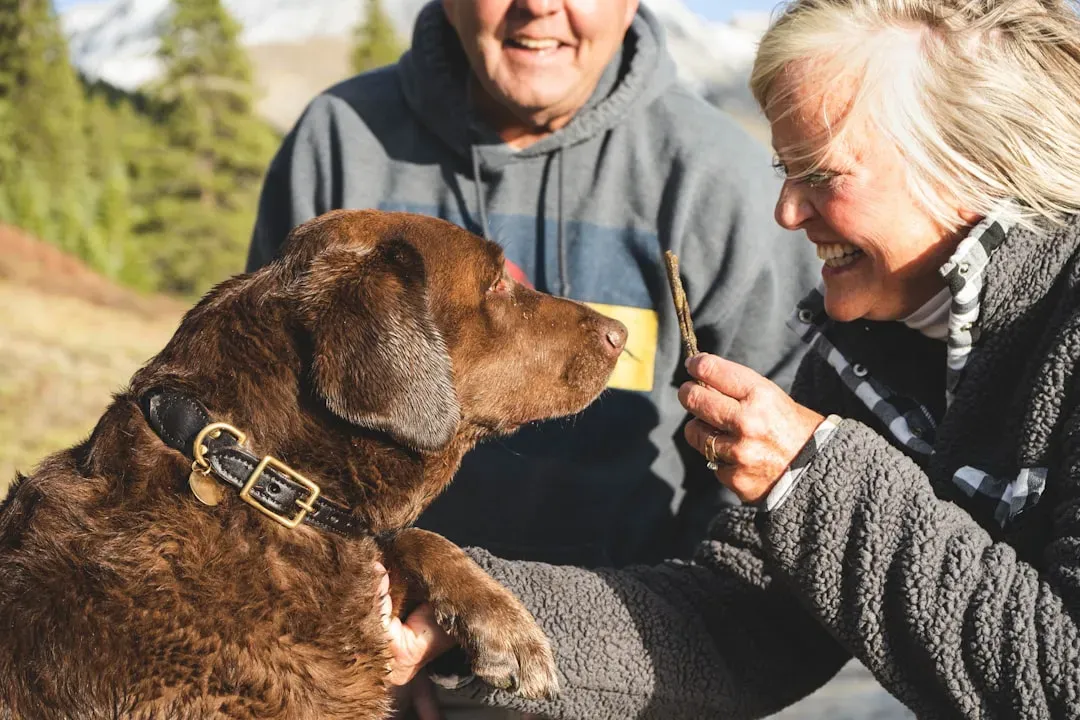
Many adopters report that senior dogs seem to understand they’ve been given a second chance. They often form incredibly deep and loyal bonds with their new families, displaying immense gratitude and affection. The emotional reward of providing a loving home to a dog in their golden years is immeasurable.
Bonds with senior dogs can form almost instantly. Many adopters feel these older animals recognize the second chance they’ve been given and show deep gratitude through affection and loyalty. Their appreciation for comfort and care is palpable – they know they’re home at last. I think that quiet, soulful connection is something you simply can’t manufacture with a puppy. It has to be earned, and senior dogs have already done the earning.
Old Dogs, New Tricks: They’re Still Eager to Learn
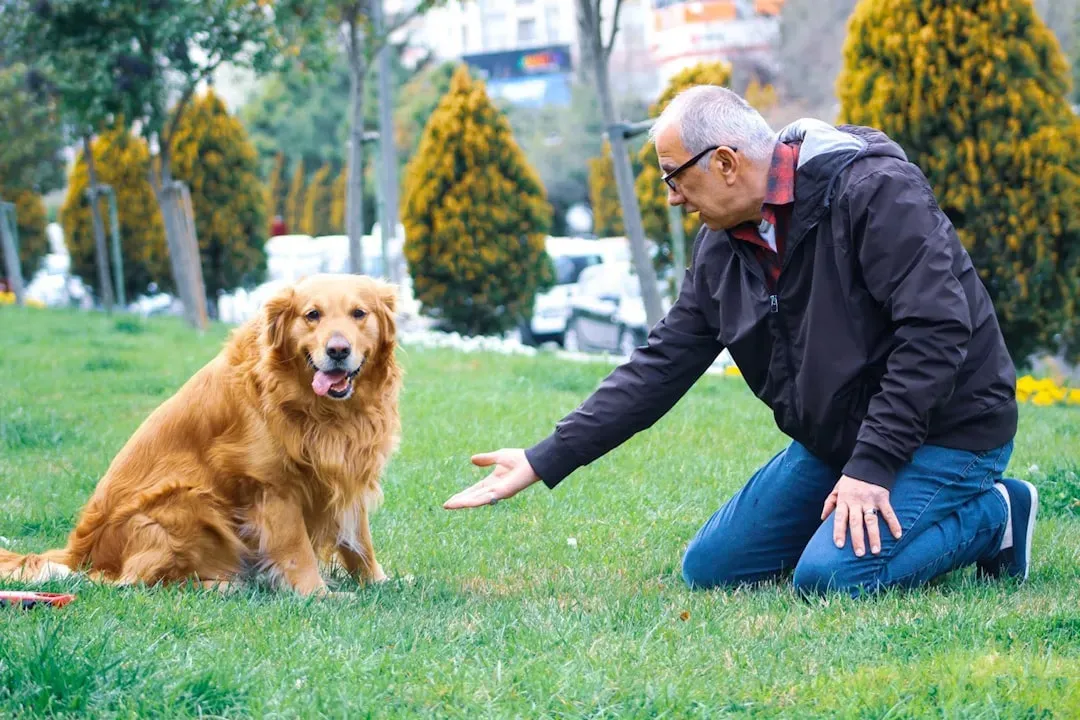
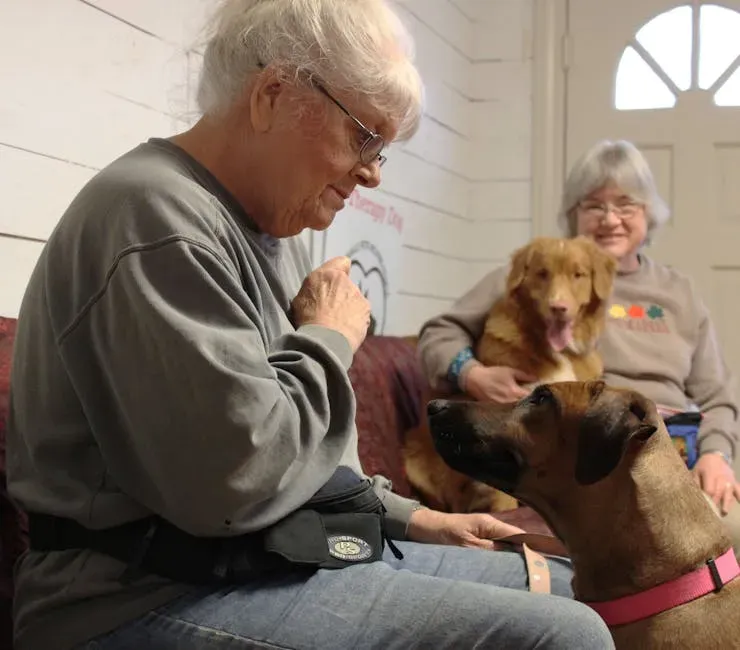
Here’s the thing – the old saying about old dogs not learning new tricks is just flat-out wrong. Senior dogs are generally eager and willing to learn, and if they aren’t housebroken, you can still teach them. Teaching them new skills, such as putting a toy back in the toy bin or pawing a door when they need to go outside, also helps keep their cognitive function sharper and provides a sense of purpose.
All dogs learn throughout their life if you teach them new things. Most dogs are very food motivated and want to enjoy time with their people, so their biggest limiting factor is their owner’s knowledge of training and their desire to teach. Mental enrichment is just as important as physical exercise for seniors – scent games, treat-dispensing toys, and low-impact training can help keep their minds sharp and spirits bright. A short sniff walk around the block, a puzzle feeder at dinner time – these small things make a massive difference.
You Know What You’re Getting Health-Wise
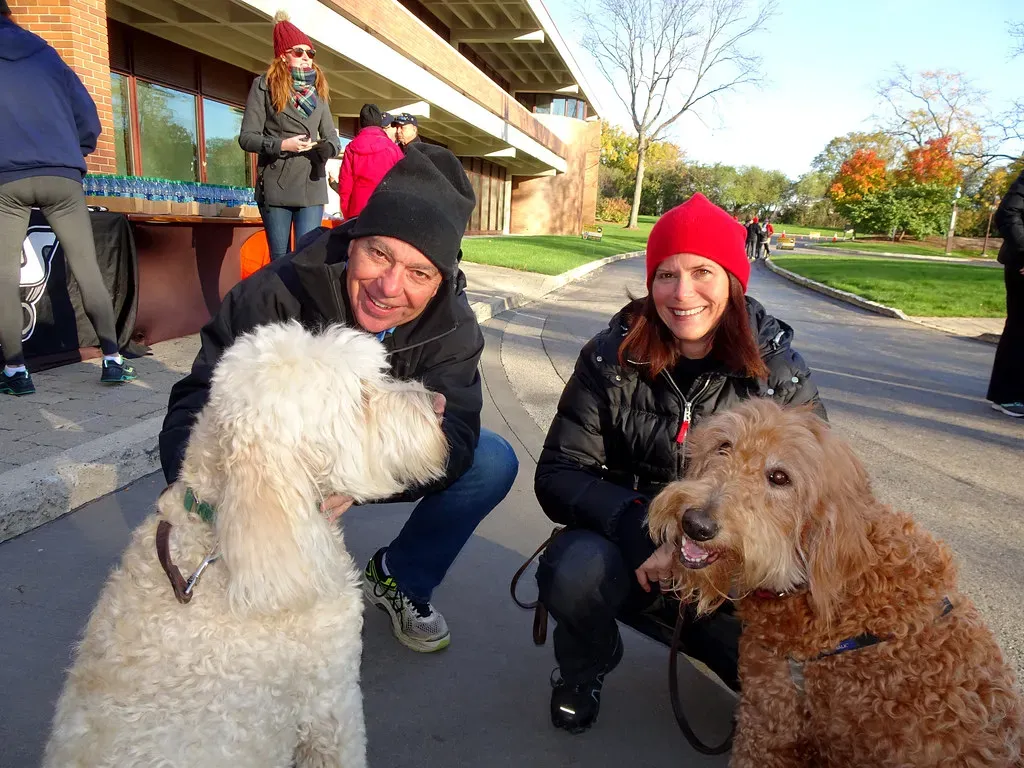
Older dogs come with a known medical history, allowing you to make informed decisions about their care and needs. That’s genuinely valuable. With a puppy, health can feel like a lottery. Younger dogs can come with just as many, or even more, unpredictable health challenges. Older dogs often provide a clearer picture of their health needs from the start, allowing the adopter to plan rather than be surprised.
When adopting a senior dog, it’s important to schedule a veterinarian visit as soon as possible. This identifies any underlying health conditions early so that any long-term management can be discussed. Think of it like a used car with a full-service history. You know exactly what you’re working with, and you can plan ahead with confidence.
They’re Actually Good for YOUR Health Too
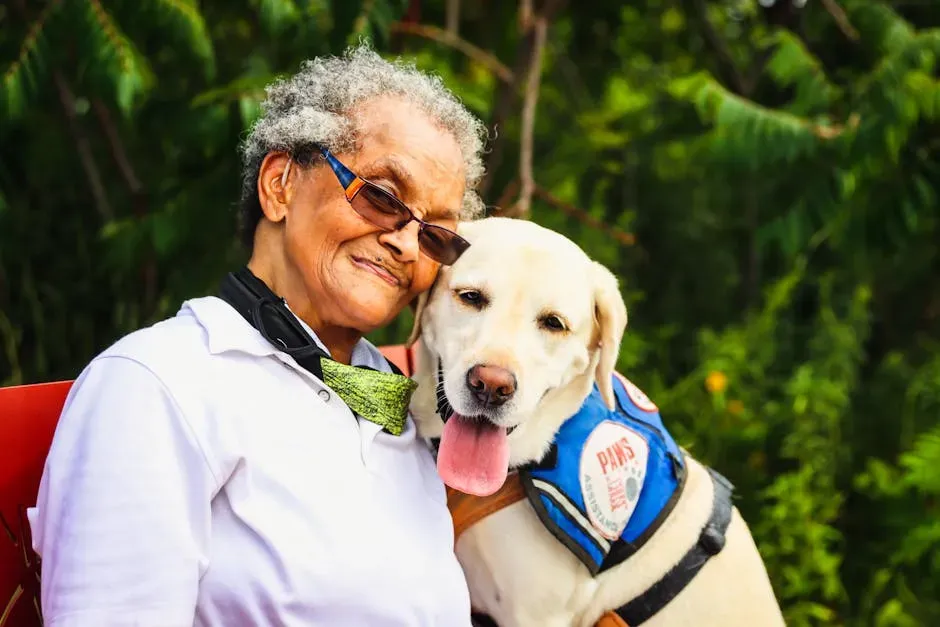
This one surprises a lot of people. Adopting a senior dog doesn’t just change their life. It changes yours. Studies show that older pets can reduce stress, lower blood pressure, and improve overall mental health in their owners. That’s not just a feel-good statement. That’s real, measurable change happening in your body.
Animal-assisted interventions with shelter pets can help humans better manage psychological distress like PTSD. A study funded in part by the ISAZ/Waltham Collaborative Research Award found that veterans with PTSD who walked shelter dogs experienced a positive impact on their perceived stress and PTSD symptoms. The improvement was even more notable in veterans with higher levels of reported PTSD symptoms. If walking a shelter dog for eight weeks can do that, imagine what a lifetime with one in your home could do.
It Costs Less Than You Think

People often assume senior dogs are a financial burden. The reality is often the opposite. Caring for any pet involves expenses, but adopting a senior dog can actually save money. Shelters often reduce or waive adoption fees for seniors, and there is no need for costly puppy vaccines or early medical procedures since they are usually already completed.
Many shelters provide comprehensive veterinary care, including vaccinations and necessary treatments, before adoption. Furthermore, the joy and companionship gained, even for a few years, often far outweighs other considerations. The upfront costs are lower, and the emotional return is through the roof. That’s a pretty good deal by any measure.
You’re Saving a Life That Desperately Needs Saving

This benefit is the one that really stops people in their tracks. While roughly sixty percent of puppies and younger dogs get adopted, only about a quarter of senior dogs find new homes. Their presence in shelters often has nothing to do with behavioral issues. They simply ran out of luck when their circumstances changed.
By adopting a senior, you’re making a life-changing difference for an animal who might otherwise be left behind. This compassionate choice not only gives an older pet a safe, happy home in their golden years, but it also frees up shelter resources to help other animals in need. By adopting a senior dog, you’re giving them a chance to live out their golden years in comfort and love. Shelters often struggle to place older dogs, and adopting one can literally save their life. That’s not dramatic. That’s just the truth.
They Offer Immediate, Unconditional Companionship
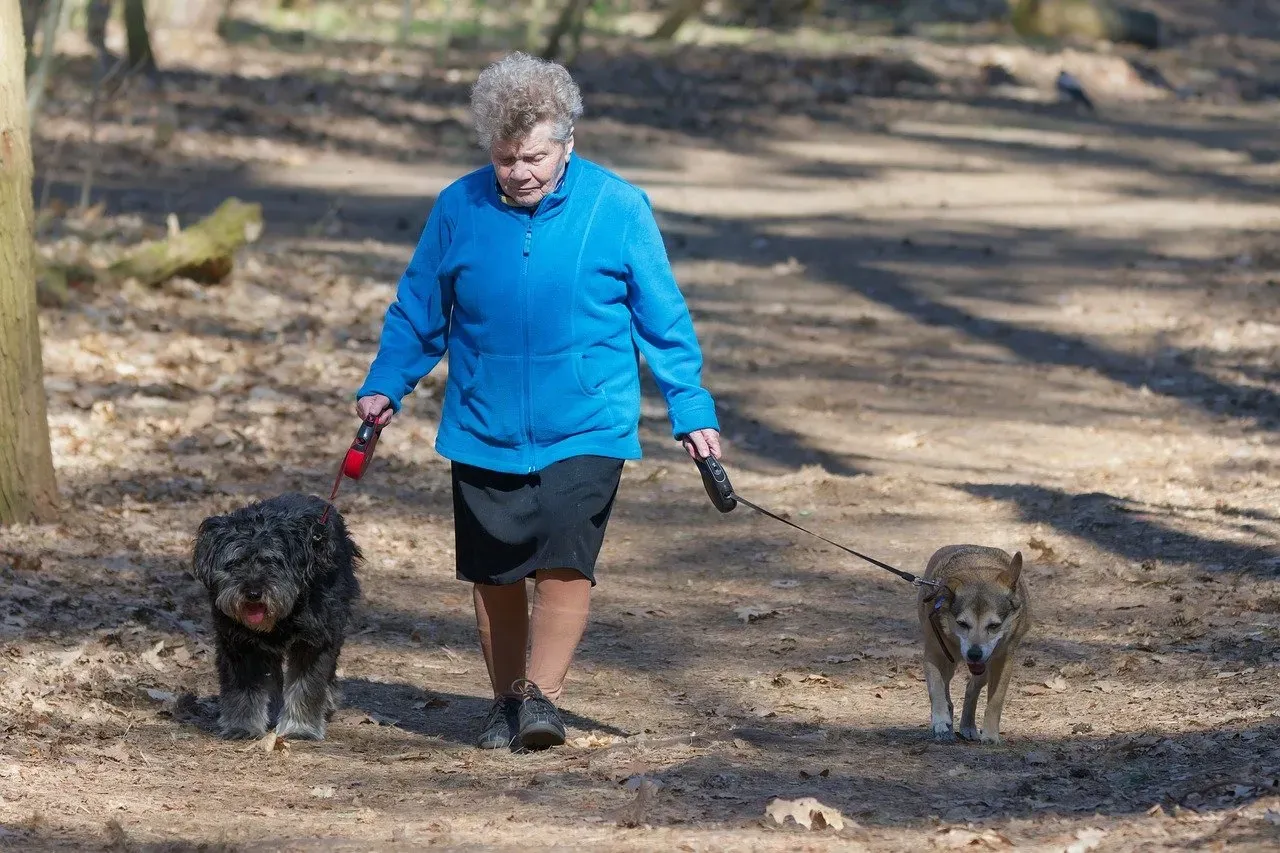
Unlike puppies who require extensive training and socialization, an older dog can offer immediate companionship. They are ready to cuddle on the couch, go for gentle walks, and simply enjoy your presence from day one. There is no settling-in period of six chaotic months before you both find your rhythm. The rhythm starts right away.
All senior companion animals offer unconditional love and quickly bond once they feel safe and cared for. Providing a cozy bed and affection helps these grateful companions thrive in their new homes. It’s hard to say for sure what goes on inside a dog’s mind, but senior dog owners will tell you there’s something unmistakably present in the way an older dog settles into your home. Like they’ve been waiting for you all along.
Conclusion: Give Them a Second Chapter Worth Reading
Senior dogs don’t need your pity. They need your love. And in return, they will give you something that’s genuinely difficult to put into words – a calm, devoted, deeply grateful presence that quietly improves everything around it. The relationship isn’t shorter than it would be with a puppy. It’s just more concentrated, more intentional, and often, more meaningful.
If you’re thinking about bringing a dog into your life, consider walking past the puppy pen just once and pausing in front of the older dog at the back of the shelter. The one who’s been there a while. The one who looks up at you with those steady, knowing eyes. Adopting a senior dog not only brings joy to your life but also provides a second chance to an animal that might otherwise spend its golden years in a shelter. That dog has a whole second chapter left to live. Will you be the one to write it with them?


