
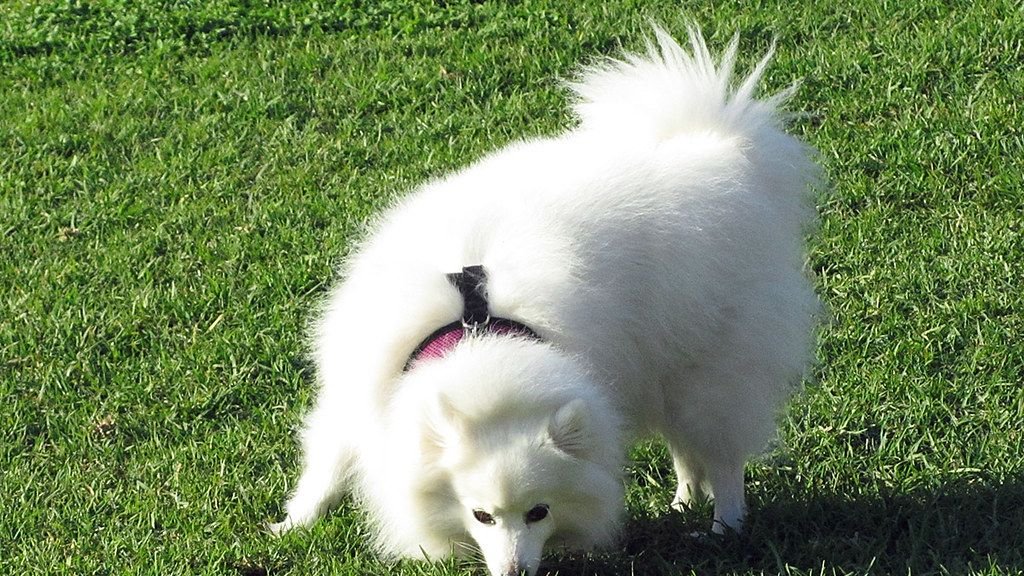
Picture this. You’re standing on the sidewalk, plastic bag in hand, watching your dog turn in slow, deliberate circles for what feels like the fourth or fifth time. You check your watch. You sigh. “Just go already,” you whisper. We’ve all been there, and honestly, it’s one of the most relatable dog-owner moments in existence.
Here’s the thing though: that little spin ritual your dog performs is not mere eccentricity or a dramatic flair for the mundane. Science says there’s something genuinely fascinating happening. Your dog might literally be consulting the planet’s magnetic field. I know it sounds crazy, but stick with me. The truth is even more wonderful than the eye-rolls you’ve been giving during those extra-long walks. Let’s dive in.
The Groundbreaking Study That Changed Everything

Most dog owners assume the pre-poop spin is just a quirky habit, the canine equivalent of fidgeting. Then came a study that stopped the scientific world in its tracks. The study suggests that dogs are sensitive to small variations in Earth’s magnetic field. After examining 70 dogs across 37 breeds over two years, involving nearly 1,900 defecations and over 5,500 urinations, researchers found that under calm magnetic field conditions, dogs preferred to align their bodies along the north-south axis.
The scientific research, published in the journal Frontiers in Zoology, found that dogs align themselves with Earth’s magnetic poles when going to the bathroom. Think about that for a second. Your dog isn’t just looking for a patch of grass. They are, in some incredible way, checking in with the planet itself.
The effect was seen when Earth’s magnetic field was stable, but disappeared when solar activity caused it to fluctuate. Which means on a magnetically noisy day, your dog might spin a little longer, a little more uncertainly. Kind of like a GPS recalibrating on a cloudy day. Honestly, I find that beautiful.
Magnetoreception – Your Dog’s Hidden Superpower

Just like migratory birds and salmon, it seems that dogs can sense Earth’s magnetic field, but instead of using it for navigation, they use it for defecation. Scientists call this ability magnetoreception, and it’s far more widespread in the animal kingdom than most of us realize.
Magnetoreception describes the ability to detect Earth’s magnetic field. Homing animals like birds rely on this behavior to fly south for the winter and find their way back home. Changes in Earth’s magnetic field through occurrences like magnetic storms can be detected by magnetoreception, and domesticated dogs have now been shown to possess this trait.
According to the researchers, the Earth’s magnetic field is “calm” for only about 20 percent of the time during daylight hours. So during those rare calm windows, your dog’s inner compass clicks on, they spin to find alignment, and they settle. It’s like watching a tiny, furry astronomer at work. Just with much less dignity involved.
But Wait – There Are Other Reasons Too
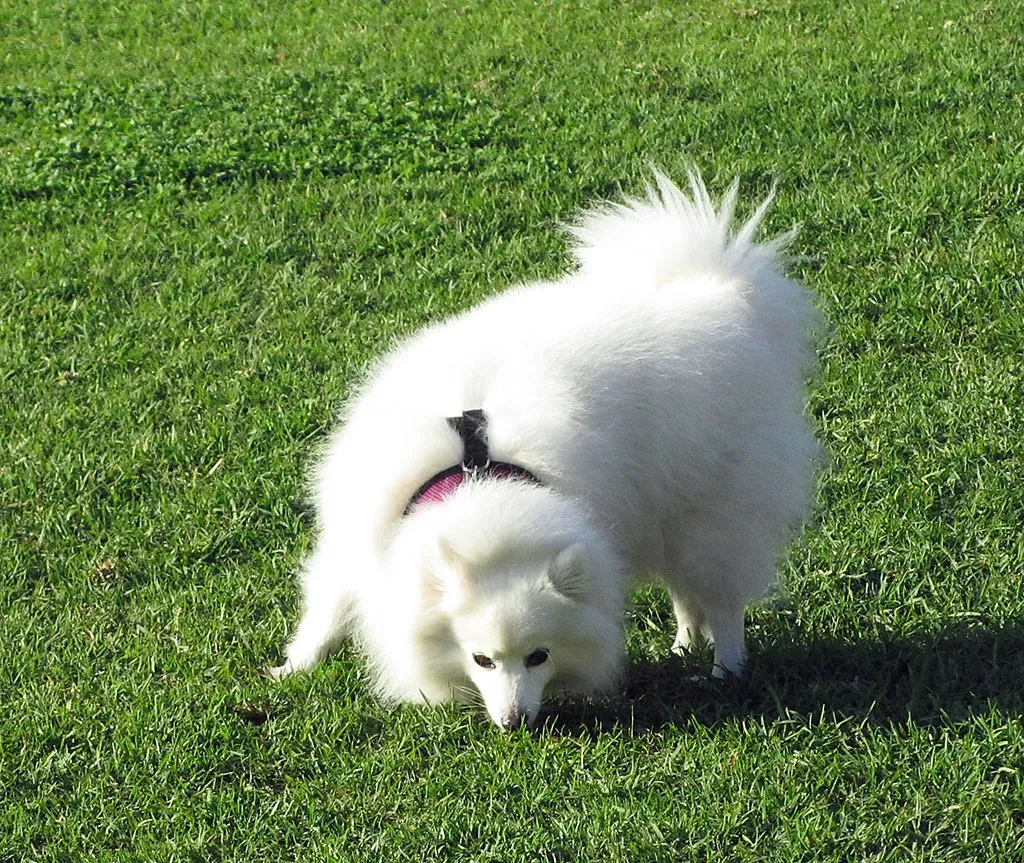
Let’s be real: the magnetic field theory is thrilling, but dogs are layered creatures and their spinning habit almost certainly serves more than one purpose. Some believe it’s an instinctual behavior of flattening soil or grass to drive insects away, or as a way of surveying the surroundings to ensure it’s safe before placing themselves in a vulnerable position, or that spinning helps stimulate their intestines to help bring on a bowel movement.
Dogs have scent glands in their paws, so they might be marking their territory by spreading their scent where they’re preparing to defecate. Think of it as signing their name on the spot before leaving a message. Every spin is a little broadcast to the neighborhood canine community: “I was here.”
Urine and stool contain a lot of information about an individual, such as age, sex, fitness, disease, and whether they are ready to mate or not. So that circling isn’t just preparation. It’s communication, strategy, and territorial ritual all wrapped into one dizzying little dance. Your dog is basically hosting a press conference before every bathroom break.
When Spinning Becomes a Health Signal You Shouldn’t Ignore
Most of the time, pre-poop spinning is completely harmless and even worth a quiet smile. However, your dog’s behavior in this moment can also tell you something important about their health. Normally, if a dog spins or doesn’t spin before they poop, there’s nothing to worry about. But if they deviate from their normal routine, pay attention. For instance, if a dog spins multiple times on a walk but doesn’t then defecate, they might be constipated.
Repeated attempts or excessive circling or spinning can indicate your dog is not quite ready to go. Watch closely to make sure your dog is not constipated. Giving your dog more water or food with more fiber may ease the discomfort. If constipation persists, it’s time for a visit to the veterinarian.
Once a dog finally defecates, it’s always a good idea to look at the stool and check for any worms or blood. Do you have any small items that might have recently disappeared from the house or garden? If so, your dog may have ingested them, and now they’re trying to poop their way out. A routine that seems silly on the surface can actually be one of your best daily health checkpoints.
What You Can Do as a Caring Dog Owner
Now that you understand your dog’s spin ritual on a whole new level, there are some genuinely practical ways to support it. First and most simply: give them the time and space they need. You should never rush your dog from doing their business. This could create confusion and problems with their toileting habits. It’s a dog’s instinct to circle their space, and it’s essential that they are able to relieve themselves comfortably and naturally.
Dogs should ideally be observed in a free-roaming environment, measured during defecation in open fields, on meadows, and in the woods, unconstrained and uninfluenced by linear structures such as walls and fences, away from road traffic and high-voltage power lines. In practical terms: whenever you can, let your dog roam freely in an open, calm outdoor space. That freedom matters to their biology more than we often appreciate.
Watch for repetitive pacing or circling in other contexts, as it could indicate stress. Ensure your dog has a calm, consistent toilet routine with enough outdoor time. If your dog seems uncomfortable while trying to go, or suddenly changes their toileting habits, it’s worth checking in with your vet. A consistent routine, open spaces, and a little patience are the three greatest gifts you can give your dog during this surprisingly complex daily ritual.
Conclusion: Your Dog Is More Extraordinary Than You Knew
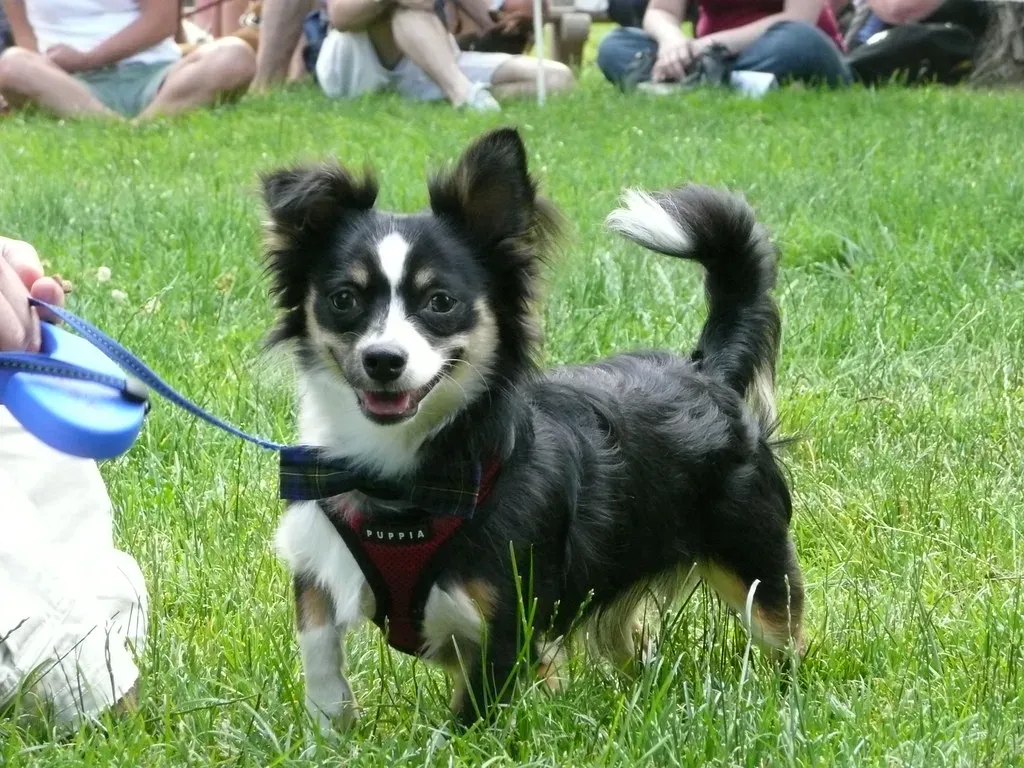
Every time your dog circles before squatting, they are performing a deeply ancient, biologically intricate behavior that connects them to the planet in ways we are still only beginning to understand. From scent signaling and safety scanning to aligning with the actual magnetic poles of Earth, that little spin contains multitudes.
The next time your dog starts their pre-poop pirouette and you feel the urge to tug the leash, take a breath instead. Watch them. Marvel at them. A 2025 study even found that hunting dog breeds are most likely to align their bodies on the north-south magnetic axis to poop, a habit that decreases with age. Your dog is running ancient software on a modern body, and it is honestly magnificent.
They are not being difficult. They are not being dramatic. They are consulting the compass of the Earth before doing their business, just like their wolf ancestors before them. If that doesn’t make you look at your dog with a little more wonder on your next walk, I honestly don’t know what will. So – next time you unroll that poop bag, maybe let the spin happen. The planet’s magnetic field apparently depends on it. What do you think? Did your dog just become 10 times more impressive in your eyes? Tell us in the comments!


