
Getting a dog for the first time is one of the most joyful decisions you’ll ever make. There’s nothing quite like it. That moment when a warm, wagging tail greets you at the door after a long day? Honestly, it changes everything. Still, before you fall head over heels for a fluffy face at the pet store or rescue shelter, there are real, practical things you need to think through.
The big dog or small dog debate sounds simple on the surface. It’s really not. The size of the dog you bring home will shape your mornings, your budget, your weekend plans, and yes, even your social life. Whether you’re living in a downtown apartment or a house with a backyard, the right match makes all the difference. Let’s dive in.
1. What Does Your Living Space Actually Look Like?

Small dogs are often seen as the ideal companion for those living in apartments or city environments, since their compact size means they require less space. Think of it like this: a Chihuahua in a one-bedroom apartment is like a houseplant that loves you back. A Great Dane in that same apartment? That’s a whole different story.
Large dogs require more space, both for living and exercise, and may not be as adaptable to apartment life. They thrive in houses with backyards or near open areas where they can run, sniff, and stretch out. So before you fall for a breed, take an honest look around your home.
2. How Active Are You, Really?

If you enjoy regular outdoor activities like hiking, running, or swimming, a larger dog may be the perfect companion. However, if you’re more of a homebody or prefer shorter walks, small dogs may be better suited to your activity level. Be real with yourself here. Don’t get a high-energy Labrador if your idea of exercise is a slow stroll to the coffee shop.
Size alone doesn’t determine a dog’s energy level. A tiny Jack Russell can have more energy than a sleepy Great Dane. It’s always important to look at the individual dog and the breed’s temperament too. So do your breed research carefully, not just size research.
3. What Is Your Budget for the Long Haul?

Small dogs can cost less, as caring for them generally costs less as far as food and some veterinary costs go. Small breeds eat less and are easier to handle when it comes to spaying, neutering and some surgeries. Over the span of a decade, those savings add up significantly.
More health problems mean more expenses, and that’s not the only aspect in which cost is higher with big dogs. Everything costs more, and food, even the economy brands, becomes a significant monthly expense. Bigger size means they eat more food, and they cost more at the veterinarian’s, again because of extra time needed to handle them, sedate them, and so on. Budget honestly, like you’re planning for a decade-long roommate.
4. Do You Have Kids or Other Pets at Home?

If you have young children or other pets at home, you also need to consider a dog breed known for its compatibility with children and other animals. Some breeds have a gentle and patient nature, making them ideal for families. Other breeds may be more reserved or require careful socialization.
Small breeds often don’t play well with children, since children may play more roughly than they realize and may end up hurting the dog without meaning to. In turn, the dog may bite to protect themselves, even if they’re normally very gentle. Despite their size, many large dogs are known for their gentle and calm nature, with breeds like the Labrador Retriever and Great Dane being famous for their affectionate and friendly demeanor.
5. How Much Time Can You Dedicate to Training?
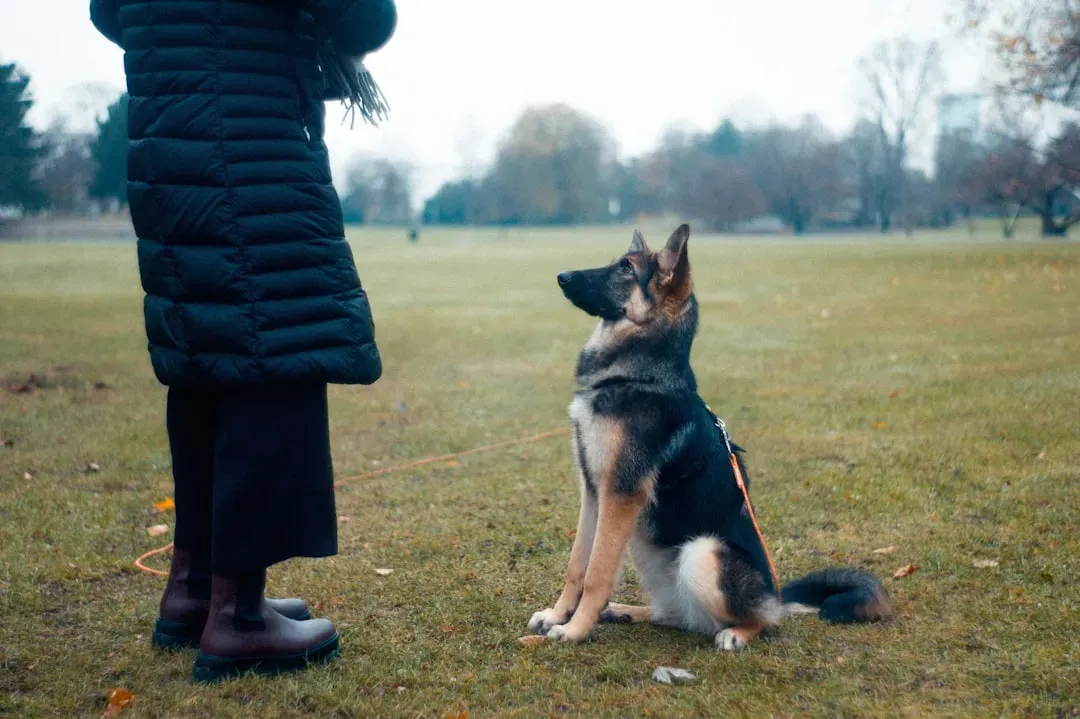
Big dogs can quickly become unmanageable without proper training and handling due to their strength and energy levels. Positive reinforcement-based training is the key to teaching all dogs good manners and building trust. A 70-pound dog that hasn’t been trained is not just inconvenient. It can be genuinely dangerous.
Small dogs can sometimes develop behaviors like barking, jumping, or nipping because their owners unintentionally let them “get away” with things larger dogs wouldn’t, simply because they are cute. Often, small dogs are also pushed past their comfort zone because people want to pick them up and cuddle or carry them. Early training sets clear expectations, helping your dog understand boundaries and appropriate behavior.
6. How Do You Feel About Dog Health and Vet Visits?

Bigger dog breeds are more at risk of arthritis than smaller dogs, a condition that wears away at cartilage and causes pain and lameness. Along with their genetics, larger breeds are more likely to suffer from hip and elbow dysplasia due to their growth rate, hormones, and sheer muscle mass.
Larger dogs are more at risk of bloat, a condition which is life-threatening and involves the twisting of the stomach, which can cause breathing issues and death. This is more common due to their stomach’s large size, sometimes faster eating habits and higher food intake. Small breeds are also more prone to dental problems, so regular tooth brushing is important. Know what you’re signing up for health-wise before you fall in love.
7. How Long Do You Want Your Dog to Be with You?
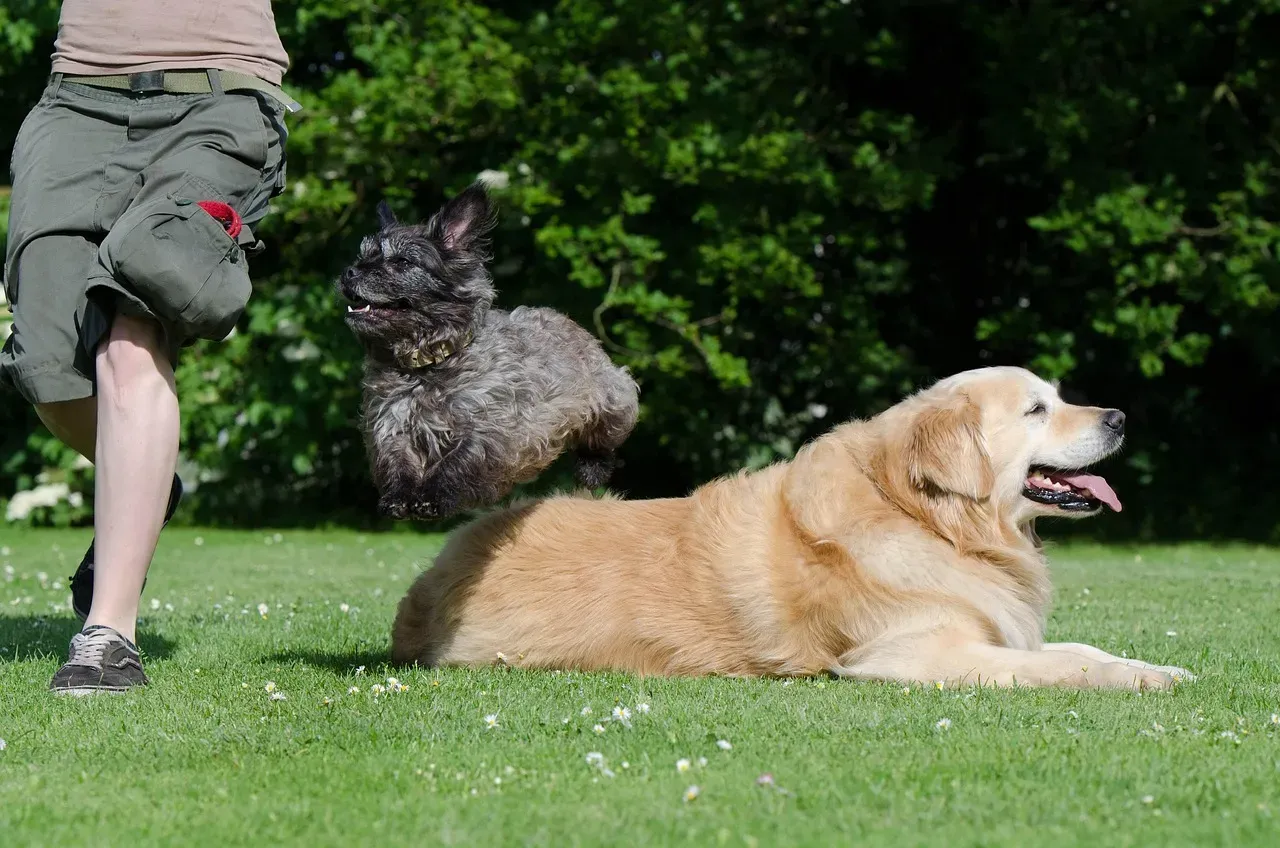
Generally speaking, bigger dogs tend to have a shorter lifespan than smaller dogs, with breeds such as Yorkies and Shih Tzus living up to 16 years, and large dog breeds such as Great Danes and Saint Bernards living up to 10 years. That is a meaningful difference, and it’s something many first-time owners overlook entirely.
It’s hard to say for sure how you’ll feel about this until it becomes real. The grief of losing a dog is profound no matter the size. Still, if the idea of a shorter commitment feels right for where you are in life, or if a longer companionship is what your heart needs, this matters deeply. Choose with full awareness.
8. Do You Travel Often or Plan to Move?

Small dogs are generally much easier to bring along when you travel. They fit comfortably in carriers, can ride in-cabin on most airlines, and are welcomed in far more rental properties and hotels. If you need to pick them up into the car or over a puddle or onto the vet’s table, it’s quick and simple. They’re also easier to carry in emergencies or if they’re injured or tired during a trip.
Traveling with a large dog can be more complicated and costly. They require more space and may not be allowed in certain accommodations or modes of transport. Planning ahead is essential for trips and vacations. If your lifestyle involves frequent moves or travel, a small breed is simply the smarter, more flexible choice.
9. What Kind of Emotional Connection Are You Looking For?
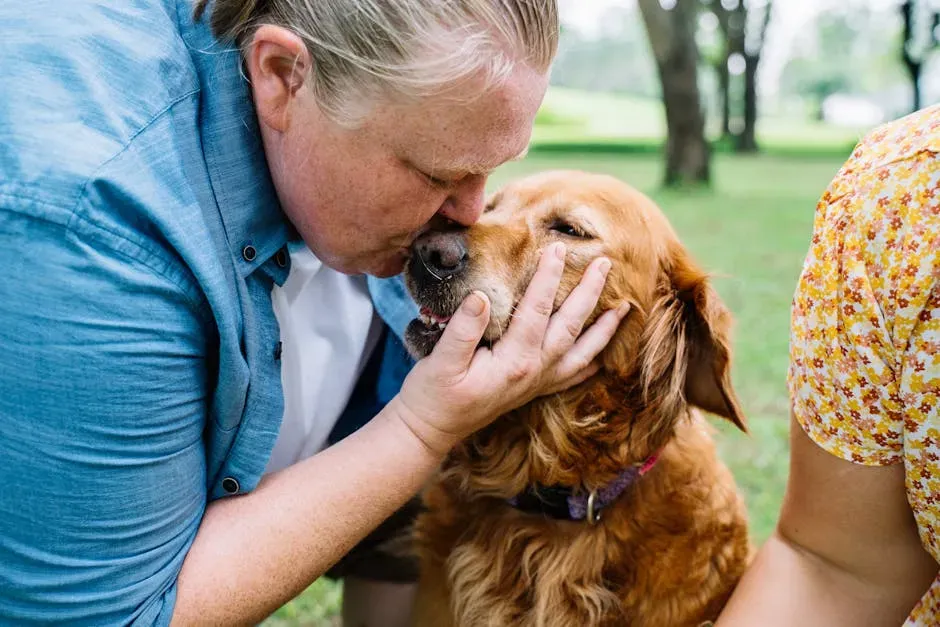
The physical presence of a large dog can be incredibly comforting, providing a sense of security and companionship that many owners find deeply rewarding. There is something grounding about a big dog leaning against your leg. It feels solid. Real. Like the world just got a little safer.
The idea that big dogs are lovable bears while small dogs are snobbish is a myth, since plenty of pet parents will tell you their lap dog is affectionate, cuddly, and friendly too. A Cavalier King Charles Spaniel, for instance, offers the gentle attentiveness of a toy breed with the athleticism of a sporting spaniel, and is very easy-going, low-maintenance, and great with kids as well as elderly people in the family. Emotional connection is not about size. It’s about chemistry.
10. Are You Truly Ready for the Long-Term Commitment?

Owning a dog is a big commitment, and some breeds require more experience than others. Before diving into specific breeds, consider why you want a dog. Do you want a workout buddy, a lap companion, or a family protector? Knowing your “why” will guide everything else.
Get to grips with the costs of owning a dog, understand your legal responsibilities, what vaccinations they need, and what to do if they become ill. Be patient with yourself as you’re just finding your feet as a dog owner. Consider creating a routine early on, start training from day one, and be consistent in your approach. What really determines how well a dog fits into your family isn’t their size. It’s how you train, bond, and meet their individual needs.
Conclusion: The Right Dog Is the One That Fits Your Real Life
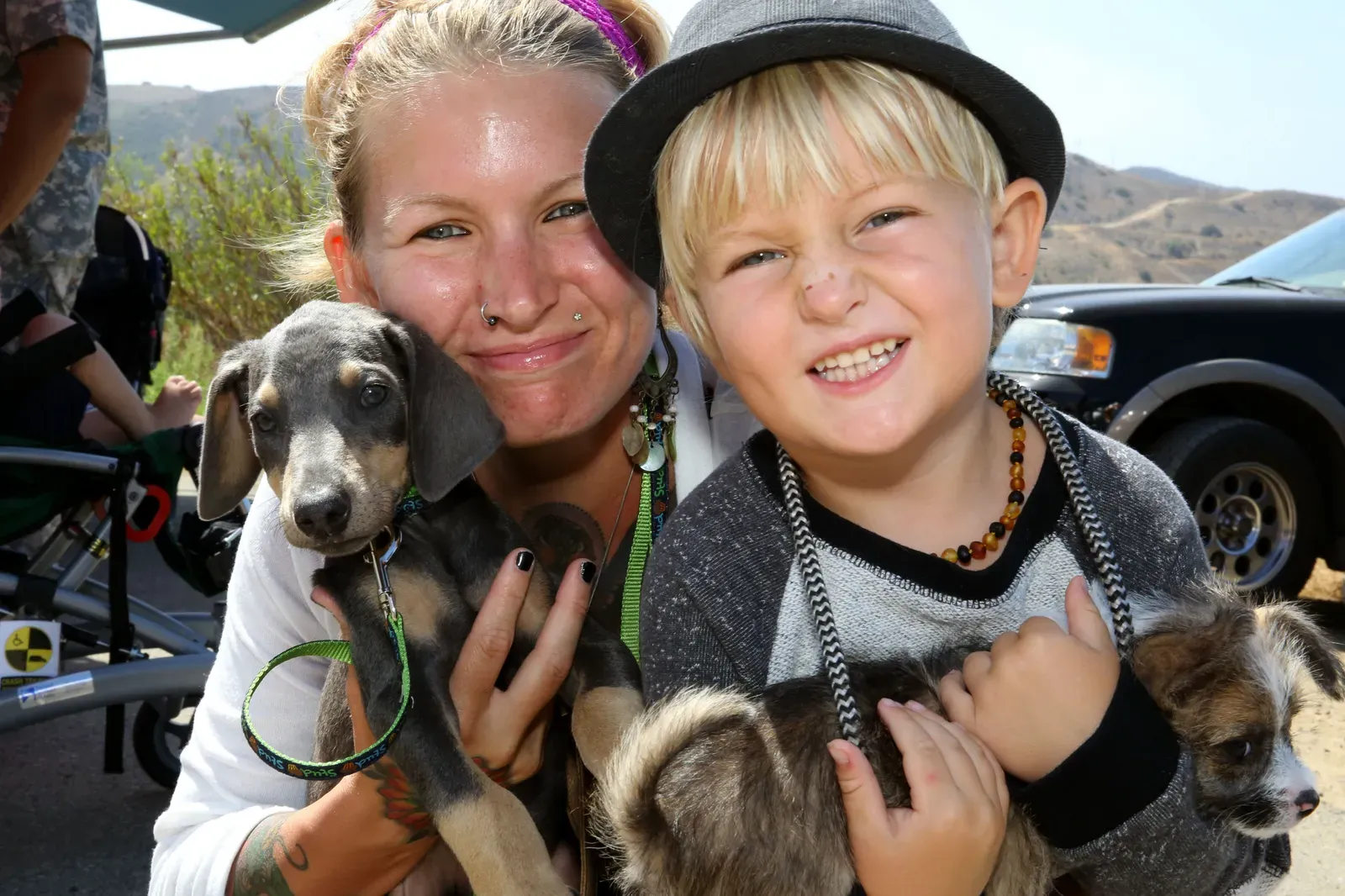
Here’s the thing: there is no universally “better” choice between a small dog and a large dog. The right dog is the one that slots into your actual life, not your ideal life. Before choosing a breed, your own lifestyle should be considered above all else. The size of dog you choose should be largely based on your activity level, living space, and any physical or financial limitations you may have.
Take your time. Visit shelters. Talk to owners. Ask questions without embarrassment. The dog you choose will love you completely and unconditionally for the rest of their life. They deserve the same thoughtfulness in return.
The wagging tail waiting for you on the other side of this decision? Completely worth it. So, which of these 10 questions surprised you the most? Tell us in the comments – we’d love to know.


