
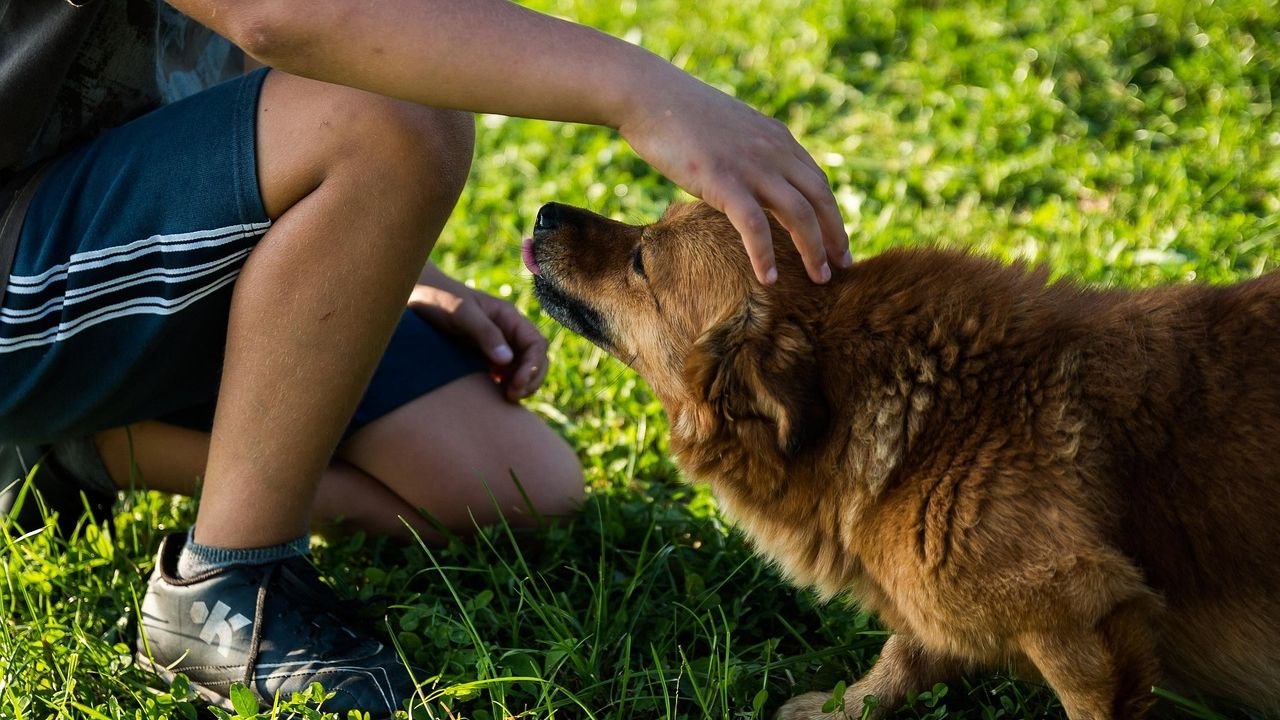
Have you ever noticed how your dog seems to know exactly when it’s dinnertime, long before you’ve even touched the food bowl? Or how they trot to the door at the same hour every single day, leash practically in hand? That’s not a coincidence. Dogs are quietly brilliant at reading the rhythm of your household, and honestly, it’s one of the most beautiful things about them.
The truth is, the one gift that could change everything for your dog, the thing that costs nothing but a little consistency, is a reliable daily routine. It shapes how they feel, how they behave, and just how deeply they trust you. Let’s dive in.
Why Your Dog’s Brain Is Wired for Routine

Dogs are, by nature, creatures of habit. They don’t have the same understanding of time that humans do, but they are exceptional at recognizing patterns. Think of it like an internal GPS, your dog isn’t watching the clock, they’re tracking the flow of daily life.
Dogs observe daily cues such as daylight changes, your body language, and household activity patterns to anticipate what’s coming next. When those cues follow a consistent pattern, your dog learns to expect what happens when, which provides emotional stability and reduces reactivity.
Routine affects the hypothalamus, a part of the brain that controls many of your dog’s instincts and emotional responses. A steady, predictable schedule helps regulate these responses, making your dog more emotionally stable and easier to train.
Uncertainty and inconsistency elevate cortisol, the stress hormone. A 2021 study published in Animals found that shelter dogs on consistent schedules had significantly lower cortisol levels than those without a routine. That’s not just interesting, that’s powerful.
The Hidden Connection Between Routine and Behavior Problems

Many common behavioral issues in dogs such as excessive barking, chewing, digging, or jumping can be linked to stress, boredom, or lack of direction. When a dog’s day lacks structure, they’ll often fill in the blanks themselves, sometimes in ways we find undesirable.
Let’s be real. When your dog chews the sofa or barks at nothing for twenty minutes straight, it’s easy to feel frustrated. Here’s the thing though, that behavior is rarely defiance. It’s often a cry for structure.
Dogs without structure can often develop unwanted behaviors such as barking, chewing, or digging. These behaviors are often signs of boredom, stress, or excess energy. Establishing a daily routine with designated times for exercise, play, and rest can significantly reduce these behavioral issues by giving your dog the stimulation and relaxation they need.
If you reward calm behavior before meals or consistent manners when guests arrive, your dog begins to associate those positive outcomes with predictable actions. On the flip side, inconsistent rules or sporadic schedules can confuse a dog and lead to frustration or undesirable habits. By maintaining structure, you set your dog up for success and encourage lasting good behavior that becomes second nature.
Feeding, Exercise, and Sleep: The Holy Trinity of a Dog’s Day
This tag does not indicate the copyright status of the attached work. A normal copyright tag is still required. See Commons:Licensing.
العربية ∙ বাংলা ∙
Bahaso Jambi ∙
Deutsch ∙ Deutsch (Sie-Form) ∙ English ∙ español ∙ euskara ∙ فارسی ∙ français ∙ italiano ∙ 日本語 ∙ 한국어 ∙ македонски ∙ മലയാളം ∙ Plattdüütsch ∙ Nederlands ∙ polski ∙ پښتو ∙ português ∙ русский ∙ slovenščina ∙ svenska ∙ Türkçe ∙ українська ∙ 简体中文 ∙ 繁體中文 ∙ +/−, Public domain)
A regular feeding schedule is more than a convenience. It directly affects your dog’s health. When mealtimes are consistent, digestion improves, bathroom habits become more predictable, and weight management is easier to monitor. It’s the canine equivalent of meal prepping. Simple, effective, transformative.
Playtime and exercise are essential for a dog’s mental and physical health. In addition to burning off excess energy, regular exercise releases endorphins, which reduce anxiety and stress in dogs. A tired dog, as any owner will tell you, is a wonderfully calm dog.
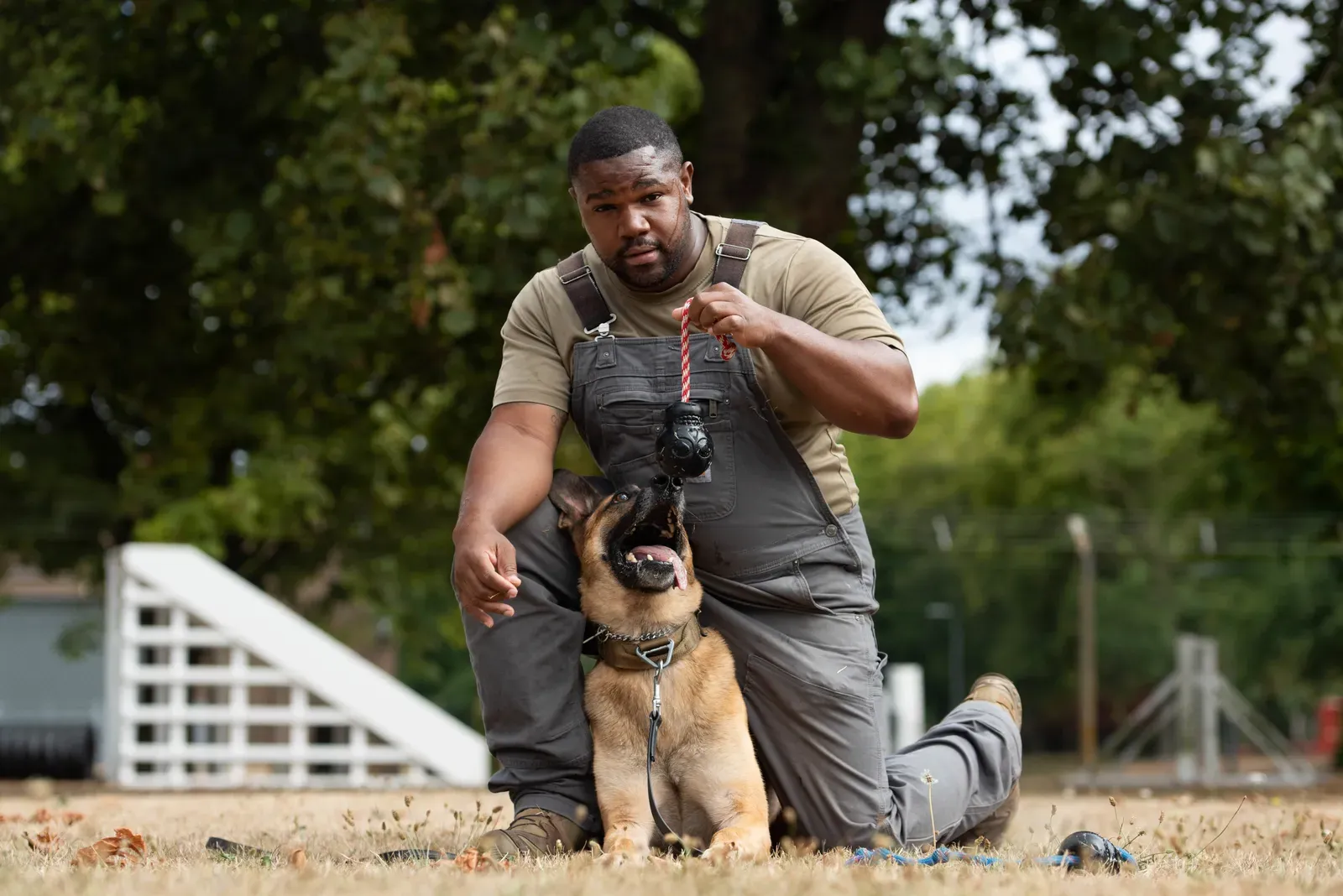
Dogs need adequate rest to recharge. Creating a quiet, cozy space for your dog to nap is essential. Puppies and senior dogs may need up to 18 to 20 hours of sleep daily. Most people don’t realize just how much sleep a growing or aging dog truly needs.
The amount of exercise your dog needs depends on their age, breed, and personality. Outlets for natural behaviors through enrichment, play, and mental puzzles are as important for an animal’s health as physical exercise, and this mental exercise provides busy dogs with a job.
Reading the Signs: When Your Dog Is Telling You They Need More Structure

Dogs communicate largely through behavior, not words. If your dog seems unusually destructive, clingy, restless, or nervous, the root cause may be a lack of structure. When routines are absent or constantly changing, it sends a message to the dog that their environment is unstable, which can trigger stress responses.
An anxious dog may pant, pace, tremble, drool, withdraw from its owner, or hide. Alternatively, they may appear irritable or aggressive, barking or growling at someone. The dog’s tail may be low or tucked, ears back, eyes dilated or showing lots of white around them. Sound familiar? These are not personality quirks. These are pleas for predictability.
If your dog seems generally hesitant, unsure what to do, and constantly checking your face for clues, they’ll probably feel way safer and more secure when their daily life is more predictable. Less guesswork means less stress.
To prevent anxiety and chronic stress, experts recommend consistency and predictability in a dog’s routine, alongside plenty of exercise and mental stimulation appropriate to the dog’s age, breed, interests, and health. It sounds simple because, honestly, it kind of is.
How Routine Deepens the Bond Between You and Your Dog
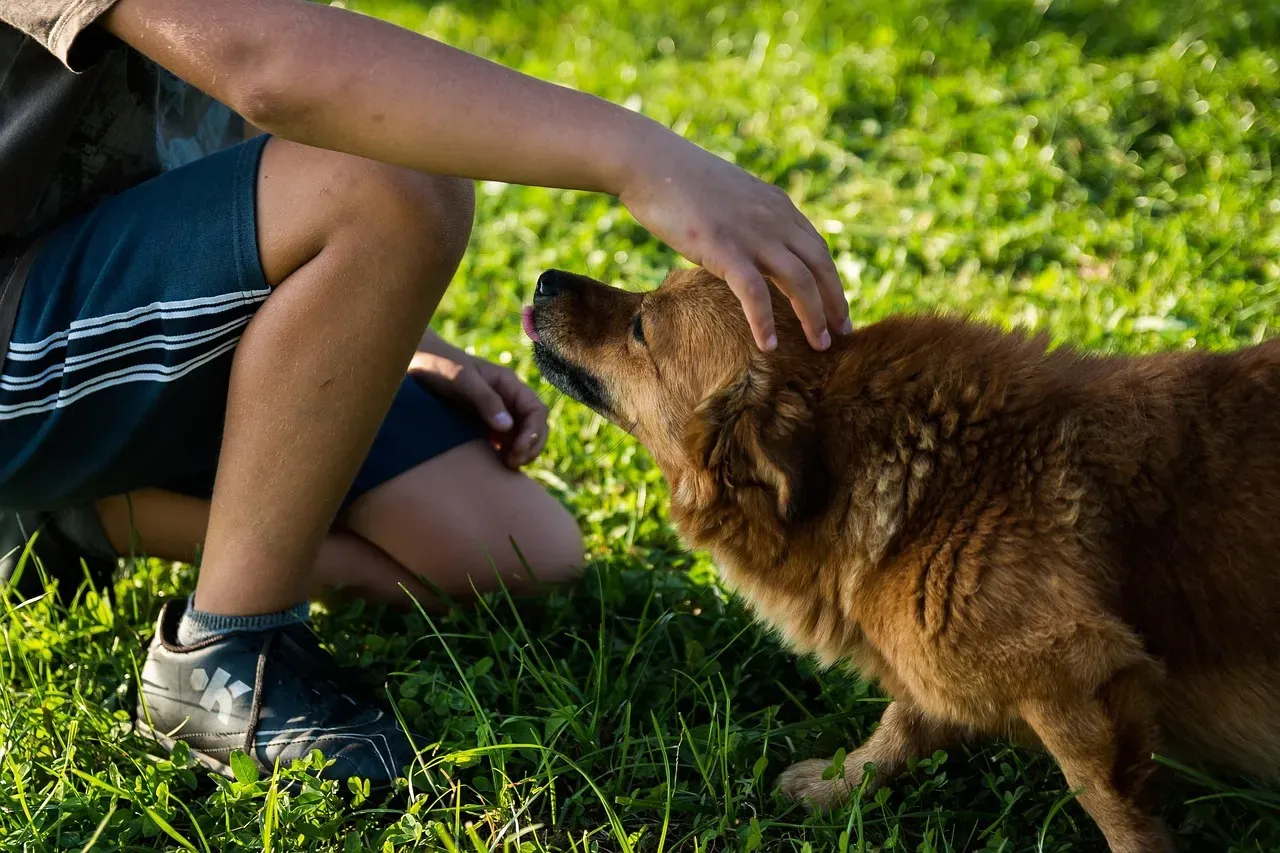
Trust between a dog and its owner is the foundation of a healthy, loving relationship. Routines help establish that trust. Feeding your dog at the same time each day, for example, sends a message that their needs are seen and will be met. That’s not a small thing. That’s love made tangible.
At the heart of every routine is the promise of care and stability. For your dog, knowing that meals, exercise, and affection will always be provided creates a deep sense of trust and comfort. By giving them this gift of consistency, you shape not only their behavior but also their long-term happiness.
Research shows that emotionally fulfilled dogs live longer, healthier lives with fewer behavioral issues. They recover faster from stress, adapt better to change, and form stronger connections with their human families. I think that’s something worth pausing on.
Making life more predictable for our dogs is more than just helpful. It’s genuinely an act of love. Every morning walk, every meal served at the same hour, every bedtime ritual, it all adds up to a dog who feels deeply, completely safe with you.
Conclusion
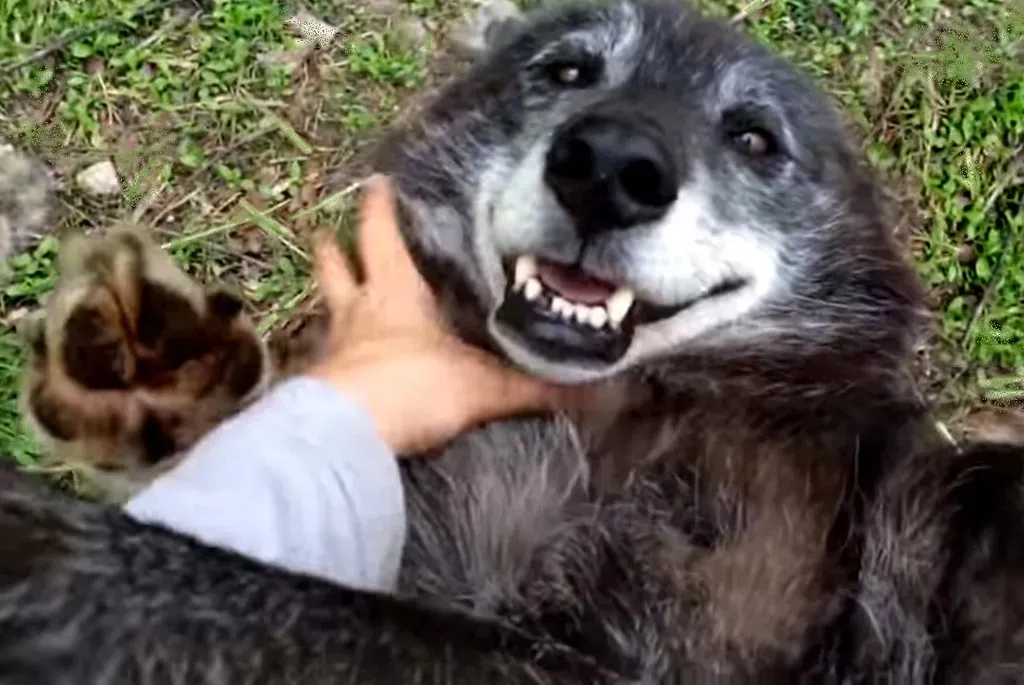
Building a daily routine for your dog doesn’t require a rigid military schedule or a color-coded spreadsheet. It just requires showing up, consistently, with care. A morning walk. A regular mealtime. A few minutes of training. A cozy wind-down in the evening. These small, repeating acts of love speak a language your dog understands fluently.
When the world feels unpredictable to your pup, you become their anchor. You become the reason they exhale. And honestly, there’s nothing quite like watching a once-anxious, once-mischievous dog settle into calm, joyful confidence simply because you gave them something to count on.
So, what’s one small routine change you could start with your dog tomorrow? Drop it in the comments. Sometimes the smallest shifts make the biggest difference.


