
There is something quietly heartbreaking about watching the dog who once bounced off the walls now move a little slower toward the door. The grey muzzle, the slightly creaky rise from the floor, the naps that stretch a little longer each season. It makes you wonder, honestly, is my old dog still okay? Is he happy?
Here is the thing most people don’t realize: as dogs age, they may slow down, but that doesn’t mean they’ve stopped enjoying life. Happiness in senior dogs just looks a little different than it did in their puppy years. Learning to read those changes, rather than fear them, is one of the most loving things you can do. Let’s dive in.
Read the Body: Your Dog’s Happiness Is Written All Over Them
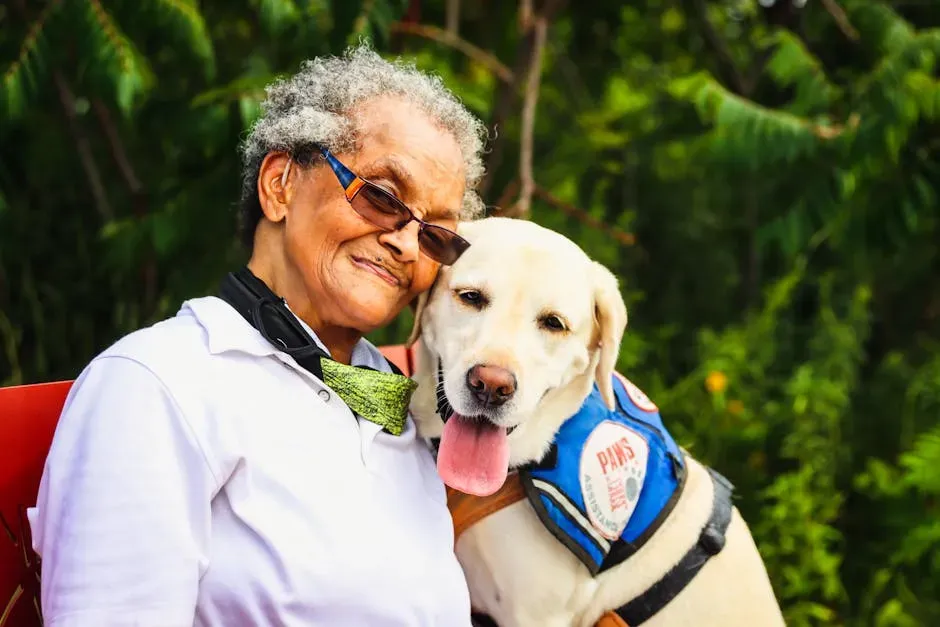
A dog’s body language speaks volumes about their emotional state. When a dog feels safe and content, their body appears loose and relaxed. Look for signs such as a wagging tail, a slightly open mouth almost like a smile, or a soft gaze. Think of it like this: a tense dog looks like a coiled spring, while a happy dog looks like a dropped towel, soft and formless.
When a dog is happy, their eyes and eyelids will be open and relaxed, their gaze will be soft, and they will blink often. Narrowed eyes and a hard gaze can indicate aggression, while wide eyes, particularly if the whites are showing, could mean your dog is frightened. For older dogs especially, that relaxed, warm eye contact is gold. It means they feel completely at ease with you.
A gentle, loose tail wag can indicate happiness in a dog. Dogs that are feeling happy may wag their tail slowly and widely from side to side, with their tail in a neutral position or slightly raised. Don’t expect the frantic helicopter wag of puppyhood. In a senior dog, even a gentle, slow sweep of that tail is a love letter.
Curiosity Didn’t Kill the Dog – It Means They’re Thriving
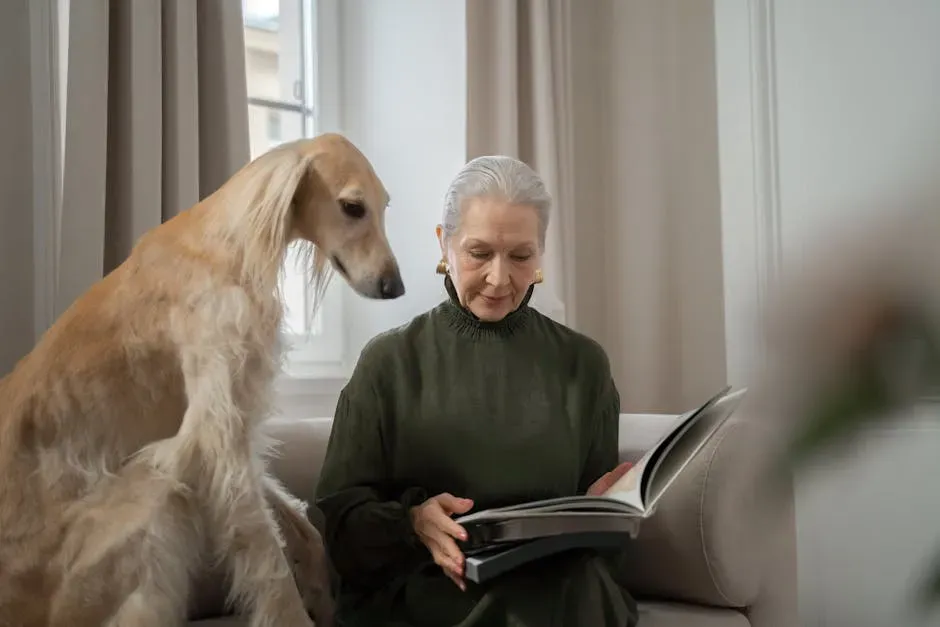
Older dogs are still totally eager to experience new things. If you notice your dog is curious, that’s how they communicate they are happy. While aging dog behavior often includes slowing down physically, mental engagement and interest in the world are powerful indicators of emotional well-being. I think this is the single most underrated sign of senior dog happiness, and so many owners miss it entirely.
Happiness is a key quality of life indicator, and perhaps the easiest assessment for pet owners. Pets who are engaged and interested in their surroundings are more likely to enjoy a good quality of life. Senior pets may not play like they used to, but they should still demonstrate some interest in their favorite activities or routines. Does your dog still pause at the window when a squirrel runs by? Does he sniff every single blade of grass on the morning walk? That nosiness is a beautiful thing.
Mental enrichment activities like scent games, snuffle mats, or puzzle feeders can help keep older dogs mentally engaged. These are not just toys. They are tools that keep an aging brain fired up and alert. A fifteen-minute sniff game can be as satisfying to a senior dog as a long run once was.
Appetite, Sleep, and the Small Daily Rituals That Say Everything
A happy dog is usually a hungry dog, or at least one who gets excited about mealtime. If your pup greets their food bowl with enthusiasm and can’t wait for you to hand over that treat, it’s a good sign they’re feeling content and healthy. On the other hand, if you notice a sudden lack of interest in food, that could indicate something’s wrong. For a senior dog, mealtime enthusiasm is actually one of the most reliable daily check-ins you have.
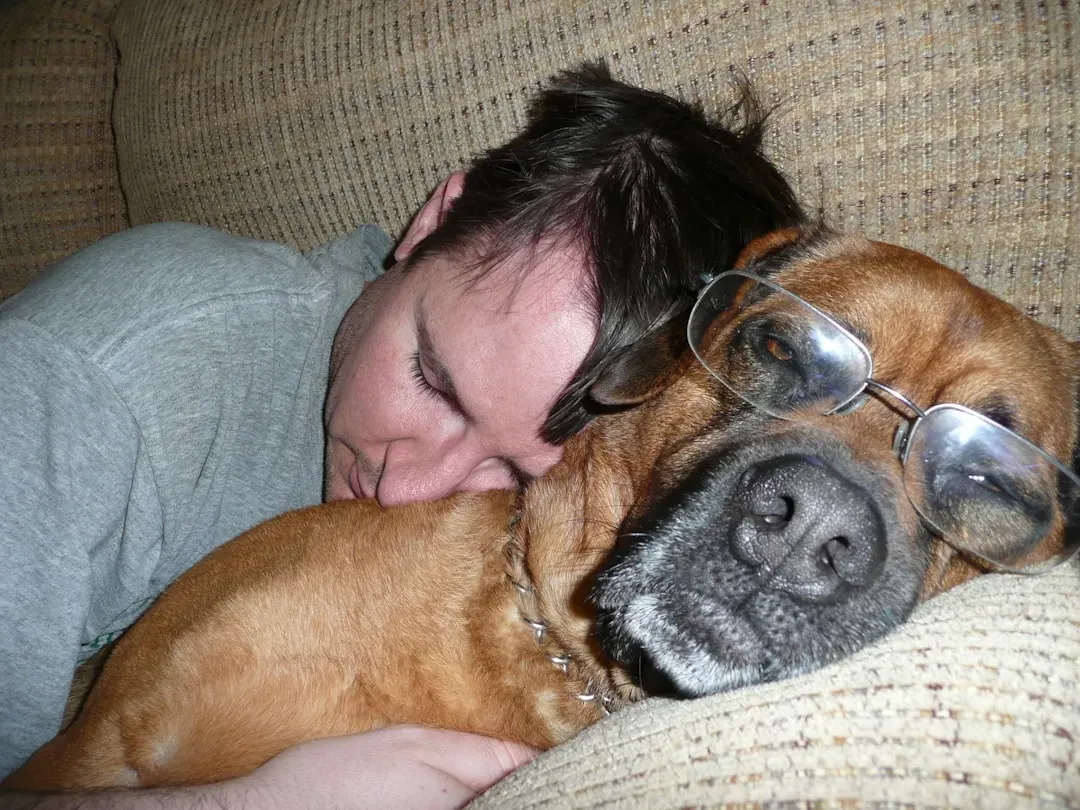
Healthy sleep patterns and appetite also reflect a dog’s happiness. A well-rested dog who eats regularly is likely feeling good physically and emotionally. Disruptions in sleep or eating habits may indicate stress, so maintaining these routines is crucial for well-being. Dogs who feel safe and happy will sleep deeply and in relaxed positions. Common signs of this include relaxed body language when your pooch is lying on his side or back with paws up. A happy dog will often choose to sleep near their owner or in a favorite spot, further showing their sense of security.
Watch for the Warning Signs That Something Has Shifted
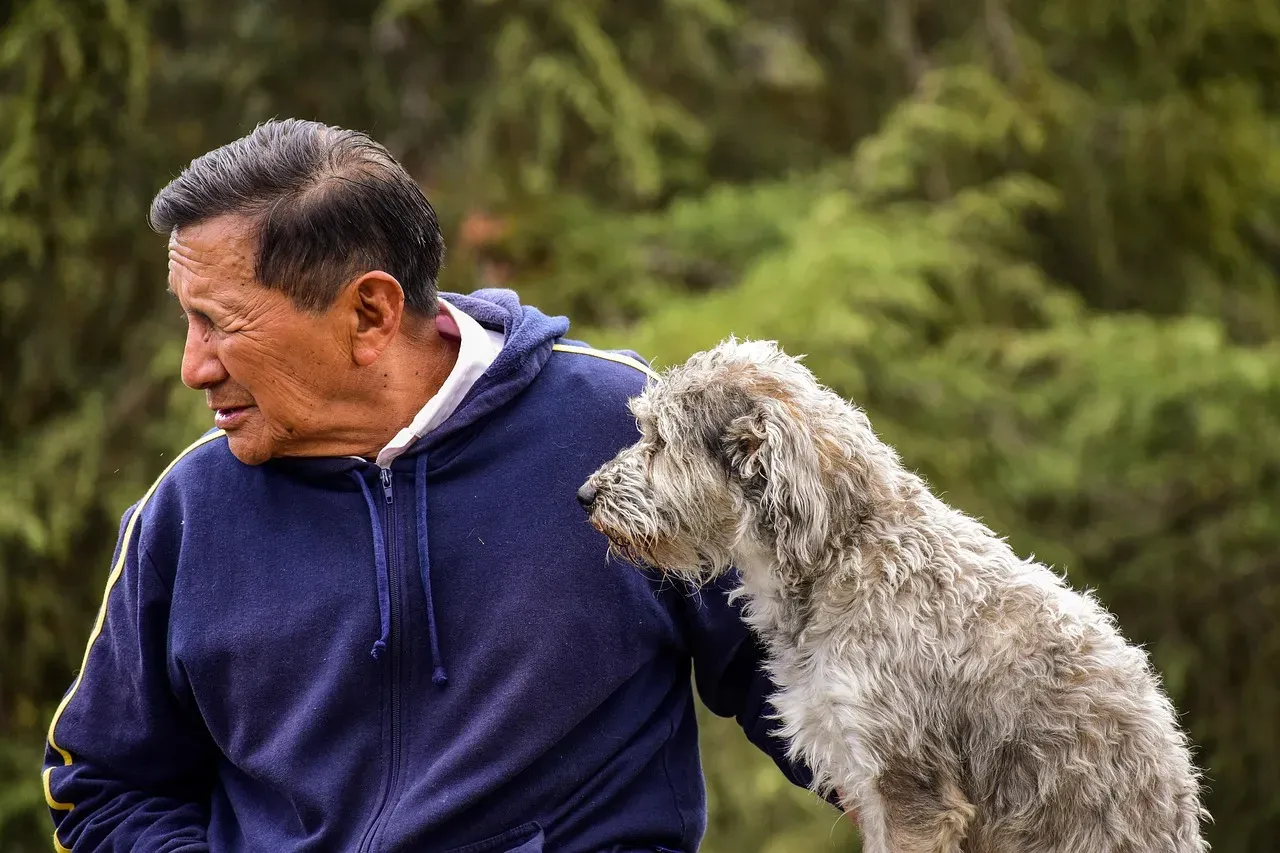
Let’s be real. Not every change in your older dog is “just aging.” Some are genuine red flags that deserve attention sooner rather than later. Signs of pain in dogs tend to be very subtle. It usually starts as a reluctance to do what they have done easily in the past, like jumping up on furniture or in the car, which then progresses to an inability to do these things at all. Walks become shorter, or their gait changes during the walks.
Even as dogs age, they should remain friendly and engaged. Withdrawn behavior might indicate pain or cognitive decline. Social dogs wag tails at familiar faces and respond to cues, and these are important behaviors to watch for. If your dog, who has always greeted you at the door, suddenly stops caring when you come home, that is worth a vet conversation.
Cognitive decline can affect behavior, routines, and emotional well-being in senior pets. Changes in your pet’s elimination habits can indicate health problems, cognitive decline, or pain. Common concerns include arthritis, dental disease, cognitive changes, and weight changes. Catching these early matters enormously. Honestly, a twice-yearly vet visit for a senior dog is not overprotective. It is smart love.
How to Actively Support Their Happiness Every Single Day
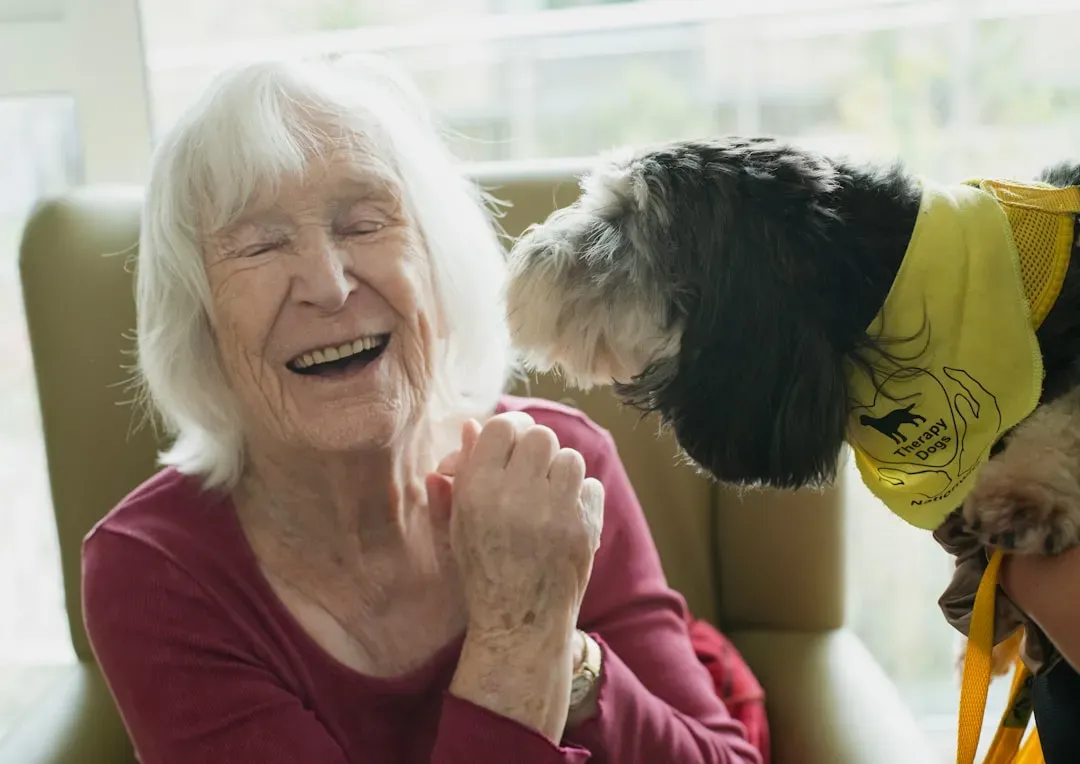
Exercise remains vital for senior dogs, but their abilities may change. Regular, gentle exercise can help maintain a healthy weight and good joint health. It is important to adapt activities to your dog’s current fitness level and mobility. Consider shorter, more frequent walks instead of long ones. Think of it less like exercise and more like daily adventures, scaled to where your dog is right now.
Small home adjustments, such as orthopedic bedding, traction, and mental enrichment, can greatly improve comfort and quality of life. Consistency is the foundation of a happy dog’s life. Regular feeding times, daily walks, and grooming sessions create a sense of stability and trust. Dogs love routine as it helps them feel loved and secure. Something as simple as keeping the furniture in the same place, or feeding at the exact same time each day, can give an older dog an enormous sense of calm.
A dog’s emotional well-being directly affects their overall health. Content and happy dogs often show fewer signs of stress and anxiety, leading to fewer health issues and a longer lifespan. When a dog feels secure and loved, they tend to have stronger immune systems and exhibit more playful and relaxed behaviors. Your presence, your patience, your consistency. These are not small things. They are everything.
A Final Thought on These Golden Years
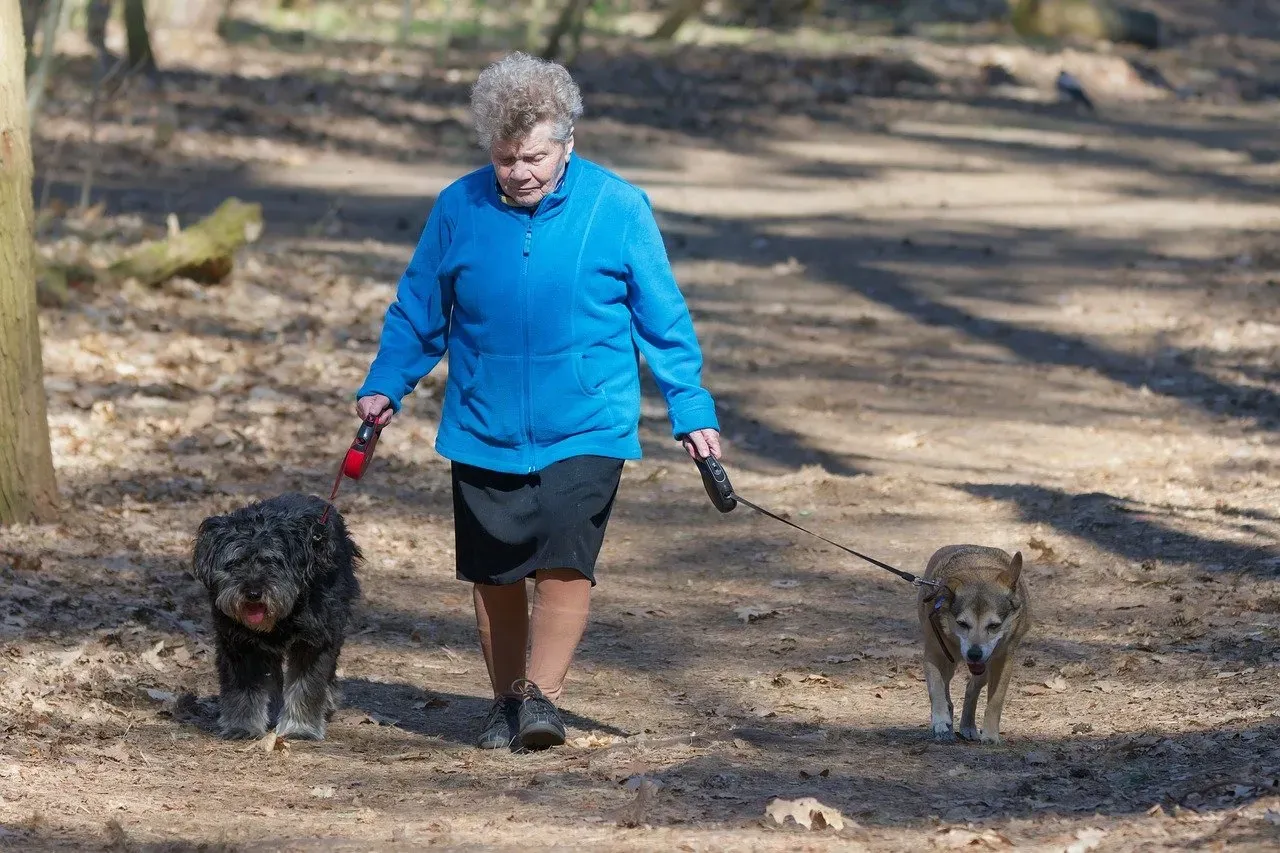
Here’s what I want you to take away from all of this: your older dog does not need to sprint through the park or perform tricks to be happy. With the right support, senior dogs can stay active and enjoy their favorite things, whether that’s a daily walk, a cozy nap, or simply time with you.
The signs of happiness in an aging dog are quieter now. They live in the slow tail wag, the satisfied sigh after dinner, the way your dog still follows you from room to room because you are their whole world. Think about what has brought your friend joy in their life. Walks? Chasing the cat? Hunting for bunny droppings in the yard? Being with the family? Then ask: can she still do these things? That question is your compass.
Your dog has spent years reading you, loving you, and showing up for you without hesitation. Now it is your turn to show up for them with the same devotion. These golden years, when you know how to cherish them, can be some of the most beautiful of your dog’s life.
So take a moment today to look at your older dog and really see them. What are they telling you?


