
There’s something almost magical about the way a dog can walk into a hospital room, a school hallway, or a grief counseling session and instantly change the energy in the room. No credentials on the wall. No formal introduction. Just a wagging tail, a warm body, and an uncanny sense that someone needs comfort right now. Honestly, it’s one of the most beautiful things dogs do for us.
Most people picture a Golden Retriever when they think of therapy dogs. And yes, they’re wonderful. But the therapy dog world is far more diverse, surprising, and fascinating than that single image. Some of the breeds on this list might genuinely shock you. Others might make you look at your dog in a completely new light. Let’s dive in.
1. Golden Retriever: The Classic With Good Reason

Let’s be real, the Golden Retriever has earned its legendary status in the therapy world. Goldens have a gentle and sensitive nature and seem to instinctively know what people need. They radiate happiness and can’t help but evoke smiles when they are petted, even by strangers. Their loving, caring temperament makes them particularly good at relieving anxiety, stress, and depression.
Golden Retrievers are typically affectionate, playful, and patient. They tend to enjoy interacting with a wide range of people, including children, older adults, and individuals with mobility aids or cognitive differences. Think of a Golden sitting beside a child in a reading program, patiently waiting while the child slowly sounds out each word. That quiet steadiness is priceless.
2. Labrador Retriever: The Reliable Heart of the Pack

Labrador Retrievers are bright, friendly, sociable dogs who love a job to do. They’re easy to train and normally love people. Their calm temperament means they’re happy sitting still for long periods, but they do love a lively game when they’re allowed. That balance of calm and playfulness is exactly what makes them so adaptable across different therapy settings.
Labs tend to be very perceptive as well as affectionate, so they are great for people suffering from depression or anxiety disorders and can be used with kids and adults alike. Whether it’s a nursing home visit or an airport comfort station, a Lab just gets it. It’s hard to say exactly how they read the room so well, but they always seem to.
3. Poodle: The Brainy Breed Nobody Takes Seriously Enough
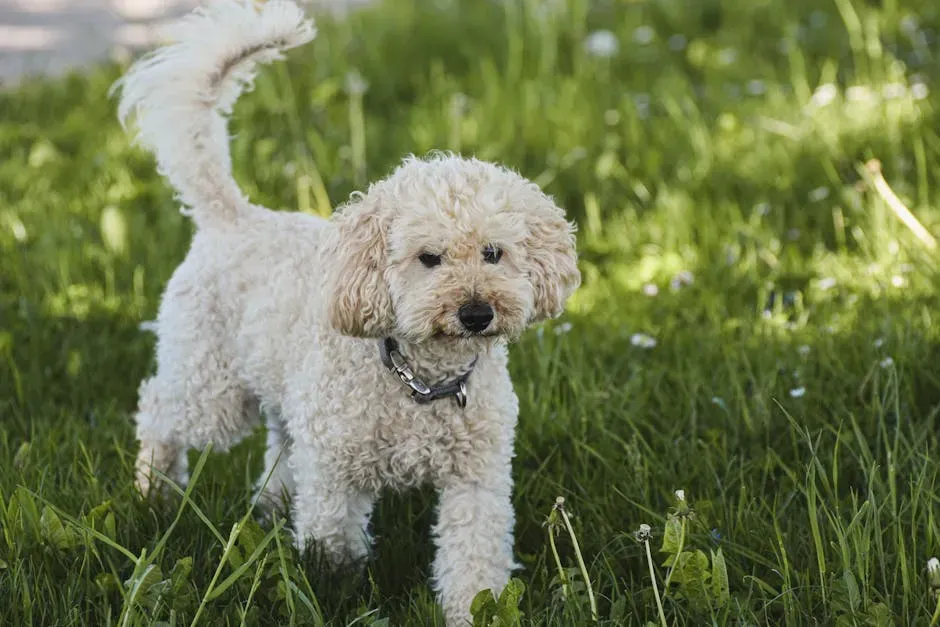
Here’s the thing about Poodles: people often underestimate them because of those famously fancy haircuts. But Poodles are practically made for therapy work. They are extremely smart, eager-to-please, and highly trainable. They like to work closely with their owners. That partnership instinct is key in therapy environments.
Poodles, both standard and toy, are more hypoallergenic than other breeds, which is a definite plus when visiting medically vulnerable people. The poodle’s calm nature also makes them a good match for people with autism, particularly children. So the next time you see a Poodle strutting by, know there’s a seriously talented therapy partner underneath all that floof.
4. Cavalier King Charles Spaniel: Small Dog, Giant Heart

Cavaliers make wonderful therapy dogs due to their sweet, gentle nature. They are friendly, easily trainable companions. They were literally bred to be lap dogs for royalty, which means centuries of evolution have made them exceptionally good at one thing: being close to people and making them feel loved.
A small, quiet dog such as a Cavalier King Charles Spaniel might be the perfect dog for visiting a hospital. It could be placed on a cover on the bed and comfort the hospitalized patient. Patients report less pain when they are stroking a dog. That last point is not fluff. That’s real. A tiny Cavalier curled up on a hospital bed doing genuine therapeutic work is nothing short of remarkable.
5. Bichon Frise: The Cheerful Little Comfort Machine
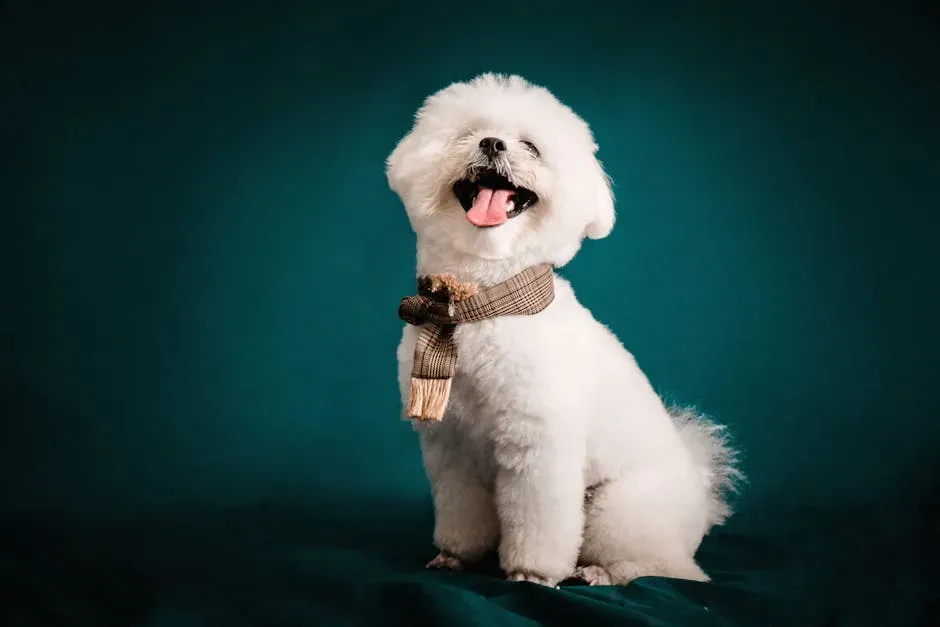
Gentle, friendly, and loving, the Bichon Frise is a great breed for those who want an affectionate therapy dog. Bichon Frises are surprisingly intelligent and quite cheerful, and they can easily brighten up anyone’s day or act as a constant source of comfort. There’s something about their fluffy cloud-like appearance that immediately disarms even the most guarded patients.
The Bichon Frise has a wonderful personality. The breed is known for its cheerful, playful, social nature, and is meant to be a companion. They are cute and cuddly, and their long coats are very tactile to stroke. That tactile quality matters more than people realize. The act of physically stroking a soft coat is itself calming for humans.
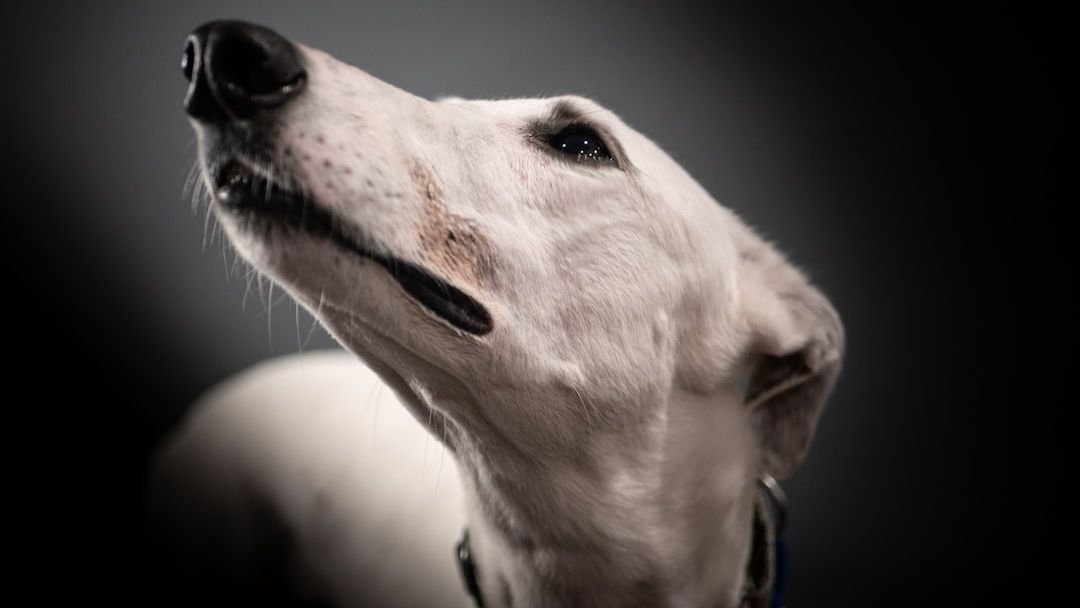
6. Greyhound: The Biggest Surprise on This List
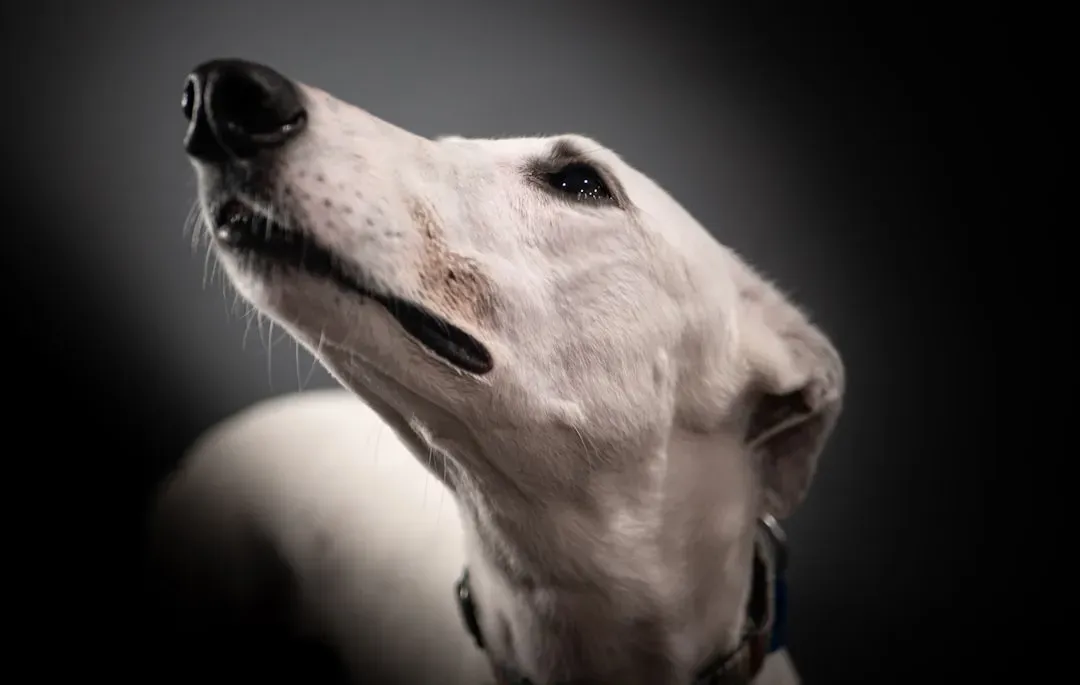
I know. A racing dog as a therapy dog? It sounds counterintuitive. But greyhounds are one of the most underrated therapy breeds out there. Greyhounds are quite the dark horse when it comes to therapy breeds, as most people don’t expect to see them in such a list. They are, however, incredibly calm, quiet, and affectionate dogs that can provide comfort to patients in a hospital or those in a retirement home setting. If you’re after a dog that rarely barks, Greyhounds are a good bet.
Greyhounds are peaceful and have a sweet character and often work in hospitals, nursing homes and laboratories. They provide companionship to people in need and are a hugging dog that gives people warmth. Off the racetrack, these dogs are essentially couch potatoes with kind souls. I think that’s one of the most surprising and beautiful paradoxes in the dog world.
7. Newfoundland: The Gentle Giant Who Knows Your Sadness
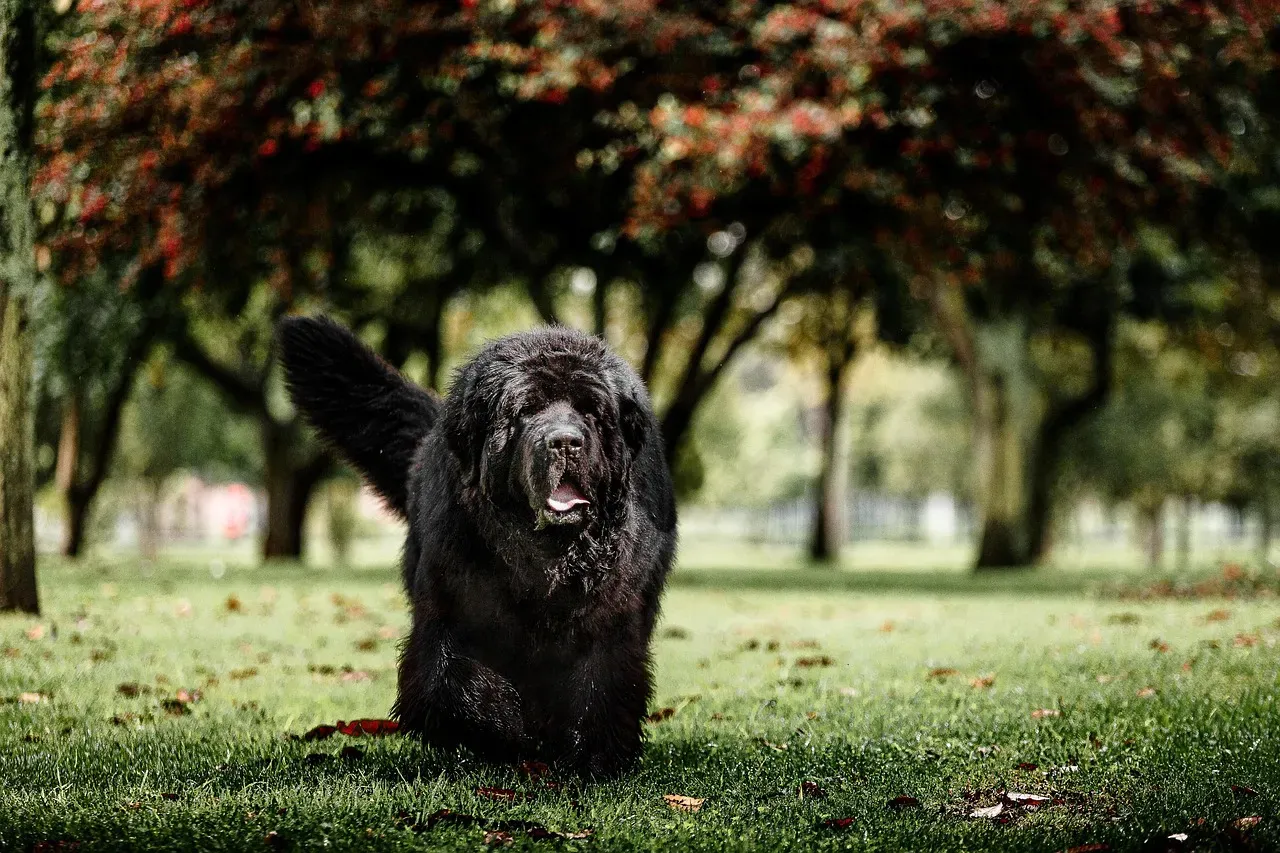
The “gentle giant” Newfoundland can be intimidating in size, but they’re friendly and outgoing dogs that show incredible patience and gentleness with young children. Though Newfies aren’t quite as easy to train as a Lab, they can be a good choice for someone with training experience. Their sheer size actually works in their favor. Something about leaning into a Newfoundland feels like being hugged by the universe.
Newfoundlands these days make excellent therapy dogs, described as “affectionate, with a great coat for petting in a therapy setting, good around other dogs, calm, good with children, open to meeting strangers.” One small heads-up for anyone considering a Newfie for therapy work: the downside with Newfoundlands is that they drool. Therapy dog handlers usually carry a towel with them. Fair warning. Worth every towel.
8. Pug: Tiny Clown With Surprisingly Therapeutic Powers

The pug is a breed you might not automatically think of when you consider therapy dogs, but this breed makes for a fantastic therapy companion. While pugs are too small to complete significant service dog tasks, they are very loving and affectionate therapy dogs. Their small size can make them less intimidating to young children or people who may be on edge.
They are cuddly and love spending all their time with people, making them a great choice for a therapy animal. They are also gentle and great with children, happily soaking up any attention or playtime that comes their way. Pugs have this almost comedic presence that naturally lifts the mood in any room. Sometimes laughter really is the best medicine, and a Pug face is basically a prescription.
9. Saint Bernard: The Avalanche Dog Who Rescues Hearts Too
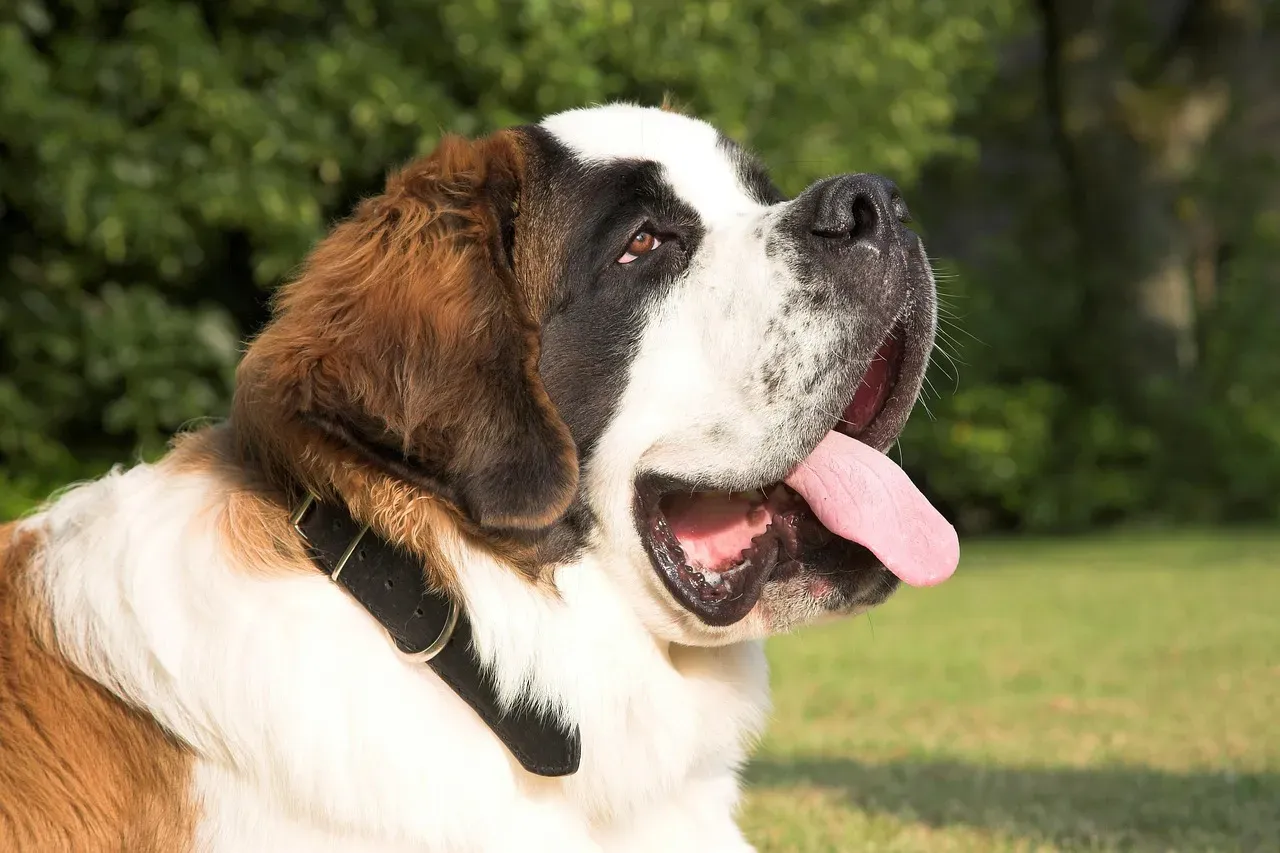
Don’t be fooled by their size. Saint Bernards are gentle giants and oh-so-cuddleable. Children just love to play and nuzzle into their soft fur, and this dog is glad of the attention. These dogs carry centuries of rescue instinct in their DNA. It’s no surprise that instinct extends to emotional rescue as well.
The Saint Bernard has the reputation of an avalanche rescue dog but can treat patients of all ages patiently. This dog can assist people to overcome stress during a difficult time. It is caring, trainable, obedient, loyal, and patient. Imagine a child going through a difficult hospital stay, suddenly burying their face in a Saint Bernard’s thick, warm fur. That image tells you everything about why this breed belongs on this list.
10. Yorkshire Terrier: Proof That Big Therapy Comes in Small Packages
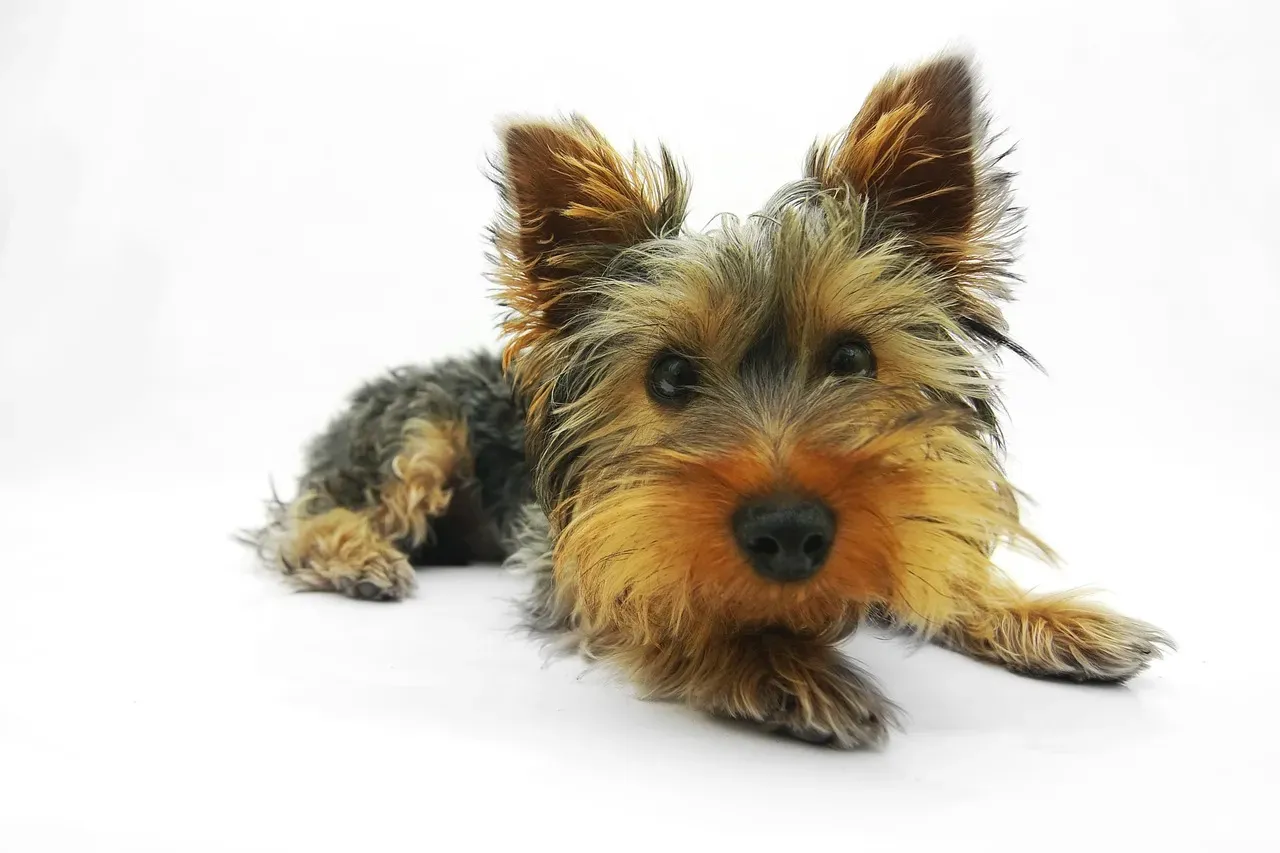
Yorkshire Terriers can be great therapy dogs because they see everyone as a friend. They’re great with young kids and are easy to train. They can be quite playful and are considered a high-energy breed. Don’t let that energy fool you. A well-trained Yorkie channels that enthusiasm into pure, infectious joy.
Their small stature means a couple of short walks every day is enough to keep them from feeling bored. The silky texture of their long hair is somewhat similar to our own human hair, and this, paired with their minimal shedding, makes them less irritating to people with pet allergies. For allergy-sensitive therapy environments like hospitals or care homes, that’s a genuinely practical advantage that often gets overlooked.
11. Bernese Mountain Dog: The Steady, Loving Workhorse
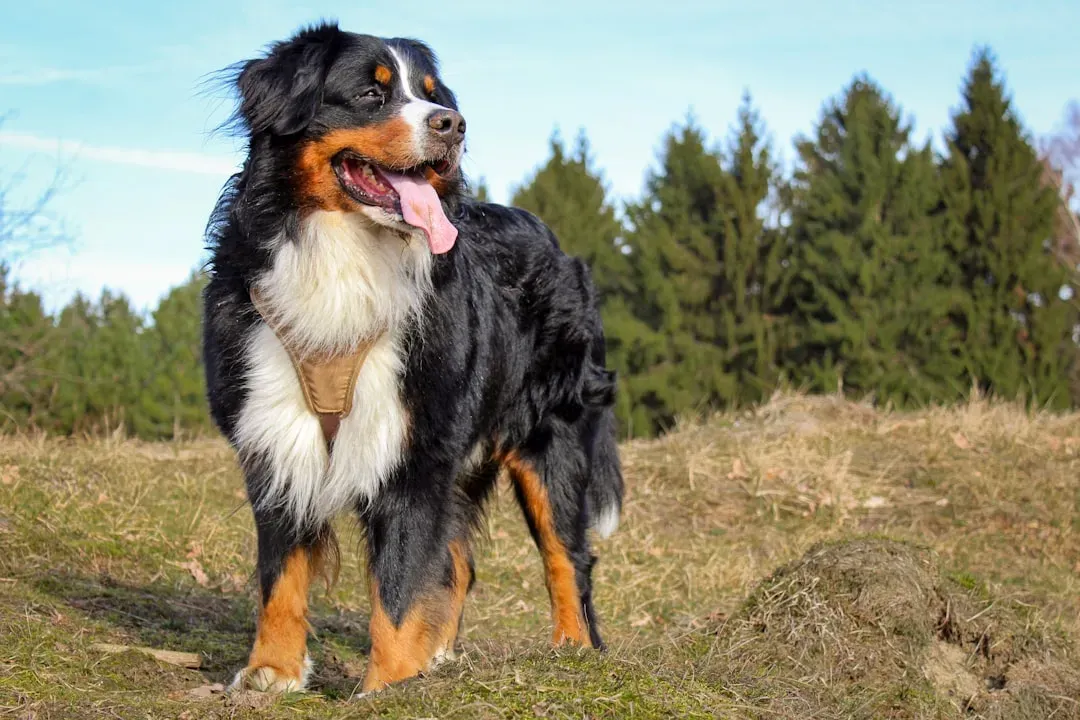
The Bernese Mountain Dog is another of the gentle giants. They are loyal, gentle, smart, trainable, and friendly. Because of their size, Bernese Mountain Dogs can apply deep pressure therapy to comfort their people and stop panic attacks and PTSD symptoms. Deep pressure therapy, where the weight and warmth of the dog is used to calm the nervous system, is a real and recognized technique. A Berner lying across someone’s lap or leaning against them can genuinely shift their physiological state.
They’re also breathtakingly beautiful dogs with those signature tri-color coats, which has its own effect on people. Honestly, just looking at a healthy, well-groomed Berner walking into a room tends to make people stop what they’re doing and smile. That involuntary smile? That’s therapy too. Don’t underestimate it.
12. Papillon: The Tiny Overachiever You Never Saw Coming
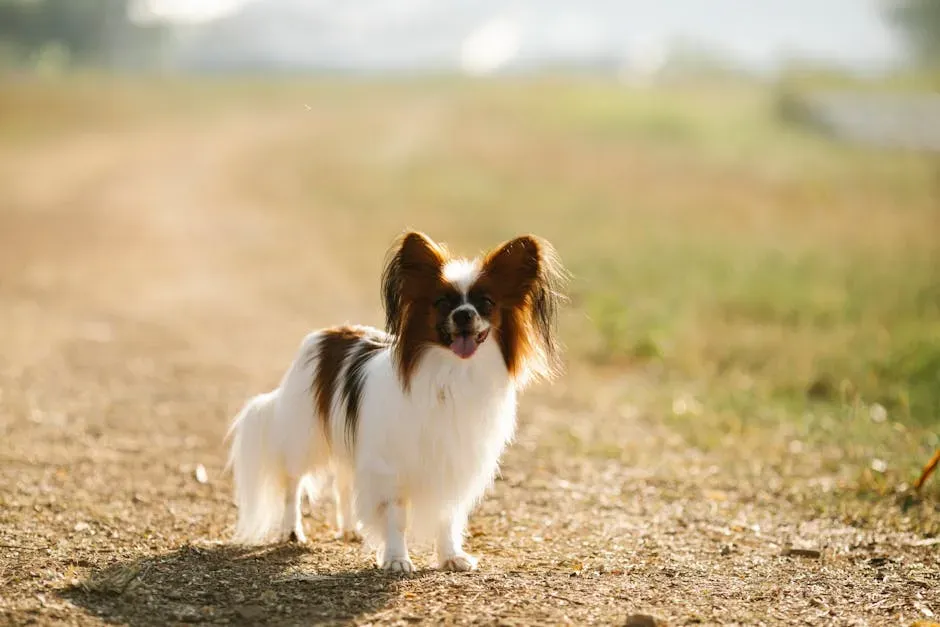
The Papillon is a happy, friendly dog. They are less yappy and more easily trained than other toy breeds, making them great for therapy work. Named for their butterfly-shaped ears, Papillons carry themselves with an almost regal energy that draws people in immediately. Their compact size makes them incredibly practical in tight spaces like hospital wards or classroom settings.
Papillons have long hair but surprisingly don’t need much grooming. Simply brush them about once a week to prevent matting and bathe them every few months as needed. That low-maintenance coat is a real bonus for busy therapy dog handlers. They’re spirited little dogs with a whole lot of heart, and they have a way of making even the most withdrawn person reach out a hand to pet them. That first touch is often where healing begins.
The Final Thought: It’s About Heart, Not Breed
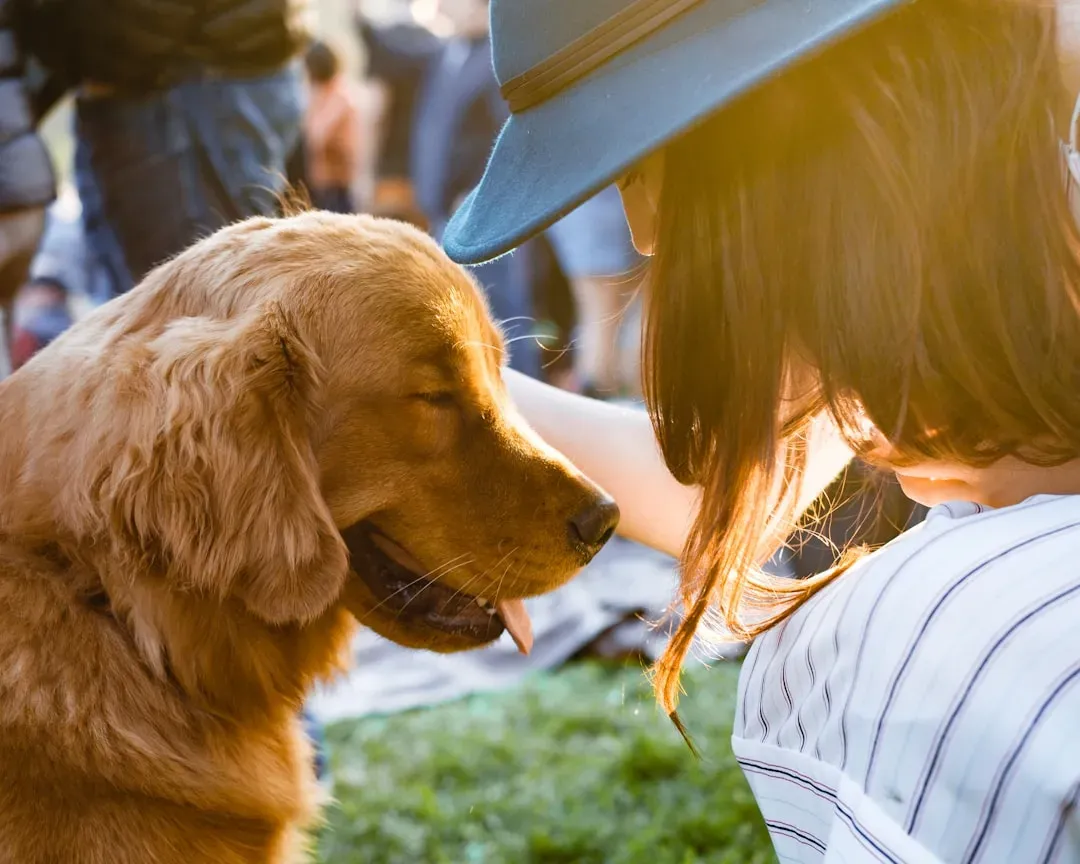
After everything you’ve just read, here’s what I really want you to take away. Personality trumps pedigree every time. The fact that dogs of various breeds and a wide range of ages are used as therapy dogs suggests that dogs of many types may have the aptitude for the role. The breeds on this list give you a strong starting point, but they’re not the whole story.
What the most exceptional therapy dogs share is calm confidence, a trusting relationship with their handler, and an obvious enjoyment of people. Many scientific studies have shown how good pets are for people. They help reduce stress and anxiety and provide calm reassurance when we feel overwhelmed. That’s the gift these dogs give the world, one hospital room, one anxious classroom, one grieving heart at a time.
So the next time your dog leans into you after a tough day, or rests their head on your knee without being asked, remember this: they were made for this. Whether they’re a celebrated Golden or a surprise Greyhound, the therapy is already happening right in your home. Does your dog have what it takes to share that gift with others? That might be worth thinking about.


