
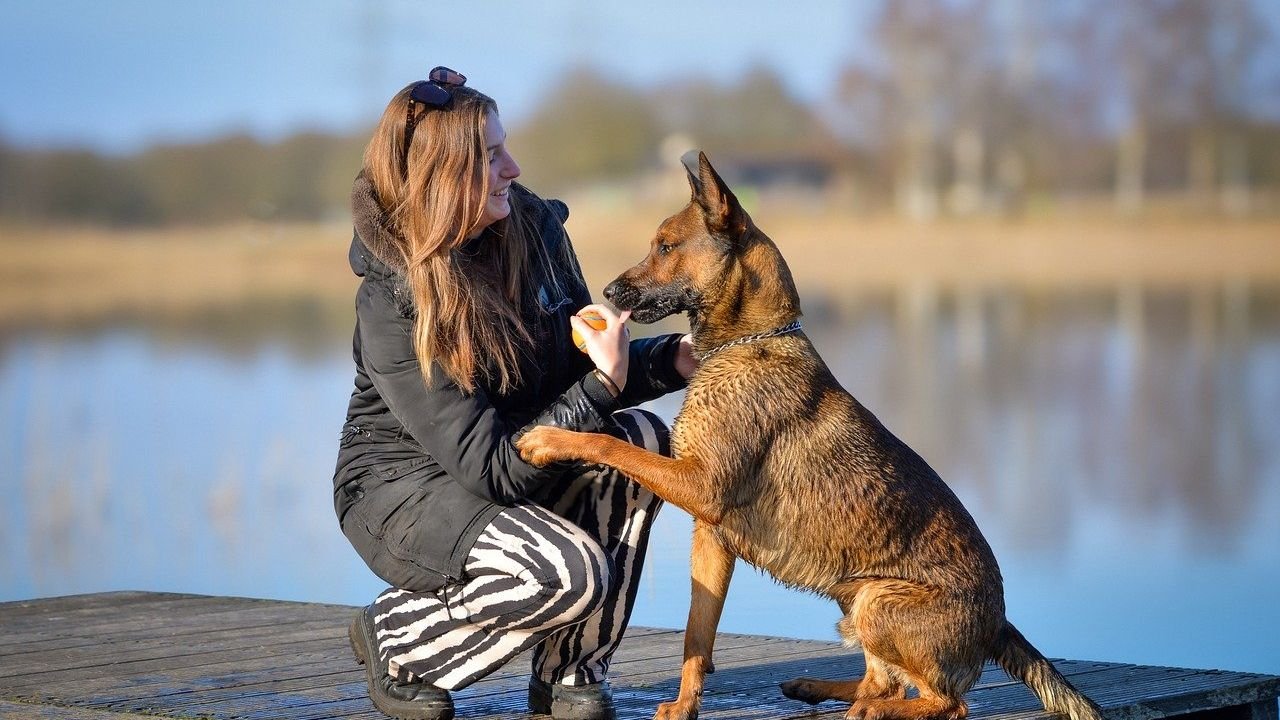
Picture this: you’ve had the worst day of your life. You sink into the couch, and before a single tear falls, your dog is already there. Head resting on your lap. Eyes soft and searching. It feels almost impossibly perfect, doesn’t it? Like they just knew. The truth is, they probably did. There’s something quietly extraordinary happening every time your dog picks up on a shift in your energy, and science is finally catching up with what dog lovers have sensed for centuries.
This is not just adorable coincidence. It is biology, evolution, and a deep interspecies bond that has been quietly developing for tens of thousands of years. The way your dog reads you is layered, fascinating, and honestly a little humbling. Let’s dive in.
Your Dog Has Been Reading You for Thousands of Years

With over 100,000 years of shared evolutionary history between humans and dogs, the depth to which our canine companions understand us is truly remarkable. This wasn’t an accident. It was a survival strategy that slowly became something much more beautiful than utility.
Dogs’ ability to read human emotions is grounded in their evolutionary history as domesticated animals. Over thousands of years, they developed an exceptional ability to decode our biochemical compounds, interpret human body language, tone of voice, and even facial expressions. These skills were likely honed during domestication, as dogs that could better understand and respond to human emotional cues would have been more successful in forming partnerships with humans.
It is widely believed that dogs are on the same emotional plane as human toddlers. Think about that for a moment. The creature sleeping at your feet tonight may be processing your emotional world the same way a small child does. Instinctively. Intuitively. Without a single word.
This ability likely developed through domestication. Over thousands of years, dogs that could better interpret human emotional states were more likely to survive and bond with people. In other words, emotional intelligence wasn’t just a nice bonus for dogs. It was a key to their survival.
The Brain Science: What Happens Inside Your Dog’s Head

The evidence for this extraordinary emotional intelligence begins in the brain itself. Dogs’ brains have dedicated areas that are sensitive to voice, similar to those in humans. In a brain imaging study, researchers found that dogs possess voice-processing regions in their temporal cortex that light up in response to vocal sounds. That’s not just clever. That’s neurologically wired empathy.
Brain scans reveal that emotionally charged sounds, including a laugh, a cry, or an angry shout, activate dogs’ auditory cortex and the amygdala, a part of the brain involved in processing emotions. So when you raise your voice or sob quietly, your dog is not just hearing sounds. They are processing emotion at a neurological level.
A pivotal 2014 study from Eötvös Loránd University in Hungary used fMRI scans to compare how dog and human brains respond to emotional sounds. The researchers found that both species process emotional vocalizations in analogous areas of the temporal cortex. The similarities are genuinely stunning. Honestly, it changes how you look at your dog mid-yawn on the sofa.
When dogs and humans make gentle eye contact, both partners experience a surge of oxytocin, often dubbed the “love hormone.” In one study, owners who held long mutual gazes with their dogs had significantly higher oxytocin levels afterwards, and so did their dogs. That quiet moment of eye contact? That’s a full-on chemical exchange of love.
More Than Just Eyes: How Dogs Use All Their Senses to Tune Into You

Dogs possess remarkable emotional intelligence, able to read human emotions through facial cues, body language, and vocal tones. It is like they have built-in scanners for human mood. They don’t rely on just one channel. They’re pulling data from everywhere.
The canine vomeronasal organ allows dogs to taste smells, enabling them to identify specific biochemical compounds in odors. This sense allows dogs to detect subtle changes in human body odor, including changes associated with emotions like fear or stress. When a person is anxious or scared, their body releases certain pheromones that dogs can pick up on, further enhancing their ability to sense emotional states.
Researchers from Italy had dog owners watch a scary film and a happy film, and collected sweat samples from them both times. When exposed to the fear sweat sample, the dogs’ heart rates went up and they sought comfort from their owners, ignoring the stranger. When exposed to the happy sample, the dogs were more relaxed and less wary of the stranger. Your emotional scent is basically a full briefing for your dog.
Dogs are also highly sensitive to the tone and pitch of human voices. Studies have shown that dogs react differently to happy, upbeat voices compared to calm or distressed tones. A soothing voice can calm a dog down, while a high-pitched, agitated voice might cause them to become alert or anxious. Next time you snap in frustration, know that your dog is absorbing every bit of it.
Emotional Contagion: When Your Feelings Become Their Feelings

Dogs don’t just observe your emotions; they can “catch” them too. Researchers call this emotional contagion, a basic form of empathy where one individual mirrors another’s emotional state. Think of it like emotional WiFi. Your dog connects automatically and starts downloading your mood whether you intend it or not.
Studies have shown that dogs can catch our yawns, experience an increase in cortisol levels when they hear a baby crying, just as humans do, and respond to the emotional tone of our voices. That shared stress response is not weakness. It is closeness. It is connection running so deep it shows up in their bloodstream.
Research found that dogs behaved differently depending on the owner’s emotional state: they gazed and jumped less at owners when they were sad, and their compliance with the “sit” command was also diminished. Let’s be real, a dog that sits less when you’re sad is a dog that’s reading the room. They’re adjusting for you.
Understanding that dogs read human emotions has practical implications. If you’re anxious during thunderstorms, your dog may become more fearful too. Dogs respond best to calm, confident energy. Yelling or frustration can create confusion rather than clarity. This is a good reminder that your emotional wellbeing is deeply tied to your dog’s wellbeing too.
What You Can Do: Practical Ways to Strengthen This Emotional Bond
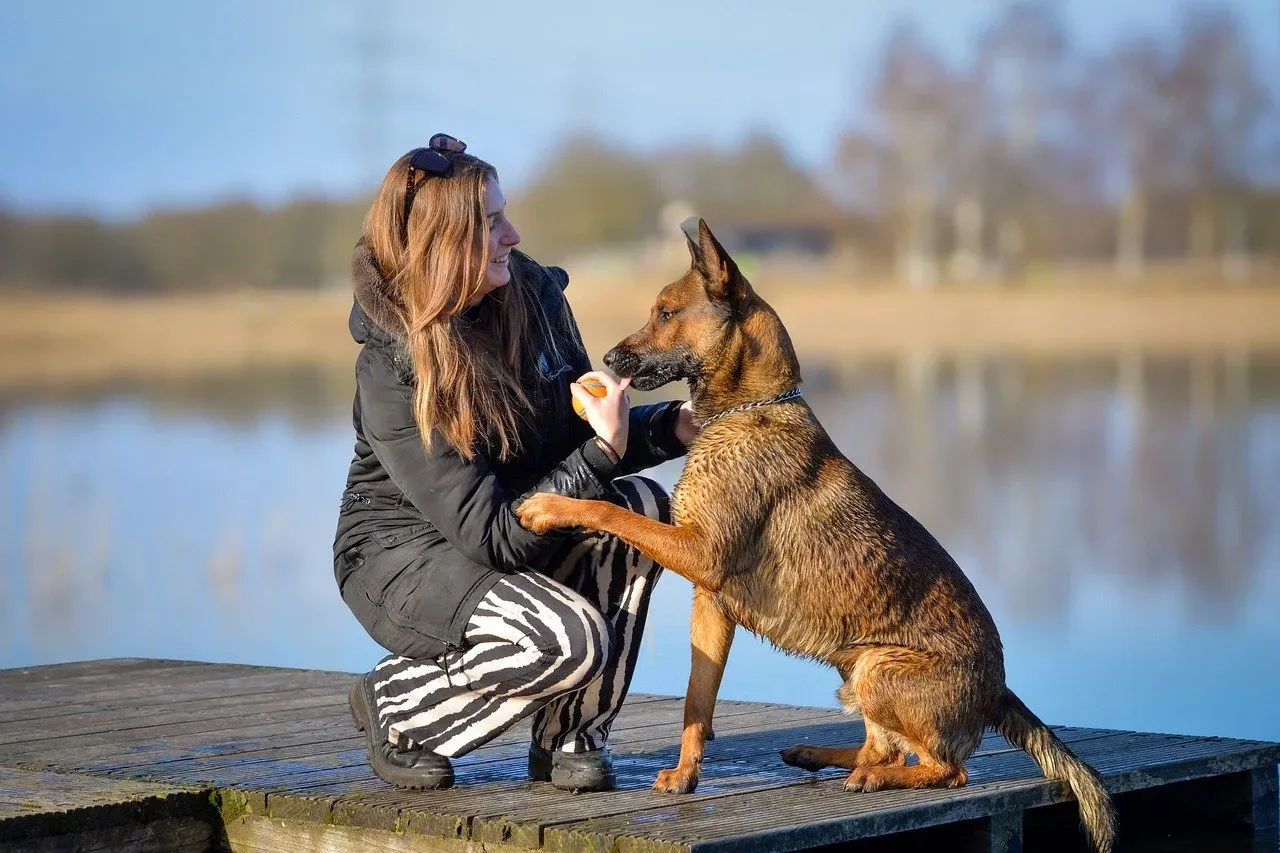
Since dogs can recognize positive emotional expressions, use this to your advantage during training. Reward your dog with praise and affection when they exhibit desirable behaviors. Your positive emotions will reinforce their good behavior and strengthen the bond between you. Happiness, it turns out, is one of your most powerful training tools.
Pay attention to your dog’s body language and vocalizations to understand their emotional state. Signs of stress or anxiety, such as whining, panting, or avoiding eye contact, indicate that your dog may need some comfort or a break from a stressful situation. This is a two-way street. Your dog is reading you constantly. It’s worth learning to read them back.
Dogs thrive on predictable emotional responses. Inconsistent reactions can increase anxiety or behavioral issues. So keeping your emotional reactions consistent, especially around training and daily routines, creates a sense of safety your dog genuinely needs.
Choose a calm cue, a word like “easy” or “settle,” and pair it with gentle petting when your dog remains relaxed. Softly communicating your mood and rewarding calm behavior creates a healthier emotional environment for both of you. If your dog barks or paws frantically, gently redirect with the calm cue and wait for quiet behavior before rewarding. Small, consistent signals go a long way in building a calmer, more emotionally attuned dog.
Conclusion: The Silent Language Between You and Your Dog
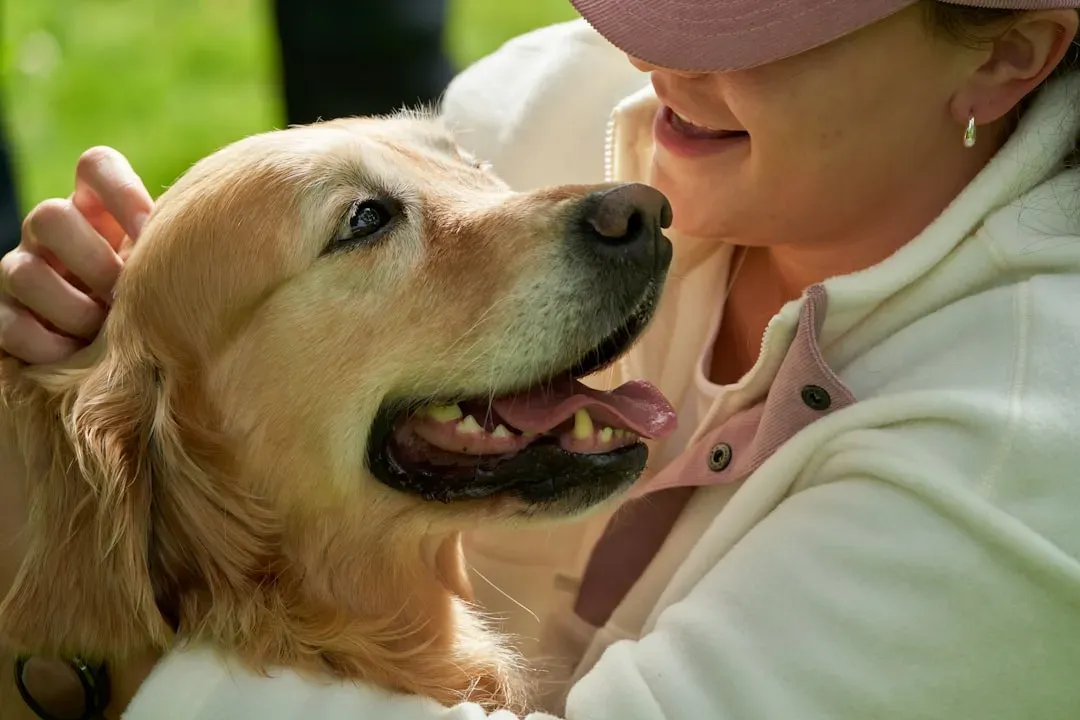
There is something profoundly moving about the realization that your dog is not just living with you. They are emotionally synchronized with you. Dogs excel at picking up on what you’re projecting and respond accordingly. They may not be able to read our minds, but by reading our behavior and feelings, they meet us emotionally in a way few other animals can.
That quiet presence beside you on a hard day is not random. It is the result of thousands of years of co-evolution, incredible sensory ability, and something that honestly starts to look a lot like love. Recognizing that dogs are emotionally perceptive beings invites us to engage with greater mindfulness, compassion, and reciprocity. They comfort us not because they’re trained to, but because they’re wired to care.
So the next time your dog nudges you when you’re quiet, or settles close when your voice wavers, pause. They noticed. They always notice. The real question worth sitting with is this: are we paying the same attention to them? Share your thoughts in the comments. We’d love to know about a moment your dog seemed to understand exactly what you needed.


