
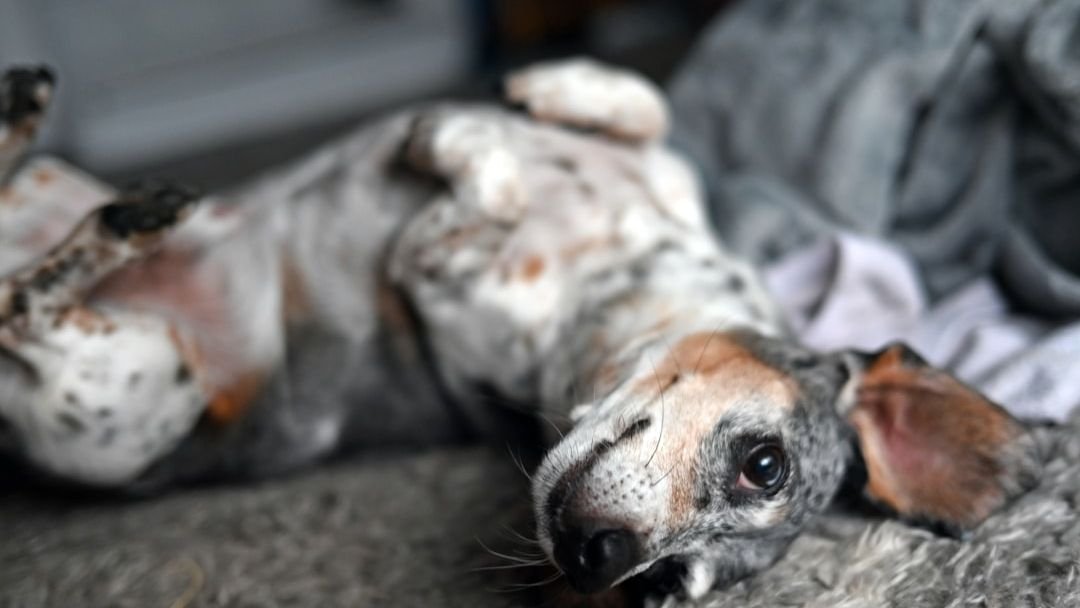
You know that moment when you walk into the living room and your dog is completely knocked out, legs flailing in the air, looking utterly ridiculous? Yeah, we’ve all been there. It’s one of those small, golden moments that reminds you exactly why you love them so much.
Here’s the thing, though. That silly little pose is saying more than you might think. Dogs communicate a lot through body language, even in their sleep. From belly-up stretches to tightly curled donuts, your dog’s favorite sleeping position reveals important clues about their emotional well-being, physical comfort, and health. It’s like a secret language, and once you learn to read it, you’ll never look at naptime the same way again. Let’s dive in.
The Curled-Up Donut: Your Cautious Little Soul
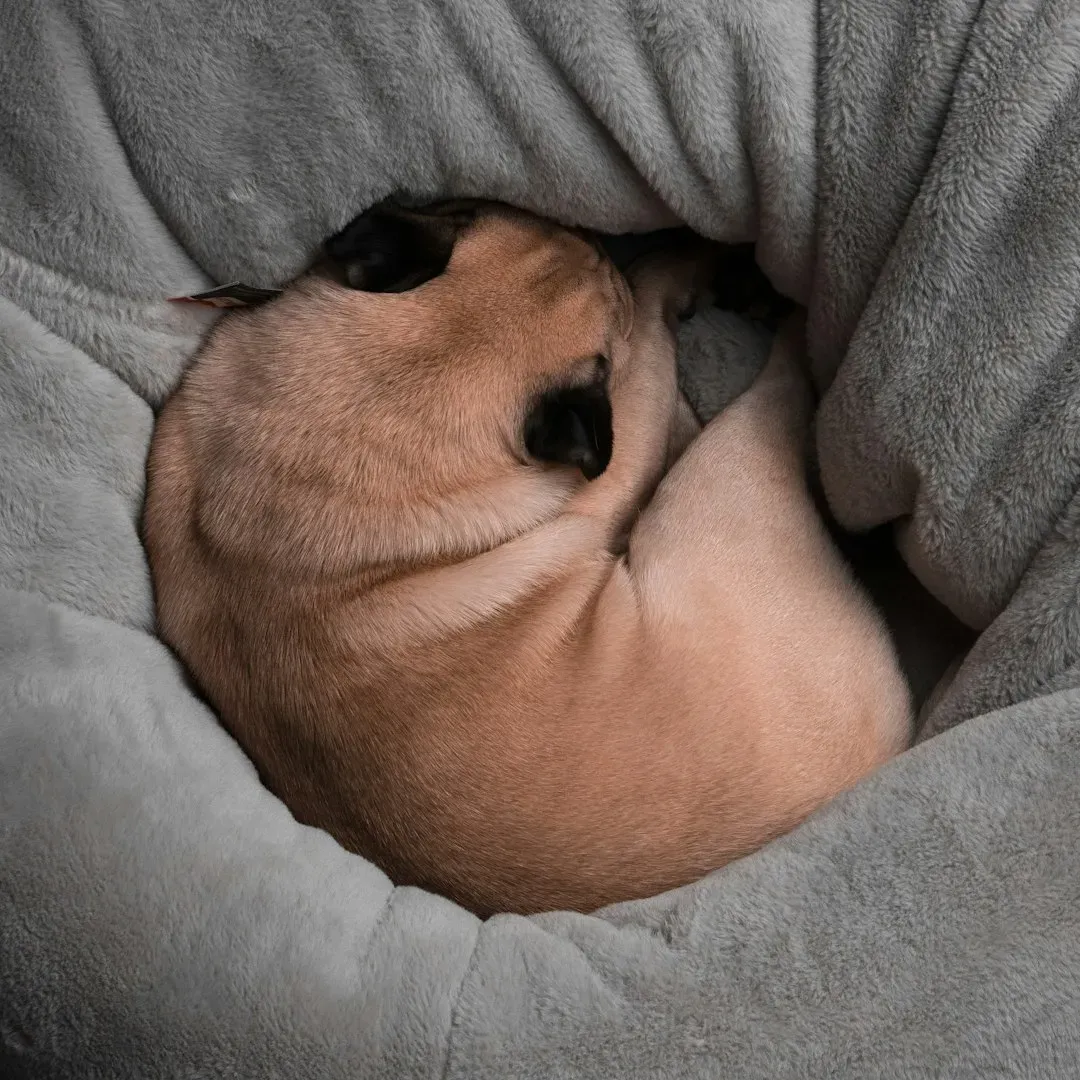
Picture a dog tucked so neatly into themselves that their nose almost touches their tail. That’s the donut, and honestly, it’s one of the most endearing positions in the canine sleep repertoire. Your dog tucks their nose to their tail, curling up tight like a cinnamon roll. This position is all about conserving warmth and protecting vital organs, a throwback to their wild ancestors.
In terms of personality, this position often points to a gentle, more reserved soul. Dogs who snooze like this may be cautious, shy, or just trying to stay cozy. They likely feel safe but prefer a little “me-time” during naps. Think of it like the dog equivalent of wrapping yourself in a blanket burrito on a rainy Sunday.
Pay attention to when this position appears. It’s also common for dogs to sleep in this way in new environments when they don’t feel relaxed enough. This position suggests that by curling up, they protect their limbs and belly in unknown surroundings.
If your dog always sleeps like this at home, even in a familiar environment, dogs that have a timid or anxious personality may typically sleep like this. Consider offering a bolstered, cozy bed where they feel snug and enclosed. It can do wonders for their sense of security.
The Side Sleeper: Your Happy, Easy-Going Best Friend
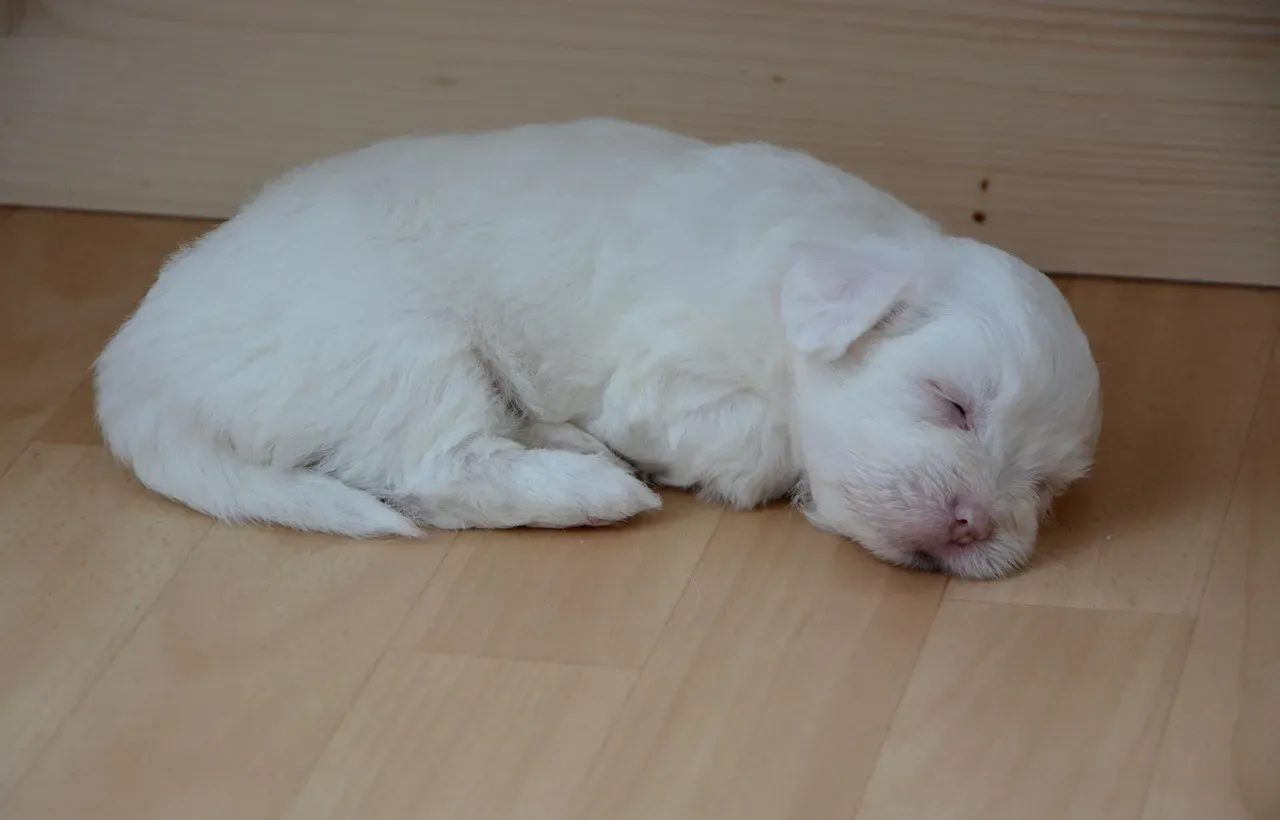
There is something deeply reassuring about a dog sprawled on their side, legs stretched out, belly partially exposed, looking like they haven’t got a single worry in the world. This is a strong indicator of complete relaxation and trust. When a dog sleeps on its side, it exposes vital organs, a vulnerable act they only do when they feel safe and secure in their environment. It’s also one of the best positions for deep, restorative sleep.
A lot of canines are side-sleepers because they have a relaxed personality. Lying in this lazy position relaxes the muscles and allows your pooch to enjoy the comfort they feel in the safety of your home. If this is your dog’s go-to position, honestly, give yourself a pat on the back. You’ve created a home where your pup feels completely at ease.
There’s a small health cue worth noting here. The pose is popular among dogs with joint issues. If the dog always lies on the same side, it may be related to pain in the leg that stays off the ground. If you notice your dog consistently favoring one side, a quick vet check is a smart move.
The Superman: Your Energetic, Unstoppable Go-Getter
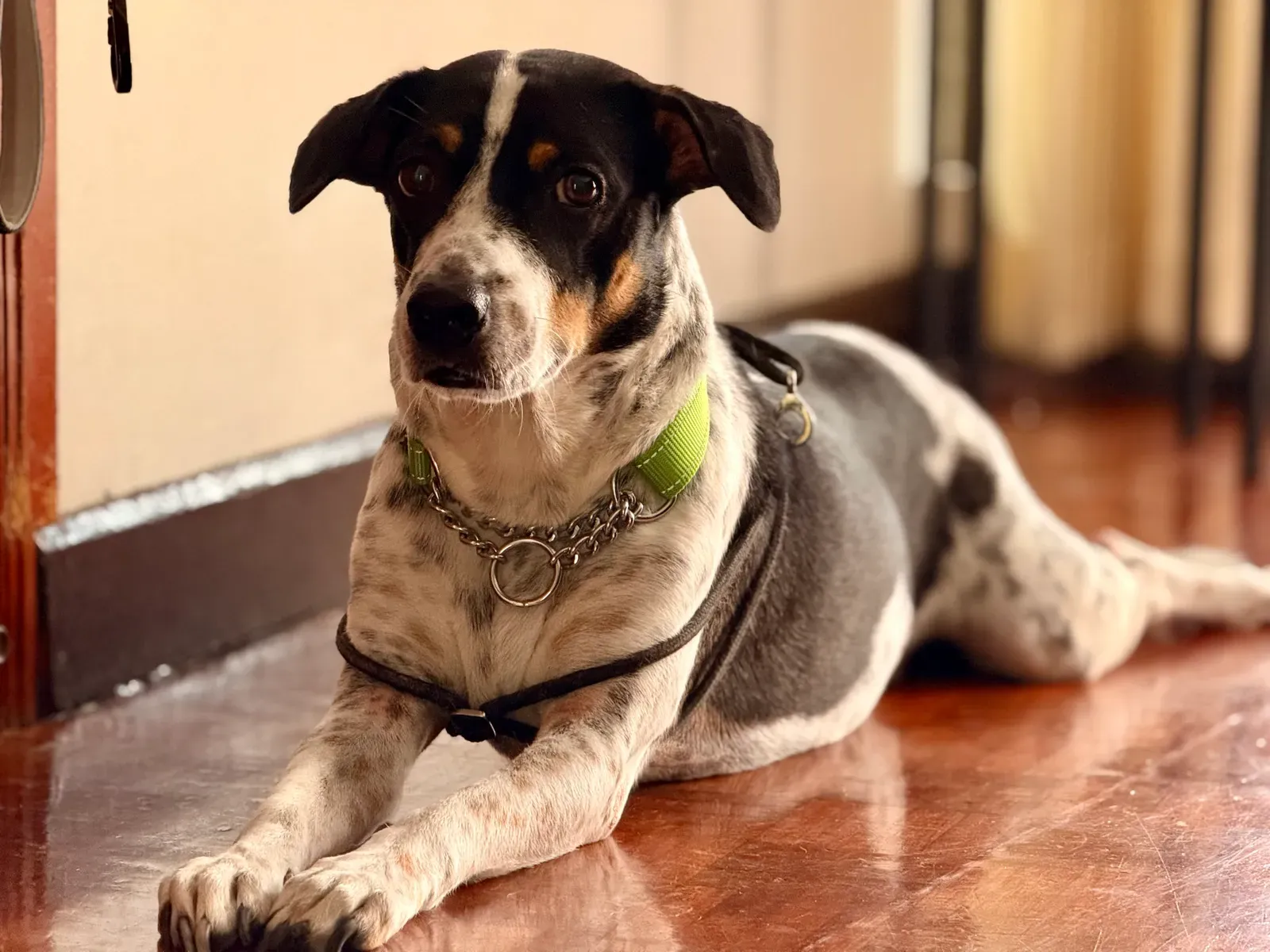
Belly flat on the floor, front legs stretched forward, back legs kicked out behind. Sound familiar? This is the Superman pose, and it is as dramatic as it looks. This adorable position is especially common in puppies or high-energy dogs. It reflects a brief moment of rest when the dog is still in “play mode.” Even though they’re tired, they’re still ready to leap up at a moment’s notice.
Let’s be real, if your dog sleeps like this, they are probably the dog who never seems to run out of batteries. Dogs who sleep like this are usually energetic and ready to spring into action. This position makes it easy for them to jump up and join the fun at a moment’s notice. It’s basically a power nap with the engine still running.
Young dogs collapse into sprawling or Superman-style poses due to quick bursts of activity. These positions help them release leftover energy after play. So if your pup just crashed after an intense game of fetch and landed in full Superman mode, that’s completely normal and perfectly healthy.
This position is worth monitoring in older dogs, though. A fully sprawled dog is deeply relaxed, usually after intense play or exercise. This posture stretches the limbs and releases stored tension. If your dog seems stiff when rising from this position, mild hip or joint discomfort could be developing. A warm, supportive bed can help enormously.
The Belly-Up “Dying Cockroach”: Your Trusting, Carefree Comedian
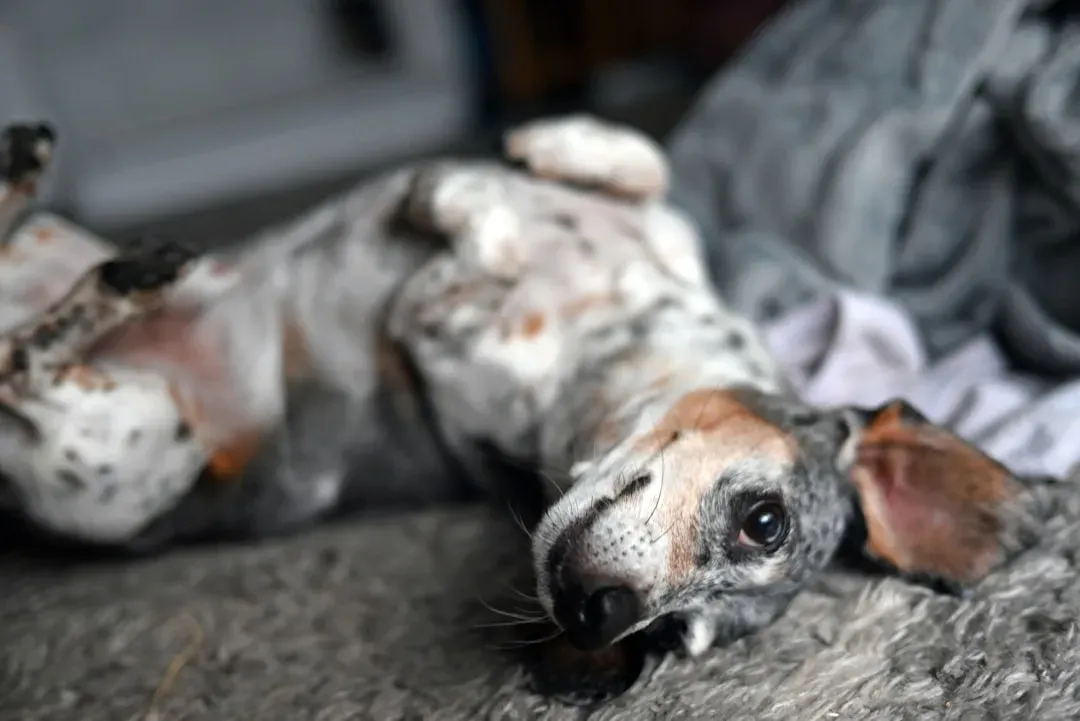
Paws in the air. Belly fully exposed. Looking utterly ridiculous and not caring one bit. This position has been lovingly nicknamed the “dying cockroach,” and if your dog sleeps like this, you already know your life is full of laughter. If you stumble upon your dog sleeping on their back with their paws in the air, this is a sign of absolute trust. It also means that your dog is completely relaxed and feeling very comfortable with their surroundings since they’re revealing their belly to the world.
Pups with an easy-going, playful personality may sleep like this as a signal that says, “I’m ready to play when you are!” There’s also a practical side to this pose. A dog exposing its belly while sleeping is completely relaxed and feels no threat in its environment. It might also be trying to cool down, as this position helps dissipate heat.
One thing worth knowing: as dogs age, they may switch to another posture, such as the side sleeper, since belly-up sleeping can put pressure on the spine. So if your senior dog has stopped sleeping belly-up, it doesn’t mean they trust you any less. It simply means their body is asking for more comfort.
The Lion’s Pose and the Cuddler: Loyalty, Love, and That Unbreakable Bond
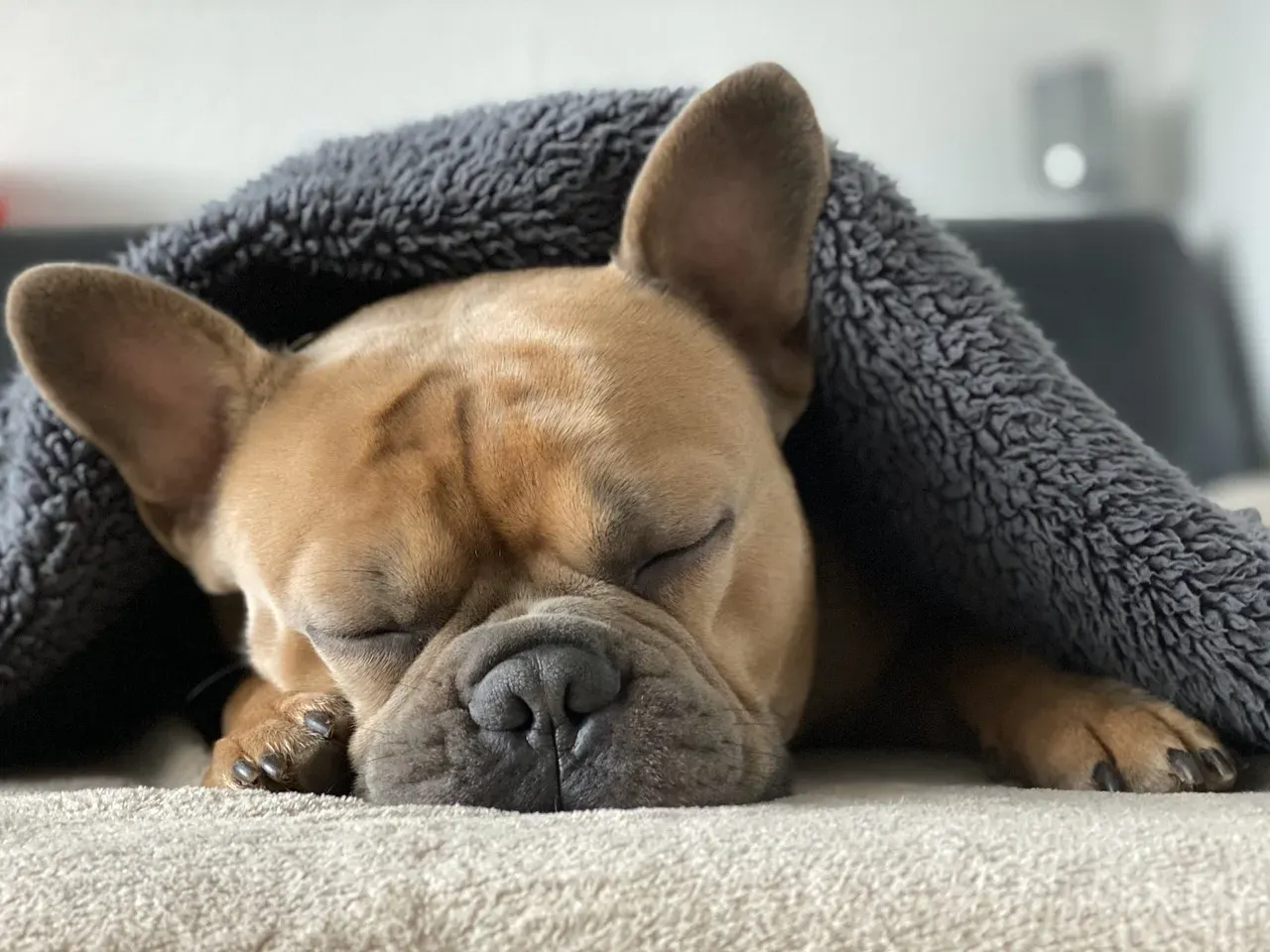
Some dogs sleep with their head resting on their front paws, body low to the ground, looking every bit like a proud guardian. In the lion pose, pups who are just falling asleep and want to stay alert sleep belly down with their head perched on their front paws. Lion-pose pups are alert, loyal, and caring toward their families. I think this one is one of the most touching positions, because it tells you your dog is at rest but still watching over you.
When dogs sleep in this position it means they are resting, but not sleeping deeply. Dogs will often start out in this position if they feel like they will need to jump up quickly. If this is your dog’s constant go-to, they may also carry a slight undercurrent of anxiety. A calming environment and a consistent routine can help them settle into deeper, more restorative sleep.
Then there’s the cuddler. Whether your dog drapes themselves over you, presses their back against yours, or curls around another pet, this position is pure love language. Sleeping pressed against another dog or a person reflects bonding instincts. It expresses closeness and shared safety. If your dog sleeps back-to-back with you or another dog, they are exhibiting trusting behavior and intimacy. Back-to-back sleeping may echo dogs’ ancestral pack behavior, when entire families slept piled together in dens.
If your dog always chooses to cuddle with one specific person in the household, that’s not a coincidence. Sleeping in a back-to-back manner conveys a sense of intimacy, with dogs expressing their affection and trust. Dogs may opt for this sleeping arrangement specifically with the person or individuals in the household they consider the safest and most secure. That’s your dog choosing you, and honestly, there’s no greater compliment.
When Sleeping Positions Signal Something More: Health Cues to Never Ignore
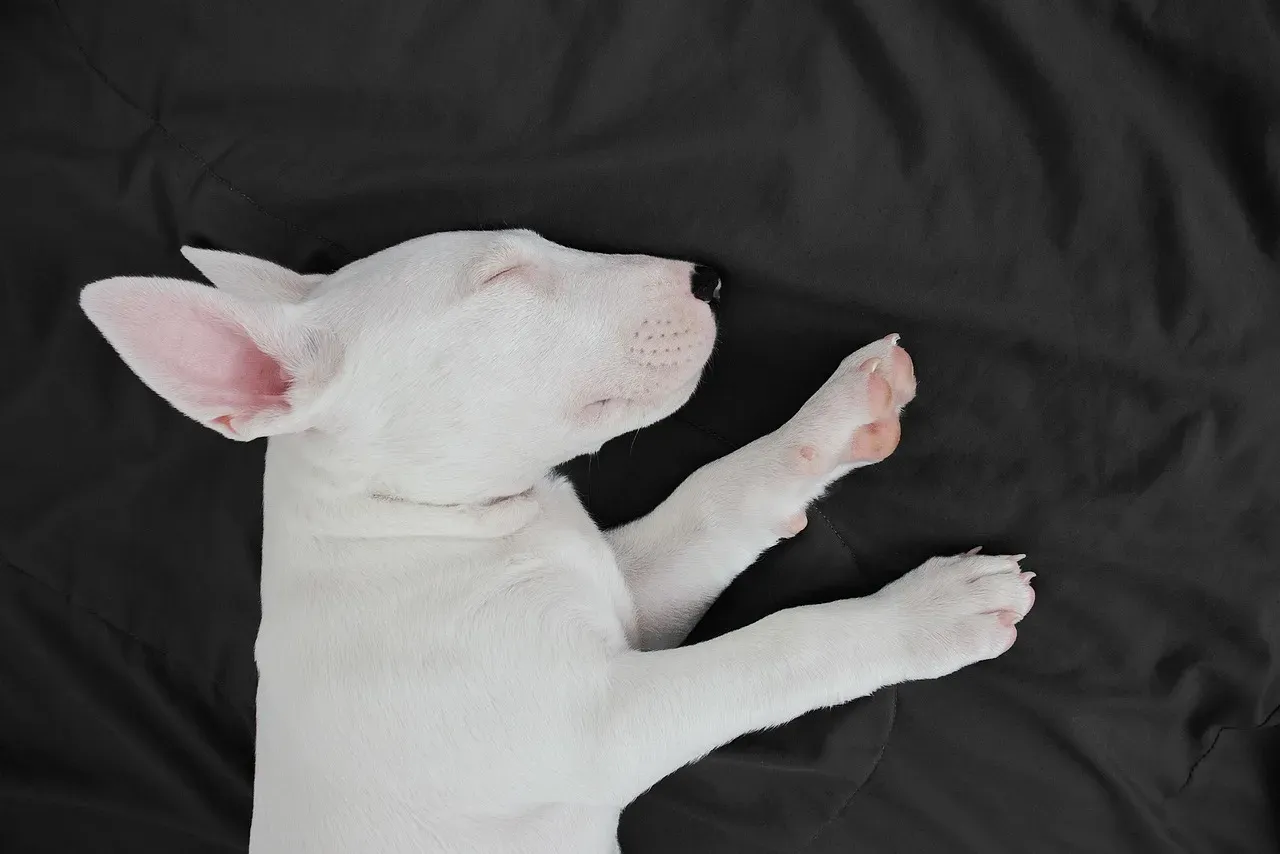
Here’s where things get genuinely important. Sleeping positions aren’t just personality windows. They can also be early warning signs that something physical is going on. A change in your dog’s go-to sleeping position can mean they are experiencing some soreness or trying to better control their temperature. If your dog isn’t typically a side sleeper, one reason for the shift might be some aches and pains, either in their joints or from tired muscles.
Pay close attention to how a dog with a raised head sleeps. If your dog likes to sleep in a position where their head and neck are raised, it could mean that they may have issues breathing properly, something that is commonly seen with chronic heart disease and other health problems. This is especially relevant for flat-faced breeds like Bulldogs and Pugs.
A dog with knee pain may sit or sleep with one leg extended. A dog with back pain might sleep on its stomach like a tight log instead of its usual curled-up position. It may not have overt limping, but can still show subtle signs of pain. These signs are easy to miss, which is why observation matters so much.
The golden rule is simple: a sudden change in sleeping habits can point to underlying issues. Dogs with arthritis may avoid positions that put pressure on their joints. A dog in pain may choose more protective or guarded positions, like curling up. When in doubt, check with your vet. A little vigilance now can mean a world of difference for your dog later.
Conclusion: Your Dog Is Always Talking. Are You Listening?
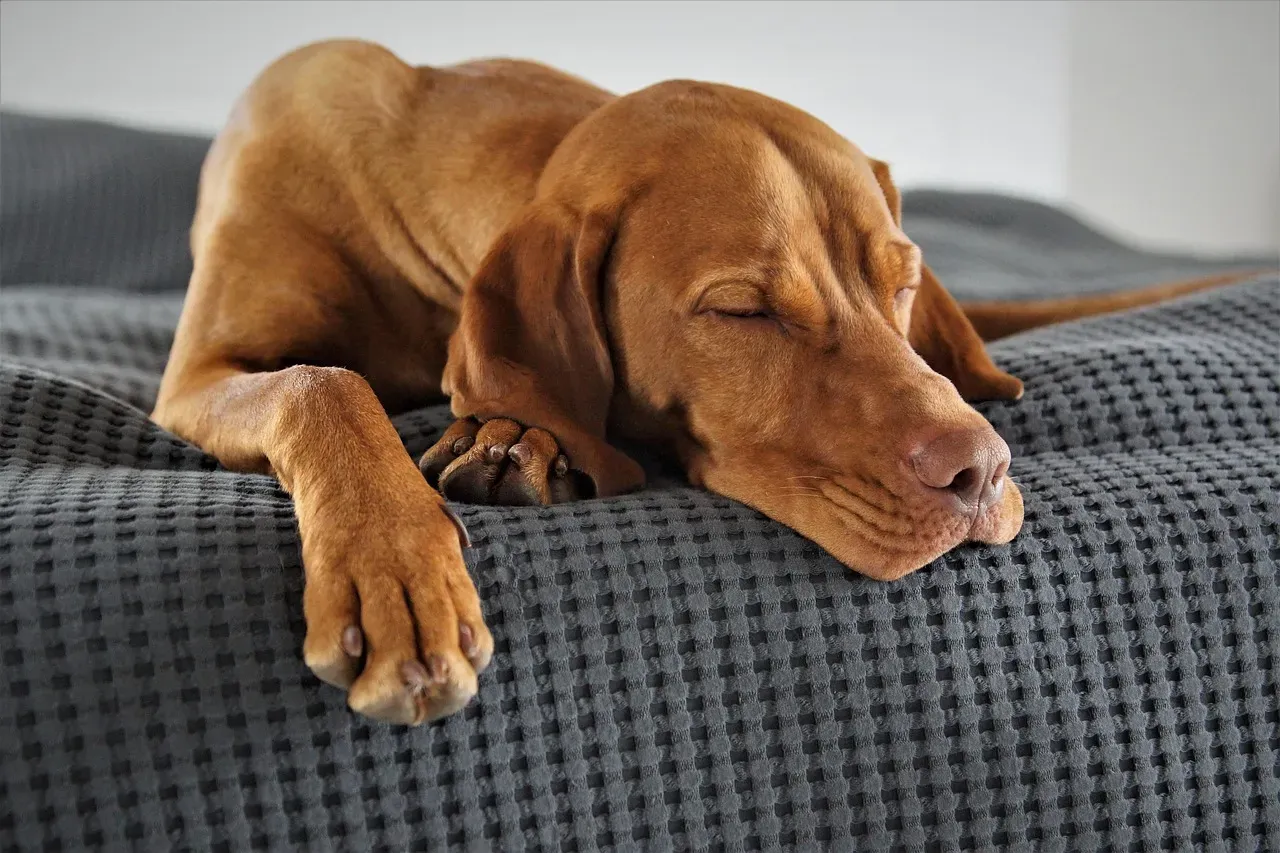
Every time your dog curls into a ball, flops onto their back, or stretches out in full Superman glory, they are telling you something. Dogs speak in quiet ways long before they bark or whine. Their bodies reveal stories that run deeper than simple habits, and sleep is one of the most honest places to read those stories. A dog resting with ease shows you a window into their comfort, wellbeing, and emotional world.
Learning to read these sleep signals is one of the simplest, most powerful things you can do as a dog owner. Noticing your dog’s sleeping positions opens a window into their emotional and physical wellbeing. Every shift and stretch tells a story about how secure, relaxed, or alert they feel in your home. It costs nothing and gives you so much.
So tonight, when your dog settles in for their evening snooze, take a quiet moment to really look. The way they sleep is a reflection of how loved and safe they feel with you. That’s a beautiful thing. Now tell us, which sleeping position does your dog favor most? Share it in the comments, because honestly, we could all use a little more dog content in our lives.


