
Picture this: a four-year-old plops down on the living room floor, arms wide open, ready to smother the family dog with a hug. For some dogs, that’s the highlight of their day. For others, it’s a moment that quietly tips them into stress. The difference isn’t always obvious from a photo on a breeder’s website, and that gap between expectation and reality is where things can go sideways.
Choosing a dog for a home with children is one of the most meaningful decisions a pet parent can make, and it deserves more thought than picking the cutest face or the trendiest breed. Choosing a dog for your family isn’t just about finding a breed that’s “good with kids.” It’s about understanding which breeds naturally possess the temperament, energy level, and characteristics that create positive, safe relationships with children of different ages. The wrong breed choice can lead to nipped fingers, knocked-over toddlers, or stressed dogs who become reactive around unpredictable child behavior. This guide covers 15 breeds honestly, with warmth, practical detail, and no sugarcoating.
1. Golden Retriever: The Gold Standard of Family Dogs

Golden Retrievers are often the first breed that comes to mind when you think of family dogs. With their calm temperament and affectionate personalities, they are natural companions for children. There’s a real reason they keep showing up at the top of every family dog list, and it has nothing to do with trends.
There’s a reason the Golden Retriever has remained one of the most popular dog breeds in the U.S. for decades. These happy-go-lucky dogs are affectionate, outgoing, and love to please. They’re happiest when they’re with people. They can be calm and gentle around toddlers but are just as happy rough housing it with the older kids too. One thing worth knowing, though: early training still matters. A well-exercised Golden is a calm Golden.
2. Labrador Retriever: Loyal, Playful, and Forgiving

The Labrador Retriever is one of the most popular dog breeds. They are playful, protective, reliable, and highly intelligent. Labrador Retrievers take well to training, which makes them a great breed for homes with families and smaller children. Labs genuinely seem to understand that kids are small humans who deserve extra patience.
The popular, hardy Labrador Retriever is a vigorous, highly trainable family dog. These dogs are loyal and friendly, and they get along well with other pets and people. Labs adore children and are never happier than when they are playing fetch or learning new tricks. Keep in mind that puppies can be bouncy and a little much for toddlers, so teaching impulse control from day one pays off quickly.
3. Cavalier King Charles Spaniel: Calm, Cuddly, and Completely Devoted

The Cavalier King Charles Spaniel, often referred to simply as the Cavalier, is a small and elegant breed known for its friendly and affectionate nature. Aside from being calm, well-mannered dogs, Cavaliers are characterized by their beautiful, silky coats and expressive, soulful eyes. Cavaliers are social and thrive on human companionship, making them excellent family pets. They are gentle, playful, and well-suited to both active households and those seeking a more relaxed companion.
With proper supervision and calm interactions, they can form wonderful bonds with children, teaching them the importance of gentle handling. Additionally, Cavaliers are among the calm dog breeds least likely to bite, underscoring their suitability for family environments. It’s crucial to educate children on how to interact with them gently to prevent any accidental harm. Because of their small size, very young toddlers still need supervision, but the temperament itself is genuinely sweet.
4. Bernese Mountain Dog: The Giant Teddy Bear
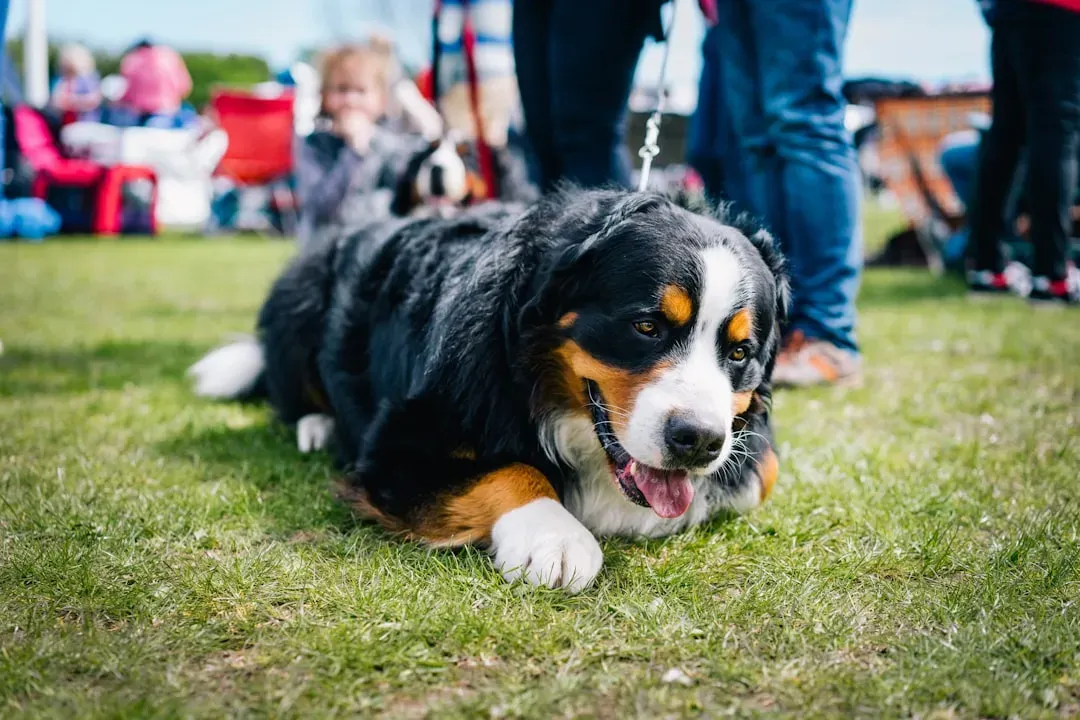
You’ll find this gentle giant on most lists of child-friendly dog breeds. Despite their size, Bernese Mountain Dogs have a knack for being careful around kids. The American Kennel Club rates them a 5 out of 5 when it comes to being good with young children, and a 5 out of 5 for being affectionate with family. That’s a rare double five, and Berners wear it well.
Bernese Mountain Dogs are gentle giants with playful personalities. “Berners,” as they’re lovingly called, tend to be patient with children and other dogs, and their adaptable natures mean they can fit right into your home. These dogs can grow to be very large and need watching so that they don’t step on or knock over a child. A good reminder that size awareness matters even with the sweetest breeds.
5. Newfoundland: Nature’s Nanny Dog
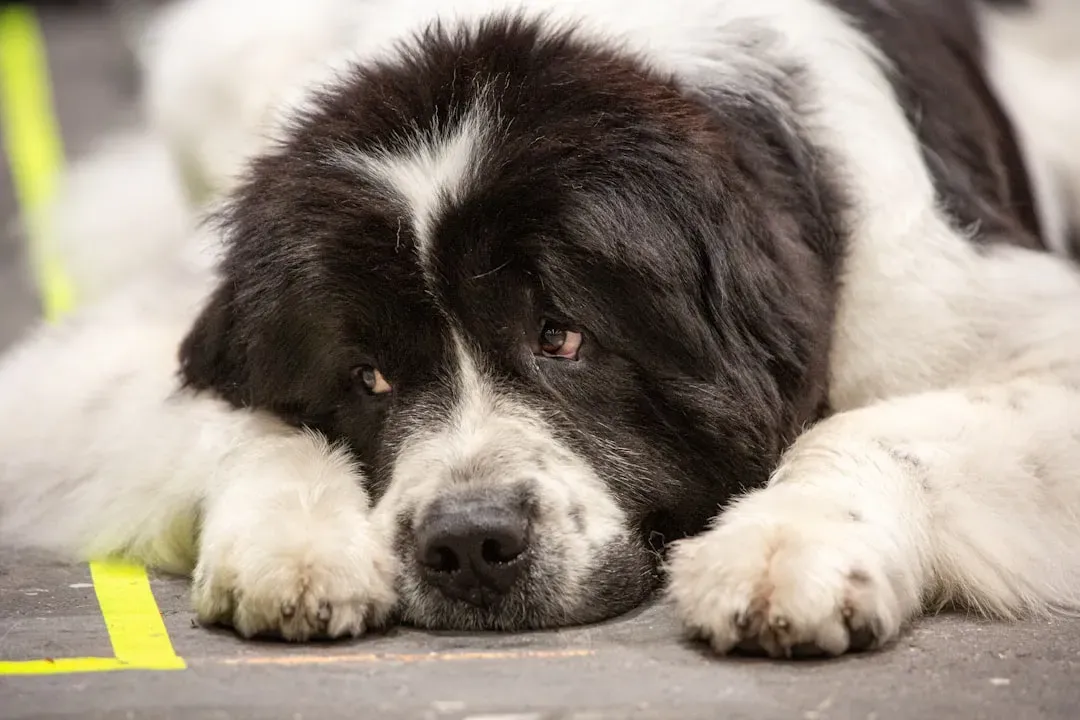
Newfoundlands, as they are affectionately called, are well-known for their sweet temperament and gentle demeanor around children. Their social nature makes training fun, which can help ensure your pup is calm and comfortable in new environments. People who own Newfies often say the same thing: the dog seems to instinctively know how to move gently around small children.
According to the AKC, “sweetness of temperament is the hallmark of the Newfoundland.” Loving and people-oriented, Newfies rate a 5 out of 5 for being good with young children and being affectionate with the family. They’re calm, easy-going, and patient. Bred partly for search and rescue, Newfies also have a natural instinct to help if something goes wrong. That last part is not just charming. It’s genuinely remarkable.
6. Basset Hound: Low Energy, High Love
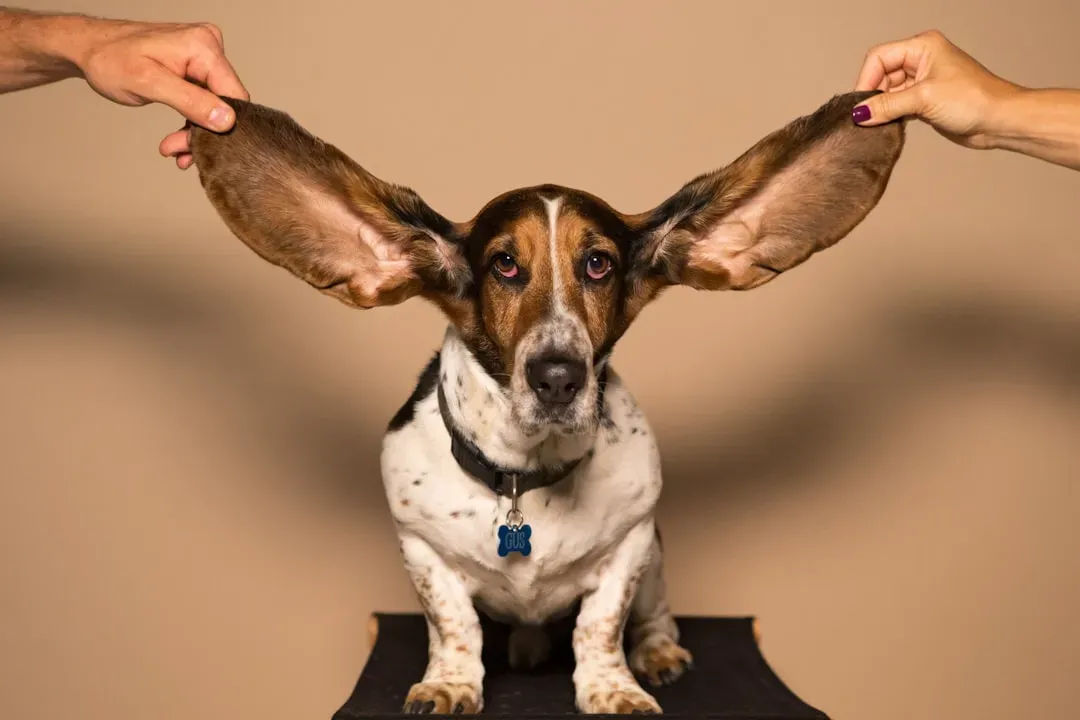
With its long ears, soulful eyes, and an unmistakable waddle, the Basset Hound is a gentle companion perfectly suited for families who enjoy a slower pace of life. Originating in France as a hunting partner related to the Bloodhound, this breed developed an extraordinary sense of smell, second only to its famous cousin. Its long ears and loose facial skin actually help trap scents, making it an exceptional tracker. Despite their hunting roots, Basset Hounds are calm, friendly, and deeply social dogs who enjoy the company of people, children, and other pets.
The Basset Hound is a calm, gentle dog breed that’s adaptable to new surroundings and content with moderate exercise. These low-energy dogs aren’t very athletic, so don’t expect them to excel at sports. What they lack in agility they more than make up for in patience. They’re practically built for kids who like to sit, cuddle, and read books on the floor.
7. Bulldog (English): The Unflappable Couch Companion
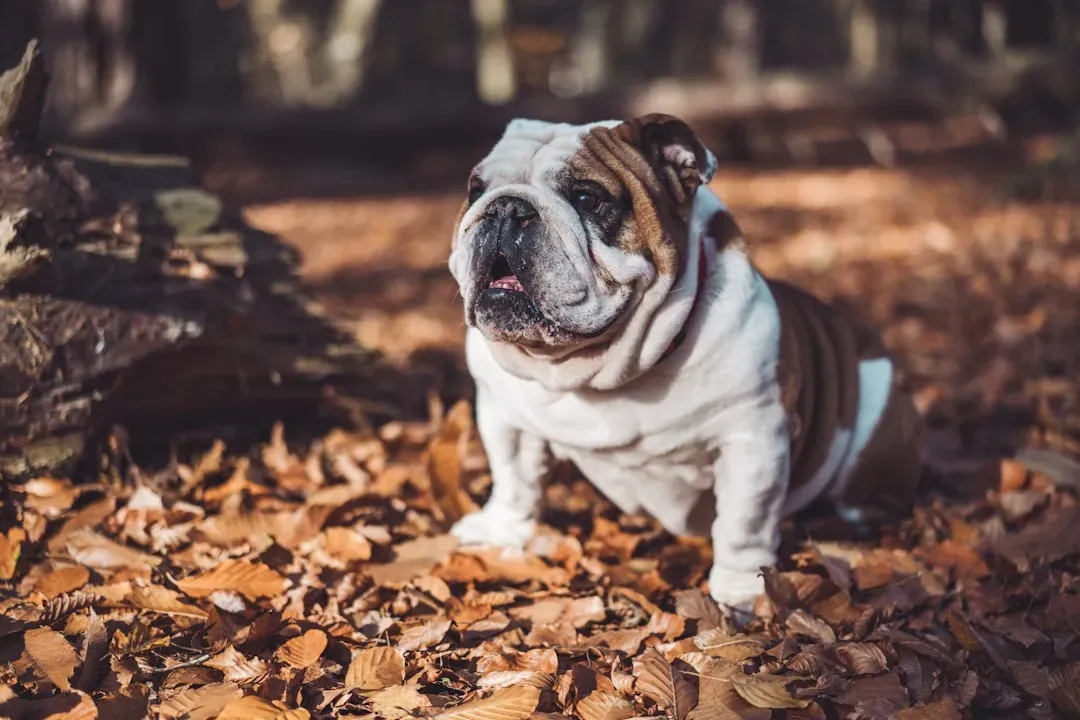
Bulldogs may look tough on the outside, but inside they’re affectionate softies. Known for their calm and laid-back demeanor, Bulldogs are incredibly patient with children. They don’t require excessive exercise, which makes them ideal for families who prefer a more relaxed lifestyle. Despite their stocky build, Bulldogs are gentle and loving. Their loyal nature ensures they’ll quickly become a central part of the family, happily soaking up cuddles and affection.
A well-socialized English Bulldog is generally a calm, low-energy dog. While napping is one of the English Bulldog’s favorite activities, they also need to get outside for a walk and some playtime each day to stay happy and healthy. Just be careful not to overexert these sensitive pups or expose them to high temperatures. Their brachycephalic, or flat, snout makes it harder to breathe and makes them susceptible to overheating. Keep outdoor play sessions short on warm days.
8. Bichon Frise: Small Dog, Giant Heart

Bichon Frisés are cheerful, gentle dogs with soft, curly coats that shed very little. Their hypoallergenic fur makes them a smart choice for families with allergy concerns. These small, friendly pups love being around people and are easy for young children to handle. They enjoy playtime but are just as happy curling up for snuggles, making them one of the best dog breeds for kids seeking a loving, low-shedding pet.
Every stranger is a friend a Bichon Frise hasn’t met yet. This makes them great for families with lots of comings and goings. They’re not particularly protective, so your kids can have as many friends over as they like. Happy-go-lucky, active, and adorable, Bichon Frises fit right into most families. Their joyful, social nature makes them one of the most reliably easygoing small breeds around children.
9. Border Collie: Brilliant but Intense Around Small Kids
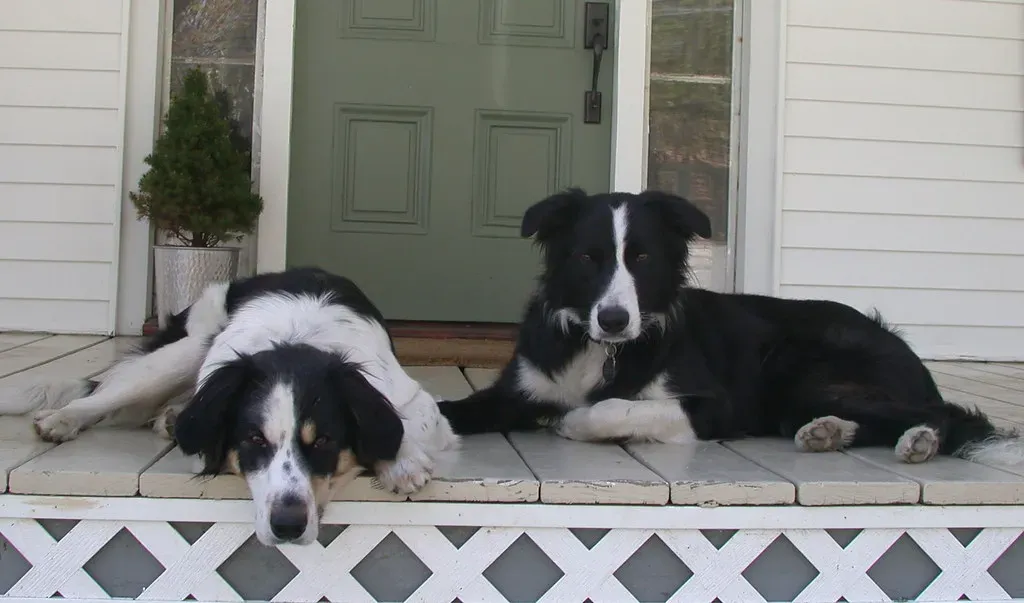
It isn’t uncommon for Border Collies to try to “herd” small children and play rough. Border Collies are more suited for families with older children. Nonetheless, supervision is required when both breeds play with kids. This isn’t a character flaw. It’s pure instinct. A Border Collie’s entire genetic makeup is wired around movement, control, and precision.
The Border Collie temperament is more intense and laser focused. These dogs are task-driven and happiest when they have a job to do. While they’re affectionate in their own way, Border Collies are often more reserved, especially around strangers. It is very important to realize that both breeds were developed for endurance and strong work ethic. They do not make good couch potato dogs. Families with very young children should think carefully before choosing this breed.
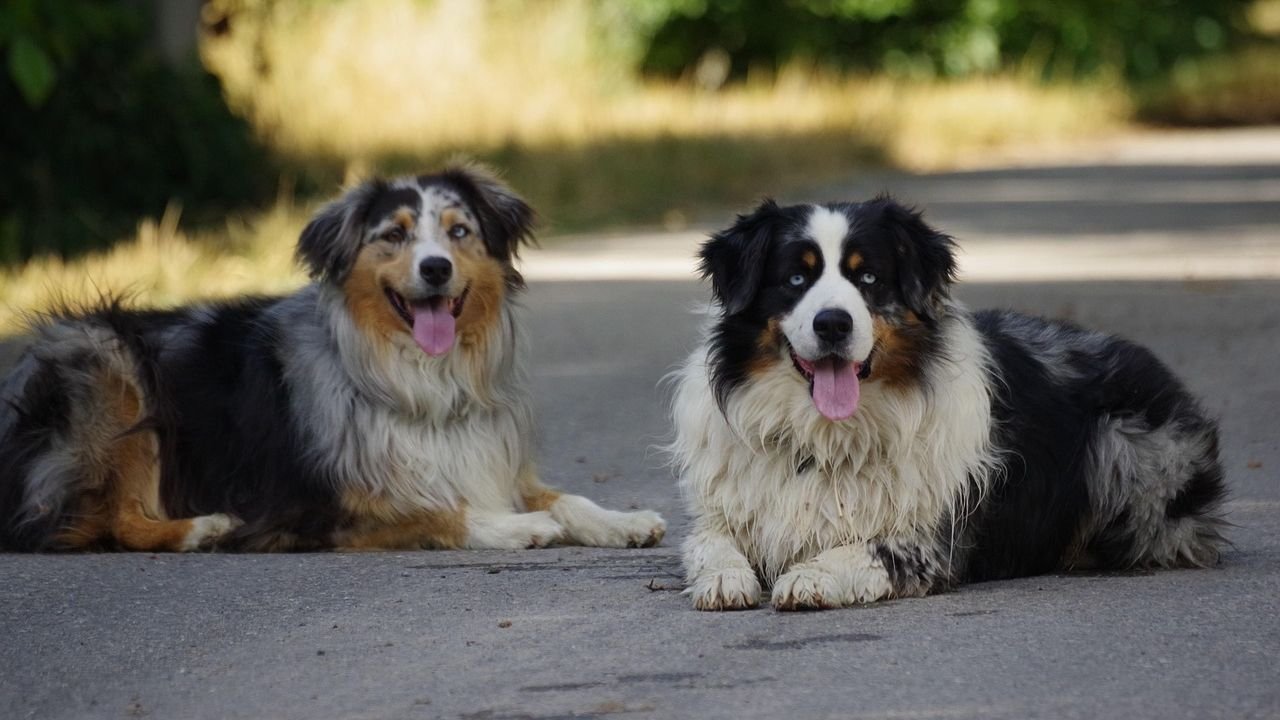
10. Australian Shepherd: High-Drive Dog in a Family Setting
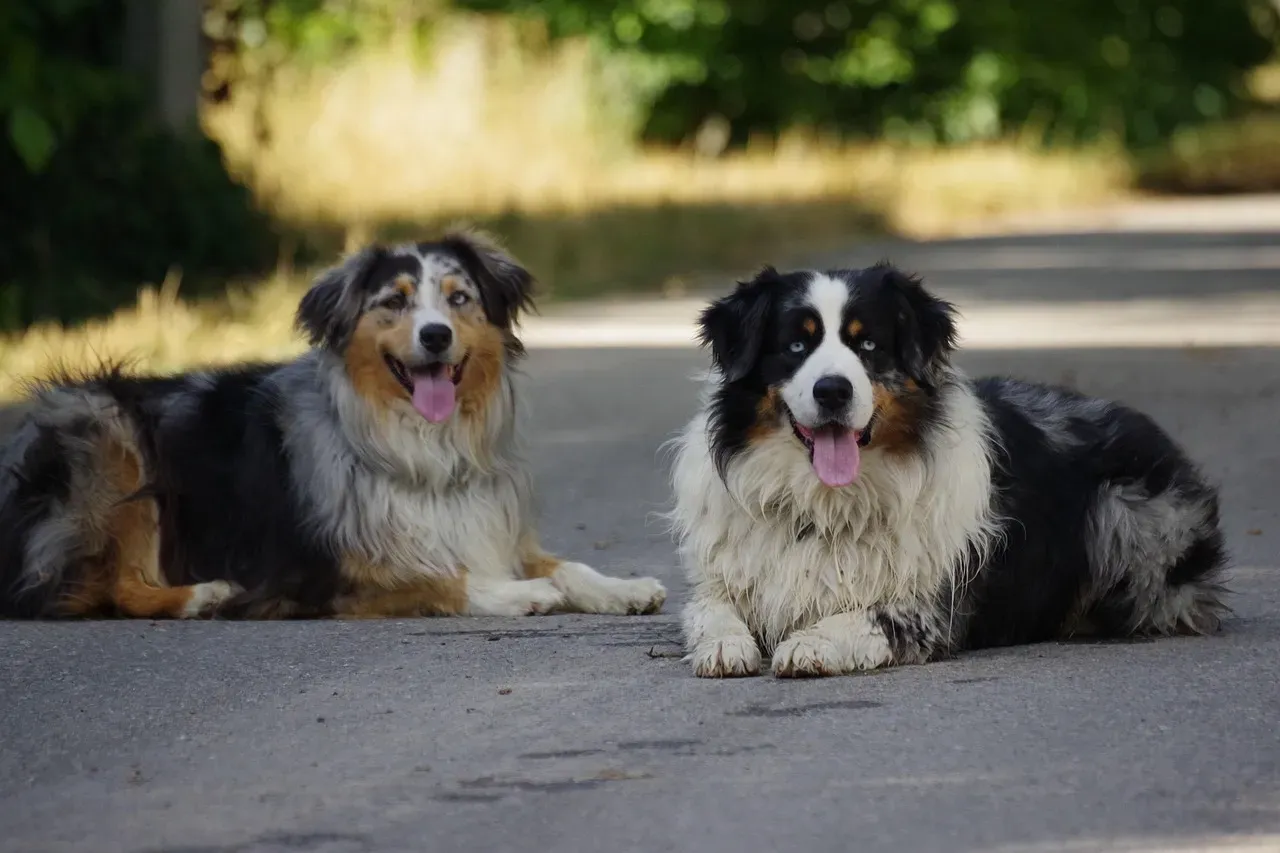
Herding dogs such as Border Collies or Australian Shepherds may nip or be so exuberant that they can overwhelm a small child. The Aussie’s brilliance is also its challenge. These dogs need a clearly defined outlet for their energy, or they’ll create one, usually involving your kids’ ankles.
In terms of family life, Aussies usually adapt more easily to living with children and other pets, making them excellent herding dogs for families compared to Border Collies, but they still demand consistent structure. They can be successfully integrated into a family with kids and become great pets, but it will require work and supervision. If parents are looking for an easy-going, laid-back dog, there are other options. An under-stimulated Aussie in a household with toddlers is a recipe for chaos.
11. Chihuahua: Big Personality, Low Tolerance
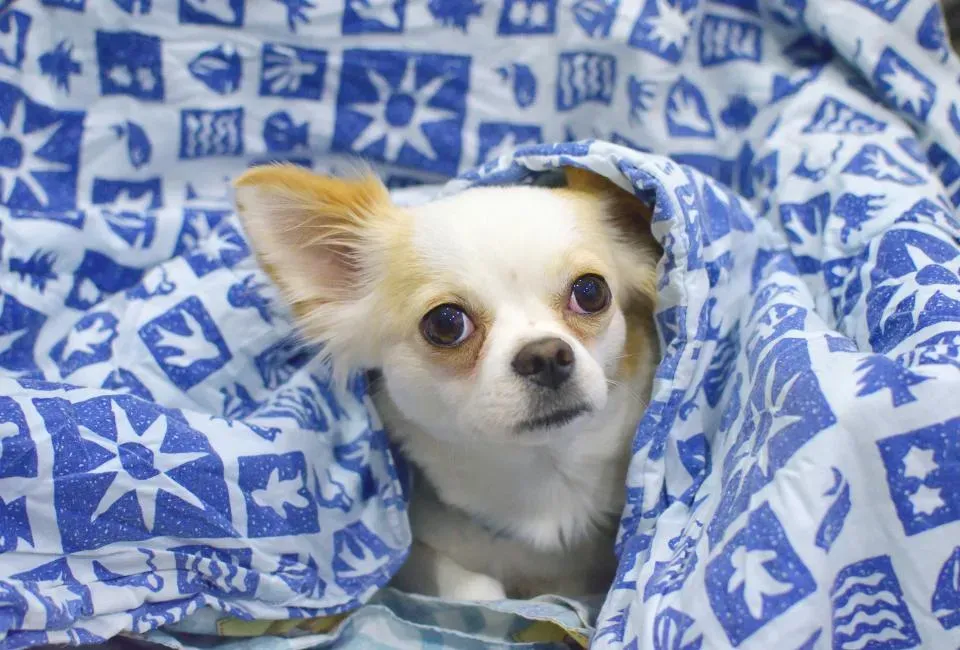
A Chihuahua may look like a little, innocent face, but beware, these dogs can pack a punch. They tend to be very bonded to one person, and some don’t seem to be interested in being nice to anyone else. They are potential bite risks for small children, especially if they feel a child is invading their space. This isn’t a breed issue so much as a mismatch issue. Chihuahuas genuinely thrive, just not always in homes with grabby toddlers.
This sassy and confident dog is the epitome of a big personality in a small package. While Chihuahuas can be affectionate with their owners, they don’t do well with young children. These tiny dogs shouldn’t engage in roughhousing because they can be easily injured. They can also become defensive around children who are too young to understand boundaries. This breed is also very protective and can become snappy or nippy around people it doesn’t know well.
12. Weimaraner: Athletic, Intense, and Easily Overstimulated

Vizslas are affectionate, high-energy dogs that form deep bonds with their families. Often called “velcro dogs,” they love staying close and being part of everything you do. They’re gentle with kids, and their need for exercise makes them a great match for active households. With the right daily activity, Vizslas become incredibly loving and loyal companions. The Weimaraner shares very similar traits: equally athletic, equally devoted, and equally overwhelming when their energy goes unmet.
Weimaraners are powerful, fast dogs with high prey drive and a tendency to become destructive when bored. The wrong breed choice can lead to nipped fingers, knocked-over toddlers, or stressed dogs who become reactive around unpredictable child behavior. Around children, their sheer physical enthusiasm can easily knock a small child over mid-play. They’re not aggressive by nature, but their size and energy mean close adult supervision is non-negotiable in any family setting.
13. Dalmatian: Energetic, Stubborn, and Needs a Steady Hand
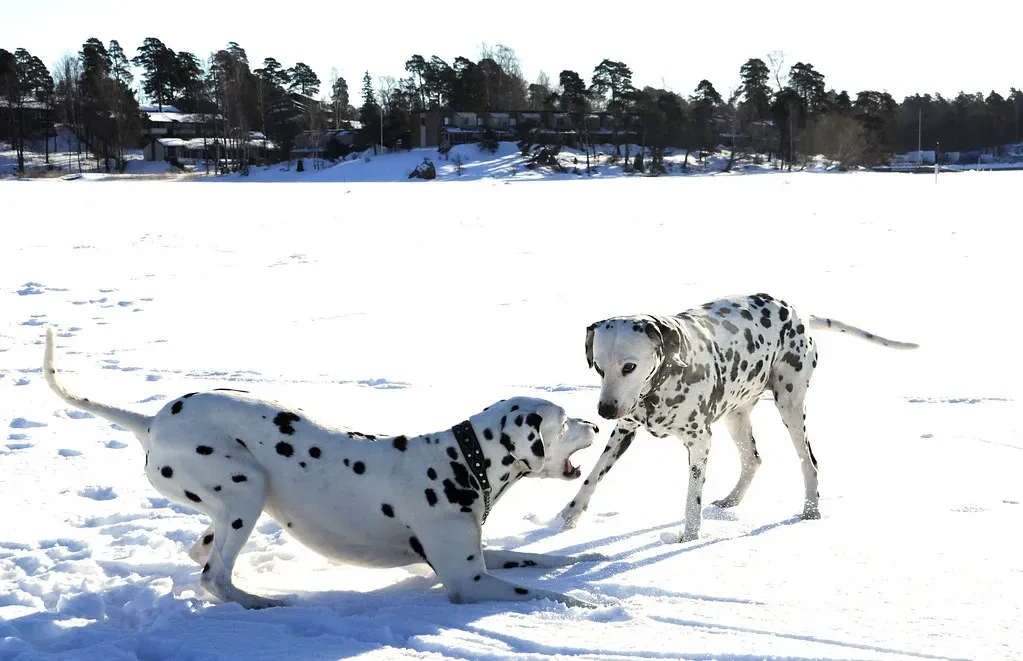
Dalmatians can be a little too energetic and excitable for very small children. However, families with older children will likely be able to handle their needs. They should also be supervised around other dogs and can be somewhat reserved around pets and people they don’t know. Fortunately, Dalmatians are relatively easy to train. Easy to train, yes, but they still need a consistent, experienced owner to reach that potential.
Dalmatians have a striking look and an equally striking energy level. They were originally bred as carriage dogs, running alongside horses for hours, so their stamina is genuinely impressive. Without enough daily exercise and mental stimulation, that energy redirects into behaviors that aren’t child-friendly. Early socialization, positive reinforcement training, individual temperament, and supervision are crucial in ensuring safety for your children. With older kids and active families, Dalmatians can be wonderful. With toddlers, they need careful management.
14. Afghan Hound: Independent, Sensitive, and Easily Overwhelmed
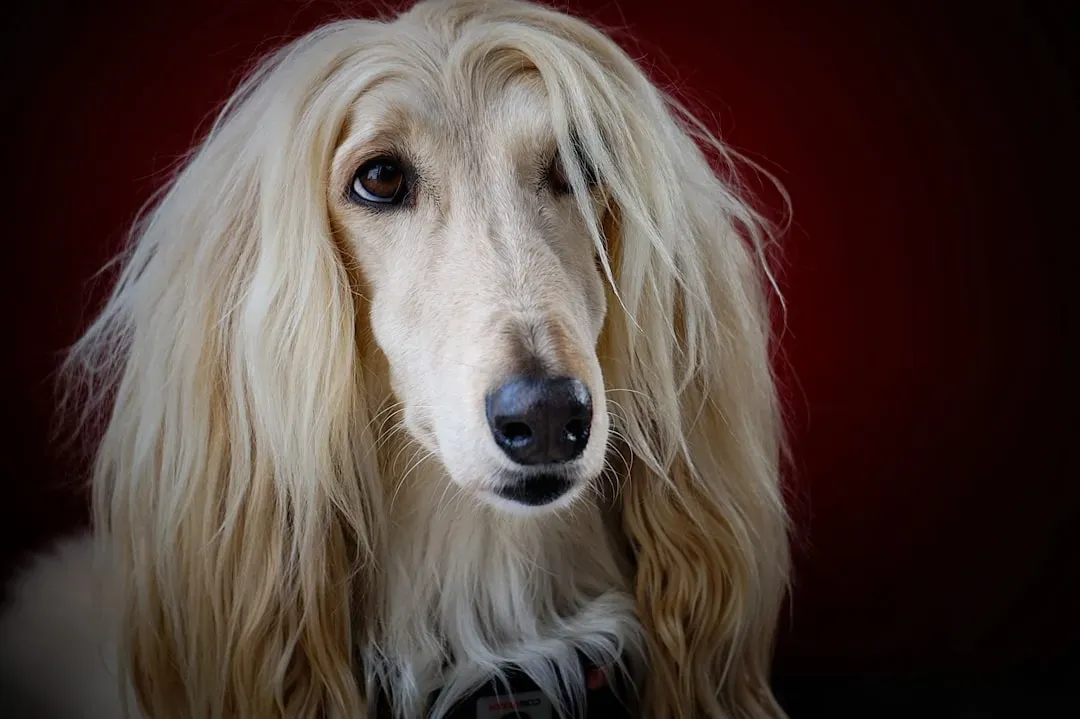
The Afghan Hound is known for its elegant appearance and independent nature. While they can be affectionate with their family, they tend to be aloof and reserved, especially around strangers. Afghan Hounds are not particularly playful and may not tolerate rough handling, making them less suitable for households with young children. They also have a high prey drive and can be challenging to train due to their independent streak.
Unlike certain breeds that tolerate rough play, Afghan Hounds are sensitive to touch and noise. They dislike chaotic environments, which are common in homes with active children. This sensitivity often makes them retreat instead of engaging socially. Retreating is fine, until it isn’t. A dog that feels repeatedly cornered can eventually respond with a snap. Afghan Hounds deserve a quieter, more predictable home where their sensitive nature is respected.
15. Bull Terrier: Playful but Tricky to Read
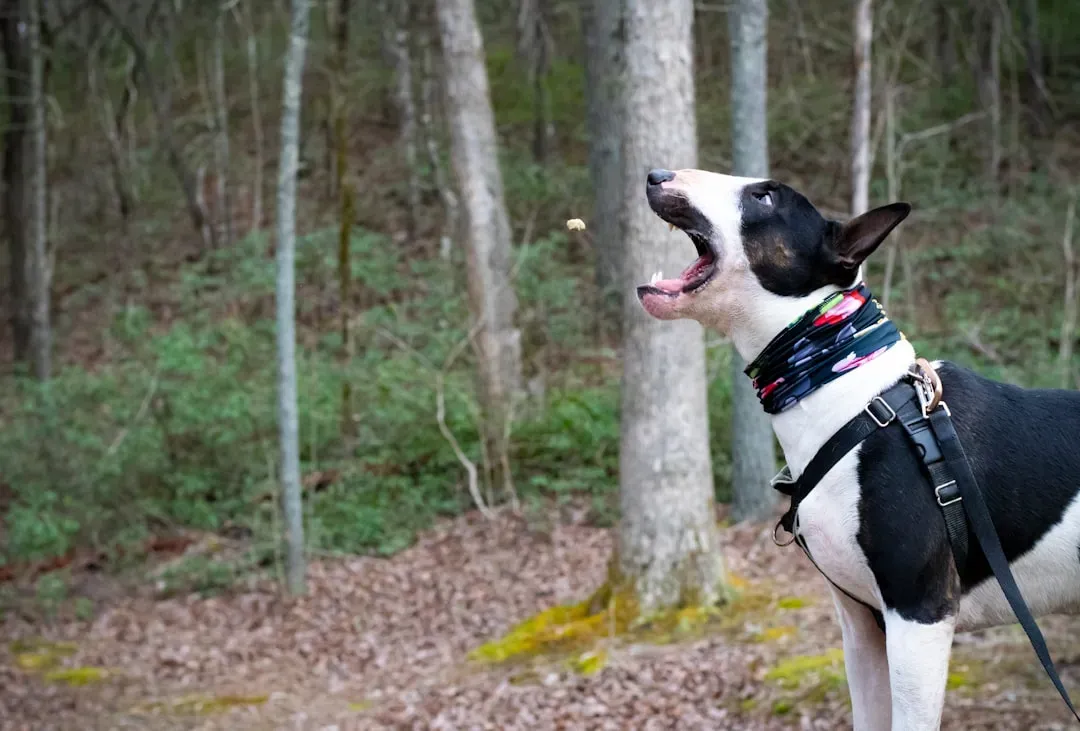
Bull Terriers are playful dogs that can make wonderful companions, but they also can be territorial. They might not take so kindly to teasing or other normal child behavior, viewing it as a challenge. These stubborn dogs look at children as equals so they would do best with teens and adults. That “viewing it as a challenge” piece is the key detail here, because kids don’t mean to tease. They just do.
Bull Terriers are muscular, determined dogs with a strong personality and a tendency to do things their own way. They need an experienced handler who understands canine body language well enough to intervene before tension escalates. Never leave young children unsupervised with dogs, regardless of breed or individual dog’s temperament. Even the gentlest dogs can react unpredictably if hurt, frightened, or surprised. For families with teenagers who’ve grown up around dogs, a well-socialized Bull Terrier can be a loyal and entertaining companion. For families with toddlers, the risk-to-reward ratio is simply too high.
A Final Word: Breed Is a Starting Point, Not a Guarantee
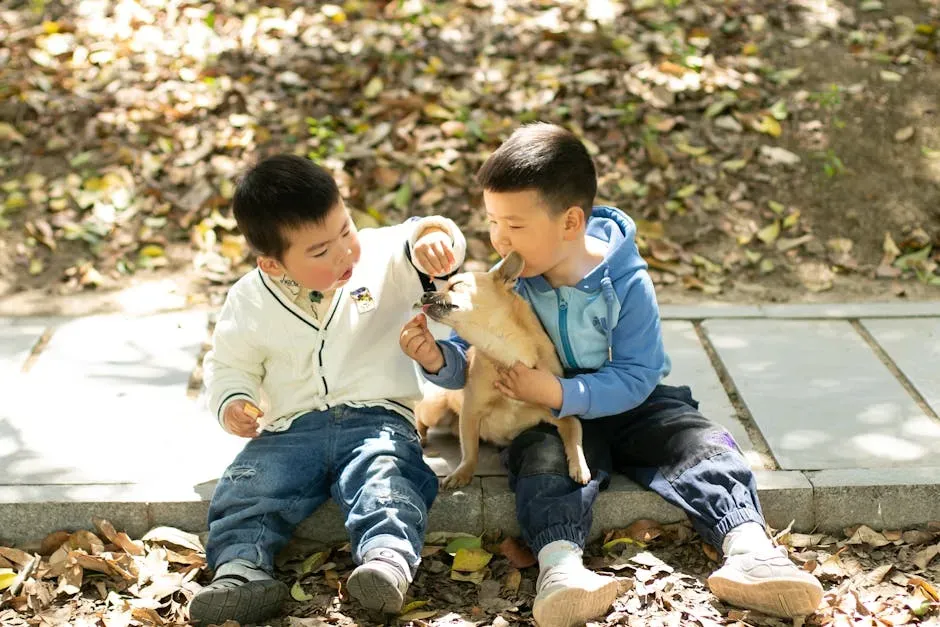
All dogs are individuals, so breed is only one of the things you should take into account when you’re deciding which dog would make the perfect fit for your family. This is worth holding onto. The calm Golden Retriever puppy and the energetic Border Collie rescue both arrived from different starting points, and individual history, early socialization, and consistent training shape them just as powerfully as genetics.
Establish clear rules about appropriate ways to interact with dogs: no pulling ears or tails, no bothering dogs while eating or sleeping, and always asking permission before petting unfamiliar dogs. Teach children to leave dogs alone during meal times and avoid approaching dogs who have toys or chews. These are simple habits that protect both the child and the dog.
The breeds in this guide are not sorted by how lovable they are. Every single one of them deserves a home where their needs are genuinely understood. The question was never which dog is better. It was always which dog is the right fit for your specific family, right now, with the children you actually have. Get that match right, and you’ll have a bond that lasts a lifetime.


