
Picture this: it’s pouring rain, or maybe there’s a snowstorm outside, or you’ve had a long day and the thought of bundling up for a walk just isn’t happening. Your dog, meanwhile, is pacing the living room, staring at you with that unmistakable “I need something to do” energy. Sound familiar?
Dogs need both physical and mental stimulation to stay fit, healthy, and happy. Physical exertion typically comes from walking, running, and playing, while many different things can provide mental stimulation. The good news is that the great outdoors isn’t the only place where good things happen for your dog. With a little creativity, your home can become a playground, training ground, and sensory adventure, all at once. Here are eight smart, vet-informed ways to keep your pup active and genuinely fulfilled on those days when going outside just isn’t an option.
1. Puzzle Toys and Food Dispensers: Work That Brain
Mental stimulation is just as important for dogs as physical exercise. Signs that a dog is bored include tail-chasing, excessive barking, pacing, and digging. If you’re seeing any of these behaviors on a rainy day, your dog isn’t being difficult. They’re just understimulated.
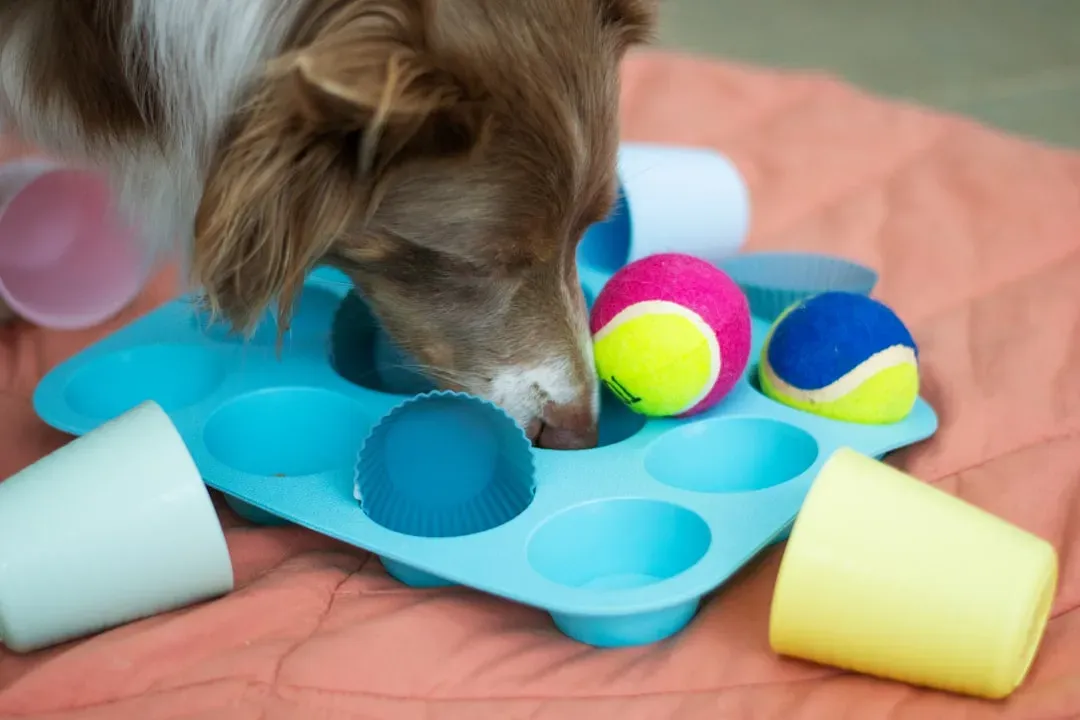
Puzzle toys and interactive toys typically have compartments where you can hide food, and your dog has to figure out how to access those tasty treats. There are countless puzzle toys, all with varying degrees of complexity. Similar to hide-and-seek and “find it,” interactive toys require critical thinking skills. They’re great for keeping your pup occupied for an extended time, distracting them from things that make them anxious, and mentally exhausting them. Dogs also receive a food reward when they play, leading to a dopamine release.
A classic rubber Kong or similar treat-dispensing toy can keep your pup busy for hours. Stuff it with a mix of their favorite treats, peanut butter (xylitol-free), yogurt, or mashed banana or pumpkin. For an extra challenge, freeze the stuffed Kong overnight for a longer-lasting reward. Start with easier puzzles and work up in difficulty as your dog gets the hang of it.
2. Indoor Scent Work and the “Find It” Game
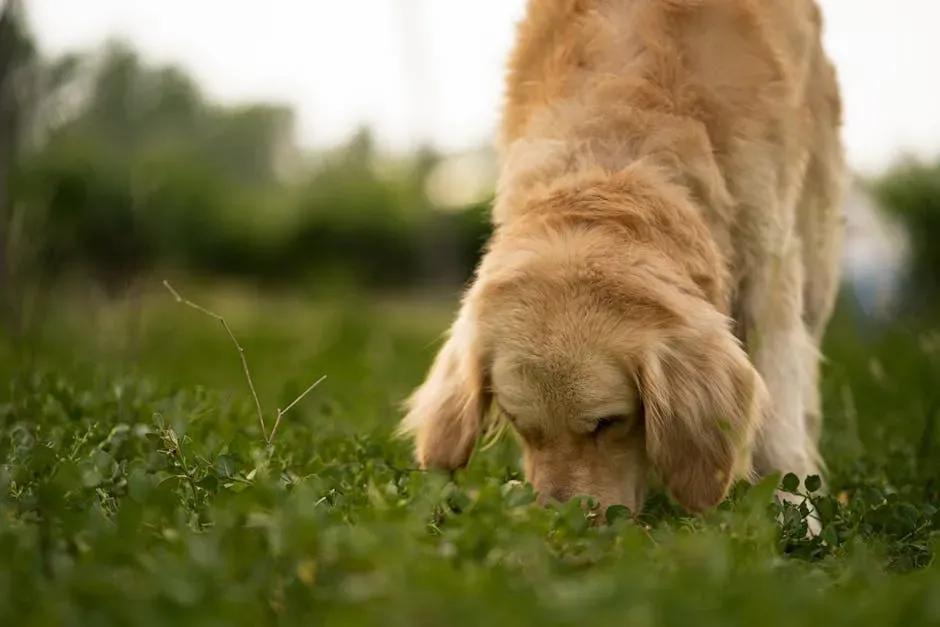
Dogs have an incredible sense of smell, and hiding treats around your home taps into their natural hunting instincts. This game is simple yet highly effective for mental stimulation. You don’t need any special equipment. Just a handful of kibble and a willingness to get a little creative with your furniture arrangement.
Start by showing your dog their favorite treat. Hide the treat in an easy-to-find location, such as under a table or behind a chair. Encourage your dog to find the treat using cues like “search” or “find it,” then gradually increase the difficulty by hiding treats in more challenging spots. This game not only exercises your dog’s brain but also provides a sense of accomplishment when they locate the reward.
Mental stimulation through scent work and problem-solving games can significantly reduce anxiety and destructive behaviors in dogs by giving them a productive outlet for their energy and natural instincts. A tired nose means a calm, contented dog. Breeds with strong tracking instincts, like Beagles and Bloodhounds, will be especially thrilled by this one.
3. Short Training Sessions: Teach Something New Every Day
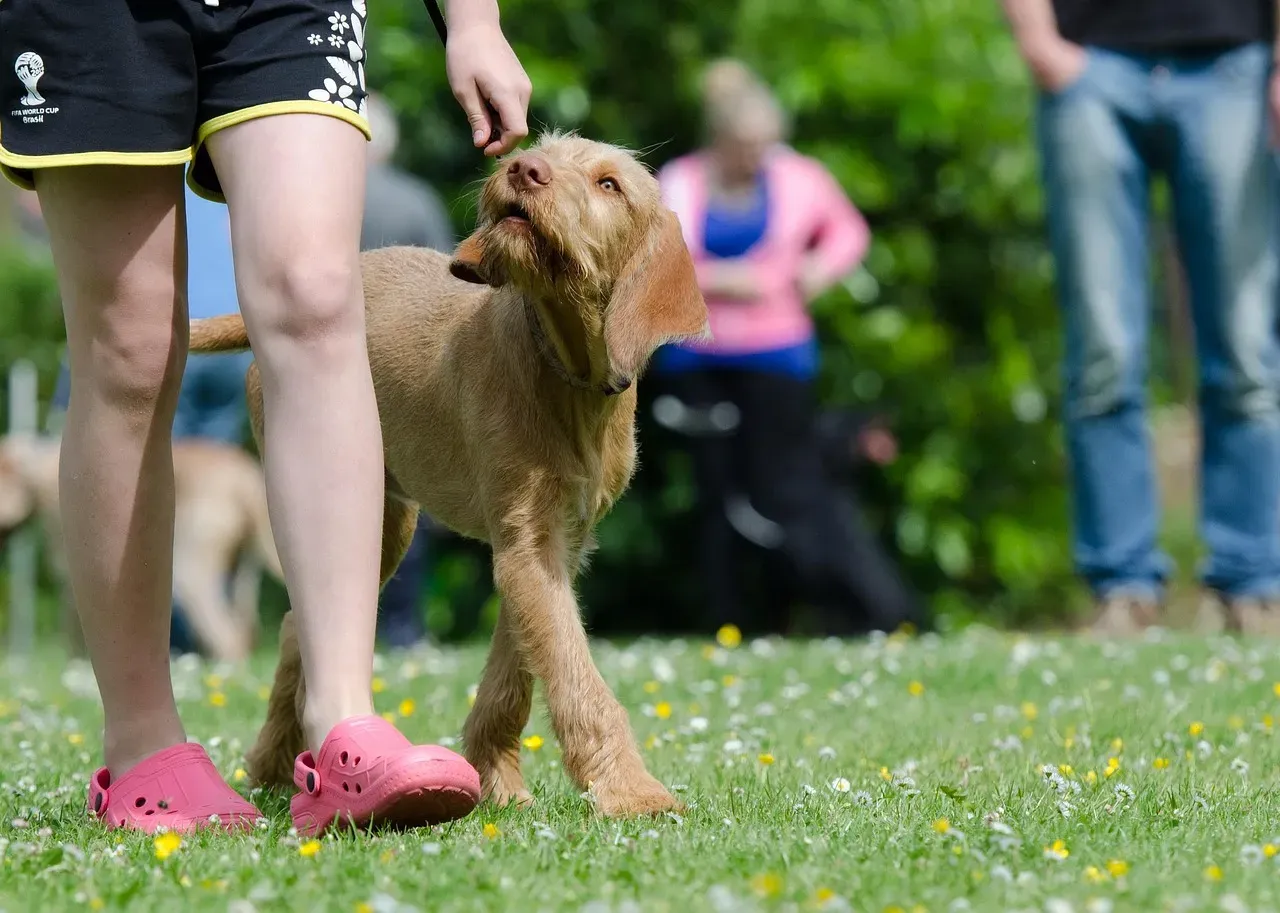
Training doesn’t have to feel like work. Short, positive sessions keep your dog’s mind active while building skills that improve daily life. Even a seasoned five-year-old dog can learn something new, and the process of learning itself is genuinely tiring for them in the best possible way.
Use high-value treats and keep sessions under 10 minutes. Dogs learn better in short bursts with breaks in between. Practicing commands indoors prepares your dog to listen in distracting environments. This makes outings and everyday routines smoother. Try progressing beyond the basics. Commands like “tidy up your toys,” “spin,” or “put it away” add a fun layer of complexity.
A great trick to try is tidying up. First, teach your dog what “put it away” means, by getting them to pick up one of their dog toys, carry it to a box and drop it. Then you can progress to scattering toys around a room, pointing to them one at a time as they pick them up and put them away, until eventually they’re able to do it with just the command. It keeps them moving, thinking, and honestly? It cleans your living room, too.
4. Indoor Fetch and Hallway Games
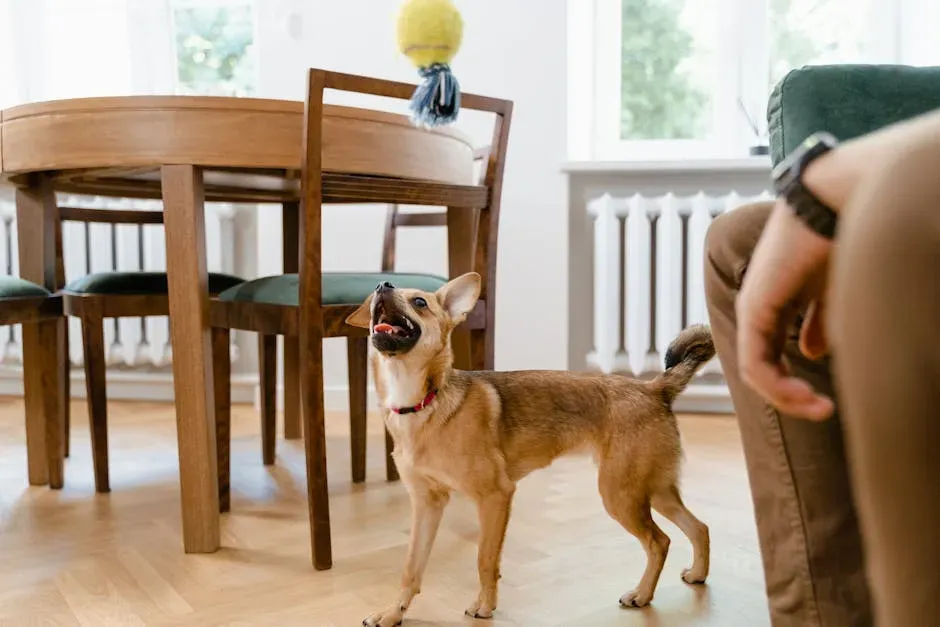
Playing fetch isn’t exclusively an outdoor activity. To avoid damage to both your house and your dog, choosing the right location and toys for indoor fetch is important. Soft, low-bounce toys are great options. Tennis balls are also often soft enough for indoor use. A long hallway or cleared living room is all you really need.
If you have a hallway or open room, short fetch sessions work well indoors. Use soft toys or lightweight balls that won’t damage furniture or walls. Keep throws low and controlled to avoid wild running that could lead to slipping or crashing into furniture. This is a great option for dogs who love to retrieve but need a calmer version of outdoor fetch.
If you have stairs, those are a bonus. Stairs are a great way to tire out your dog indoors. It’s like taking your dog out for a walk, but the constant elevation change adds an extra physical challenge. If your dog doesn’t want to simply walk up and down, you can make things more enjoyable by standing at the top of the steps and throwing a fetch toy to the bottom, giving your dog one up-and-down cycle each time they retrieve the toy. Always supervise stair play, especially with senior dogs or puppies.
5. Tug of War: A Classic That Really Works
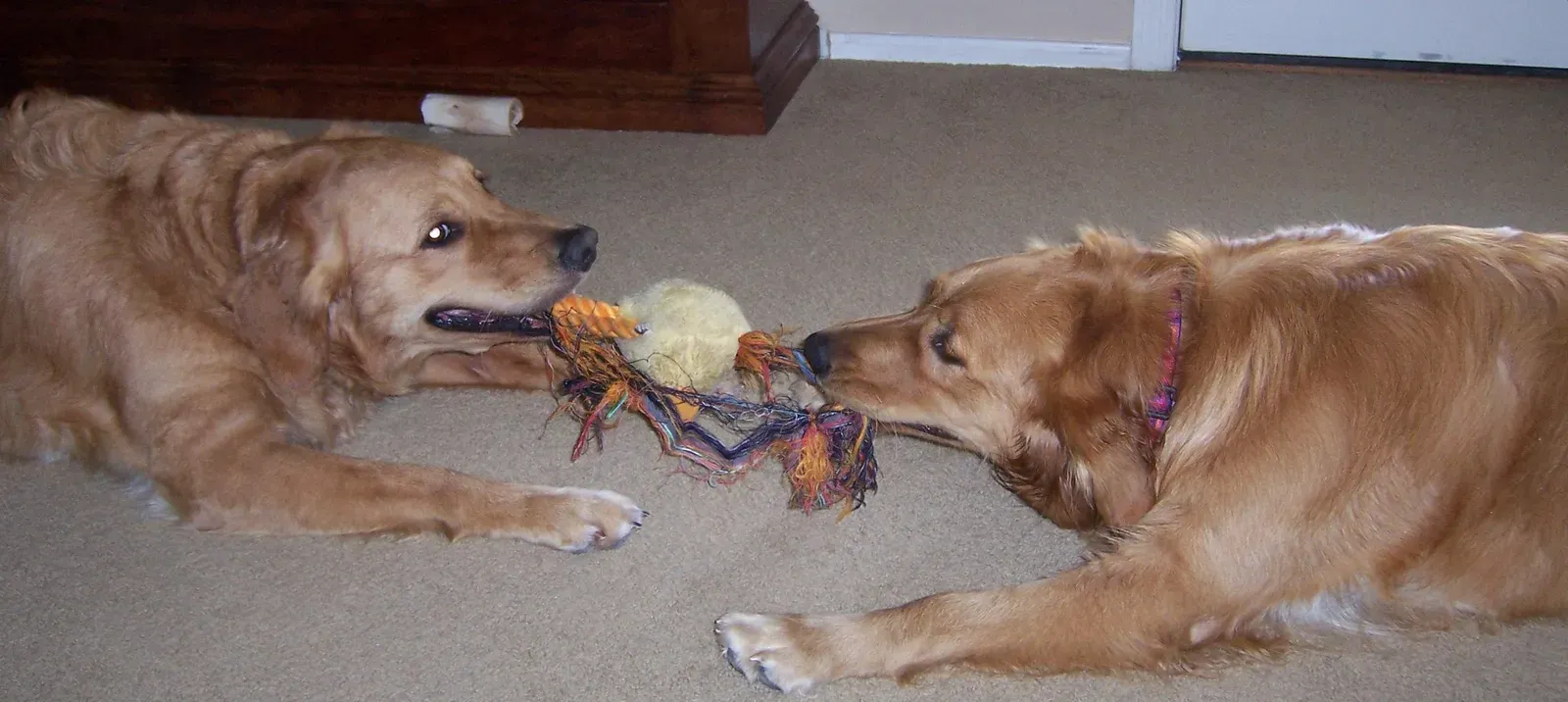
Tug of war is a great indoor game because it can really get your dog’s heart rate up with minimal available space. Though it’s more fun for your dog if they occasionally “win,” it’s important to maintain the upper hand with some established rules. This isn’t just play. It’s a full-body workout disguised as fun.
Tug builds strength and lets your dog release energy in a controlled way. It also teaches impulse control when you set boundaries around starting and stopping the game. Choose a sturdy rope toy or rubber tug designed for your dog’s size. Avoid old towels or socks, which can teach your dog to grab household items.
Train your dog to let go at your command. Resuming play after a successful “drop it” rewards your dog’s obedience. For safety reasons, your dog should only play with a designated tugging toy. Hands and clothing are a no-go and will only teach your dog bad habits. Additionally, be cautious and don’t play for too long or pull too hard, as this can potentially damage your pup’s teeth.
6. Build a DIY Indoor Obstacle Course
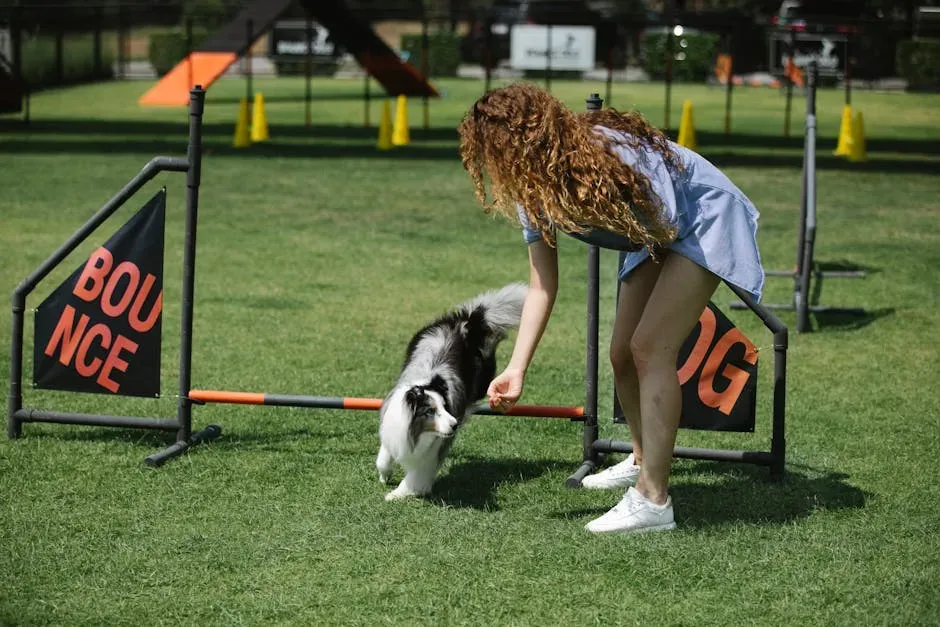
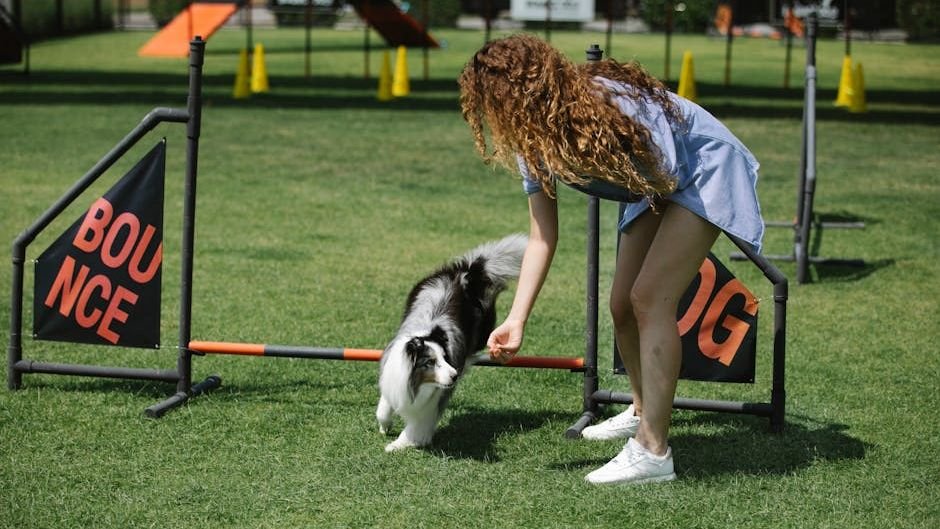
Transform your living room into a mini agility course using household items. Set up tunnels with chairs and blankets, jump obstacles with broomsticks, or weave through cones made of water bottles. It’s an exciting way to get your dog thinking and moving. You’d be surprised how much mileage you can get out of a couple of dining chairs and an old blanket.
Creating an indoor obstacle course using everyday items is a creative way to provide your dog with physical exercise and mental stimulation. You can use cushions, cardboard boxes, broomsticks, and other household items to set up a mini-course. Guide your dog through the course, teaching them to crawl under obstacles, jump over, or weave through them. This activity challenges their physical coordination and problem-solving abilities. It also strengthens the bond between you and your dog as you work together to navigate the course.
It’s also a great way to practice basic commands like sit, stay, and come in a fun setting. Change the course layout regularly to keep your dog interested and challenged. Even senior dogs can benefit from a gentle, low-jump version of this activity that focuses more on navigation than speed.
7. Play Hide and Seek Together
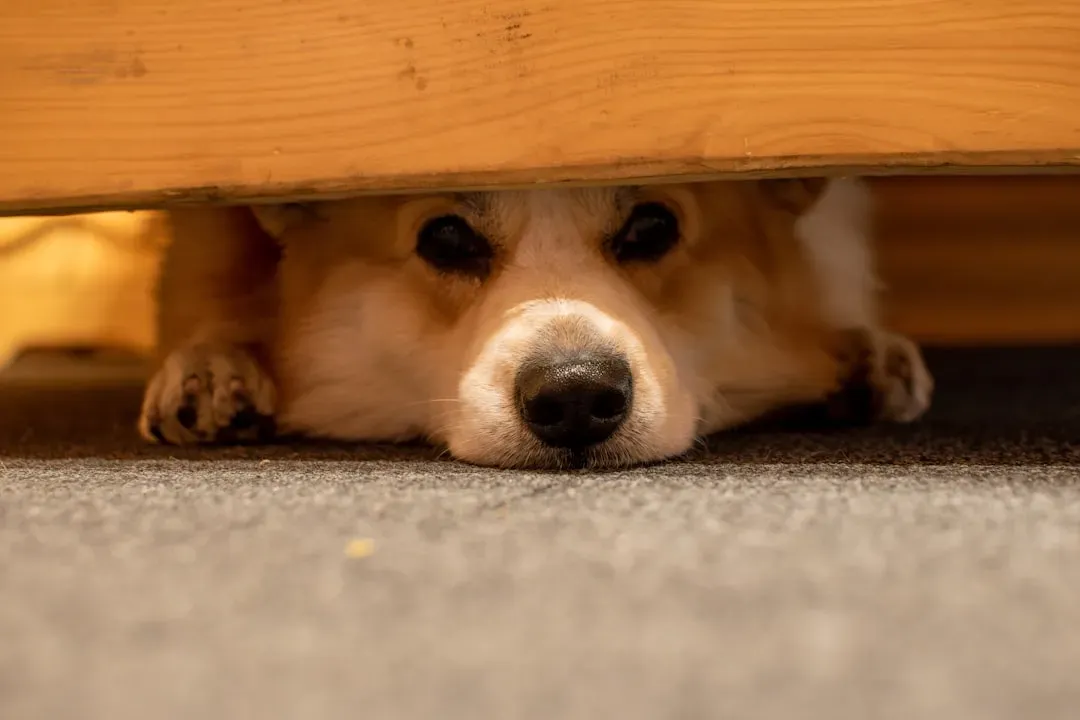
An old-fashioned game of hide and seek is perfect for keeping your dog mentally stimulated on a cold or rainy day. Have a friend or family member sit with your dog while you go and hide. This is where obedience training is super helpful, because your dog needs to “stay” with your friend. If your dog doesn’t know “stay” yet, simply close a door to keep them in another room while you get into position.
When they find you, praise them enthusiastically. Once they understand the rules of the game, ramp up the difficulty by hiding in places where they may have to use their nose and their ears to find you. Be sure to give them hints as needed – you don’t want them to get frustrated and lose interest in the game.
This game works on multiple levels. It reinforces the recall command, strengthens the bond between you and your dog, and genuinely engages their problem-solving instincts. At the end of the day, nothing beats the joy of spending quality time with your dog. Human interaction is the most enriching experience they can have. Whether you’re playing, training, or simply relaxing together, you are your dog’s favorite part of their world.
8. Rotate Toys to Keep Things Fresh
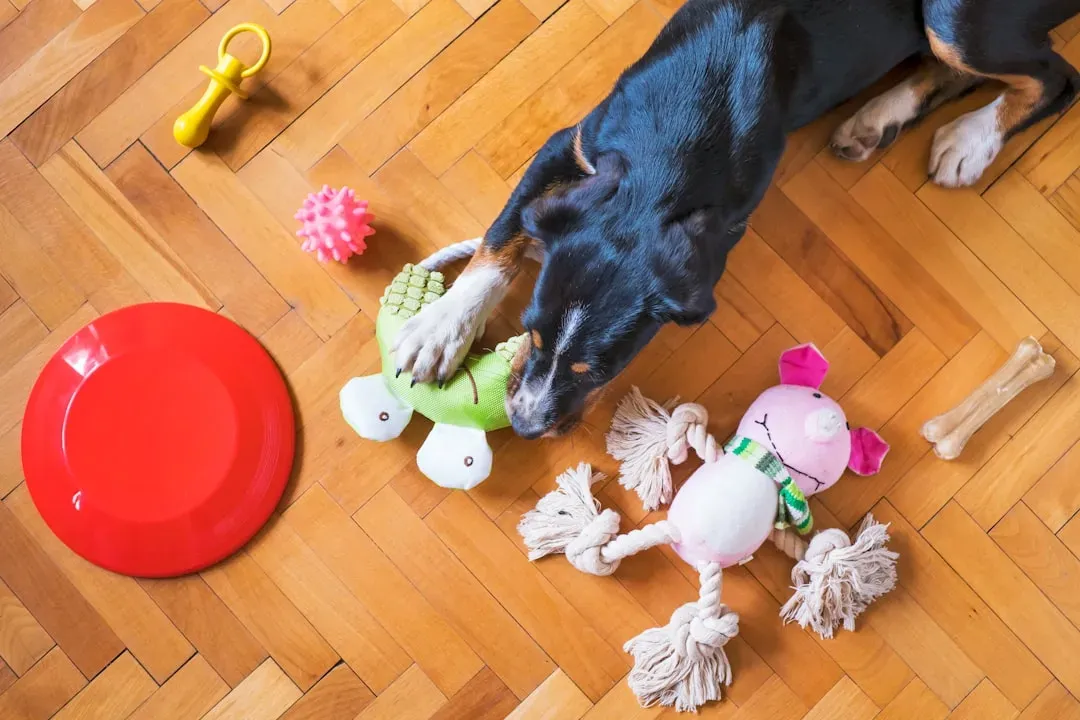
Just like children, dogs like new things. By rotating your dog’s toys, you can make them seem much more interesting. Stash some of your dog’s toys in a cupboard for a couple of days, and then swap them over to give your dog something new to play with. This costs nothing and requires zero effort, yet the effect on a bored dog can be remarkable.
Dogs can quickly lose interest in the same activities, so it’s important to rotate their toys and games regularly. Introducing new challenges keeps your dog curious and excited about playtime. Think of it as giving your dog a “new toy experience” without spending a cent. The toy that sat untouched for two weeks suddenly becomes fascinating again.
Just like us, dogs can get bored with the same toys. Keep things exciting by rotating their toys every week. Introduce new textures, shapes, and sounds to keep their curiosity piqued. Pair rotation with puzzle feeders or scent games, and you’ve built a genuinely rich indoor enrichment routine with very little effort.
Conclusion: A Happy Dog Doesn’t Need Perfect Weather
Rainy days, sick days, and busy days happen to everyone. The difference between a dog that copes well and one that unravels into a chewing frenzy often comes down to a handful of thoughtful, intentional activities. None of these eight strategies require a large space, expensive equipment, or unlimited free time.
Most dogs require only 15 minutes of challenging activity per day to stay mentally fit. That’s a remarkably low bar. A short scent game before dinner, five minutes of trick training in the afternoon, and a round of hallway fetch in the evening adds up to a genuinely fulfilled dog.
The most important thing to remember is this: your dog isn’t just looking for exercise. They’re looking for connection, novelty, and a sense of purpose. Regular engagement not only promotes physical fitness but also prevents behavioral issues stemming from boredom or excess energy. When you invest even a little energy into making their indoor time meaningful, you get back a calmer, happier companion. That’s a trade worth making on any rainy day.


