

Picture this: You’ve just opened a fresh, high-quality bag of dog food, filled the bowl with care, and set it down with quiet confidence. Your dog walks over, sniffs it with what can only be described as polite contempt, and walks away. You’re not imagining it. You’re not doing anything wrong. You just happen to own one of the world’s most opinionated eaters.
Picky eating isn’t always just about taste. A dog’s eating habits can be shaped by certain health conditions, medications, challenging behavior, or simply differences that are unique to their breed. Whether your pup tends to refuse food, shows a sudden preference for treats, or only seems to eat when coaxed, staying observant and proactive matters. Some dogs are born this way. Others are shaped by early feeding habits, and a few are simply playing the long game against your patience. This guide covers both ends of the spectrum, the dramatic holdouts and the shameless gobblers, so you can better understand your dog’s relationship with food and care for them smarter.
1. Yorkshire Terrier: The Tiny Diner With Enormous Standards

The Yorkshire Terrier often sits at the top of the picky eater list. These tiny toy dogs were bred as companions, meaning they are exceptionally good at training their humans. They quickly learn that refusing their kibble might result in something far more delicious, like a piece of chicken from your plate. That’s not stubbornness in the traditional sense. It’s strategy, and they’re quite good at it.
Yorkshire Terriers are another breed that may become selective with their food. Although they are small, they have large characters and will not hesitate to show their disapproval of certain foods. This can be mainly due to their sensitive stomachs, which may not be able to tolerate certain ingredients. If your Yorkie is turning their nose up consistently, it’s worth considering both their gut sensitivity and whether you’ve unintentionally reinforced the behavior with tastier alternatives.
2. French Bulldog: The Sensitive Stomach Gourmet
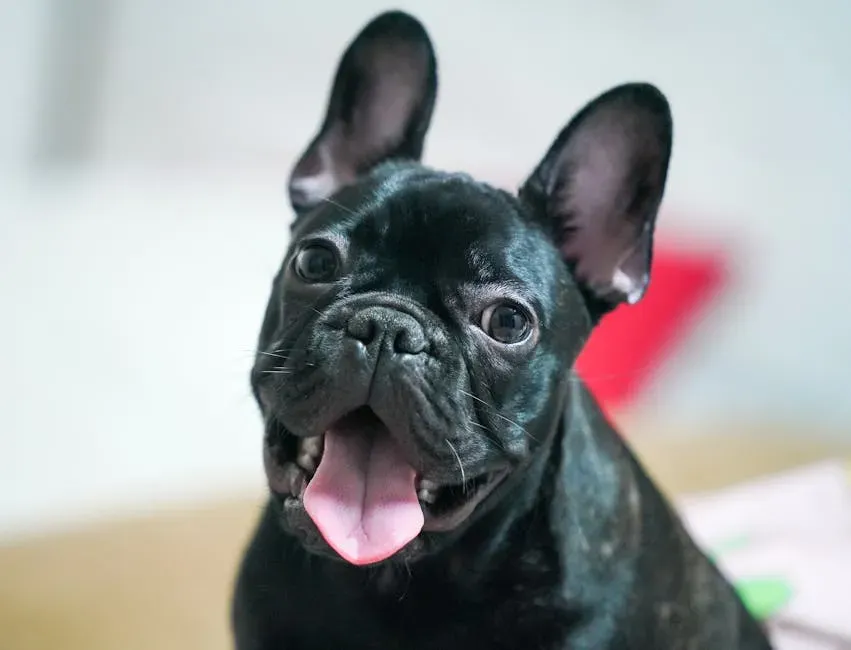
Frenchies are charming, bat-eared clowns that are notorious for having sensitive stomachs and being prone to food allergies. Their pickiness is often not just a preference, but a reaction to food that makes their tummy feel off. What looks like fussiness at the bowl might actually be your Frenchie communicating real physical discomfort.
Fussy eating Frenchies are nothing new, and it can be frustrating trying to find a meal routine that works. Some recommended tactics include feeding them in a cooler room, pouring some chicken broth over their food, or feeding them by hand. If you suspect a food allergy, working with your vet to do an elimination diet is genuinely worth the effort. These dogs thrive when their gut is happy.
3. Dachshund: The Opinionated Wiener Dog
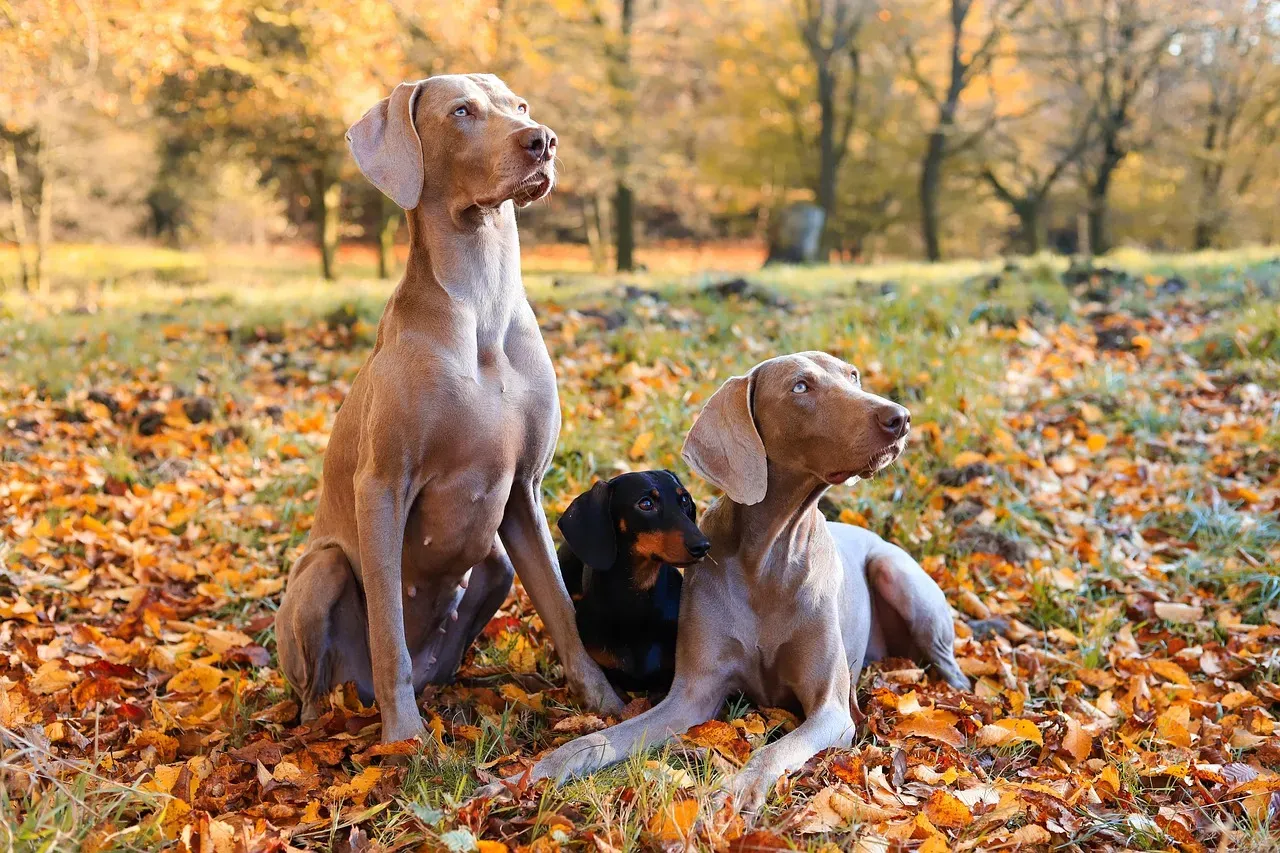
Dachshunds are also well known for their picky eating habits. This breed can be quite particular about what they eat, often influenced by the flavor, texture, and even the temperature of their food. Their selective eating may stem from their strong sense of smell, leading them to be more discerning about their meals. A slightly warm meal or a strong-smelling topper can sometimes be the difference between an empty bowl and a hunger strike.
The tenacious “wiener dog” has a mind of its own, and that extends to their menu choices. They are clever and can be stubborn, quickly learning that refusing a meal might lead to a tastier offer. It’s crucial to manage their pickiness, as their long backs make maintaining a healthy weight essential. Obesity in Dachshunds puts real strain on their spines, so letting them win every mealtime negotiation has consequences beyond the dinner bowl.
4. Maltese: The Aristocrat of the Food Bowl

Maltese dogs are infamous for being picky eaters. Maybe this goes back to their silver spoon heritage. These dogs often prefer smaller kibble sizes due to their tiny mouths and may reject food that is too large or too hard for them to chew comfortably. Maltese can also be sensitive to the taste and smell of their food, showing a preference for certain ingredients over others. Their delicate digestive systems require high-quality, easily digestible food to avoid gastrointestinal issues.
Food is a significant battleground with Maltese dogs. These are one of the pickiest dog breeds, with delicate digestive systems, and they often refuse to eat anything that doesn’t meet their high standards. Many Maltese owners cook homemade meals or add enticing toppers to their pup’s dish to encourage them to eat. If you’re on this path, just make sure those homemade additions are nutritionally complete and vet-approved.
5. Shih Tzu: The Freshness Inspector

Shih Tzus are known for being particularly fussy when it comes to their meals. This breed can be quite selective about the taste and texture of their food. Shih Tzus might refuse to eat if they are not satisfied with the flavor or if the food is not fresh enough. Their picky eating habits can sometimes be linked to their sensitive stomachs, which require high-quality and easily digestible ingredients.
Shih Tzus have sophisticated tastes, which sometimes include their food intake. These dogs may choose top-notch, gourmet food rather than the regular kibble. As a result of their tiny stature, Shih Tzus can become extremely picky, and thus they may refuse food that is not to their liking. Try providing different flavors and textures, as well as gradually introducing wet food, and your dog will be more likely to look forward to mealtime. Consistency and patience genuinely go a long way here.
6. Poodle: The Bored Intellectual at the Bowl

Poodles, known for their intelligence and elegant demeanor, can also exhibit picky eating behaviors. This breed often prefers variety in their diet and may lose interest in their food if it becomes monotonous. Poodles can also be sensitive to the texture and taste of their meals, showing a preference for certain types of food over others. Think of it this way: a dog that smart needs a little novelty at mealtime.
The Poodle is easy to train but can also be a fussy eater. Determining the amount of food your dog needs is critical to ensuring they’re doing well. You need to take into account the daily exercise routine of your Poodle. Offering too many snacks can also make them a picky eater. If your Poodle is holding out for something better, resist the urge to offer treats as a substitute. You’ll only deepen the habit.
7. Chihuahua: Small Dog, Maximum Opinions

The Chihuahua may be tiny, but its personality is anything but small. These little dogs are among the pickiest eaters in the canine world, often refusing meals if they don’t meet their exacting standards. Many Chihuahuas will only eat if their food is served warm or if it contains specific ingredients they prefer. Room temperature? Unacceptable. Yesterday’s kibble from the same bag? Deeply offensive.
Chihuahuas are tiny dogs that have great characters, and in most cases, they are very particular when it comes to feeding. Whether it’s the flavor or the texture, they are always the ones who choose selectively to eat. Since they are small in size, they may become more vulnerable to health conditions that can lower their appetite, for instance, dental problems. Regular dental checkups are especially important for this breed, since mouth pain is a common hidden reason for food refusal.
8. Greyhound: The Creature of Routine
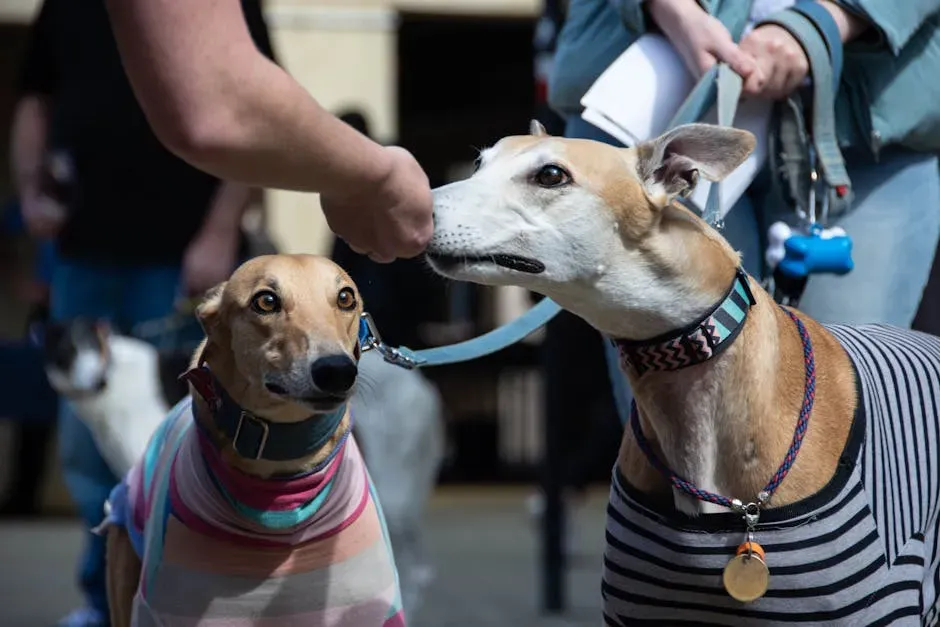
Both the Greyhound and the smaller Italian Greyhound thrive on routine, and any dietary change can lead to them refusing food. Turning their nose up at food they usually gobble down can also be a sign of stress. A Greyhound that suddenly stops eating may not be expressing preference so much as anxiety.
This might seem surprising for such an athletic breed, but Greyhounds are famous in the rescue community for being sensitive and sometimes picky eaters. They are often accustomed to a very specific diet, particularly those from racing backgrounds. Furthermore, their gentle and sometimes anxious nature means that stress can easily put them off their food. If you’ve recently adopted a retired racing Greyhound, gradual diet transitions and a calm feeding environment will help enormously.
9. Bichon Frise: The Allergy-Prone Foodie

Bichon Frises, with their fluffy white coats and cheerful disposition, can sometimes be finicky eaters. This breed may be particular about the size and texture of their food, preferring smaller, softer kibble or wet food. Bichon Frises can also become accustomed to human food if offered frequently, leading them to turn down their regular dog food. Their picky eating habits may require owners to experiment with different types of high-quality dog foods and avoid giving in to the temptation of feeding them table scraps.
Bichon Frises’ fussy eating is often attributed to the fact that they are prone to allergies. Even though they love lean meat, owners need to provide variety in their diets, which often doesn’t go over well with these picky eaters. It’s a tricky balance. Keep variety thoughtful rather than random, and always introduce new proteins slowly to avoid triggering a reaction.
10. Siberian Husky: The Efficient Machine That Sometimes Just Doesn’t Feel Like It
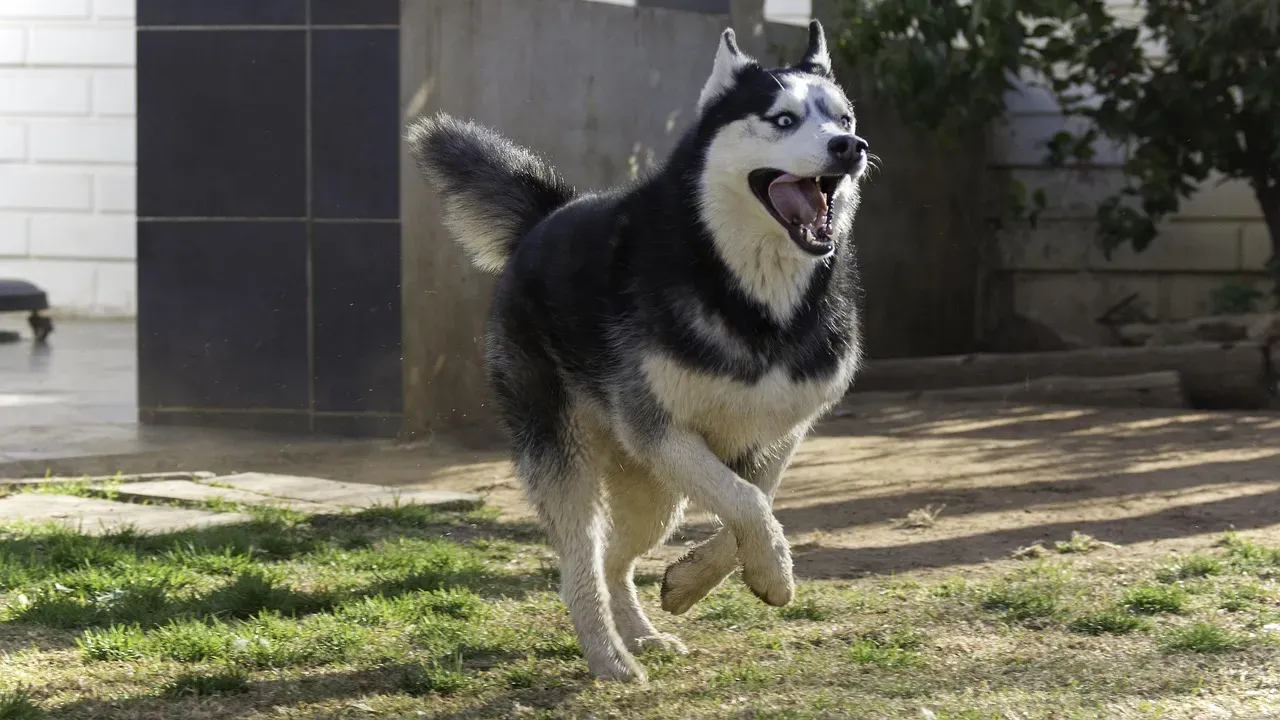
Bred to run for miles on very little food, Huskies have a famously efficient metabolism. They are not naturally inclined to be food-motivated in the same way a Labrador might be. It’s not uncommon for a healthy Husky to skip a meal simply because they don’t feel they need the energy. This isn’t true pickiness in the traditional sense, but it can certainly seem that way to a concerned owner.
Huskies are known for their efficiency in converting food to energy, which often results in them eating less than other breeds. Additionally, they can be picky eaters. As long as they maintain a healthy weight and are active, occasional disinterest in food might not be a concern. However, sudden changes in appetite should be discussed with a vet. The key distinction is between a Husky who looks healthy and skips a meal versus one who loses weight or becomes lethargic. Trust your gut and check in with a vet if something feels off.
11. Labrador Retriever: The Dog Who Would Eat the Bowl Itself

A recent study has shown that some Labrador Retrievers carry a gene that prevents their brain from recognizing the sensation of feeling full after a meal. So it’s less about being greedy and more about feeling genuinely hungry. This is one of the most compelling and compassionate explanations for why a Lab can finish their meal and immediately look at you like they haven’t eaten in three days.
These dogs are infamous for their voracious appetites and tendency to gobble down food in seconds. Eating too quickly can lead to choking, bloating, or obesity. Slow-feeder bowls are very helpful in this regard. A slow feeder is one of the easiest upgrades you can make for a Lab. It protects their health and turns mealtime into a brief puzzle session they’ll actually enjoy.
12. Beagle: The Nose Knows No Boundaries
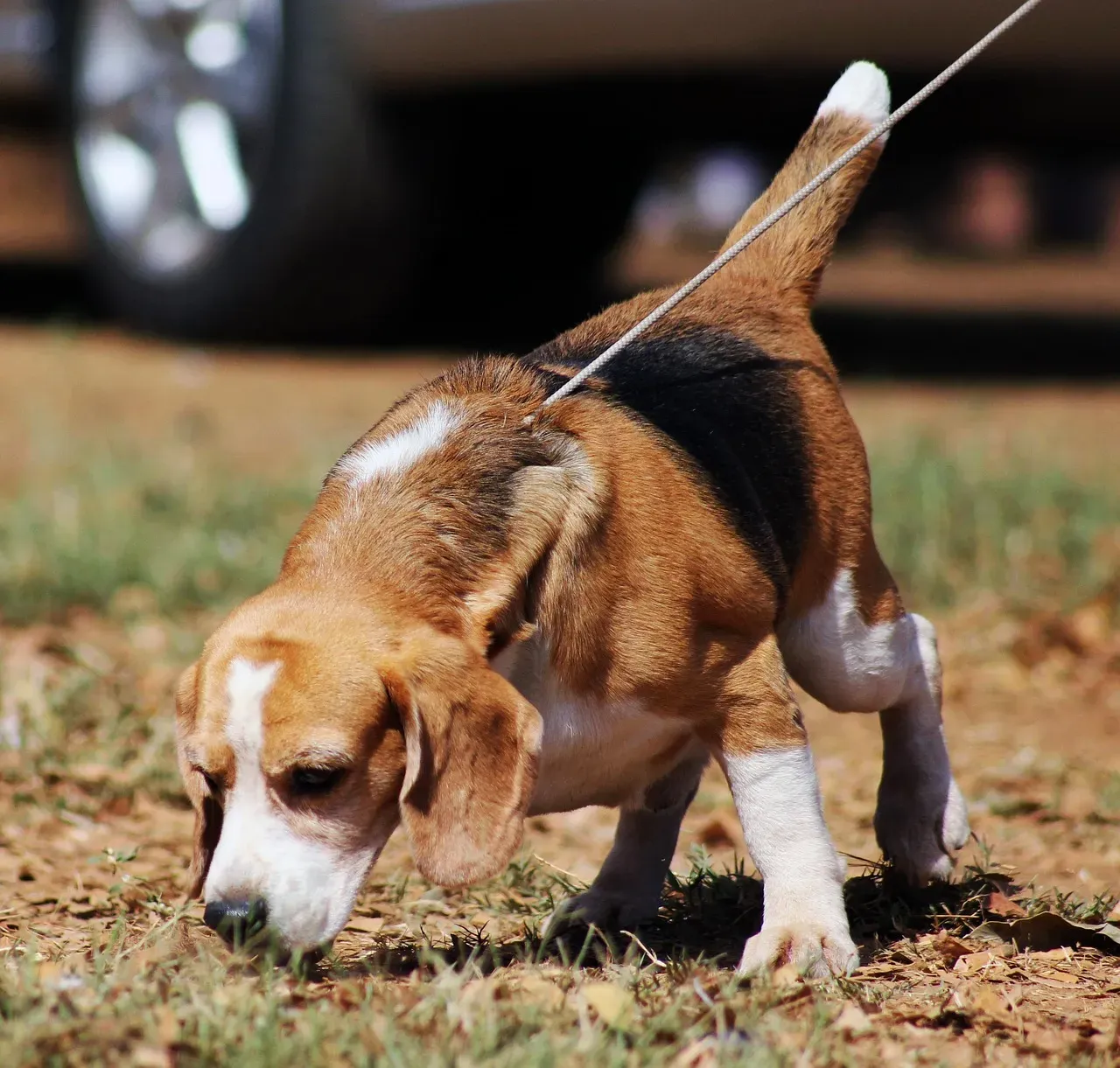
Beagles, with their keen sense of smell, are driven by their noses to scavenge, leading them to consume almost anything edible. Originally bred as hunting dogs, their instinct to follow scents often leads them to food sources, regardless of whether it’s appropriate for consumption. Beagle owners must be cautious about leaving food within reach and should ensure that outdoor areas are free of potential toxins.
The loveable Beagle often doesn’t know when to stop when it comes to food. This is a breed that will eat themselves to the point of illness if poorly supervised. Beagles aren’t just known for their adorable floppy ears and infectious howls; they’re also notorious for their intense love of food. Portion control, secure trash cans, and a solid “leave it” command are non-negotiables for Beagle owners.
13. Golden Retriever: The Enthusiastic, Indiscriminate Eater
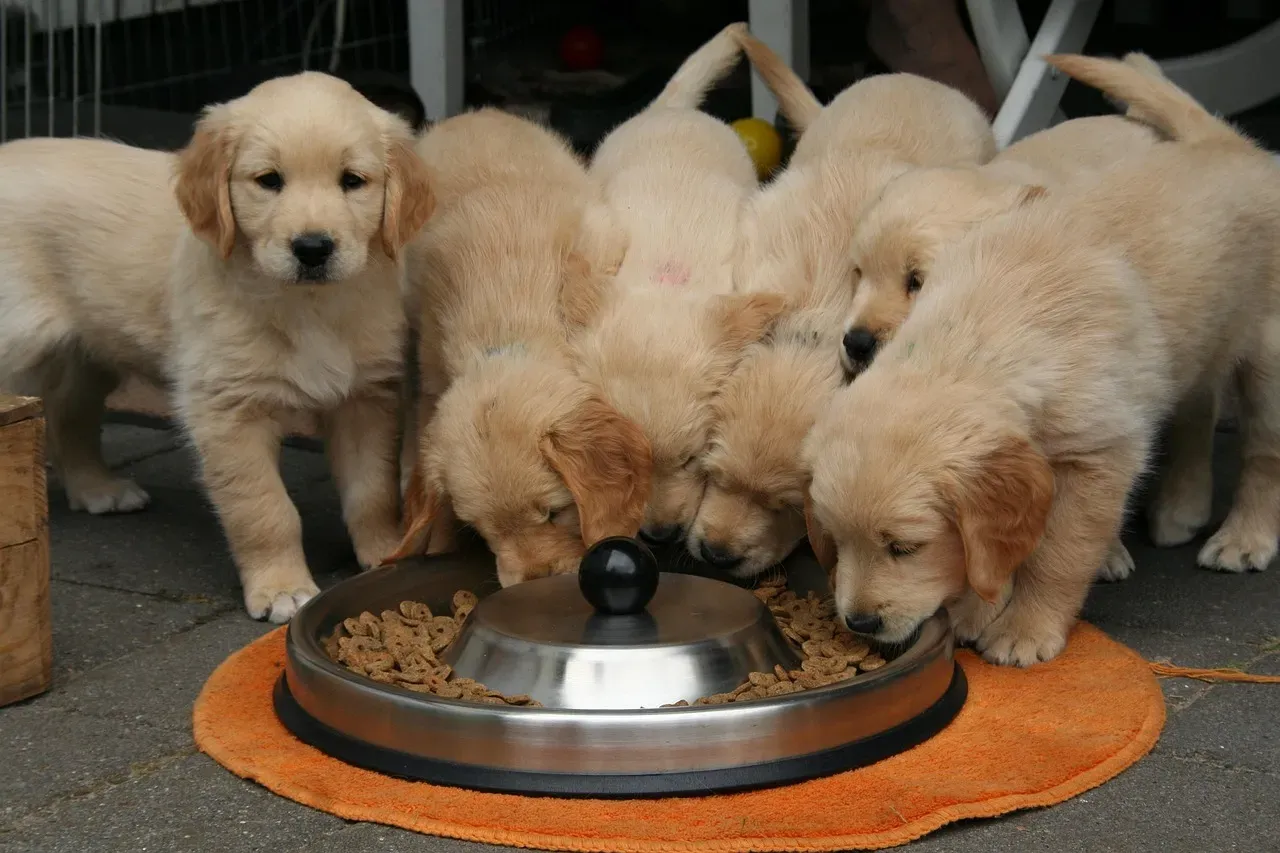
Golden Retrievers are known not only for their friendly disposition but also for their large appetites. Similar to Labradors, Goldens love to eat and are often indiscriminate about their food choices. They can easily become overweight if their diet is not properly managed. Their hearty appetite stems from their background as active working dogs, which required a lot of energy.
Golden Retrievers are one of the most popular dog breeds, known for their friendly and gentle nature. They are also known for their love of food and tendency to eat anything they can find. Golden Retrievers are highly food-motivated and often use their intelligence to figure out how to access food, whether it’s opening doors or cupboards. They are not picky eaters and will consume almost anything, including non-food items. Keep the kitchen counter clear and the pantry door firmly shut.
14. Pug: The Determined Little Foodie

Pugs are charming little creatures with big personalities and even bigger appetites. They love to eat and will often beg for food with their irresistible, expressive faces. Due to their compact size and tendency for weight gain, Pugs require carefully measured meals and limited treats. Regular exercise is also necessary to keep them in shape, as a healthy weight is crucial for avoiding respiratory and joint issues.
Pugs may be small, but they have an appetite that rivals larger breeds. These little food enthusiasts are experts at begging with their big, expressive eyes and will make you feel guilty for not sharing your snacks. They have a reputation for being overeaters, and their love for food often leads them to scavenge for anything edible. They’re not picky eaters and will happily munch on crumbs, scraps, or anything that smells vaguely like food. However, their small size makes them prone to obesity and other digestive issues, so it’s important to resist those pleading puppy-dog eyes and stick to a healthy feeding schedule.
15. Boxer: The High-Energy, No-Nonsense Eater

Boxers are energetic and playful dogs known for their strong build and expressive faces. They are also known for their voracious appetites and willingness to eat just about anything. Boxers are highly food-motivated and can be quite persistent when getting what they want. They are not picky eaters and will often consume food quickly, sometimes without chewing properly.
Bulldogs and similarly built breeds have a laid-back personality but are surprisingly enthusiastic when it comes to food. Their voracious appetite can lead to rapid weight gain, so it’s important to monitor their diet closely. These breeds enjoy eating to the point where they often eat too quickly, which can cause digestive issues. Feeding them with slow-feed bowls can help manage their pace and reduce the risk of bloat. For Boxers specifically, the combination of speed-eating and a deep chest makes bloat a real consideration. A timed feeder or slow-feed bowl is a genuinely worthwhile investment.
What to Do When Your Dog Won’t Eat: A Practical Guide

The most critical thing to watch out for is whether your dog’s behavior toward food changes. If your dog loved all their meals and ate without issue before but then suddenly becomes pickier, this may be a sign of an underlying health issue. It is time for a vet visit, especially if other symptoms are present as well, such as recent weight loss, vomiting, or diarrhea. A longstanding picky eater is a very different situation from a dog whose appetite suddenly shifts.
The strategy is the same regardless of breed: first, rule out medical issues with a vet check to ensure dental pain or an allergy isn’t the real culprit. Then, establish a rock-solid routine by feeding at the same times every day and removing the bowl after 15 to 20 minutes. Cut back on treats and table scraps. It’s important to be persistent and consistent with your approach to feeding. Make sure everyone in the household is on board, because offering too much variety right from the start can inadvertently train some fussy eaters to hold out for “yummier” food each time. Commit to one type of diet for at least a few weeks and allow your dog some time to adjust before making any further changes.
Conclusion: Every Dog Eats Differently, and That’s Okay
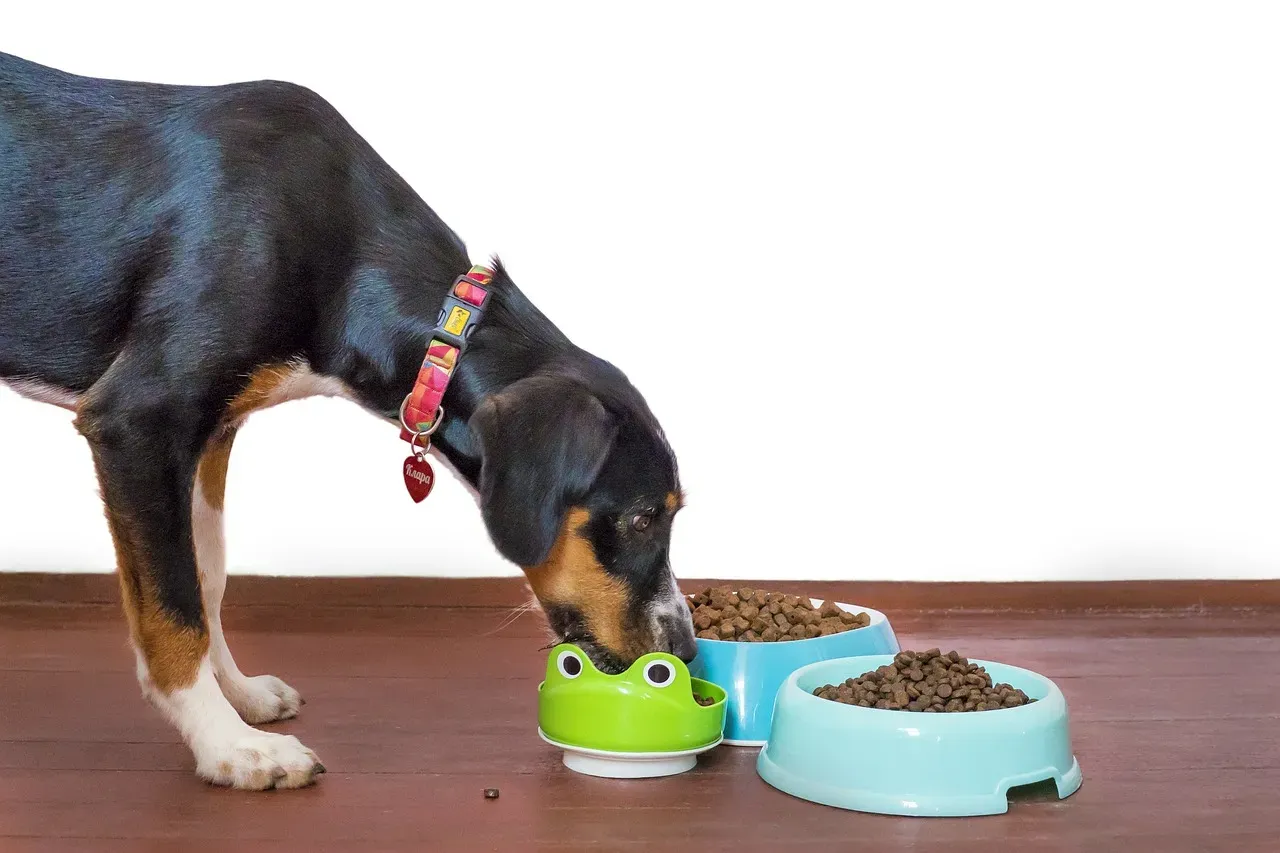
Understanding your dog’s needs is key to finding a solution. Whether it’s genetics, early experiences, or underlying health concerns, knowing the root cause can help you tailor their diet and feeding routine. Each breed has its own unique preferences, and it’s important to recognize that pickiness is not a sign of bad behavior but rather a reflection of your dog’s instincts and sensitivities.
Whether you share your home with a Maltese who requires a warm, freshly opened tin served at exactly the right moment, or a Labrador who will cheerfully eat anything that doesn’t move fast enough, what matters most is that you understand the “why” behind the behavior. A picky eater rarely needs drama. They need structure, the right food for their body, and an owner who doesn’t panic at an untouched bowl.
The best gift you can give any dog isn’t a fancier food. It’s your informed, consistent attention. That combination, more than anything else, is what keeps a tail wagging and a bowl getting licked clean.


