

There’s a dog sitting in a shelter right now, pressed against the back wall of her kennel, eyes wide, tail tucked. She flinches when someone reaches toward her. To a casual observer, she might look like trouble. To someone who understands dogs, she looks like a survivor.
For dogs rescued from puppy mills, hoarding cases, dog fighting rings, and other neglect and abuse situations, the journey to safety and adoption can be far more complicated than it is for the average shelter dog. While physical conditions can often be treated and resolved, the inner scars are harder to both see and heal. The good news? Those scars are not a life sentence. Dogs are remarkably resilient creatures, and with the right environment, the right people, and a whole lot of patience, transformation is genuinely possible. This article is for every dog lover who has ever looked into the eyes of a broken dog and thought, “I’m not giving up on you.”
Understanding Trauma in Dogs: What It Looks Like and Why It Matters

Not all dog trauma announces itself loudly. Some traumatized dogs bark, lunge, and react dramatically. Others grow completely still and shut down, barely functioning in their environment. Both responses are valid, and both are rooted in the same thing: fear.
Dogs that have experienced trauma may display heightened levels of fear or anxiety, manifesting as cowering, hiding, or showing signs of nervousness around people, other animals, or new environments. They may tremble, tuck their tails between their legs, or exhibit submissive behaviors. Loud noises, sudden movements, or unfamiliar situations can trigger intense fear responses, making it difficult for them to feel safe and secure.
Aggression in rescue dogs can also stem from fear or past experiences of abuse. This type of aggression is often defensive, because the dog feels the need to protect itself from perceived threats. Signs can include growling, barking, snapping, or biting. It’s important to recognize that this behavior is not a sign of a “bad” dog, but rather a coping mechanism developed to survive in a threatening environment.
A dog who has lived in an environment of constant stress may be on high alert for potential threats. You may notice constant scanning of the environment, overreacting to sounds or movements, jumping or barking at seemingly minor stimuli, and difficulty relaxing. Over time, this can have negative physical consequences including adrenal fatigue, depression, phobias, and effects on the gut and other organs. Recognizing these signs early isn’t just helpful. It’s the first act of compassion you can offer.
The Science Behind Canine Trauma: What’s Happening Inside Your Dog

Dogs aren’t simply “being difficult” when they react to ordinary things with outsized fear. There’s real neuroscience behind their responses, and understanding it changes everything about how we approach recovery.
Dogs who experience traumatic events can develop a condition known as post-traumatic stress disorder, or PTSD. This can be treated using behavior modification, sometimes combined with anti-anxiety medications. The parallel to human PTSD is striking, and it’s now taken seriously by veterinary professionals and animal behaviorists across the board.
Genetics can also play a role. Emerging evidence suggests that behavior consistent with trauma may be inherited through DNA. Any animal is the sum total of its breeding and upbringing, so a dog whose parents were fearful, or who were mistreated or injured, may pass along fearful tendencies to its offspring. This doesn’t make recovery impossible. It simply means that some dogs need more time and more targeted care than others.
Trauma-informed care, a concept long used in human psychology, considers how important early experience is in determining lifelong responses to challenging situations, how individuals respond to stress, how they overcome it, and their ability to develop and sustain resilience. The exciting part is that this framework is now being applied directly to dogs in shelters and rehabilitation settings, giving professionals better tools to truly help.
Reading Your Rescue Dog’s Behavior Cues: A Practical Guide for New Owners
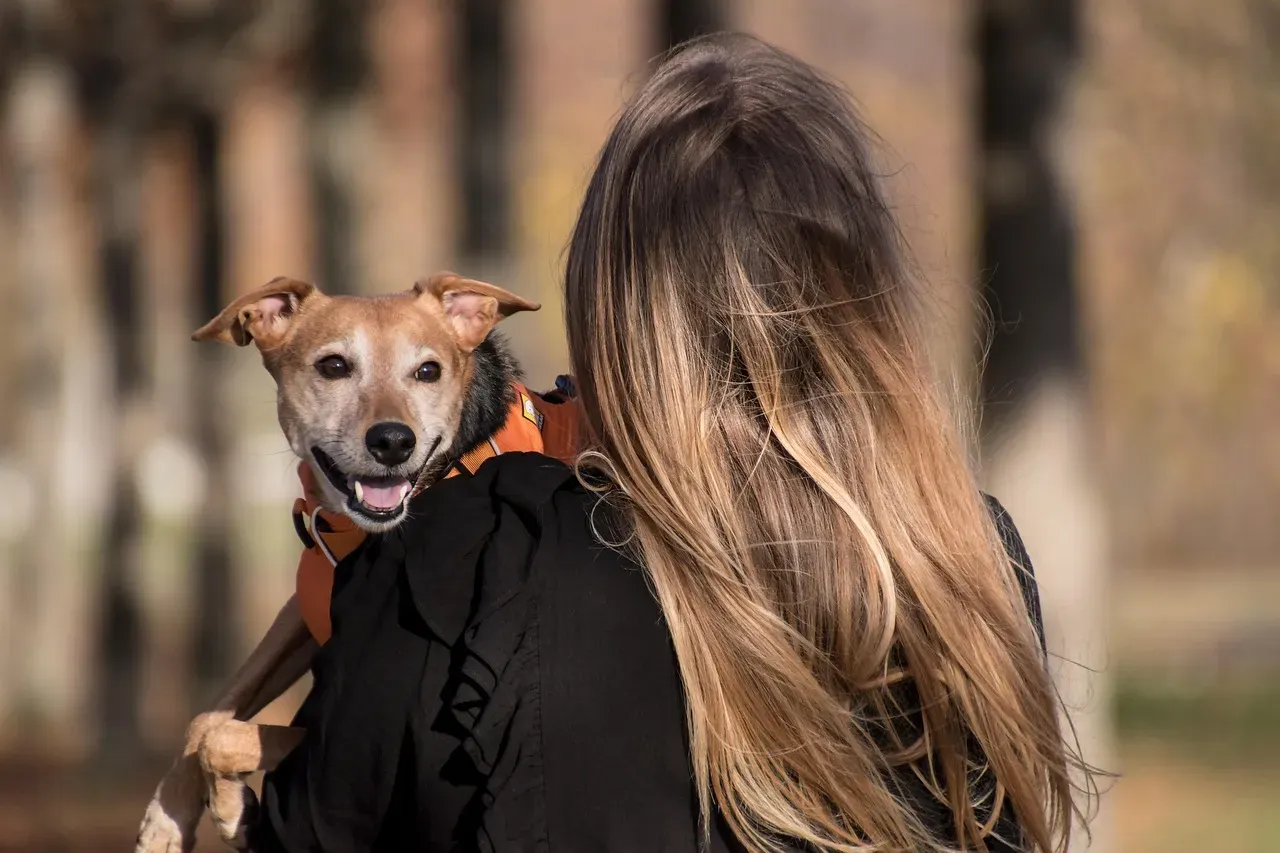
When you bring a rescue dog home, the first few days can feel like a guessing game. Your dog might seem fine one moment and then completely shut down the next. That’s normal. What matters is that you learn to read what they’re telling you.
The initial days in a new home are often the most stressful for a pet recovering from trauma. Everything is unfamiliar, and even well-meaning attention can feel overwhelming. During this time, it’s important to create a calm, predictable environment. Resist the urge to introduce your new dog to every family member, neighbor, and friend on day one. Give them room to breathe.
Dogs that have experienced food scarcity or deprivation may become protective of food, toys, or even their resting area. Dogs who have experienced abandonment or prolonged isolation may develop an intense fear of being left alone, exhibited through excessive barking, whining, destructive behavior, attempts to escape, or self-harming behavior.
Consistency is key when helping a pet feel safe. A predictable routine allows your dog to understand what to expect and reduces uncertainty. Over time, this structure builds confidence and helps your pet relax into their new environment. Feed at the same time each day, walk the same routes initially, and keep the household energy calm. These small, consistent choices communicate something no amount of treats can replace: safety.
The Role of Training and Rehabilitation in a Dog’s Second Chance
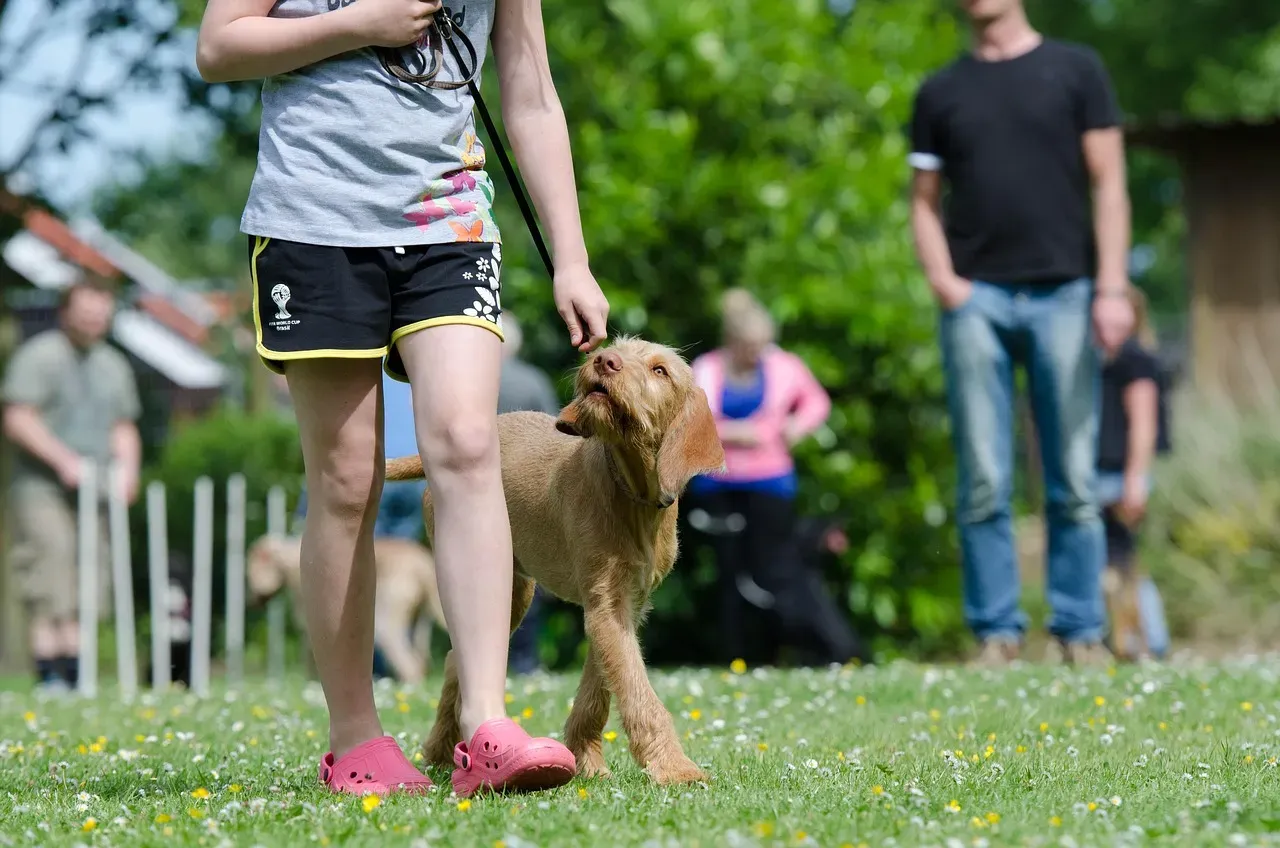
Training isn’t about control. For a traumatized dog, it’s about communication and trust. Done right, it becomes one of the most powerful tools a dog owner has.
Training and rehabilitation are essential for rescue dogs to overcome their past traumas, develop necessary skills, and become well-adjusted companions. It plays a vital role in transforming rescue dogs into emotionally balanced, confident companions, helping them overcome behavioral issues such as anxiety, fear, and aggression, and setting them up for success.
Positive reinforcement is a cornerstone of effective dog training, especially for rescue dogs who may have trust issues or fear-based behaviors. Using treats to reward desired behaviors, such as sitting calmly, approaching people, or obeying commands, helps build a foundation of trust and encourages the dog to repeat those behaviors. This method is especially beneficial for dogs who have had negative experiences with harsh or punitive training methods.
Systematic desensitization involves the repeated, controlled exposure to a stimulus, starting at a low level that does not cause fear and then gradually increasing exposure over time. For example, if your dog is afraid of thunder, desensitization would involve playing a soundtrack of thunder at such a low volume that your dog shows no signs of fear. After a few calm repetitions, you slowly increase the volume. This can be combined with counter-conditioning to reinforce the positive behavior. It’s slow work, but the results are lasting.
How Everyday Love and Routine Help Dogs Heal

Rehabilitation programs, professional trainers, and behavioral specialists are invaluable. Still, the most consistent healing force in a rescue dog’s life tends to be something far simpler: the daily, unglamorous act of showing up for them.
Daily interaction, touch, and love help rebuild confidence and emotional stability in dogs recovering from difficult pasts. It doesn’t have to be dramatic. A quiet evening on the couch, a predictable morning walk, or the gentle habit of speaking softly to your dog during feeding time all add up to a message your dog gradually begins to believe: this place is safe. These people are safe.
A traumatized animal has a higher likelihood of becoming re-traumatized if they re-encounter major stressors. Understanding your dog’s triggers is beneficial in helping prevent such episodes. That might mean choosing quieter walking routes, skipping loud social gatherings during the first few months, or giving your dog a safe retreat space they can access freely whenever the world feels too big.
Over the course of a two-year rehabilitation, one dog named Greta went from refusing human contact entirely to accepting a harness, learning to ride in a car, and exploring new places. Finally, she was adopted into a loving home where she now lives with cats, another dog, and even goes hiking with her family. That arc, from terror to hiking trails, is what patience and consistent love can actually look like in real life.
When to Seek Professional Help: Signs You Shouldn’t Handle Alone

There’s real courage in asking for help. Not every behavior challenge is something a loving home environment can resolve on its own, and knowing when to bring in professional support isn’t a sign of failure. It’s the opposite.
Some pets need additional support to fully recover from trauma. If your dog shows persistent fear, anxiety, or aggression, professional guidance can make a significant difference. Working with your veterinarian or a behavior specialist can help create a customized plan that supports both emotional and physical healing.
Certified dog trainers, animal behaviorists, or veterinary professionals specializing in trauma-informed care can create a custom plan. They may also recommend gradual desensitization or counter-conditioning techniques tailored specifically to your dog’s history and triggers. These aren’t last resorts. They’re legitimate, effective tools that can shift the entire trajectory of your dog’s recovery.
Some dogs show progress in weeks, while others may need months or even longer to feel secure. Most experts agree that a stable safe space, consistent schedule, and positive reinforcement can yield visible progress within three to six months. Patience is your greatest tool. Trust the process, even when progress feels invisible. It’s almost always happening beneath the surface.
Conclusion: Every Dog’s Story Isn’t Over Yet
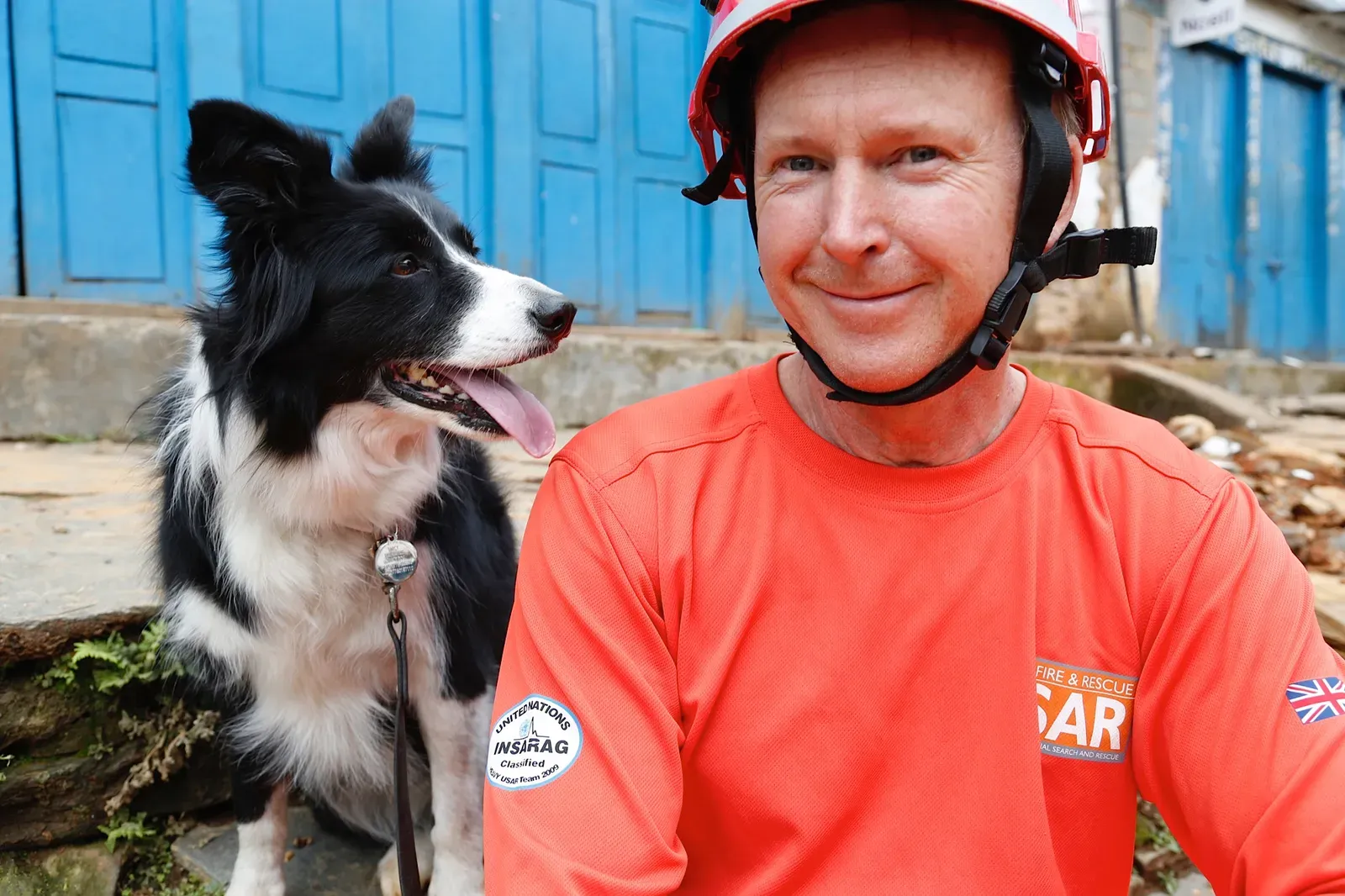
A dog’s past does not write their future. That’s not sentiment. It’s something rescue workers, behaviorists, and ordinary dog owners have proven again and again in shelters, foster homes, and living rooms around the world.
Every rescued dog is unique, and what works for one may not work for another. Patience, consistency, and a gentle approach are key when helping your new furry friend overcome their challenges. There’s no single formula. There’s only the willingness to keep showing up.
The dogs who have been failed by humans are often the ones who, once they finally learn to trust, love with a depth that is quietly staggering. They don’t take safety for granted. They notice kindness. They remember who chose to stay. If you’re caring for a dog with a difficult past, know this: your consistency matters more than you realize, and the dog curled up in that corner watching you carefully? They’re already deciding whether you’re worth trusting. Give them a reason to say yes.


