
You’ve probably looked at your dog mid-zoomie session and wondered just how much is actually going on behind those eyes. The answer, it turns out, is quite a lot. Dogs are capable of problem-solving, reading human body language, remembering commands for years, and even engaging in something that looks suspiciously like strategic thinking.
In general, dogs are believed to be about as intelligent as a two to two-and-a-half year-old human. That’s a remarkable baseline. Research has shown that dogs know how to count, understand more than 150 words, and may deliberately deceive other dogs and people to get treats. So yes, that look your dog gives you when they want a second dinner is calculated.
The most widely referenced ranking of dog intelligence comes from Stanley Coren, a professor of canine psychology at the University of British Columbia, whose 1994 book explores his theories about intelligence differences between various breeds. Coren defines three aspects of dog intelligence: instinctive intelligence, which refers to a dog’s ability to perform the tasks it was bred for; adaptive intelligence, which refers to a dog’s ability to solve problems on its own; and working and obedience intelligence, which refers to a dog’s ability to learn from humans.
Coren sent evaluation requests to American Kennel Club and Canadian Kennel Club obedience trial judges, asking them to rank breeds by performance, and received 199 responses, representing about half of obedience judges then working in North America. The result became the gold standard for ranking canine brainpower. Here are the 20 smartest breeds, ranked, along with what you actually need to know about living with each of them.
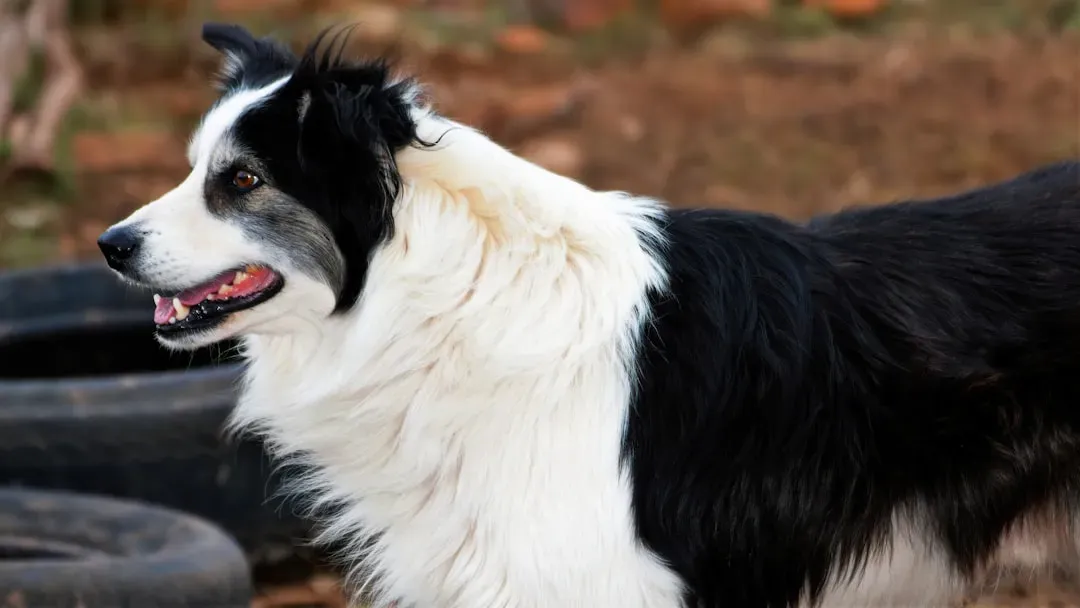
#1 – Border Collie: The Einstein of the Dog World
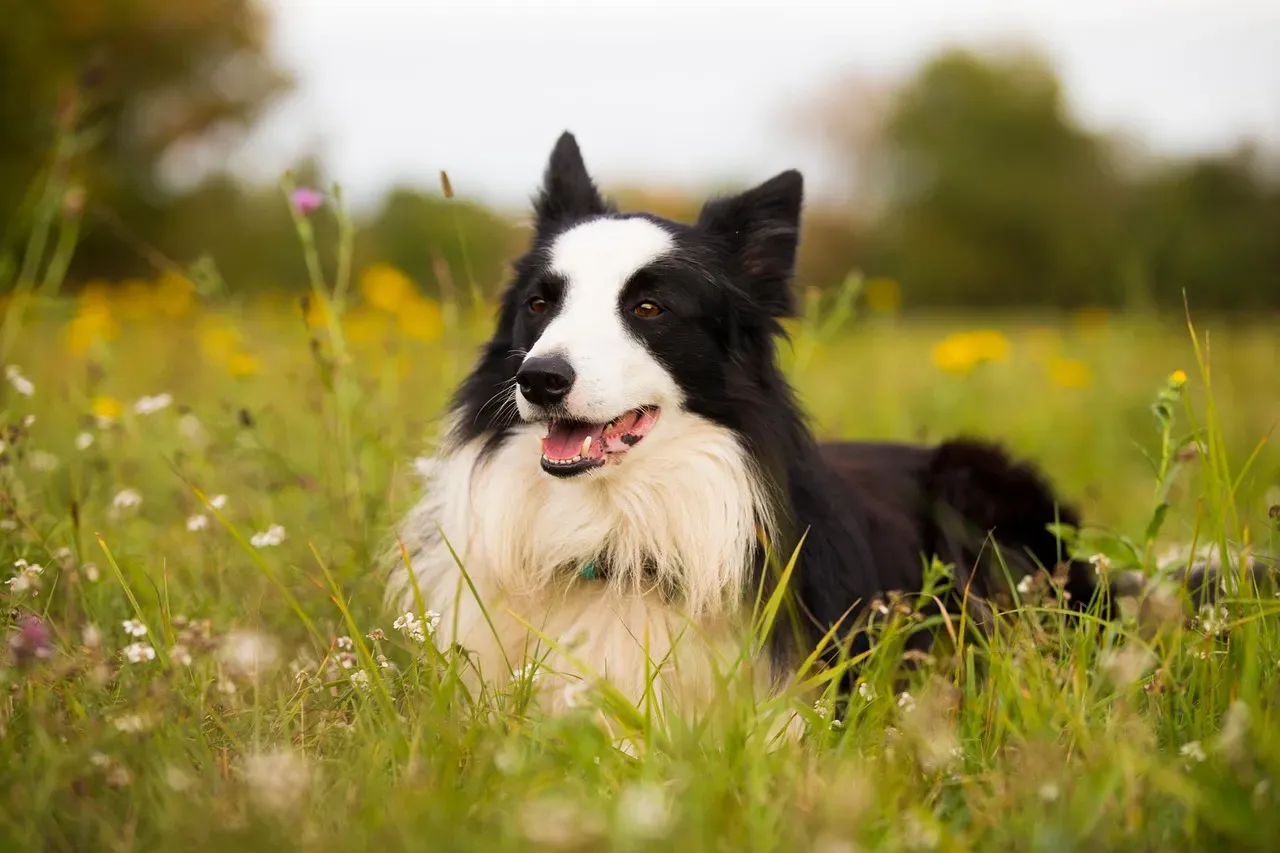
According to Coren’s book, the Border Collie is the smartest dog breed in the world. The American Kennel Club describes the Border Collie not only as “smart, affectionate, and energetic” but also as a “remarkably bright workaholic.” With laser-like focus, they can even read subtle hand signals or body language. That level of perceptiveness is extraordinary, and it makes Border Collies the breed that obedience trainers most often dream about working with.
A Border Collie named Rico was proven to recognize more than 200 different words. That’s not a party trick – that’s a cognitive skill that rivals some young children. Their boundless energy and problem-solving skills make them great for active families but a challenge if left without mental stimulation. If your Border Collie is chewing furniture or herding your houseguests, they’re not being bad. They’re bored. Daily mental challenges, puzzle toys, and agility work are essential.
#2 – Poodle: Brains Behind the Curls
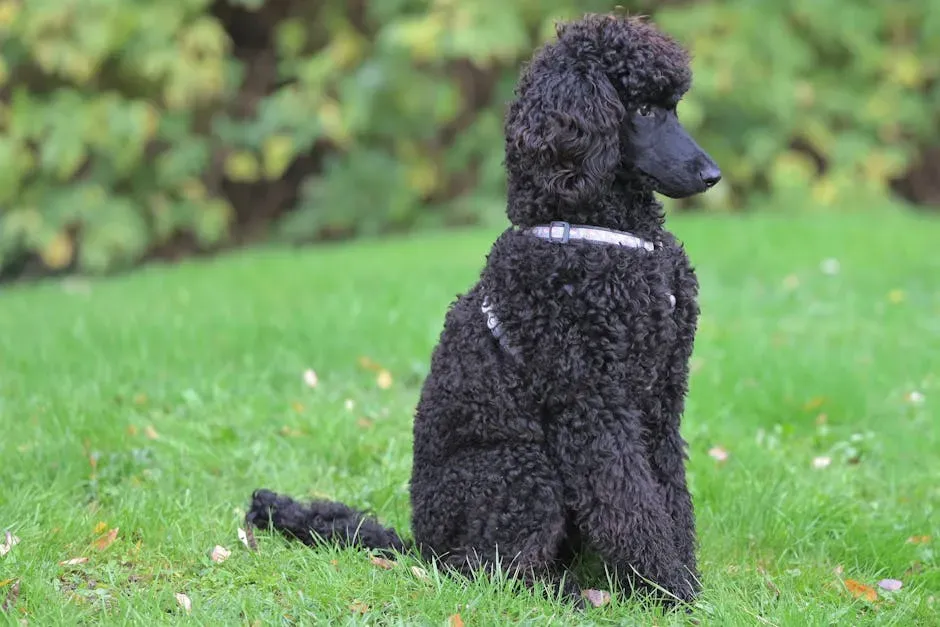
Second only to the Border Collie on Coren’s intelligence chart, the Poodle is widely recognized for its intelligence due to the breed having keen observation skills, strong memory, and an exceptional ability to quickly learn new commands. Standard Poodles were originally bred to be hunting dogs, retrieving ducks and other waterfowl. The qualities that made them such great water retrievers – athletic, eager to please, naturally intelligent – remain today and are passed down to their smaller descendants: Miniature Poodles and Toy Poodles.
Poodles can learn lots of commands and tricks, but it’s their ability to remember these commands over time that is most impressive. They also naturally excel at problem-solving and can figure out how to solve puzzles and challenges. Whatever size you choose – Standard, Miniature, or Toy – these dogs are hugely smart, making great service and therapy dogs. If you’ve been dismissing the Poodle as a show dog, it’s time to reconsider entirely.
#3 – German Shepherd: Brains, Brawn, and Loyalty Combined
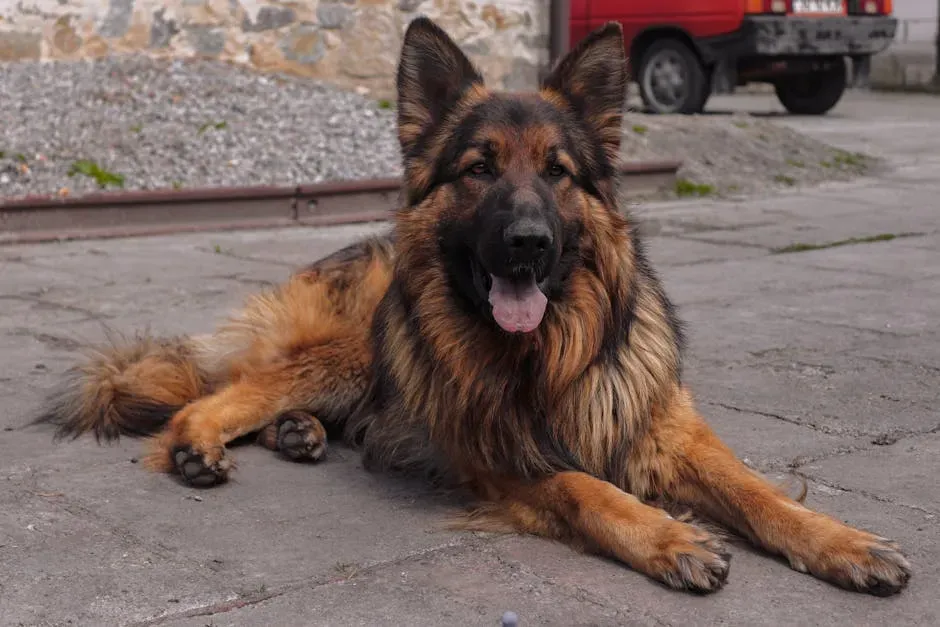
Ranked third in Stanley Coren’s intelligence scale, the German Shepherd is renowned for its combination of brains, brawn, and loyalty. This large, athletic breed is highly trainable and excels in complex tasks, making it a top choice for police, military, and search-and-rescue work. German Shepherds also have a strong protective instinct regarding their fellow pack members – meaning you and your family.
German Shepherds are quick learners, often picking up new commands on the first try. This breed’s ability to stay calm under pressure and their obedience make them a favorite for highly specialized training programs. This courageous, confident, and highly intelligent herding breed discriminates between friend and foe and requires regular tasks to remain content. Without a job or daily stimulation, a bored German Shepherd can become anxious or destructive, so keep that brilliant brain busy.
#4 – Golden Retriever: The Gentle Overachiever
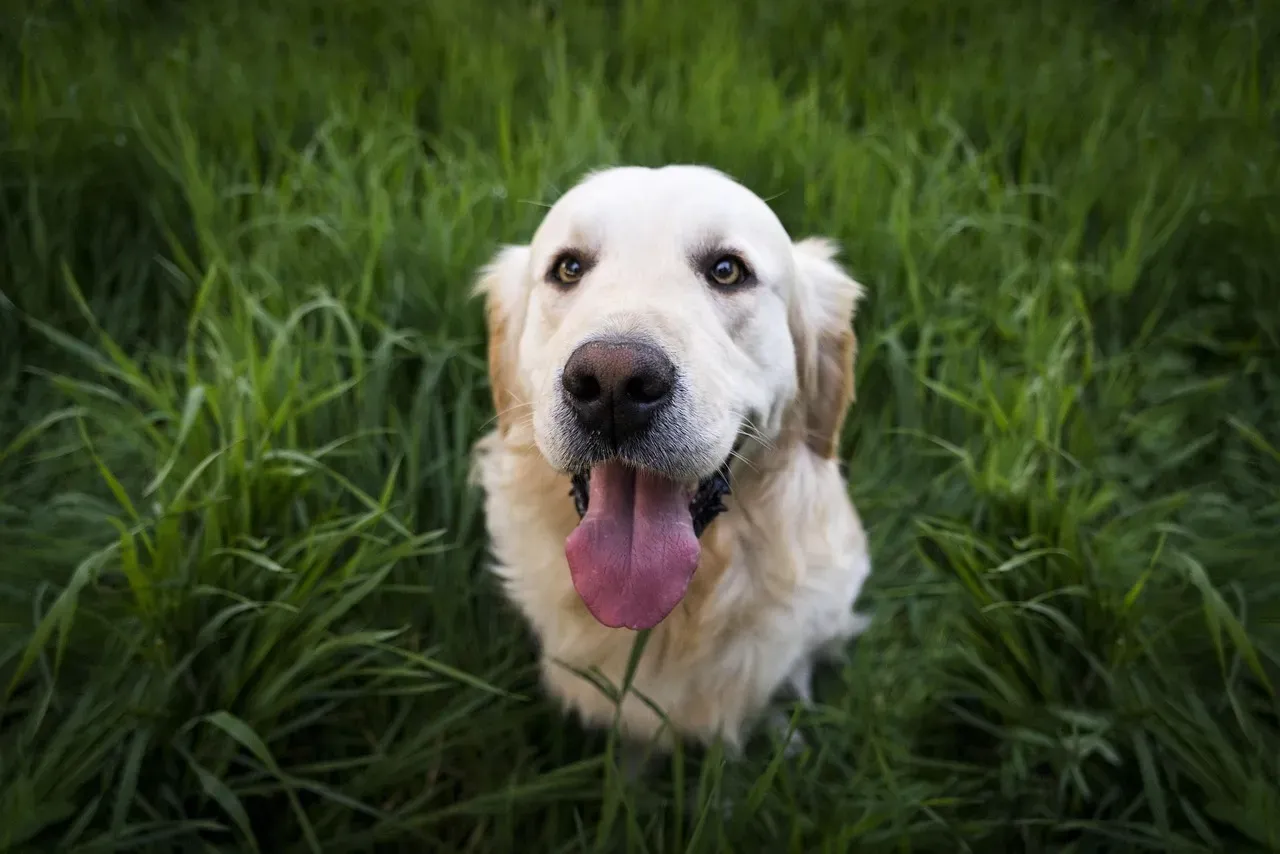
Sitting comfortably at number four, the Golden Retriever blends intelligence with an exceptionally gentle nature. Their eagerness to please and calm temperament make them a go-to breed for therapy and assistance roles, from guiding the visually impaired to offering comfort in hospitals. Golden Retrievers thrive on mental stimulation, learn quickly, and remember their training well.
With training, Golden Retrievers can excel in various tasks such as hunting, retrieving, obedience, and even service and therapy work. These intelligent sporting dogs have a notoriously gentle nature. Their ability to learn quickly and respond well to commands means they’re relatively easy to train. Their ability to understand human emotions adds to their intelligence, which is one reason they’re so profoundly connected to their families. Goldens don’t just learn commands – they learn you.
#5 – Doberman Pinscher: Alert, Loyal, and Razor-Sharp
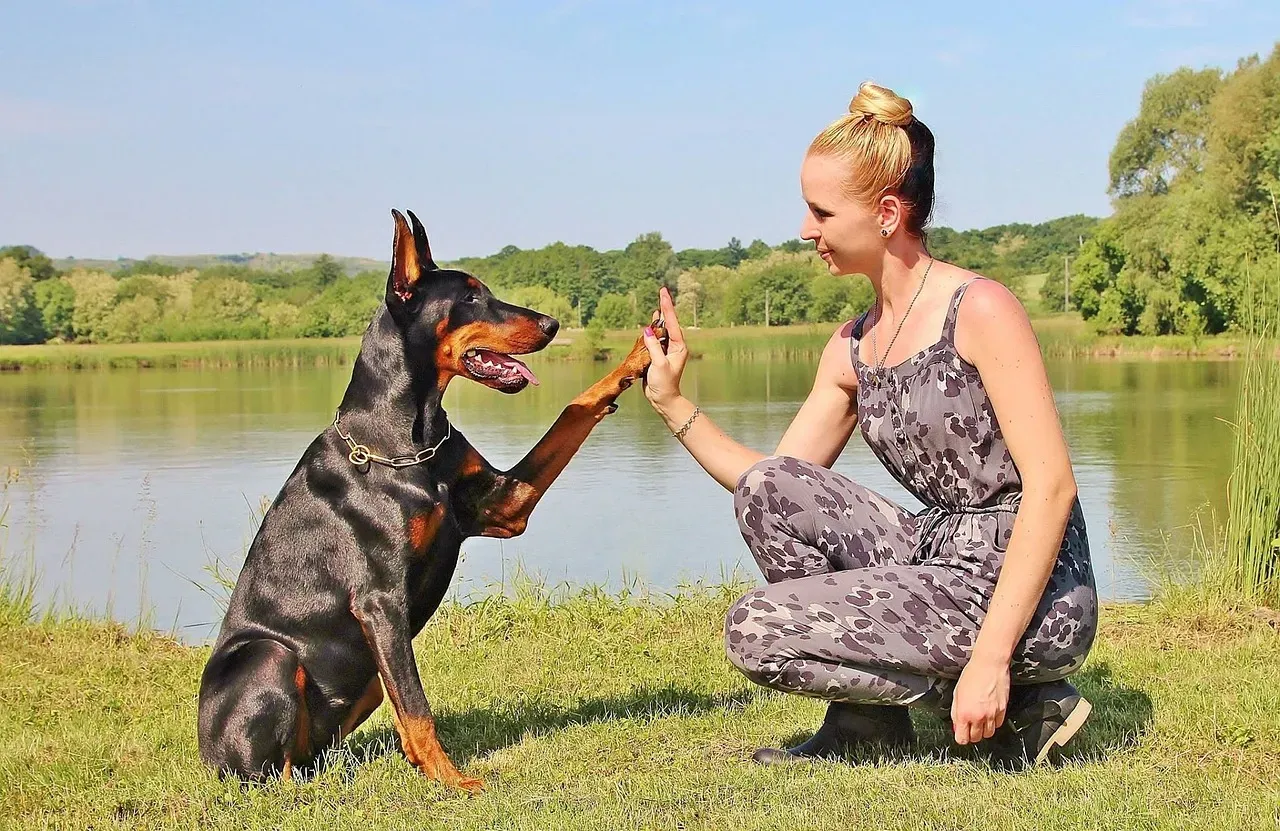
This distinctive black and tan breed easily vies for the valedictorian of the Working Group. Named after Louis Dobermann, who developed the breed to act as a fearless protector, the Doberman Pinscher is a highly perceptive and active dog who excels at obedience. Dobermans are deeply loyal and excel in obedience training, often responding to the first command with precision.
Doberman Pinschers are exceptionally intelligent, loyal, and trainable. These versatile dogs excel in obedience competitions as well as police and military work. While they are known for being highly perceptive, they are also very curious. To live their best lives, Dobermans should get plenty of exercise and be able to use their brains as well as their bodies. One key tip for Doberman owners: these dogs bond intensely with their people. Prolonged isolation or neglect can cause real emotional distress, so connection and daily engagement are not optional extras for this breed.
#6 – Shetland Sheepdog: The Small Dog With a Big Dog Brain
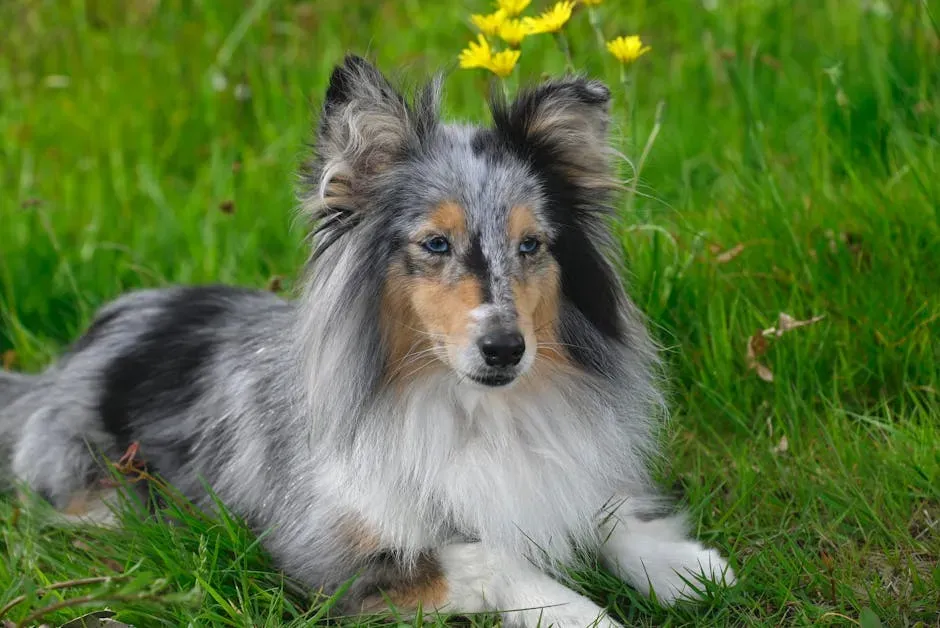
A brainiac in a 12 to 15-inch package, the Shetland Sheepdog lives to herd anything from sheep to children and loves its people. Fast, agile, and clever, this Collie in miniature outshines canine competitors in dog sports. Smart and sensitive, Shelties are known for their instinctive intelligence and responsiveness. Their herding background means they pick up complex cues and commands with ease.
Shetland Sheepdogs are small but incredibly intelligent and responsive. They are quick learners and excel in obedience training. Their awareness and sensitivity make them highly adaptable to different environments. This breed thrives on mental stimulation and enjoys learning new tasks. One behavioral cue to watch: Shelties can be prone to barking when bored or under-stimulated. That’s not a personality flaw – it’s communication. Channel their energy into structured training and you’ll have one of the most responsive companions imaginable.
#7 – Labrador Retriever: America’s Smartest Family Dog

Labradors are known for their intelligence and willingness to learn. They respond well to training and are highly adaptable. Their ability to understand commands and work closely with humans makes them stand out. They are often used in roles that require both intelligence and reliability. Labradors combine intelligence with a friendly, easy-going nature. They’re widely used as therapy and guide dogs, thanks to their ability to learn quickly and adapt to different situations.
They are also loyal and affectionate family pets, making them a popular choice for households with children. Like Golden Retrievers, Labs have a gentle demeanor and eagerness to please that makes them an ideal breed for first-time pet parents. Because of their intelligence, boredom strikes Labrador Retrievers easily. Play games with them to stimulate their minds. Puzzle feeders, scent work, and fetch variations are all great tools to keep a Lab’s sharp mind engaged day to day.
#8 – Papillon: Tiny Dog, Titanic Intellect
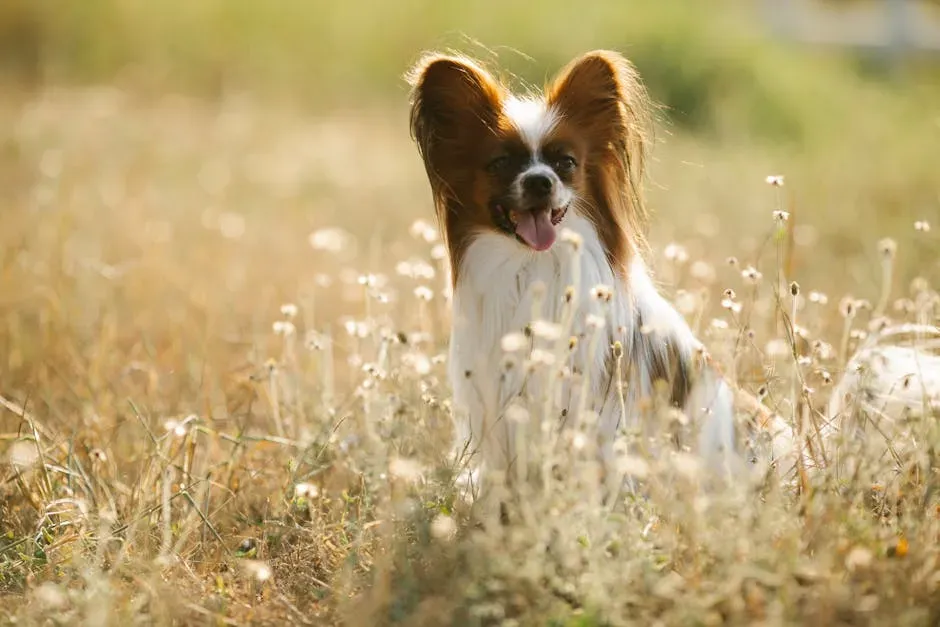
In Coren’s ranking, the smartest of the small dog breeds is the Papillon. A smart dog in a small package, the Papillon is an outgoing charmer. Their intelligence and enthusiasm make this breed easy to train, and they excel at learning tricks. Not only are Papillons social butterflies, but they’re actually named after the butterfly (papillon means “butterfly” in French) for their impressive ears that resemble butterfly wings.
As one of the most intelligent dog breeds, these pups are so attuned to their companions that many Papillon pet parents are convinced their pets can read minds. Papillons are also careful observers of everything around them, and their brains and stamina work together to make them the top agility dog in their size category. These tiny balls of energy are quick to learn, making training a breeze. They are also highly active and excel in agility and obedience. Despite their small size, Papillons are confident, energetic, and make loyal family pets. Don’t let the delicate appearance fool you – this is a working dog in a butterfly costume.
#9 – Rottweiler: Underestimated Genius

A breed often underestimated, Rottweilers are deeply loyal and impressively smart. They require experienced handling and consistent training to truly shine, particularly in protective and working roles. The somber, steadfast Rottweiler is both a herding dog and a guard dog, combining several kinds of intelligence in one awesome package. While not as agile as many of the other most intelligent dogs, Rottweilers make up for it with their imposing size and even more imposing brain.
Big, burly Rottweilers are known for their loyalty and smarts. With proper training, eager-to-please Rottweilers can excel in obedience competitions and as service dogs. Their intelligence and athleticism make them well-suited for active families who can ensure their Rottweiler gets plenty of mental stimulation, physical exercise, and early socialization. Rottweilers are intelligent and confident dogs that learn quickly with proper training. They are known for their ability to assess situations and respond appropriately. Their intelligence is paired with a strong sense of loyalty. This breed benefits from consistent guidance and mental engagement. Early, positive socialization is not just recommended here – it’s essential.
#10 – Australian Cattle Dog: The Blue Heeler Problem-Solver

The whip-smart Australian Cattle Dog was bred to be a working dog, herding cattle. This highly trainable breed, also called a Blue Heeler, has a lot of energy and loves having a job to do. The Australian Cattle Dog is an alert breed with a powerful intellectual curiosity. The original breed standard for this dog was based on the dingo – Australia’s native wild dog – and the Cattle Dog shares the dingo’s keen, cunning intelligence.
Another member of the herding group, Australian Cattle Dogs are known for their intelligence and ability to learn new cues quickly. These energetic dogs have a strong desire to please their pet parents, and they make good companions for families who have lots of time to spend with their pooch outdoors, playing and engaging their natural instinct to herd and chase. Australian Cattle Dogs are highly intelligent and driven, often excelling in tasks that require problem-solving. If you have a Heeler and a sedentary lifestyle, one of you is going to be miserable – and it won’t be the dog.
#11 – Pembroke Welsh Corgi: Royal Intelligence in a Low-Rider Frame
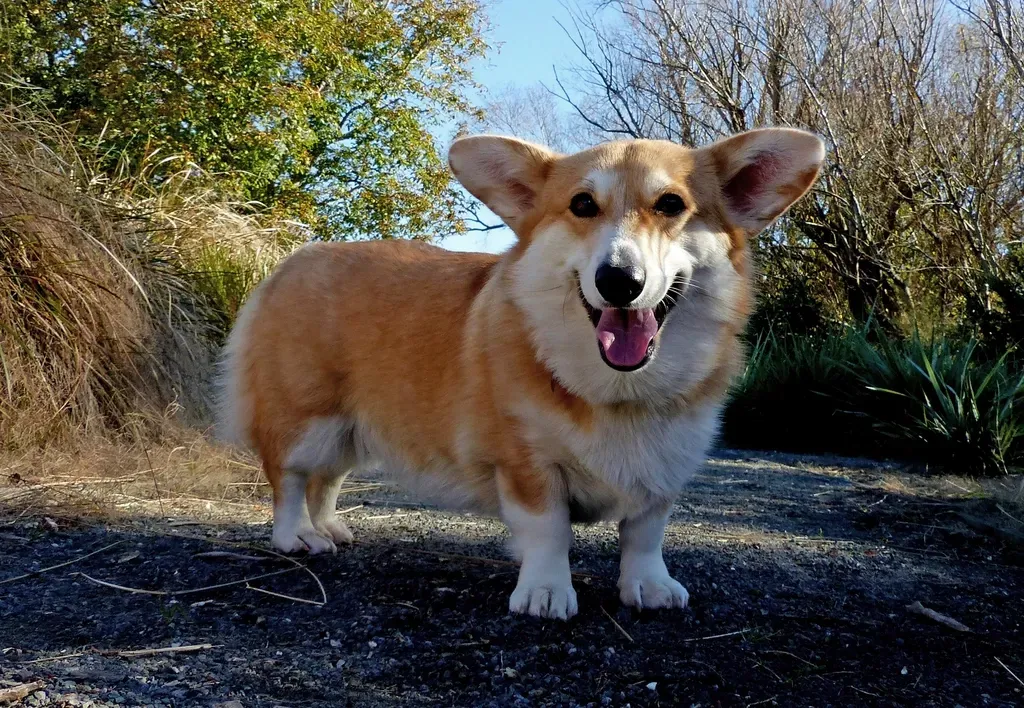
Don’t let the short legs and expressive ears fool you. The Pembroke Welsh Corgi ranks solidly among the top working dogs in Coren’s research, sitting just outside the top ten. Many of these breeds evolved as working dogs to complete specific tasks, so all that extra brain power has its purpose. Corgis were historically bred to herd cattle by nipping at their heels, which required independent thinking and split-second decision-making in unpredictable terrain.
Corgis are enthusiastic learners with a surprisingly bold personality. They pick up new commands quickly and thrive in obedience training. They also carry a streak of stubbornness – which is just working dog independence asserting itself. Consistent, reward-based training keeps their big personality channeled in the right direction. They’re also remarkably vocal, so early training around barking habits is a smart investment for both you and your neighbors.
#12 – Miniature Schnauzer: Farm Dog with a City Dog’s Charm
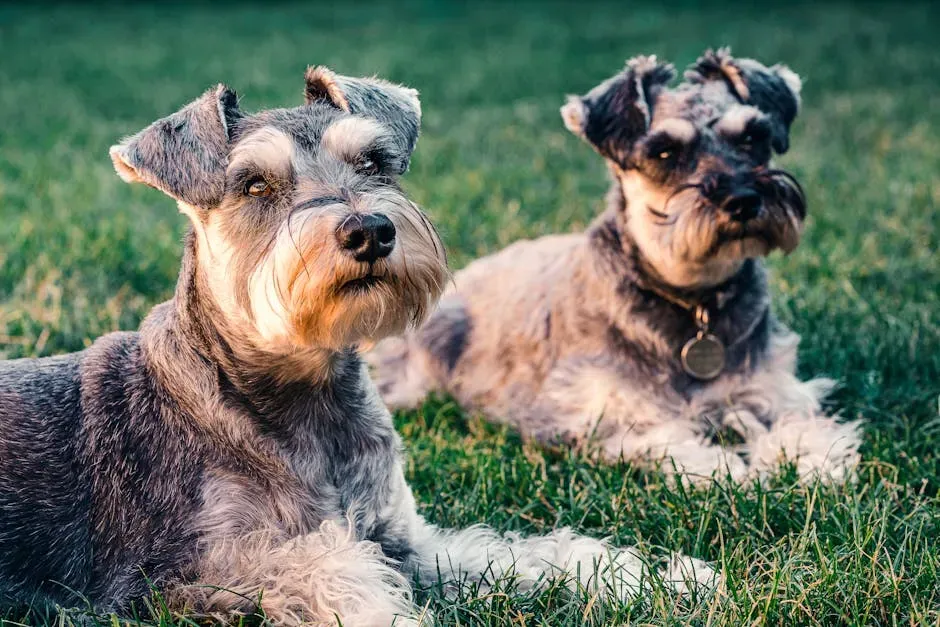
The scruffy-faced Miniature Schnauzer is a smart dog breed due to their alert, playful nature. Originally bred to work on farms in Germany, these pups still love having a job to do and require quite a bit of exercise and mental stimulation to be their happiest selves. Agility and obedience training are great ways to engage your Miniature Schnauzer, as they are perceptive and quick to learn new skills.
Miniature Schnauzers are also known for being remarkably adaptable, doing well in apartments if their exercise needs are met. They tend to be alert watchdogs and will let you know – loudly – when something feels off. Breeds that took the shortest amount of time to learn new commands rank the highest, and Miniature Schnauzers comfortably meet that bar. Their confident, curious nature means they benefit enormously from early socialization to prevent pushiness with other dogs or strangers.
#13 – English Springer Spaniel: The Enthusiastic All-Rounder
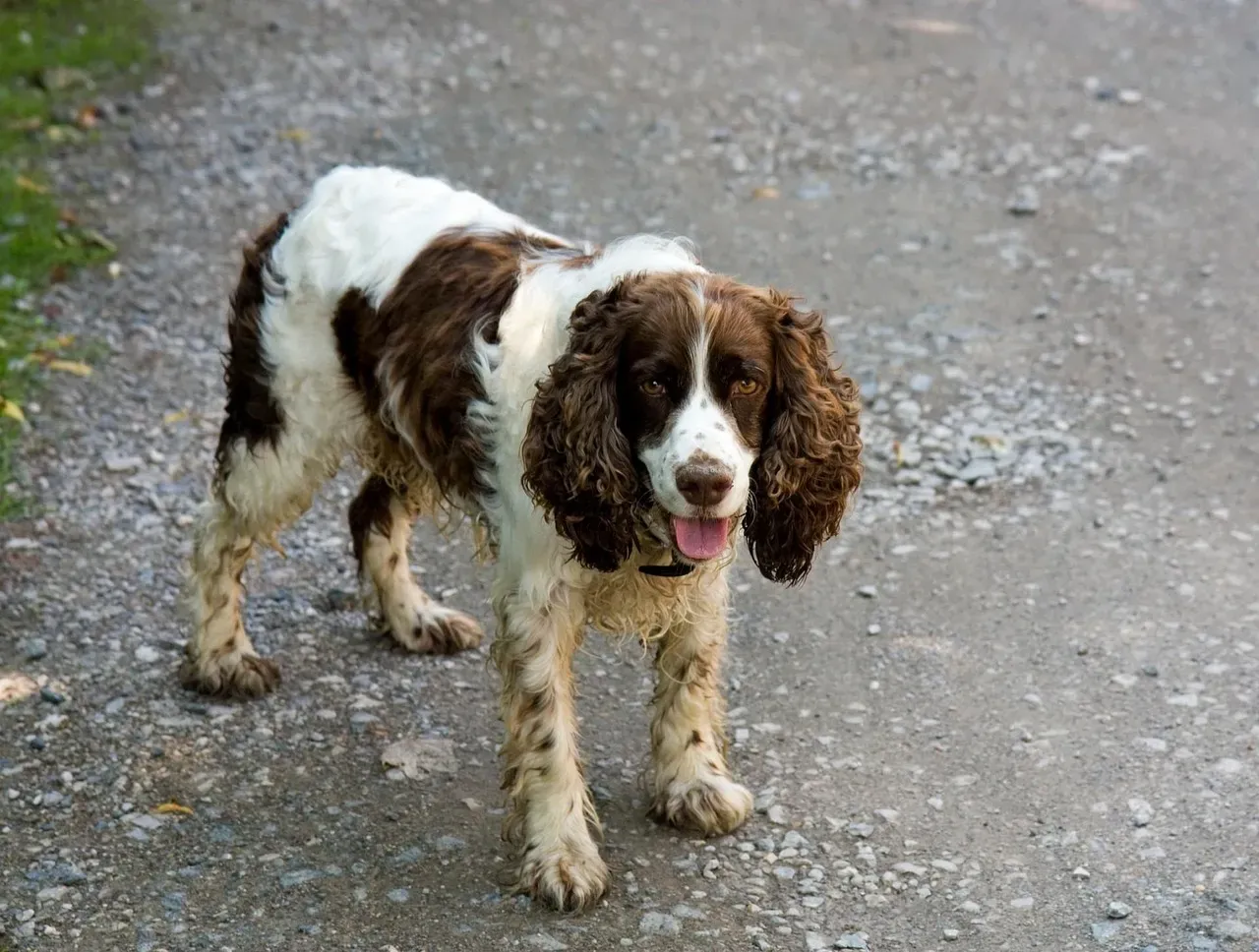
English Springer Spaniels are another highly intelligent sporting dog known for their trainable, friendly nature. These smart dogs excel in hunting and retrieving skills, and they’re wonderful family pets that just want to be needed. At Coren’s request, obedience trial judges ranked breeds on obedience and working intelligence – categories based on how well a breed typically learns from humans – and Springer Spaniels performed impressively in those evaluations.
Springer Spaniels are high-energy dogs that genuinely thrive when given purpose. Whether that’s field work, agility courses, scent training, or just an active daily walk with real engagement, they do best with owners who match their enthusiasm. A key behavioral sign to watch: a Springer that becomes destructive or clingy is usually an under-stimulated Springer. They need both physical exercise and mental challenge in equal measure to stay balanced and happy.
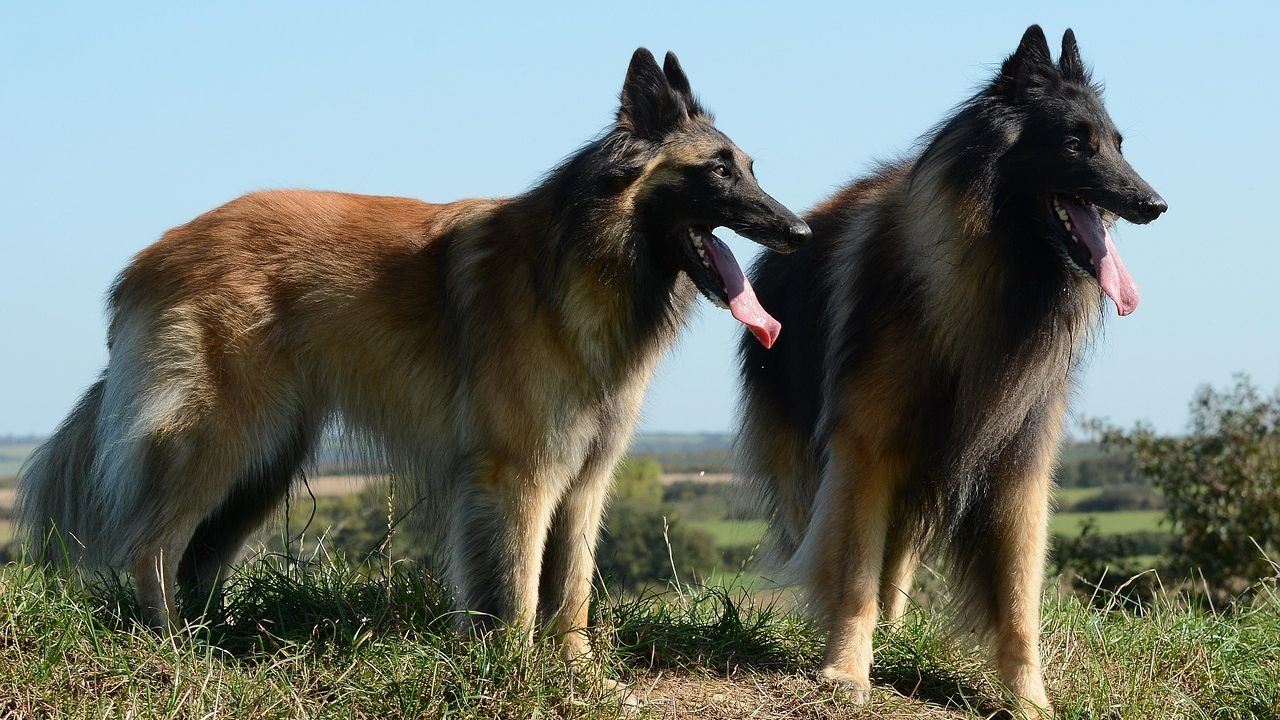
#14 – Belgian Tervuren: The Unsung Herding Prodigy
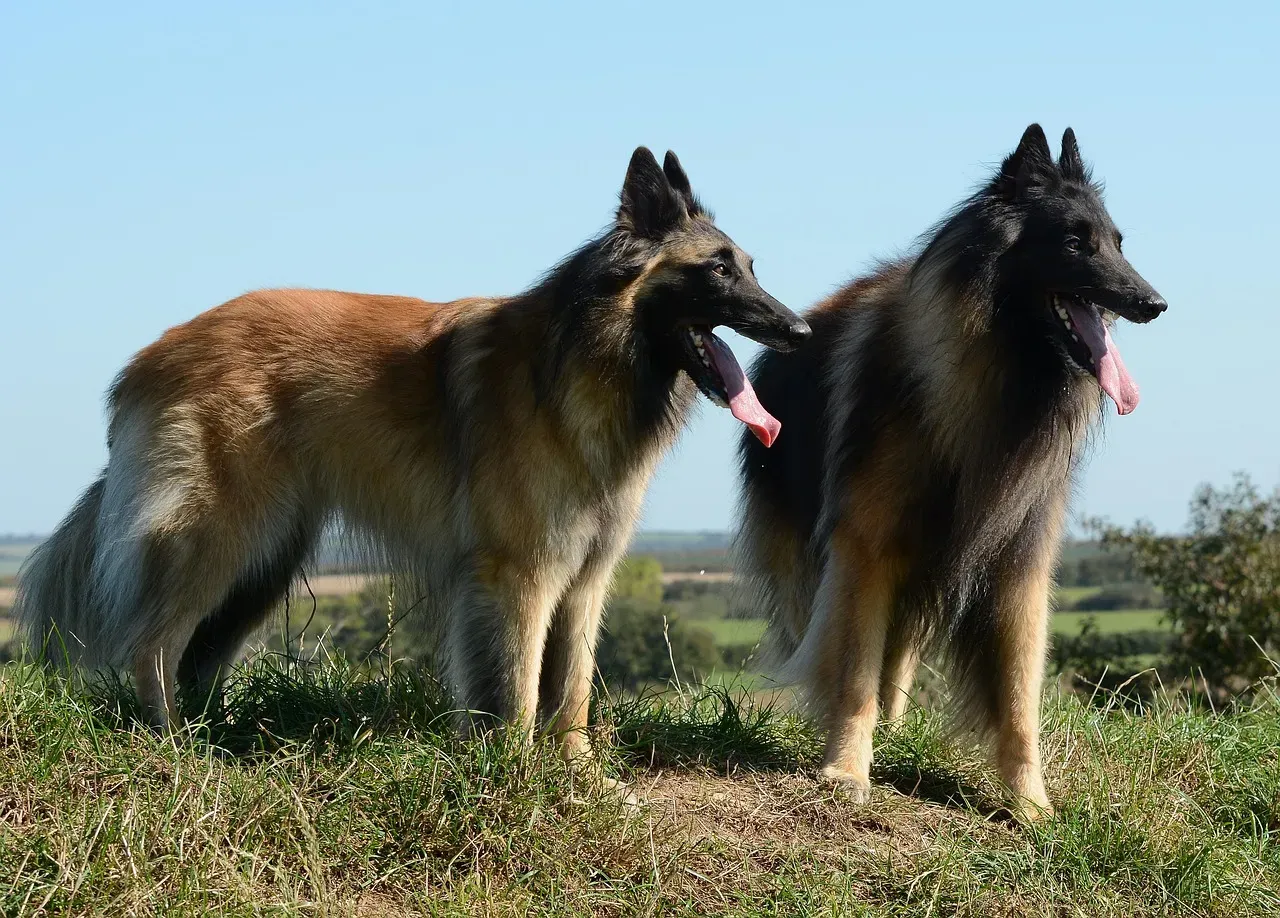
The Belgian Tervuren sits just outside most casual lists of smart dogs, yet in Coren’s ranking it earns a spot among the brightest working breeds. The analysis ranked breeds based on adaptive intelligence, which refers to a dog’s ability to problem-solve on its own. Tervurens excel in this category. They’re perceptive, emotionally attuned, and almost eerily observant of human behavior patterns.
This breed is often used in police and protection work, and with good reason. They combine the drive of a working dog with a sensitive, loyal temperament that makes them deeply bonded to their family. Training should start early and remain consistent throughout their life. Tervurens that feel under-challenged can develop anxious behaviors, so mental stimulation – whether through obedience, tracking, or agility – is genuinely essential, not just a nice-to-have.
#15 – Schipperke: The Little Black Devil with a Big Brain
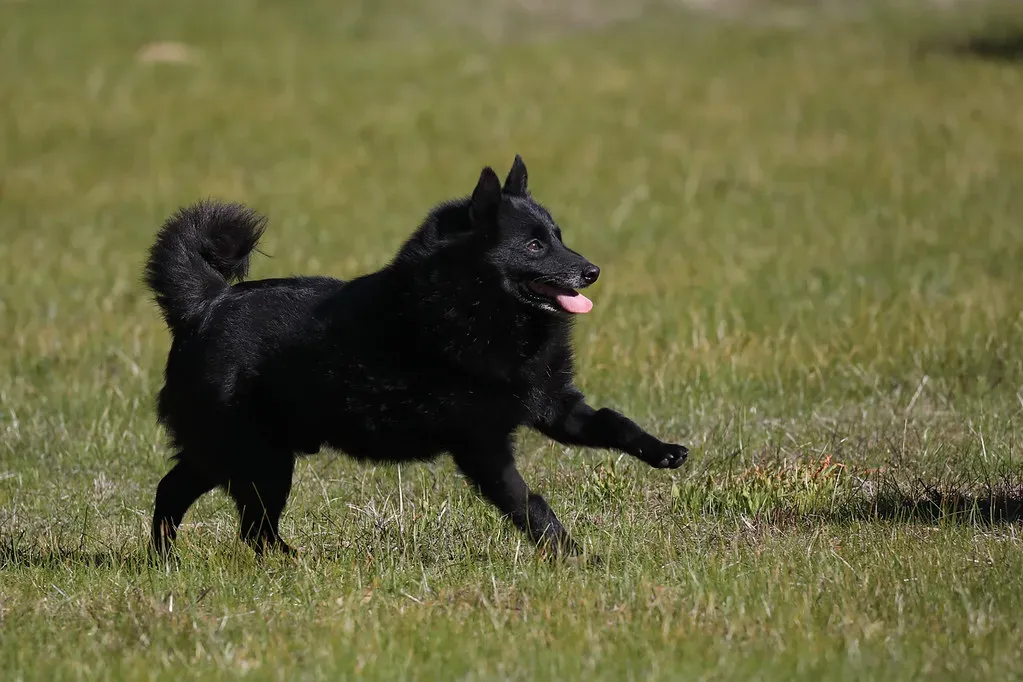
The Schipperke earned its name from the Flemish word meaning “little captain,” and the personality fits perfectly. They are curious and very clever, often nicknamed the LBD – short for “little black devil.” They are highly intelligent and need activities to keep them occupied to prevent destructive behavior such as excessive barking, chewing, and digging. Schipperkes are very intelligent but may be stubborn. Novice owners may have difficulty training them without the help of an experienced trainer.
The intelligent Schipperke has a persistent independent streak and can be stubborn if they don’t see the value in your request. Give them a job to do and you’ll earn yourself a tired out Schipperke – which equates to a better-behaved Schipperke. From a health standpoint, be aware that a genetic mutation known as MPS IIIB occurs in a portion of the breed population and only occurs in Schipperkes. Responsible breeders screen for this condition, so always ask before adopting.
#16 – Belgian Sheepdog (Groenendael): Dark, Devoted, and Deeply Smart
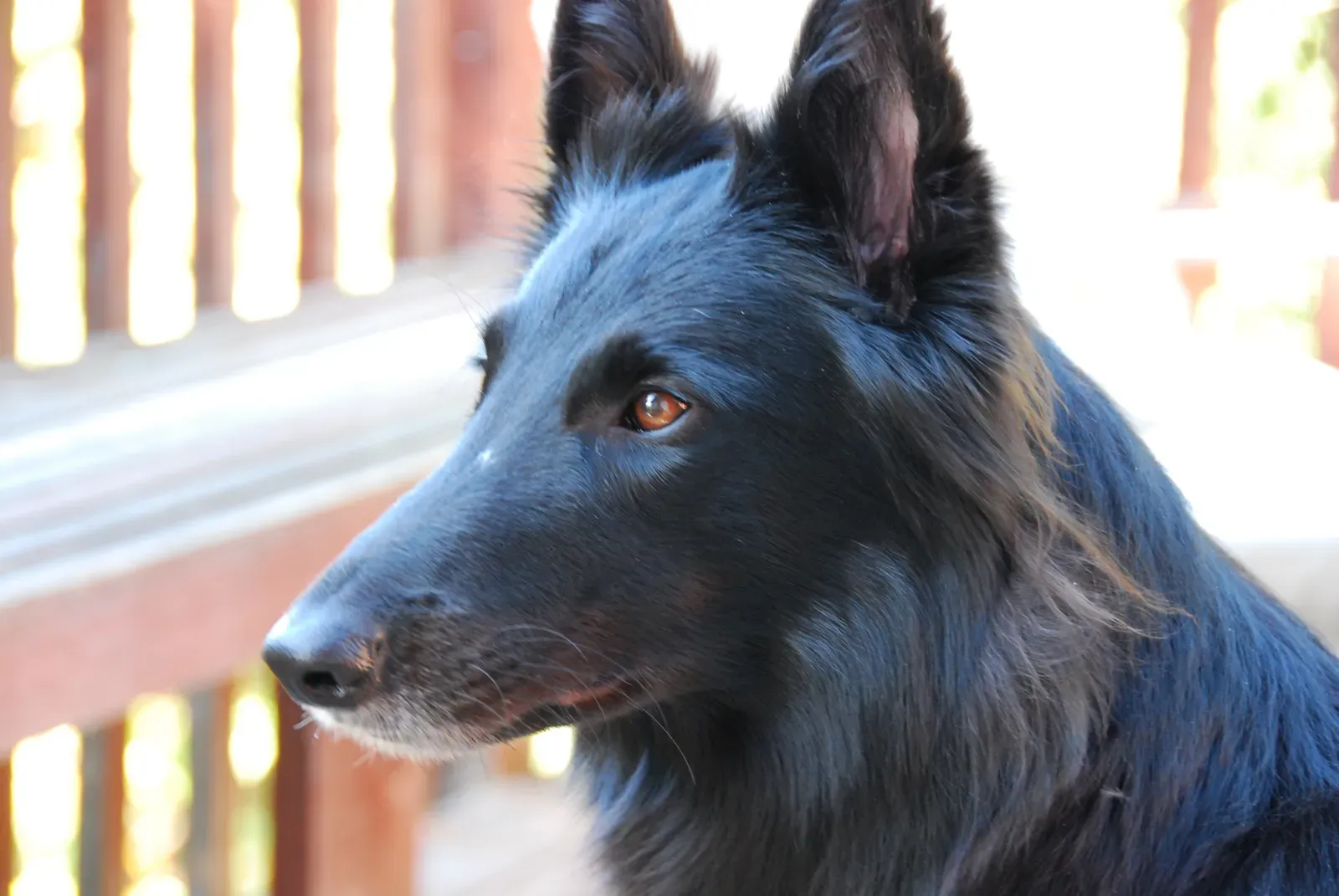
The Belgian Sheepdog, also known as the Groenendael, is another member of the Belgian shepherd family that earns serious respect in Coren’s rankings. Obedience trial judges ranked breeds on working intelligence – based on how well a breed typically learns from humans – and the Belgian Sheepdog consistently placed among the brightest. Like the Tervuren and Malinois, it carries an impressive combination of instinctive herding intelligence and trainable working intelligence.
This breed forms exceptionally strong bonds with their families and can develop separation anxiety if left alone too often. They are sensitive to tone of voice and environment, which is actually a sign of high emotional intelligence. Reward-based training works far better than harsh correction with this breed. Daily exercise of at least an hour is a genuine minimum, not a suggestion, and mental enrichment through training sessions keeps their behavior stable and their connection to you strong.
#17 – Collie (Rough and Smooth): More Than a TV Star
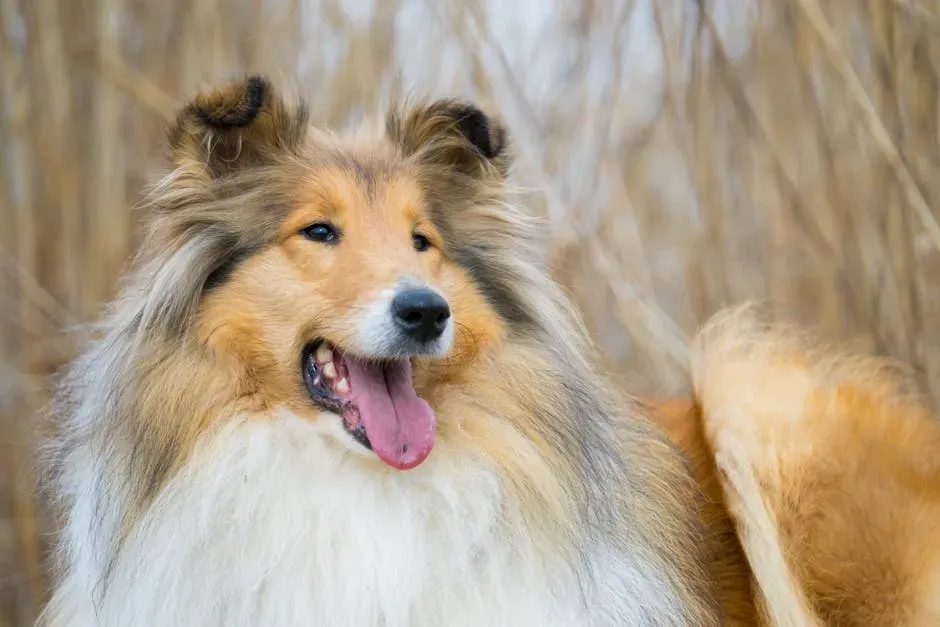
Most people think of Lassie the moment you say “Collie,” and while pop culture got the breed’s looks right, it underestimated the depth of intelligence at play. Coren defines three aspects of dog intelligence: instinctive intelligence, adaptive intelligence, and working and obedience intelligence. Rough and Smooth Collies score impressively across all three, combining natural herding instinct with keen problem-solving and exceptional trainability.
Collies are gentle with children, sensitive to emotional cues, and remarkably easy to train with consistent positive reinforcement. They are also alert barkers, which is an expression of their working background – they’re wired to notice and communicate. If your Collie is barking excessively, it’s often a sign that something in their environment needs attention or that their mental stimulation needs a serious upgrade. Structured training, daily exercise, and social engagement are the three pillars of a well-adjusted Collie’s life.
#18 – German Shorthaired Pointer: Field Intelligence Meets Family Dog
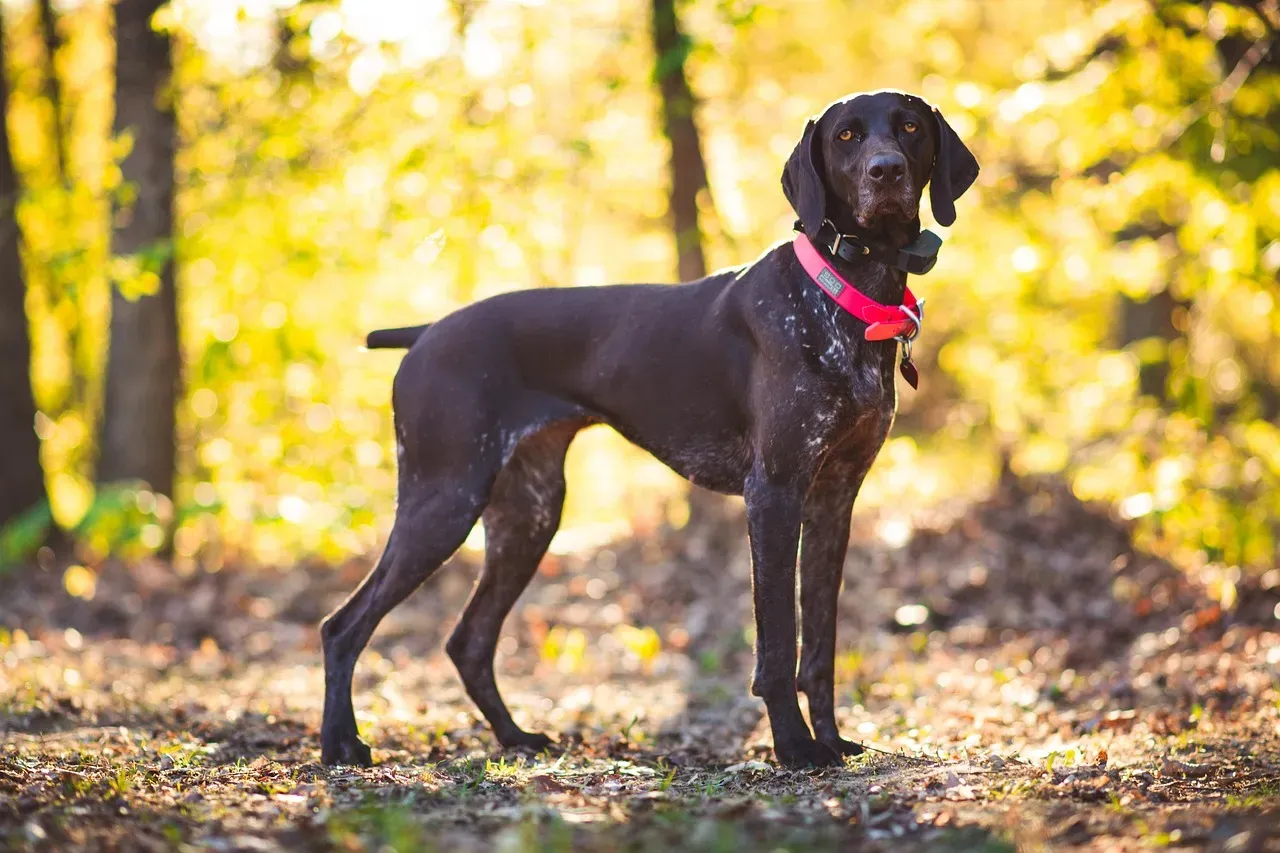
German Shorthaired Pointers are excellent hunting dogs that have a strong desire to please their owners. This means they’re relatively easy to train, but they still require lots of exercise and activity to be their best selves. They rank among the “excellent working dogs” in Coren’s classification and are prized for their ability to switch seamlessly between precise field work and warm family companionship.
This is a breed that can learn complex hunting sequences, but that same intelligence means they get bored quickly without adequate challenge. Prevention tip: if you notice your German Shorthaired Pointer becoming destructive or overexcited indoors, increase both the duration and the mental complexity of their daily activity. Scent work and tracking exercises are particularly effective because they engage the breed’s natural olfactory intelligence. These are not couch dogs, even if they’ll happily share yours after a long day of work.
#19 – Flat-Coated Retriever: The Joyful Overachiever
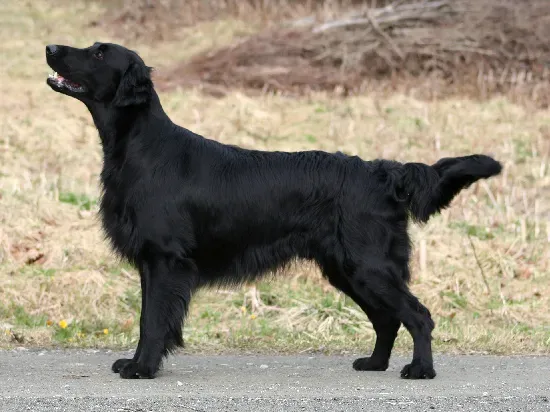
The Flat-Coated Retriever often gets overlooked in conversations about smart dogs, sitting in the shadow of its Golden and Labrador cousins. Many of these breeds evolved as working dogs to complete specific tasks, so all that extra brain power has its purpose. Flat-Coated Retrievers were developed as superior hunting and retrieving dogs, and their intelligence runs deep – they’re quick to learn, enthusiastic in training, and remarkably good at reading human intent.
What makes this breed interesting from a behavioral standpoint is that they retain their puppy-like enthusiasm well into adulthood, sometimes for their entire lives. That’s charming, but it means training needs to be fun and consistent rather than strict or repetitive. They respond beautifully to positive reinforcement and game-based learning. Keep sessions short, varied, and reward-rich, and you’ll find a dog that genuinely loves the process of learning just as much as the outcome.
#20 – Standard Schnauzer: Bold, Smart, and Quietly Impressive
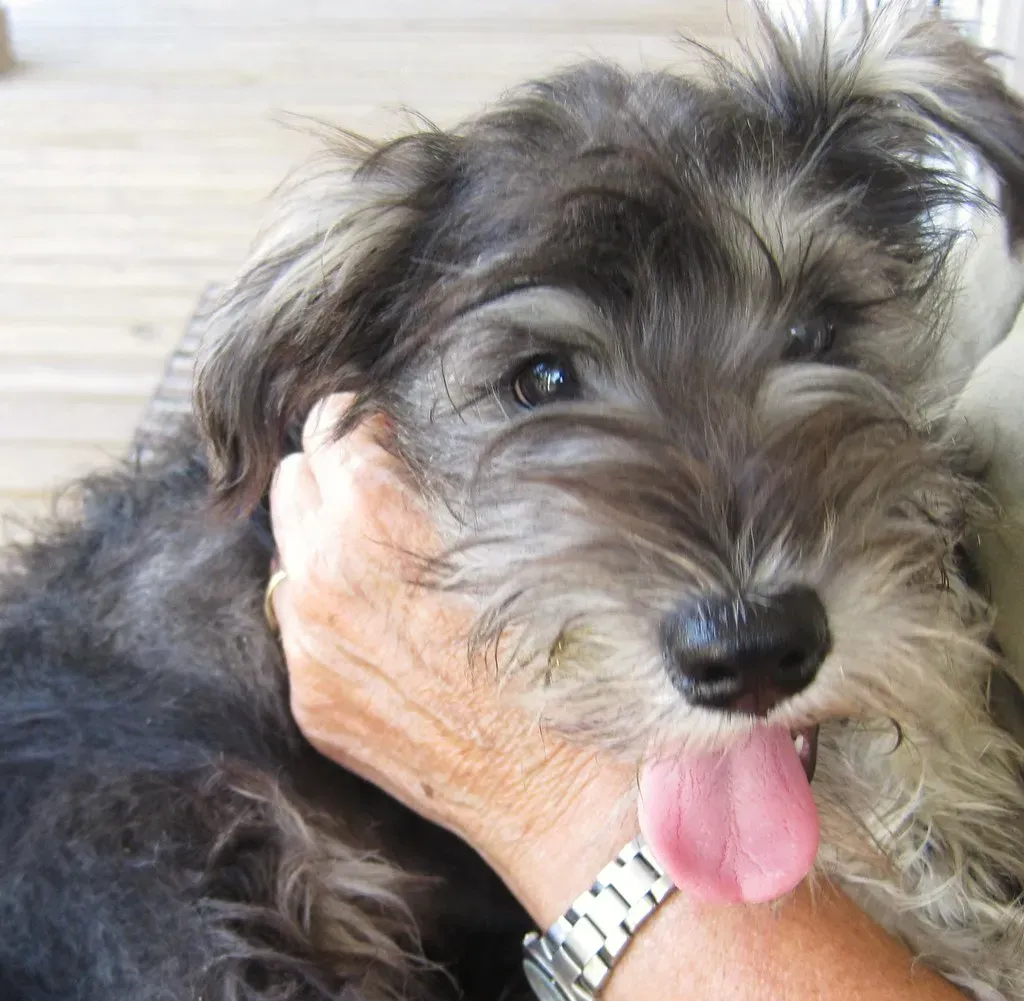
The Standard Schnauzer, not to be confused with its Miniature or Giant cousins, rounds out the top 20 in Coren’s intelligence ranking. Among the many qualities that make up different breeds, intelligence can play a major role in determining which canine companion you want to bring into your life. Standard Schnauzers were historically versatile working dogs – ratters, guard dogs, and farm helpers – which required a nimble, adaptable mind across many different challenges.
This breed is confident, sometimes to the point of willfulness, so training works best when you make it feel like the dog’s idea. They thrive with an experienced owner who understands how to lead with clarity and consistency rather than force. Standard Schnauzers also benefit from early socialization, since their confident nature can sometimes lean into dominance without the right guidance. Reward-based training, social exposure, and mentally engaging activities will unlock the best version of this underrated breed’s formidable intelligence.
What Smart Dogs Actually Need from You

According to Professor Coren, roughly half of a dog’s intelligence stems from its genes while the other half is based on environmental circumstances. That’s the most important stat on this entire list. Breed potential is only part of the equation. A well-trained dog in a stimulating environment with consistent interaction will nearly always outperform an under-stimulated dog of the same breed.
Coren warns that intelligent dogs have the capacity to be quite manipulative. There are documented instances of dogs deliberately tricking their owners in order to receive rewards or attention. In addition to this, your highly intelligent dog has quite the capability to become easily bored. A bored smart dog is one that finds its own entertainment – usually at the expense of your furniture, your shoes, or your sanity.
Regardless of intelligence, consistent positive training and structured routines benefit every dog-owner relationship. Mental enrichment doesn’t have to be complicated: puzzle feeders, scent games, hide-and-seek with treats, and regular training sessions all count. The goal isn’t to create a performing dog. It’s to build a connected, confident, well-adjusted one.
A Final Word on What Intelligence Really Means
Some researchers argue that traditional rankings don’t account for the full spectrum of what dogs are capable of. Herding breeds may perform well in structured obedience tests, but a scent hound like a Bloodhound excels in detection – a task that requires a completely different kind of intelligence. Recognizing your dog’s unique strengths is far more valuable than comparing them to others.
Whether you want an obedient working dog or a loving family pet, knowing a breed’s strengths can enhance your training approach and expectations. Choosing a dog is a lifelong commitment beyond intelligence measures – consider temperament, health, and your own lifestyle. Intelligence is only one part of the picture. There are countless other traits that make dogs incredible companions, so if your pup isn’t on the list, don’t worry – they could easily top the charts for most loveable, best fetcher, or cuddliest couch buddy.
Every dog on this list, from the Border Collie at the top to the Standard Schnauzer at number 20, is ultimately just trying to understand you, connect with you, and find its place in your world. The smarter the dog, the deeper that need runs. Meeting them there – with consistency, patience, and genuine engagement – is the most intelligent thing a dog owner can do.


