
You called his name six times. He looked right at you. Then he slowly turned away and trotted off to sniff a fence post. If you’ve ever owned one of these breeds, that scene is painfully familiar. Some dogs seem almost philosophically opposed to being told what to do, and there’s usually a fascinating reason buried in their DNA.
A lot of training difficulties in a breed come from their “origin stories” – the tasks and traits they were originally bred for in years gone by. Stubbornness is seen in certain dog breeds because they have increased intelligence, a sense of independence, and inherent instinctual behavior. This trait makes it highly challenging to train stubborn breeds, but it also reflects their strong personality and higher intelligence not found in other standard breeds. In other words, your dog isn’t broken. He’s just built differently – and once you understand that, everything changes.
1. Siberian Husky – The Escape Artist Who Doesn’t Take Orders
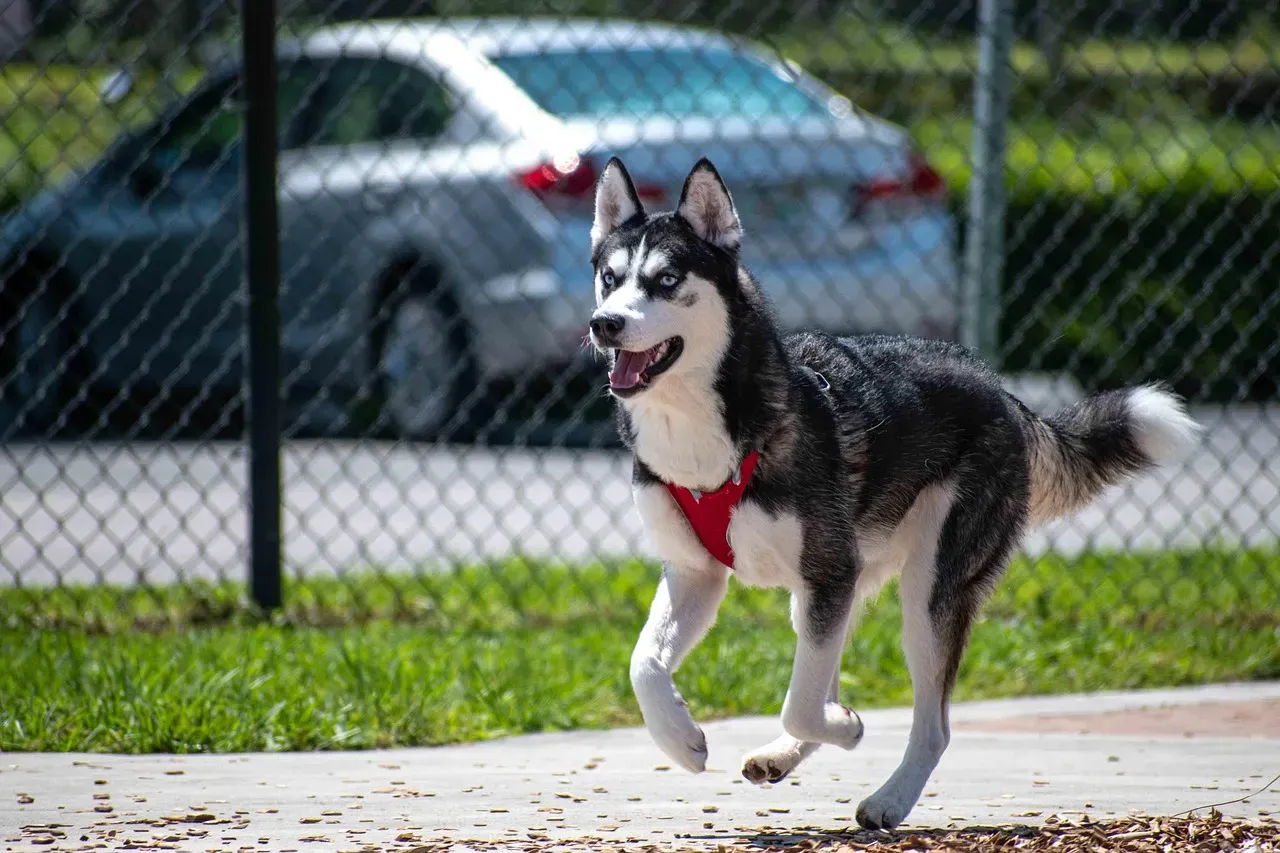
Siberian Huskies were originally bred to run for miles in frozen tundra, and their souls are still born to run for hours. Without enough exercise, they will quickly become destructive. They were bred to be independent, as this ensured a mushing group of huskies would ignore commands if the terrain was deemed unsafe. All these years later, that independence means they have a stubborn streak when it comes to listening to commands.
They are also skilled escape artists and have trouble controlling their small prey drive around cats and small animals. Their short attention spans make them challenging to train and unsuitable for first-time pet owners. Huskies need a strong leader, significant exercise time, and other incentives to make training effective. Keep sessions short, keep the energy high, and always train in a securely fenced area – this breed will test every gap in a fence it can find.
2. Afghan Hound – The Regal One Who Answers to No One
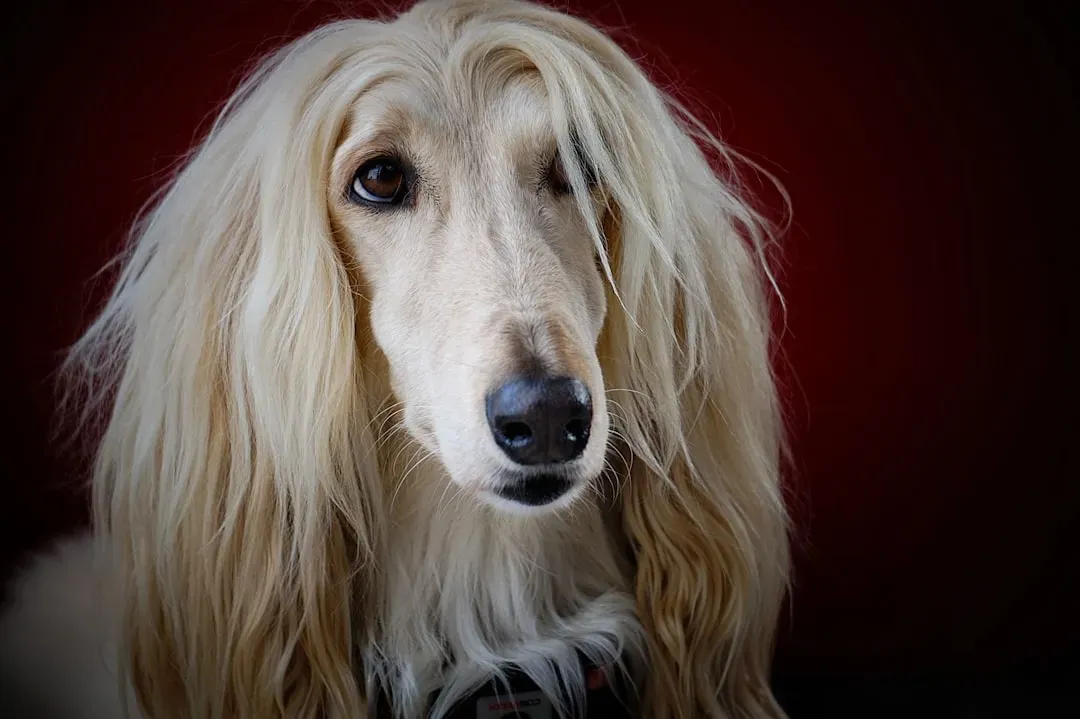
According to canine intelligence researcher Stanley Coren, the Afghan Hound needs at least 80 repetitions to understand a new command. This may stem mainly from the fact that it is one of the most stubborn breeds, notorious for ignoring its owners’ commands. Afghan Hounds are hunting dogs from the sighthound family, a group that hunts primarily through speed and keen vision rather than scent. For that reason, learning commands may never have been part of their genetic or evolutionary design.
Afghan Hounds do not prefer to respond to anyone’s commands, even from their humans. After assessing the scenario themselves, they would react to commands only if they felt so. They simply prefer to think for themselves and do things on their own terms. Training them may require creativity, but their elegance, regal appearance, and devotion to humans make them special companions. Patience is not optional with this breed – it’s the whole game.
3. Chow Chow – The Loyal Loner With a One-Person Policy
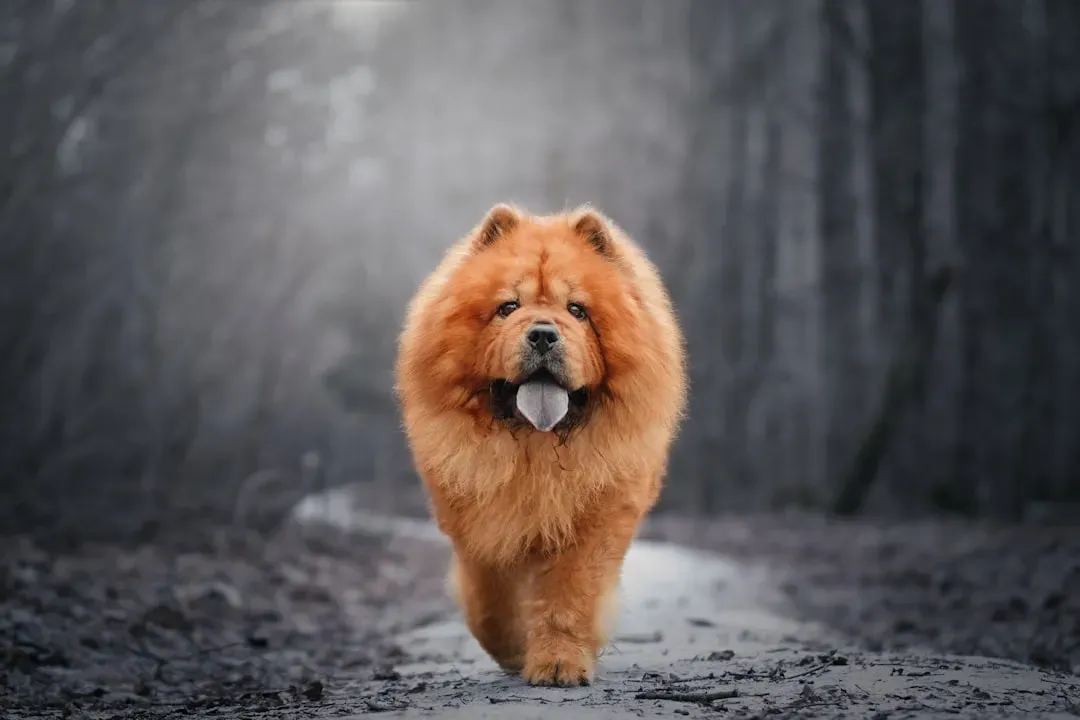
A number of studies found Chow Chows to be stubborn and difficult to train. There are several reasons for this. First and foremost, they are beautiful but learn less quickly than many others. While they are regal and lion-like, they do not learn very fast. Secondly, they are more cat-like in their personality and are more aggressive. They don’t like kids, and most of the time, they would rather be left alone.
Their loyalty is often to one main person, so don’t get offended when your Chow chooses their favorite parent. Training needs include firm boundaries and lots of attention. Anyone who wants to have one of these canines as a pet needs to be an experienced, patient trainer who has the time to spend working with this pup. Short, calm training sessions with high-value rewards work far better than repetition. Overwhelm a Chow Chow and they simply shut down.
4. Beagle – Nose First, Owner Second
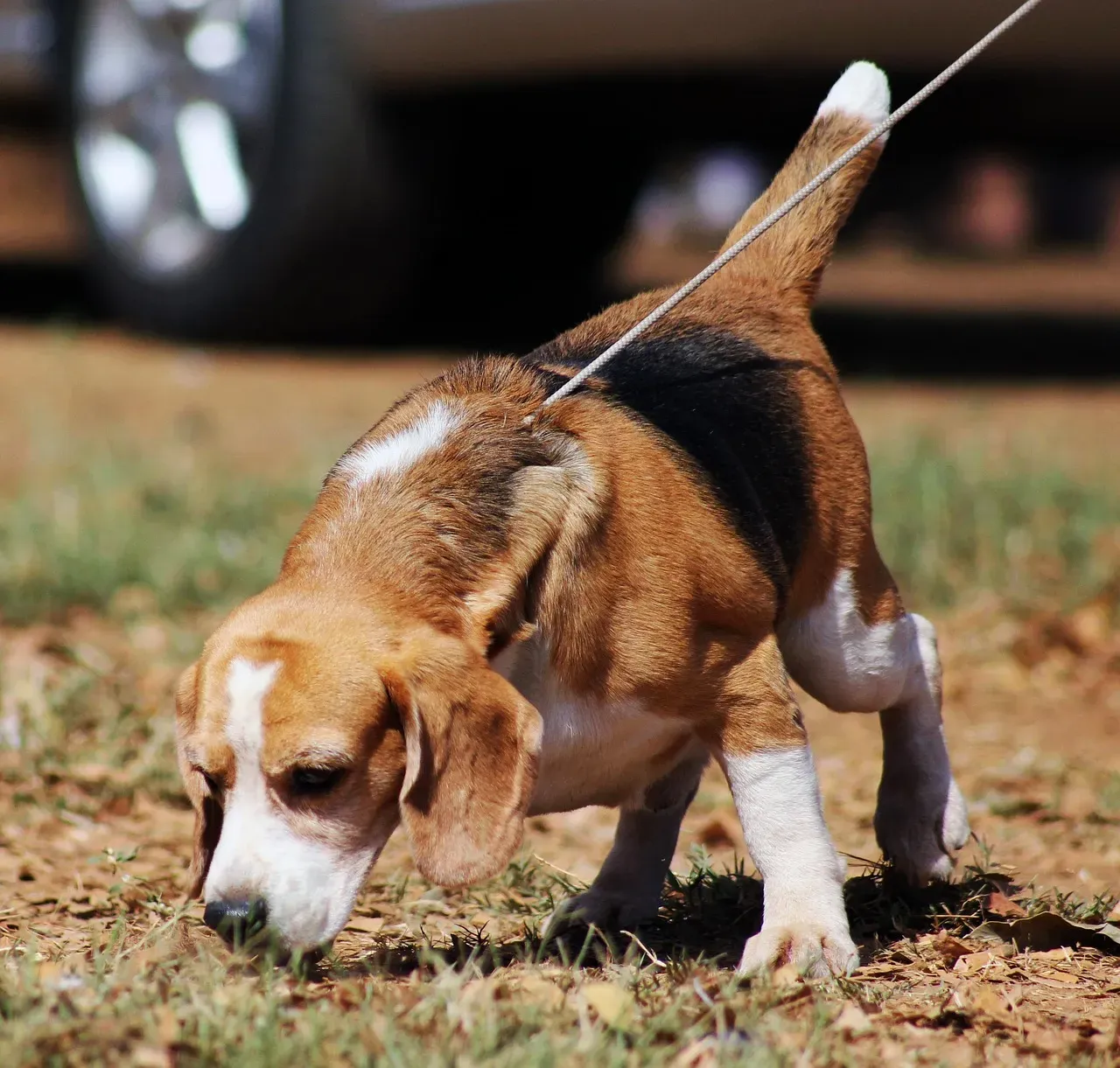
The Beagle is friendly, loving, and notoriously difficult to train. The Beagle’s independent streak and incredible nose mean it will often ignore its owner’s calls when on a scent trail. Leash training and mental stimulation help keep their focus. Most Beagles have high amounts of energy, which is why they are hard to train. They are independent and take longer to get used to commands, but with consistent training and a lot of patience, training a Beagle is certainly achievable.
A Beagle may hear you but become more interested in a scent nearby. Using scent-based games or activities can make training more effective and fun. Think about incorporating nose work into your training routine – it channels their most powerful instinct toward something productive. A tired Beagle who’s had a good sniff session is genuinely a more cooperative student.
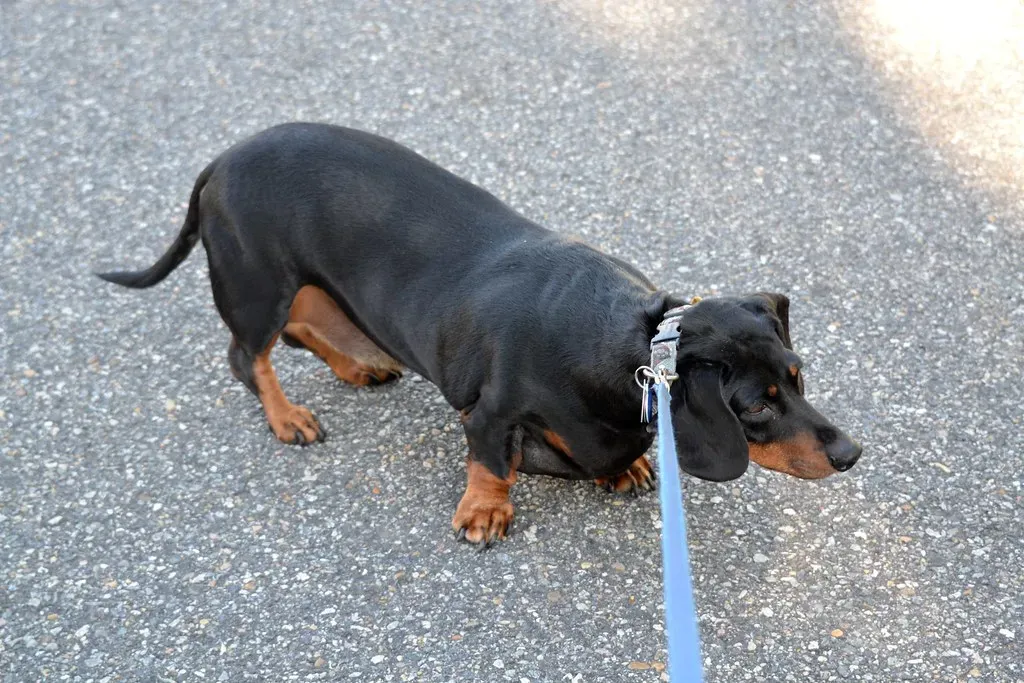
5. Dachshund – Small Dog, Enormous Opinion of Itself
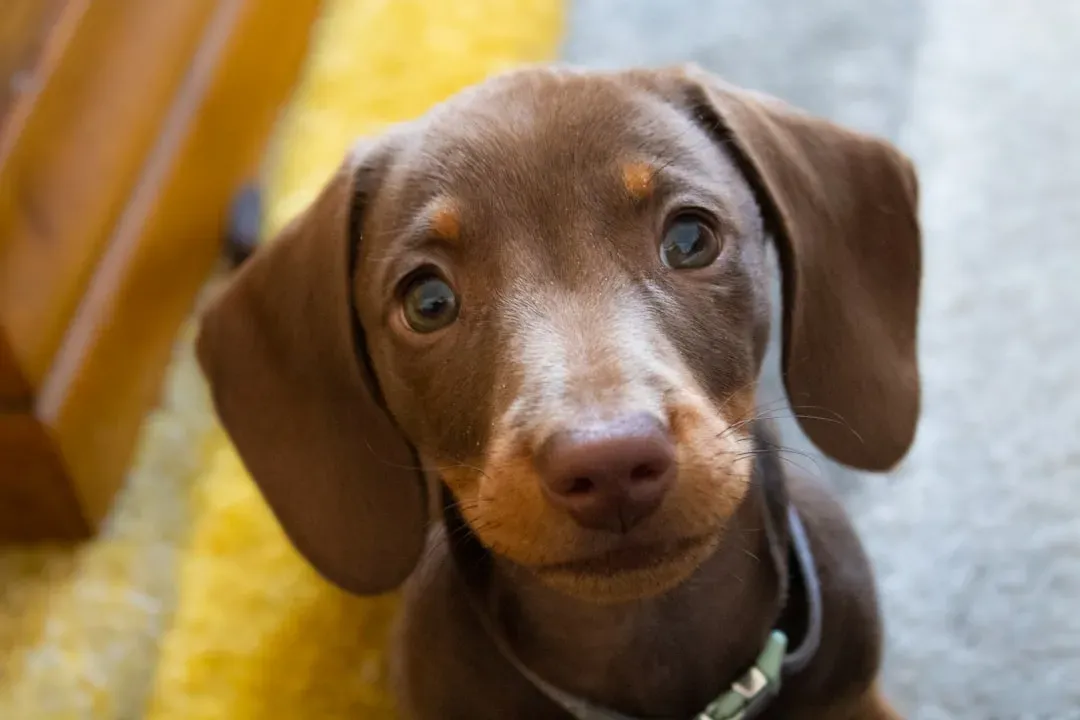
Originally bred to hunt badgers, which required courage and determination, the Dachshund is a fearless and determined breed. That bold personality often shows up as stubbornness in daily life. Dachshunds are loyal and affectionate with their family, but they may test boundaries. The short wiener dog is well-known for their lively and independent attitude, as well as their intelligence, hunting ability, and stubbornness. Doxies like to do things their own way, and you are likely to find your Dachshund digging holes, chewing on shoes, or chasing your other pets on a daily basis.
Their high energy and bold attitude mean they need plenty of exercise and a persistent owner. These dogs look to their owners for guidance, but without training, they can develop unsavory habits like barking and digging. Clear rules, consistency, and early training help prevent stubborn behavior from becoming a long-term habit. With Dachshunds, the earlier you start, the better – letting a Dachshund puppy run the house is a mistake you’ll spend years correcting.
6. Akita – The Dignified Dog Who Decides When to Listen
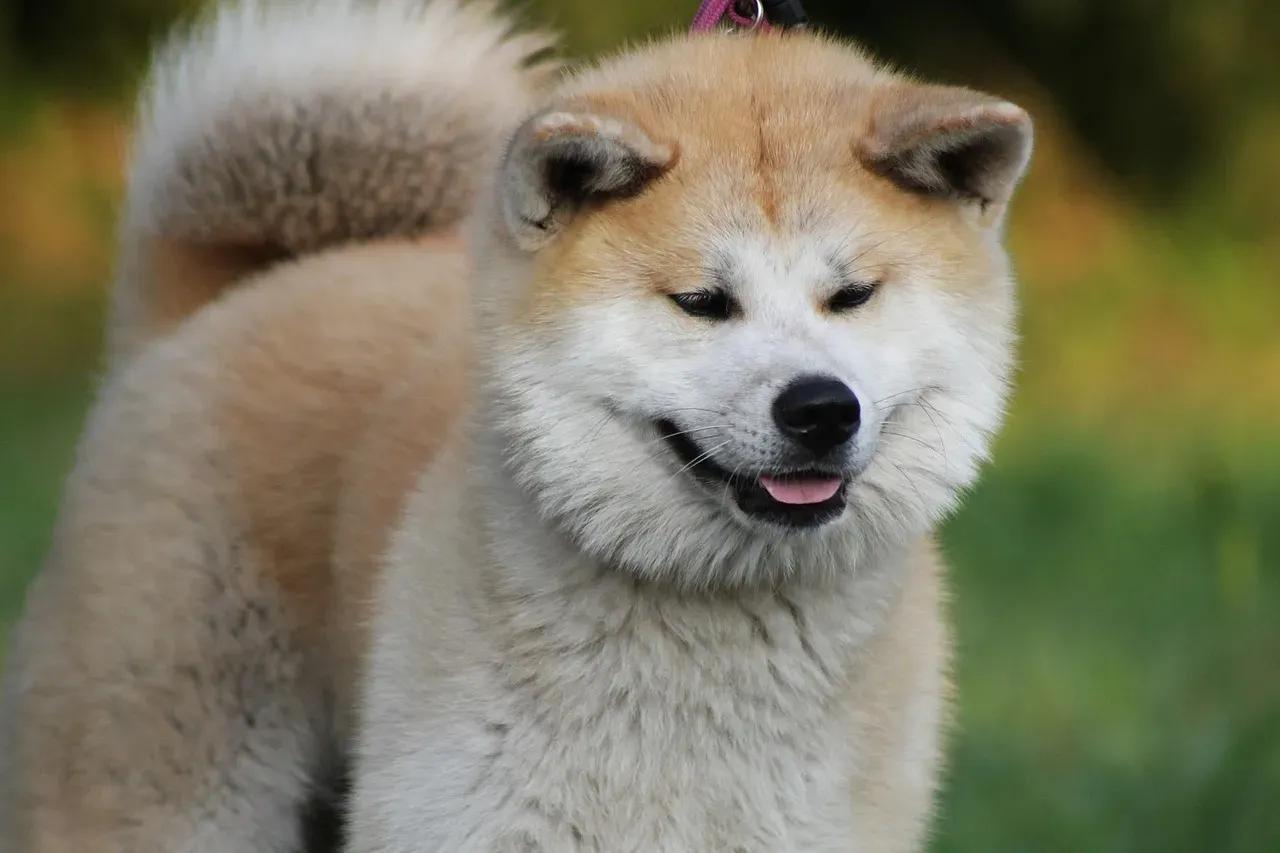
Akitas are known for being protective, profoundly loyal, dignified, brave, and affectionate with family and friends, but need to be socialized at a young age because they have a high prey drive from their hunting genes. The dominant Akita is such a stubborn dog that they may just walk away mid-training session. This is not disobedience out of confusion – it’s deliberate. The Akita has simply decided your command doesn’t apply right now.
Akitas are known for their strong-willed and independent personalities. They were originally bred for guarding and hunting, which required them to make their own decisions. Known for being protective and profoundly loyal, Akitas need to be socialized at a young age. Training with positive reinforcement at a young age should yield great results. Early socialization is critical – an unsocialized Akita can become a serious challenge, not just during training but in everyday life situations involving strangers or other animals.
7. Jack Russell Terrier – The Tiny Tornado With Tunnel Vision
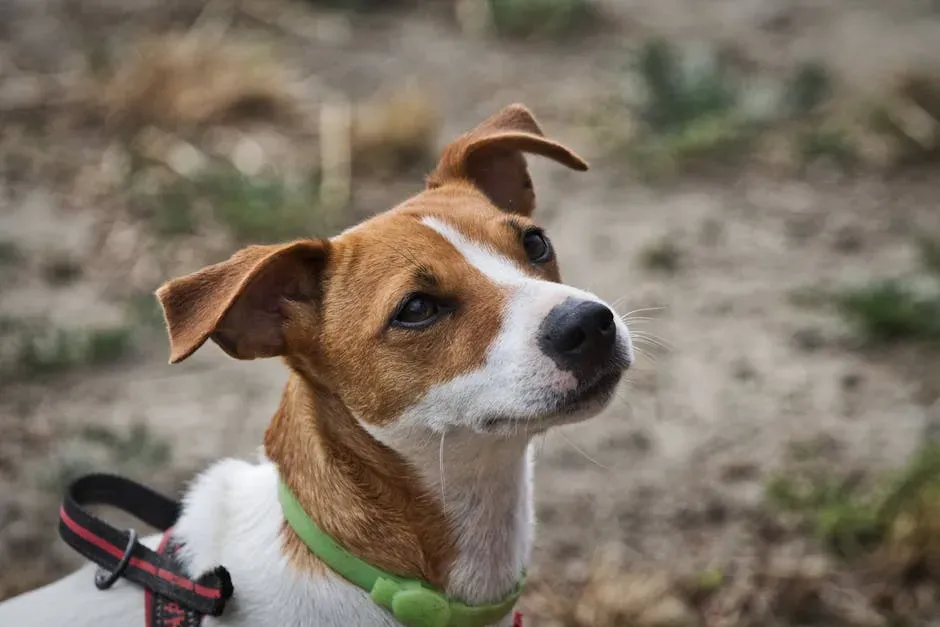
Jack Russell Terriers are as clever as they are stubborn. The Jack Russell Terrier was bred to hunt small prey like foxes, so it’s no surprise they often act like they’re on their own mission. Stubborn pups like these do best with structured routines and plenty of exercise. Terrier breeds like the Jack Russell can be energetic, feisty, and prone to assertiveness. They may exhibit a strong prey drive and be more inclined to dig or bark. Their high energy levels and determination require regular exercise and mental stimulation.
Jack Russell Terriers are known for their fun-loving and independent attitude, with a streak of stubbornness that makes them difficult to train. They are also mischievous and have a lot of energy, so you have to stay on your toes. Training sessions with a Jack Russell should be short, sharp, and unpredictable – this breed bores quickly and will invent its own entertainment the moment you lose its attention. Keep a sense of humor. You’ll need it.
8. Shiba Inu – The Cat Disguised as a Dog
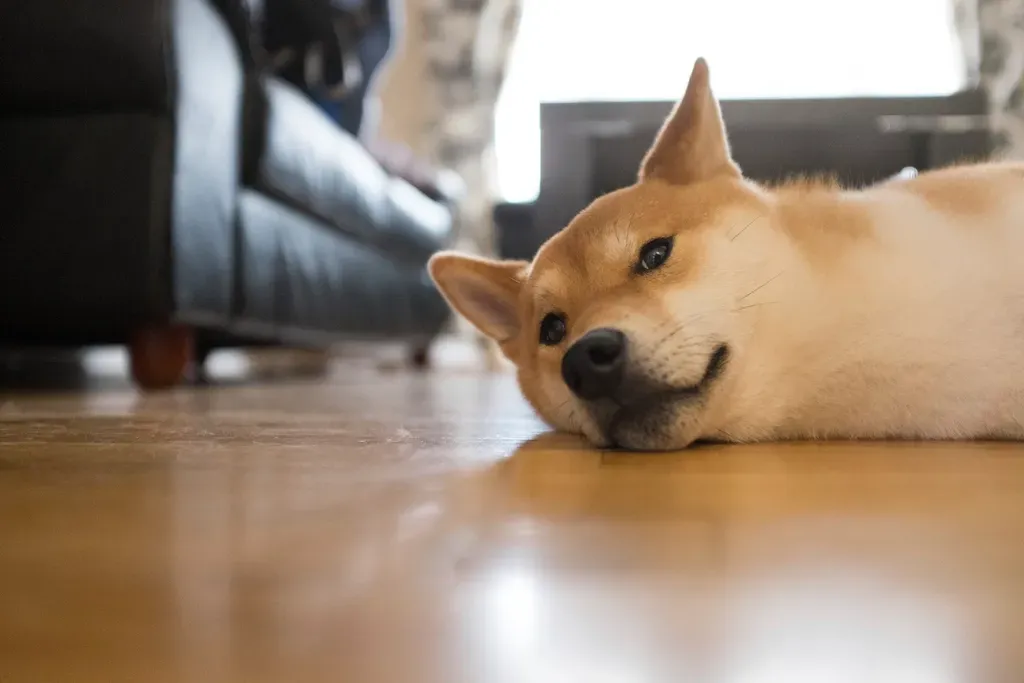
The Shiba Inu is a small Japanese breed that is charming but headstrong. It is known for its strong-willed temperament and dislike of following commands. While it’s highly intelligent, its independent nature can make training a challenge. Shibas are famous for their stubbornness and are notoriously hard to train. Used for hunting and guarding in Japan, Shibas are very independent and need a strong owner who knows how to get through to them.
Shibas need to be properly trained at an early age, or they can be aggressive. They have been around since 300 BC and are the most popular dogs in Japan. Their independence is deeply ancient and genuinely baked into their character. If you’ve decided to own a Shiba, just be patient and try consistent training methods and fun tricks. It will help nurture its intelligence and develop the strongest bond with this spirited, affectionate creature.
9. Rottweiler – Power Meets Strong Will
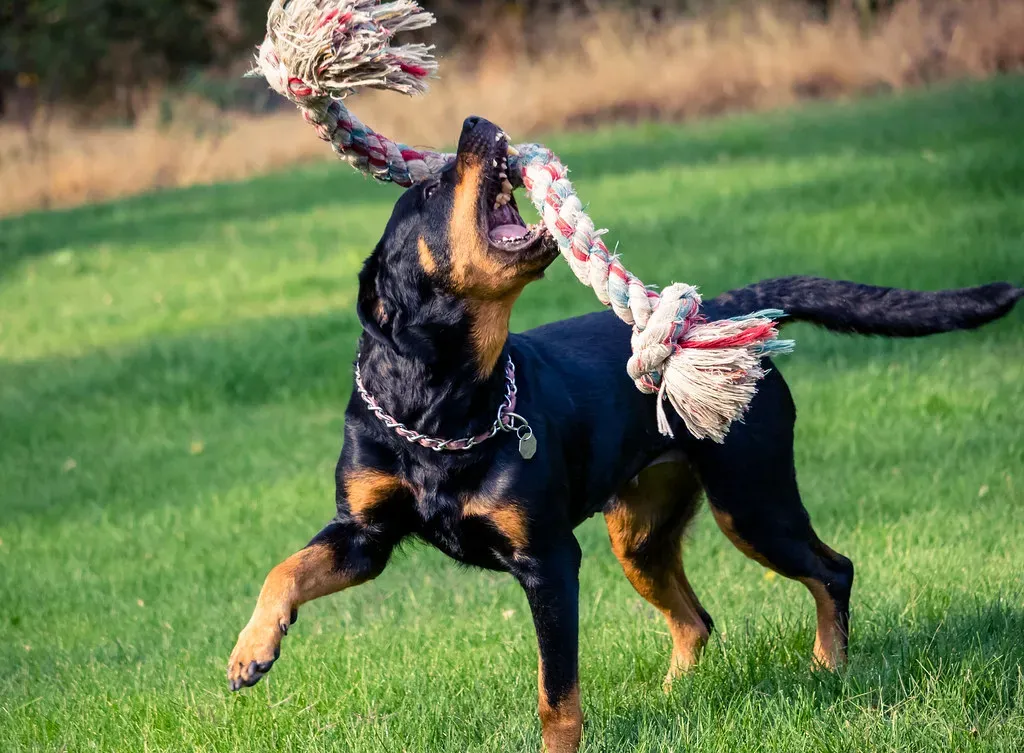
The key to training a Rottweiler is early socialization and consistent, firm training. They can be stubborn and become overly protective if not trained correctly. This breed requires an owner who understands the importance of establishing clear leadership and boundaries. All Rottweilers have strong territorial and protective instincts. This can lead to aggressive behaviors if not properly trained. These dogs are also very strong and, like other large dogs, can usually easily overpower their humans.
If not properly trained, Rottweilers become too protective of their owners and will often lash out at strangers for no apparent reason if they feel their owner is threatened. While often playful, they can be stubborn and growl to disagree when going through training. Also, they will often listen to no one but their owner. The Rottweiler’s stubbornness isn’t random – it comes from a breed history that demanded independent guarding decisions. Channel that with structure, and you’ll have a deeply loyal, magnificent companion.
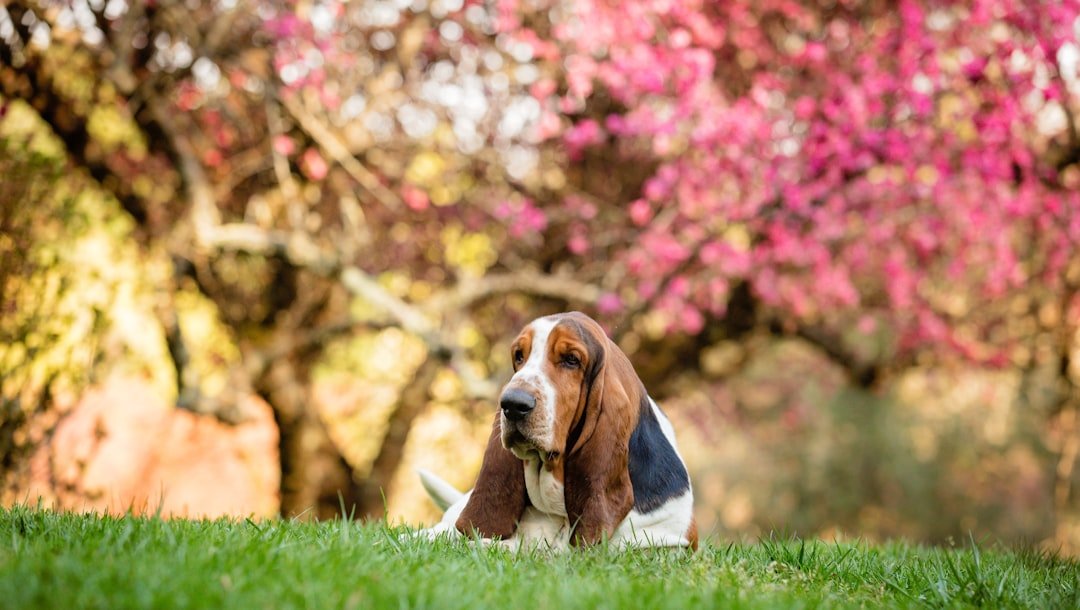
10. Basset Hound – Slow, Droopy, and Surprisingly Defiant
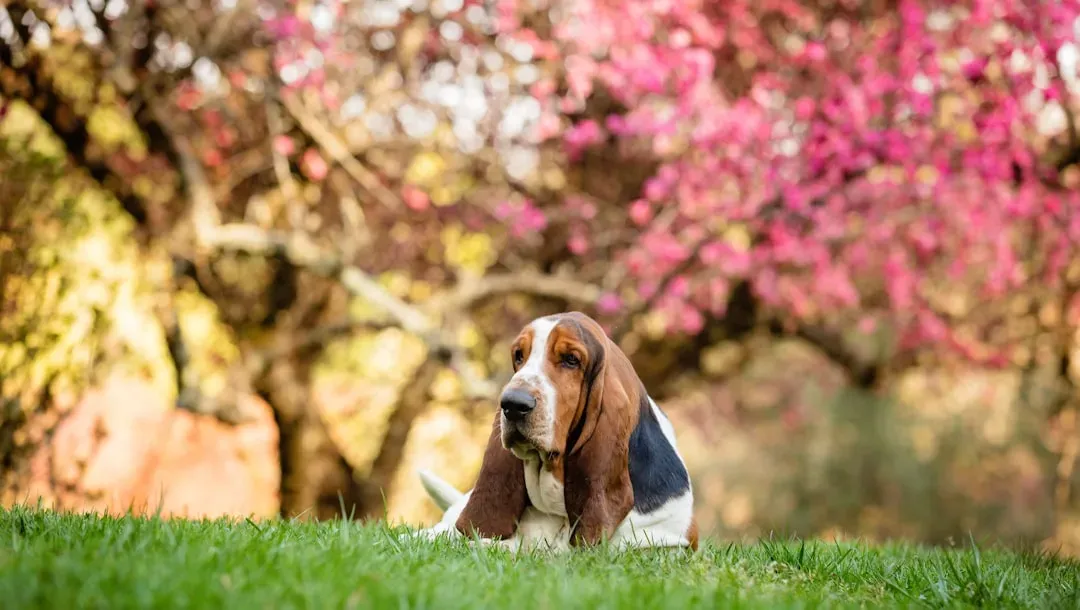
Basset Hounds are some of the most stubborn dogs around. Bred for scent tracking, they’ll follow their noses over your voice any day. Their stubbornness combined with a laid-back nature means dog owners need lots of patience. Basset Hounds are adorable but can be stubborn, especially when it comes to housebreaking. Their keen sense of smell often distracts them during training sessions. Positive reinforcement and patience are key with this breed.
Celebrate even the smallest successes with treats, enthusiastic praise, and playful interactions. This builds trust and motivates them to learn. Thankfully, they are extremely food motivated, so just keep some treats handy during training sessions. The Basset’s relaxed demeanor can fool new owners into thinking training will be easy. It won’t be. Their nose controls them completely, so any environment with competing smells is essentially training on hard mode.
11. Chinese Shar-Pei – Territorial, Aloof, and Unbothered
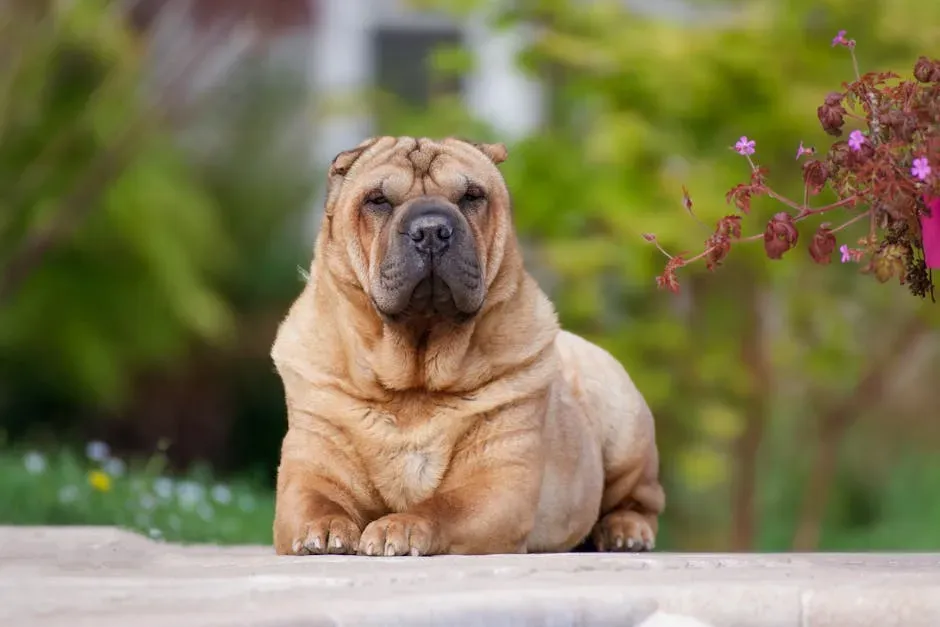
Chinese Shar-Peis were trained for hunting and herding, so they learned how to do their jobs efficiently and think for themselves. The intelligent Chinese Shar-Pei can therefore be difficult to train. They will spring into action if they feel their family is in danger. Shar-Peis just don’t have a forte for socializing with others outside their family. They can be easily territorial and become aggressive with strangers when they’re not properly socialized.
Chinese Shar-Peis have serious cuddle potential, but their unique personality might not be the best fit for every family. These independent pups can be a bit aloof with strangers and territorial over their loved ones. For families who understand and respect their boundaries, Shar-Peis can be incredibly loyal and devoted. They just require a confident, experienced owner who can establish themselves as the pack leader. Introduce them to new people and environments gradually, and reward every calm interaction generously.
12. English Bulldog – Built for Comfort, Not for Compliance
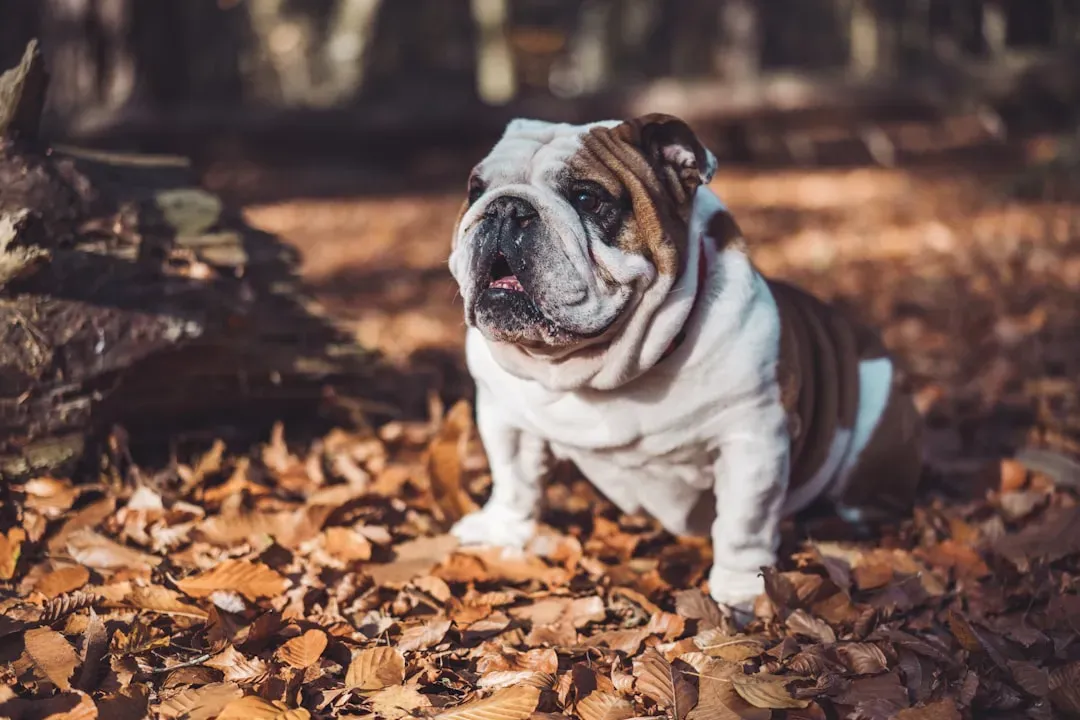
The bulldog was originally developed in 17th-century England for bull baiting. From the Middle Ages for about 600 years, bulldogs were used to provoke and fight bulls. One reason the breed appears so high on this list may be its famed laziness. It prefers curling up on the couch rather than running around. English Bulldogs tend to learn only a few commands, and researcher Coren ranked the breed third from last in its ability to obey a first command or understand new ones.
The Bulldog may seem lazy, but don’t mistake that for obedience. These dogs can be willfully slow to respond. Their stubborn dog tendencies are softened by their sweet nature. Use treats and short, engaging training sessions. Bulldogs like to do things at their own pace and comfort. They set their terms and would like to indulge in activities only when they feel like doing so. Celebrate tiny wins. A Bulldog who sits on the third ask is still making progress.
13. Bloodhound – Nose-Led and Nearly Unreachable
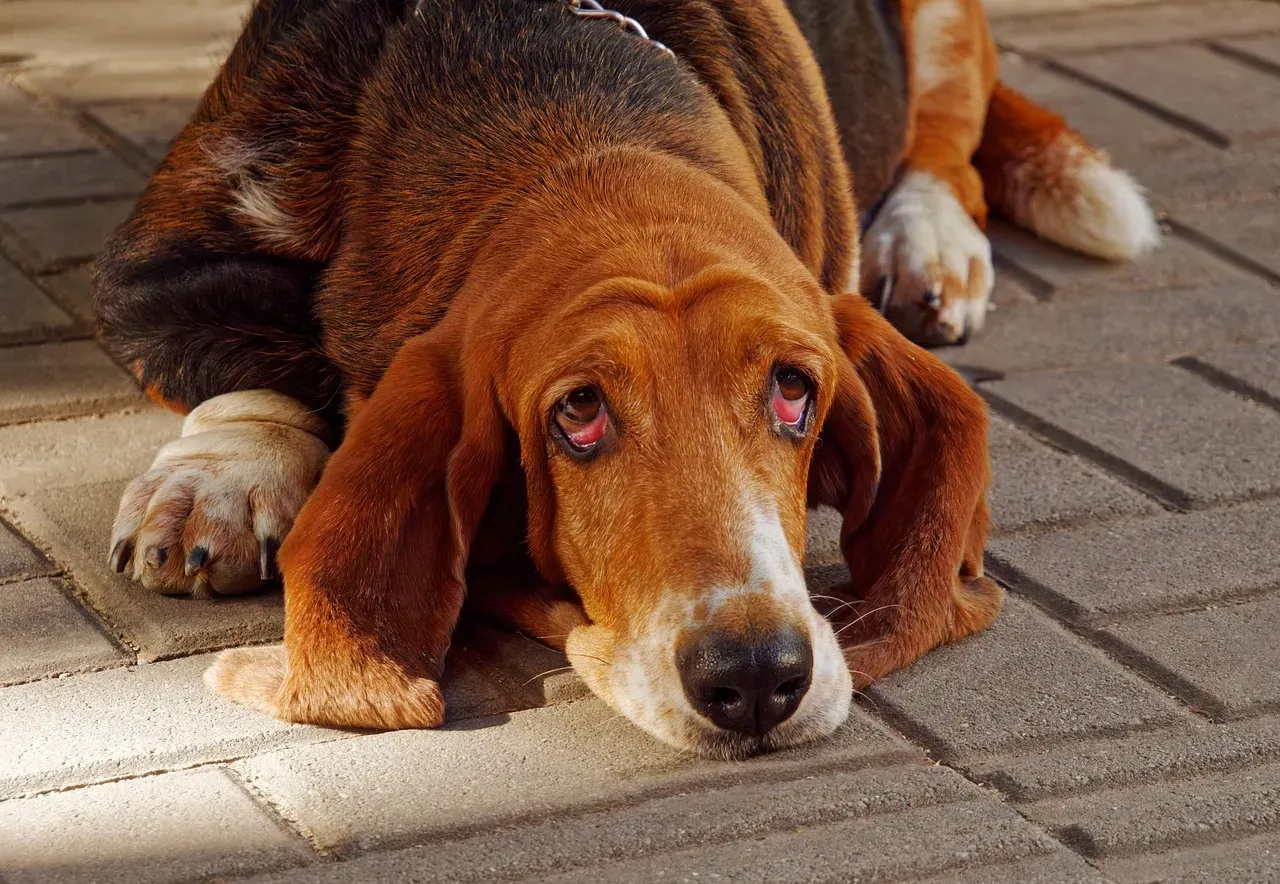
Similar to Beagles, Bloodhounds are hunting dogs renowned for their exceptional sense of smell. Their instincts and self-reliance can pose a challenge during training. Bloodhounds are stubborn and easily sidetracked, making standard training techniques less effective. When a Bloodhound picks up a scent, it enters a kind of sensory tunnel – the entire outside world, including you and your commands, ceases to exist.
Although Bloodhounds are one of the hardest dogs to train, persistence, patience, and positive reinforcement pay off in spades. Their amazing sense of smell and independence make them affectionate dogs and loyal companions. The trick is to work with their nose rather than against it. Use scent-based reward systems, train in low-distraction environments first, and accept that recall training will be an ongoing project for the life of this dog.
14. Chihuahua – Pocket-Sized Boss With Maximum Attitude
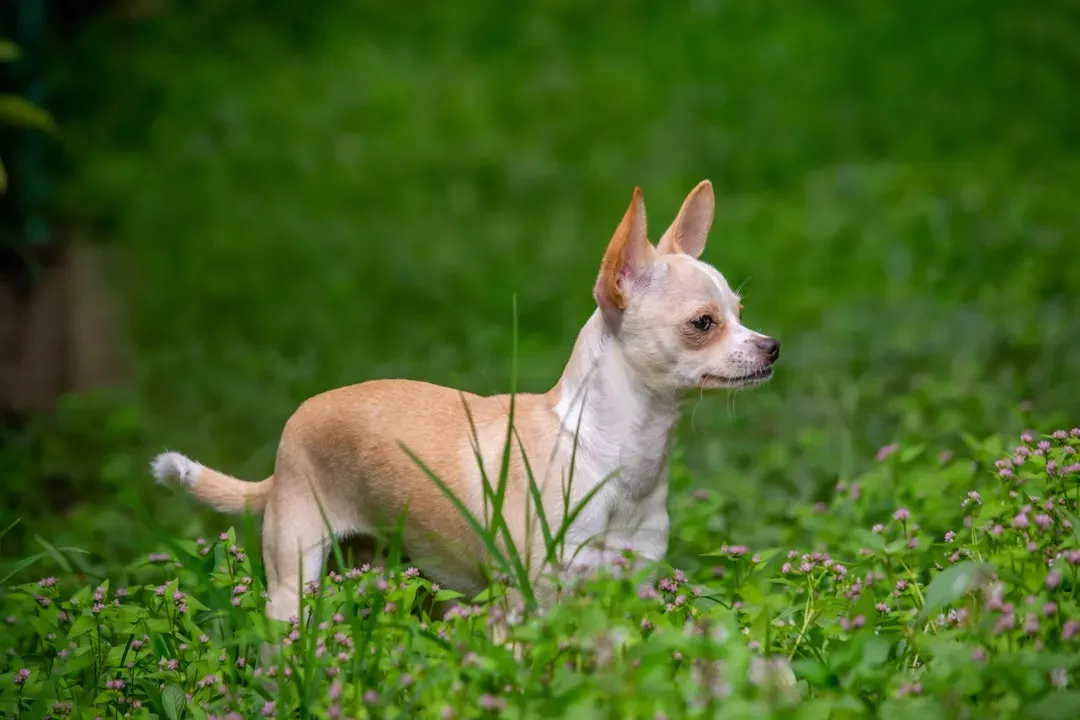
Chihuahuas often have a big personality. This breed can be very loyal to their owners but wary of strangers or other dogs. Because of their confidence, Chihuahuas sometimes resist commands if they don’t see the point. Chihuahuas need training or they will think they are in charge. Perhaps being a lap dog makes the Chihuahua think they are royalty and don’t need to listen to their owners. There are seven types of Chihuahuas, and they are all probably stubborn dogs.
The Chihuahua is known for being very protective of its home and family. They are great watchdogs, but you should expect to hear a lot of yapping. One of the most common mistakes Chihuahua owners make is skipping obedience training because the dog is small. Size has nothing to do with it – an untrained Chihuahua will run the household with surprising effectiveness. Start training from the day they arrive, keep it playful, and stay consistent.
15. Great Pyrenees – The Gentle Giant Who Guards on Its Own Terms
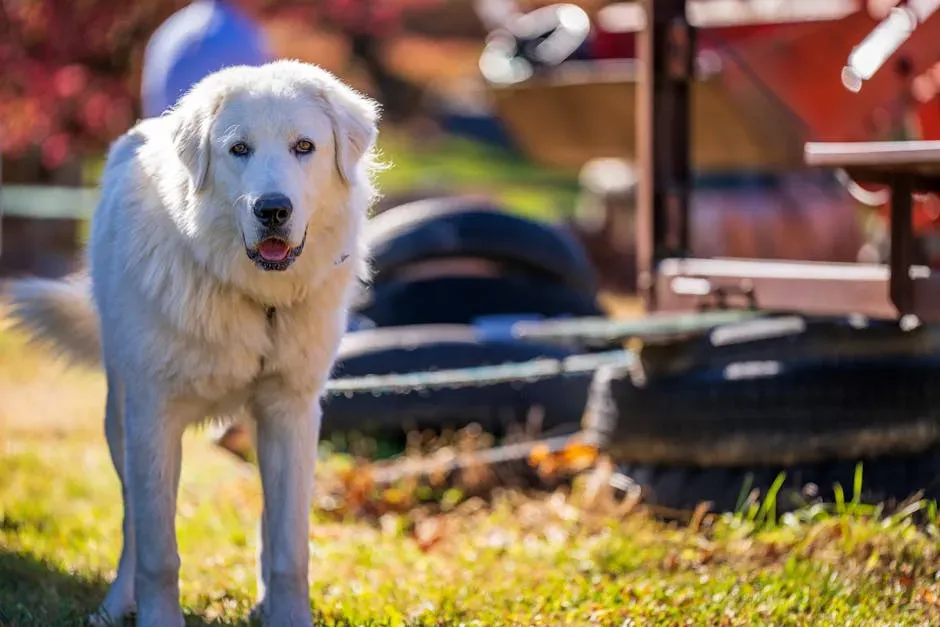
The Great Pyrenees is known for its deep sense of loyalty to its family, which is why it’s considered an excellent guard dog. That said, they were bred to operate on their own agenda, as they expertly guarded sheep and rarely relied on owners to tell them what to do. This is a breed that spent centuries making life-or-death decisions independently while guarding flocks in the mountains. Taking orders from a human in a suburban backyard doesn’t exactly align with that history.
Without proper socialization and training early on, independent dogs may become aggressive around others or try to make their own household rules. Training sessions that are a few minutes long and repeated several times a day can be quite effective in changing a dog’s behavior. Aim for consistency and patience – they’re key when training any puppy but are especially important with the hardest dog breeds to train. A structured routine without any abrupt changes will be most beneficial. The Pyrenees rewards patience with profound loyalty, but you have to earn that compliance first.
What Every Stubborn Dog Owner Should Know
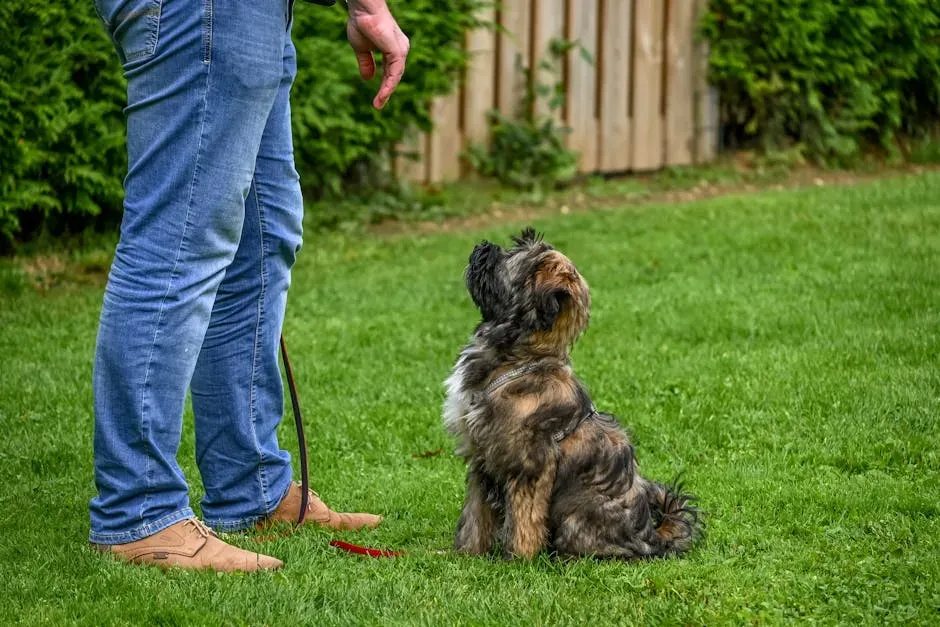
Stubborn doesn’t mean unintelligent. Many of the most stubborn dog breeds are highly intelligent and were originally bred to work independently. Their stubbornness often reflects independence rather than defiance. That’s genuinely reassuring to understand. Your dog isn’t trying to make your life difficult – they’re just operating from a deeply wired behavioral blueprint that was never designed around human commands.
Stubborn dog breeds aren’t bad; they’re just more independent. Understanding your dog’s behavior, using positive reinforcement, and staying consistent can turn a willful pup into a loving, well-trained pet. Independent breeds respond best to training methods that respect their intelligence: use high-value rewards like real meat or favorite toys, and keep sessions under 10 minutes to maintain interest.
Knowing a dog’s background, energy level, and natural instincts can help owners adjust their approach and build a strong bond. Training a dog is a frustrating process, often greatly, but it’s important to know that you aren’t on your own and there is help if and when you need it. Owners that don’t seek or refuse to seek help are the ones who often end up giving up their dogs. Never hesitate to bring in a professional trainer early – it’s far easier to redirect a six-month-old pup than to reshape the habits of a three-year-old one.
Conclusion
Stubbornness in dogs is almost never about rebellion. It’s about history, instinct, and intelligence that was built for a very different job than sitting politely in your living room. Every breed on this list was shaped by centuries of work that required independent thinking, and those traits don’t simply disappear because we’ve brought them indoors.
The good news is that patience, consistency, and a genuine understanding of your dog’s nature can bridge that gap in remarkable ways. With patience, understanding, and consistent training, stubbornness can become just another part of your dog’s personality rather than a constant frustration. In many cases, the same independence that makes these breeds challenging also makes them unforgettable family members.
Own the challenge. These dogs demand more from you, and in return, they give you something that easier breeds rarely offer – a bond you genuinely had to work for.


