

Picture your dog on a crisp morning walk. They used to bound ahead, nose low, tail high. Now they’re hesitant at the first step off the porch, a little stiff, a little slow. It’s one of those quiet, heartbreaking shifts that sneaks up on dog owners. Joint problems in dogs are far more common than most people realize. Osteoarthritis alone affects roughly one in five dogs over a year old, and that doesn’t even account for hip dysplasia, ligament wear, or age-related cartilage thinning.
The good news? What you put in your dog’s bowl matters enormously. A raw diet delivers essential vitamins for joints, natural glucosamine, and highly digestible protein to support mobility and overall musculoskeletal health. Going a step further, certain raw food additives can meaningfully amplify that foundation. These aren’t gimmicks or overpriced powders. They’re whole-food ingredients backed by real science and a growing community of dog owners who’ve watched their senior Labs and arthritic Shepherds find their footing again.
1. Raw Chicken Feet: Nature’s Glucosamine Capsule

Chicken feet look odd on a dinner plate. For your dog, though, they’re one of the most efficient natural joint supplements available. Chicken feet are loaded with naturally occurring glucosamine for dogs and make a delicious crunchy snack or can be part of your dog’s meal. That crunch isn’t just satisfying. It’s the sound of your dog accessing cartilage-rich tissue that directly supports their joints.
Chicken feet contain about thirty percent cartilage, and that cartilage is about five percent glucosamine. Researchers estimate approximately 450mg of glucosamine per chicken foot, making them an excellent source as a treat for your dog. For a medium-sized dog, two feet a day is a meaningful daily contribution to joint health.
Glucosamine is naturally found in your dog’s body and helps with lubrication and shock absorption in the joints. It also produces glycosaminoglycan and helps repair creakiness in your pet’s joints by promoting cartilage and tissue health. If you notice your dog hesitating before jumping on the couch or being slow to rise in the morning, these are early signs of joint discomfort worth addressing now. Start with one foot per day and monitor for any digestive changes before increasing.
2. Raw Beef Trachea: The Cartilage Powerhouse

If chicken feet are impressive, beef trachea is outright remarkable. Trachea is made up of cartilage, which is rich in glucosamine and chondroitin. It’s essentially a dense tube of the exact compounds that keep joints cushioned and functional. Most dogs take to it enthusiastically, treating it like the world’s most satisfying chew toy.
Beef trachea is mostly cartilage, which contains about five percent glucosamine. A one-ounce piece of trachea will provide your dog with over 1400mg of glucosamine, making it one of the single most concentrated whole-food sources available. That’s a therapeutic level in a single moderate-sized chew.
With glucosamine and chondroitin, your dog’s joint health can benefit along with your dog’s dental health as they chew on a beef trachea treat. Think of it as a two-for-one. You’re supporting their hips while they’re busy keeping their teeth clean. Always supervise chewing and introduce new cartilage options slowly, especially for dogs new to raw feeding.
3. Raw Bone Broth: Liquid Joint Support

Bone broth has a long tradition in human cooking, and it turns out dogs benefit from it too. Bones themselves are rich in vitamins and nutrients, including calcium, magnesium, and phosphorous. Brewing connective tissue into bone broth provides the body with natural compounds from the cartilage, and cooking collagen turns it to gelatin, which provides the body with amino acids. Those amino acids are the building blocks of the proteins that maintain healthy joint tissue.
Bone broth is a highly nutritious way to provide your dog with natural glucosamine and other joint-supporting nutrients. To make bone broth, simmer bones with joints for 24 hours, strain the liquid, and serve it to your dog. This gelatinous broth is not only beneficial for joint health but also easy to make and delicious for your dog.
A 2017 review suggests that both laboratory and animal studies show that gelatin supplementation increases the amount of collagen in the tissues, which may help protect the joints from unnecessary stress. Practically speaking, you can pour a ladle of homemade bone broth over your dog’s raw meal daily, making it one of the easiest upgrades in this list. It’s warm, aromatic, and most dogs treat it like a five-star addition to their bowl.
4. Green-Lipped Mussel: The Anti-Inflammatory All-Rounder

Green-lipped mussels (GLMs) from New Zealand have earned serious attention in canine joint care, and rightfully so. Green-lipped mussel is rich in omega-3 fatty acids and natural joint compounds that help reduce inflammation and support joint lubrication and mobility. What sets GLMs apart from standard fish oil isn’t just the omega-3 content. It’s the full spectrum of compounds they bring together in one source.
The fatty acids in green-lipped mussels, with EPA and DHA being the most abundant, are the important fatty acids known to reduce inflammation. GLMs are natural COX inhibitors just like NSAIDs, so they can obtain the same pain-free results without the negative side effects. That’s a meaningful distinction for any dog on long-term joint management.
GLMs are rich in glycosaminoglycans and glycosaminoglycan precursors, known as GAGs. An important GAG found in GLMs is chondroitin sulfate, a well-documented structural ingredient for joint support. You can add green-lipped mussel powder to a raw meal or find it freeze-dried. Either way, it’s one of the most comprehensively beneficial whole-food additives on this list.
5. Omega-3 Rich Raw Fish: Fighting Inflammation From the Inside

Raw oily fish like sardines, mackerel, and herring deserve a regular spot in your dog’s rotation. Omega-3 fatty acids, found in raw fish and grass-fed meats, have natural anti-inflammatory properties. These essential fats help reduce joint pain and stiffness by lowering inflammation in the joints, making them crucial for dogs with arthritis or mobility issues.
Herring oil, a rich source of omega-3 fatty acids, can reduce joint inflammation, improve joint mobility, and enhance your pet’s overall wellness. Small whole sardines packed in water (not oil) are another practical option. Feed them two to three times a week as part of a raw meal, or top a regular raw patty with a drizzle of herring or salmon oil daily.
Omega-3 sources contribute to balance in your pet’s body. If they are getting too much omega-6 in their diet, adding additional sources of omega-3 can help control excess inflammation. Most dogs eating a diet heavy in chicken or beef without oily fish are likely skewed toward too much omega-6. Correcting that imbalance can make a visible difference in mobility within weeks.
6. Raw Collagen Sources: The Structural Foundation

Collagen is the most abundant protein in your dog’s body, and it’s the literal scaffolding of healthy joints. Collagen is a type of tissue that lines joints and helps them stay slippery and mobile. The challenge is that as dogs age, collagen production slows, joint cartilage thins, and synovial fluid becomes less effective at cushioning movement.
The best sources of collagen are cartilage-rich foods. Chicken feet, poultry necks, eggshell membranes, and many foods that contain glucosamine also provide collagen. Bone broth is a standard favorite, cooking down a broth made from bones and connective tissue creates a gelatinous broth rich in collagen. Rotating these sources keeps the nutritional input broad and varied.
Poultry, often in the form of bone broth, is a good source of type II collagen, which is thought to benefit joint health. Type II collagen is specifically associated with cartilage repair and joint resilience, making it the most relevant form for dogs dealing with joint wear. If you want to go further, when purchasing collagen in supplemental form, look for supplements without any fillers or additives, and examine the brand’s transparency about its sourcing and processing.
7. Turmeric (Curcumin): The Ancient Anti-Inflammatory
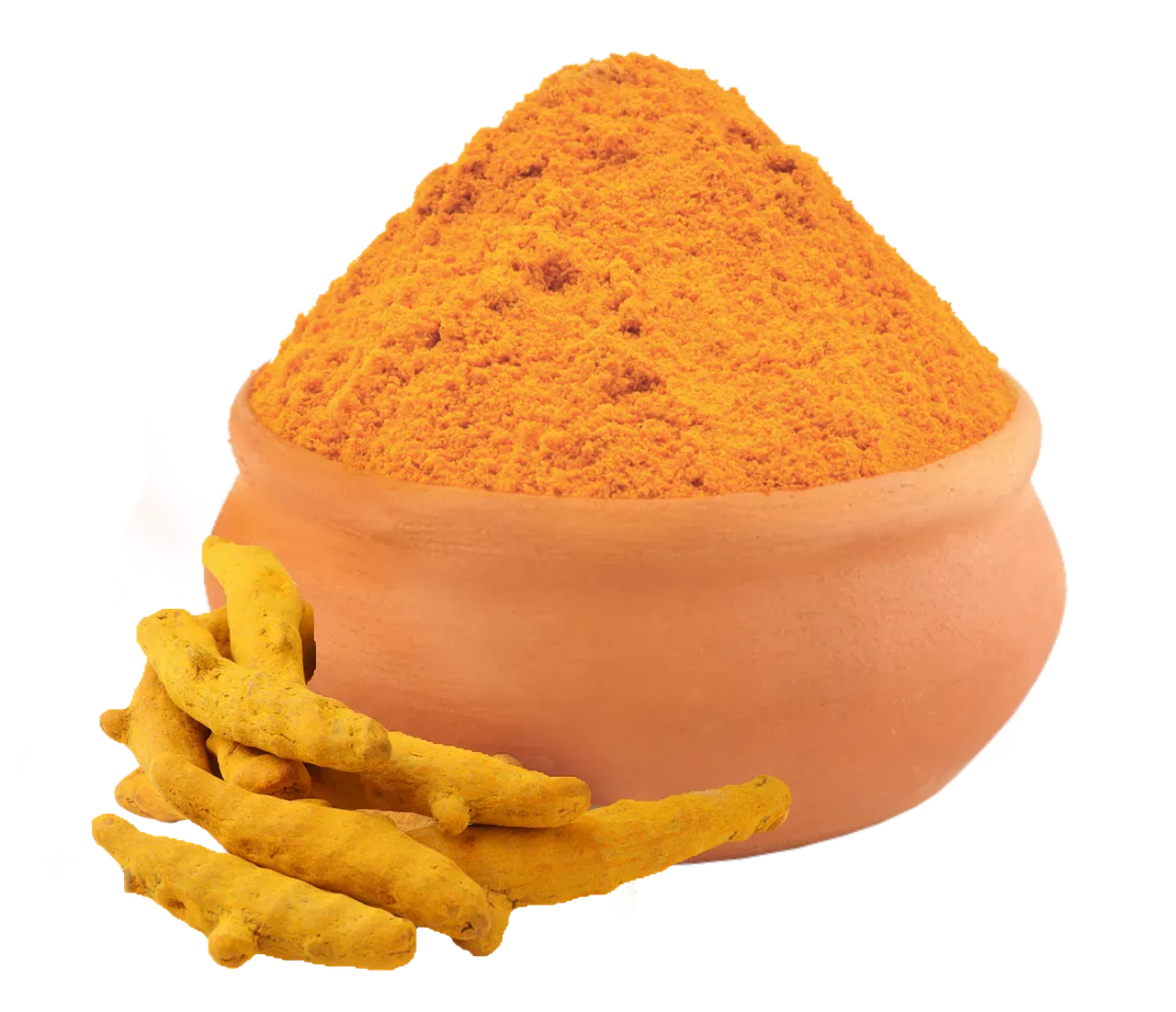
Turmeric has been used in traditional medicine for millennia, and modern research is starting to catch up with that long track record. Turmeric, particularly its active compound curcumin, is recognized for its anti-inflammatory and antioxidant properties, making it a popular supplement for managing dog arthritis. It’s believed to reduce joint inflammation and pain, potentially improving mobility.
The incorporation of curcumin leads to improved outcomes, including improved climbing performance, reduced scores, and decreased levels of TNF-alpha, an inflammatory marker closely linked to joint damage. One important nuance: plain kitchen turmeric spice is low in actual curcumin concentration. To maximize intake, pair turmeric with healthy fats or black pepper (piperine) so the body can effectively absorb the nutrients.
Always consult your vet before adding turmeric or any supplement to your dog’s diet to determine if it’s appropriate and to set a safe dose. Too much turmeric can cause problems such as stomach upset and blood clotting issues. Used correctly and in appropriate amounts, though, it’s a valuable and accessible anti-inflammatory addition to a raw feeding plan.
8. MSM (Methylsulfonylmethane): Sulfur for Cartilage Strength
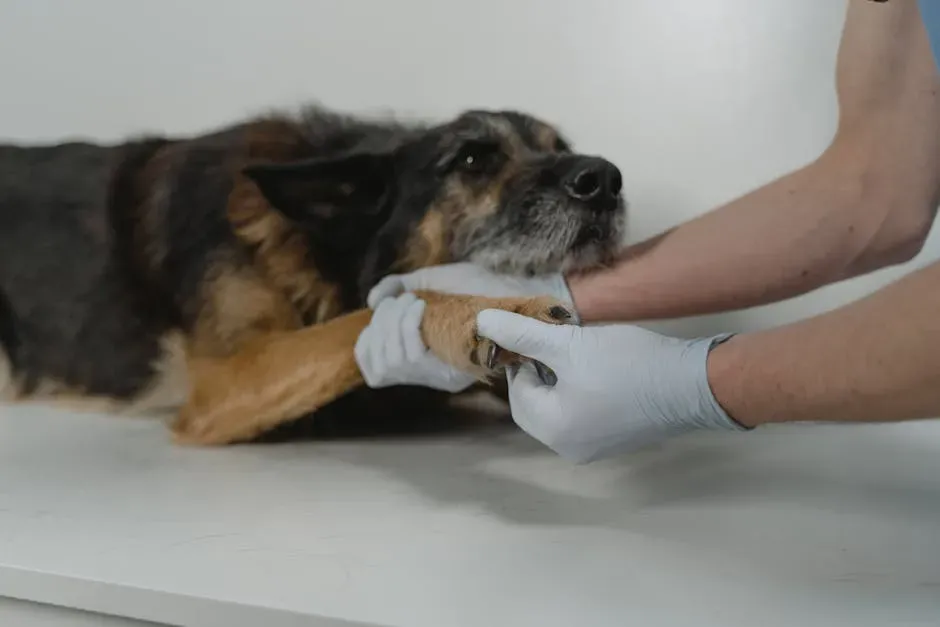
MSM doesn’t get nearly as much attention as glucosamine, but it genuinely deserves a place in the conversation. Methylsulfonylmethane (MSM) provides sulfur that supports joint health, reduces inflammation, and may help ease pain and stiffness. Sulfur is a fundamental building block of cartilage and connective tissue, and many dogs simply don’t get enough through diet alone.
MSM provides your dog with sulfur, a building block for cartilage, an anti-inflammatory, and antioxidant all in one. That’s a compelling combination, especially for dogs with existing joint wear who need support on multiple fronts simultaneously. It’s commonly paired with glucosamine and chondroitin in formulations for this reason.
Methylsulfonylmethane (MSM) is commonly used in dogs as a supplement for joint health. The therapeutic dosage for dogs is about 50 to 100mg of MSM per 20kg of body weight. For raw-fed dogs, MSM is most practical in powder form sprinkled directly over the meal. It’s odorless and tasteless, so even the fussiest eaters tend to accept it without any fuss.
9. Fermented Goat Milk: The Gut-Joint Connection

This one might surprise you, but hear it out. Gut health and joint health are more connected than most people realize. Chronic low-grade inflammation in the gut can amplify systemic inflammation, including in joint tissue. Fermented goat milk is a natural source of probiotics and nutrients that can aid in reducing inflammation and improving joint function.
In a raw diet, your dog gets a variety of vitamins and minerals that support joint and bone health. Zinc, calcium, and magnesium are just a few of the key nutrients they get from raw meaty bones, organ meats, and fresh vegetables. These nutrients don’t just help joints, they boost your dog’s whole skeletal system. They’re essential for maintaining strong bones, healthy ligaments, and muscle tone. Fermented goat milk amplifies this by delivering those nutrients alongside beneficial bacteria that improve overall absorption.
A small amount of raw fermented goat milk added to your dog’s meal a few times a week can make a quiet but meaningful difference. Veterinarians and canine nutritionists recommend introducing supplements gradually. Start with small amounts, monitor your pup’s response, and adjust as needed. This gentle approach helps ensure your dog gets the benefits without any tummy upsets. Watch for changes in stool quality and energy levels. Most dogs adapt well, and many owners notice a subtle but real improvement in coat condition and mobility together.
Putting It All Together: A Practical Approach

You don’t need to add all nine of these at once. In fact, you shouldn’t. Rotating sources will provide the broadest range of valuable nutrients without overwhelming your dog’s digestive system or your grocery budget. Start with one or two of the whole-food options, like chicken feet or raw fish, and layer in others over several weeks.
Watch your dog carefully for behavior cues. If they’re stiff in the mornings, slower on walks, or reluctant to jump up, take note. These can be signs of joint discomfort, and adjusting their diet might be a simple, natural fix. Positive signs to look for include more willingness to play, easier rising from rest, and a generally bouncier gait on walks.
Dogs and breeds who may be susceptible to joint issues should receive extra joint support throughout their lives, and they should be kept lean and fit to reduce stress on joints. For pets suffering from reduced mobility, joint supplementation should be part of a holistic treatment plan. Always loop in your vet when making significant dietary changes, particularly for dogs already diagnosed with joint disease or taking medication.
Conclusion

Joint health isn’t something you address once and forget. It’s a long game, built daily through what goes into your dog’s bowl. The raw additives covered here aren’t exotic or complicated. Most of them are simple, whole foods that dogs have thrived on for generations, and they work because they deliver nutrients in the form a dog’s body is built to use and absorb.
Whether your dog is a young, high-energy breed you want to protect proactively, or a senior already showing signs of stiffness, the principle is the same. Food is medicine when chosen thoughtfully. From glucosamine and collagen to anti-inflammatory omega-3 fatty acids, raw food offers a natural approach to keeping your dog’s joints healthy and strong. By investing in a raw diet, you help your dog maintain an active, pain-free lifestyle well into their senior years.
That wagging tail, bounding out the front door without hesitation, that’s what all of this is really for.


