
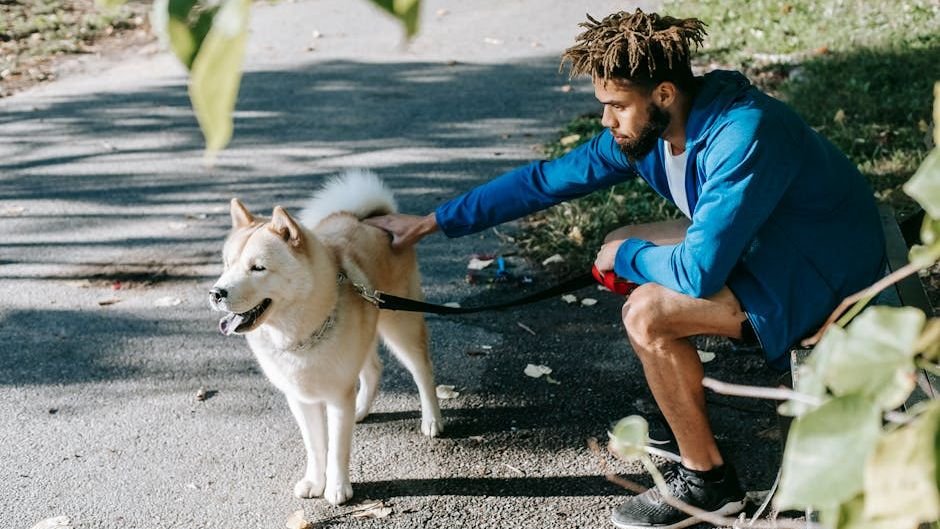
There’s a particular moment most dog owners know well. You walk through the front door after a long, draining day, and before you’ve even set down your keys, you’re greeted like you’ve just returned from a voyage across the sea. Tail going, whole body wiggling, eyes wide with pure joy. Your dog doesn’t know about the difficult meeting you had, the argument you replayed in your head on the drive home, or the email you still haven’t answered. None of it registers. What registers is simply you.
That kind of presence is rare. In a world that often feels noisy, conditional, and transactional, a dog’s love cuts through all of it. It’s not complicated, and it asks very little in return. Understanding where that love comes from, how it shows up in daily life, and how we can genuinely honor it makes the bond between humans and dogs one of the most meaningful relationships we’ll ever have.
The Science Behind Why Dogs Love the Way They Do
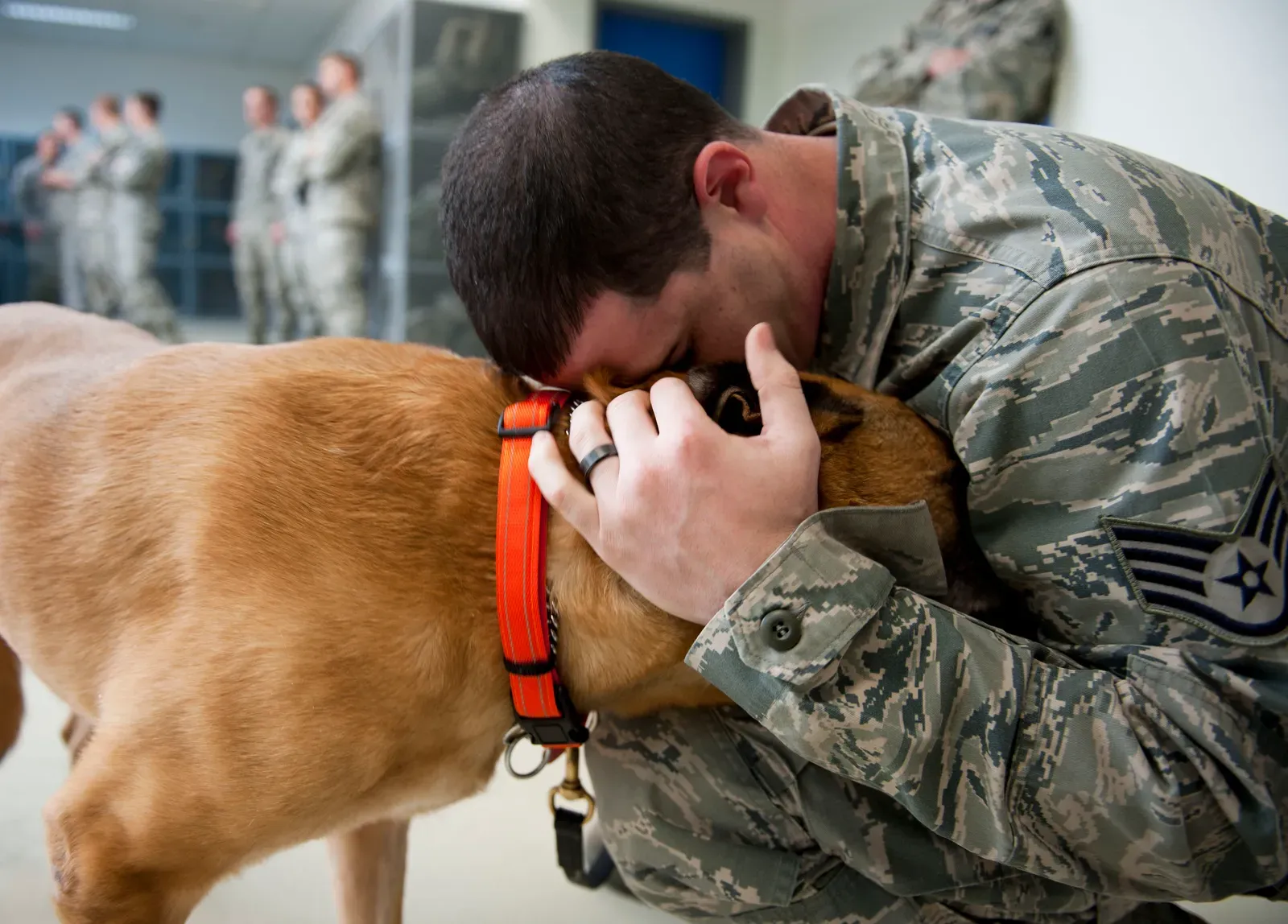
Dogs don’t love us by accident. For over 30,000 years, humans and dogs have shared an extraordinary partnership that evolved from practical working relationships into deep emotional bonds that enrich our lives in countless ways. That’s a long time to get good at something, and dogs have become remarkably skilled at connecting with us.
The primary reason dogs are able to give so much love is that, like humans, they have the ability to release oxytocin when they interact with someone they like. Oxytocin, also known as the “love hormone,” is a chemical that releases in response to activation of sensory nerves. This isn’t just a warm feeling either. In addition to oxytocin, other hormones like endorphins, dopamine, and serotonin rise during positive interactions between dogs and humans, contributing to feelings of happiness, pleasure, and attachment.
The co-evolution of dogs alongside humans has equipped them with an extraordinary ability to read human cues, such as gestures, facial expressions, and tones of voice, allowing them to become highly attuned to our emotions and needs. This isn’t a trained behavior in most cases. It’s wired in. When your dog seems to “just know” how you’re feeling, that’s biology and history working together in a way few other animals can match.
Reading the Signs: How Your Dog Actually Tells You “I Love You”
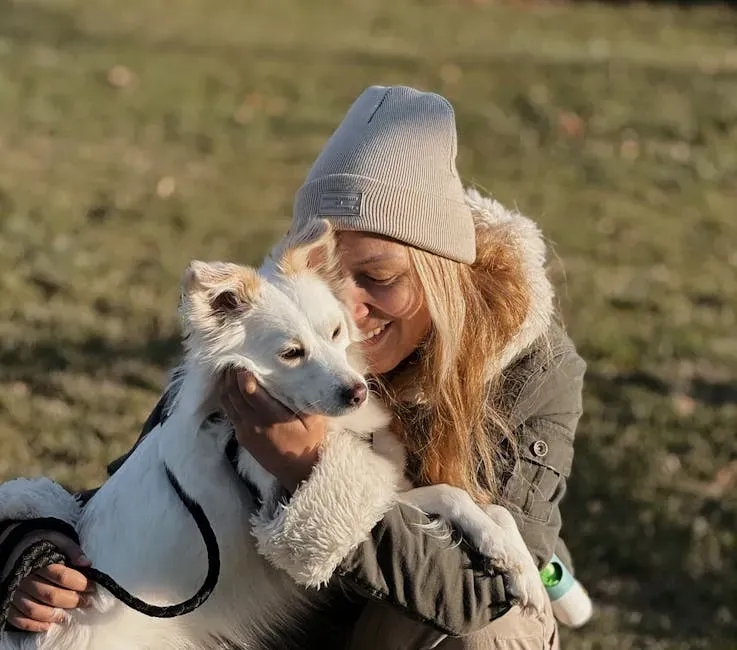
Dogs can’t say the words, but they’re far from silent about their feelings. The bond between dogs and their owners is a special one, and as you build a bond with your dog, you learn to communicate its love language through facial expressions, body language, and signs of affection. Learning to read those signals changes everything.
Studies indicate that when dogs make direct eye contact with their owners, it triggers the release of oxytocin in both the dog and human. This “love hormone” is the same one that bonds mothers to their infants, further affirming the special relationship between humans and their canine companions. A soft, relaxed gaze from your dog is essentially a hug in disguise.
Other signals are just as meaningful. When a dog leans into you or sits on your feet, it’s more than just a sign of affection – it’s a display of trust and connection. Leaning shows they feel safe and seek reassurance, while sitting on your feet is their way of marking you as part of their pack. Dogs sense when you’re depressed or hurting. During these times, they’ll typically snuggle up to you, put their head on you, or stay near. Pay attention to those quiet moments. That’s your dog at their most honest.
What Your Dog’s Love Actually Does for Your Health
The emotional comfort a dog provides isn’t just sentimental. It has measurable effects on physical and mental health. Studies have found that interacting with dogs can decrease stress hormones, lower blood pressure, and increase levels of serotonin and dopamine, neurotransmitters associated with happiness and tranquility. Those are the kinds of changes that matter over a lifetime.
Owning a dog is associated with notable cardiovascular health benefits. Studies show that dog owners experience a 24% decrease in overall mortality and a 31% reduction in cardiovascular-related deaths. That’s not a trivial number. Regular walks, lower resting stress levels, and the simple rhythm of caring for another living being all play a role.
The mental health picture is equally compelling. Dog attachment was associated with reduced depression, anxiety, and overall anxiety and depression symptoms, especially among abuse survivors. These results suggest that strong bonds with pets, especially dogs, may alleviate anxiety and depression, aiding mental health interventions, particularly for vulnerable groups. A 2026 study published in Frontiers in Psychiatry also found that participants visited by therapy dogs experienced the biggest reduction in loneliness levels on average compared to other forms of interaction. Your dog, whether formally trained or not, is doing something similar for you every single day.
Building a Deeper Routine: Daily Habits That Strengthen the Bond

Love, even the unconditional kind, grows stronger with intention. A strong relationship with your dog doesn’t come from grand gestures or perfect training – it’s built quietly, day by day, through trust, consistency, and care. When you strengthen your bond with your dog, you’re creating a foundation of emotional security that supports better behavior, deeper trust, and a happier life together.
Routine matters more than most owners realize. The routines involved in caring for a dog, such as a daily morning walk, may be an integral aspect of the human-dog relationship that helps dog owners experience positive feelings. Multiple participants in one study explained that their dogs had helped them build and maintain a routine, especially for mornings, which informed their well-being in a variety of ways.
Understanding your dog’s body language is one of the most powerful ways to strengthen your bond. Dogs communicate how they feel through their posture, tail movements, ears, eyes, and overall behavior. Learn the difference between a relaxed tail wag and a stiff, alert stance. By recognizing their signs of stress, fear, or excitement, you can respond more appropriately to their needs and better manage potentially stressful situations. Small moments of attentiveness like these are what genuine care looks like in practice.
Honoring the Love: How to Be the Owner Your Dog Deserves

A dog’s love is not something we have to earn, but it is something we have a responsibility to honor. Dogs have an unparalleled ability to love their human companions unconditionally. They don’t judge, hold grudges, or discriminate. Whether you’ve had a good or bad day, your dog will greet you with boundless affection, making every moment spent together a heartwarming experience. That kind of grace deserves our best effort in return.
Practically, that means staying observant. Great owners don’t wait for a cough or watery eyes to check on their dog’s health. They make it a daily habit to check their dog’s body condition. Brushing their coat, checking their teeth, and inspecting their paws should be a regular occurrence. Watch out too for changes in appetite or bathroom habits. Early detection of health changes is one of the most loving things you can do.
It also means respecting your dog’s emotional boundaries. Training your dog using positive reinforcement is not only effective, but it’s also a relationship builder. Rewarding good behavior with treats, praise, or playtime reinforces your bond and creates a safe space for learning. Avoid punishment-based methods, which can damage trust and create confusion or fear. The more you show your dog love, the more likely they are to show it back to you. The relationship is genuinely reciprocal.
Conclusion: What a Dog Reminds Us About What Matters
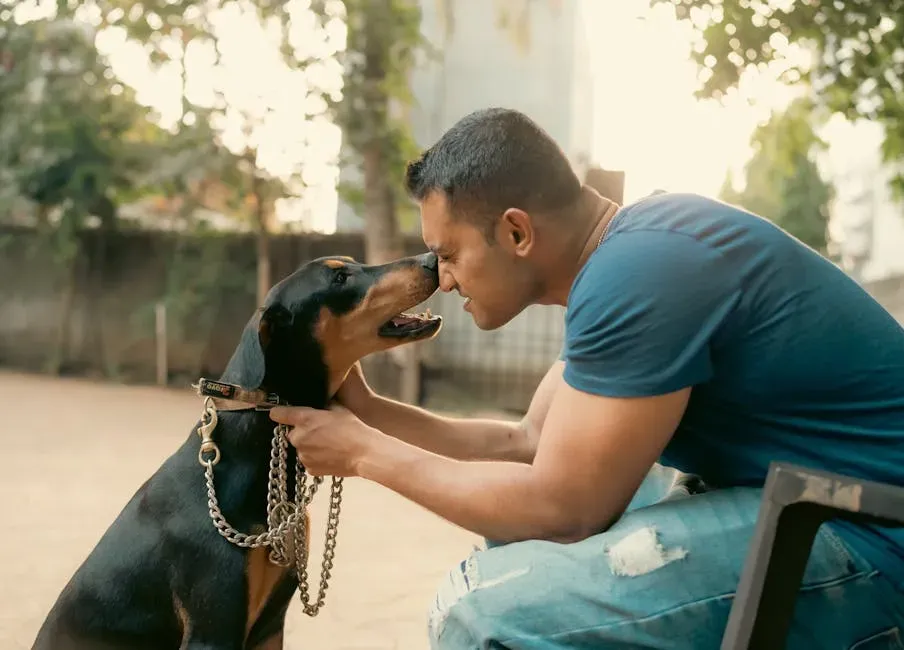
Dogs operate outside the noise that tends to fill modern life. They’re not impressed by status or distracted by their phones. They don’t love you more when things are going well or pull back when you’re struggling. Dogs don’t hold grudges or alter their affection based on their owner’s mood, appearance, or changes in financial status. Their unwavering affection and acceptance, regardless of the circumstances, underscore a form of loyalty that’s both pure and unconditional.
They listen without interrupting, comfort without asking for anything in return, and provide joy in the simplest ways. By improving emotional well-being, reducing stress, and offering companionship, pets prove that love doesn’t always need words. There’s something quietly profound about that.
If you take a moment to look at your dog today, really look, you’ll likely see them already looking back. Not waiting for something. Not wanting for anything. Just there, fully present, fully yours. That kind of love is worth protecting, nurturing, and learning from. In a world that often asks us to move faster and feel less, our dogs gently, persistently remind us to slow down and stay.


