
Picture this: you come home after a long day, open the door, and instead of being bulldozed by a whirlwind of zoomies and chaos, your dog greets you calmly, tail wagging, before curling right back up on their bed. That’s not a fantasy. For most dog owners, it’s what happens when their pup gets what they truly need. Exercise is one of the most powerful things you can do for your dog’s wellbeing, and its impact stretches far beyond a slimmer waistline or tired legs.
Exercise is more than just a way for your dog to burn energy. It’s essential for physical and mental health. When we shortchange our dogs on movement and stimulation, we often see the consequences in the form of chewed furniture, relentless barking, and a house that feels anything but peaceful. The good news is that understanding why exercise matters, and how to do it well, puts you firmly back in control.
Why Exercise Changes Everything for Your Dog
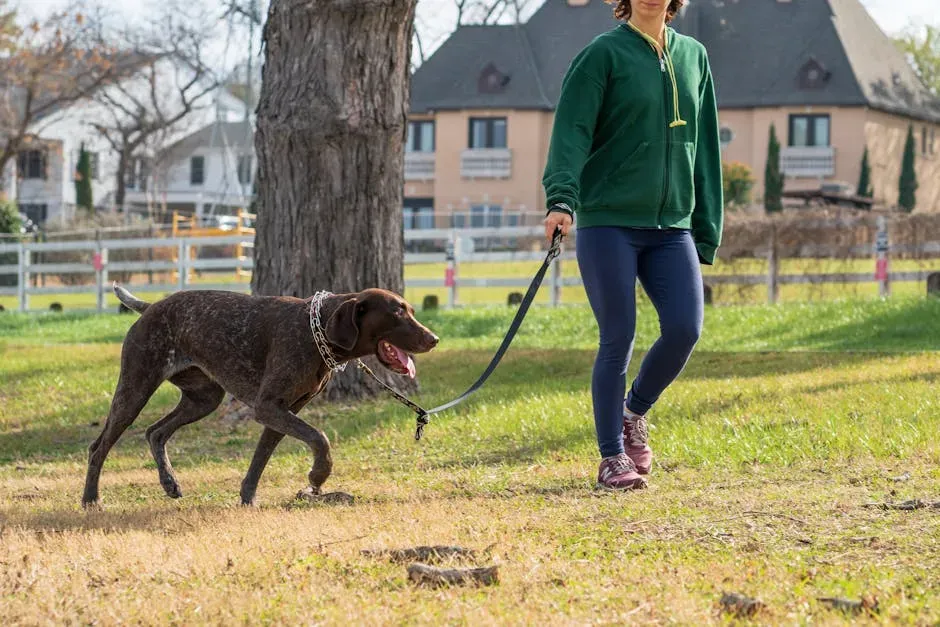
Exercise is equally important for a dog’s mental wellbeing. Physical activity stimulates the release of endorphins, natural chemicals that create feelings of happiness. This “runner’s high” helps reduce stress and anxiety in dogs, calming restless or hyperactive behavior. So when your dog bounces off the walls at 9 PM, it’s not mischief for its own sake. It’s pent-up energy looking for any exit it can find.
A lack of physical activity can lead to restlessness, boredom, and destructive behavior such as chewing or excessive barking. Regular exercise helps burn off excess energy, promote relaxation, and reduce anxiety in dogs. Think of it this way: a dog with nowhere to put its energy is like a pressure cooker with no release valve. Something is going to give eventually.
Dogs that get enough mental and physical stimulation tend to be happier, more obedient, and more focused. That calm, cooperative dog you’ve always wanted isn’t a matter of luck or breed alone. It’s largely a matter of routine.
How Much Exercise Does Your Dog Actually Need?
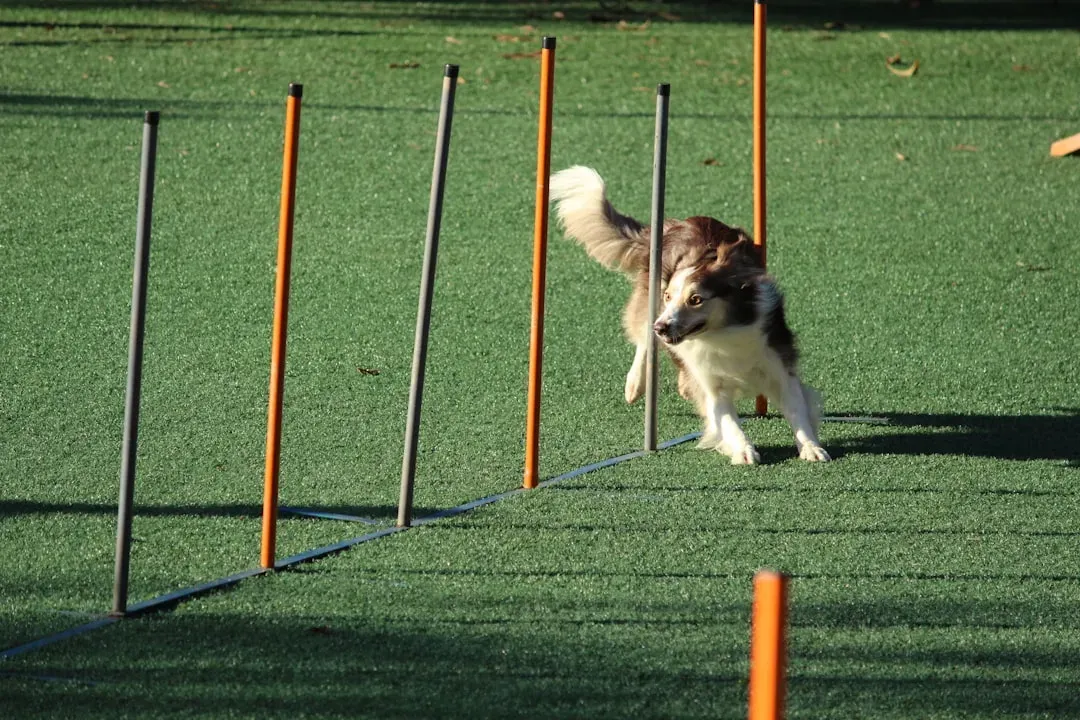
Most vets suggest dogs require between 30 minutes to two hours of exercise per day. That includes anything from walks to fetch, tug, training sessions, swimming, sniffaris, stretching, and even backyard zoomies. The range is wide for a reason. Dogs are not one-size-fits-all creatures.
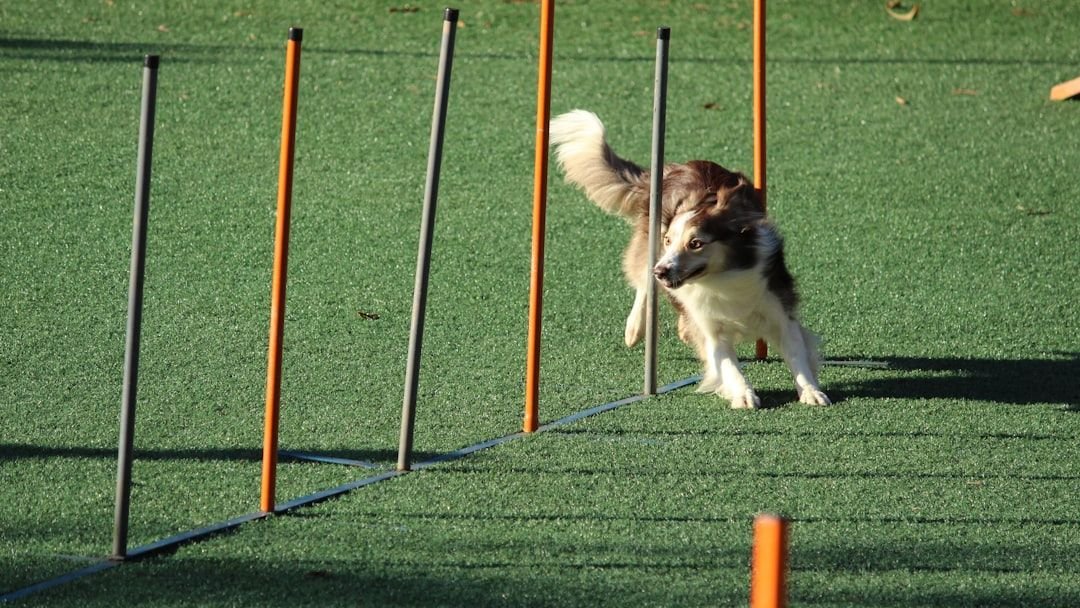
Exercise needs vary by dog, and their breed, age, health, and personality all come into play. Small or low-energy breeds might only need 30 minutes of exercise a day, while other pups could sometimes require two hours or more. A sleepy Basset Hound and a wired Border Collie are not going to thrive on the same routine, and that’s completely fine.
Breeds like Border Collies and Australian Shepherds may need two hours of activity a day, while smaller breeds may thrive with less. If you’re unsure where your dog lands, their behavior at home is often the most honest indicator. Restlessness, destructiveness, and the inability to settle are usually the clearest signs that more movement is needed.
Tailoring Exercise to Your Dog’s Life Stage
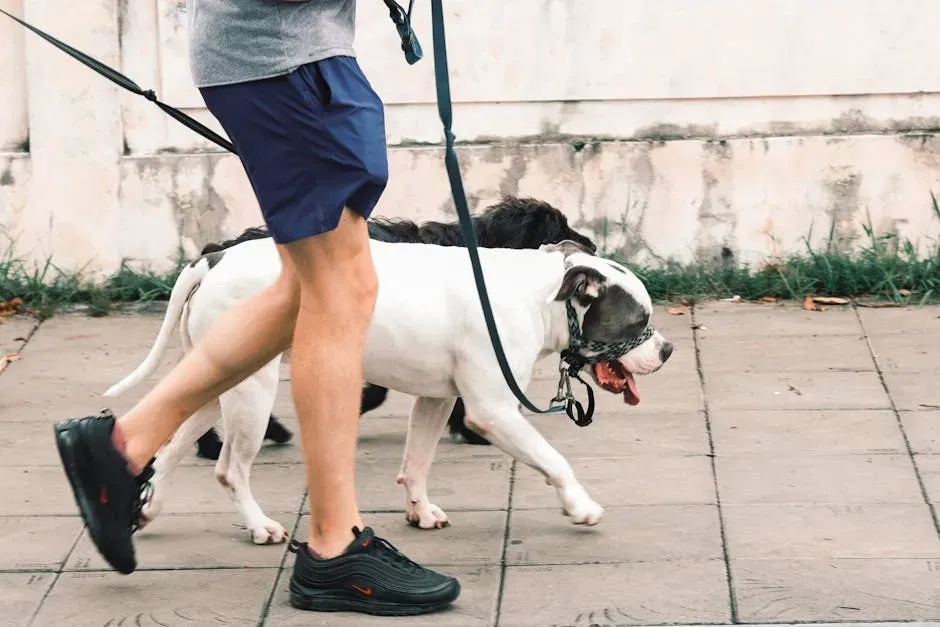
Puppies engage in lots of exercise bursts, usually in the form of play, and they don’t do well with sustained exercise like a long hike or run. Similarly, older dogs may need to burn off energy through short exercise bursts, but they may need it to be walking through knee-deep water versus running through a field. Every life stage comes with its own set of needs, and respecting those makes all the difference.
Puppies need exercise, but it should be gentle and age-appropriate to avoid joint damage. Short play sessions and walks are recommended. For young pups especially, overdoing it carries real risks. Too much exercise can be harmful to your new best friend’s developing mind and body. Wait until your puppy’s bones and joints are fully grown, at around one year old, before making them your running partner. This is especially important for large breed dogs, as too much strain from exercise can damage their delicate cartilage.
Daily exercise is just as important for senior dogs as it is for prime-time adults. In fact, keeping your senior moving can be critical in maintaining quality of life as they move through their golden years. Seniors lose muscle mass, strength, and their sense of balance as they age, and older dogs are at increased risk of weight gain and obesity, arthritis, cancer, heart problems, and neurological degeneration. Exercise is a key element in preventing or slowing the development of these conditions. Slowing down the pace is acceptable; stopping altogether is not.
Mental Stimulation: The Exercise Your Dog’s Brain Is Begging For

Mental challenges can be just as tiring for dogs as physical ones. This is one of those facts that genuinely surprises many dog owners. You can give your dog a solid 45-minute walk and still come home to a dog that’s restless and reactive because their brain hasn’t been engaged.
Sniffing and exploring is a really good way to mentally stimulate a dog. Experts say that 20 minutes of sniffing can be equivalent to an hour’s worth of a walk with regards to enrichment. That’s a remarkable payoff for something that costs you nothing. Letting your dog lead a “sniff walk” at their own pace, nose to the ground, is enrichment in its purest form.
Introducing interactive toys, puzzle feeders, or scent-based games challenges your dog’s brain. Hide-and-seek games, learning new tricks, or even teaching them to identify specific objects can be incredibly rewarding for both of you. Enrichment activities can prevent boredom, reduce destructive behaviors, and keep your pup mentally sharp and happy. Even just rotating their toys weekly keeps things feeling fresh and engaging for a curious mind.
When Your Dog Isn’t Getting Enough: Signs to Watch For

The most common signs of a stress-energy cycle are often mistaken for simple misbehavior: destructive actions like chewing on furniture, digging at doors, or tearing up belongings, excessive vocalization such as constant barking, whining, or howling especially when left alone, and restlessness including pacing, an inability to settle down, or frantic greetings. If any of these sound familiar, try not to take it personally. Your dog is communicating, not misbehaving.
When dogs don’t get enough physical and mental work, that natural energy has nowhere to go and can curdle into anxiety. To a frustrated owner, this surplus energy often looks like a behavior problem, but it’s actually a cry for a more stimulating lifestyle. Recognizing the root cause makes it so much easier to respond with patience rather than frustration.
Daily exercise has been shown in research to ease canine anxiety and other undesirable behaviors. A consistent routine doesn’t need to be elaborate. It just needs to be regular. Even modest, predictable daily movement can shift a dog’s baseline mood and behavior over just a few weeks.
Conclusion: A Tired Dog Is a Content Dog, and a Calmer Home Follows
A well-exercised dog is relaxed at home, maintains a healthy weight, and shows fewer behavior problems. That simple sentence holds a tremendous amount of truth. The dog tearing up your couch cushions and the dog napping contentedly by the fire are often the same dog, just one with unmet needs and one without.
Spending time exercising with your dog, whether it’s going for a walk, a swim, or playing fetch, doesn’t just benefit their physical and mental health. It also strengthens the bond between you and your dog. Dogs thrive on attention and interaction, and regular exercise provides the perfect opportunity to strengthen your relationship. When your dog feels connected to you, they’re more secure and content. That emotional security leads to better behavior and a happier, more relaxed dog overall.
The peace you’re looking for in your home starts with the leash by the door and the puzzle toy on the shelf. It starts with thirty minutes outside, a slow sniff walk, or a few minutes of training before dinner. It’s not always easy to be consistent, but every dog owner who has committed to it will tell you the same thing: it changes everything. Your dog becomes your companion, not your problem, and that’s exactly the relationship you both deserve.


