
15 Everyday Items That Could Be Harming Your Dog (And How to Protect Them)
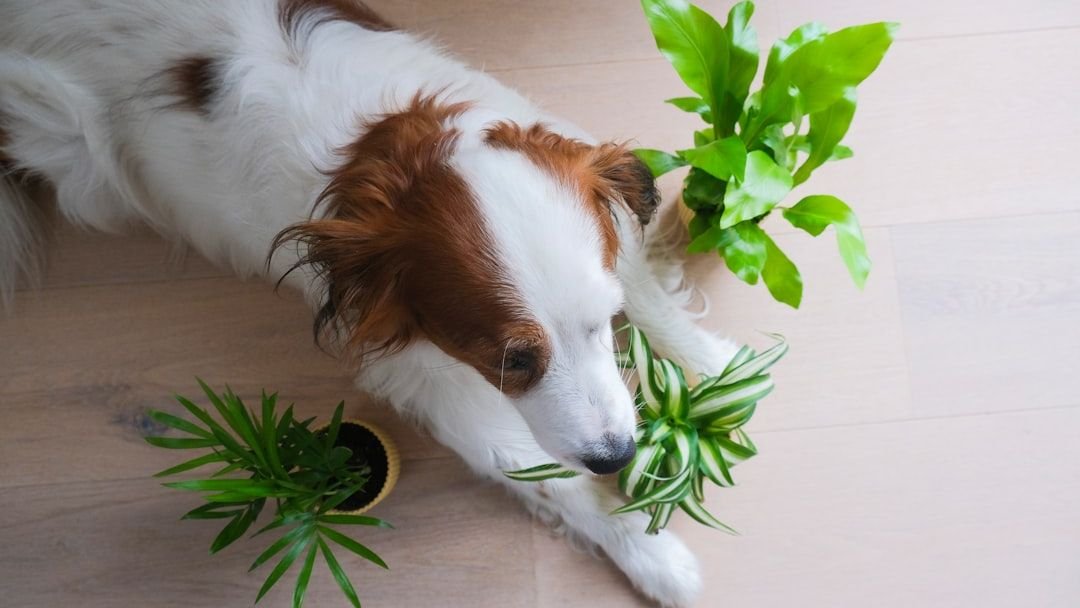
You probably think your home is the safest place in the world for your dog. After all, it’s warm, it’s familiar, and you’re there. But here’s the thing – some of the most dangerous threats to your pup aren’t lurking outside in traffic or in a stranger’s yard. They’re sitting quietly on your kitchen counter, tucked in your laundry basket, or plugged into your living room wall.
Sometimes the biggest risks are hiding in plain sight, among more than 40 common things in your home that could be toxic to your pup. It’s a sobering thought, isn’t it? The good news is that knowing is half the battle. Once you understand what to look for, protecting your dog becomes far less overwhelming. So let’s dive in – some of what follows might genuinely surprise you.
1. Chocolate: The Sweet Temptation That Can Turn Deadly

Let’s be real – most dog owners already know chocolate is bad. Yet emergency vet calls about chocolate ingestion happen every single day, especially around the holidays. The danger is real, and honestly, it’s easy to underestimate just how serious it can get.
Chocolate can be toxic for dogs, even in quite small amounts, due to a chemical called theobromine that dogs cannot tolerate, with symptoms typically showing within a few hours. Dark chocolate, cooking chocolate, and cocoa powder usually contain more theobromine than milk chocolate, making them more dangerous.
Chocolate affects a dog’s nervous system when ingested, and possible symptoms include increased anxiety, vomiting, slowed heart rate, and seizures. Keep all chocolate locked away, and during Halloween and Christmas especially, be extra vigilant about guests leaving candy within your dog’s reach.
2. Grapes and Raisins: Tiny Fruits With a Terrifying Impact

I know it sounds almost unbelievable that something as harmless-looking as a grape could send your dog to the emergency vet. Yet this is one of the most genuinely frightening entries on this list. Even a small handful can be catastrophic.
Grapes and raisins can put dogs at risk of kidney failure, and the exact cause of toxicity is unknown, but it appears that some dogs are much more sensitive to grape toxicity than others. There is no minimal dose for ingestion that won’t have toxic effects on your dog.
Raisins are in many foods we love to eat, such as cakes, biscuits, and cereals, and both grapes and raisins may cause severe liver damage and kidney failure. If consumed, even small amounts can be fatal, so always act immediately and take your dog to the vet. Watch for symptoms like vomiting, lethargy, and reduced urination.
3. Xylitol: The Hidden Sweetener Lurking Everywhere
This one catches people completely off guard. Xylitol is one of those things you’ve probably never thought twice about – until you have a dog. It hides in the most unsuspecting products, and the speed at which it can harm your pup is genuinely shocking.
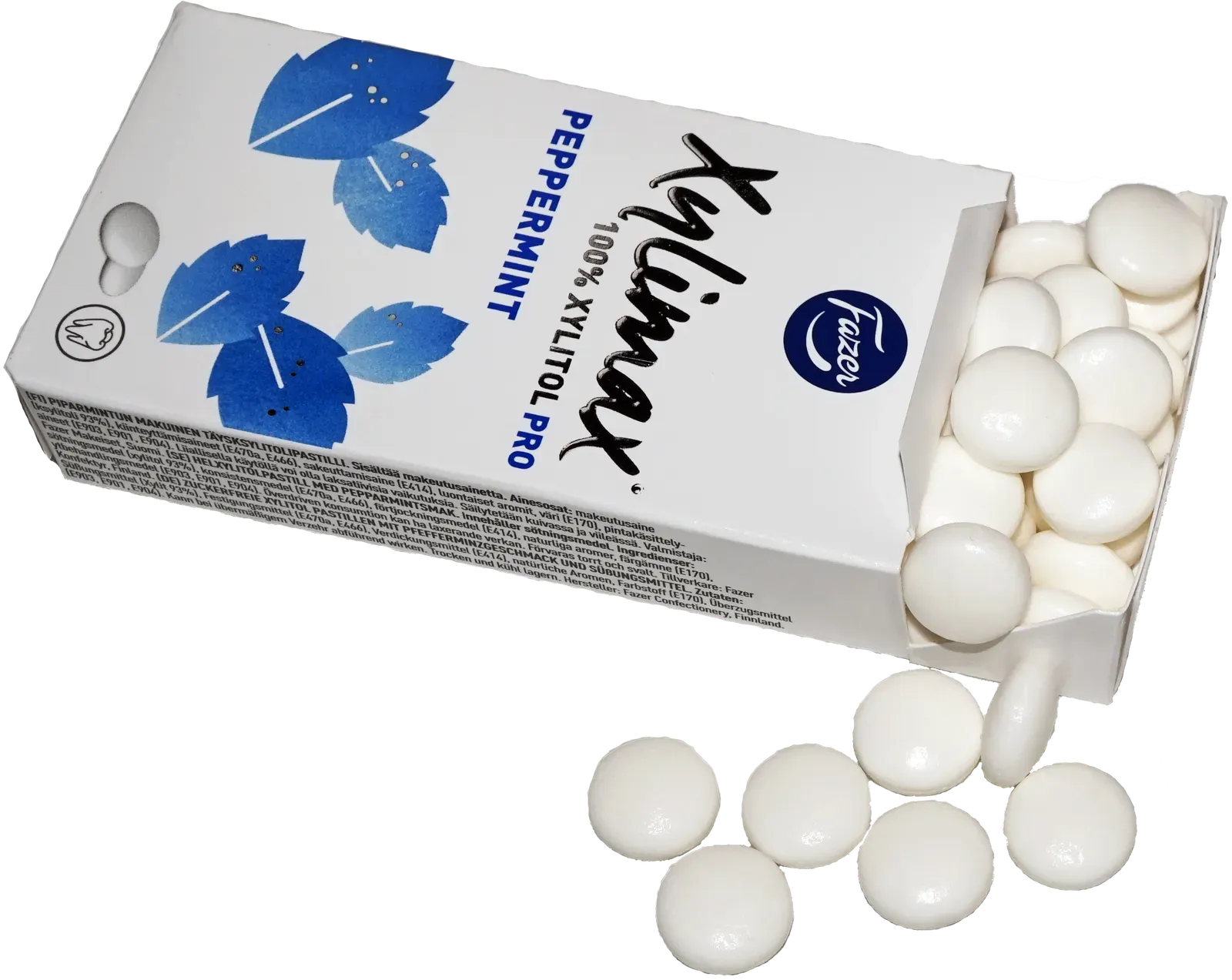
Xylitol is a very dangerous alcohol-based sweetener found in many common household products, including sugar-free chewing gum, mints, candy, cough syrup, mouthwash, and toothpaste. Xylitol can cause low blood sugar and potentially liver damage depending on the amount ingested. Initial signs include vomiting, lethargy, and loss of coordination, which can progress to seizures.
Signs of xylitol poisoning can show within an hour but worsen over a few days. Always read the label on peanut butter before using it as a dog treat, because some peanut butter products contain xylitol, a sugar substitute that can be toxic to dogs.
4. Human Medications: When Your Medicine Cabinet Becomes a Danger Zone

Think about where you keep your ibuprofen. Your nightstand, maybe? Your purse? Your coat pocket? For a curious dog with a great nose, those locations are easy targets. This is one of the most common causes of accidental pet poisoning, and it’s entirely preventable.
Prescription-related pet poisoning has skyrocketed, with pets commonly finding medication in their owner’s purse, bag, pocket, or nightstand, where they mistake bottles or boxes for toys, or loose pills and tablets for treats. Over-the-counter medications like ibuprofen, acetaminophen, cold medicine, and even some herbal remedies can cause serious harm or even death in dogs because their systems metabolize these drugs differently.
Just as you keep pain medication out of the reach of children, it is critical to also keep it away from your dogs. Even a mild pain reliever like Tylenol can cause severe liver damage. Store all medications in closed, ideally lockable containers and never leave loose pills on countertops or bedside tables.
5. Household Cleaning Products: Sparkling Floors, Dangerous Paws
Here’s a scenario that plays out in countless homes: you mop the floor with a strong cleaner, it dries, and your dog trots right across it, then licks their paws. Sounds harmless enough, right? Unfortunately, it’s not. Dogs are far more vulnerable to chemical exposure than we tend to realize.
Cleaning products made with chemicals like bleach, chlorine, and phenols can have a corrosive effect on your dog’s skin, eyes, and lungs. Artificial fragrances like phthalates can irritate your dog’s lungs too. Dogs who walk close to surfaces, lick paws, or explore cleaning containers are especially vulnerable.
Store all cleaning supplies in locked cabinets or on high shelves, and keep pets out of the room while using strong cleaners, ensuring surfaces are fully dry and ventilated before letting them return. When in doubt, switch to pet-safe cleaning products. Your dog will thank you with their tail.
6. Essential Oils and Diffusers: A Calming Ritual With Hidden Risks
Essential oil diffusers have become a staple in so many homes, and honestly, it makes sense. They smell amazing and can feel wonderfully relaxing after a long day. The problem? What soothes you may be silently irritating or even harming your dog.
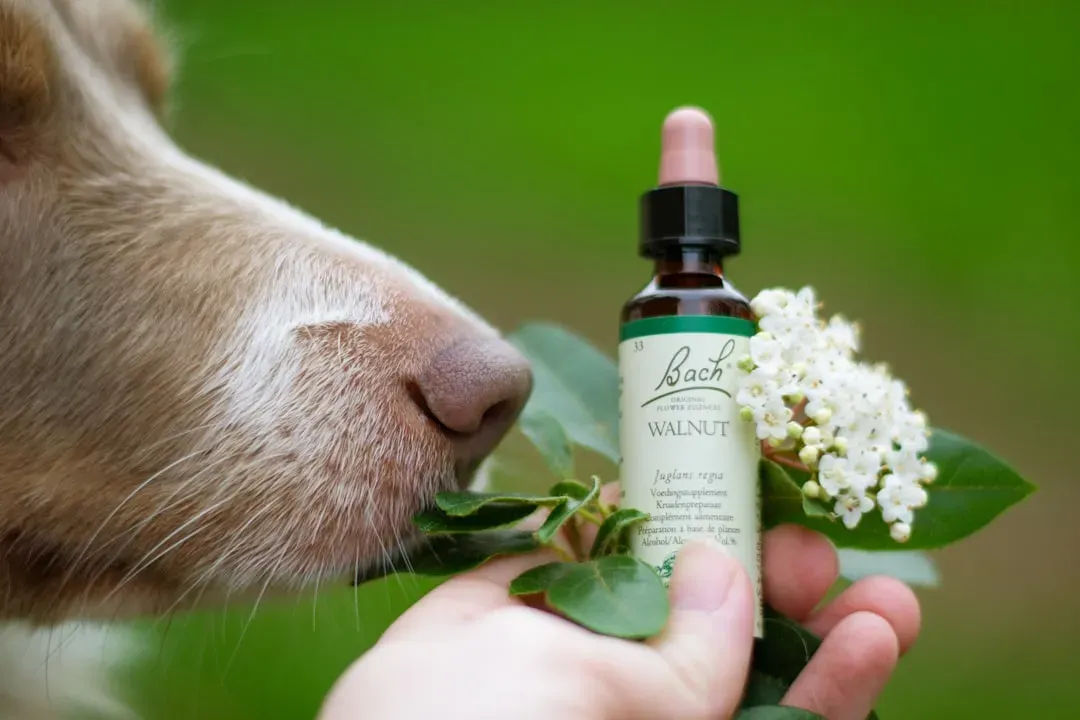
Tea tree, eucalyptus, cinnamon, pine, citrus oils, ylang-ylang, and wintergreen are all toxic to dogs when inhaled or absorbed through the skin. The risk increases with diffusers because they can spread the oils into the air or land on your dog’s fur. Tea tree oil is particularly dangerous, as little as 7 drops of 100% oil can cause severe poisoning.
Early signs of essential oil exposure may include mild drooling, licking at the lips, or slight discomfort. Your dog might show decreased appetite or seem mildly agitated. Some dogs may paw at their face or mouth if they have had direct contact with the oil. If you notice any of these signs, contact your vet immediately and move your dog to fresh air.
7. Onions and Garlic: The Flavor Duo That Poisons From the Inside Out
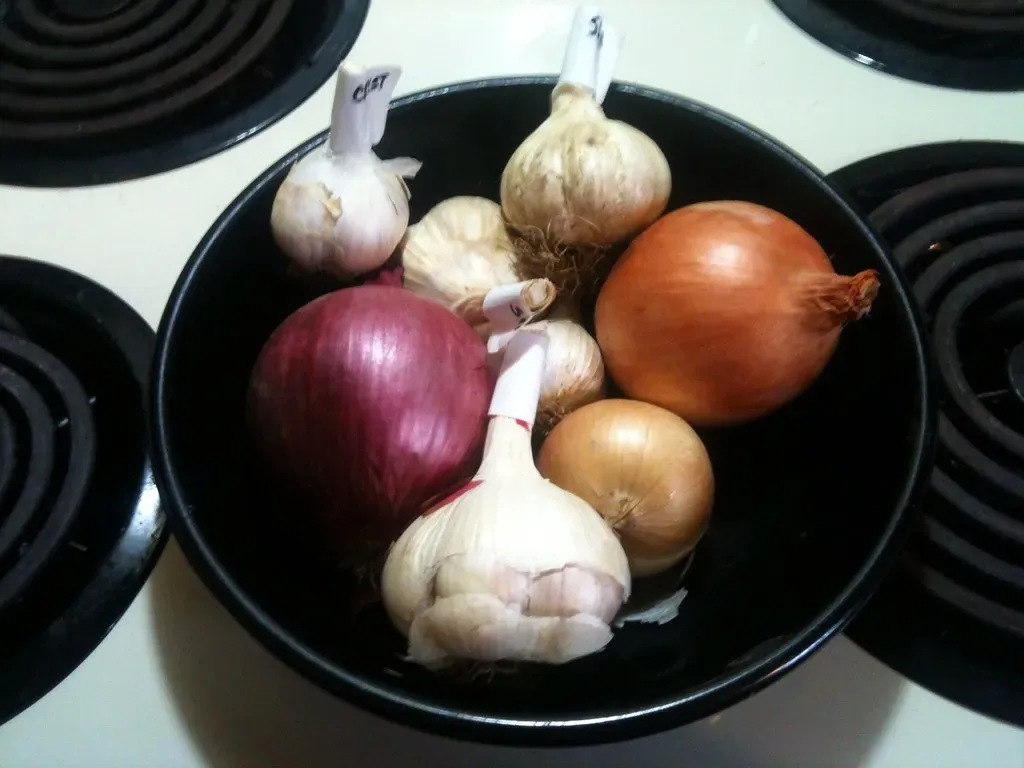
Onions and garlic are in virtually everything we cook. Soups, stews, pasta sauces, stir-fries – they’re practically the base of half the meals in most kitchens. Which makes this particular hazard especially tricky to manage, because the danger isn’t always obvious.
Onions, chives, and garlic contain the toxic chemical thiosulphate, which causes oxidative damage to your dog’s red blood cells. This damage results in haemolytic anaemia, which can present as pale gums and discoloured urine. These flavorful ingredients in all forms, including powdered, raw, and cooked, can damage red blood cells and lead to anaemia.
Signs of onion or garlic toxicity can present over the course of several days, so watch out for key signs in the days following ingestion. This delayed reaction is exactly why so many pet owners miss the connection between what their dog ate and what they’re now experiencing. Be especially cautious about table scraps from heavily seasoned dishes.
8. Raw Bread Dough: A Kitchen Hazard That Bloats and Intoxicates

Picture this: you’re baking on a Sunday afternoon, you pop out of the kitchen for a moment, and your dog helps themselves to a generous portion of that inviting, warm dough on the counter. It seems silly at first. It becomes an emergency fast.
Yeast dough can rise and cause gas to accumulate in your pet’s digestive system. This can be painful and cause the stomach to bloat, and potentially twist, becoming a life-threatening emergency. The yeast also produces alcohol as a by-product in the stomach environment once ingested.
If your dog has eaten bread dough, they may have a distended, swollen stomach, or you may see them retching. Keep unbaked dough well out of reach and never leave rising dough unattended with dogs around. Think of it this way: raw bread dough is essentially a small yeast fermentation lab sitting right in your dog’s stomach.
9. Batteries: Tiny, Seemingly Innocent, and Genuinely Terrifying
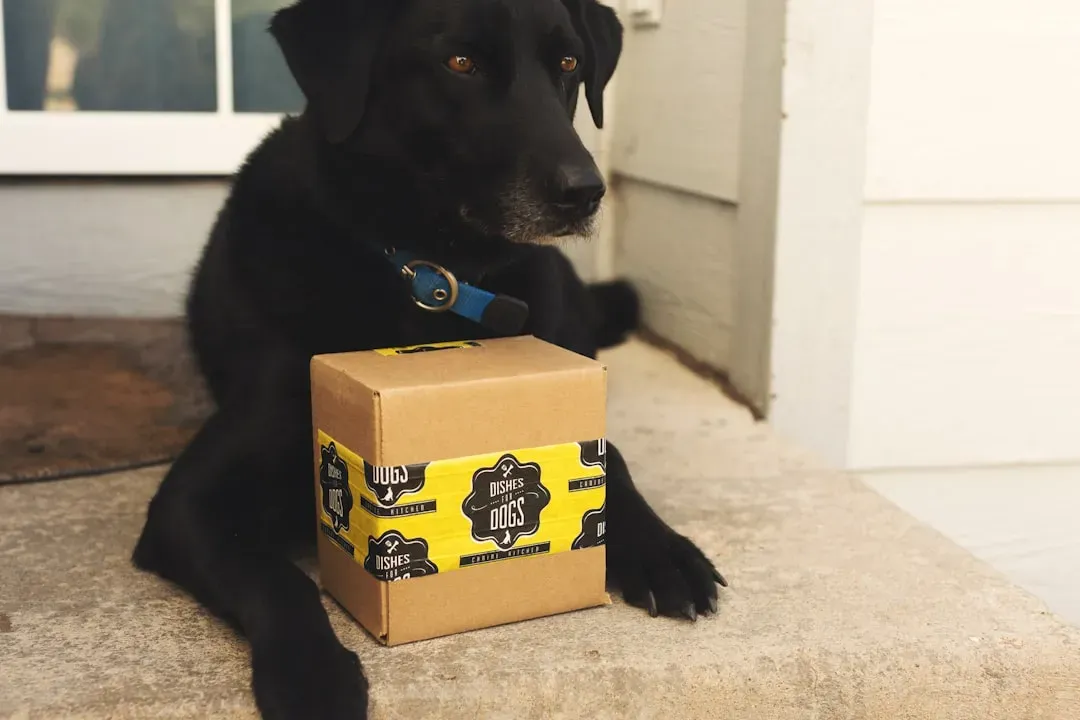
You might be surprised to find batteries on this list. They seem so mundane. But consider how many battery-powered items are lying around your home – remotes, kids’ toys, smoke detectors, flashlights. Dogs, especially puppies, are curious chewers, and batteries are appealing little objects to gnaw on.
Batteries aren’t only a choking hazard but also contain harmful chemicals. These highly corrosive acidic or alkaline chemicals leak out when pets bite or chew on batteries and can lead to serious internal burns. Pets can suffer from painful tissue damage in the oral cavity or anywhere along the digestive tract.
Symptoms of alkaline toxicity include difficulty swallowing, abnormal salivation, noisy breathing if there’s an obstruction, pain in the mouth, throat, or abdomen, vomiting, and lethargy. Keep all batteries, as well as battery-operated appliances and toys, out of your dog’s reach. Especially watch those tiny watch batteries, which are swallowed whole surprisingly often.
10. Electrical Cords: The Chewing Hazard That Can Stop a Heart

Puppies are the biggest offenders here, but even adult dogs with a chewing habit can be at risk. It takes only one moment of unsupervised exploration near a plugged-in cord for things to go horribly wrong. This is not a scare tactic. It’s a very real danger.
Hanging electric cords are an attraction to dogs who like to chew. When an electric cord is plugged into a live outlet and those sharp teeth chew through the outer covering, the live cord can severely burn your dog’s mouth. It can also deliver a shock strong enough to cause heart and lung damage.
Chewed electrical cords can cause major damage including severe burns, electrocution, and death. Use cord organizers, cable covers, or bitter-tasting deterrent sprays on cords. Better yet, make sure all your electrical cords are chew-resistant and secure cabinets or doors with pet locks so your pup can’t accidentally get into something they shouldn’t.
11. Antifreeze: A Sweet and Silent Killer in the Garage

This one is terrifyingly deceptive. Antifreeze smells and tastes appealing to dogs, which is exactly what makes it so incredibly dangerous. A small puddle in the driveway. A drip near the car. That’s all it takes. It’s hard to say for sure how many dogs are lost this way each year, but the number is heartbreaking.
Ethylene glycol, the active ingredient in most antifreeze products, is one of the most potent pet toxins, with as little as one to two tablespoons in dogs enough to cause irreversible kidney damage. Symptoms of antifreeze poisoning include drinking lots of water, urinating large amounts, vomiting, seizures, and eventually kidney failure.
Pet antifreeze poisoning is extremely rapid, and immediate veterinary attention is essential for survival. Treatment must be administered within 8 to 12 hours for dogs, because once kidney damage begins, poisoning is often fatal. Check your driveway regularly for puddles and consider switching to a pet-safe antifreeze product.
12. Dryer Sheets and Laundry Pods: Danger in the Laundry Room
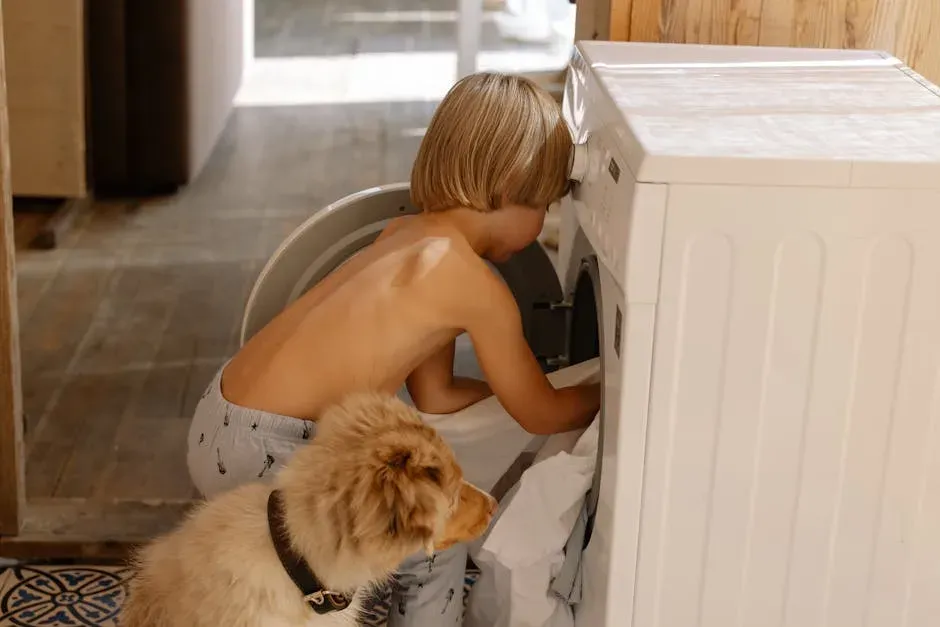
The laundry room seems harmless, doesn’t it? It’s just socks and detergent. Here’s the thing though – that fresh, flowery smell on your dryer sheets is exactly what draws your dog in. And what follows can be a genuinely unpleasant medical situation for them.
Dryer sheets help to disperse static cling by coating fabrics with chemicals, and these chemicals can harm your pet if they chew on or ingest a sheet, even a used one. The fragrant smell that we like so much in our laundry is also appealing to dogs, which means pets can be especially susceptible to poisoning from dryer sheets.
If chewed or swallowed, the detergents in dryer sheets can cause ulcers in the mouth, stomach irritation, or intestinal blockage. Laundry pods are especially dangerous if bitten or punctured. Store laundry supplies securely and keep washer and dryer doors closed at all times. Don’t leave laundry piles on the floor where pets can sample them.
13. Rodent Baits and Insecticides: The Pest Problem That Creates a Bigger Problem
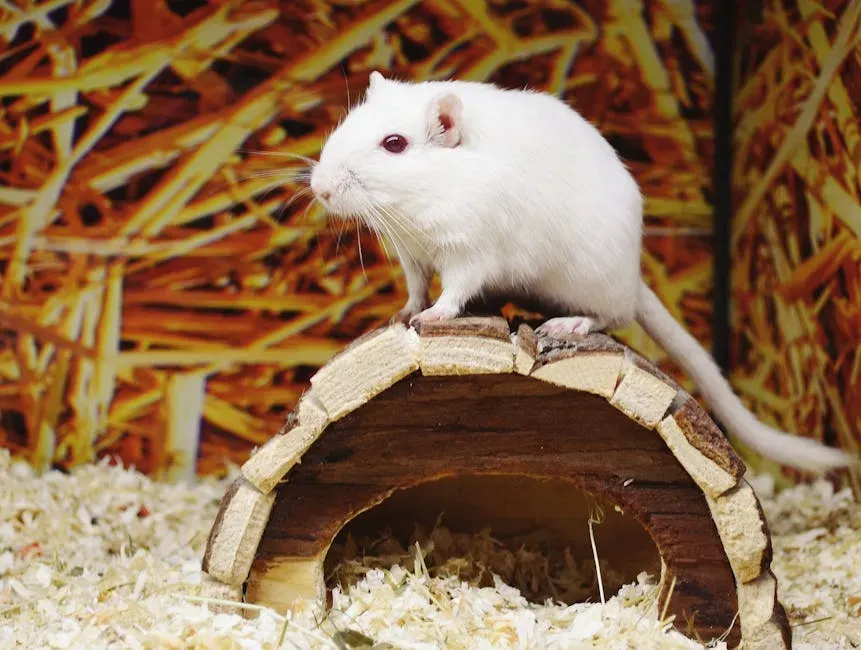
It’s completely understandable that you want to keep mice and insects out of your home. Nobody wants critters in the kitchen. The issue is that the very products designed to eliminate pests are often equally dangerous to the beloved pet you’re trying to protect.
Rat and mouse baits are designed to kill rodents through uncontrollable bleeding, brain swelling, or sudden kidney failure. Unfortunately, these poisonous products affect all mammals, including pets, the same way. Rodent bait is scented and flavored to attract rats and mice, so dogs mistake it for food or treats and consume large quantities.
These products are meant to be fatal to mice and rats, but they can also be dangerous for pets if ingested. Pets can even be exposed by eating a rodent that has eaten the poison. Signs can be delayed, so seek veterinary care immediately if you suspect ingestion. Use tamper-proof bait stations and always place them in areas completely inaccessible to your dog.
14. Toxic Houseplants: When Beautiful Decor Becomes Dangerous
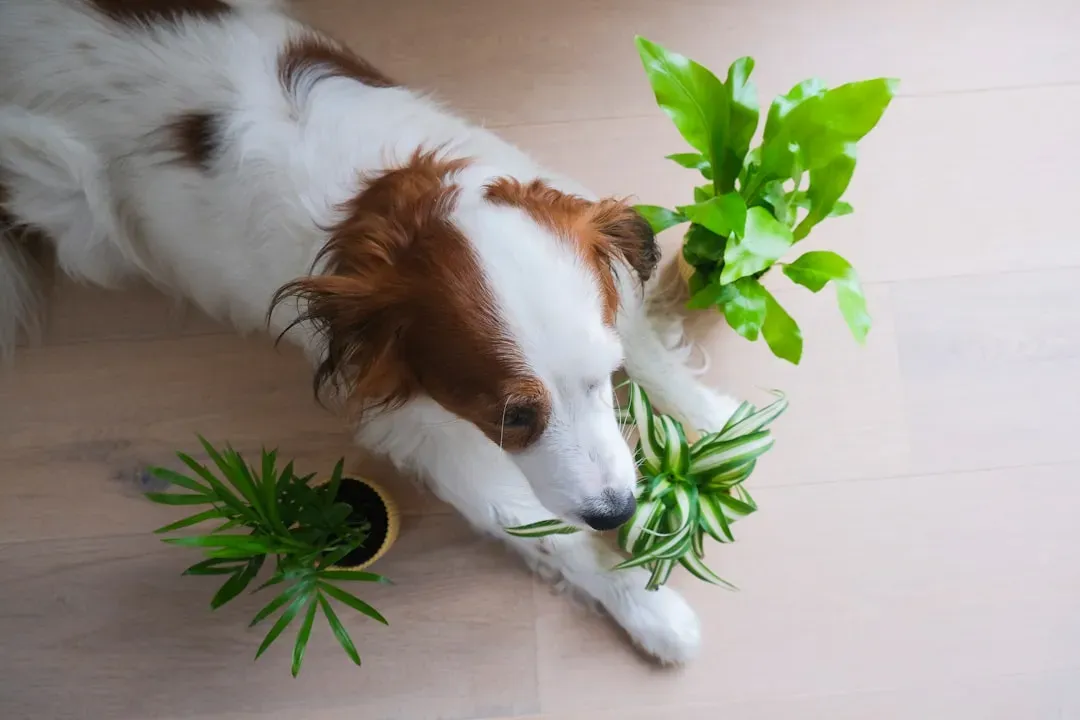
Plants have this lovely way of making a home feel more alive and peaceful. Totally understandable. But if you have a dog who likes to sniff, chew, or dig, some of those gorgeous plants could literally be making them sick. Some are mild offenders, others can be seriously dangerous.
Many of the most beautiful plants contain toxic compounds, which can cause a range of symptoms, from mild drooling or stomach upset to seizures, kidney failure, or death. Blooming beauties like autumn crocus, tulips, daffodils, and lilies of the valley are toxic to dogs. Even more toxic are shrubs like oleander, azalea, and rhododendron.
It’s easy to choose pet-safe houseplants with just a little bit of planning. If you’re not sure if a houseplant is safe, keep it out of reach, since dogs can be tempted to nibble on leaves or stems. A good rule of thumb: before bringing any new plant home, check the ASPCA’s toxic and non-toxic plant database. It takes two minutes and could save your dog’s life.
15. Macadamia Nuts: The Snack That Should Never Be Shared

You’re snacking on macadamia nut cookies and your dog gives you that irresistible look. Before you cave to those puppy eyes, know this: macadamia nuts are among the most toxic foods for dogs, and a surprisingly small amount can cause serious symptoms within just hours.
Macadamia nuts are one of the most poisonous foods for dogs. They can cause vomiting, increased body temperature, inability to walk, and lethargy. Even worse, they can affect the nervous system. Initial symptoms may show within 3 to 6 hours, with severe signs developing within 12 hours. Since macadamia nuts are high in fat, they can also lead to pancreatitis in dogs.
It is unknown what component of the nut is toxic, but even a small number of macadamia nuts can result in weakness, vomiting, tremors, depression, and elevated body temperature in dogs. Keep all nut dishes, trail mixes, baked goods, and granola bars containing macadamia nuts completely out of paw’s reach. When guests visit, let them know too – a well-meaning snack share from someone who didn’t know can lead to a very stressful vet visit.
What to Do in an Emergency

You’ve now got the knowledge. Let’s make sure you’re also prepared for the what-if moments, because even the most careful, devoted dog parent can experience an accidental ingestion. Speed matters enormously in these situations.
If your dog eats something harmful, call your vet or the Pet Poison Helpline immediately and don’t try to treat it at home. Keep the number of your local vet, the closest emergency clinic, and the ASPCA Animal Poison Control Center at (888) 426-4435 somewhere you can easily find it.
If you know or suspect your pet ingested something dangerous, bring the item or its packaging to your vet, because timing matters for treatment. Don’t wait to see if symptoms develop. When it comes to toxins, earlier is always better. Your instincts as a dog parent are an incredible tool. Trust them.
Conclusion: Your Home, Your Dog, Your Responsibility
Caring for a dog is one of life’s most rewarding experiences – and also one of its most serious responsibilities. The great thing is, you don’t need to live in fear or wrap your entire home in bubble wrap. You just need awareness. Honest, practical, life-saving awareness.
Going through this list, you might have already spotted two or three things in your own home that need a second look. Maybe that macadamia nut bowl on the coffee table. Maybe the essential oil diffuser in the bedroom. Maybe those laundry pods in the unlocked cabinet under the sink. Small changes in your daily habits can make an enormous difference to your dog’s safety and longevity.
Your dog trusts you completely. They have no way to know what’s dangerous and what’s not – they rely entirely on the world you create for them. Preventing exposure is the key to reducing the incidence of poisoning episodes, making it important to increase the knowledge of pet owners regarding items that must not be fed to dogs or stored within their reach. You’ve got this. Now go take a look around your home with fresh, informed eyes.
Which item on this list surprised you the most? Share your thoughts in the comments – your experience might help another dog parent protect their best friend.