
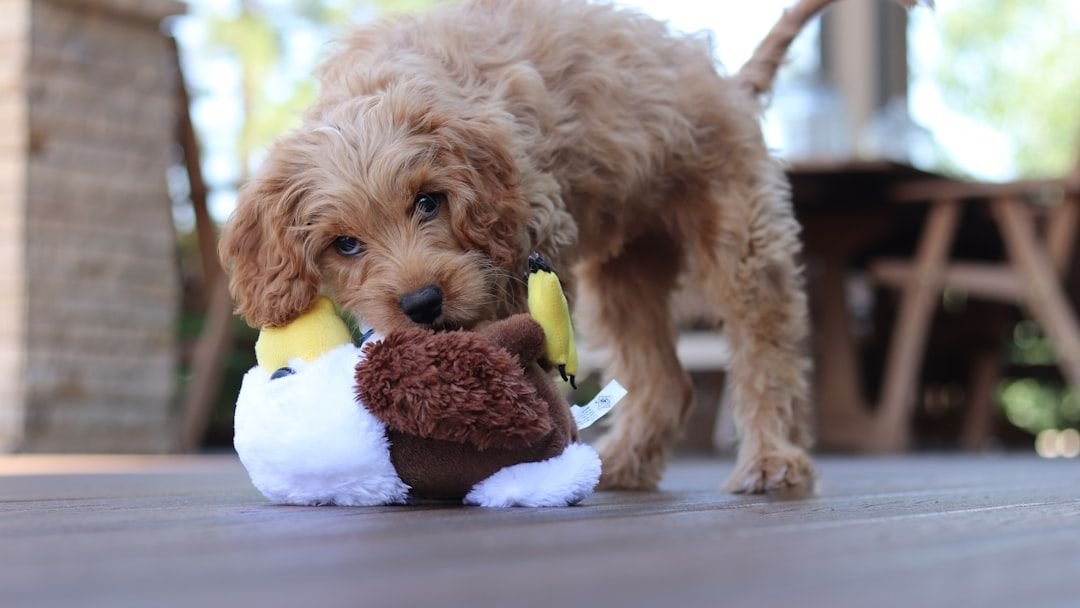
There is truly nothing quite like the moment your dog first walks through your front door. The excitement, the happy chaos, maybe a little nervous energy, maybe a lot. You’re smiling so wide your cheeks hurt, and your new furry companion is sniffing literally everything. It’s beautiful. It’s overwhelming. It’s one of the best things that will ever happen to you.
Here’s the thing though: that magical first week can quickly become stressful if you’re not prepared. The right gear doesn’t just make your life easier. It makes your dog feel safer, calmer, and truly at home. So before the tail wags start, let’s make sure you have everything in place. Let’s dive in.
1. A Comfortable, Correctly Sized Crate
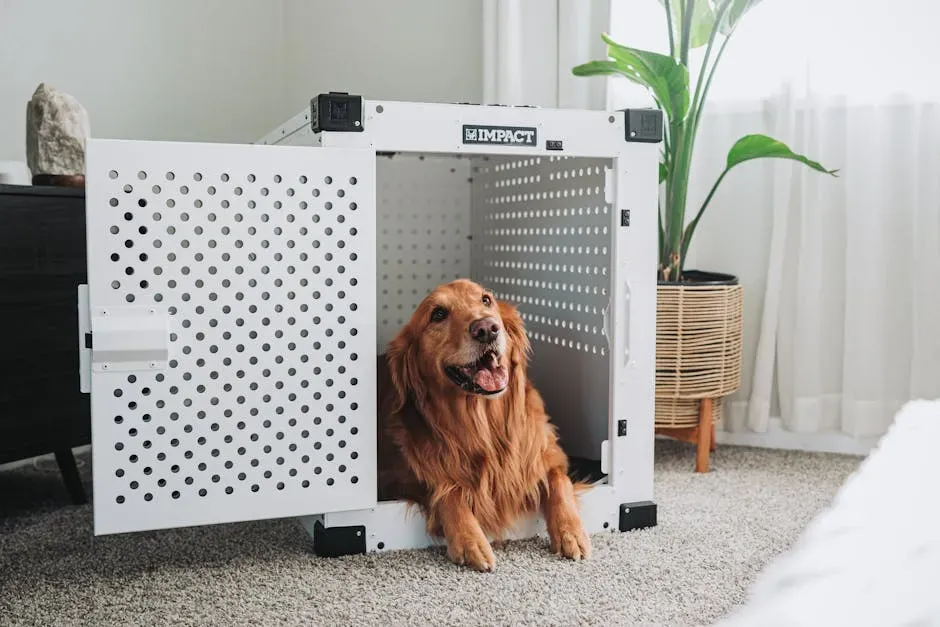
I know what you might be thinking. A crate feels a little like putting your pup in a cage, right? Honestly, it’s quite the opposite. Many novice dog owners balk at the idea of a crate, but from the dog’s point of view, the confined space is like a cozy den. Dogs and puppies like to have a place where they can curl up in security and privacy.
A crate must be big enough so that your dog can easily stand up and turn around. If you have a puppy, invest in a crate divider to make the enclosure smaller, as this will help when you begin the housetraining process. If the crate is too large, your pup may claim one section as a sleeping area and use the excess space as a potty area. Think of the divider as a little room that grows with your dog.
2. High-Quality, Age-Appropriate Dog Food
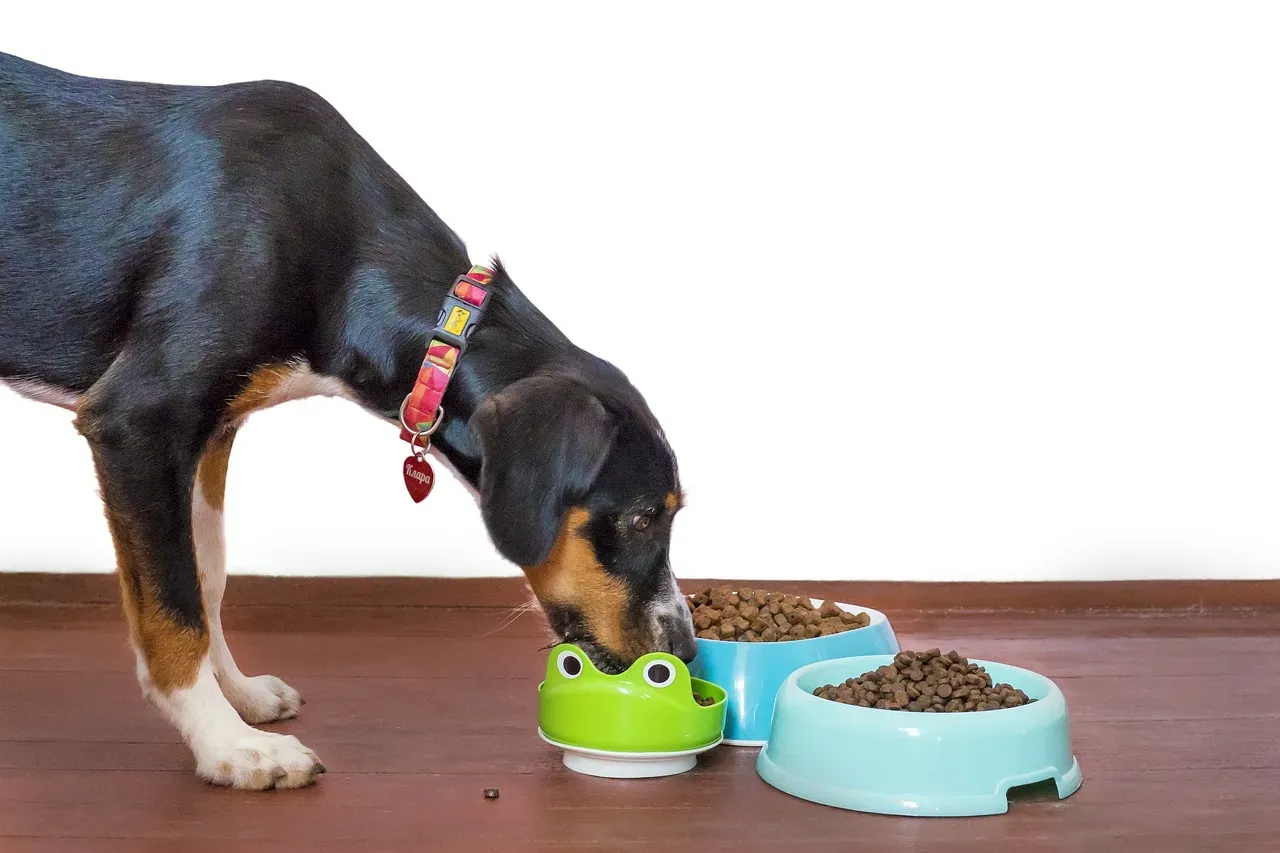
The best thing to do is to continue what your dog is currently eating and transition to what you plan to feed them by slowly mixing in the new food, adding more until you wean out the old food. This can prevent tummy troubles in an already stressful time. Your dog’s gut is sensitive, especially in those first few days.
Because puppies have different nutritional needs than full-grown dogs, you’ll want to buy puppy food specifically formulated for young dogs. Small-breed puppies need calorie-dense food with smaller kibble, while large-breed puppies need controlled calcium and phosphorus levels for an optimal growth rate. When in doubt, always ask your vet. They know your pup’s specific needs best.
3. Sturdy Food and Water Bowls
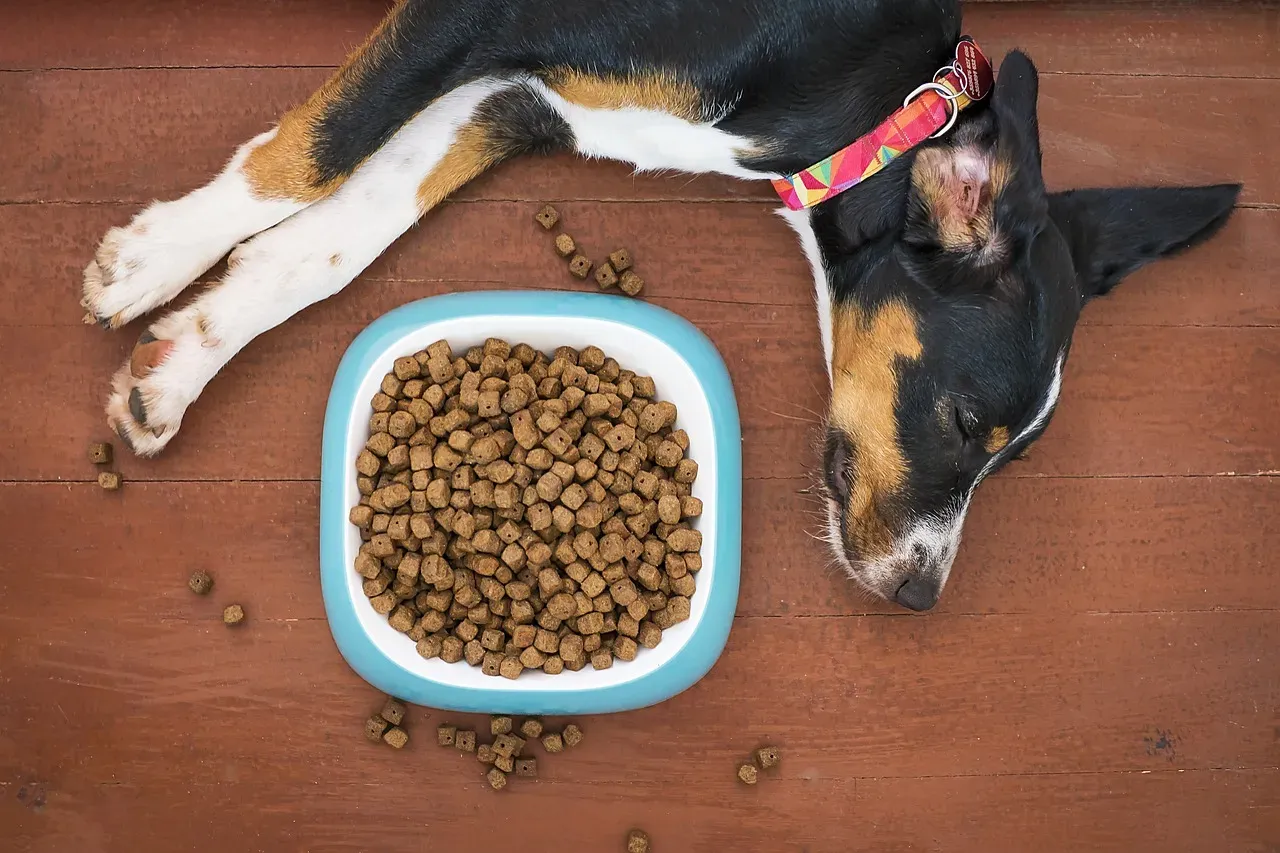
Your dog requires two sturdy bowls: one for food and one for water. Although ceramic ones may be decorative, they are breakable, so look for sturdy plastic or stainless steel bowls. Keep in mind that plastic is chewable, can harbor bacteria, and is a little harder to clean than stainless steel. Stainless steel is, honestly, the clear winner here.
All puppies need food and water dishes, and some may benefit from special dog bowls that accommodate their size, eating style, or even medical needs. In addition to standard dog dishes, you’ll also find elevated dog bowls, travel bowls, and slow feeders. A slow feeder is a game-changer if your dog tends to inhale meals in three seconds flat, which more dogs do than you’d think.
4. A Well-Fitted Collar, Harness, and Leash
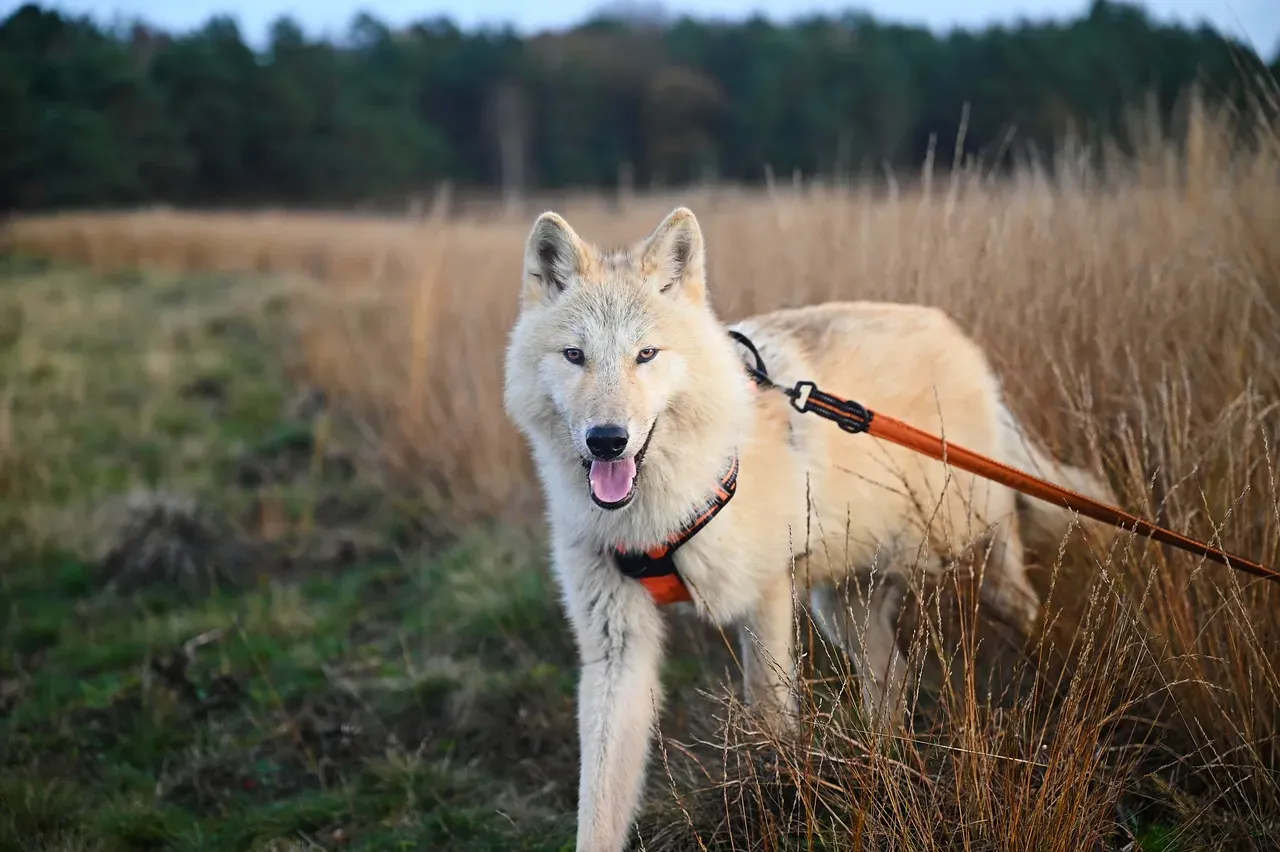
Check the collar’s fit frequently, especially while your dog is growing, and readjust or replace it when it no longer fits. You should be able to insert two fingers between the collar and your dog’s neck. Tighter than that is too tight for comfort and safety, and a collar that hangs looser than that can get caught on things and trap or strangle your dog.
A front-clip harness encourages better walking and reduces neck pulling. It helps to have both a 6-foot training leash and a long line of around 20 to 30 feet for recall and safe exercise. Extendable leashes often end up causing more trouble than they maintain safety, so experts recommend a fixed length leash. Keep it simple, keep it safe.
5. An ID Tag and Microchip
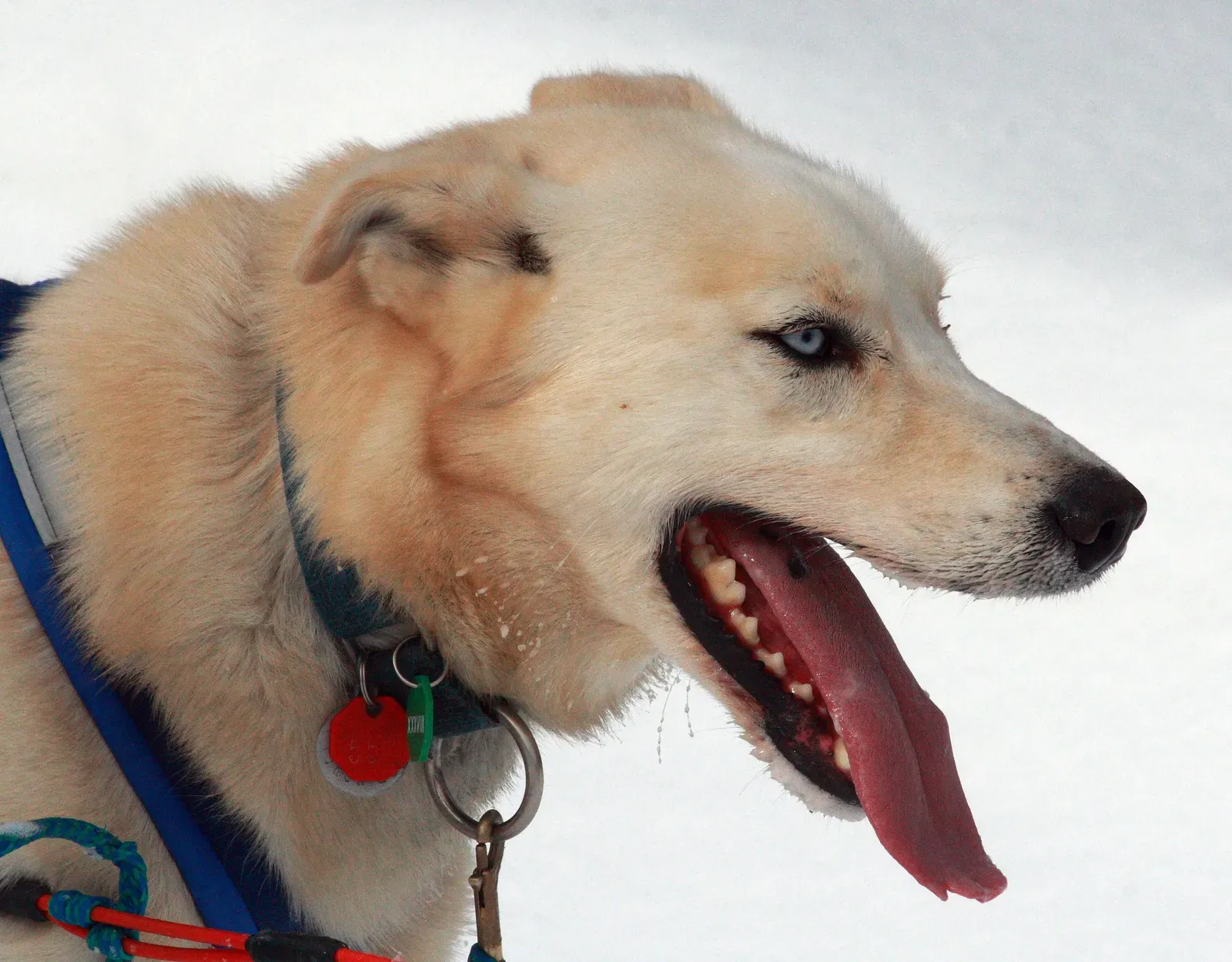
Uploaded by Smooth_O, CC BY 2.0)
A visible ID will help others recognize your dog right away if she gets lost, and it will also make traveling with your canine easier. It takes about two minutes to get an ID tag made, and it could genuinely save your dog’s life one day. Don’t skip this one.
Microchips provide permanent identification that cannot be lost or removed. About the size of a grain of rice, they’re implanted under the skin between your dog’s shoulder blades during a quick veterinary procedure. The key is keeping your contact information current in the microchip database. Nearly 40% of microchipped pets have outdated information, rendering this safety tool useless when it matters most. Update that info the moment you bring your dog home.
6. A Cozy Dog Bed
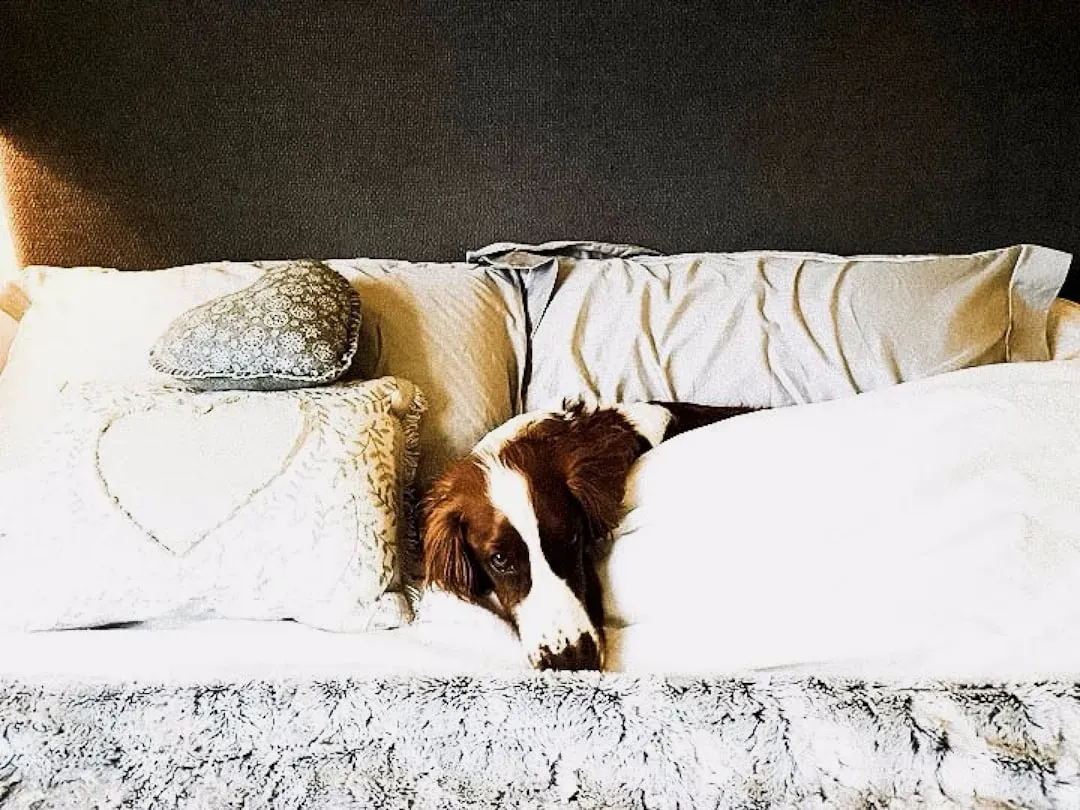
Dog beds come in a variety of shapes and sizes to suit different dog preferences and needs. The design of the bed you choose will depend on your dog’s preferences and intended use. For example, if your puppy likes to curl up, a round doughnut-style bed might be a good option. It’s a bit like choosing a mattress for yourself; it takes some trial and error.
Make your dog feel at ease with a few comfort items. A soft blanket, a cozy bed, and familiar toys can help ease their anxiety during the adjustment period. If you’re adopting an adult dog, find some items that smell familiar to them, like a blanket from their previous home or shelter. That scent of familiarity is incredibly soothing for a dog navigating a brand new world.
7. Toys for Play and Mental Stimulation
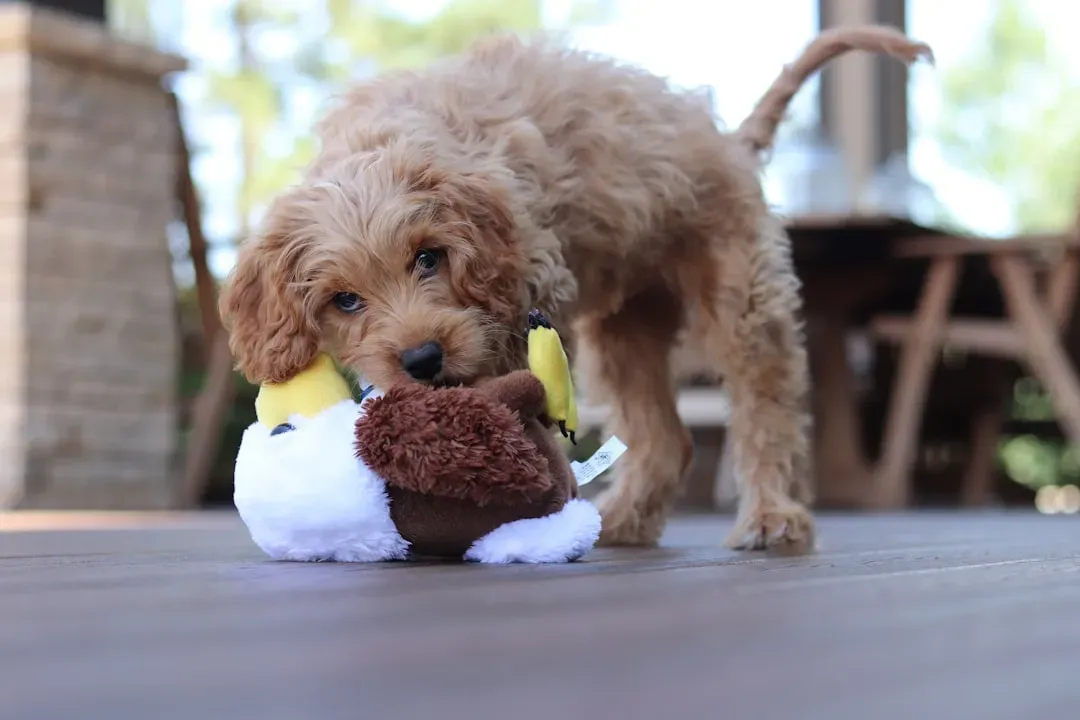
Mental activities such as puzzle toys and training exercises are necessities for puppies to help keep their mind sharp and engaged. Physical activities like playtime and short walks will help burn off excess energy and promote physical health. A balanced combination of these activities contributes to a happier and healthier pup and helps create a strong bond between you and them.
Puzzle or treat-dispensing toys promote mental stimulation and keep puppies occupied. Think of it like this: a bored dog is basically a toddler with nothing to do and access to your entire living room. Rotating toys keeps puppies engaged, and puzzle toys reduce behavior issues. Switch them out every few days and watch your pup react like they just unwrapped a birthday gift.
8. Grooming Supplies Suited to Your Dog’s Coat
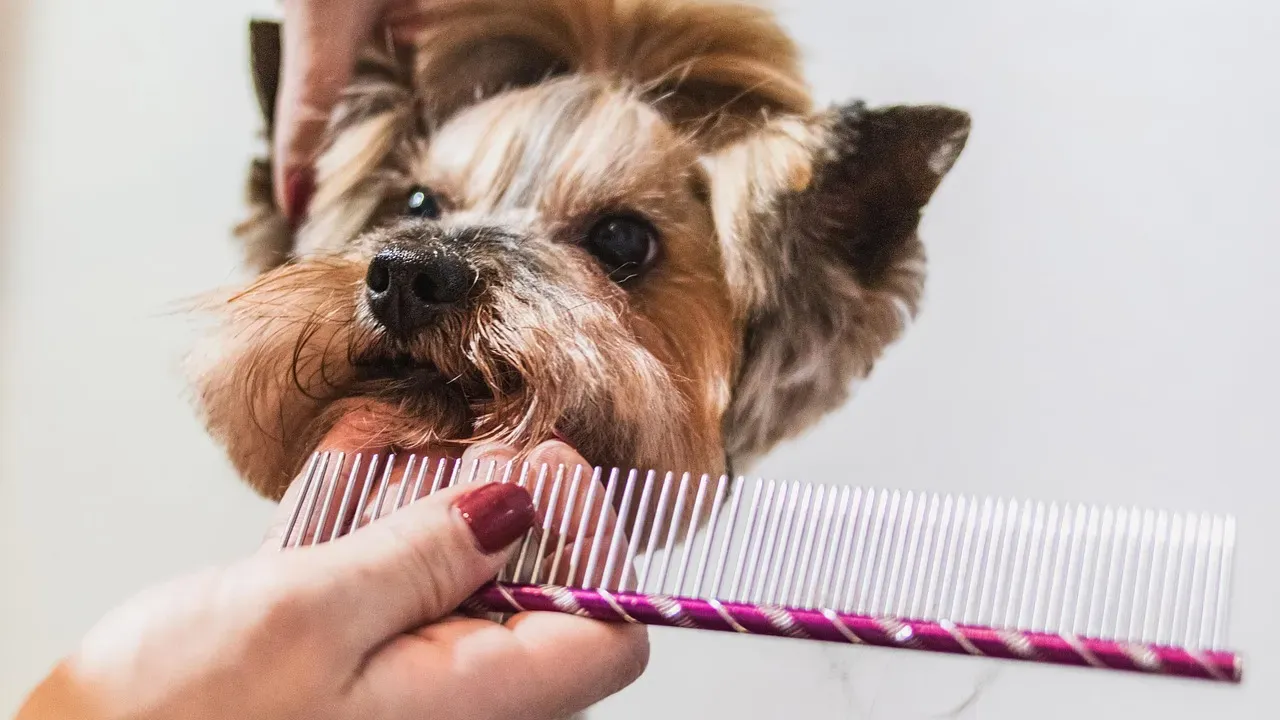
Even if your puppy isn’t a heavy shedder, regular brushing is a must. Choosing the right puppy brush comes down to your pup’s coat type and length. Rubber curry or bristle brushes work wonders on short-haired breeds, while slicker brushes are perfect for medium to long fur. Getting this right from day one makes grooming a bonding experience instead of a battle.
A weekly tooth-brushing session may seem like a weird thing to do for a dog, but it will help prevent dental disease. If you start a weekly session when they’re a puppy, they become accustomed to the experience, and you’ll be able to continue into their adulthood. Dental disease can lead to bad breath, bleeding gums, loss of appetite, pain, and expensive dog teeth cleanings. Start early, make it gentle, and your future self will thank you.
9. Potty Training Supplies and an Enzymatic Cleaner
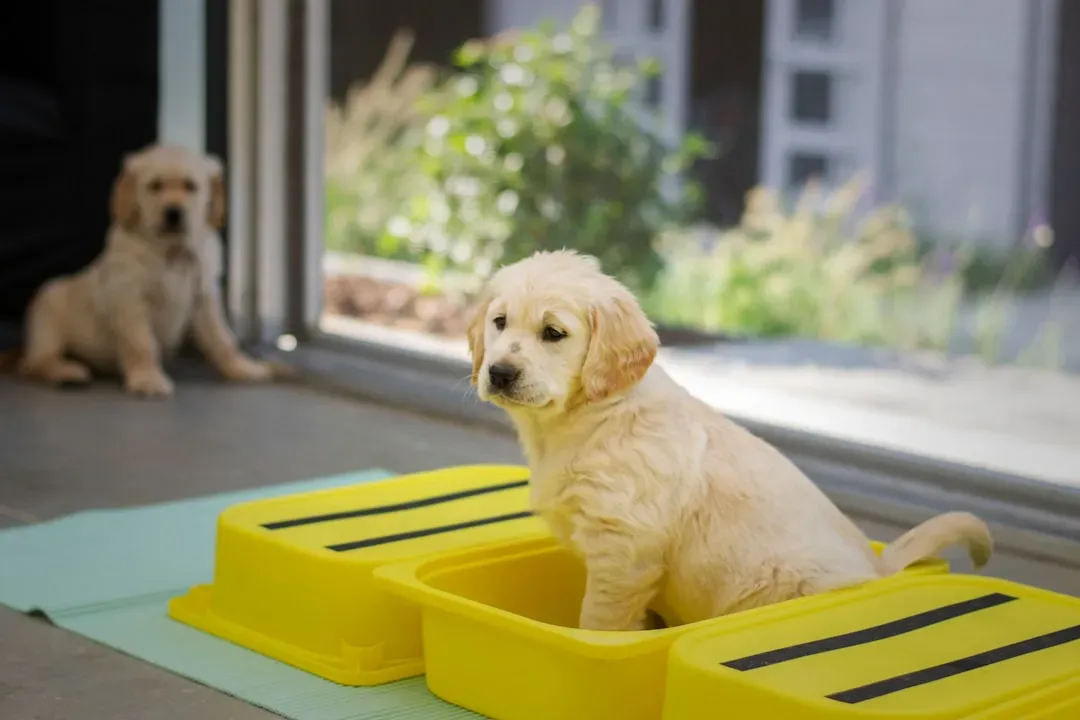
Puppy pads typically have a scent that attracts puppies, encouraging them to go to the bathroom on them. They’re especially useful for puppy parents who live in high-rise buildings and may not have quick access to the outdoors. Accidents are not a sign of a “bad” dog. They are just part of the process, full stop.
Enzymatic cleaner is crucial for removing odor and preventing repeat accidents. Here’s why that matters so much: dogs use scent to decide where to eliminate. If that old smell lingers in the carpet, your pup will likely return to that exact spot. A standard household cleaner won’t fully break down those compounds, but an enzymatic one will. You’ll need this to help clean up pet messes while potty training your puppy. Stock up generously.
A Final Word: Love Is the Foundation, But Preparation Is the Bridge
Getting all nine of these items in order before your dog arrives is less about buying things and more about saying, “I see you, I was ready for you, and you belong here.” By incorporating a new puppy supplies checklist into your pet preparation and having these items ready ahead of time, you can spend more time actually bonding with your pup. Your puppy’s needs will change over time as they grow into an adult dog.
It’s hard to say for sure which of these nine items will matter most to your specific dog. Every pup is different, every home is different, and that’s part of what makes this journey so beautifully unpredictable. The most expensive gear means nothing without the time, attention, and love that creates the bond between you and your dog. These tools simply make that journey safer, more comfortable, and more enjoyable for both of you.
So go ahead, set up that crate, fill those bowls, clip that ID tag onto the collar. Your dog doesn’t know it yet, but they just got incredibly lucky. And honestly? So did you. What item on this list surprised you most? Drop your thoughts in the comments below – we’d love to hear from you!


