
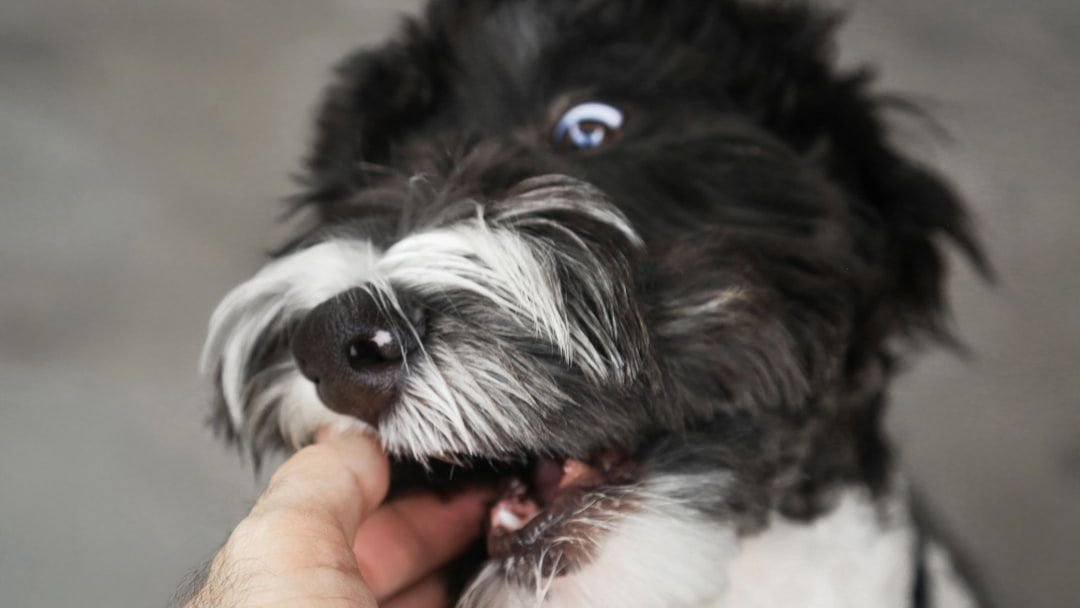
Picture this: you walk through your front door after a long day, and before you’ve even kicked off your shoes, your dog is already at your feet, nose working furiously. They know where you’ve been. They know who you spoke to. They can probably even tell how you’re feeling. To us, it’s almost magical. To your dog? It’s just Tuesday.
The canine nose is one of nature’s most astonishing instruments, a biological marvel so sophisticated that scientists are still uncovering new layers of its power. Whether you’re a lifelong dog lover or a brand new pup parent, understanding what your dog’s nose is really doing will completely change how you see your best friend. Let’s dive in.
A Superpower Hidden in Plain Sight: The Science Behind the Sniff
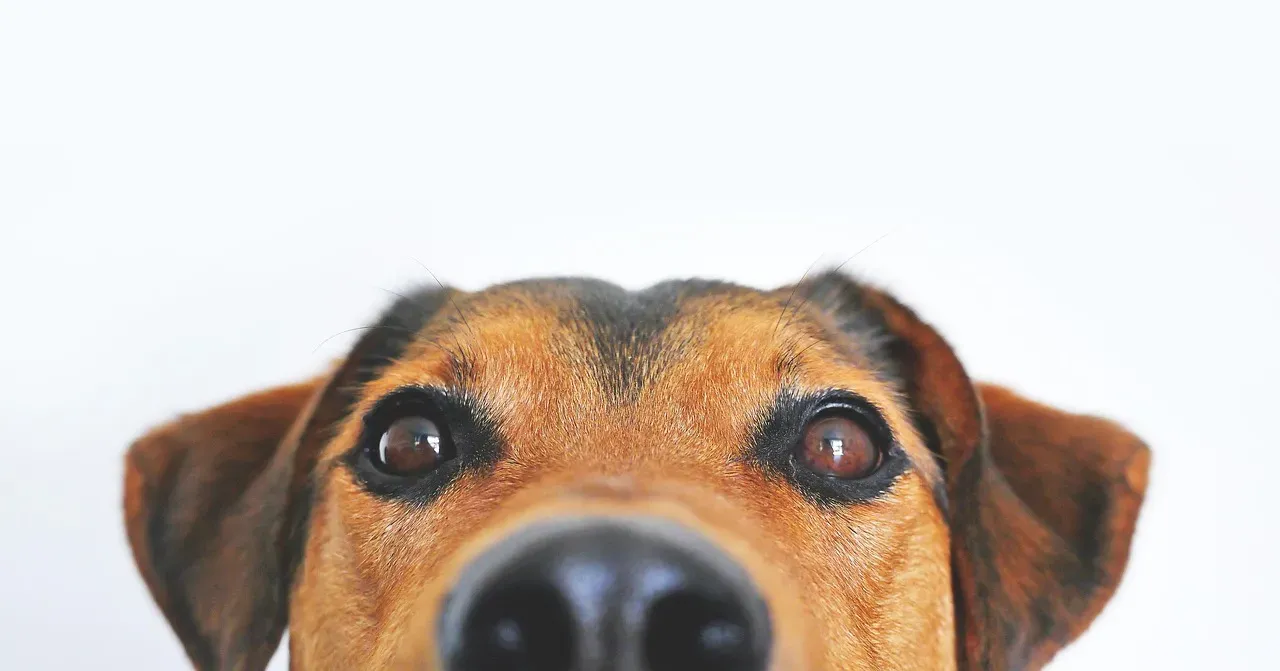
Here’s the thing that stops most people in their tracks: dogs have roughly forty times more smell-sensitive receptors than humans, ranging from about 125 million to nearly 300 million in some breeds, such as bloodhounds. That’s not a modest upgrade. That’s an entirely different league. Think of it like comparing a candle to a floodlight.
Whereas in humans, roughly five percent of the brain is dedicated to odors, in dogs this figure is about a third. So when your dog pauses on a walk to obsessively sniff a single patch of grass, they’re not being stubborn. They’re essentially reading a novel. Every single sniff is rich with information that our noses could never begin to process.
Instead of breathing in and out through the same openings like we do, each of a dog’s nostrils has separate openings for breathing in and out, and each nostril operates independently, capturing different smells from different directions. Honestly, the more you learn about how this works, the more humbling it becomes.
The Nose as a Living Encyclopedia: How Dogs Read the World
Imagine walking into a bakery and thinking, “Something smells good in here.” Now imagine walking in and instantly identifying every single ingredient in every item baking at that moment. That’s closer to your dog’s reality. A dog could detect the equivalent of a single teaspoon of sugar dissolved in a million gallons of water, enough to fill two Olympic-sized swimming pools. That level of sensitivity is almost impossible to wrap our heads around.
While humans primarily depend on their vision, dogs use both sight and smell to assess their surroundings and communicate. Every lamppost, fire hydrant, and patch of sidewalk your dog investigates is packed with scent data left by other animals, people, and even environmental changes. By taking in the scents around them, dogs can decode data like a recent passthrough from a neighbor dog, nearby scat from a wild animal, or even upcoming changes in weather.
Dogs also have an additional olfactory tool that increases their ability to smell. Jacobsen’s organ, or the vomeronasal organ, is a special part of the dog’s olfactory apparatus located inside the nasal cavity and opens into the roof of the mouth behind the upper incisors. This amazing organ serves as a secondary olfactory system designed specifically for chemical communication. It’s like having a second nose specifically wired for social intelligence.
Your Dog Can Smell Your Feelings, and That’s Not an Exaggeration
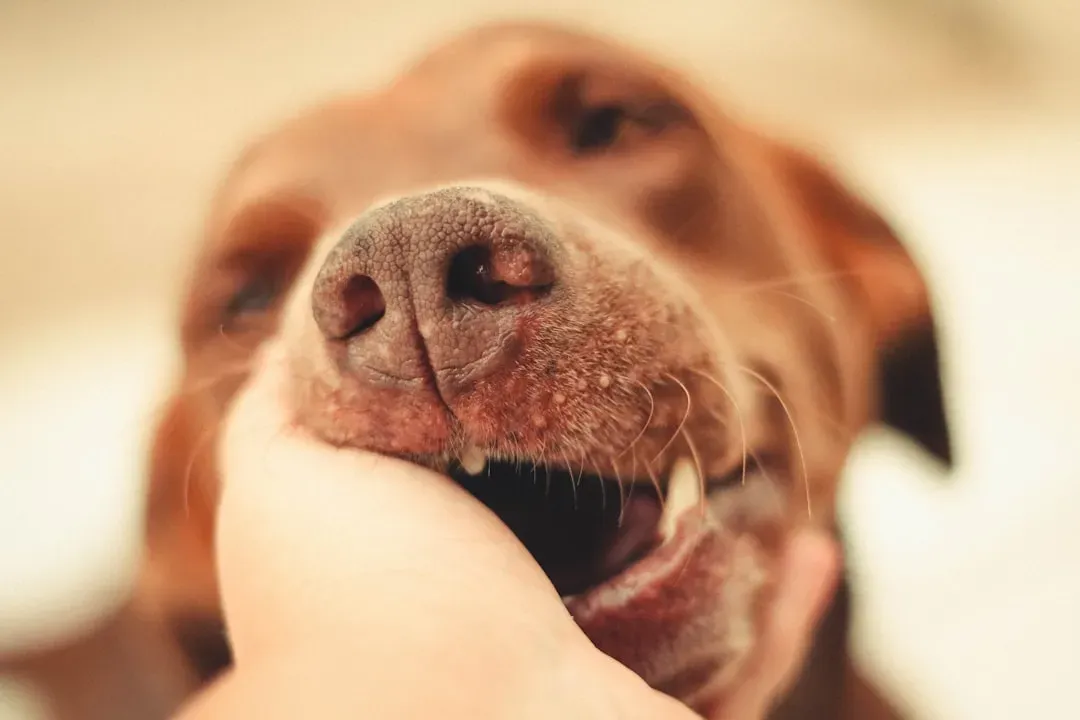
Dogs sense fear and anxiety via their noses. When we are stressed or scared, we secrete adrenaline, the fight-or-flight hormone, which dogs detect even though we cannot smell it. When we are anxious, we also have increased heart rate and blood flow, which carries body chemicals to the skin surface where dogs can smell them more easily. So the next time your dog curls up beside you on a hard day, know that they genuinely sensed you needed them.
This emotional detection goes far beyond comfort snuggles. Dogs are increasingly helping diabetics know when their blood sugar level is dropping or spiking. The dogs detect isoprene, a common natural chemical found in human breath that rises significantly during episodes of low blood sugar. People can’t detect the chemical, but dogs can be trained to alert when their owner’s breath has high levels of it. That is a dog literally reading chemistry in the air to save a life.
A pioneering study investigating the brain activity of dogs during scent detection has unveiled crucial insights into their remarkable olfactory capabilities. Researchers at Bar-Ilan University developed an optical sensor capable of remotely sensing dogs’ brain activity in three key regions, including the olfactory bulb, hippocampus, and amygdala, that play a critical role in how dogs distinguish between different smells. The science is only getting more extraordinary.
The Wet Nose Question: What Your Dog’s Sniffer Is Telling You About Their Health

Every dog owner has reached down, touched their dog’s nose, and panicked slightly when it felt warm and dry. Let’s settle this once and for all. A dog’s nose naturally changes from wet and cool to warm and dry several times over the course of a day. Most times, a dry dog nose is a completely normal physical phenomenon. After a nap, after sun exposure, after a burst of exercise, a temporarily dry nose is nothing to spiral over.
That said, context always matters. Persistent dryness should not be ignored. A dry nose accompanied by other symptoms such as lethargy, loss of appetite, vomiting, diarrhea, or changes in behavior warrants immediate veterinary attention. These could be signs of a more serious condition that needs prompt diagnosis and treatment. Trust your gut as a pet parent. You know your dog’s normal.
While most dry noses are harmless, you should always contact your vet if the dryness is accompanied by concerning signs like any thick, green, yellow, or bloody nasal discharge, or fissures and cracks that are actively bleeding or look infected. Prevention is simple too: keep fresh water available at all times, and apply a veterinary-approved nose balm or a pet-safe moisturizer formulated for dogs if you notice persistent mild dryness.
Sniff Walks and Nose Work: The Enrichment Your Dog Desperately Needs
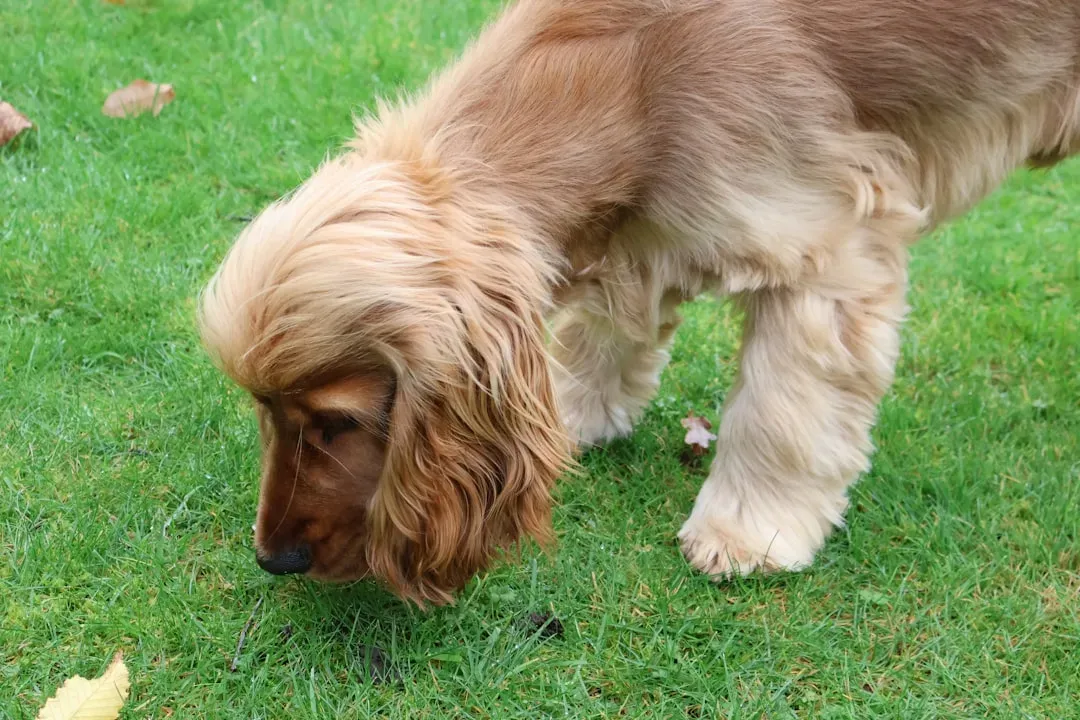
I think this is honestly the most underrated gift you can give your dog, and it costs absolutely nothing extra. When a dog engages their nose, it triggers the parasympathetic nervous system, responsible for rest, digestion, and relaxation, which helps lower heart rate and reduce stress levels, promoting overall well-being. A leisurely sniff through the park isn’t just a walk. It’s therapy.
Allowing your dog to go on sniff walks is vital for their overall mental well-being. The act of sniffing provides mental stimulation and enrichment as it activates their brain and engages their senses. It’s like solving puzzles or reading a captivating book for them. So the next time your dog drags you to a suspiciously interesting patch of sidewalk, maybe just let them read a chapter or two.
Older dogs may not be as physically active, but their noses still work. Scent games offer a low-impact yet high-engagement activity that helps preserve memory, reduce cognitive decline, and maintain quality of life. Hide treats around the house. Try a snuffle mat. Let them lead the way on a slow, exploratory walk. Sniffing is one of the most enriching activities a dog can do, requiring focus, problem-solving, and sensory processing, and studies show that engaging in nose work activities leads to more optimistic behavior in dogs.
Conclusion: Their Nose Is Their World, Honor It

It’s easy to think of your dog’s nose as just a cute, wet button on their face. The reality is that it’s the single most powerful tool your dog uses to understand their world, build relationships, process emotions, and stay safe. From detecting a teaspoon of sugar in an Olympic swimming pool to sensing your anxiety before you’ve said a word, the canine nose is, without question, extraordinary.
As dog lovers, we owe it to our companions to respect and support this incredible sense. Let them sniff on walks. Watch their nose for health signals. Invest a little time in nose work enrichment. The relationship you build with your dog deepens enormously when you start seeing the world the way they do, through scent.
Your dog’s nose already knows everything it needs to about you. The question is: how well do you know theirs? What’s one thing about your dog’s nose that surprised you? Share it in the comments, we’d love to hear from you.


