
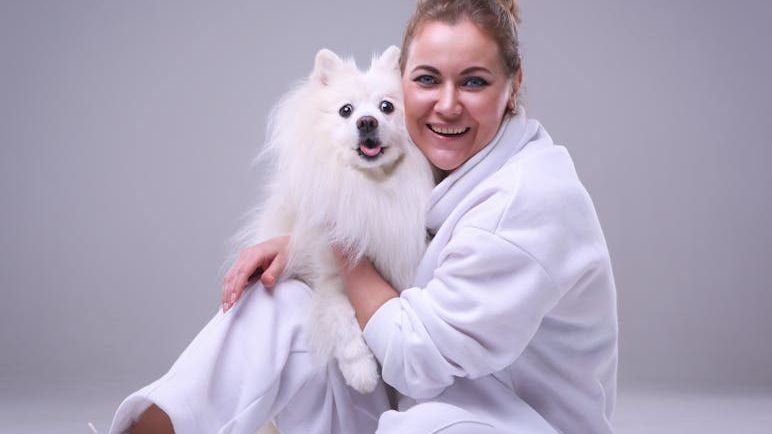
You probably didn’t get a dog thinking it would change your health. Maybe you just wanted companionship, something warm to greet you at the door after a long day. Or maybe the kids had been begging for years and you finally caved. Whatever the reason, something quietly remarkable happens once a dog enters your life – especially after the age of 45.
The science, it turns out, has been paying very close attention. Researchers around the world have been digging into the human-dog relationship, and what they’re finding is genuinely surprising. It goes way beyond “dogs make us happy.” We’re talking measurable, verifiable changes to your heart, your brain, your social life, and even your ability to survive a cardiac event. Ready to see just how deep this rabbit hole goes? Let’s dive in.
Your Heart Gets a Powerful, Furry Ally

Here’s the thing most people don’t know: owning a dog has been directly linked to a lower risk of dying from cardiovascular disease. A landmark Swedish study tracking over three million people found that dog ownership was associated with a lower risk of death, and specifically a lower risk of cardiovascular death compared to those without dogs. That’s not a minor footnote – that’s massive.
Research has suggested an association of dog companionship with lower blood pressure levels, improved lipid profiles, and diminished sympathetic responses to stress. Think of it like having a living, breathing, tail-wagging blood pressure cuff built right into your home. And honestly, it’s a lot more fun than the one at the doctor’s office.
Daily Walks That Actually Happen
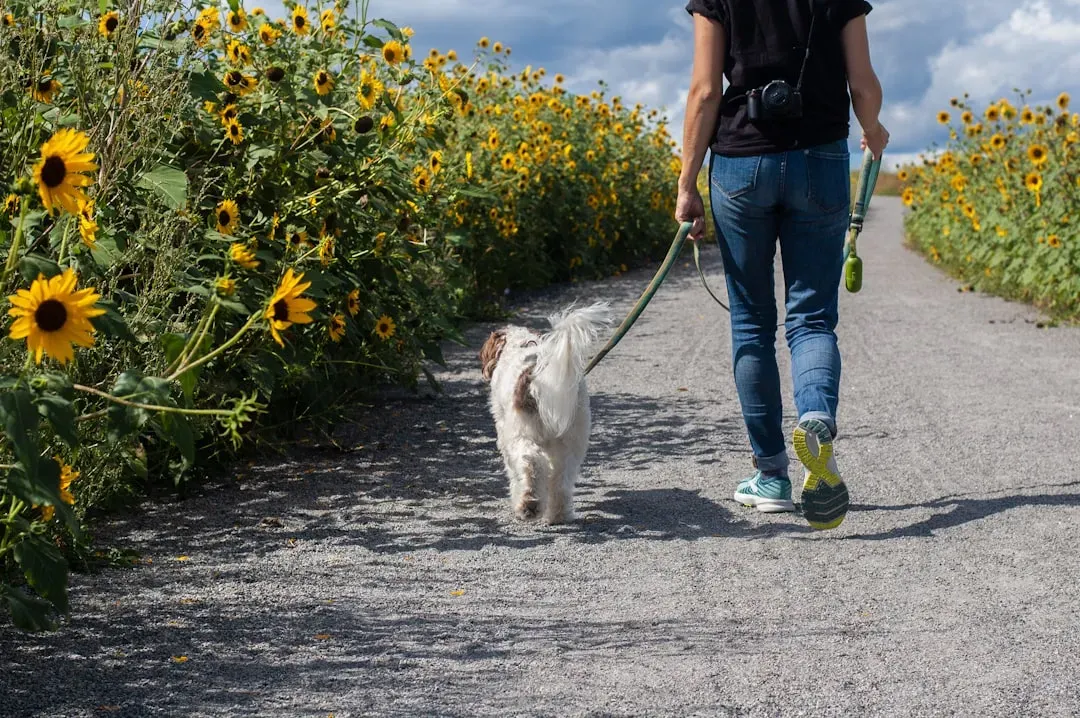
Let’s be real – most of us have had gym memberships we never used. A dog changes that equation entirely, because your dog doesn’t care about your excuses. Dog owners engage in significantly more minutes per week of physical activity and walking, and were more than half again as likely to meet the recommended level of physical activity compared to non-owners.
Roughly three in five dog walkers met the criteria for regular moderate or vigorous physical activity, compared to fewer than half for non-dog owners. After 45, consistent movement becomes one of the most powerful medicines available. Your dog makes sure you take it, rain or shine, mood or no mood.
Stress Doesn’t Stand a Chance Around a Dog

You know that feeling when you walk in the door after an absolutely terrible day and your dog just loses its mind with joy to see you? There’s actual chemistry happening there. Petting a dog triggers a burst of the feel-good hormone oxytocin, while simultaneously lowering the stress hormone cortisol. It happens fast, and it happens reliably.
The bond with pets also stimulates the release of oxytocin and dopamine, hormones associated with love and happiness, which enhance feelings of joy and reduce stress. After 45, chronic stress is one of the sneakiest destroyers of health. Your dog, it turns out, is quietly dismantling it every single day.
Your Brain Stays Sharper for Longer
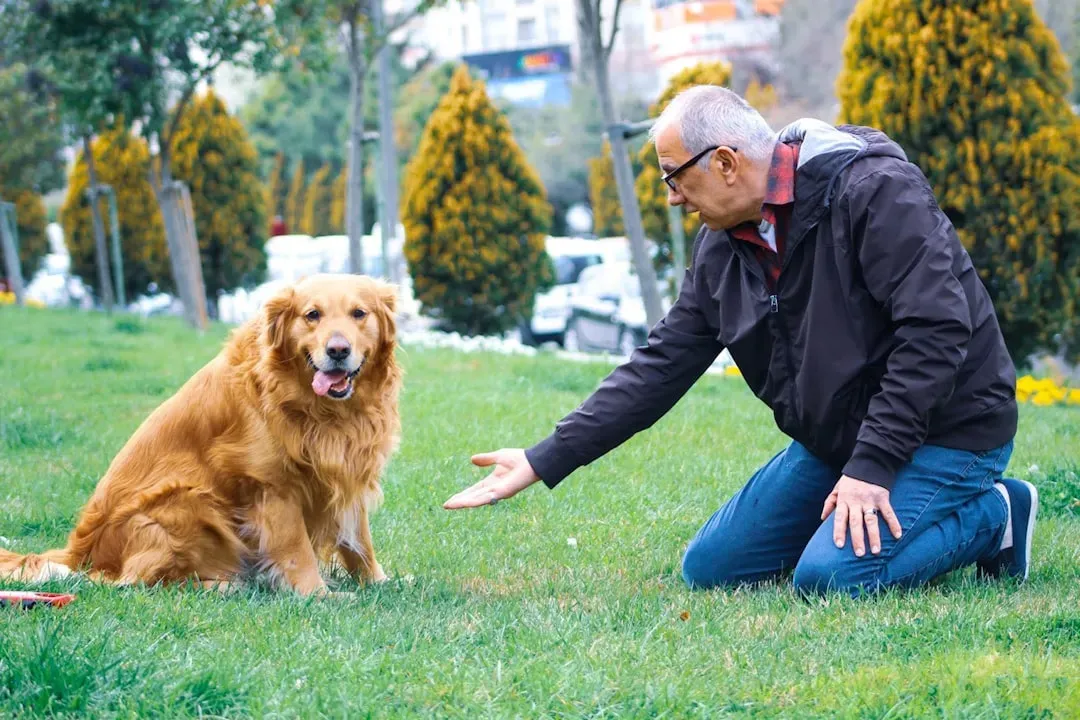
Cognitive decline is one of the scariest things about aging – and this is where the research genuinely blew me away. A 2025 study suggests that owning a dog or cat may help slow cognitive decline as people age, with findings published in Scientific Reports. This wasn’t a small study either.
Researchers examined 18 years worth of data from over 16,000 people aged 50 and older, and found that people with dogs showed a slower decline in memory, including both immediate and delayed recall, compared with participants who did not own pets. Think about what that means over a decade or two of dog ownership. It adds up to something extraordinary.
Loneliness Loses Its Grip
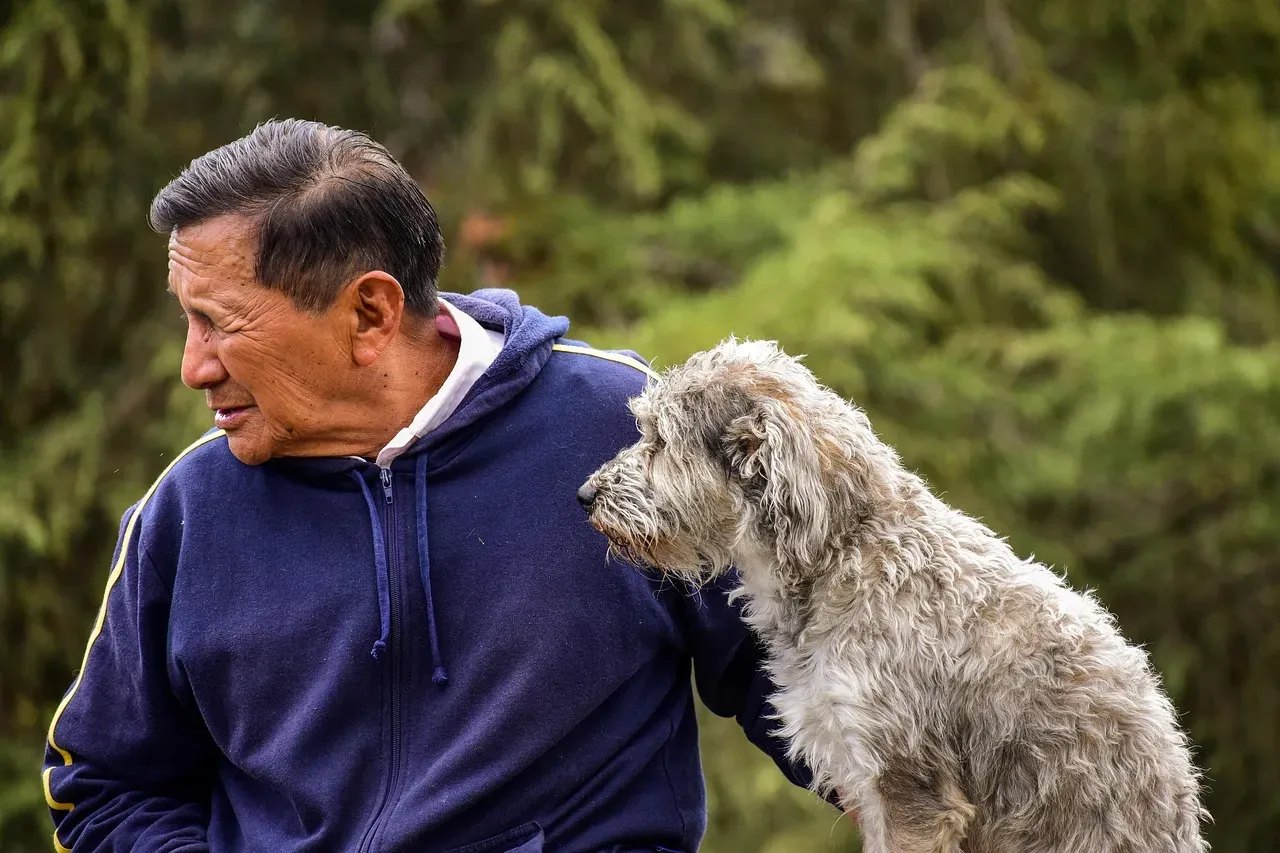
Loneliness after 45 is more dangerous than most people realize. It is strongly linked to increased risk of heart disease, dementia, stroke, depression, anxiety, and premature death. That’s not an exaggeration. Loneliness is a genuine health crisis, and dogs are one of the most powerful antidotes we have.
Pet ownership can provide essential social and emotional support for older adults. Older adults who own pets report a reduction in stress and loneliness, and also experience an increase in activity and overall quality of life. A dog gives you a reason to get up, go out, and connect – with the world and with yourself.
You Become More Social Without Even Trying

Dogs are social magnets, and that’s not just a cute observation. A random sampling of over 800 adults aged 50 and older who owned dogs said they felt a sense of community as they walked their dogs, because they often talked to neighbors during the walk. Those casual conversations at the park add up to something real over time.
Prior research has shown that dogs help reduce stress levels in humans, and dogs tend to be natural “icebreakers” in social settings. After kids leave the house or careers wind down, social connection can quietly slip away. A dog keeps pulling you back into the world in the most natural, unpressured way possible.
A Surprising Boost to Survival After Cardiac Events
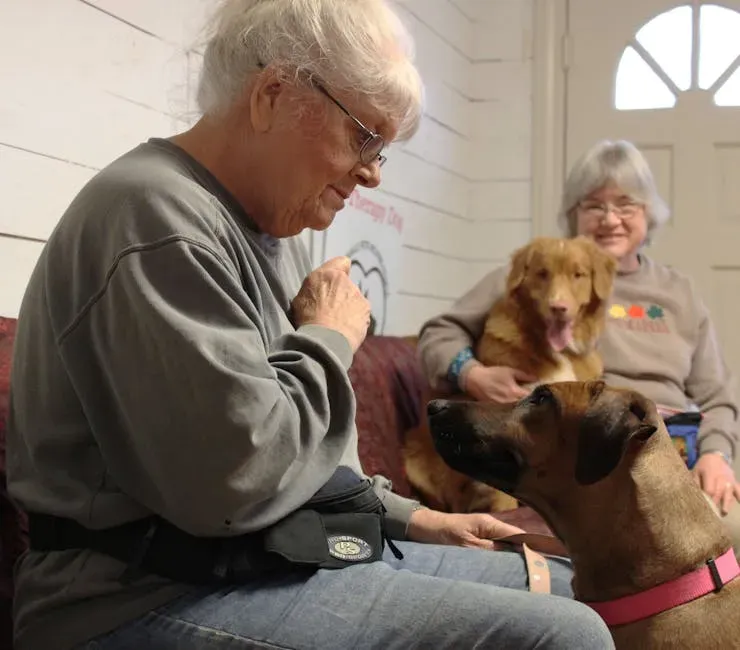
This one honestly stopped me in my tracks when I first read it. In a nationwide study of over 300,000 Swedish patients who suffered a stroke or heart attack, those who were dog owners were more likely to survive than those who were not dog owners. We’re talking about outcomes after one of the most serious medical events a person can face.
Dog ownership has been associated with lower mortality risk in patients with a history of stroke or heart attack. Furthermore, the Cardiac Arrhythmia Suppression Trial showed that possession of home pets was associated with lower mortality risk in the first year after a myocardial infarction. If that doesn’t make you look at your dog a little differently, I don’t know what will.
Your Daily Routine Gets a Healthy Reset
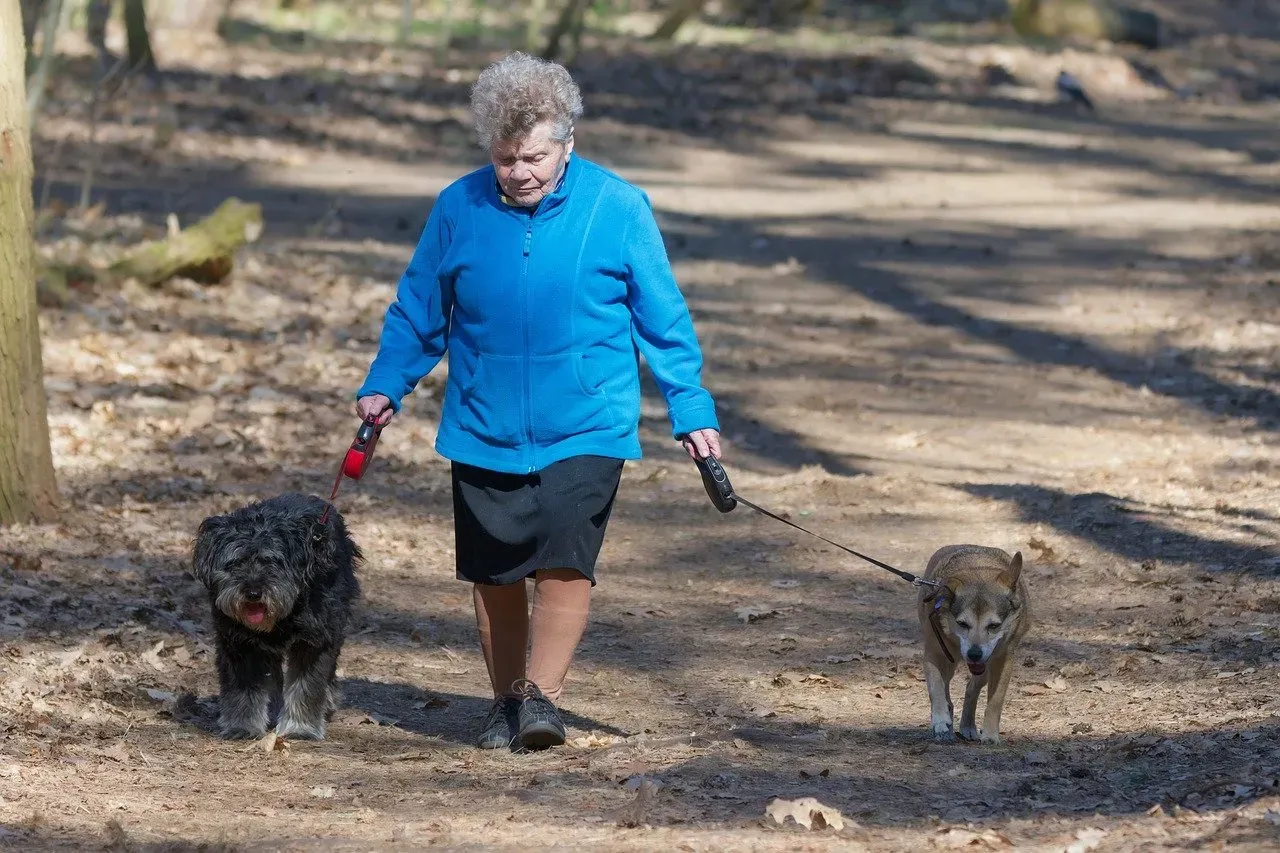
Structure matters enormously for wellbeing after 45, especially as life transitions – retirement, an empty nest, career changes – can leave days feeling shapeless. Caring for a dog introduces a sense of routine and responsibility, and this structure can reduce stress and give pet parents a positive focus in their daily lives.
For older adults, maintaining a sense of purpose is essential for mental well-being. A dog introduces small, meaningful responsibilities into daily life, from feeding and grooming to scheduling walks. These activities help fill the day with consistent, rewarding tasks that prevent idle time, which can amplify feelings of loneliness or depression. Routine sounds simple. Its impact is anything but.
Your Mood Gets a Genuine, Daily Lift

Numerous studies indicate that pet owners often report lower levels of anxiety, depression, and loneliness, which contributes positively to their mental health, even among individuals with severe mental illnesses. For those of us navigating the shifting emotional landscape of midlife and beyond, that kind of consistent support is genuinely valuable.
Petting or playing with animals releases positive hormones like endorphins, serotonin, and oxytocin, all of which elevate mood and promote relaxation. It’s not magic. It’s biology. Still, it feels a lot like magic on a hard Tuesday morning when your dog climbs into your lap and refuses to move.
Your Physical Mobility Stays With You Longer

One of the quieter gifts of dog ownership is that it keeps you physically moving in ways you might not even notice. Older participants in the Health, Aging and Body Composition Study walked more, increased their walking speed over time, and had improved mobility compared to non-owners of dogs. Better walking speed and mobility are genuinely strong predictors of healthy aging.
Caring for pets encourages us to stay active and avoid long periods of sitting. Whether it’s walking the dog around the block, bending down to refill a food bowl, or playing a game of fetch in the park, these activities involve consistent movement that helps improve balance, coordination, and flexibility. It’s not the gym. It’s better – because it happens every single day without having to summon the willpower.
Conclusion: The Best Health Decision You May Have Already Made
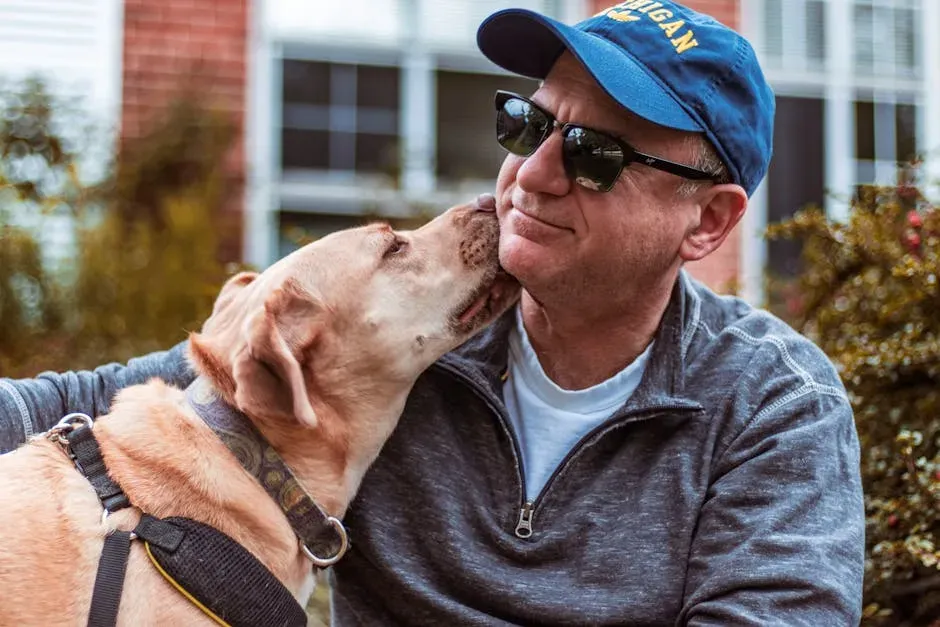
If you’re over 45 and sharing your life with a dog, you may be sitting on one of the most underrated health investments in existence. Not a supplement, not a programme, not a prescription. A dog. The evidence is clear and it spans your heart, your brain, your mood, your social world, and your physical body.
Honestly, the research doesn’t just suggest that dogs are good for us after 45 – it suggests they may be one of the most holistic wellness tools we have access to. The walks, the routine, the oxytocin hits, the social icebreaking – it all compounds over months and years into something profound.
So the next time your dog wakes you up at 6am demanding a walk in the rain, try to remember: they’re not being difficult. They’re keeping you alive. What would your health look like without them – and does that thought change how you see your morning walk today?


