
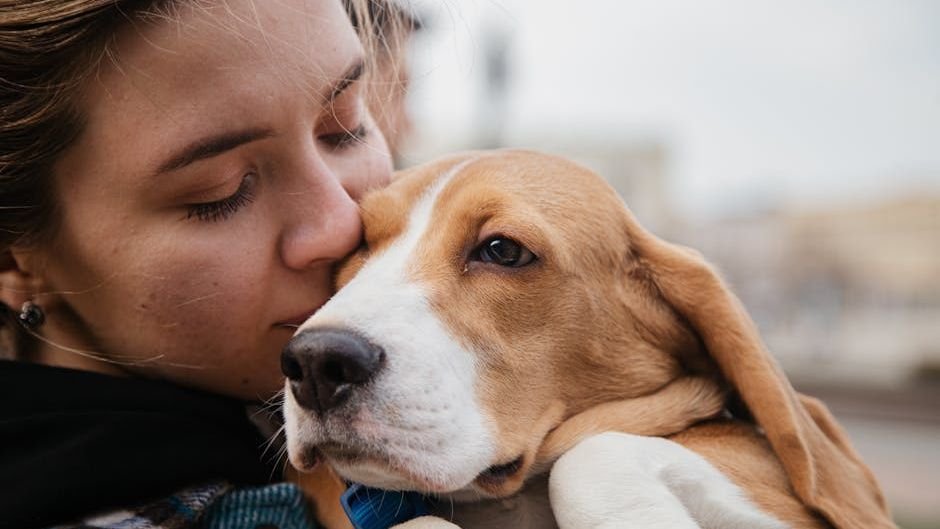
There’s a moment most dog owners know deeply. You’ve had the worst day of your life. You walk through the front door, sink onto the couch, and before you’ve even exhaled, your dog is there. Head resting on your knee. Eyes soft and steady. No barking, no nudging for a treat. Just presence, warm and deliberate. It’s as if they already knew.
Here’s the thing: they probably did. The science behind how dogs read us, sense us, and silently communicate their loyalty is far more extraordinary than most people realize. We often think we understand our dogs, when actually it’s the other way around. They’ve been studying us for thousands of years.
So let’s dive in and explore the beautiful, often surprising language your dog speaks every single day.
They’re Reading Your Face More Than You Know
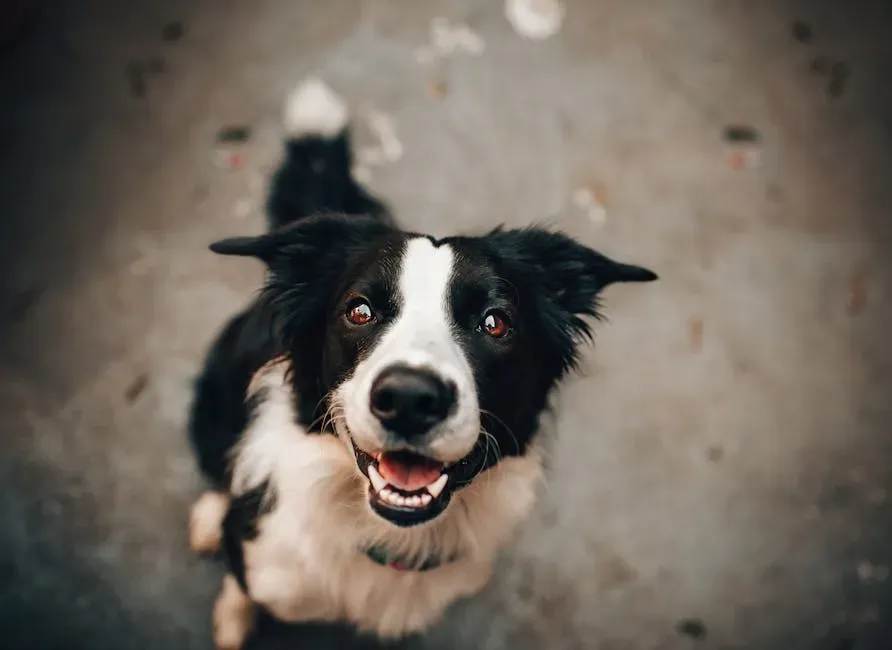
Dogs and humans have developed the ability to recognize each other’s emotional expressions, a skill that is crucial for evaluating the social motivations of others. Dogs are genuinely skilled at reading human emotions, something supported not only by owner reports but by multiple scientific studies. Think about that for a second. Your dog isn’t just reacting to your tone of voice. They’re watching your face like a devoted student.
Research has found that dogs actually make more facial expressions when their human is paying attention, suggesting these expressions are deliberate attempts at communication. The most notable among them is the canine smile, a sign of a genuinely happy pup. It’s a two-way conversation, just without words. Honestly, that’s kind of breathtaking.
New research from Arizona State University has revealed that people often don’t perceive the true meaning of their pet’s emotions and can misread their dog. A big reason for this is a human tendency to project their own emotions onto their pets. So while your dog is fluently reading your face, we’re still learning to read theirs. The good news? You can get better at it, simply by paying more attention to what your dog is doing rather than what you assume they’re feeling.
The Power of the Gaze: How Eye Contact Builds Your Bond
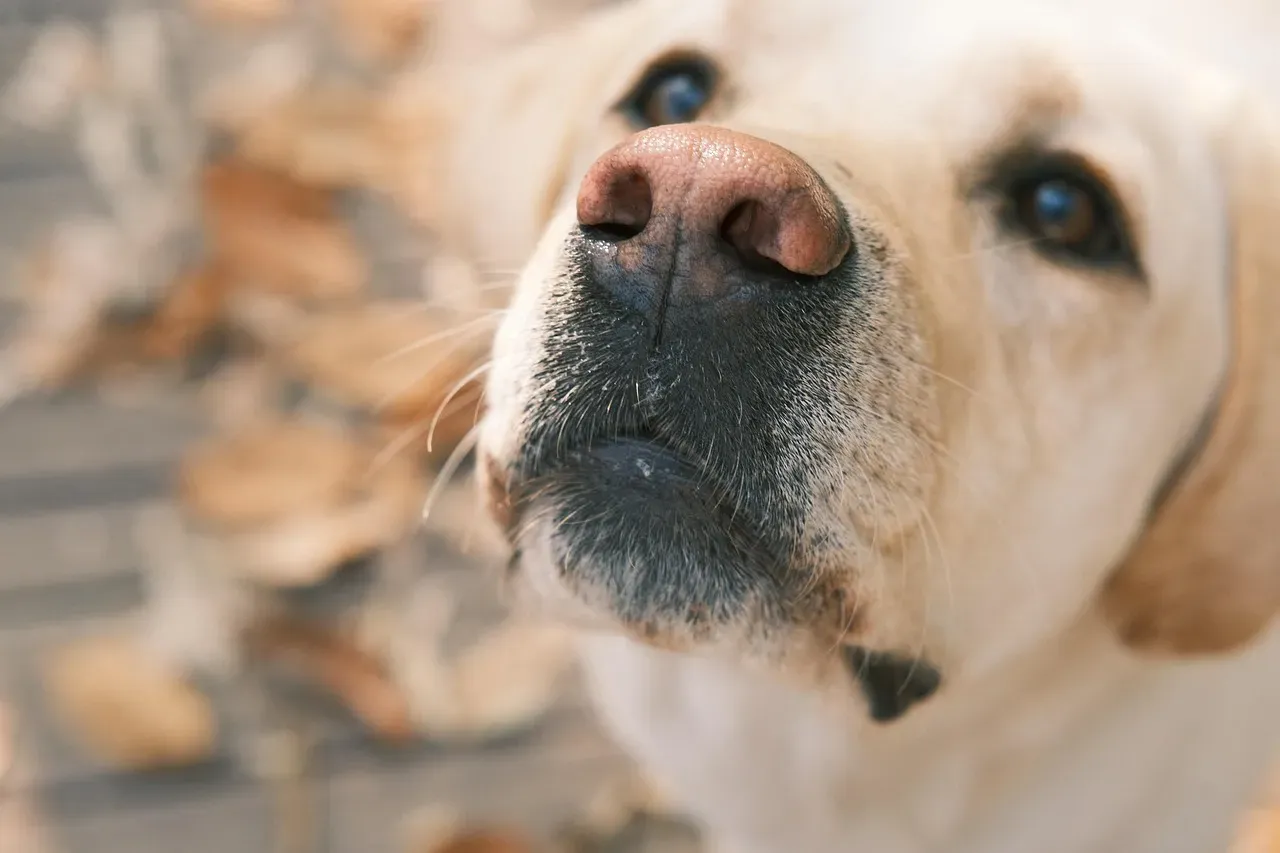
If a dog holds your gaze with soft, relaxed eyes, that’s not nothing. That’s everything. One of the ways we know dogs are capable of loving their human companions is through heightened oxytocin levels. Many scientific studies have found that this oxytocin, the love hormone, is released in dogs through deep and meaningful eye contact.
When mutual staring occurs between you and your dog, it can release oxytocin, the hormone associated with love. The release of this chemical helps strengthen the bond, while increasing feelings of love, security, loyalty, and trust. It’s essentially a biological hug. No arms required.
If your dog is making eye contact with you, blinking, and maintaining a calm and relaxed demeanor, they are expressing their love. Research confirms that when dogs and their owners lock eyes, both experience a spike in oxytocin. However, if your dog is making unblinking eye contact while looking stressed, they may be uncomfortable and trying to tell you something else entirely. Context, as always, is everything with dogs. Soft eyes mean love. Hard, fixed eyes mean something else. Learn the difference, and you’ll speak their language far better.
They Can Literally Smell Your Emotions
I know it sounds almost unbelievable, but stay with me here. Dogs have evolved to read verbal and visual cues from their owners, and previous research has shown that with their acute sense of smell, they can even detect the odor of stress in human sweat. Researchers have found that dogs not only smell stress, represented by higher levels of the hormone cortisol, but they also react to it emotionally.
The physiological processes associated with an acute psychological stress response produce changes in human breath and sweat that dogs can detect with an accuracy of nearly ninety-four percent, according to one study. That’s almost superhuman. Except, of course, it’s entirely dog.
When exposed to stress odor, dogs were significantly less likely to approach uncertain situations, indicating possible risk-reduction behaviors in response to the smell of human stress. In plain terms? When you’re anxious, your dog senses it and becomes cautious too. They’re not just being clingy in those moments. They’re responding to a chemical signal you didn’t even know you were sending. It’s one of the most tender forms of empathy I’ve ever come across in science.
What Their Body Is Really Saying
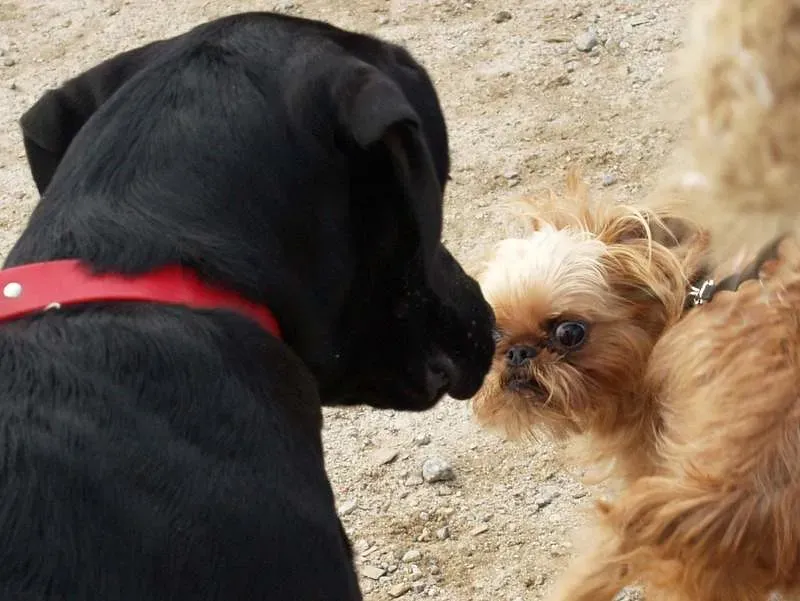
We love to think a wagging tail means a happy dog. Sometimes it does. Often, it’s more complicated. All a wagging tail really means is that the dog is emotionally aroused. It could be excitement, but it could also be frustration or worse. To interpret the dog’s emotions and intentions, you need to look at the speed and direction of the wag, as well as the position of the tail.
Understanding our dogs’ basic body language allows us to gain insight into their thoughts and feelings about the world around them and what they are experiencing, according to veterinary technician and Texas A&M canine behavior expert Harmony Diers. The body is always talking. We just need to learn how to listen.
People yawn when they’re tired or bored, but dogs yawn when they’re stressed. Dogs use yawning to calm themselves in tense situations and to calm others, including their owners. So if your dog yawns during a vet visit or a tense argument in the house, they’re not bored. They’re coping, and trying to soothe the situation. That detail alone changed how I see dogs. No dog body language signal acts alone. They’re all part of a package, so when you read a dog’s communication, look at every signal from the tail height to the eye shape.
The Silent Signs of Deep Loyalty and Trust
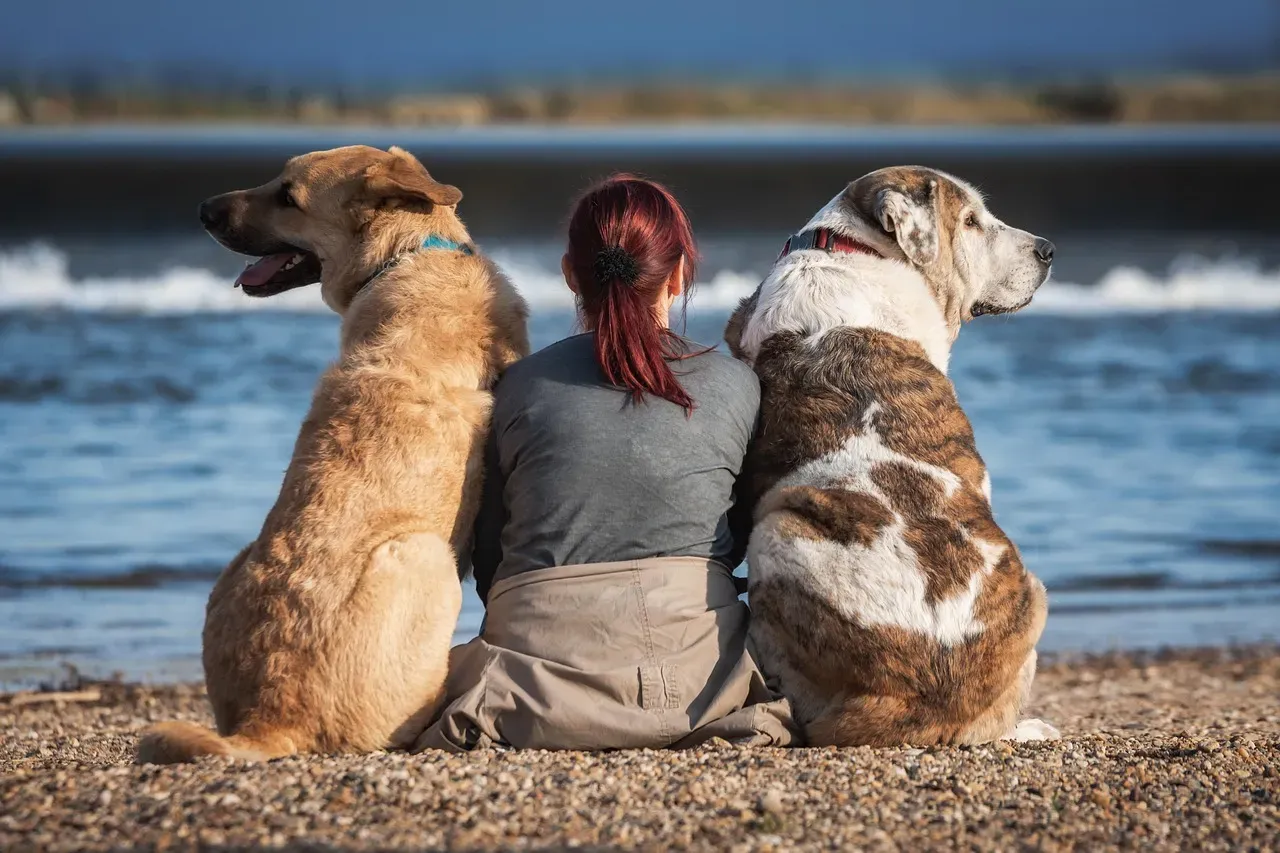
Here’s something that might surprise you: trust, in a dog’s world, is physical. One of the most vulnerable parts of a dog’s body is the belly. So when a dog feels comfortable enough to roll onto their back in your presence, it’s more than likely they trust you enough to voluntarily roll into this exposing position. Rolling over isn’t just asking for a belly rub. It’s a declaration of safety.
When your dog leans their weight into you, it’s not accidental. Dogs only do this with people they feel safe with. It’s a quiet way of saying, “I trust you.” That gentle body press against your leg while you’re standing in the kitchen is about as profound a gesture as a dog can offer.
Historically, wolves and dogs slept close together with other pack members to ensure trust and protection. Dogs choose to sleep where they feel most comfortable and at ease, so if your dog enjoys sleeping in your bed or likes to snuggle up for a nap, they feel trust that they will be safe with you. And if they check in with you on walks, glancing back to make sure you’re still there? That behavior shows they trust your guidance and feel secure in your presence. These aren’t random acts. They’re love letters written in movement and stillness.
A Final Thought
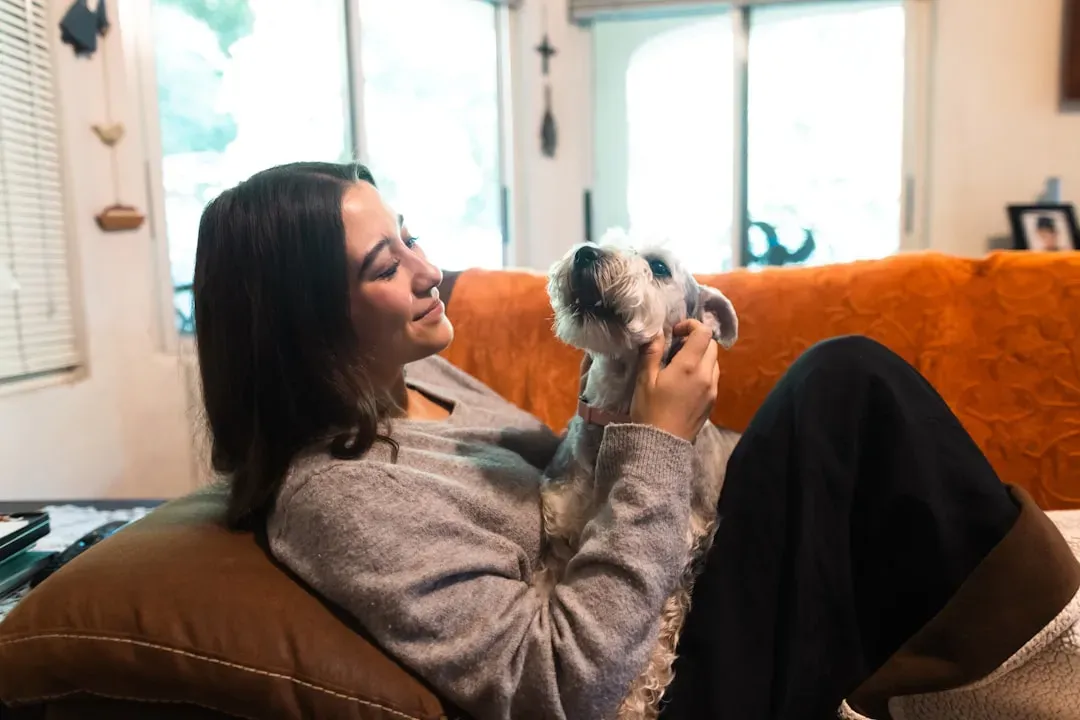
Your dog is not just a companion. They are a living, breathing, emotionally intelligent being who has spent their entire life studying you. Every glance, every lean, every yawn, every slow tail sweep is a message. The bond between you isn’t just habit or food dependency. It’s a genuine, deeply rooted emotional connection built on trust, attention, and something that looks remarkably like love.
The most beautiful thing you can do for your dog is exactly what they do for you every single day: pay attention. Watch them fully. Respond to what they’re actually telling you, not just what you assume they mean. Your dog is talking to you all the time. If you learn what they’re saying, you will develop a deeper bond of trust and respect, and your newfound understanding of their emotional state can help you predict their behavior and prevent problems before they arise.
So here’s the question worth sitting with: how often do you actually stop and listen?
What do you think? Have you caught your dog saying something important in their silent language? Share your stories in the comments. We’d love to hear them.


