
Picture this: it’s early morning, the trail is quiet, the air smells like pine and damp earth, and your dog is trotting ahead of you with absolute joy on their face. There’s something almost magical about hiking with a dog. They don’t complain about the elevation gain. They don’t check their phone. They’re just there, fully present, tail wagging like the whole world was made for this moment.
But here’s the thing most people don’t realize – the breed you choose matters enormously. Not every dog was built for the backcountry, and choosing the wrong trail partner can lead to exhausted, injured, or stressed pups. The good news? There are some genuinely incredible hiking breeds out there, and a few of them might completely surprise you. Let’s dive in.
1. Vizsla: The Velcro Dog Who Was Born for Trails
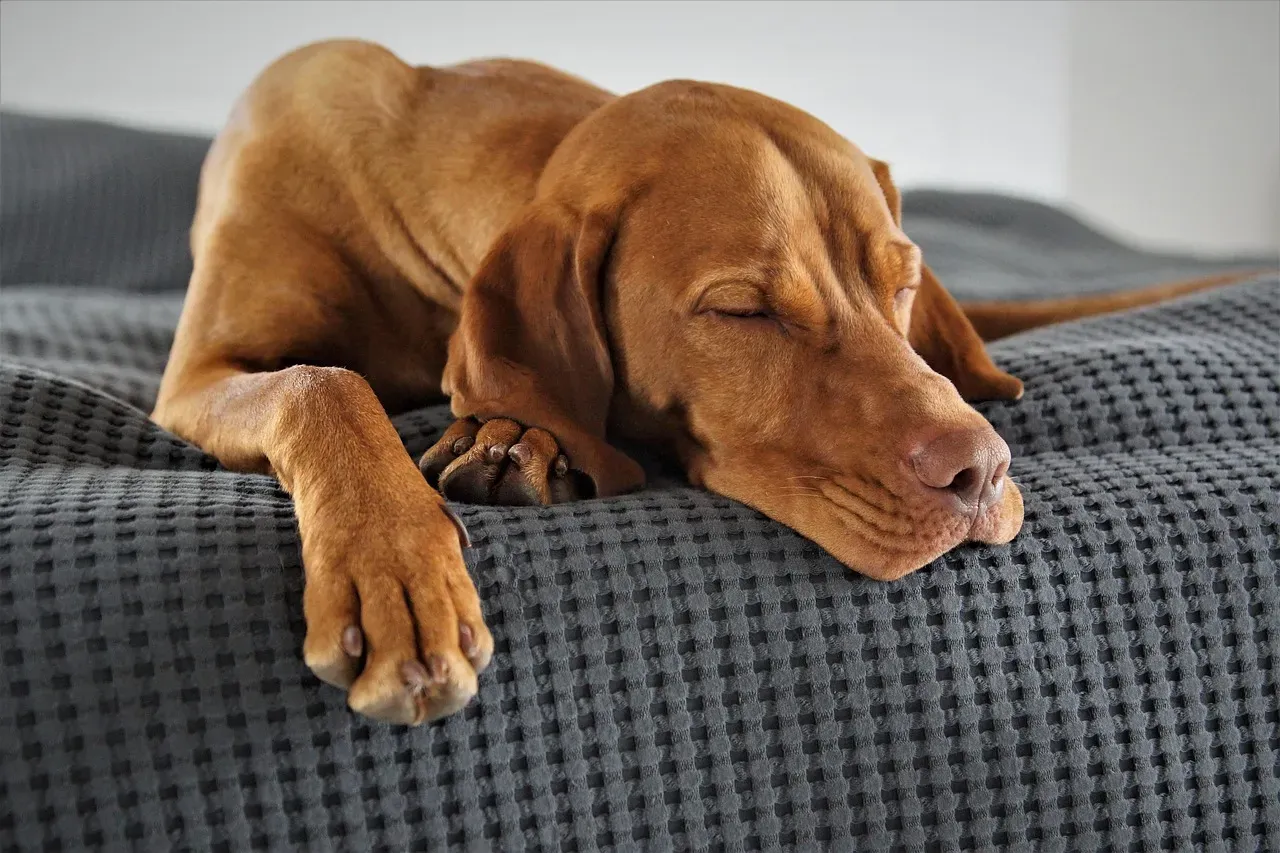
If you’ve never hiked with a Vizsla, you’re missing out on one of life’s great pleasures. Often referred to as “velcro dogs,” Vizslas love staying close during hikes and prefer not to be left alone for long periods. That deep bond is a huge advantage on the trail – you won’t spend your hike anxiously calling them back from the woods.
Their lean and muscular build allows them to cover miles with ease, while their eagerness to engage makes them reliable hiking partners. Vizslas excel in open trails where running and climbing are involved. They do have a sensitive side, though. Vizslas are prone to separation anxiety, so they’re best matched with owners who genuinely want a constant companion – on and off the mountain.
2. German Shorthaired Pointer: The Sleek Endurance Machine
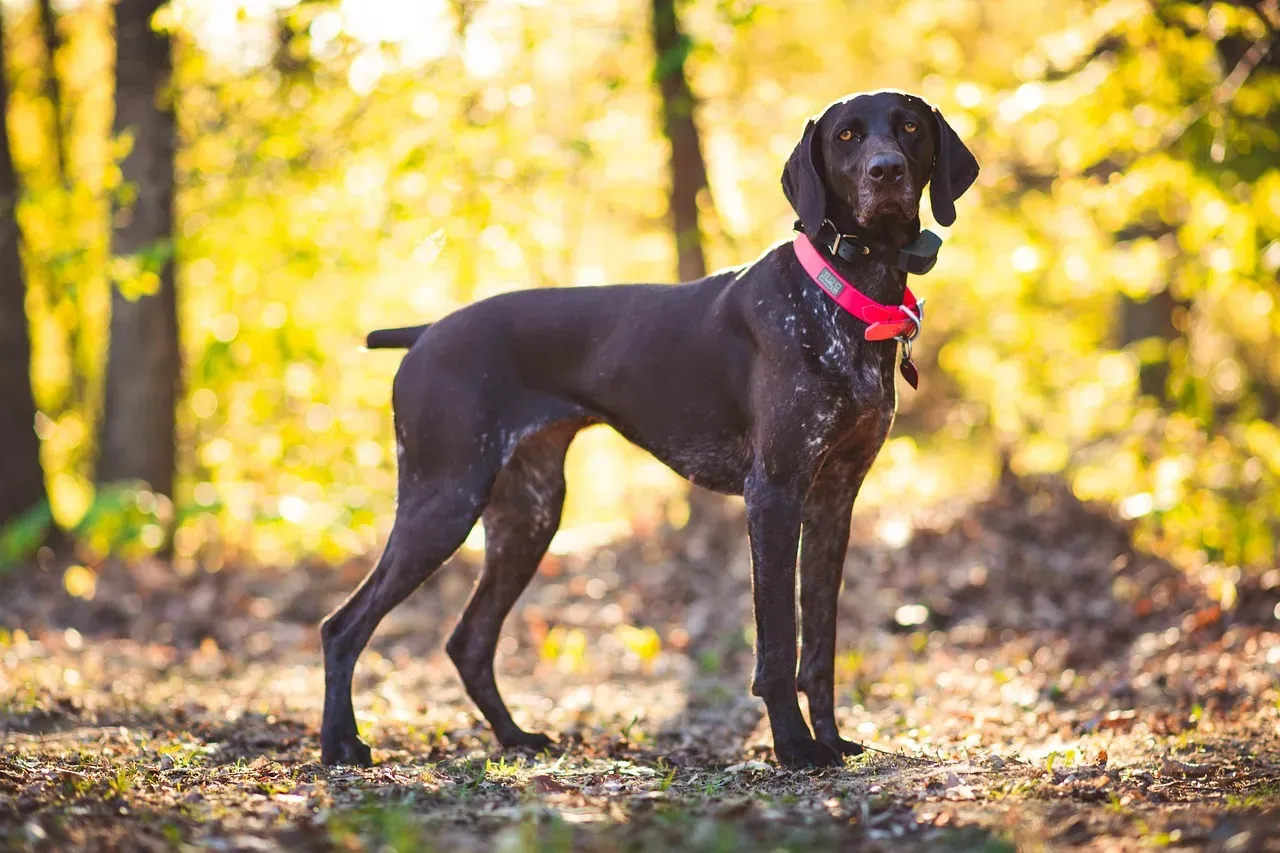
German Shorthaired Pointers have incredible stamina and thrive on outdoor adventures. They were bred for hunting and developed the ability to cover long distances over varied terrain without tiring quickly. Honestly, watching a GSP move on a trail is like watching a finely tuned athlete. They make it look effortless.
Their sleek, muscular build supports high stamina, and their willingness to please ensures they stay engaged with their owners during challenging hikes. Pointers excel in both hot and cooler climates, adjusting well to different trail conditions. Just be ready to actually keep up. German shorthaired pointers can run circles around us on the trail and thrive with appropriate exercise to burn off that energy.
3. Siberian Husky: Built for Distance, Born for Adventure
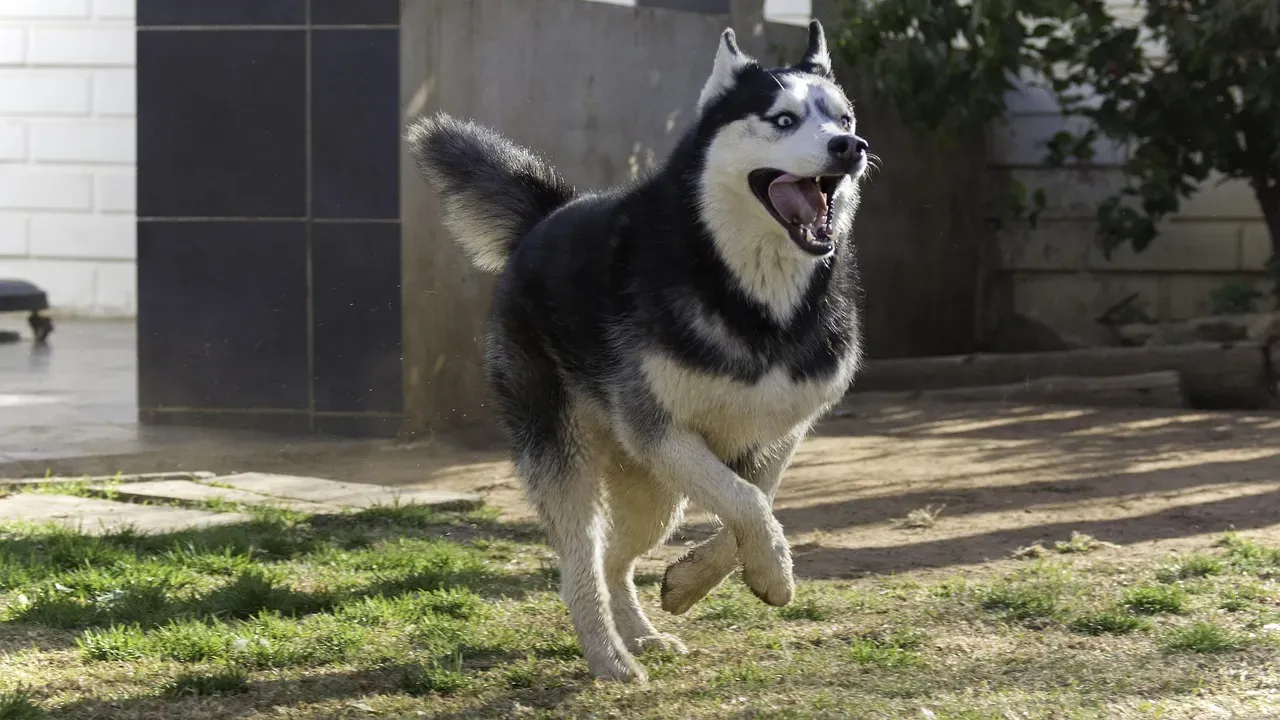
Siberian Huskies were originally bred as sled dogs in Arctic conditions. Their stamina and energy levels make them excellent hiking partners, particularly in cooler weather. Think of them as the ultramarathon runners of the dog world – born to go long, go hard, and love every step of it.
That independent spirit is worth knowing about before you hit the trail, though. Huskies are known for their independent, sometimes stubborn nature. They might get a whiff of something intriguing, and suddenly you’re in a stressful game of chase on the trail. That’s why training a Siberian Husky in recall commands is non-negotiable, especially in open areas. Also, in hot conditions, extra care is required to avoid overheating due to their thick coats.
4. Australian Shepherd: The Tireless Trailblazer
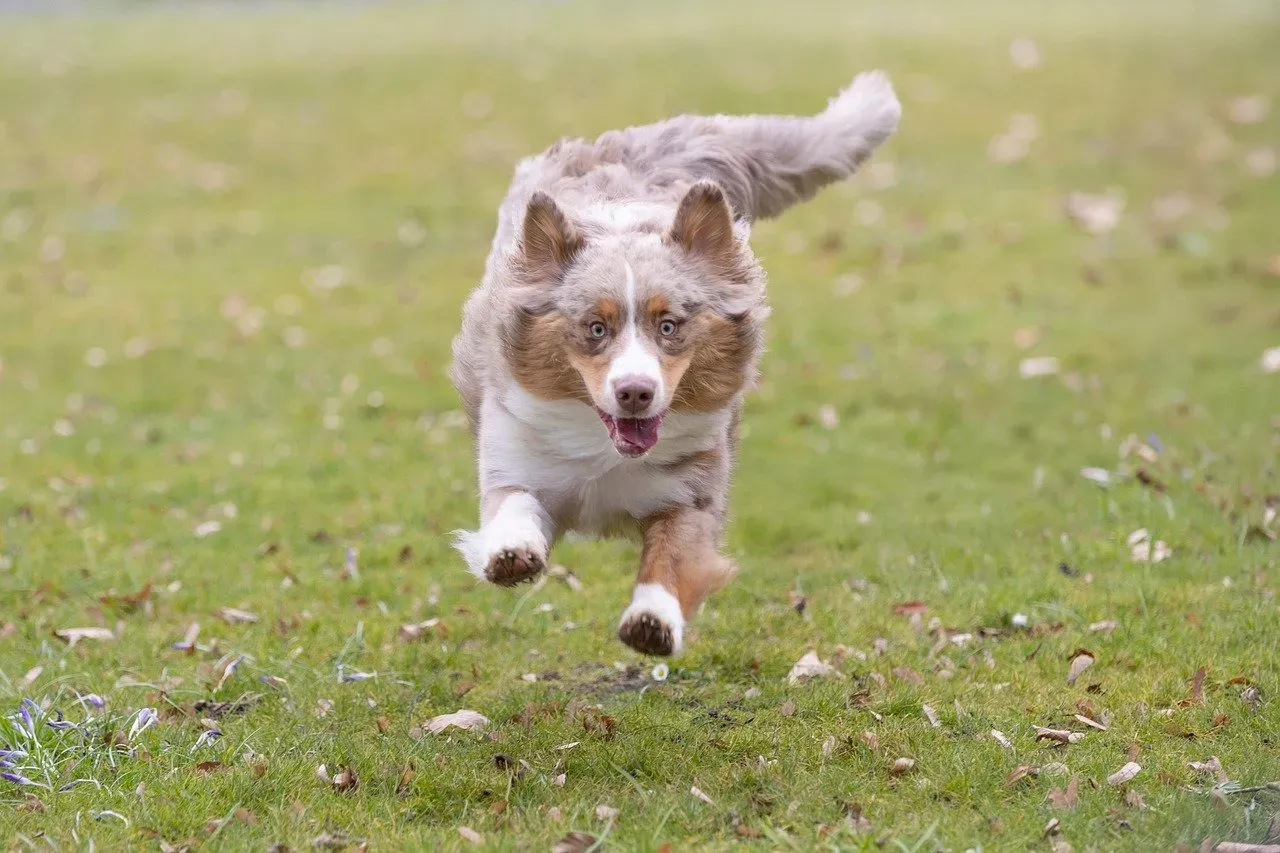
Australian Shepherds are tireless and thrive on constant stimulation, making them excellent companions for adventurous hikers. They excel in agility, quick decision-making, and endurance, which allows them to navigate trails with sharp turns or steep inclines. These dogs genuinely need a job to do, and a long, challenging hike is pretty much perfect for them.
Bonding with an Australian Shepherd comes naturally, as their loyalty and attentiveness to commands are exceptional. They remain eager to follow their owners closely on trails and respond quickly when redirected. With proper training, they become reliable off-leash partners. Just don’t underestimate their mental needs – a bored Aussie at home is a very different dog from a stimulated one on the trail.
5. Rhodesian Ridgeback: Africa’s Fierce and Loyal Trail Dog
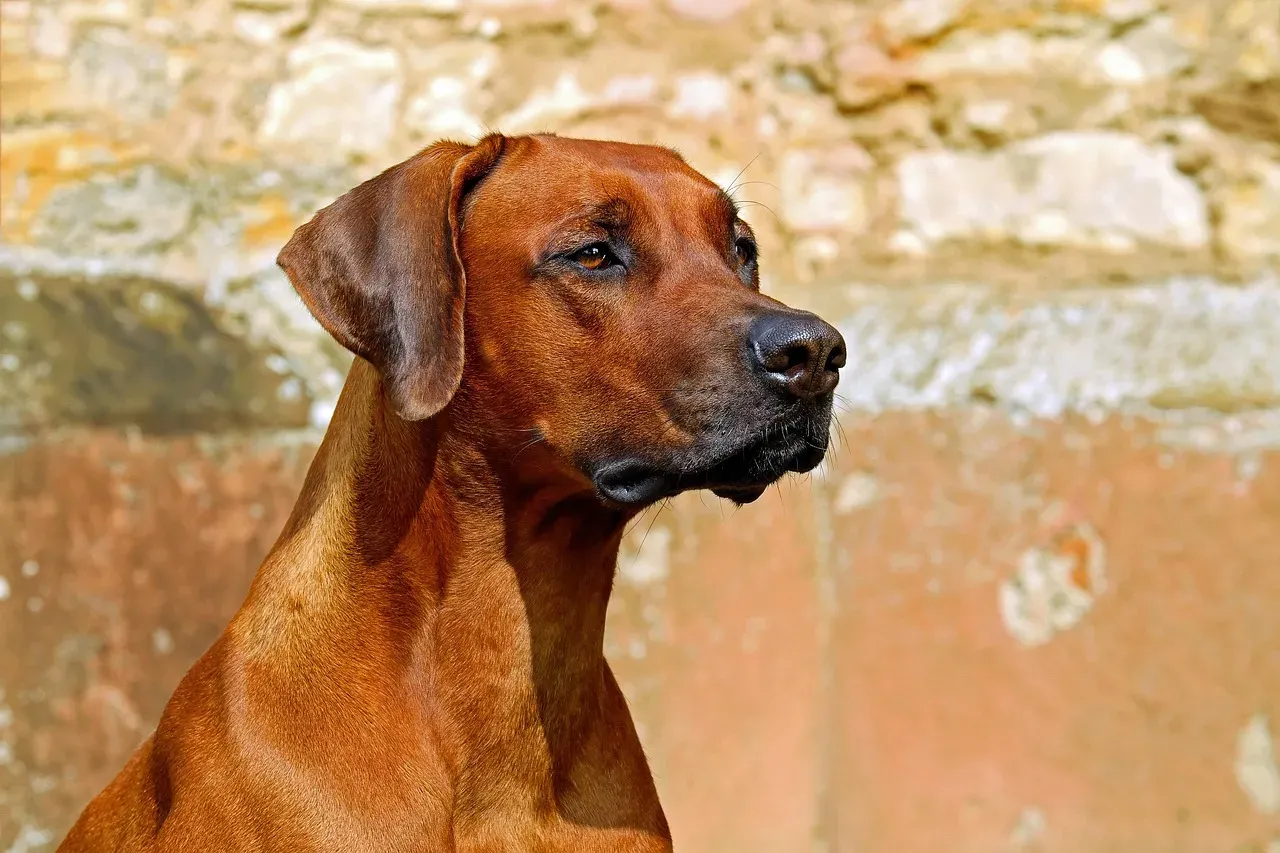
The Rhodesian Ridgeback is a hound developed in Africa. They were used to hunt large game for many hours over long distances. They’re very active and dignified dogs, reserved toward strangers but deeply affectionate with their families. There’s a quiet confidence to a Ridgeback on the trail – they don’t bounce around like some breeds, but they cover ground with serious purpose.
Historically bred to track large game in southern Africa, this breed adapts better to heat than most. A fast runner with incredible endurance, the Rhodesian Ridgeback is equipped with low-maintenance short hair and thick paw pads that tackle rough terrain. Loyal and hardworking, this breed has the energy to keep up when the going gets tough. If you hike in warmer climates, this is your breed.
6. Border Collie: The Genius of the Trail
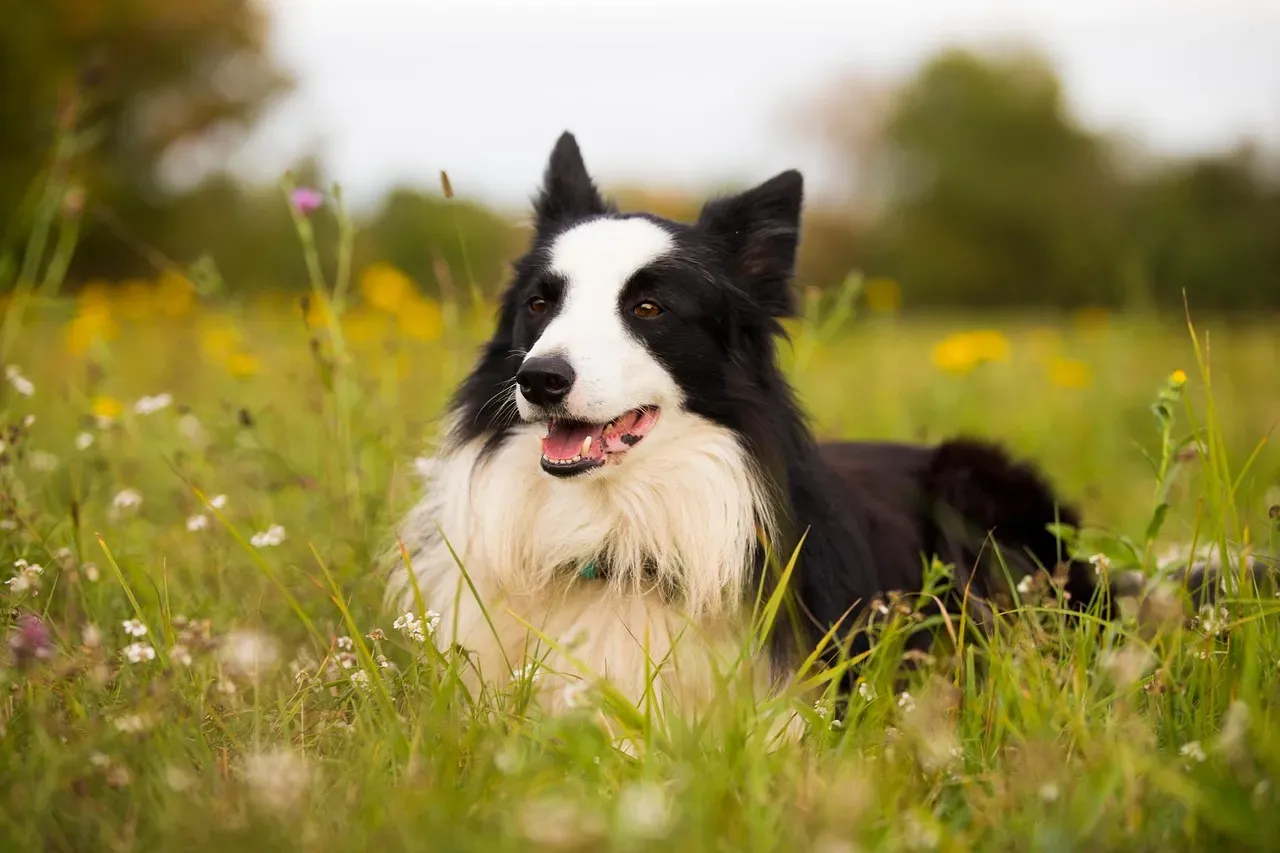
Border Collies are highly athletic dogs known for their agility and endurance, allowing them to keep up with demanding hikes for extended periods. They are among the most intelligent dog breeds and respond well to training, making them easy to teach hiking-specific commands and trail etiquette. I honestly think a Border Collie on a complex trail is one of the most impressive sights in the dog world.
Their agility, quick reflexes, and drive to work make them highly reliable for hiking in varied terrains. Collies thrive when given challenges, so long, complex trails suit them perfectly. Their herding instincts contribute to excellent off-leash performance, as they remain focused on their owner’s cues. Fair warning: Border Collies have intense exercise needs. If you are only an occasional hiker and live a mostly sedentary lifestyle, this might not be the right breed for you. Without plenty of physical and mental stimulation, Border Collies often become bored and destructive.
7. Bernese Mountain Dog: The Gentle Giant With Surprising Power
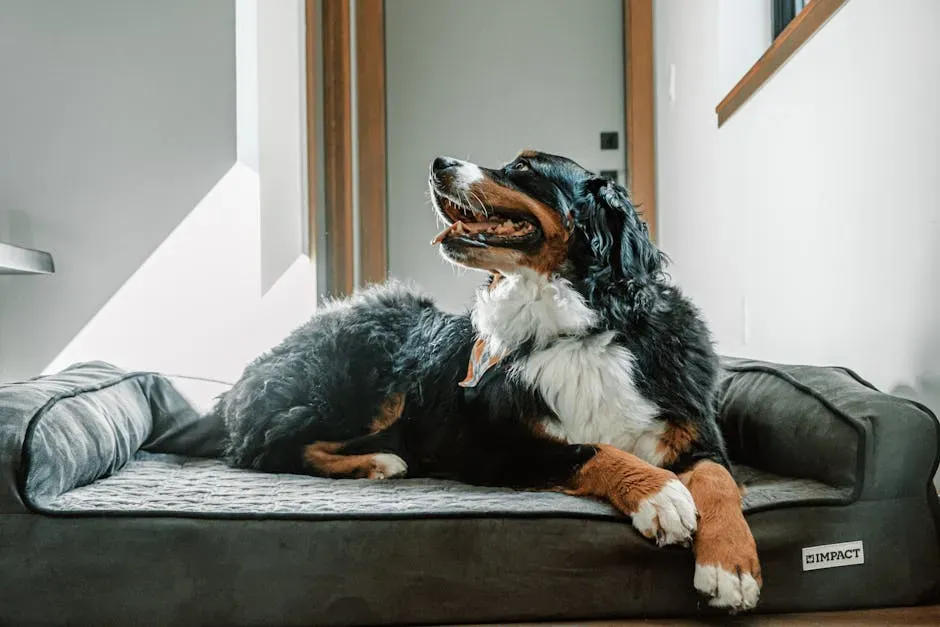
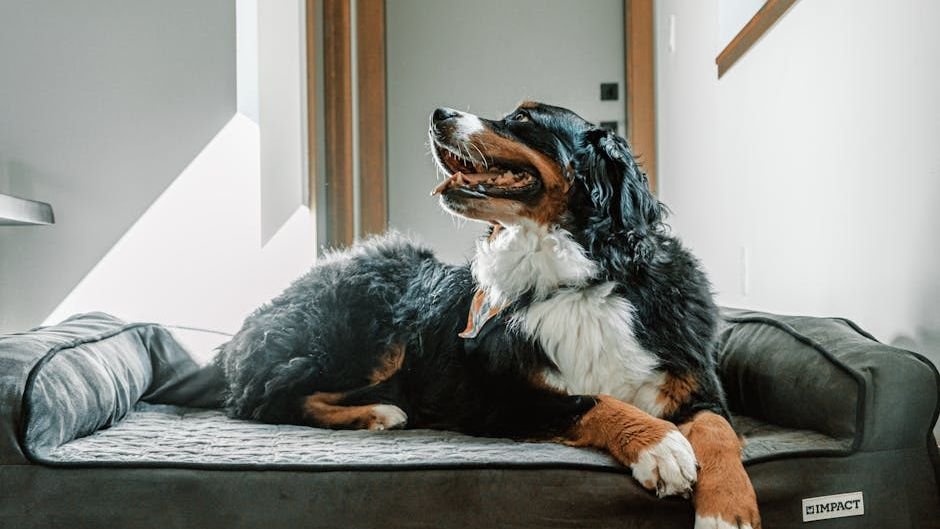
These hardy and affectionate gentle giants were bred to be working farm dogs in the Swiss Alps, and life in the mountains is in their blood. The Bernese Mountain Dog can pull ten times their own body weight, so they’ll even be able to carry their own pack on the trail. There’s something deeply satisfying about hiking alongside a Berner – they radiate calm strength.
Despite their size, Bernese Mountain Dogs possess surprising agility and endurance. They can cover significant distances without tiring quickly, making them great for longer hikes, especially during the winter. They are loyal and protective of their owners, providing a sense of security on the trail and forming strong bonds with their hiking companions. Keep in mind they can overheat in the summer, so plan cold-weather adventures to truly see them shine.
8. Australian Cattle Dog: The Workaholic You’ll Struggle to Tire Out
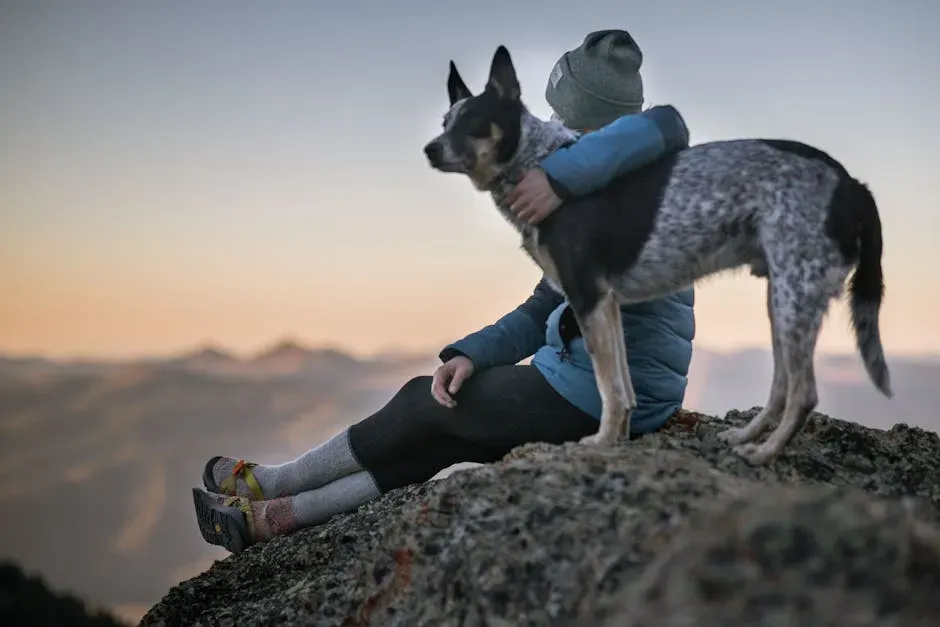
Australian Cattle Dogs are highly energetic and have exceptional endurance, allowing them to keep up with demanding hikes and cover long distances without tiring easily. These compact, muscular dogs were built to work sun-up to sundown on Australian stations – a ten-mile hike is basically a warm-up for them.
ACDs are agile and have remarkable stamina, making them well-suited for navigating challenging terrains and enduring strenuous hikes. They are highly intelligent and trainable dogs, making them responsive to commands and easy to teach hiking-specific skills and behaviors. Their alertness on trail also makes them naturally watchful, which is a nice bonus when you’re out in wildlife territory.
9. Alaskan Malamute: The Powerhouse Built for Long Hauls
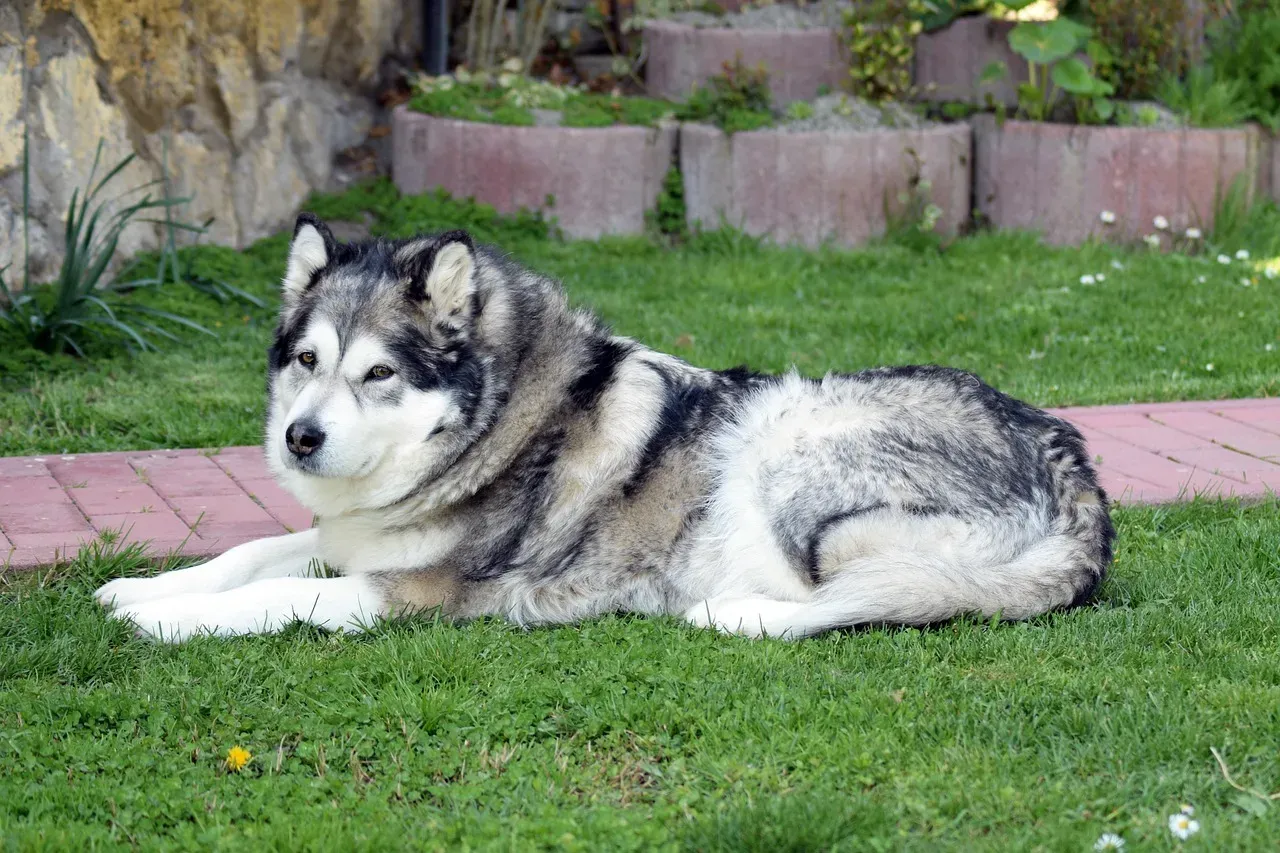
The Alaskan Malamute is a large working dog bred for pulling carts and sleds over long distances. They’re playful and affectionate dogs that enjoy spending time outdoors, especially in cold weather. Since they were bred for endurance rather than speed, they’re especially suited to going on long hikes. Think of them as the steady freight train of hiking dogs – not the fastest, but they will absolutely outlast you.
Unlike the Husky, the Malamute brings even more muscle and mass to the trail. They are strong and robust dogs, capable of pulling sleds or carrying backpacks, which can be useful during extended hiking trips or when carrying gear. Just be mindful of warmer temperatures. Their dense double coat is legendary in cold climates but requires careful management when the mercury rises.
10. Labrador Retriever: The Happy-Go-Lucky Trail Friend

Labs are known for their boundless energy and enthusiasm, which makes them well-suited for long hikes. They have excellent endurance, allowing them to keep up with extended hikes over various terrains. Labs are natural swimmers and are not hesitant to cross streams or lakes, making them suitable for hikes involving water crossings or lakeside trails.
There’s a reason Labs consistently rank among the most popular dogs in the world. On the trail, they bring infectious enthusiasm that genuinely lifts your mood. Golden Retrievers and Labs alike are outdoor naturals who are equally enthusiastic about a splash in a creek and chilling at your campsite. They’re smart and responsive, adapting easily to different hiking scenarios. Their one downside? They love everyone they meet, so if trail etiquette is a priority, some focused recall training is essential.
11. Standard Poodle: The Surprising Athlete Hiding in Plain Sight
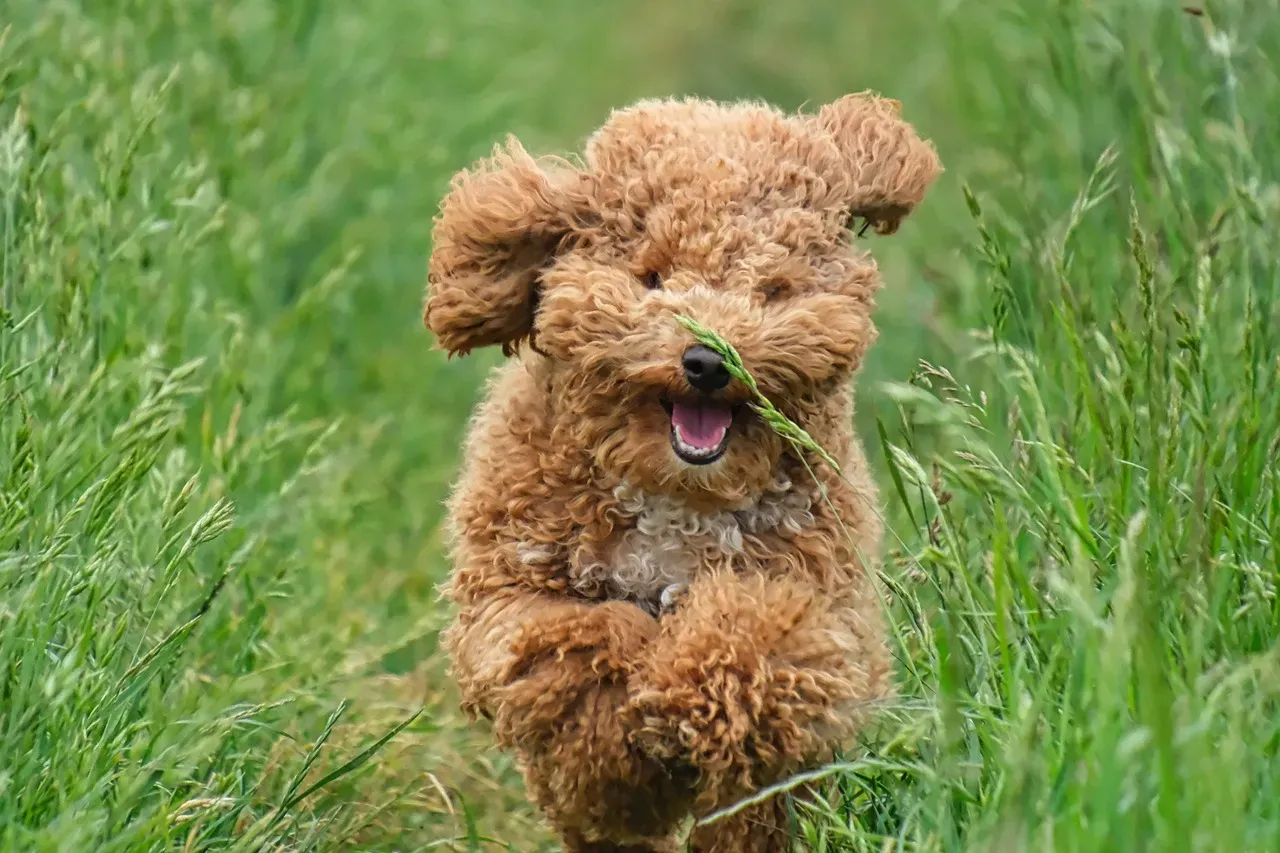
Let’s be real – when most people picture a hiking dog, a Poodle is probably not the first image that comes to mind. That’s a genuine shame. Bred as water retrievers, Standard Poodles are athletic, intelligent, and versatile companions. Their endurance and problem-solving abilities make them surprisingly strong hikers, while their hypoallergenic coat is a plus for allergy-sensitive owners. That curly coat does require regular grooming, especially after muddy or wet trails, but it also offers insulation for cooler weather.
Poodles are adaptable, fitting in on both casual hikes and more demanding treks, and their social temperament makes them easy companions on crowded trails. They thrive mentally and physically on the kind of sensory stimulation a trail offers. If you’ve been overlooking the Poodle as a hiking partner, it’s time to reconsider completely.
12. Portuguese Water Dog: The Underrated Ocean-to-Mountain Athlete
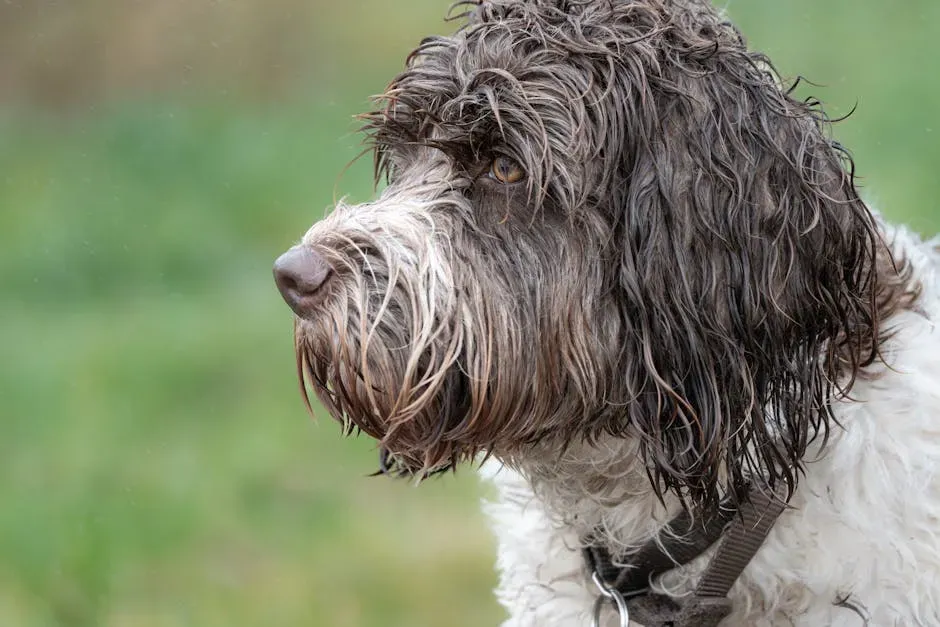
The Portuguese Water Dog has worked many jobs, including herding fish into fishermen’s nets, retrieving tackle and nets, and as couriers from ship to shore or ship to ship. All of that history adds up to one impressively capable, high-energy athlete. This adventurous dog makes a great companion on land, too, with the endurance to take on the trail and an affable attitude that makes for excellent company on the mountain.
Thanks to their natural swimming aptitude, they’ll also happily take a break from the trail in any body of water or pond you come across. They are highly trainable, so you can be sure that your pup will stay safe and follow your commands while on the trail. The Portuguese Water Dog is genuinely one of the most underrated hiking breeds out there, and if you haven’t seen one charging up a rocky switchback with a huge grin on their face, you’re missing something special.
Conclusion: Finding Your Perfect Trail Partner

Every dog on this list brings something unique to the trail – raw endurance, emotional connection, problem-solving intelligence, or sheer unstoppable enthusiasm. The best hiking companion isn’t just about breed, though. When it comes to hiking with your dog, physical characteristics are as important as personality. There are many dog breeds that have been bred for long hours of work outdoors during any and all weather conditions. Matching their traits to your terrain, climate, and fitness level is what turns a good hike into a great one.
Whatever breed you choose, always watch for the signs your dog needs a break – excessive panting, lagging behind, or reluctance to continue are key signals to slow down. Before you hit the trail, make sure your hiking dog has regular checkups and is up to date on vaccinations and flea and tick preventive medicines. A little preparation goes a long, long way.
The trail is always better with a dog by your side. The question is – which one will be yours? Drop your favorite hiking breed in the comments, we’d love to hear your trail stories!


