
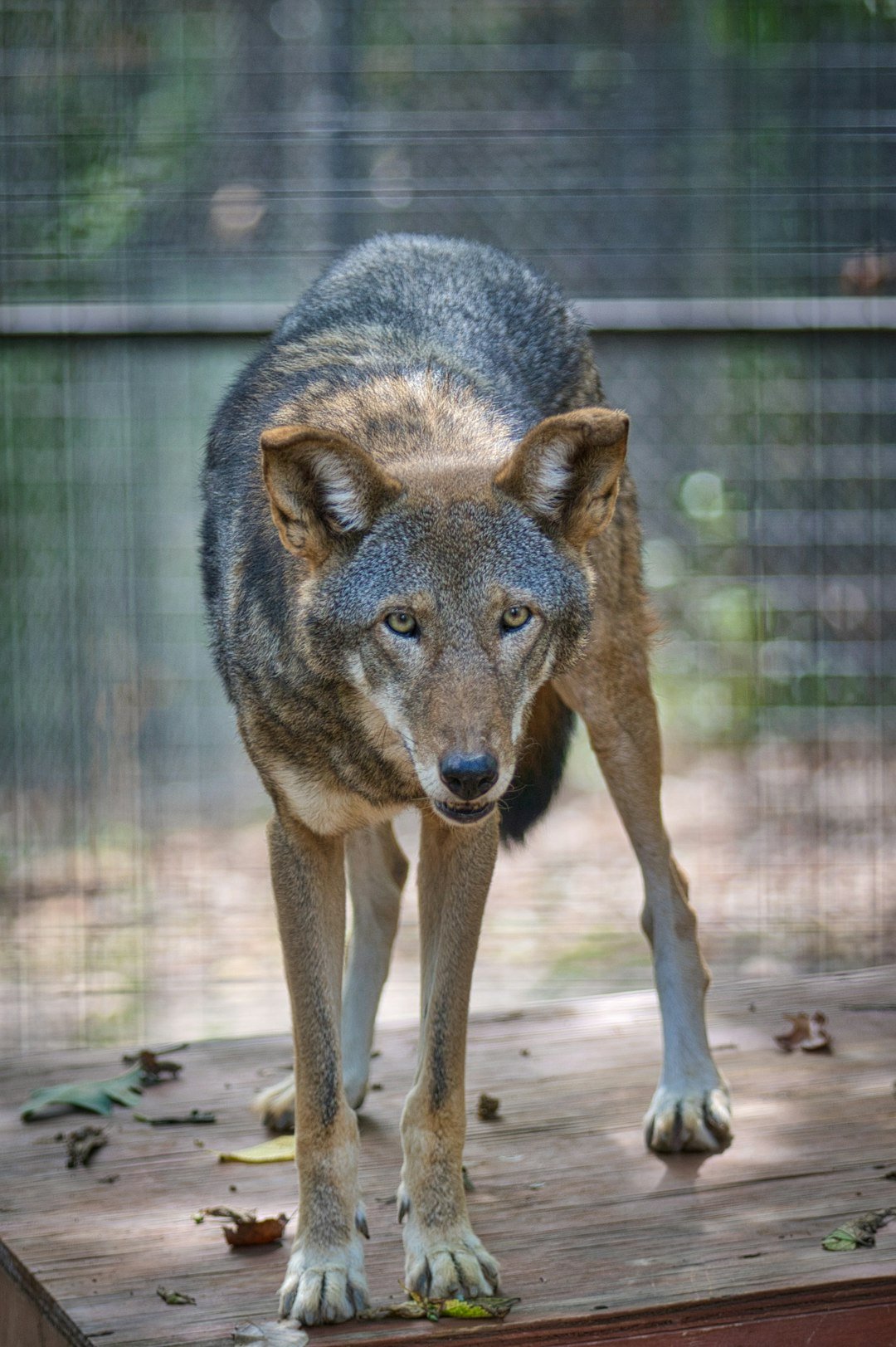
Petition Targets Loopholes in Lethal Control Rules (Image Credits: Unsplash)
Colorado – Conservation groups have filed a petition urging Colorado Parks and Wildlife to impose tougher requirements before allowing the lethal removal of gray wolves reintroduced to the state.
Petition Targets Loopholes in Lethal Control Rules
The Center for Biological Diversity submitted the petition to the Parks and Wildlife Commission on Monday. It calls for written, evidence-based determinations before any lethal action against wolves confirmed to have preyed on livestock. Advocates argue current regulations lack clear definitions of reasonable nonlethal conflict measures.[1][2]
Commissioners advanced the proposal following a March 4 meeting. Colorado Parks and Wildlife must now draft potential rule changes for future review. The effort seeks to shorten chronic depredation permit validity from 45 days to 30 days and ensure consistent standards across operations.
Alli Henderson, the center’s southern Rockies director, stated that the petition promotes clarity, fairness, and prevention. She emphasized making lethal control a true last resort.[1]
Linked Efforts to Curb Fur Sales and Protect Beavers
The same group backed a separate petition at the March 4 meeting to ban commercial sales of fur from up to 17 furbearing species. Commissioners approved advancing it by a 6-4 vote, despite staff opposition. Exemptions would apply to items like fishing flies and felted Western hats.[3][1]
Proponents view the ban as aligning management with public trust principles and reducing overharvest incentives. Opponents warn it undermines science-based conservation funded by hunters.
Advocates also support House Bill 1323, introduced in early March, to prohibit beaver kills on state and federal public lands. Sponsors highlight beavers’ role in wildfire mitigation and watershed health amid drought. The measure awaits a hearing in the House Agriculture, Water and Natural Resources Committee.[4]
Reintroduction Progress Amid Livestock Losses
Voters narrowly approved gray wolf reintroduction in 2020 via Proposition 114. Colorado Parks and Wildlife released the first five wolves in Grand County on December 18, 2023. Officials translocated 25 wolves from Oregon and British Columbia by early 2026, with 13 surviving due to vehicle strikes, snares, and other causes.[1]
At least 26 wolves now roam the state, including pups from packs like Copper Creek and One Ear. The U.S. Fish and Wildlife Service halted further imports from British Columbia in January.
- Nonlethal tools promoted: Fence flags, flashing lights, guardian dogs, range riders, carcass removal.
- 2025 compensation: Over $700,000 approved for livestock losses, with claims possibly topping $1 million.
- Total translocated survivors: 13 of 25.
Ranchers Push Back on Added Restrictions
Grand County rancher Tim Ritschard, president of the Middle Park Stockgrowers Association, called the petition politically motivated. He said producers already exhaust nonlethal options, which have limitations. Compensation payments reflect wolves’ true costs to agriculture, he added.[1]
Hunting groups favor the status quo, viewing changes as threats to livestock protection on public lands. Trapping advocates decry the beaver bill as circumventing stakeholder processes led by biologists.[4]
These debates echo broader tensions since reintroduction, balancing predator recovery with rural economies.
As Colorado navigates wolf management, the petition process underscores a pivotal moment for coexistence strategies. Clear rules could foster trust, but divisions persist.
Key Takeaways
- Petition demands proof of nonlethal efforts before wolf kills.
- Fur sales ban and beaver protections advance amid opposition.
- Reintroduced wolves number at least 26, with rising compensation costs.
What do you think about these wildlife proposals? Tell us in the comments.


