
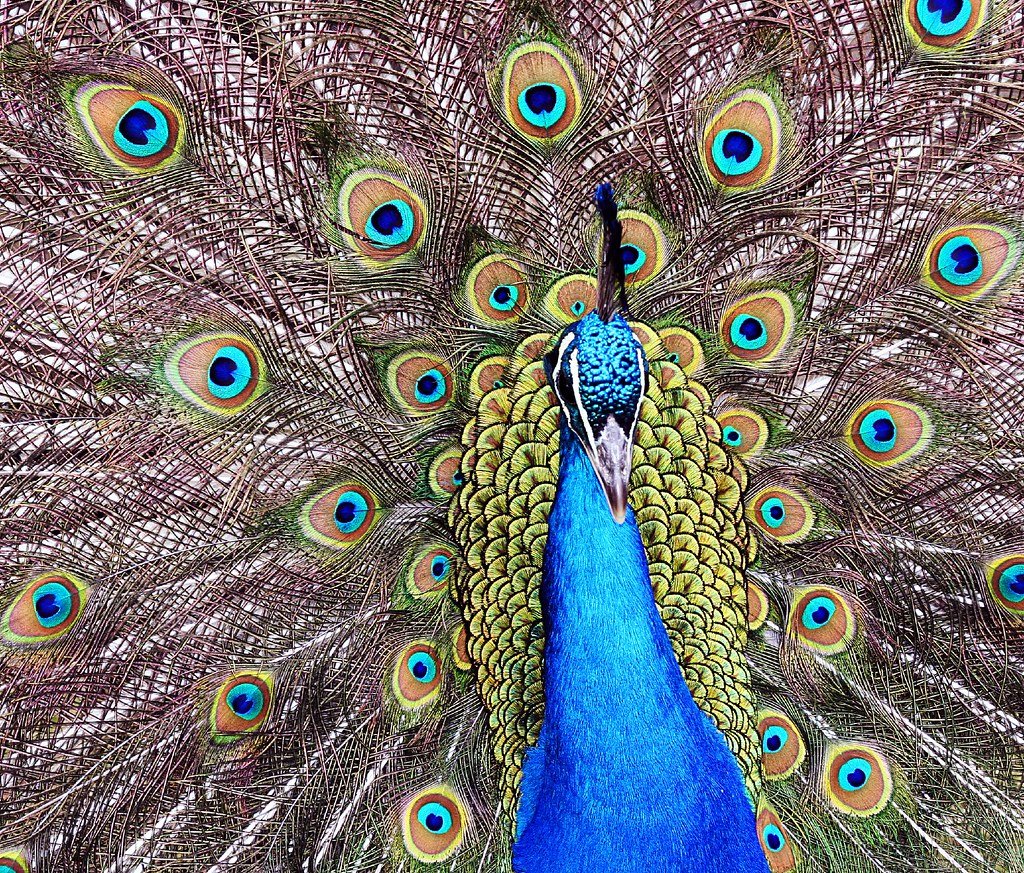
Lizards display neon scales, birds exhibit iridescent plumage, and fish gleam with vivid hues, while most mammals remain confined to shades of brown, gray, and black.[1]
Mammals’ Restricted Pigment Toolkit
Evolutionary biologist Matthew Shawkey explained that mammals rely solely on melanin for coloration.[1] This pigment produces blacks, browns, reds, and yellows through eumelanin and pheomelanin variants, with its absence yielding whites in species like zebras and pandas.
Other animals access a broader array. Birds, reptiles, and fish employ carotenoids for yellows and oranges, porphyrins for reds and pinks, and pterins for whites and yellows. These pigments combine to create intense saturations beyond mammalian capabilities.
Hair structure further limits options. Unlike feathers or scales, which form nanoscale patterns for iridescent structural colors, mammalian fur lacks the complexity needed for such effects.[1]
- Carotenoids: Bright yellows, oranges (common in birds).
- Porphyrins: Reds, pinks (reptiles, birds).
- Pterins: Whites, yellows (fish, amphibians).
- Melanin only: Earth tones (mammals).
A Nocturnal Past Shaped Drab Coats
Early mammals endured over 100 million years as small, nocturnal prey amid dominant dinosaurs. Dark colors aided camouflage in low light, suppressing any advantage from bright hues.
A 2025 study in Science analyzed melanosomes – pigment-storing organelles – in Jurassic and Cretaceous mammal fossils. All six specimens across lineages displayed uniform geometry linked to dark-brown pelage, consistent with crypsis and night activity.[2][1] Shawkey noted, “Any bright color would have been selected against.”[1]
Post-dinosaur extinction 66 million years ago, mammals diversified into more than 6,000 species. Yet most retained muted tones, as many species stayed nocturnal and faced ongoing predation pressures.[1]
Vision Constraints Reinforce the Trend
Most mammals possess dichromatic vision, with only two cone types for color detection. This setup excludes reds, oranges, purples, and reduces saturation perception, prioritizing low-light sensitivity.
Without robust color vision, vibrant displays offered little benefit for mating or warnings. Predators and prey alike viewed the world in similar limited palettes, diminishing selective pressure for bold pigments.
Trichromatic vision reemerged in primates for fruit detection, correlating with brighter faces in species like mandrills. However, this remains exceptional among mammals.[1]
Patterns and Subtle Signals Take Over
Mammals adapted creatively. High-contrast patterns serve where hues fall short.
| Species | Pattern Purpose |
|---|---|
| Tiger | Orange fur appears green to dichromatic deer, enhancing grass camouflage. |
| Skunk | Black-and-white stripes warn of spray defense. |
| African wild dog | White tail signals during hunts. |
| Indian giant squirrel | Black, brown, yellow contrasts blend with varied threats. |
Scent, sound, and behavior supplement visuals, freeing mammals from color dependency.[1]
Hidden Sparks of Mammal Color
Exceptions exist. Mandrills boast red-and-blue bare skin, bypassing fur limits. Sloths host green algae on coats.
Fluorescence under UV light appears in many species, visible to conspecifics. Recent findings revealed iridescence in African groove-toothed rats, where sunlight on preserved pelts sparked discovery. Evolutionary biologist Jessica Dobson remarked, “When you start looking, mammals are more colorful than we give them credit for.”[1]
Key Takeaways
- Mammals depend on melanin alone, missing diverse pigments of other vertebrates.
- Nocturnal dinosaur-era survival locked in drab camouflage.
- Dichromatic vision eliminated pressure for bright signals.
Mammals thrive through subtlety and ingenuity, proving evolution favors fitness over flash. Their muted world reveals clever adaptations overlooked by human eyes. What mammal pattern fascinates you most? Share in the comments.


