
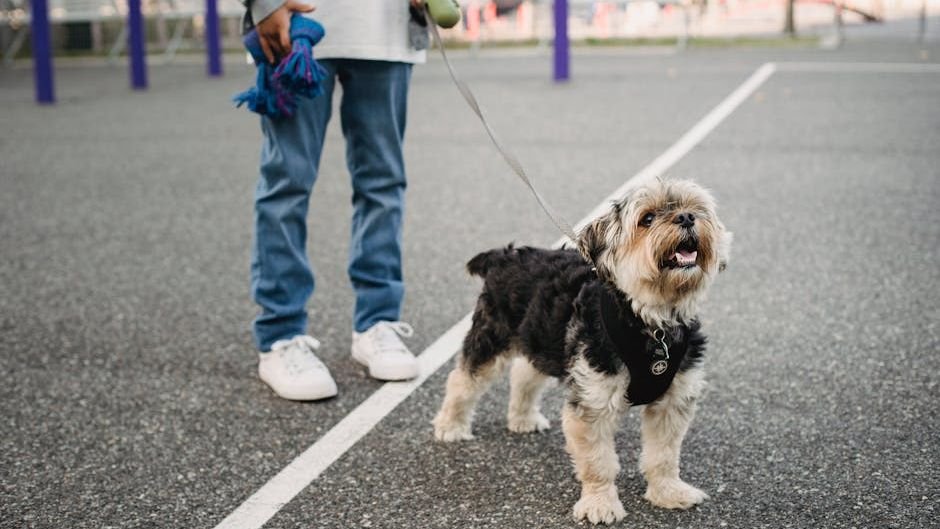
You love your dog more than most people love their morning coffee. You’d do anything for them. So imagine the gut punch of realizing that some of the things you do every single day, totally out of love, might actually be making your dog’s problems worse. Honestly, it happens to even the most devoted dog parents.
Dogs are brilliant, emotional creatures. They read our energy, our body language, and our patterns with an almost eerie accuracy. When our signals get mixed up, scrambled, or just plain confusing, their behavior often spirals in ways that baffle us. The good news? Every single habit on this list is fixable. Let’s dive in.
1. Being Inconsistent With Rules and Boundaries

If you sometimes let your dog jump on you because you’re wearing casual clothes, but at other times punish them for the same behavior, that’s deeply confusing. Dogs simply don’t know the difference in clothing, and this kind of inconsistency can cause real anxiety.
Dogs thrive on routine and clear expectations. When commands, boundaries, and rewards are inconsistent, your dog becomes confused and may exhibit undesirable behaviors. Think of it like a workplace where the rules change daily. Nobody thrives there, and neither does your pup.
Dogs are habitual creatures, meaning they do best with a consistent routine and rules. If you keep changing boundaries, like allowing your dog on the couch one week and not the next, your dog will end up confused and may even shut down and stop trying to obey.
2. Accidentally Rewarding Bad Behavior

For example, if your dog growls or barks at another dog and you try picking them up or petting them to calm them down, the dog takes this as a positive association. If they bark at someone, they end up getting a hug, which encourages the dog to repeat the aggressive or unwanted actions.
Many owners interpret unwanted behavior as intentional disobedience, when in reality dogs don’t operate from guilt, spite, or moral awareness. They operate from reinforcement history and habit. If a dog jumps, pulls, steals food, or barks excessively, it’s because the behavior has worked for them in some way.
Here’s a relatable picture: your adorable puppy whines at the dinner table, so you sneak them a bite just to get some peace. Congratulations, you’ve just enrolled them in a masterclass in table begging. Reinforcement isn’t about intention. It’s about what the dog perceives as rewarding.
3. Using Punishment Instead of Positive Guidance
This tag does not indicate the copyright status of the attached work. A normal copyright tag is still required. See Commons:Licensing.
العربية ∙ বাংলা ∙
Bahaso Jambi ∙
Deutsch ∙ Deutsch (Sie-Form) ∙ English ∙ español ∙ euskara ∙ فارسی ∙ français ∙ italiano ∙ 日本語 ∙ 한국어 ∙ македонски ∙ മലയാളം ∙ Plattdüütsch ∙ Nederlands ∙ polski ∙ پښتو ∙ português ∙ русский ∙ slovenščina ∙ svenska ∙ Türkçe ∙ українська ∙ 简体中文 ∙ 繁體中文 ∙ +/−, Public domain)
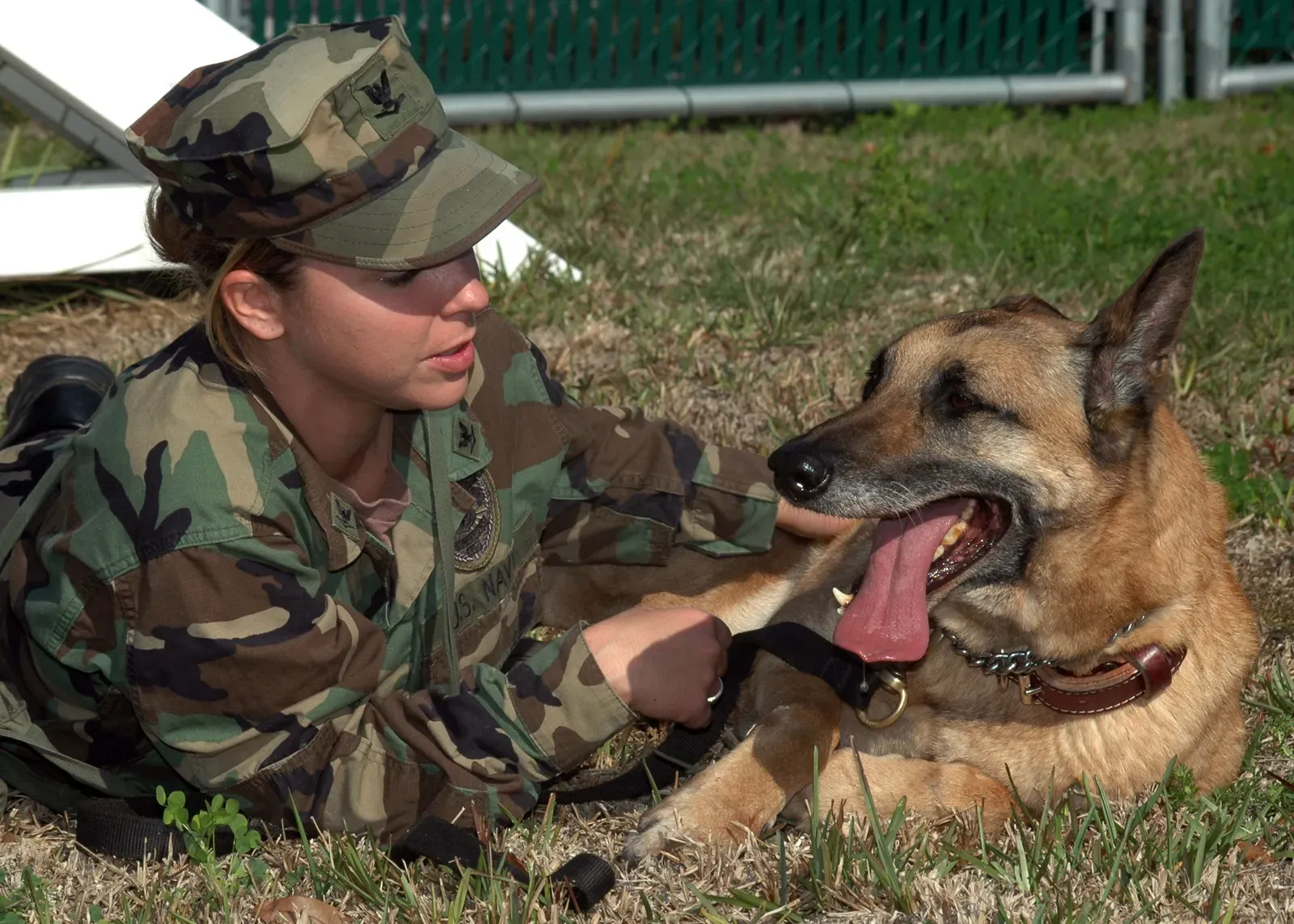
Almost without exception, physical punishment, including the use of prong collars and electric shock collars, can make an already aggressive dog worse. These techniques are not recommended, especially in the absence of professional supervision.
Punishment doesn’t work in any lasting way. It might show a short-term result, but your dog will get frustrated, which could lead to fear or aggression over time. It’s like trying to fix a leaky pipe by slapping a sticker over it. The pressure just builds.
Punitive methods simply suppress undesired behaviors with corrections. Instead, positive methods get to the root of the problem and work to change the way the dog thinks and feels, gradually eliminating the unwanted behavior for good.
4. Punishing Your Dog Hours After the Fact
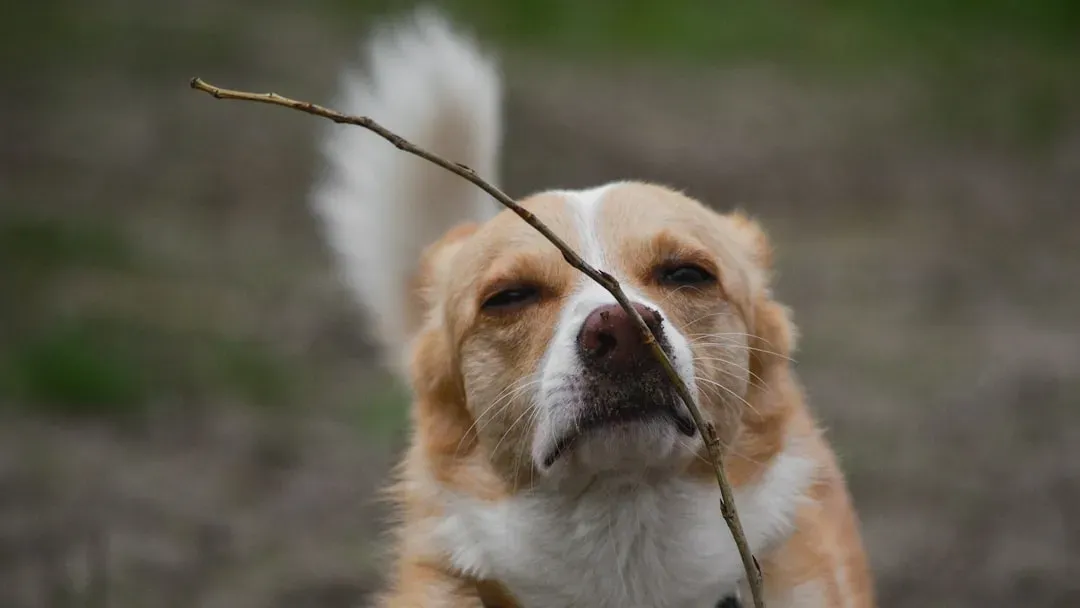
If you come home and your dog has had an accident, they will have already performed multiple behaviors since it happened. Punishing them hours later will only confuse them, as they won’t associate the telling off with their earlier misbehavior.
This is one of the most heartbreaking mix-ups, because owners genuinely think they’re teaching a lesson. Your dog isn’t sitting there replaying the crime scene. The old way of rubbing your dog’s nose in their potty accident has been debunked over and over again. Dogs just don’t make the connection, and it can cause all kinds of emotional issues you’ll have to address later.
5. Shouting When Your Dog Barks
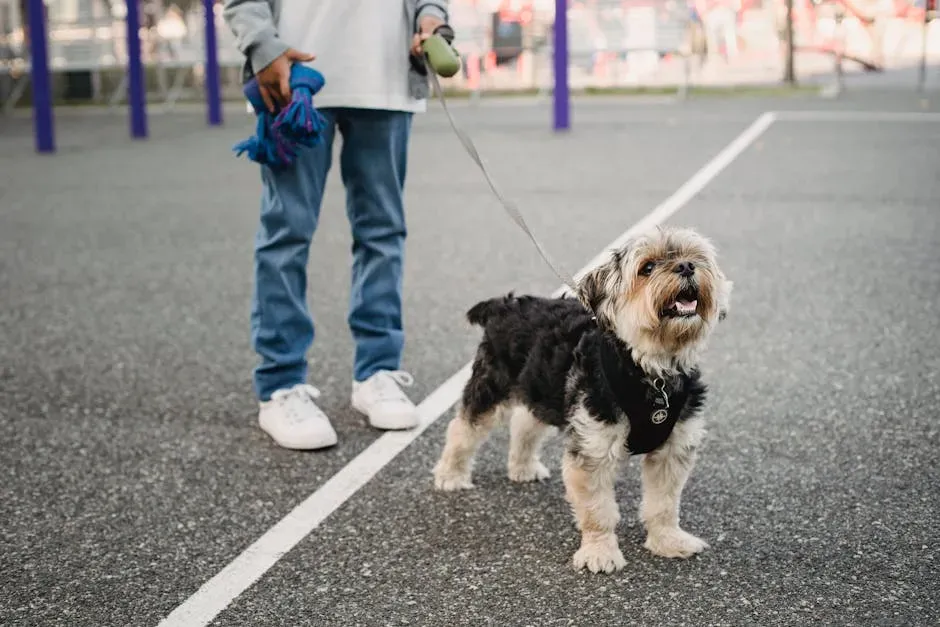
Dogs read human messages through body language and tone of voice. If you’re constantly shouting at them, they may misinterpret it as you joining in and bark even louder. If you simply ignore them or speak in a calm yet firm voice, they should eventually stop.
Owners’ inappropriate responses to their dog’s barking might increase the behavior. If owners pay attention to their dog, including eye contact or saying “no,” while or after it barks, this will usually result in making the barking response stronger. It’s the canine equivalent of answering every text from someone you want to stop texting you.
If your dog barks when someone knocks on the door, they are instinctively guarding their territory. Shouting at them to hush actually fuels the frenzy. Talk to them in a soothing voice and reassure them that the intruder is not a threat.
6. Ignoring Early Warning Signs of Stress

Many dog owners fail to notice the early warning signs of reactivity. These signs can include subtle changes like stiffening body posture or lowered ears. Observing these cues allows owners to intervene before behavior escalates. Ignoring these indicators can lead to full-blown aggressive outbursts.
It’s important to understand these behaviors are not the dog being bad. They are communicating their discomfort. Missing these signals is like ignoring the “check engine” light until smoke pours from under the hood. By then, the repair is so much harder.
7. Overlooking Possible Health Issues Behind the Behavior
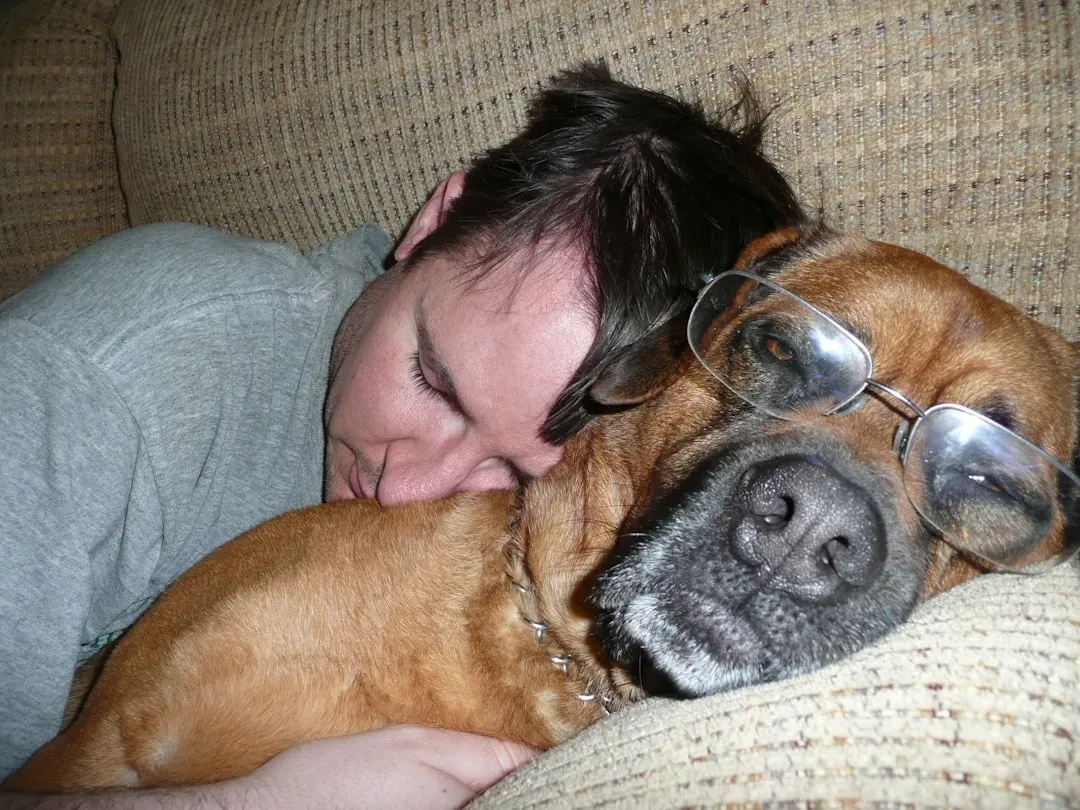
Health problems cause behavior issues more often than people realize, and health issues are often missed. Think about it: if you’re not feeling well, you’re probably going to be cranky or not yourself. Your dog is the same way, except a dog doesn’t have words to tell you. Health issues that can change your dog’s behavior include arthritis, hip dysplasia, sore teeth, thyroid problems, and many more conditions.
One major mistake dog owners make is overlooking potential medical issues. Health problems can often manifest as behavioral changes. If a dog suddenly becomes reactive, pain or discomfort might be the cause. Not addressing these issues can lead to prolonged distress for the dog. When your sweet, normally calm dog suddenly snaps, rule out pain before assuming it’s a training problem.
8. Misunderstanding What Socialization Actually Means
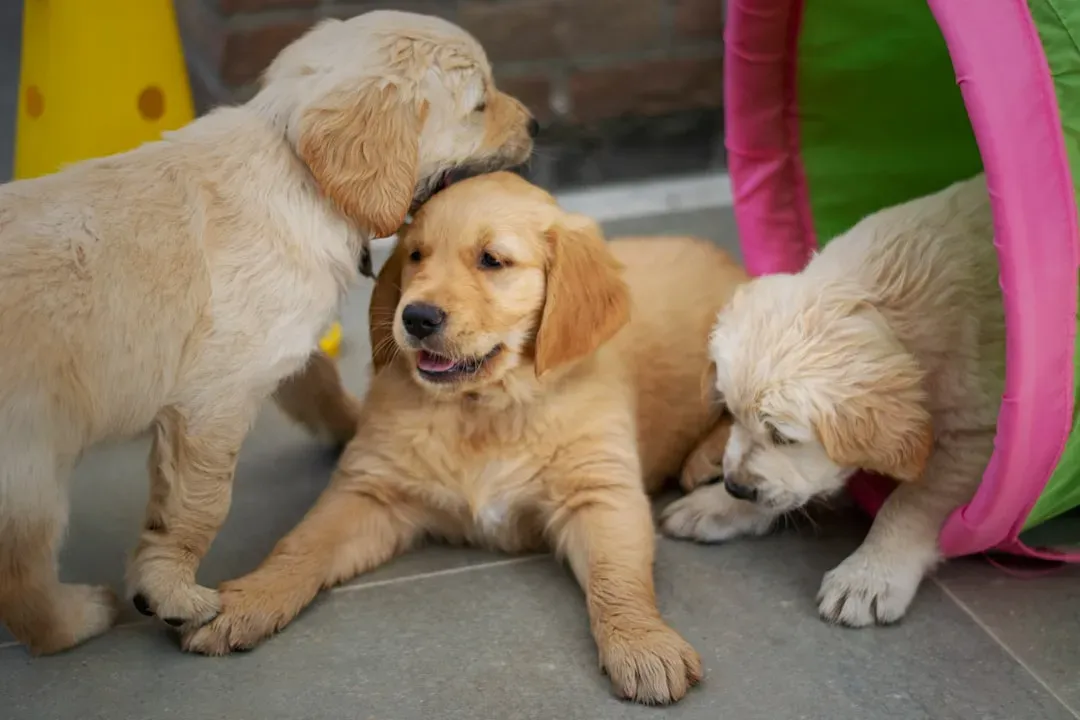
A big misunderstanding is assuming socialization means “meeting lots of dogs.” Proper socialization is about exposure to a variety of environments, sounds, surfaces, people, and controlled interactions, not letting every dog run up and say hello. Over-socialization in chaotic settings can actually create reactivity or insecurities later.
Socialization is the process of providing your puppy positive, controlled exposure to other dogs, people of all types, sounds, surfaces, and new experiences. Dogs need to be socialized to the human world starting as young puppies and continuing throughout their lives. Quality over quantity is the real name of the game here.
9. Expecting Your Dog to Just “Grow Out of It”
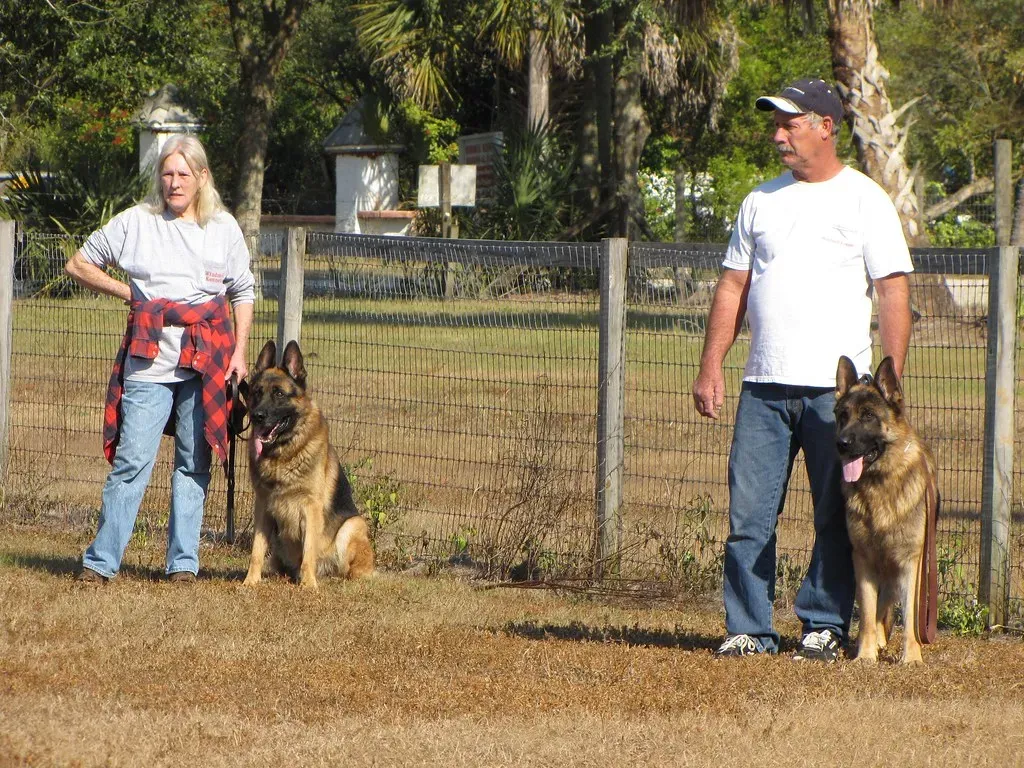
Dogs grow into patterns, not out of them. If a young dog practices pulling, barking at windows, or resource guarding, those behaviors strengthen with repetition. Early course correction is always easier than trying to undo months of unwanted habits.
Dogs don’t simply grow out of bad behaviors. If your dog has learned that a certain behavior gets rewarded as a puppy, they will keep doing it until you have trained them not to. Waiting feels like the kind thing to do. In practice, it’s a bit like hoping a small weed in the garden will disappear on its own. It won’t. It’ll become a bush.
10. Skipping Structure and Routines in the Name of Freedom
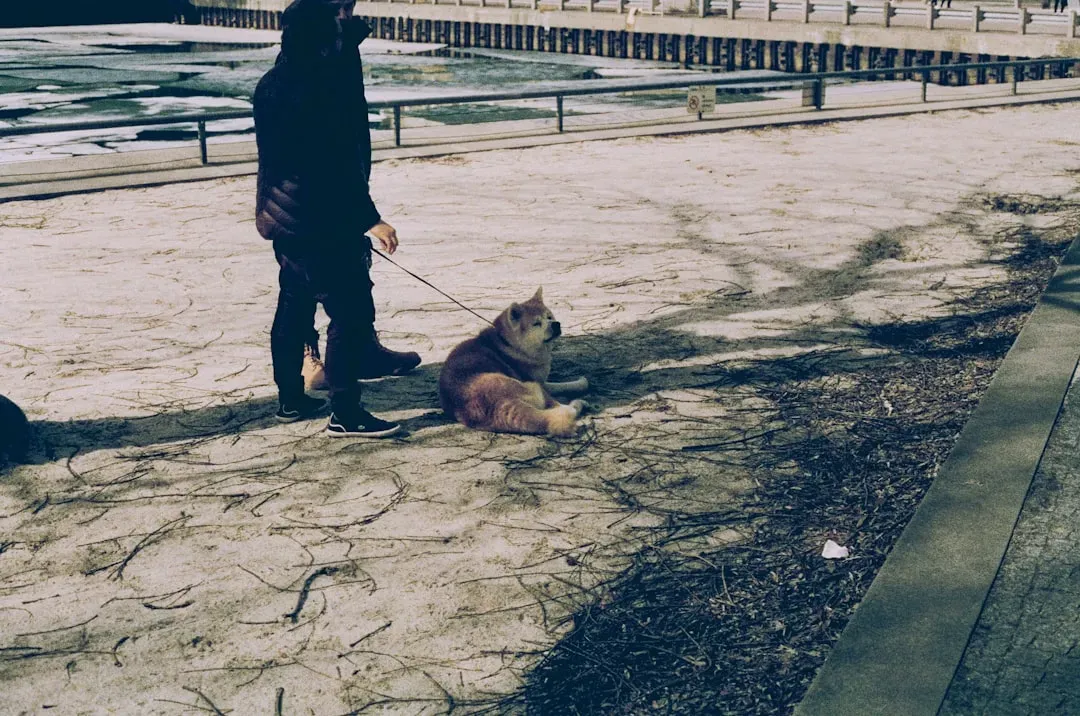
First-time owners often give a new dog tons of freedom right away, including roaming the house, greeting everyone, sleeping wherever, and choosing their own pace. While well-intentioned, this can create anxiety and confusion. Clear patterns like routines, boundaries, and predictable interactions help dogs settle faster and behave more confidently.
Inconsistent or unpredictable human-dog interactions can cause emotional conflict in the dog, where the dog might desire a relationship but does not trust that the interaction will be safe. It’s not about being strict. Think of structure as a warm hug for your dog’s nervous system. They feel safer, calmer, and more trusting when they know what to expect.
You have to be consistent. If you’re not, your dog will be confused and won’t know what you want, which can be even more stressful than any behavioral issue you’re trying to fix in the first place.
The Takeaway: You’re Not a Bad Owner. You’re a Learning One.
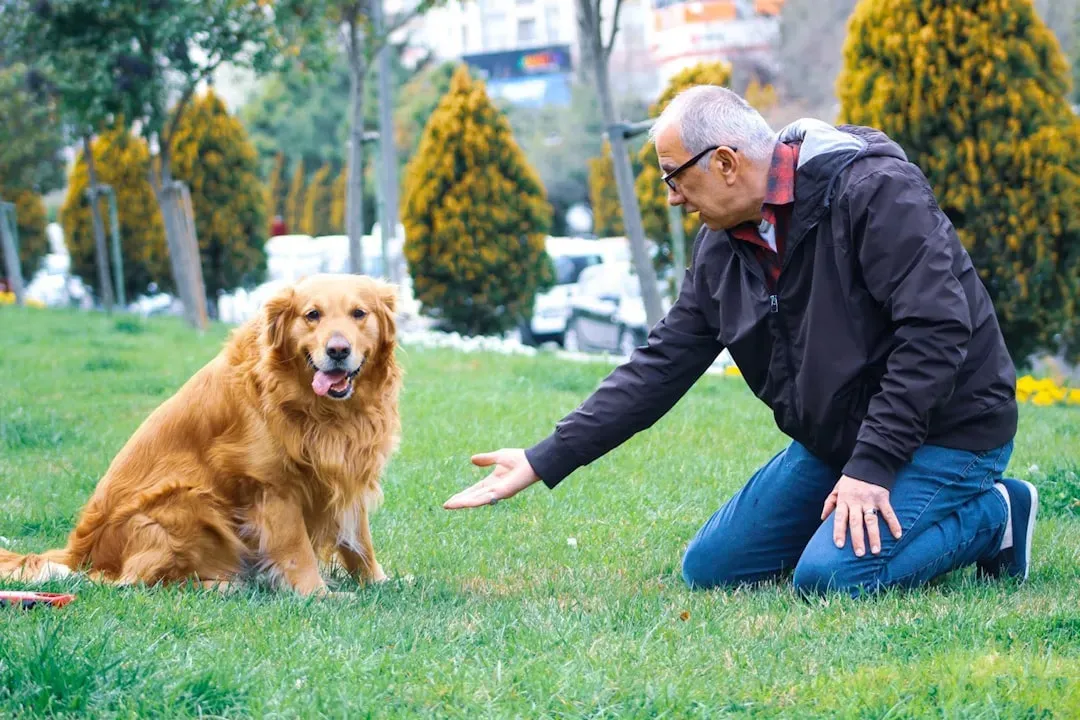
Here’s the thing, every single person on this list is still a good dog owner. These are not bad dogs. They come from common mistakes that are often well-intentioned but based on outdated or misleading information. Sometimes people just don’t know any better.
The moment you understand that your dog isn’t being stubborn or spiteful but is actually reacting to your signals, everything shifts. You stop being frustrated and start being curious. That curiosity is where real change begins.
Your dog watches you more carefully than any person in your life ever has. They want to understand you. Give them the clarity, the consistency, and the compassion they deserve, and you’ll be amazed at how quickly even the toughest behavioral issues start to soften. So, which of these habits did you catch yourself in? Drop it in the comments. You might just help another dog lover do the same.


