
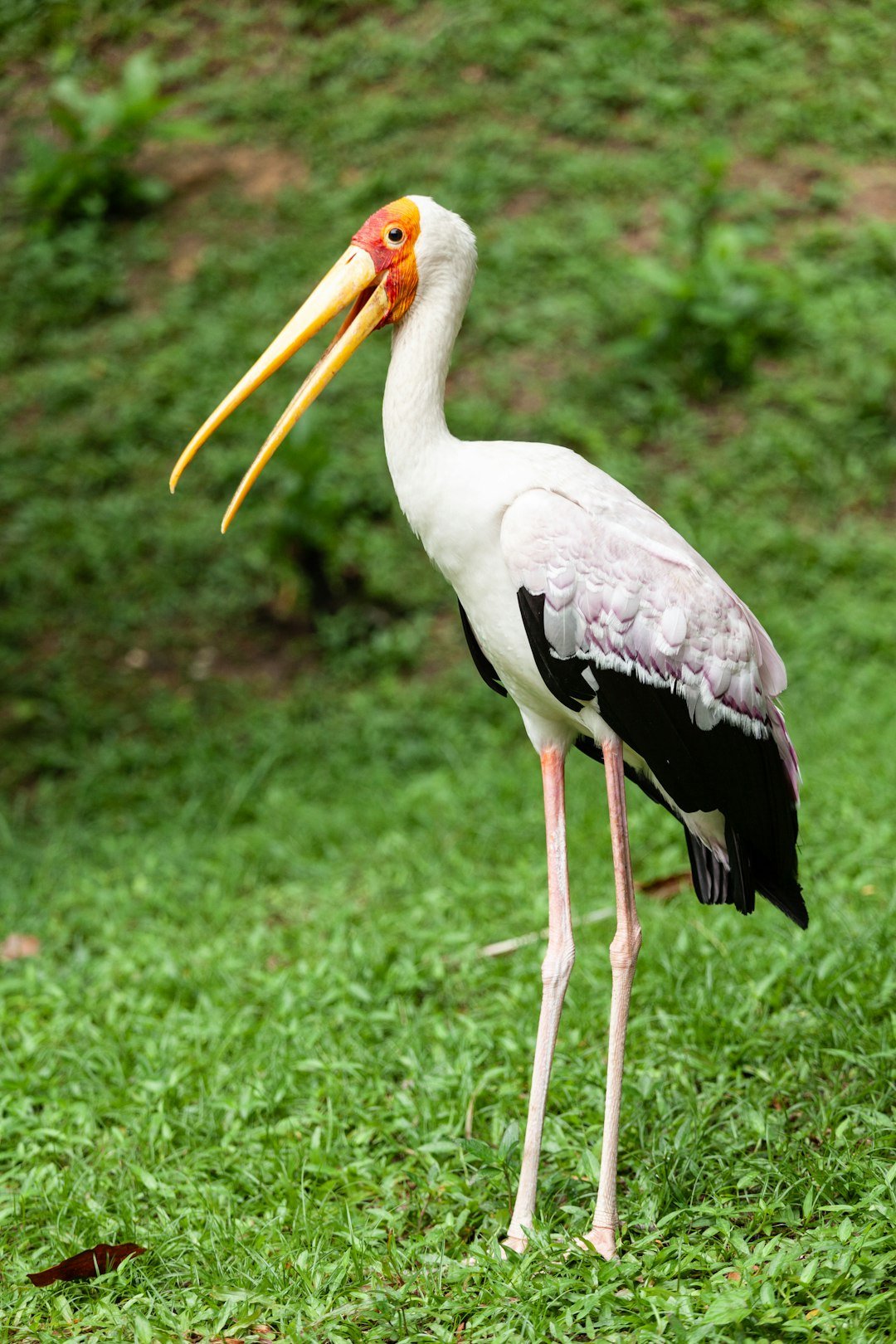
Southeastern United States – Federal officials recently celebrated the wood stork’s removal from the endangered species list after years of targeted conservation reversed a severe population crash.
A Near Loss Remembered
Populations of the wood stork plummeted by more than 75% since the 1930s, pushing America’s only native stork species to the edge of extinction.
Habitat loss and environmental pressures took a heavy toll during that era. Nesting sites dwindled as wetlands degraded across the region. Wildlife experts watched the decline with alarm, prompting urgent federal protections decades ago. The bird’s distinctive foraging behavior, which relies on shallow waters teeming with fish, became increasingly rare. This stark drop underscored broader ecological vulnerabilities in the Southeast.
Conservation Momentum Builds
Decades of coordinated efforts by federal agencies, states, and partners restored critical habitats and bolstered breeding success.
Restoration projects focused on wetlands revival, water management improvements, and predator control. These initiatives spanned multiple states and drew on scientific monitoring to track progress. Nesting platforms and protected foraging areas emerged as key tools. Officials noted steady gains year after year. One federal representative expressed pride in the outcome, stating, “I’m proud.”
Current Population Surge
Today, an estimated 10,000 to 14,000 nesting pairs thrive across six southeastern states, marking a robust recovery.
This figure represents a dramatic turnaround from historical lows. Breeding colonies now flourish in Florida, Georgia, South Carolina, North Carolina, Alabama, and Louisiana. Annual surveys confirm sustained growth and healthy fledging rates. The species’ expansion signals effective safeguards against past threats. Experts view these numbers as a benchmark for other imperiled birds.
Wetlands Reap Broader Rewards
The wood stork’s resurgence points to revitalized wetlands that deliver essential services to coastal communities.
These ecosystems provide natural flood barriers during storms, absorbing excess water and reducing erosion. They also filter pollutants, improving water quality for nearby residents and fisheries. Healthy marshes support diverse wildlife beyond storks, from fish to amphibians. Restoration work enhances resilience against climate shifts. Communities benefit from fewer flood damages and sustained local economies tied to clean waterways.
- Flood protection through natural water storage.
- Water purification via plant filtration.
- Biodiversity boosts for fisheries and tourism.
- Carbon sequestration in marsh soils.
- Storm surge mitigation for coastal areas.
Key Takeaways
- Wood stork populations recovered from over 75% decline since the 1930s.
- 10,000–14,000 nesting pairs now active in six states.
- Success highlights wetlands’ role in flood control and water quality.
This delisting stands as a testament to persistent conservation, proving that targeted actions can revive even the most challenged species. What lessons from the wood stork’s story could guide future wildlife efforts? Share your thoughts in the comments.


